

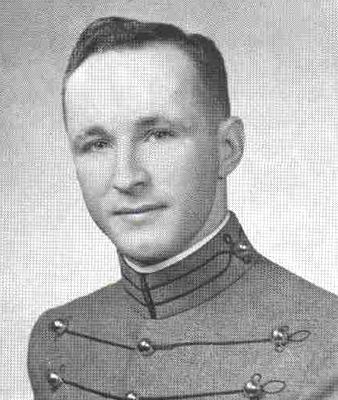
John Sloan
28 MAY 1933 - C1 - 20200
Center for Oral History Interview
John Sloan Web Page
Xenophon Web Page
* * * * * * * * * * * * * * * * * * * * * *
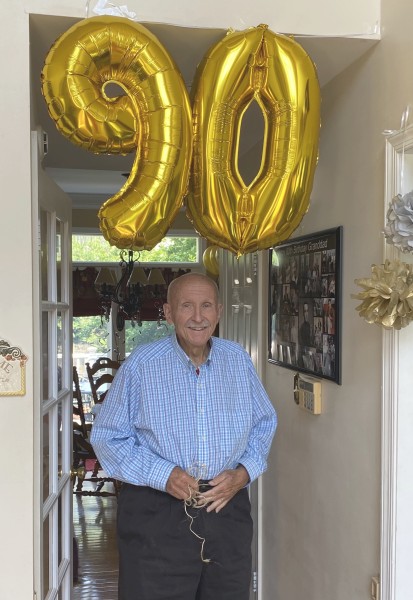
[My granddaughter took this photo - 28 MAY 2023]
* * * * * * * * * * * * * * * * * * * * * *
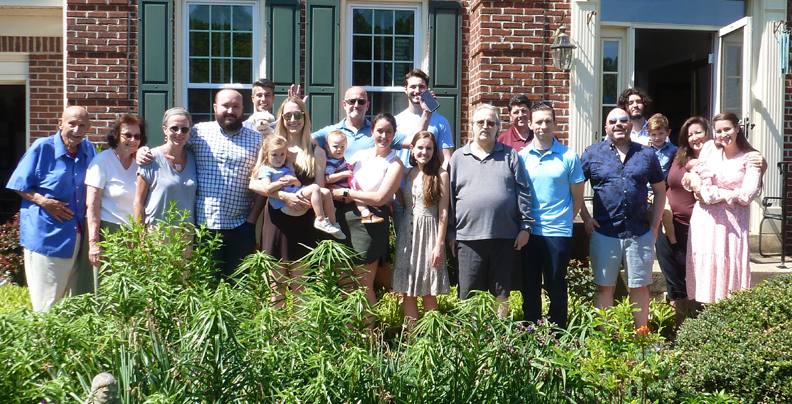
Sloan Family Photo
[John's 90th Birthday - MAY 2023]
* * * * * * * * * * * * * * * * * * * * * *
[Dave McNerney Funeral]
* * * * * * * * * * * * * * * * * * * * * *
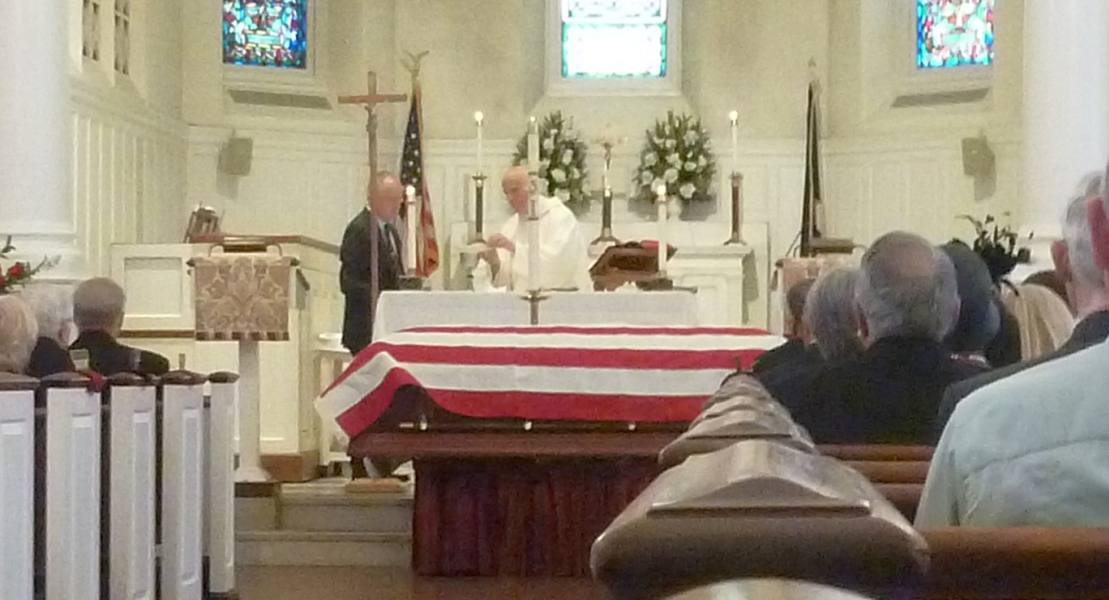
[Dave McNerney Funeral]
* * * * * * * * * * * * * * * * * * * * * *
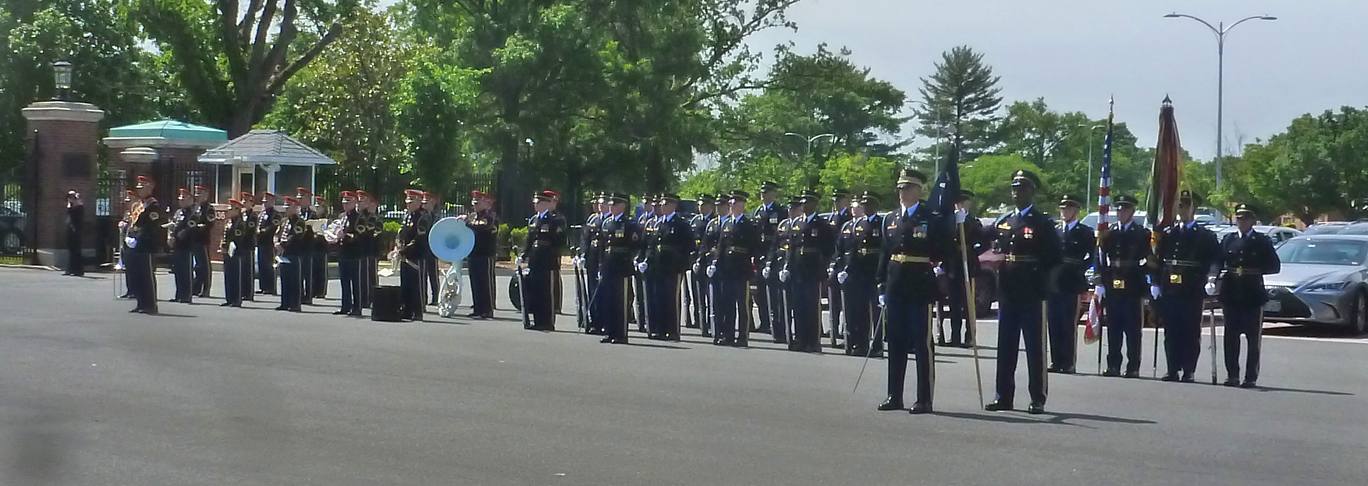
[Dave McNerney Funeral]
* * * * * * * * * * * * * * * * * * * * * *
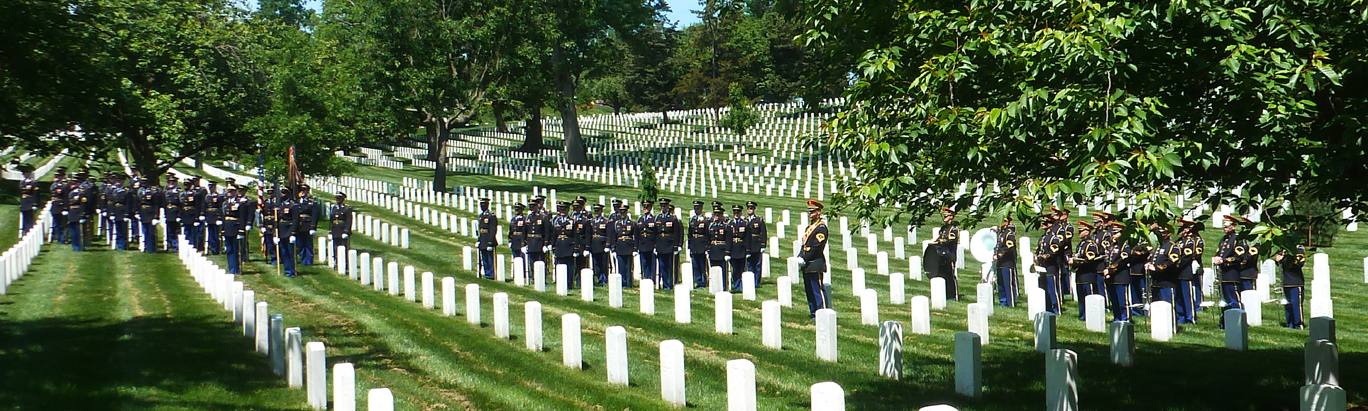
[Dave McNerney Funeral]
* * * * * * * * * * * * * * * * * * * * * *
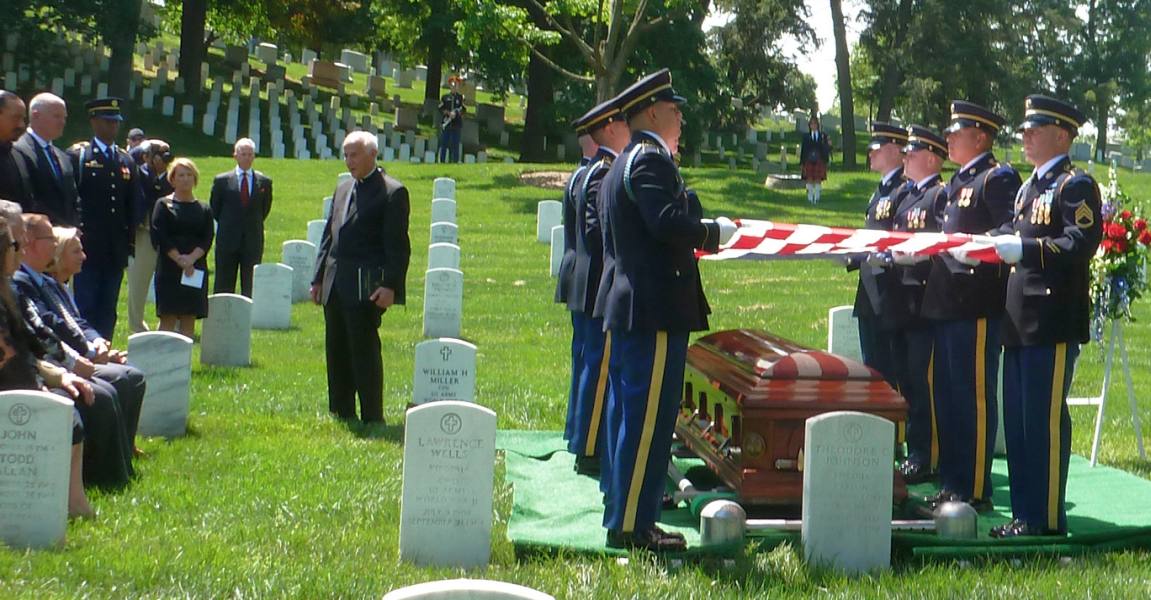
[Dave McNerney Funeral]
* * * * * * * * * * * * * * * * * * * * * *
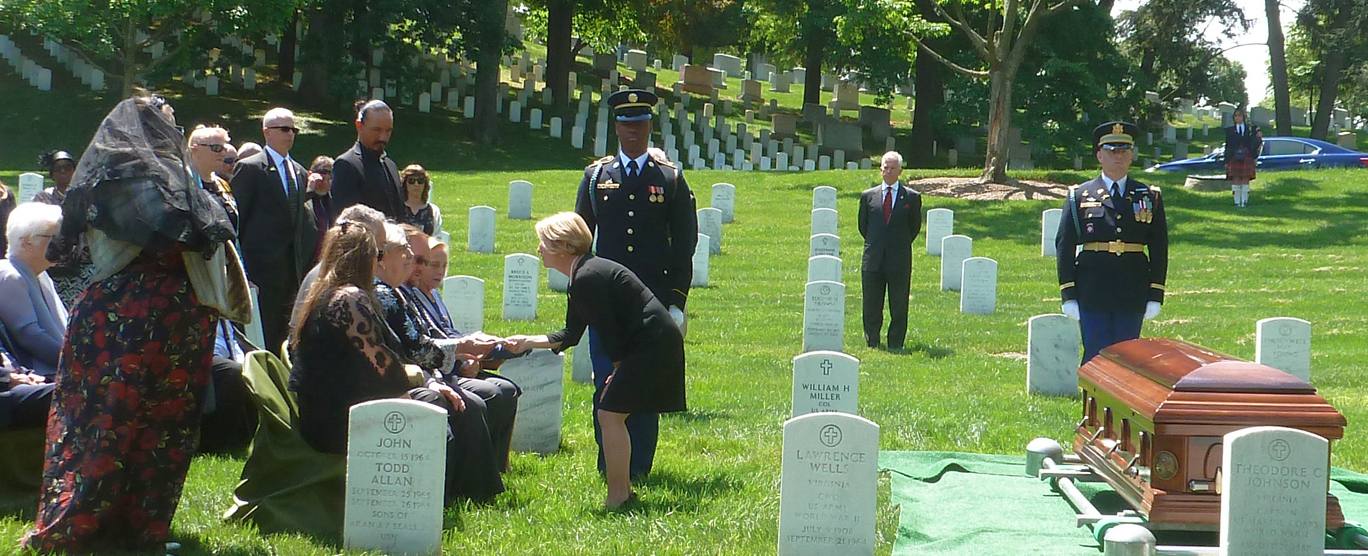
[Dave McNerney Funeral]
* * * * * * * * * * * * * * * * * * * * * *
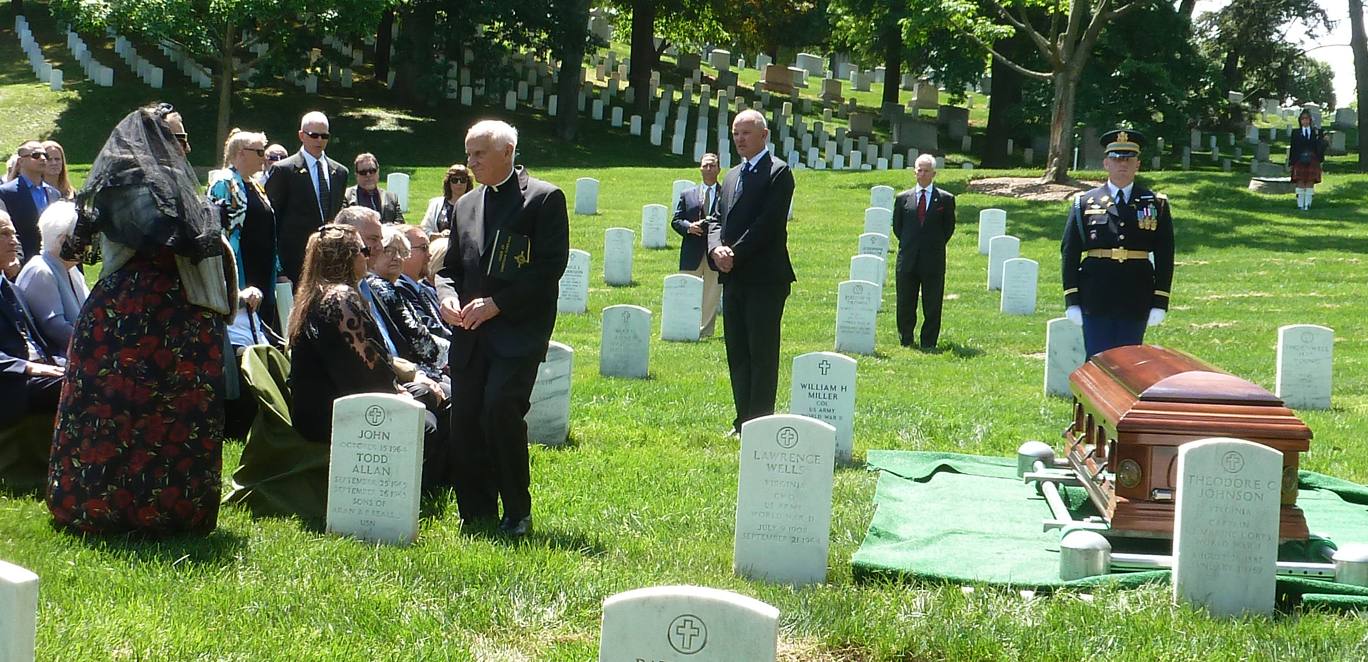
[Dave McNerney Funeral]
* * * * * * * * * * * * * * * * * * * * * *
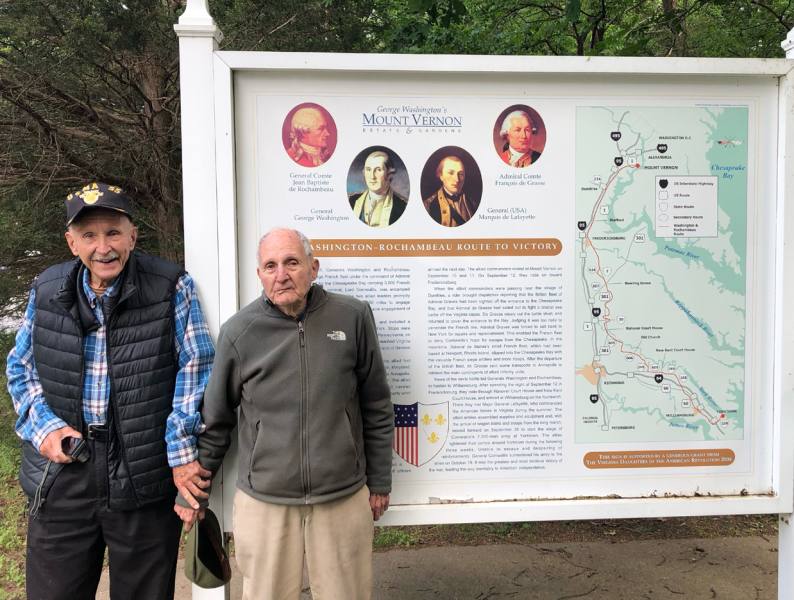
John Sloan and Durf McJoynt
[Washington's Estate - Durf and Barbara are Docents, and
Durf created and built this sign - MAY 2023]
* * * * * * * * * * * * * * * * * * * * * *

Rich and Inez Cardillo, Connie Franklin, John Sloan,
Kip Volkstadt, Ruth Sloan, Dick and Sandy Wargowsky,
Jim Cutchin, Matt Schepps. (Betty Schepps took the picture.)
[DC Class Lunch - JAN 2023]
* * * * * * * * * * * * * * * * * * * * * *

Sloan's 7th great, great offspring
[2022]
* * * * * * * * * * * * * * * * * * * * * *

[My granddaughter took this photo - 28 MAY 2023]
[John's 90th Birthday - MAY 2023]
[Washington's Estate - Durf and Barbara are Docents, and
Durf created and built this sign - MAY 2023]
Kip Volkstadt, Ruth Sloan, Dick and Sandy Wargowsky,
Jim Cutchin, Matt Schepps. (Betty Schepps took the picture.)
[DC Class Lunch - JAN 2023]
[2022]
John and Ruth Sloan 2021 Christmas Letter |
* * * * * * * * * * * * * * * * * * * * * *

Rich Cardillo and John Sloan
[Don Hilbert Funeral - JAN 2021]
* * * * * * * * * * * * * * * * * * * * * *
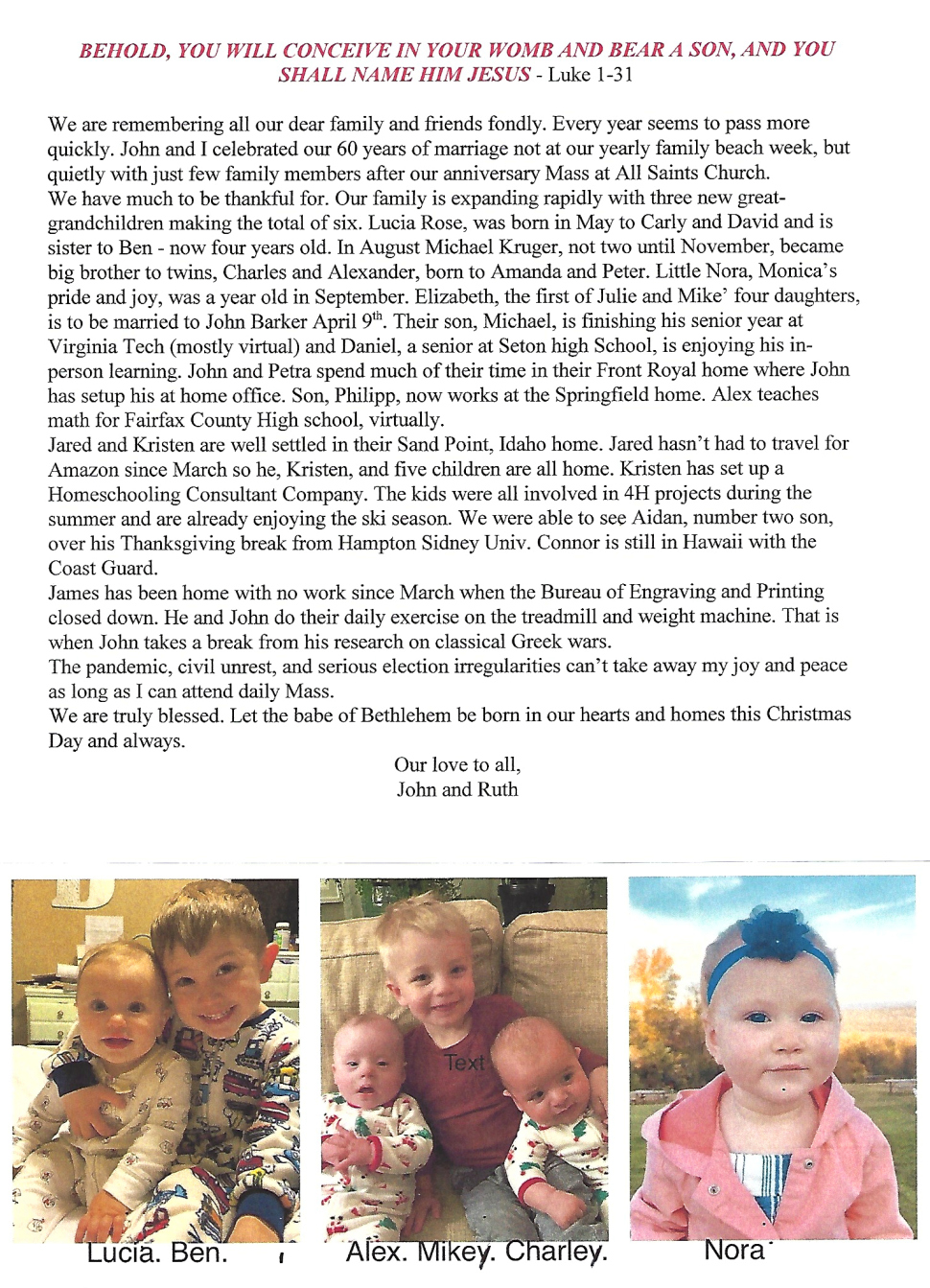
2020 Christmas Letter
* * * * * * * * * * * * * * * * * * * * * *
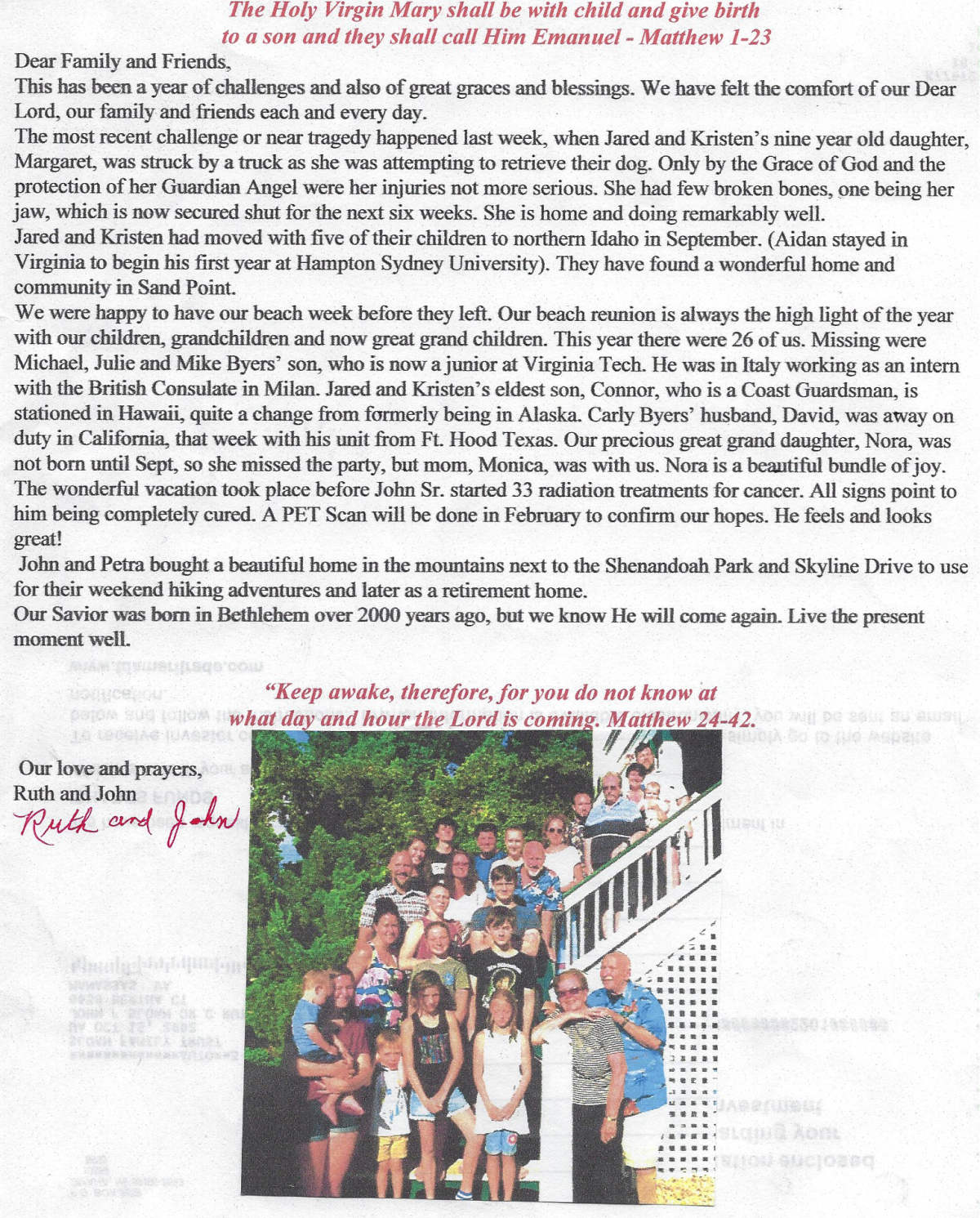
2019 Christmas Letter
* * * * * * * * * * * * * * * * * * * * * *
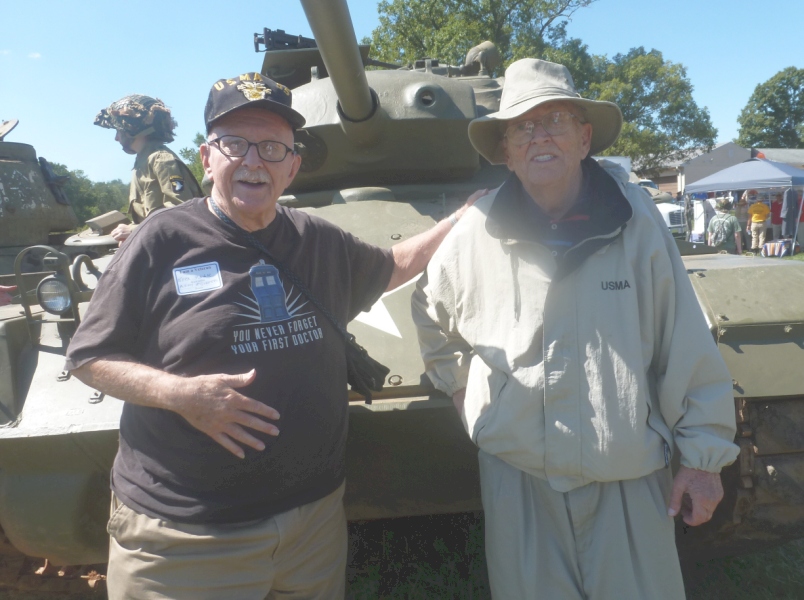
Nick Negaard and John Sloan
[Tank Museum Show - SEP 2019]
* * * * * * * * * * * * * * * * * * * * * *
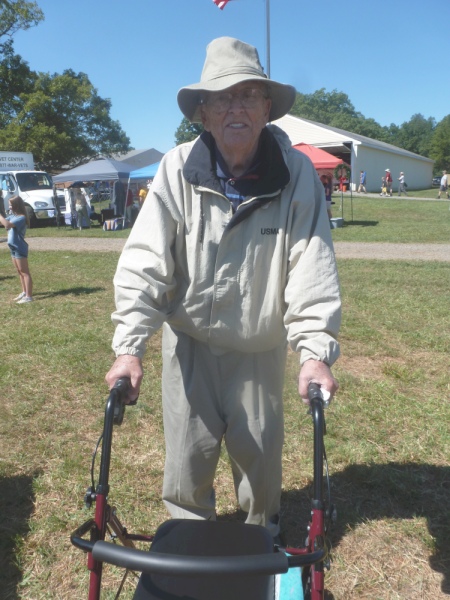
John Sloan
[Tank Museum Show - SEP 2019]
* * * * * * * * * * * * * * * * * * * * * *
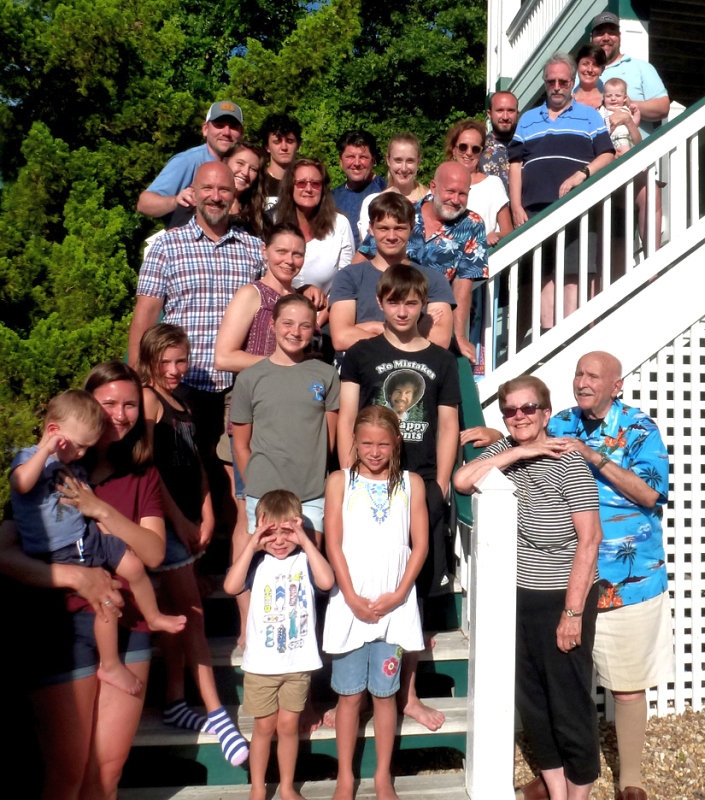
4 Sloan Generations @ Duck
(Missing 2 and 1 who took picture)
* * * * * * * * * * * * * * * * * * * * * *
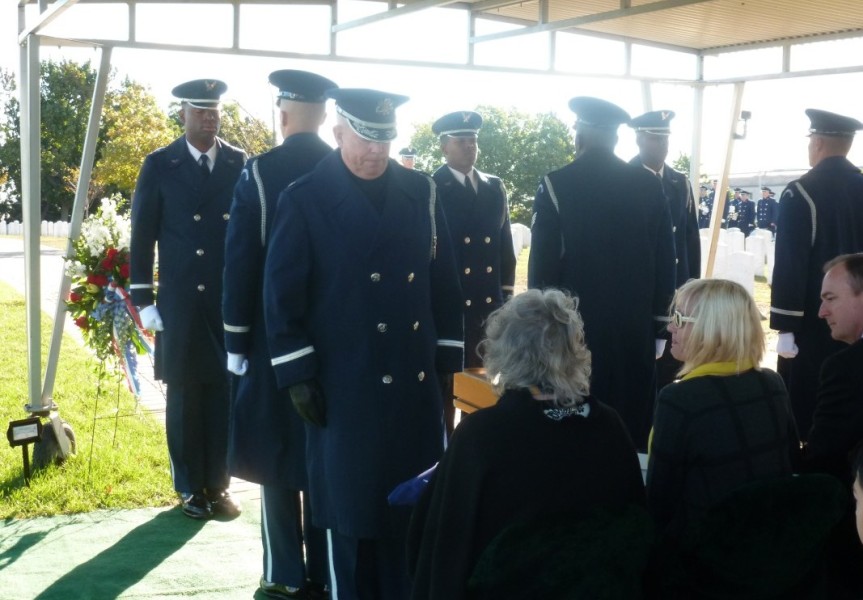
[Frank LeCates Funeral - OCT 2018]
More Funeral Pictures
Funeral Video
* * * * * * * * * * * * * * * * * * * * * *

[Tom Herren Funeral - SEP 2018]
More Funeral Pictures
* * * * * * * * * * * * * * * * * * * * * *
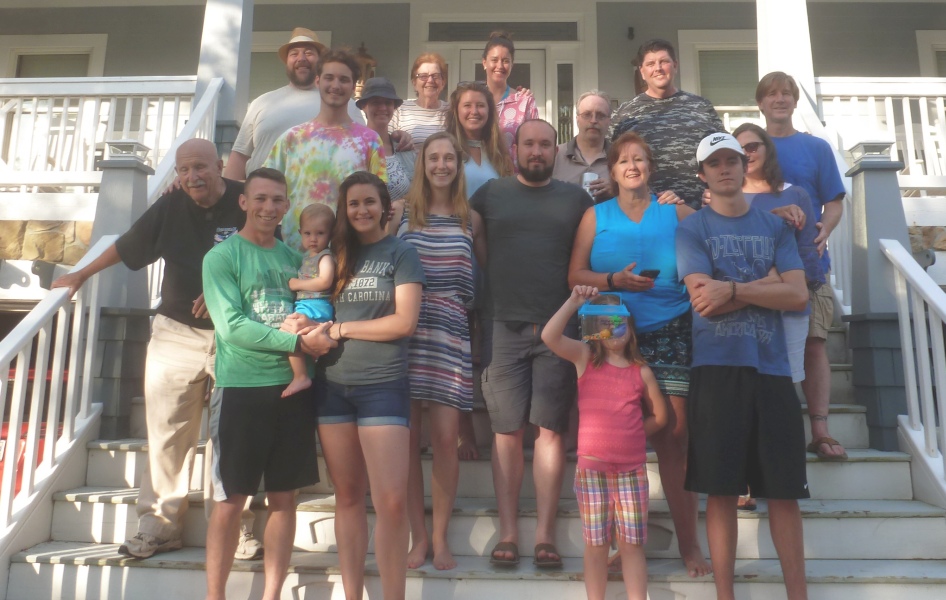
Sloan Vacation
[Duck NC - JUN 2018]
* * * * * * * * * * * * * * * * * * * * * *

Sloan Rental House (9 bedrooms)
[Duck NC - JUN 2018]
* * * * * * * * * * * * * * * * * * * * * *
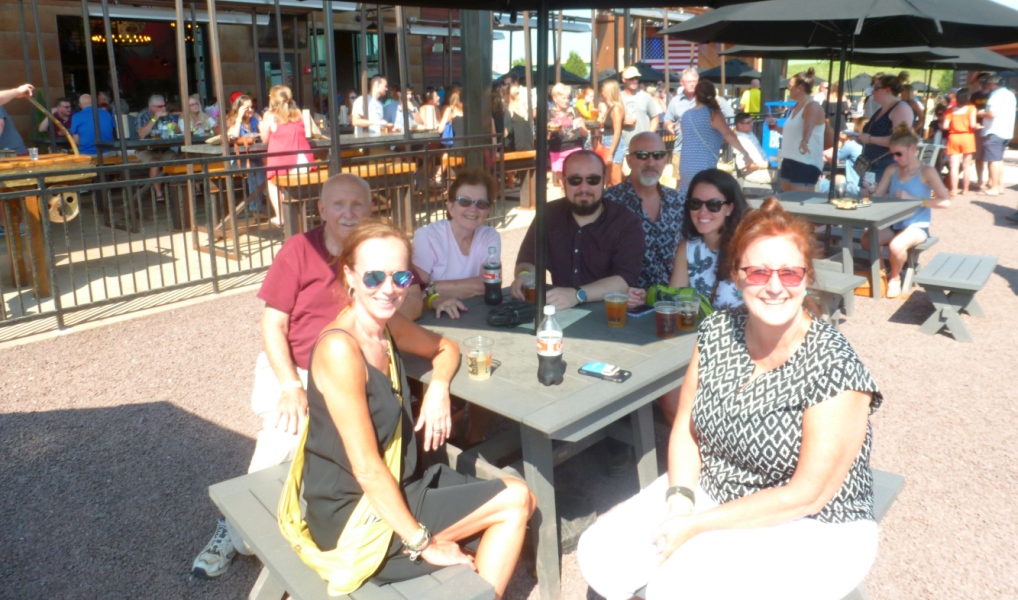
John and Ruth Sloan - son John and wife Petra and their son Philipp - front right
daughter Julianne and her daughter, DVM Elizabeth [Local beer joint - JUN 2018]
* * * * * * * * * * * * * * * * * * * * * *
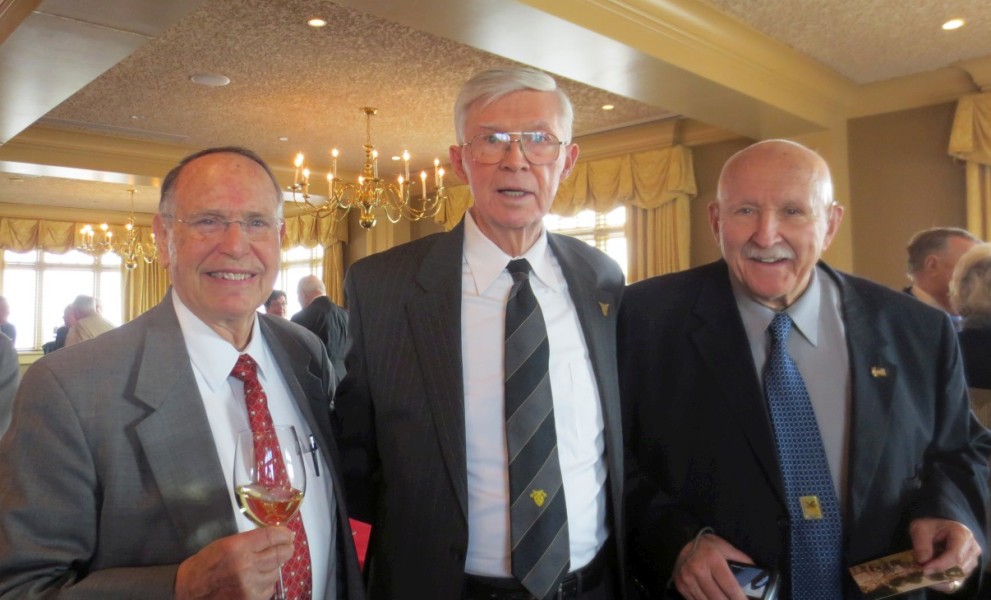
Wargowsky - Cutchin - Sloan
[DC Party - DEC 2017]
* * * * * * * * * * * * * * * * * * * * * *
Frank Ceglowski Armour - Nick Negaard - John Sloan
[C-1 Mini - JAN 2018]
* * * * * * * * * * * * * * * * * * * * * *

Pages' and Ruth Sloan
[South Carolina - SEP 2015]
* * * * * * * * * * * * * * * * * * * * * *

Fred Woerner, Patty Page, Sloan's
[South Carolina - SEP 2015]
* * * * * * * * * * * * * * * * * * * * * *

George Page, Fred Woerner, John Sloan
[South Carolina - SEP 2015]
* * * * * * * * * * * * * * * * * * * * * *

Ruth Sloan and Sybil Michalove
[60th Reunion - May 2015]
* * * * * * * * * * * * * * * * * * * * * *

Ruth Sloan
[60th Reunion - May 2015]
* * * * * * * * * * * * * * * * * * * * * *

Maurer, Lilly, Cooper, Sloan
[60th Reunion - May 2015]
* * * * * * * * * * * * * * * * * * * * * *

Vern Pace and John Sloan
[60th Reunion - May 2015]
* * * * * * * * * * * * * * * * * * * * * *

LTC(R) John F. Sloan, USMA '55 interviews with
the Center for Oral History [May 2015]
* * * * * * * * * * * * * * * * * * * * * *

John and James Sloan (son)
[B-17 Tail @ Manassas Air Show - MAY 2015]
* * * * * * * * * * * * * * * * * * * * * *

John and Andrew Sloan (grandson]
[MAY 2015]
* * * * * * * * * * * * * * * * * * * * * *

John Sloan, Durf McJoynt, Dan Troyan
[DC Party - DEC 2014]
* * * * * * * * * * * * * * * * * * * * * *

Ruth and John Sloan
[DC Party - DEC 2014]
* * * * * * * * * * * * * * * * * * * * * *

Fred Woerner and Jared Sloan
[DEC 2014]
* * * * * * * * * * * * * * * * * * * * * *

Fred Woerner and John Sloan
[DEC 2014]
* * * * * * * * * * * * * * * * * * * * * *

Fred Woerner and Jared Sloan
[DEC 2014]
* * * * * * * * * * * * * * * * * * * * * *

John Sloan, Carl McNair, Bill Harris, Mary Longbottom, Marie Spara (Arlington Lady), Tommy West [Dean Longbottom Funeral @ Arlington - JAN 2013] |
* * * * * * * * * * * * * * * * * * * * * *

John Sloan Jr. and Marty McGuire
[DC Party - DEC 2012]
* * * * * * * * * * * * * * * * * * * * * *

John Sloan Jr., Rich Miller, Julianne and
Mike Byers [DC Party - DEC 2012]
* * * * * * * * * * * * * * * * * * * * * *

George Page, Diann and Dick Gottron, John Sloan Jr.,
Mike Byers [DC Party - DEC 2012]
* * * * * * * * * * * * * * * * * * * * * *

Dick Gottron, John Sloan Jr., Julianne Byers
[DC Party - DEC 2012]
* * * * * * * * * * * * * * * * * * * * * *

Diann and Dick Gottron, John Sloan Jr.,
Julianne Byers [DC Party - DEC 2012]
* * * * * * * * * * * * * * * * * * * * * *

Ruth Sloan and Marcia Cathey
[Bob Newton Farewell - SEP 2012]
* * * * * * * * * * * * * * * * * * * * * *

Ruth Sloan, Barb and Norm Blahuta, Elaine West,
Marcia Cathey [Bob Newton Farewell - SEP 2012]
* * * * * * * * * * * * * * * * * * * * * *

Ruth Sloan and Linda Newton
[Bob Newton Farewell - SEP 2012]
* * * * * * * * * * * * * * * * * * * * * *

Al Spaulding and Ruth Sloan
[Bob Newton Farewell - SEP 2012]
* * * * * * * * * * * * * * * * * * * * * *

John Sloan
[Bob Newton Farewell - SEP 2012]
* * * * * * * * * * * * * * * * * * * * * *

Marcia Cathey, Rod Vitty, Ruth Sloan, Connie and Joe Franklin,
Rich Miller [Bob Newton Farewell - SEP 2012]
* * * * * * * * * * * * * * * * * * * * * *

John and Ruth Sloan
[Bob Newton Farewell - SEP 2012]
* * * * * * * * * * * * * * * * * * * * * *

Anita and John Rudzki, Ruth Sloan
[Bob Newton Farewell - SEP 2012]
* * * * * * * * * * * * * * * * * * * * * *
John and Ruth Sloan
[Bob Newton Farewell - SEP 2012]
* * * * * * * * * * * * * * * * * * * * * *
Anita and John Rudzki, Ruth Sloan
[Bob Newton Farewell - SEP 2012]
* * * * * * * * * * * * * * * * * * * * * *

Dan Troyan, Ruth Sloan, Elaine West, Dot Spaulding
[Bob Newton Farewell - SEP 2012]
* * * * * * * * * * * * * * * * * * * * * *

Ruth Sloan, Mary Monahan, Dick Wargowsky
[DC Party - DEC 2011]
* * * * * * * * * * * * * * * * * * * * * *

Ruth Sloan, Durf and Barbara McJoynt
[DC Party - DEC 2011]
* * * * * * * * * * * * * * * * * * * * * *

John and Ruth Sloan
[DC Party - DEC 2011]
* * * * * * * * * * * * * * * * * * * * * *

Ruth Sloan and Ted Livesay
[DC Party - DEC 2011]
* * * * * * * * * * * * * * * * * * * * * *

Lorna Malooley, Ruth Sloan, Lorna's daughter
[DC Party - DEC 2011]
* * * * * * * * * * * * * * * * * * * * * *

Ruth Sloan, Betsy and Ed Anderson
[DG Mini - May 2011]
* * * * * * * * * * * * * * * * * * * * * *

John Sloan and Phil Enslow
[DG Mini - May 2011]
* * * * * * * * * * * * * * * * * * * * * *

Ruth Sloan and Rod Vitty
[DG Mini - May 2011]
* * * * * * * * * * * * * * * * * * * * * *

Ruth Sloan and Bob Strati
[DG Mini - May 2011]
* * * * * * * * * * * * * * * * * * * * * *

John and Ruth Sloan
[Nancy Cutchin Funeral - MAY 2011]
* * * * * * * * * * * * * * * * * * * * * *

Rich Miller, Tommy and Elaine West, Ruth Sloan
[Nancy Cutchin Funeral - MAY 2011]
* * * * * * * * * * * * * * * * * * * * * *

Dave McNerney, Dick Wargowsky, Matt Schepps, Tommy West,
Ruth Sloan [Nancy Cutchin Funeral - MAY 2011]
* * * * * * * * * * * * * * * * * * * * * *

Patty Page, Ruth Sloan, Barbara McJoynt
[DC Party - DEC 2010]
* * * * * * * * * * * * * * * * * * * * * *

Ruth Sloan
[Pop Warner Funeral - OCT 2010]
* * * * * * * * * * * * * * * * * * * * * *

Ruth Sloan, Marcia Cathey, Mac McIlroy
[Pop Warner Funeral - OCT 2010]
* * * * * * * * * * * * * * * * * * * * * *

Jim Ryan and Ruth Sloan
[Pop Warner Funeral - OCT 2010]
* * * * * * * * * * * * * * * * * * * * * *

Ruth Sloan and Jim Ryan
[Pop Warner Funeral - OCT 2010]
* * * * * * * * * * * * * * * * * * * * * *

Ruth Sloan, Bob Newton, Tommy West
[Chuck Roades Funeral - AUG 2010]
* * * * * * * * * * * * * * * * * * * * * *

Bob Newton, Ruth Sloan, Barb Blahuta
[Chuck Roades Funeral - AUG 2010]
* * * * * * * * * * * * * * * * * * * * * *

Ruth Sloan, Tommy and Elaine West, John Rudzki
[Chuck Roades Funeral - AUG 2010]
* * * * * * * * * * * * * * * * * * * * * *

Ruth and John Sloan
[50th Anniversary - AUG 2010]
* * * * * * * * * * * * * * * * * * * * * *

John Sloan
[50th Anniversary - AUG 2010]
* * * * * * * * * * * * * * * * * * * * * *

Carla Hilbert, Ruth Sloan, Greta Masson
[DC Party - DEC 2009]
* * * * * * * * * * * * * * * * * * * * * *

Pat Ryan and Ruth Sloan
[DC Party - DEC 2009]
* * * * * * * * * * * * * * * * * * * * * *

Ruth Sloan and Anne Malone
[DC Party - DEC 2009]
* * * * * * * * * * * * * * * * * * * * * *

Emily Karam and Ruth Sloan
[Ray Karam Funeral - DEC 2009]
* * * * * * * * * * * * * * * * * * * * * *

Ruth Sloan and Ray Gunderson
[Ray Karam Funeral - DEC 2009]
* * * * * * * * * * * * * * * * * * * * * *

Ruth Sloan and Dick Traut
[Ray Karam Funeral - DEC 2009]
* * * * * * * * * * * * * * * * * * * * * *

Don Hilbert, Danielle and Dan Troyan, Ruth Sloan
[Ray Karam Funeral - DEC 2009]
* * * * * * * * * * * * * * * * * * * * * *

Ruth Sloan and Jack Doyle
[Ray Karam Funeral - DEC 2009]
* * * * * * * * * * * * * * * * * * * * * *

Ruth Sloan and Emily Karam
[Ray Karam Funeral - DEC 2009]
* * * * * * * * * * * * * * * * * * * * * *

Mary Andrews, Dave McNerney, Ruth Sloan
[Ray Karam Funeral - DEC 2009]
* * * * * * * * * * * * * * * * * * * * * *

Pat and Dick Dinwiddie, Paula and Jack Campbell,
Ruth and John Sloan [Salado TX - JUL 2009]
* * * * * * * * * * * * * * * * * * * * * *

Jack Campbell, John Sloan, Dick Dinwiddie
[Salado TX - JUL 2009]
* * * * * * * * * * * * * * * * * * * * * *

Ted Gay, Dan Ludwig, Ruth Sloan
[Bill Welter Funeral - MAR 2009]
* * * * * * * * * * * * * * * * * * * * * *

Don Hilbert, Sherry Welter, Ruth Sloan, Carl McNair
[Bill Welter Funeral - MAR 2009]
* * * * * * * * * * * * * * * * * * * * * *

Carla Hilbert, Elaine West, Pat Strati, West,
Ruth Sloan [Scribe to CO Party - MAR 2009]
* * * * * * * * * * * * * * * * * * * * * *

Ruth Sloan and Linda Newton
[Scribe to CO Party - MAR 2009]
* * * * * * * * * * * * * * * * * * * * * *

Pat Strati, Linda Newton, Betty Schepps, Ruth
Sloan [Scribe to CO Party - MAR 2009]
* * * * * * * * * * * * * * * * * * * * * *

Pat Strati, Linda Newton, Betty Schepps, Ruth Sloan,
Elaine West [Scribe to CO Party - MAR 2009]
* * * * * * * * * * * * * * * * * * * * * *

Barb and Norm Blahuta, Ruth Sloan
[Scribe to CO Party - MAR 2009]
* * * * * * * * * * * * * * * * * * * * * *

Chuck Roades, Ray Karam, Ruth Sloan
[Scribe to CO Party - MAR 2009]
* * * * * * * * * * * * * * * * * * * * * *

Ruth and John Sloan
[Scribe to CO Party - MAR 2009]
* * * * * * * * * * * * * * * * * * * * * *

Greta Masson, Pat Strati, Ruth Sloan, Chuck
Roades [Scribe to CO Party - MAR 2009]
* * * * * * * * * * * * * * * * * * * * * *

Patty Page and Ruth Sloan
[DC Party - DEC 2008]
* * * * * * * * * * * * * * * * * * * * * *

Ruth Sloan and Quent Bates
[DC Party - DEC 2008]
* * * * * * * * * * * * * * * * * * * * * *

Matt and Betty Schepps, Ruth Sloan
[Ted Bishop Funeral - OCT 2008]
* * * * * * * * * * * * * * * * * * * * * *

John Sloan and Tommy West
[Ted Bishop Funeral - OCT 2008]
* * * * * * * * * * * * * * * * * * * * * *

? and Ruth Sloan
[DC Party - DEC 2007]
* * * * * * * * * * * * * * * * * * * * * *

[DC Party - DEC 2007]
* * * * * * * * * * * * * * * * * * * * * *

[DC Party - DEC 2007]
* * * * * * * * * * * * * * * * * * * * * *

[DG Mini - May 2011]
* * * * * * * * * * * * * * * * * * * * * *
Ruth Sloan and Rod Vitty
[DG Mini - May 2011]
* * * * * * * * * * * * * * * * * * * * * *
Ruth Sloan and Bob Strati
[DG Mini - May 2011]
* * * * * * * * * * * * * * * * * * * * * *
John and Ruth Sloan
[Nancy Cutchin Funeral - MAY 2011]
* * * * * * * * * * * * * * * * * * * * * *
Rich Miller, Tommy and Elaine West, Ruth Sloan
[Nancy Cutchin Funeral - MAY 2011]
* * * * * * * * * * * * * * * * * * * * * *
Dave McNerney, Dick Wargowsky, Matt Schepps, Tommy West,
Ruth Sloan [Nancy Cutchin Funeral - MAY 2011]
* * * * * * * * * * * * * * * * * * * * * *
Patty Page, Ruth Sloan, Barbara McJoynt
[DC Party - DEC 2010]
* * * * * * * * * * * * * * * * * * * * * *
Ruth Sloan
[Pop Warner Funeral - OCT 2010]
* * * * * * * * * * * * * * * * * * * * * *
Ruth Sloan, Marcia Cathey, Mac McIlroy
[Pop Warner Funeral - OCT 2010]
* * * * * * * * * * * * * * * * * * * * * *
Jim Ryan and Ruth Sloan
[Pop Warner Funeral - OCT 2010]
* * * * * * * * * * * * * * * * * * * * * *
Ruth Sloan and Jim Ryan
[Pop Warner Funeral - OCT 2010]
* * * * * * * * * * * * * * * * * * * * * *
Ruth Sloan, Bob Newton, Tommy West
[Chuck Roades Funeral - AUG 2010]
* * * * * * * * * * * * * * * * * * * * * *
Bob Newton, Ruth Sloan, Barb Blahuta
[Chuck Roades Funeral - AUG 2010]
* * * * * * * * * * * * * * * * * * * * * *
Ruth Sloan, Tommy and Elaine West, John Rudzki
[Chuck Roades Funeral - AUG 2010]
* * * * * * * * * * * * * * * * * * * * * *
Ruth and John Sloan
[50th Anniversary - AUG 2010]
* * * * * * * * * * * * * * * * * * * * * *
John Sloan
[50th Anniversary - AUG 2010]
* * * * * * * * * * * * * * * * * * * * * *
Carla Hilbert, Ruth Sloan, Greta Masson
[DC Party - DEC 2009]
* * * * * * * * * * * * * * * * * * * * * *
Pat Ryan and Ruth Sloan
[DC Party - DEC 2009]
* * * * * * * * * * * * * * * * * * * * * *
Ruth Sloan and Anne Malone
[DC Party - DEC 2009]
* * * * * * * * * * * * * * * * * * * * * *
Emily Karam and Ruth Sloan
[Ray Karam Funeral - DEC 2009]
* * * * * * * * * * * * * * * * * * * * * *
Ruth Sloan and Ray Gunderson
[Ray Karam Funeral - DEC 2009]
* * * * * * * * * * * * * * * * * * * * * *
Ruth Sloan and Dick Traut
[Ray Karam Funeral - DEC 2009]
* * * * * * * * * * * * * * * * * * * * * *
Don Hilbert, Danielle and Dan Troyan, Ruth Sloan
[Ray Karam Funeral - DEC 2009]
* * * * * * * * * * * * * * * * * * * * * *
Ruth Sloan and Jack Doyle
[Ray Karam Funeral - DEC 2009]
* * * * * * * * * * * * * * * * * * * * * *
Ruth Sloan and Emily Karam
[Ray Karam Funeral - DEC 2009]
* * * * * * * * * * * * * * * * * * * * * *
Mary Andrews, Dave McNerney, Ruth Sloan
[Ray Karam Funeral - DEC 2009]
* * * * * * * * * * * * * * * * * * * * * *
Pat and Dick Dinwiddie, Paula and Jack Campbell,
Ruth and John Sloan [Salado TX - JUL 2009]
* * * * * * * * * * * * * * * * * * * * * *
Jack Campbell, John Sloan, Dick Dinwiddie
[Salado TX - JUL 2009]
* * * * * * * * * * * * * * * * * * * * * *
Ted Gay, Dan Ludwig, Ruth Sloan
[Bill Welter Funeral - MAR 2009]
* * * * * * * * * * * * * * * * * * * * * *
Don Hilbert, Sherry Welter, Ruth Sloan, Carl McNair
[Bill Welter Funeral - MAR 2009]
* * * * * * * * * * * * * * * * * * * * * *
Carla Hilbert, Elaine West, Pat Strati, West,
Ruth Sloan [Scribe to CO Party - MAR 2009]
* * * * * * * * * * * * * * * * * * * * * *
Ruth Sloan and Linda Newton
[Scribe to CO Party - MAR 2009]
* * * * * * * * * * * * * * * * * * * * * *
Pat Strati, Linda Newton, Betty Schepps, Ruth
Sloan [Scribe to CO Party - MAR 2009]
* * * * * * * * * * * * * * * * * * * * * *
Pat Strati, Linda Newton, Betty Schepps, Ruth Sloan,
Elaine West [Scribe to CO Party - MAR 2009]
* * * * * * * * * * * * * * * * * * * * * *
Barb and Norm Blahuta, Ruth Sloan
[Scribe to CO Party - MAR 2009]
* * * * * * * * * * * * * * * * * * * * * *
Chuck Roades, Ray Karam, Ruth Sloan
[Scribe to CO Party - MAR 2009]
* * * * * * * * * * * * * * * * * * * * * *
Ruth and John Sloan
[Scribe to CO Party - MAR 2009]
* * * * * * * * * * * * * * * * * * * * * *
Greta Masson, Pat Strati, Ruth Sloan, Chuck
Roades [Scribe to CO Party - MAR 2009]
* * * * * * * * * * * * * * * * * * * * * *
Patty Page and Ruth Sloan
[DC Party - DEC 2008]
* * * * * * * * * * * * * * * * * * * * * *
Ruth Sloan and Quent Bates
[DC Party - DEC 2008]
* * * * * * * * * * * * * * * * * * * * * *
Matt and Betty Schepps, Ruth Sloan
[Ted Bishop Funeral - OCT 2008]
* * * * * * * * * * * * * * * * * * * * * *
John Sloan and Tommy West
[Ted Bishop Funeral - OCT 2008]
* * * * * * * * * * * * * * * * * * * * * *
? and Ruth Sloan
[DC Party - DEC 2007]
* * * * * * * * * * * * * * * * * * * * * *
[DC Party - DEC 2007]
* * * * * * * * * * * * * * * * * * * * * *
[DC Party - DEC 2007]
* * * * * * * * * * * * * * * * * * * * * *
[DG Mini - May 2011]
* * * * * * * * * * * * * * * * * * * * * *
John and Ruth Sloan
[Nancy Cutchin Funeral - MAY 2011]
* * * * * * * * * * * * * * * * * * * * * *
Rich Miller, Tommy and Elaine West, Ruth Sloan
[Nancy Cutchin Funeral - MAY 2011]
* * * * * * * * * * * * * * * * * * * * * *
Dave McNerney, Dick Wargowsky, Matt Schepps, Tommy West,
Ruth Sloan [Nancy Cutchin Funeral - MAY 2011]
* * * * * * * * * * * * * * * * * * * * * *
Patty Page, Ruth Sloan, Barbara McJoynt
[DC Party - DEC 2010]
* * * * * * * * * * * * * * * * * * * * * *
Ruth Sloan
[Pop Warner Funeral - OCT 2010]
* * * * * * * * * * * * * * * * * * * * * *
Ruth Sloan, Marcia Cathey, Mac McIlroy
[Pop Warner Funeral - OCT 2010]
* * * * * * * * * * * * * * * * * * * * * *
Jim Ryan and Ruth Sloan
[Pop Warner Funeral - OCT 2010]
* * * * * * * * * * * * * * * * * * * * * *
Ruth Sloan and Jim Ryan
[Pop Warner Funeral - OCT 2010]
* * * * * * * * * * * * * * * * * * * * * *
Ruth Sloan, Bob Newton, Tommy West
[Chuck Roades Funeral - AUG 2010]
* * * * * * * * * * * * * * * * * * * * * *
Bob Newton, Ruth Sloan, Barb Blahuta
[Chuck Roades Funeral - AUG 2010]
* * * * * * * * * * * * * * * * * * * * * *
Ruth Sloan, Tommy and Elaine West, John Rudzki
[Chuck Roades Funeral - AUG 2010]
* * * * * * * * * * * * * * * * * * * * * *
Ruth and John Sloan
[50th Anniversary - AUG 2010]
* * * * * * * * * * * * * * * * * * * * * *
John Sloan
[50th Anniversary - AUG 2010]
* * * * * * * * * * * * * * * * * * * * * *
Carla Hilbert, Ruth Sloan, Greta Masson
[DC Party - DEC 2009]
* * * * * * * * * * * * * * * * * * * * * *
Pat Ryan and Ruth Sloan
[DC Party - DEC 2009]
* * * * * * * * * * * * * * * * * * * * * *
Ruth Sloan and Anne Malone
[DC Party - DEC 2009]
* * * * * * * * * * * * * * * * * * * * * *
Emily Karam and Ruth Sloan
[Ray Karam Funeral - DEC 2009]
* * * * * * * * * * * * * * * * * * * * * *
Ruth Sloan and Ray Gunderson
[Ray Karam Funeral - DEC 2009]
* * * * * * * * * * * * * * * * * * * * * *
Ruth Sloan and Dick Traut
[Ray Karam Funeral - DEC 2009]
* * * * * * * * * * * * * * * * * * * * * *
Don Hilbert, Danielle and Dan Troyan, Ruth Sloan
[Ray Karam Funeral - DEC 2009]
* * * * * * * * * * * * * * * * * * * * * *
Ruth Sloan and Jack Doyle
[Ray Karam Funeral - DEC 2009]
* * * * * * * * * * * * * * * * * * * * * *
Ruth Sloan and Emily Karam
[Ray Karam Funeral - DEC 2009]
* * * * * * * * * * * * * * * * * * * * * *
Mary Andrews, Dave McNerney, Ruth Sloan
[Ray Karam Funeral - DEC 2009]
* * * * * * * * * * * * * * * * * * * * * *
Pat and Dick Dinwiddie, Paula and Jack Campbell,
Ruth and John Sloan [Salado TX - JUL 2009]
* * * * * * * * * * * * * * * * * * * * * *
Jack Campbell, John Sloan, Dick Dinwiddie
[Salado TX - JUL 2009]
* * * * * * * * * * * * * * * * * * * * * *
Ted Gay, Dan Ludwig, Ruth Sloan
[Bill Welter Funeral - MAR 2009]
* * * * * * * * * * * * * * * * * * * * * *
Don Hilbert, Sherry Welter, Ruth Sloan, Carl McNair
[Bill Welter Funeral - MAR 2009]
* * * * * * * * * * * * * * * * * * * * * *
Carla Hilbert, Elaine West, Pat Strati, West,
Ruth Sloan [Scribe to CO Party - MAR 2009]
* * * * * * * * * * * * * * * * * * * * * *
Ruth Sloan and Linda Newton
[Scribe to CO Party - MAR 2009]
* * * * * * * * * * * * * * * * * * * * * *
Pat Strati, Linda Newton, Betty Schepps, Ruth
Sloan [Scribe to CO Party - MAR 2009]
* * * * * * * * * * * * * * * * * * * * * *
Pat Strati, Linda Newton, Betty Schepps, Ruth Sloan,
Elaine West [Scribe to CO Party - MAR 2009]
* * * * * * * * * * * * * * * * * * * * * *
Barb and Norm Blahuta, Ruth Sloan
[Scribe to CO Party - MAR 2009]
* * * * * * * * * * * * * * * * * * * * * *
Chuck Roades, Ray Karam, Ruth Sloan
[Scribe to CO Party - MAR 2009]
* * * * * * * * * * * * * * * * * * * * * *
Ruth and John Sloan
[Scribe to CO Party - MAR 2009]
* * * * * * * * * * * * * * * * * * * * * *
Greta Masson, Pat Strati, Ruth Sloan, Chuck
Roades [Scribe to CO Party - MAR 2009]
* * * * * * * * * * * * * * * * * * * * * *
Patty Page and Ruth Sloan
[DC Party - DEC 2008]
* * * * * * * * * * * * * * * * * * * * * *
Ruth Sloan and Quent Bates
[DC Party - DEC 2008]
* * * * * * * * * * * * * * * * * * * * * *
Matt and Betty Schepps, Ruth Sloan
[Ted Bishop Funeral - OCT 2008]
* * * * * * * * * * * * * * * * * * * * * *
John Sloan and Tommy West
[Ted Bishop Funeral - OCT 2008]
* * * * * * * * * * * * * * * * * * * * * *
? and Ruth Sloan
[DC Party - DEC 2007]
* * * * * * * * * * * * * * * * * * * * * *
[DC Party - DEC 2007]
* * * * * * * * * * * * * * * * * * * * * *
[DC Party - DEC 2007]
* * * * * * * * * * * * * * * * * * * * * *
Rear: Hilbert, Troyan, Deardorff, Page, Malone, Ryan, Nidever, Gay, Middle: Carpenter, Peg Robinson, Anne Malone, McNair, Front: Pat Strati, Ruth Sloan, Joan McCulla, Jo Ann McNair [DC Party - DEC 2007] |
* * * * * * * * * * * * * * * * * * * * * *

Rear: Strati, Robinson, Hilbert, Troyan, Deardorff, Page, Middle: Barb Blahuta, Carla Hilbert, Carpenter, Peg Robinson, Anne Malone, Front: Marly Carpenter, Ruth Sloan, Pat Strati, Joan McCulla [DC Party - DEC 2007] |
* * * * * * * * * * * * * * * * * * * * * *

Rear: Strati, Hilbert, Middle: Blahuta, Myrna Williamson, Barb Blahuta, Carla Hilbert, Carpenter, Front: Elaine West, |
* * * * * * * * * * * * * * * * * * * * * *

Rear: Blahuta, Myrna Williamson, Strati, Hilbert, Troyan, Deardorff, Page, Middle: West, Barb Blahuta, Carla Hilbert, Carpenter, Peg Robinson, Anne Malone, Front: Elaine West, Marly Carpenter, Pat Strati, Ruth Sloan, Joan McCulla, Jo Ann McNair [DC Party - DEC 2007] |
* * * * * * * * * * * * * * * * * * * * * *

Ruth Sloan and Ute Bergen
[Moving to CO party for Bergen - NOV 2007]
* * * * * * * * * * * * * * * * * * * * * *

Elaine West, Ruth Sloan, Linda Newton
[Moving to CO party for Bergen - NOV 2007]
* * * * * * * * * * * * * * * * * * * * * *

Elaine West, Ruth Sloan, Linda Newton
[Moving to CO party for Bergen - NOV 2007]
* * * * * * * * * * * * * * * * * * * * * *

Ruth Sloan, Jack and Nancy Conklin '56, Dave Maurer
[Toni Maurer Funeral - OCT 2007]
* * * * * * * * * * * * * * * * * * * * * *

Marvel LaFrenz and Ruth Sloan
[Toni Maurer Funeral - OCT 2007]
* * * * * * * * * * * * * * * * * * * * * *

Marvel LaFrenz, Lori O'Neill (Toni's sister), Ruth Sloan
[Toni Maurer Funeral - OCT 2007]
* * * * * * * * * * * * * * * * * * * * * *
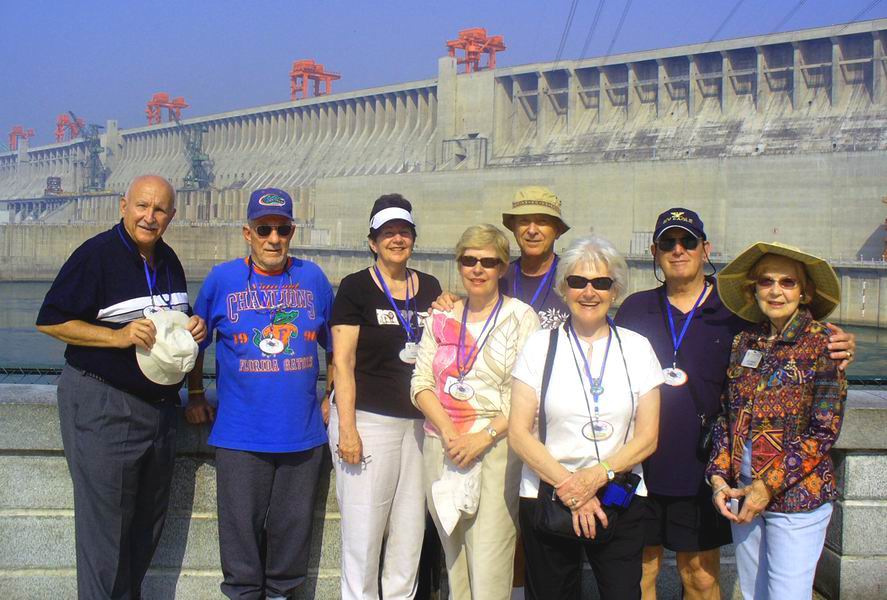
Sloan's - Bob Meisenheimer - Michalove's - Rich Miller's -
Doris (Mize's Friend) [China Trip - MAY 2007]
* * * * * * * * * * * * * * * * * * * * * *
Ruth Sloan
[China Trip - MAY 2007]
* * * * * * * * * * * * * * * * * * * * * *

Ruth Sloan
[China Trip - MAY 2007]
* * * * * * * * * * * * * * * * * * * * * *

Ruth Sloan
[China Trip - MAY 2007]
* * * * * * * * * * * * * * * * * * * * * *
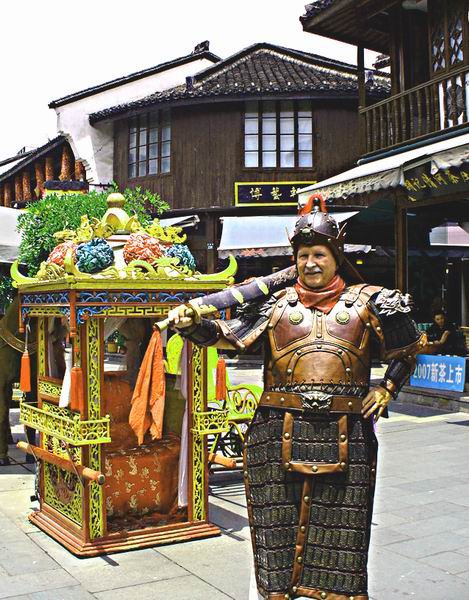
John Sloan
[China Trip - MAY 2007]
* * * * * * * * * * * * * * * * * * * * * *

John Sloan
[China Trip - MAY 2007]
* * * * * * * * * * * * * * * * * * * * * *
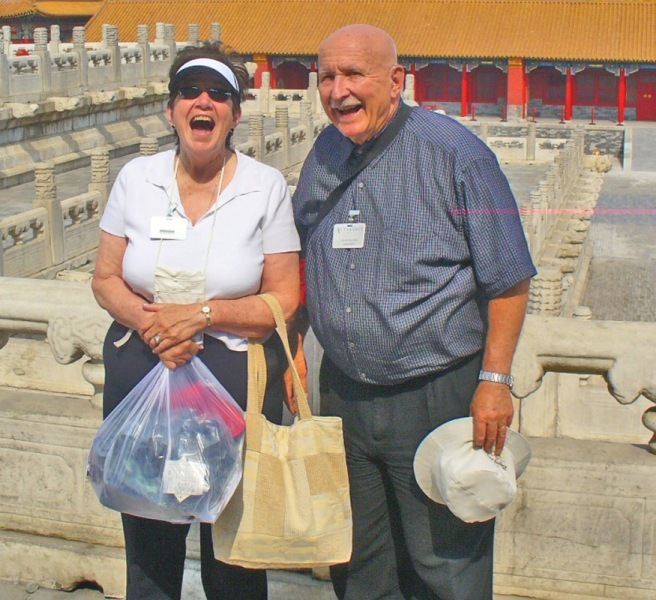
Ruth and John Sloan
[China Trip - MAY 2007]
* * * * * * * * * * * * * * * * * * * * * *

Ruth Sloan
[China Trip - MAY 2007]
* * * * * * * * * * * * * * * * * * * * * *

Ruth Sloan
[China Trip - MAY 2007]
* * * * * * * * * * * * * * * * * * * * * *
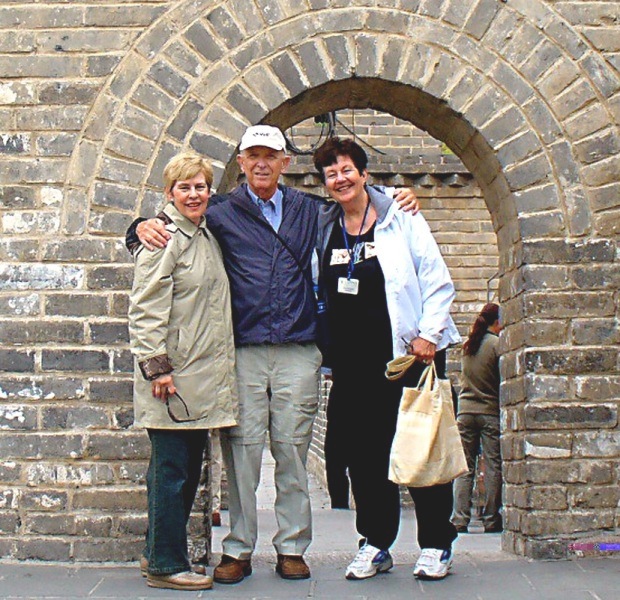
Michalove's and Ruth Sloan
[China Trip - MAY 2007]
* * * * * * * * * * * * * * * * * * * * * *

Rich Miller's and Ruth Sloan
[China Trip - MAY 2007]
* * * * * * * * * * * * * * * * * * * * * *
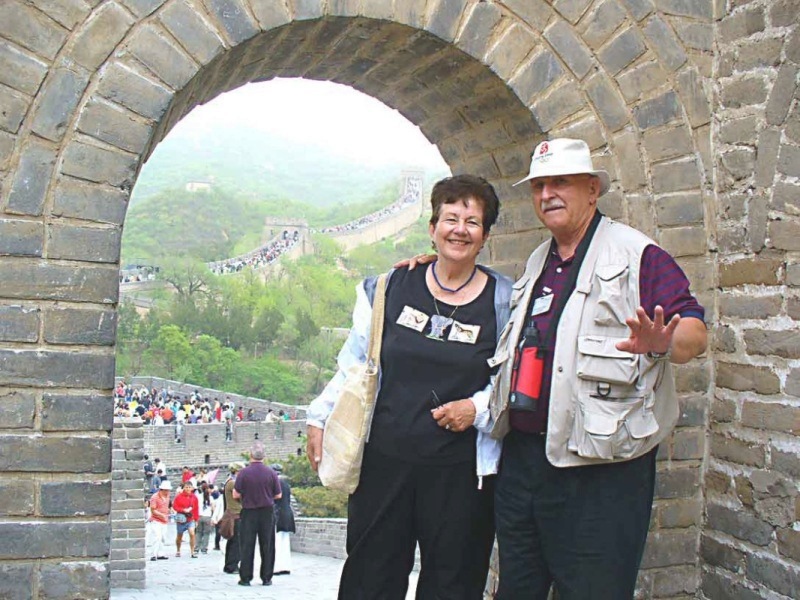
Ruth and John Sloan
[China Trip - MAY 2007]
* * * * * * * * * * * * * * * * * * * * * *

Ruth Sloan
[China Trip - MAY 2007]
* * * * * * * * * * * * * * * * * * * * * *

Ruth Sloan
[China Trip - MAY 2007]
* * * * * * * * * * * * * * * * * * * * * *
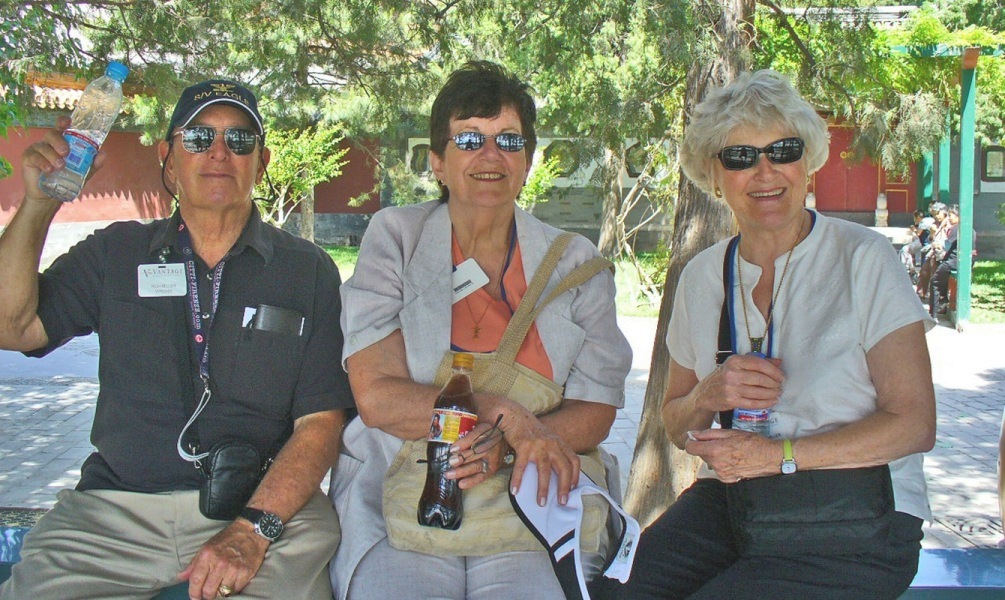
Rich Miller's and Ruth Sloan
[China Trip - MAY 2007]
* * * * * * * * * * * * * * * * * * * * * *
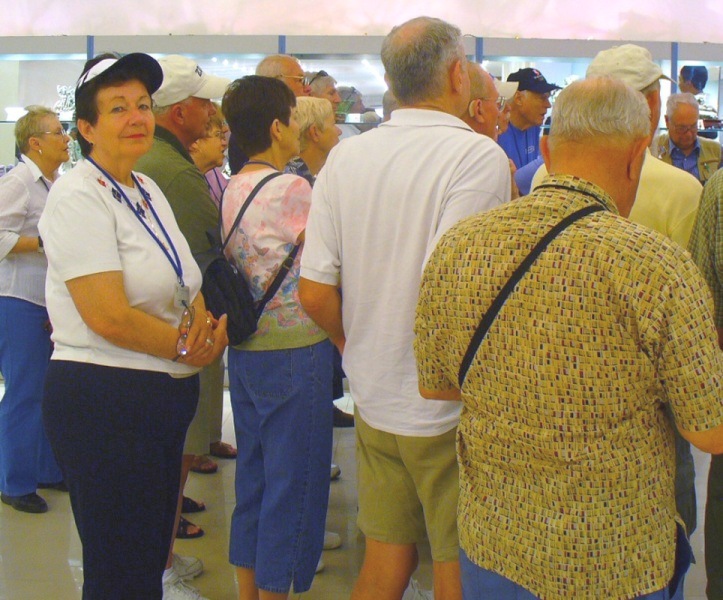
Ruth Sloan
[China Trip - MAY 2007]
* * * * * * * * * * * * * * * * * * * * * *
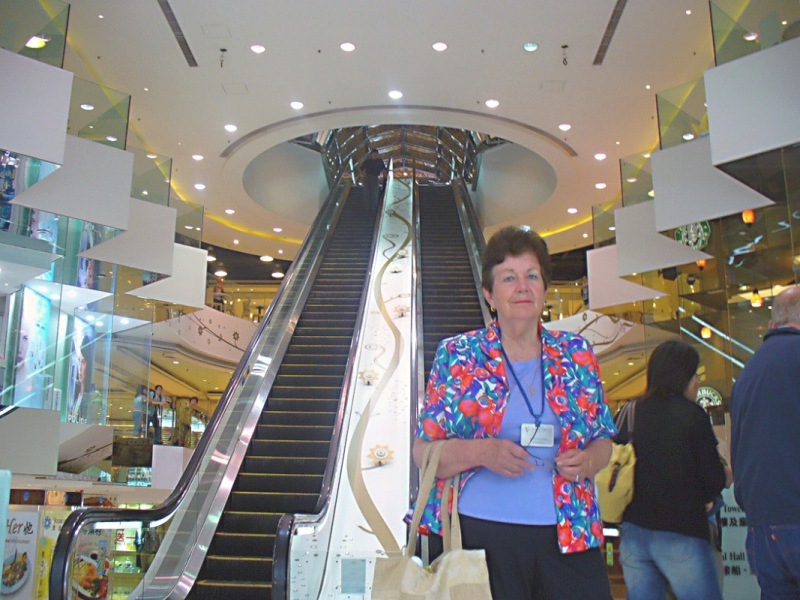
Ruth Sloan
[China Trip - MAY 2007]
* * * * * * * * * * * * * * * * * * * * * *
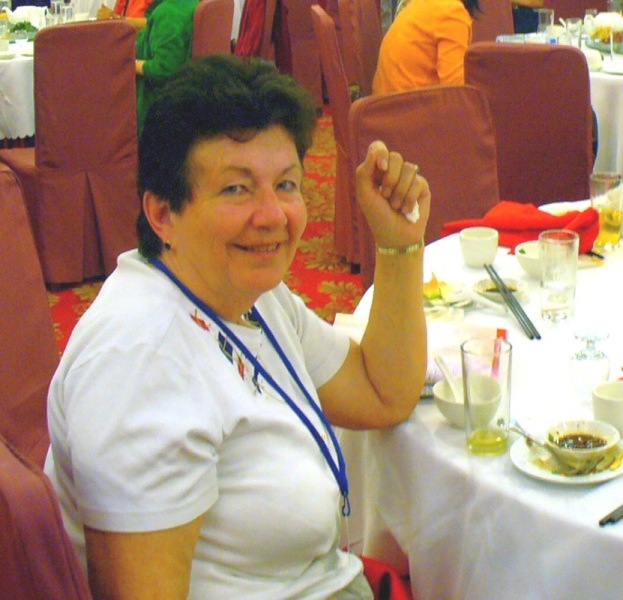
Ruth Sloan
[China Trip - MAY 2007]
* * * * * * * * * * * * * * * * * * * * * *
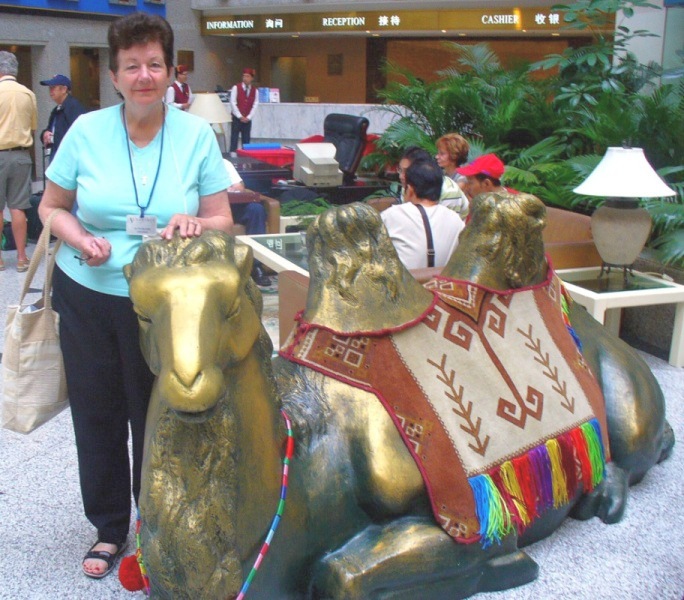
Ruth Sloan
[China Trip - MAY 2007]
* * * * * * * * * * * * * * * * * * * * * *
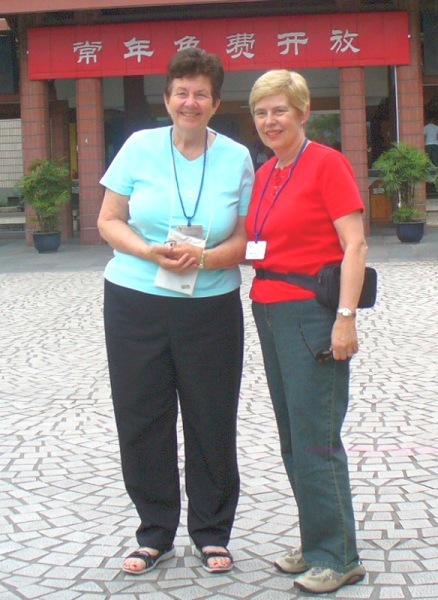
Ruth Sloan and Sybil Michalove
[China Trip - MAY 2007]
* * * * * * * * * * * * * * * * * * * * * *

Ruth Sloan
[China Trip - MAY 2007]
* * * * * * * * * * * * * * * * * * * * * *
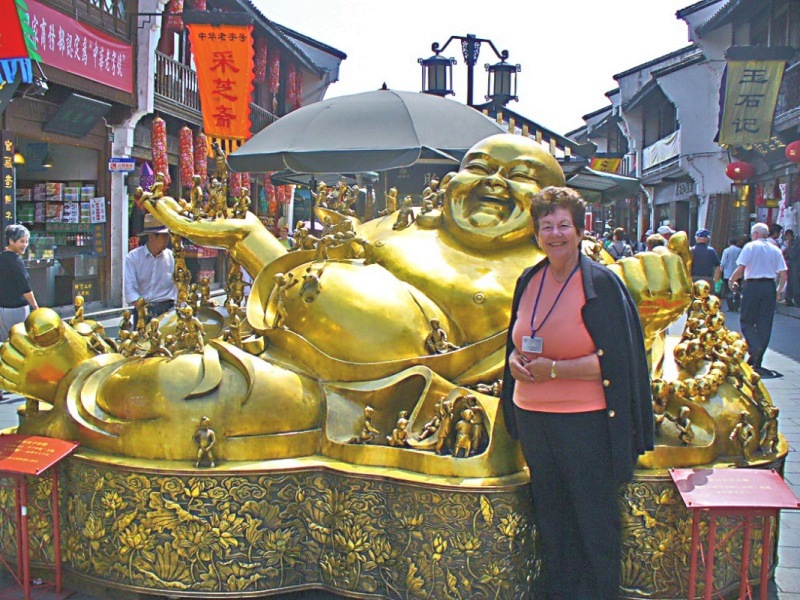
Ruth Sloan
[China Trip - MAY 2007]
* * * * * * * * * * * * * * * * * * * * * *
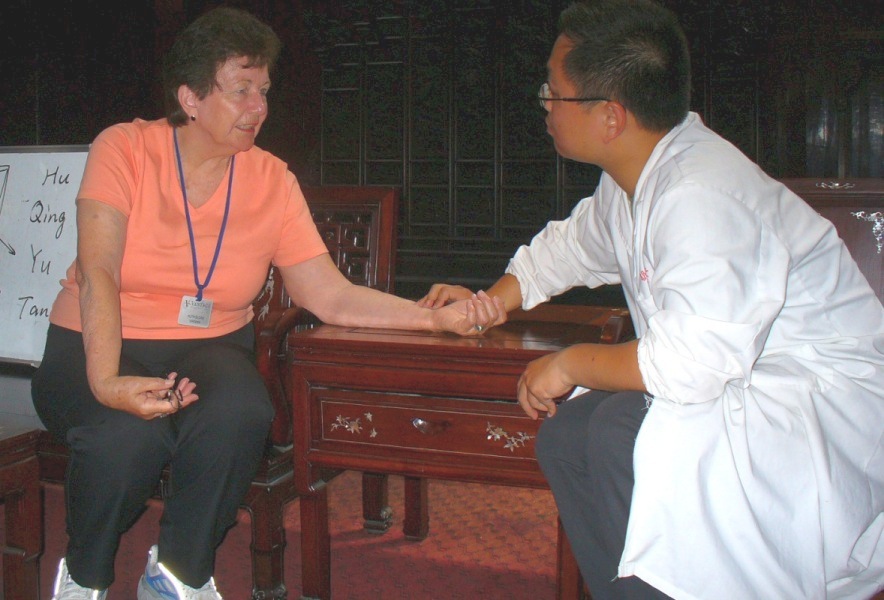
Ruth Sloan
[China Trip - MAY 2007]
* * * * * * * * * * * * * * * * * * * * * *

Ruth Sloan
[China Trip - MAY 2007]
* * * * * * * * * * * * * * * * * * * * * *
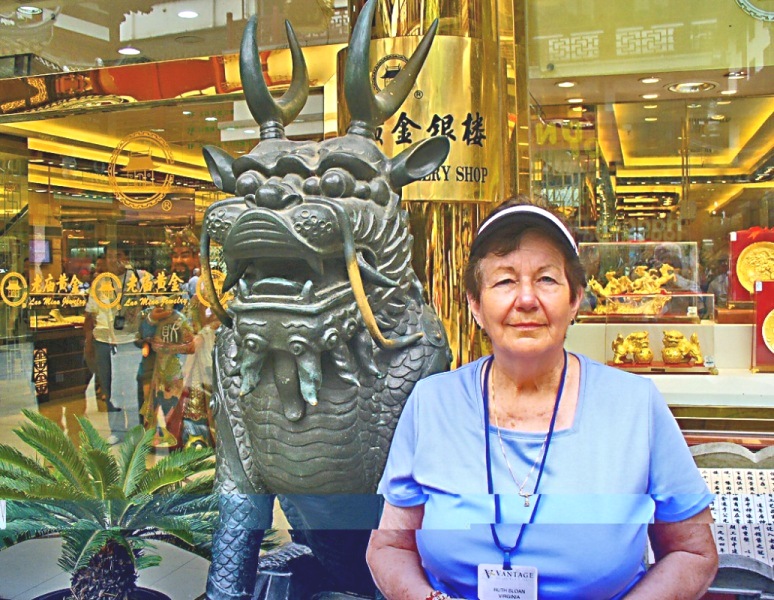
Ruth Sloan
[China Trip - MAY 2007]
* * * * * * * * * * * * * * * * * * * * * *
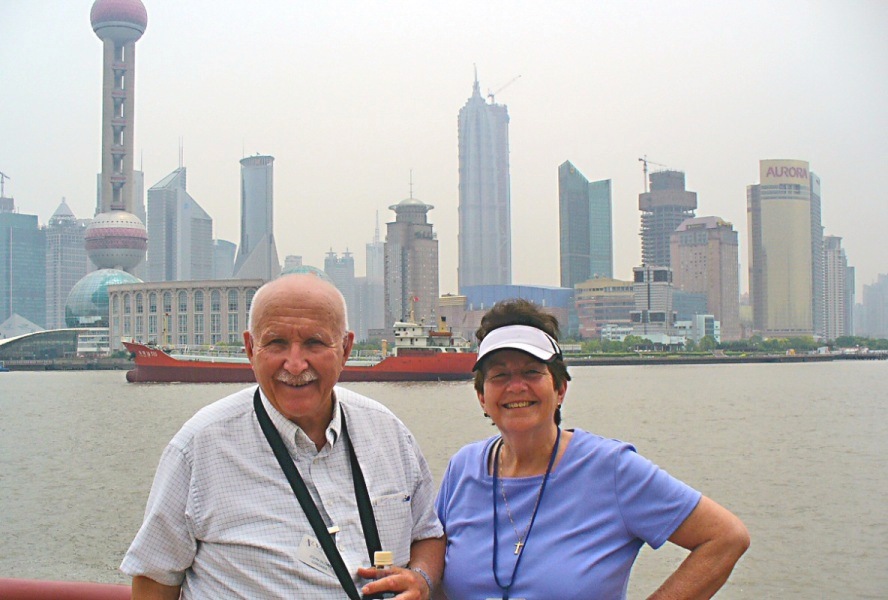
John and Ruth Sloan
[China Trip - MAY 2007]
* * * * * * * * * * * * * * * * * * * * * *
Ruth Sloan
[China Trip - MAY 2007]
* * * * * * * * * * * * * * * * * * * * * *
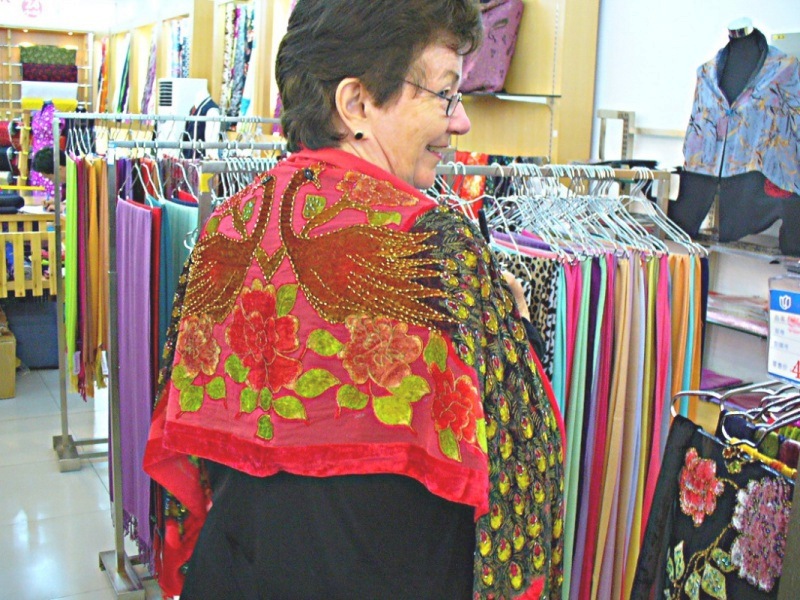
Ruth Sloan
[China Trip - MAY 2007]
* * * * * * * * * * * * * * * * * * * * * *
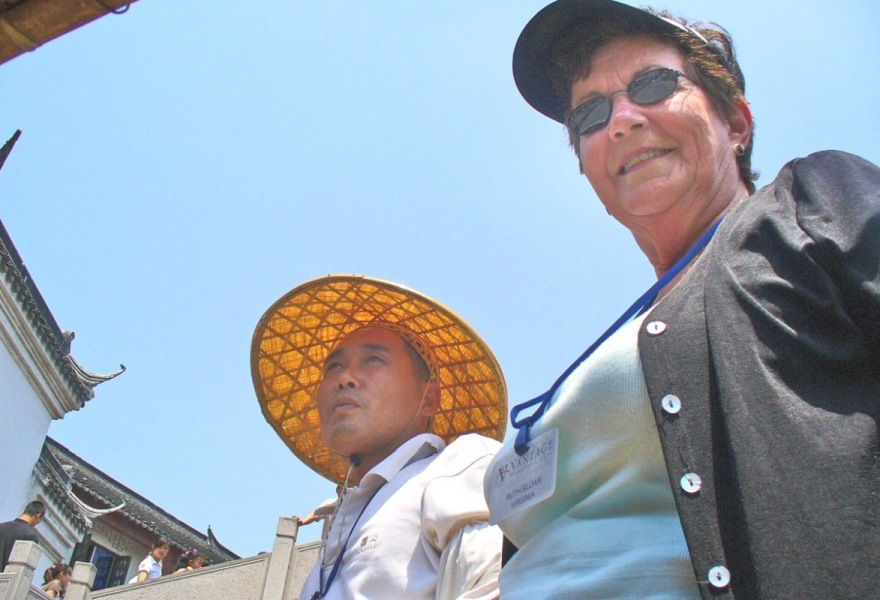
Ruth Sloan
[China Trip - MAY 2007]
* * * * * * * * * * * * * * * * * * * * * *
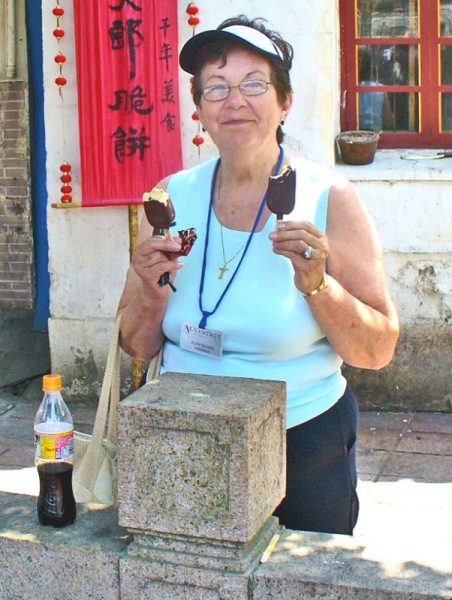
Ruth Sloan
[China Trip - MAY 2007]
* * * * * * * * * * * * * * * * * * * * * *
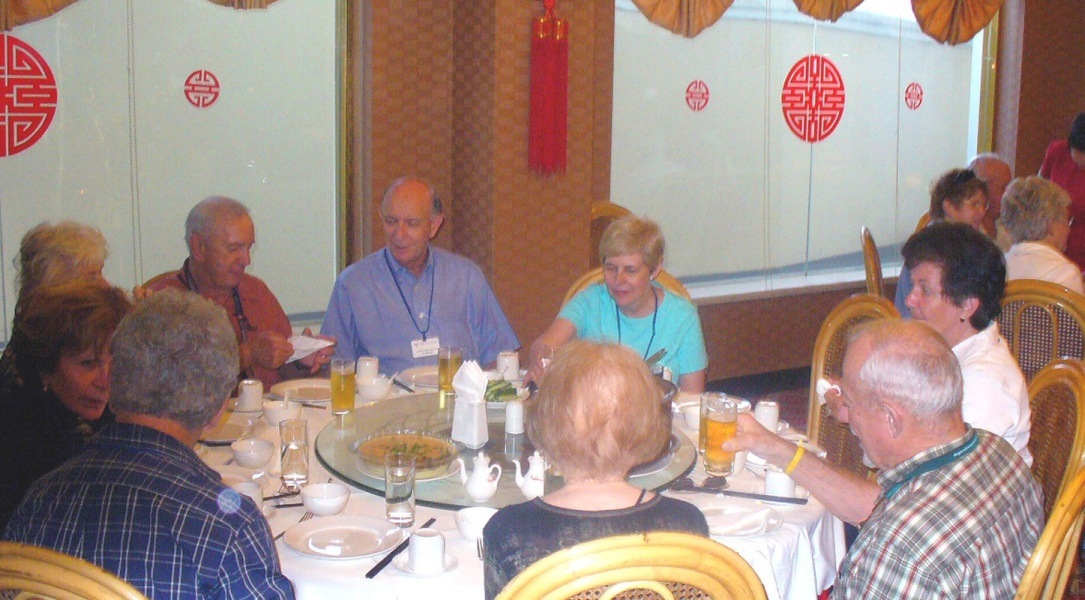
Rich Miller's - Michalove's - Ruth Sloan - Bob
Meisenheimer and Doris [China Trip - MAY 2007]
* * * * * * * * * * * * * * * * * * * * * *
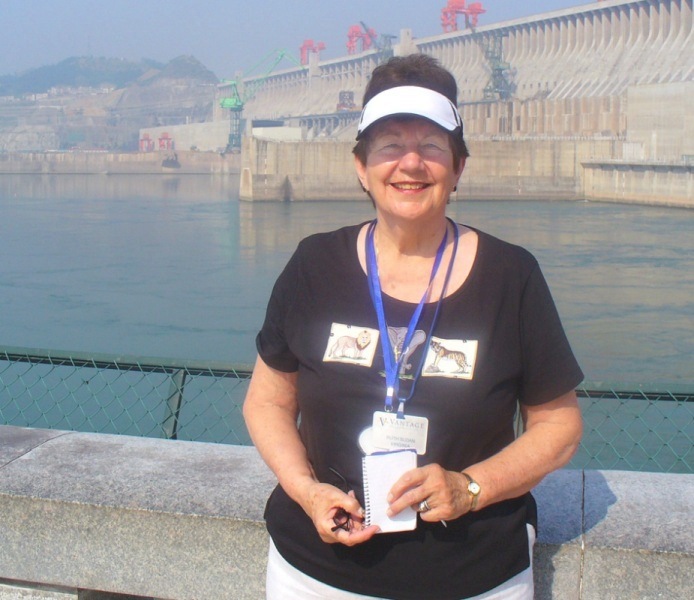
Ruth Sloan
[China Trip - MAY 2007]
* * * * * * * * * * * * * * * * * * * * * *
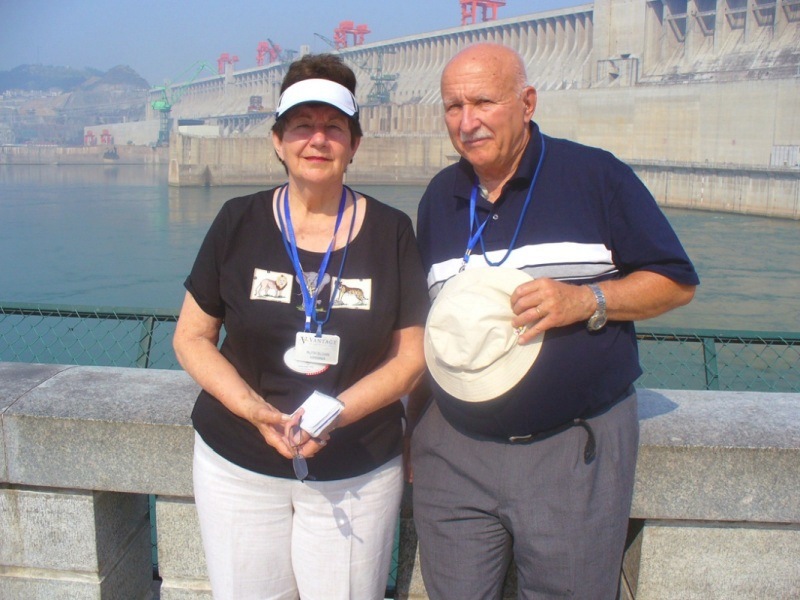
Ruth and John Sloan
[China Trip - MAY 2007]
* * * * * * * * * * * * * * * * * * * * * *
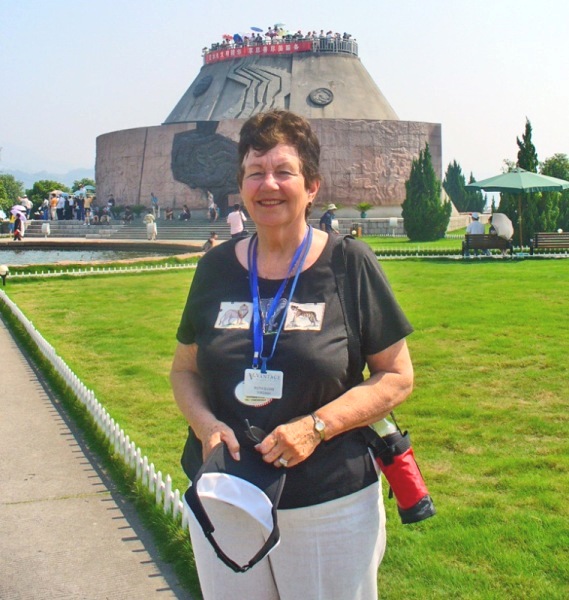
Ruth Sloan
[China Trip - MAY 2007]
* * * * * * * * * * * * * * * * * * * * * *
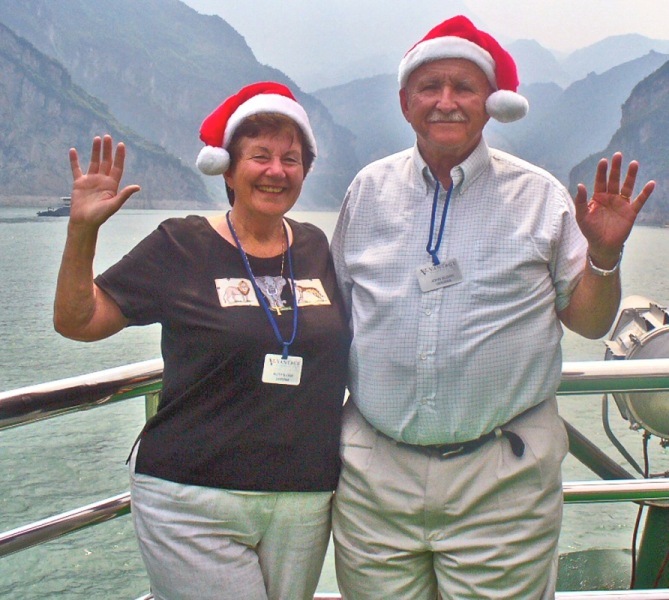
Ruth and John Sloan
[China Trip - MAY 2007]
* * * * * * * * * * * * * * * * * * * * * *

Ruth Sloan
[China Trip - MAY 2007]
* * * * * * * * * * * * * * * * * * * * * *
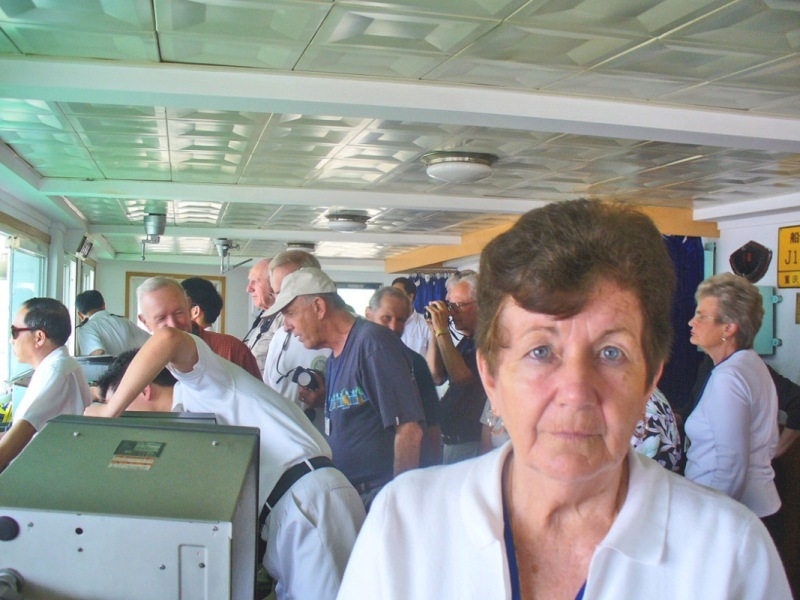
Ruth Sloan
[China Trip - MAY 2007]
* * * * * * * * * * * * * * * * * * * * * *
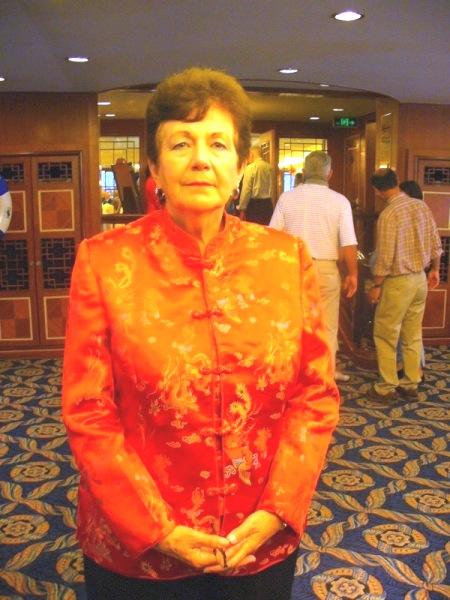
Ruth Sloan
[China Trip - MAY 2007]
* * * * * * * * * * * * * * * * * * * * * *
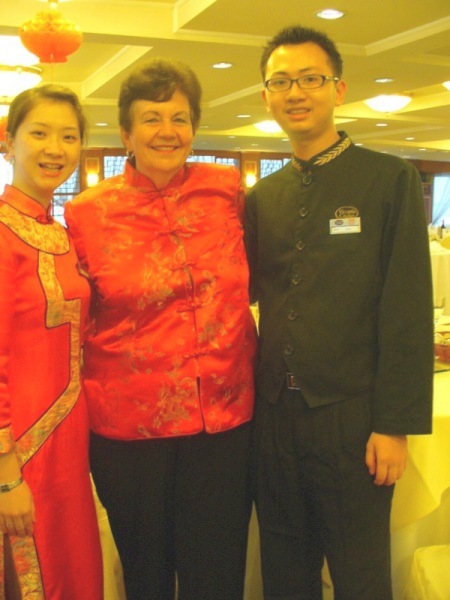
Ruth Sloan
[China Trip - MAY 2007]
* * * * * * * * * * * * * * * * * * * * * *

Ruth Sloan
[China Trip - MAY 2007]
* * * * * * * * * * * * * * * * * * * * * *
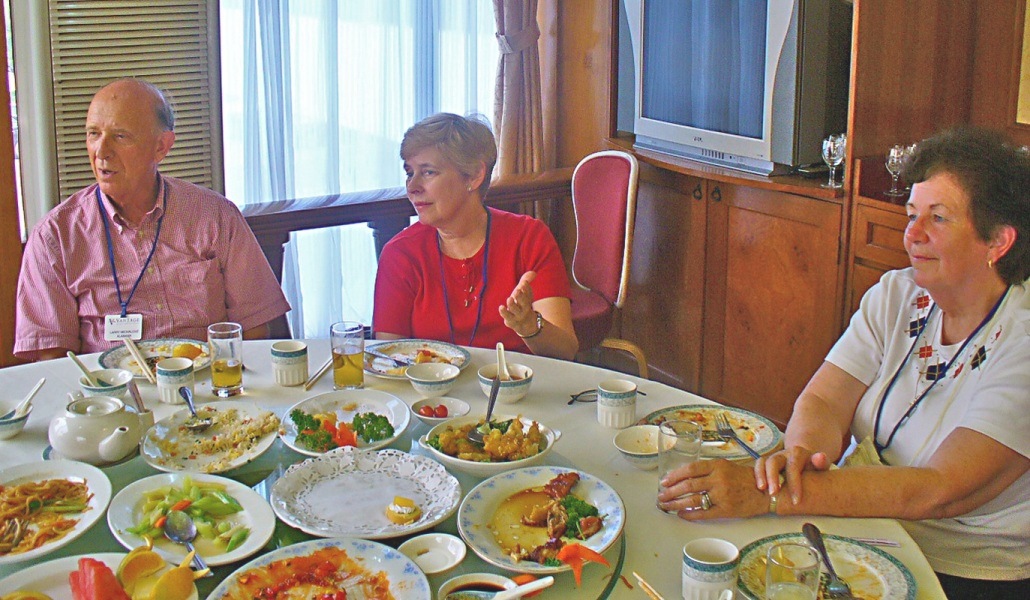
Michalove's and Ruth Sloan
[China Trip - MAY 2007]
* * * * * * * * * * * * * * * * * * * * * *
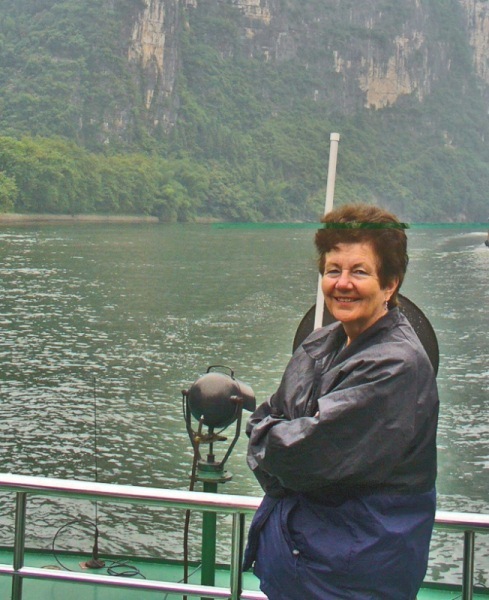
Ruth Sloan
[China Trip - MAY 2007]
* * * * * * * * * * * * * * * * * * * * * *
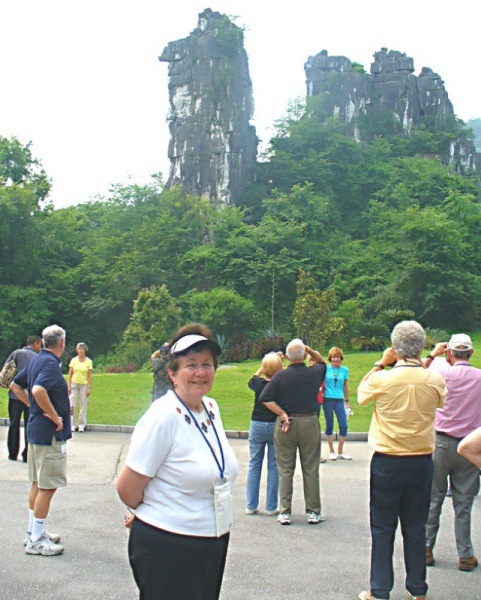
Ruth Sloan
[China Trip - MAY 2007]
* * * * * * * * * * * * * * * * * * * * * *

John Sloan Postcard from China
[c2007]
* * * * * * * * * * * * * * * * * * * * * *
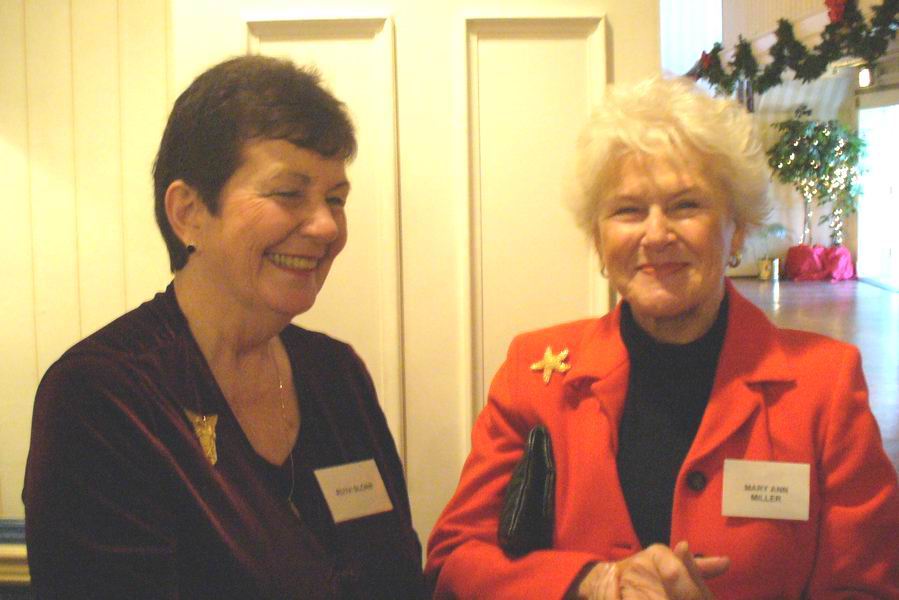
Ruth Sloan and Mary Ann Miller
[DEC 2006]
* * * * * * * * * * * * * * * * * * * * * *
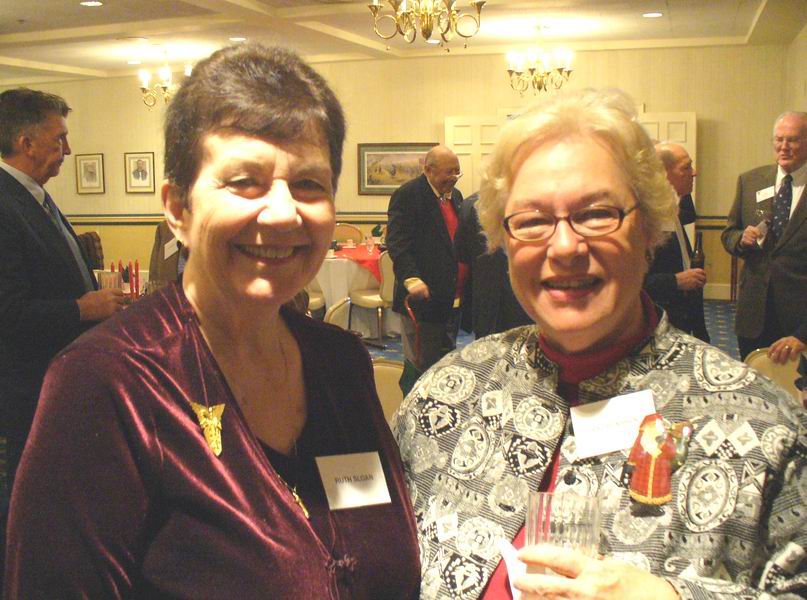
Ruth Sloan and Val Bundren
[DEC 2006]
* * * * * * * * * * * * * * * * * * * * * *
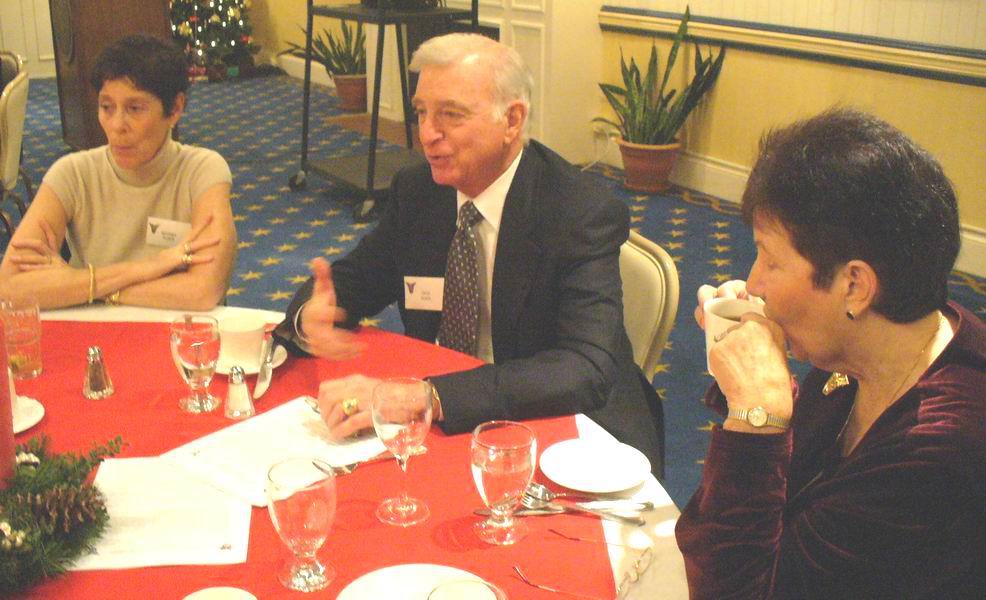
Norma and Dick Auer, Ruth Sloan
[DEC 2006]
* * * * * * * * * * * * * * * * * * * * * *
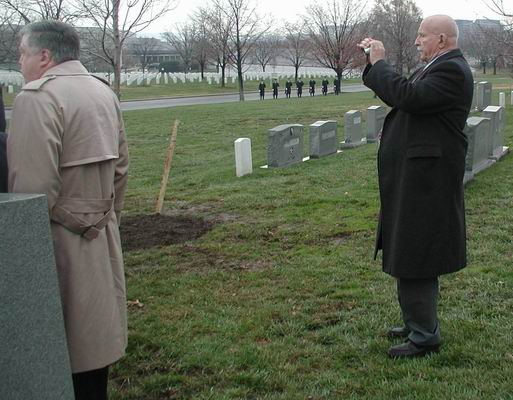
Don Hilbert and John Sloan
[Al Bundren Funeral - DEC 2006]
* * * * * * * * * * * * * * * * * * * * * *
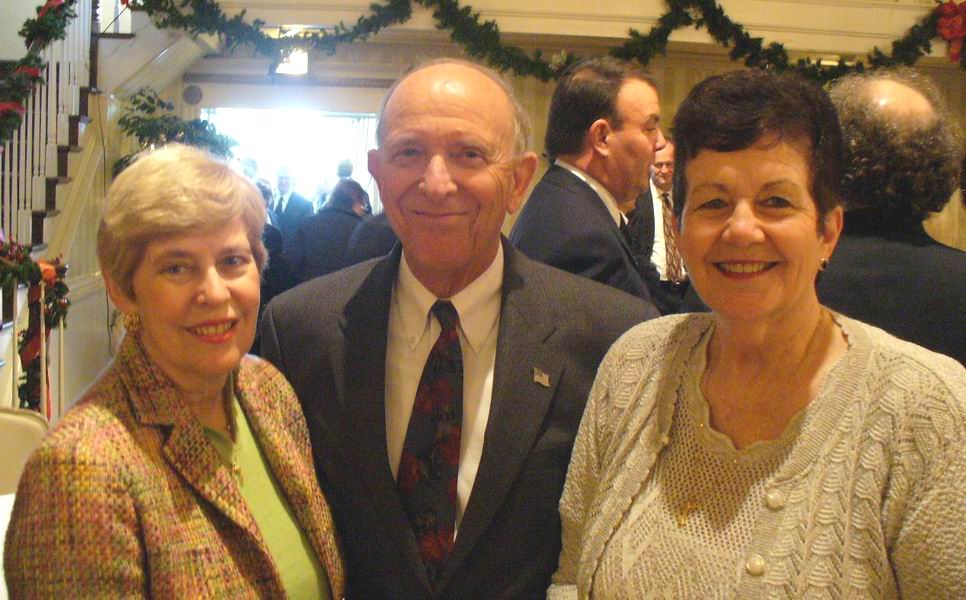
Sybil and Larry Michalove, Ruth Sloan
[Al Bundren Funeral - DEC 2006]
* * * * * * * * * * * * * * * * * * * * * *
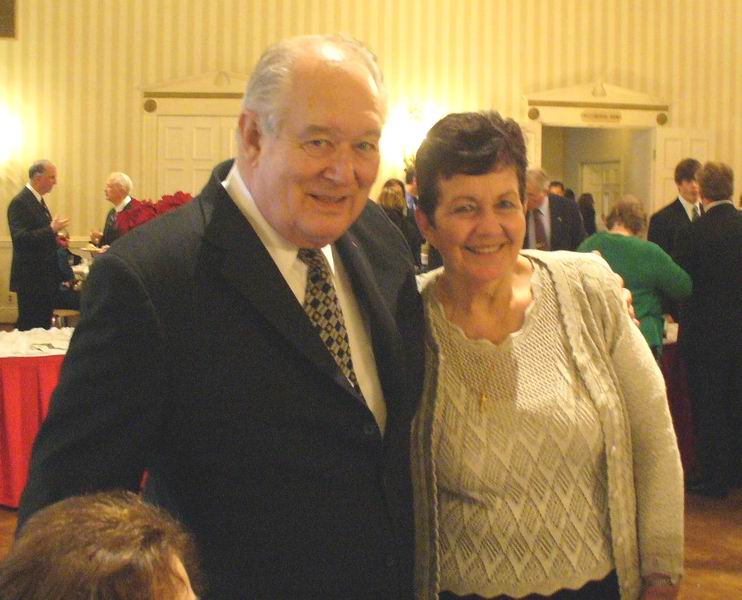
Jack Doyle and Ruth Sloan
[Al Bundren Funeral - DEC 2006]
* * * * * * * * * * * * * * * * * * * * * *
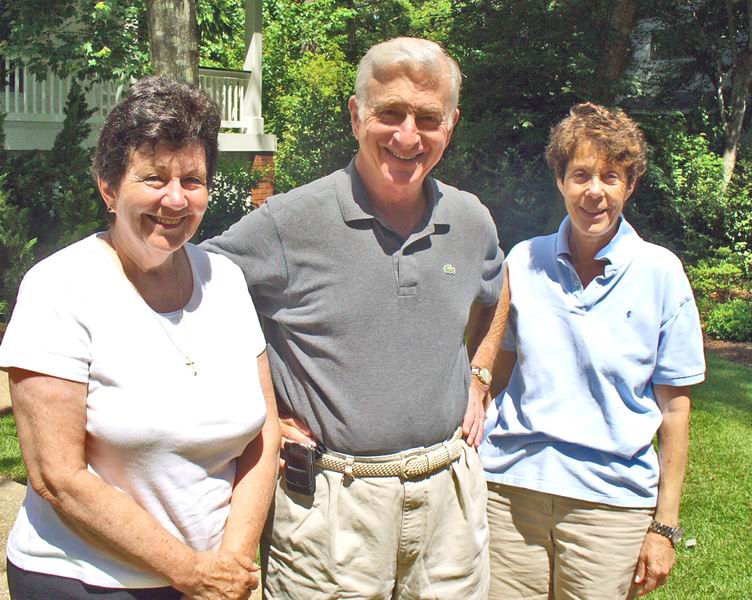
Ruth Sloan, Dick and Norma Auer
[North Carolina - JUN 2006]
* * * * * * * * * * * * * * * * * * * * * *
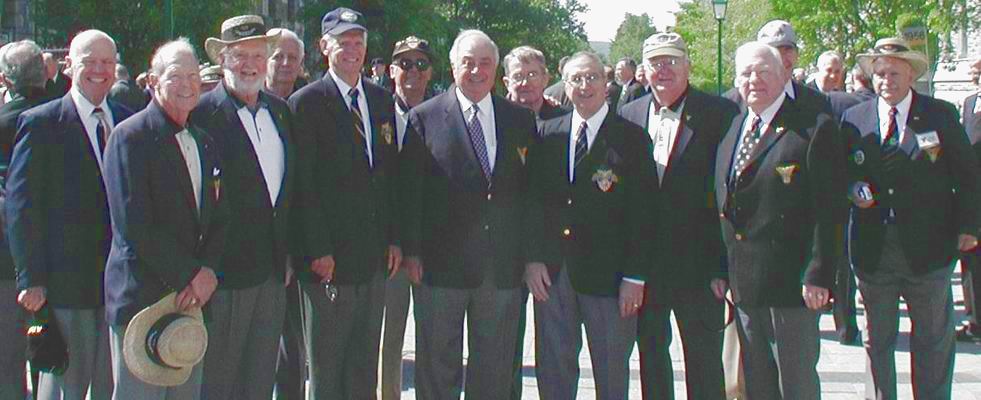
May, Carpenter, Heyer x55, Norm Smith, Andrews, Welter, Lichtenberg, Streett, Cardillo, Fralen, Drummond, Vitty, Sloan [DG Mini - MAY 2006] |
* * * * * * * * * * * * * * * * * * * * * *
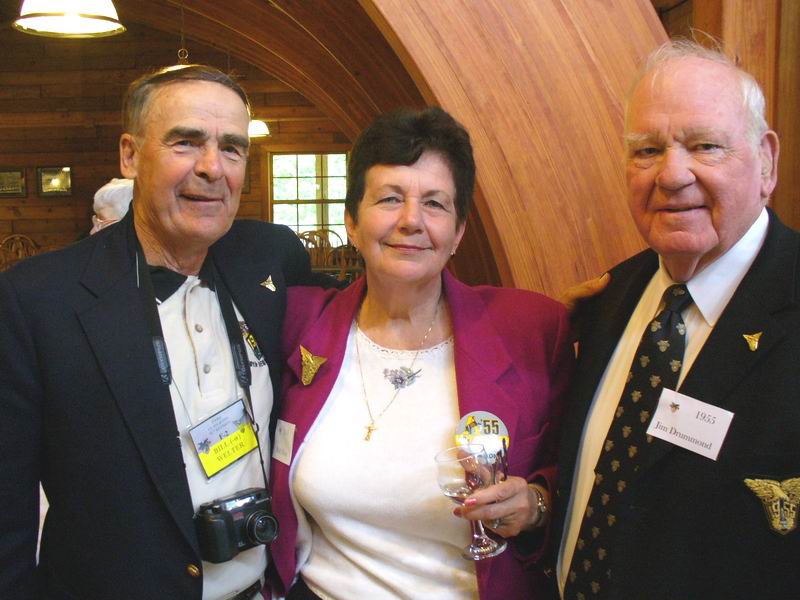
Welter, Ruth Sloan, Drummond
[DG Mini - MAY 2006]
* * * * * * * * * * * * * * * * * * * * * *
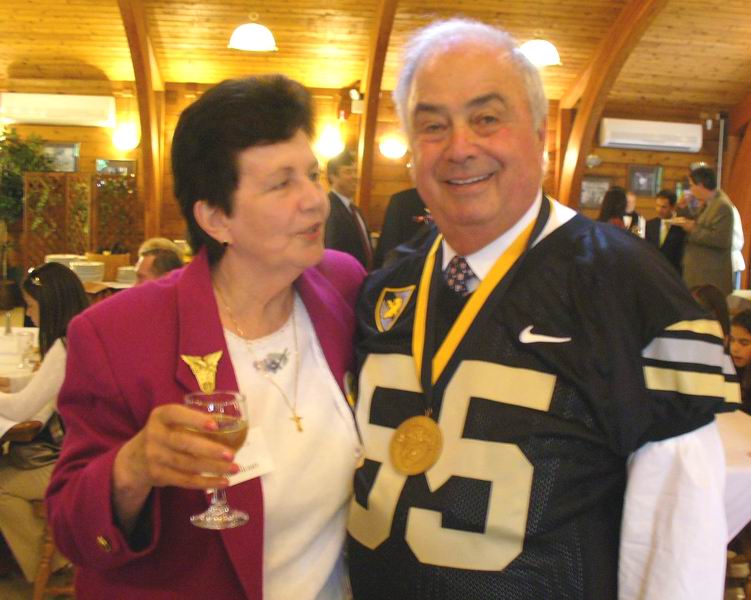
Ruth Sloan and Kelly Lichtenberg
[DG Mini - MAY 2006]
* * * * * * * * * * * * * * * * * * * * * *
[DG Mini - MAY 2006]
* * * * * * * * * * * * * * * * * * * * * *
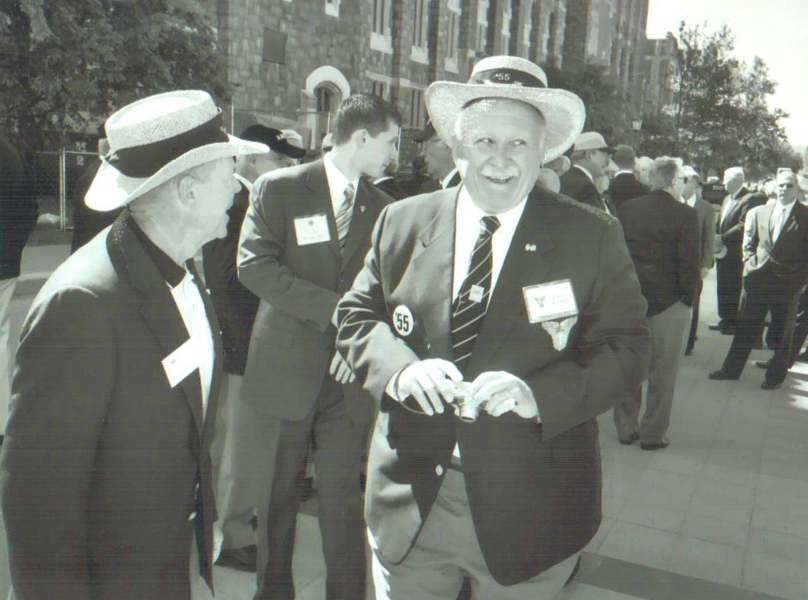
Bob Carpenter and John Sloan
[c2006]
* * * * * * * * * * * * * * * * * * * * * *
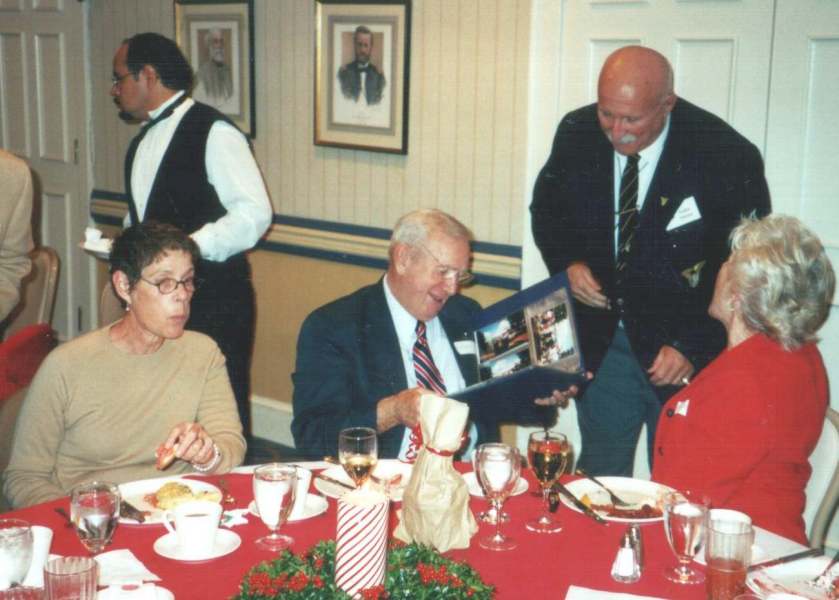
? - Rich Miller's - Sloan
[DEC c2005]
* * * * * * * * * * * * * * * * * * * * * *
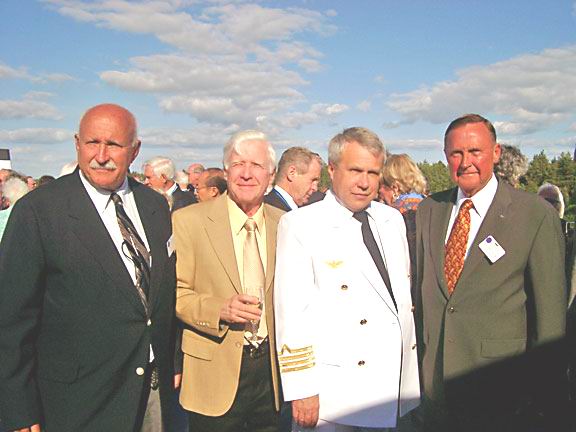
Sloan, Schauer, Capt. Ruski, Anderson
[JUN 2005 Russia Trip]
* * * * * * * * * * * * * * * * * * * * * *

[50th Reunion Bio]
* * * * * * * * * * * * * * * * * * * * * *
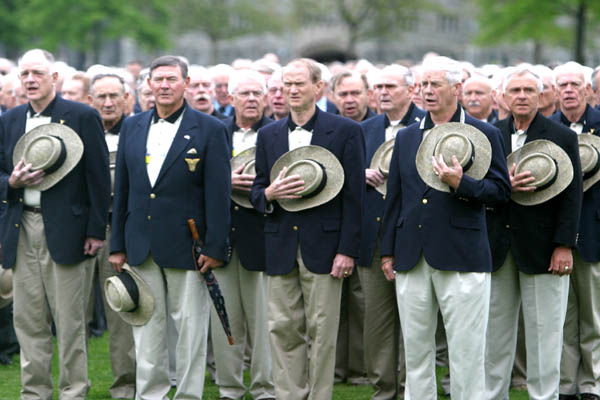
Lynn, Bazilwich, Vitty, Regnier, Jack Campbell, Strom, Bossert,
McCloskey, Munroe, Sloan, Pirkey, Andrews [50th Reunion]
* * * * * * * * * * * * * * * * * * * * * *
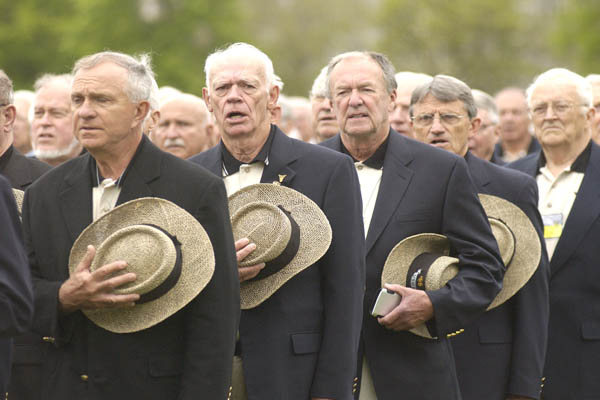
Page, Pirkey, Sloan, Andrews, Sechrist,
C. Johnson, Negaard [50th Reunion]
* * * * * * * * * * * * * * * * * * * * * *

John Sloan
[50th Reunion]
* * * * * * * * * * * * * * * * * * * * * *
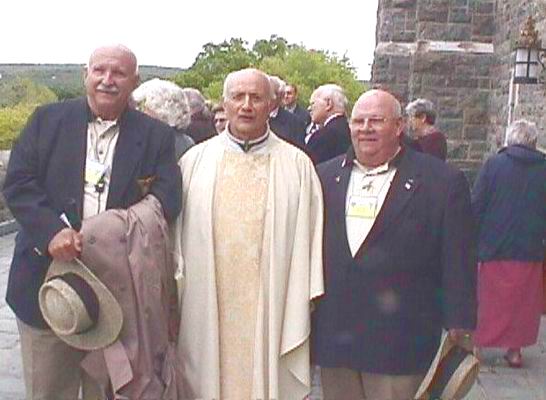
Sloan, Father Oscar, West
[50th Reunion]
* * * * * * * * * * * * * * * * * * * * * *
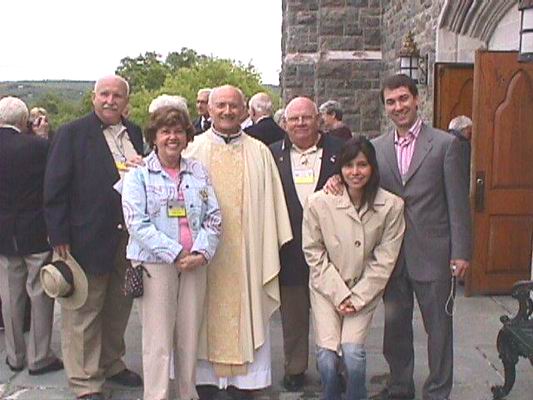
Sloan, Sherry Welter, Father Oscar, West,
Zaire, Enrique [50th Reunion]
* * * * * * * * * * * * * * * * * * * * * *
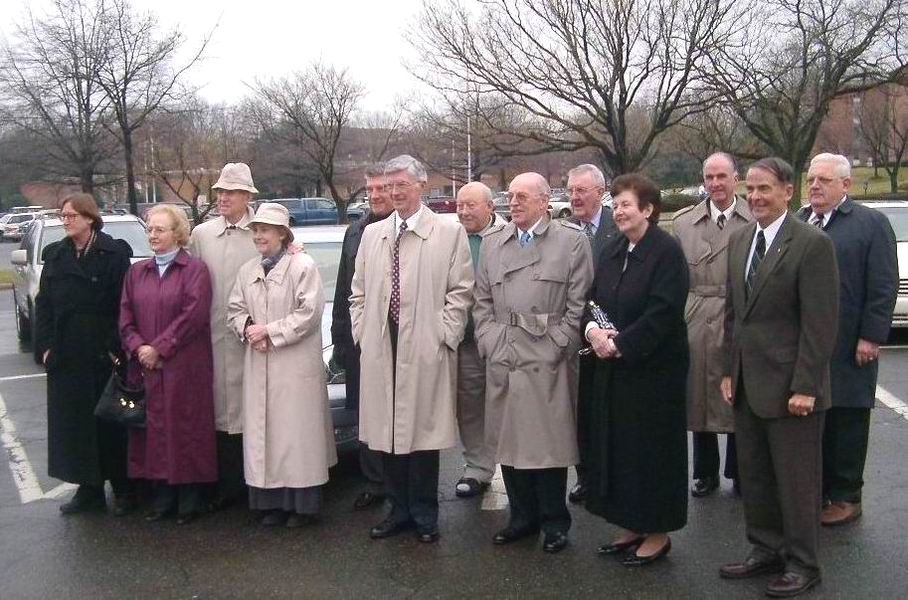
Brook Hardy Agnew, Nancy Cutchin, Matt and Betty Schepps, Bergen, Cutchin, Russell, McCulla, Roades, Ruth Sloan, Gay, Welter, McNerney [John Hardy Funeral - JAN 2005] |
* * * * * * * * * * * * * * * * * * * * * *
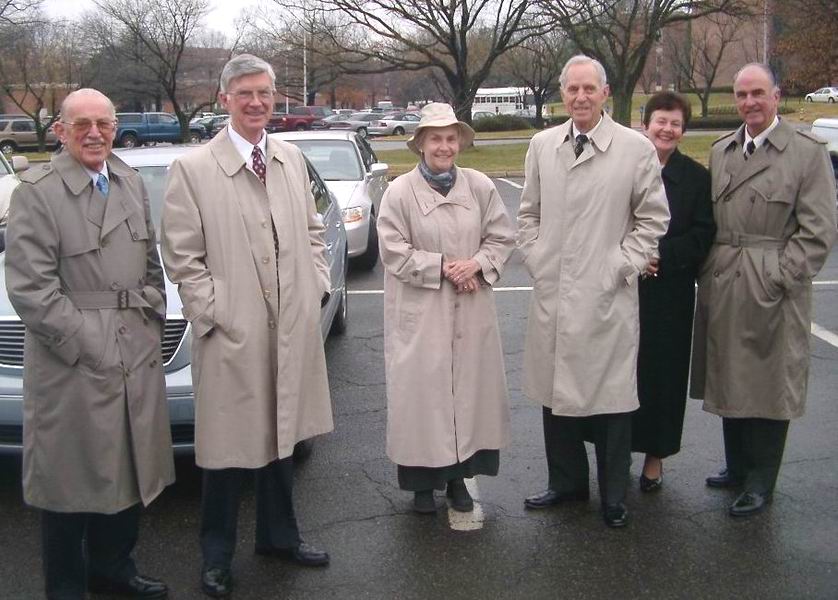
McCulla, Cutchin, Betty and Matt Schepps, Ruth
Sloan, Gay [John Hardy Funeral - JAN 2005]
* * * * * * * * * * * * * * * * * * * * * *
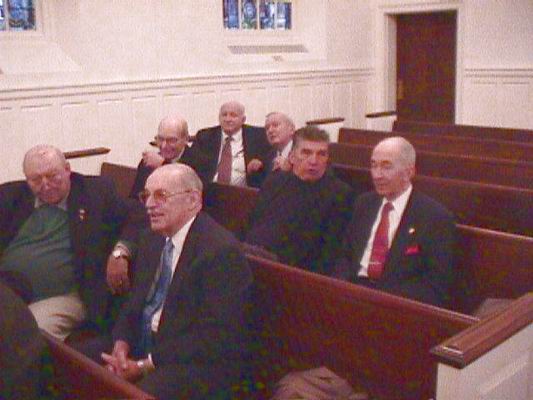
Russell, Ewing, McCulla- Sloan, Rich Miller, Bergen,
McNair [John Hardy Funeral - JAN 2005]
* * * * * * * * * * * * * * * * * * * * * *
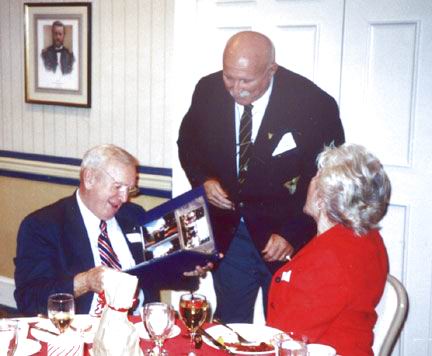
Miller's and John Sloan
[DEC 2004]
* * * * * * * * * * * * * * * * * * * * * *
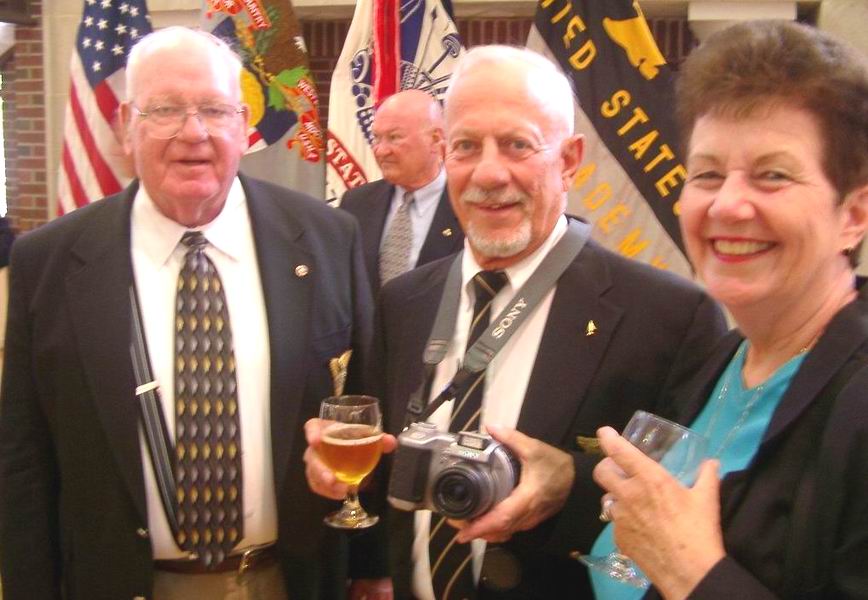
Drummond, Trobaugh, Meisenheimer,
Ruth Sloan [DG Mini - MAY 2004]
* * * * * * * * * * * * * * * * * * * * * *
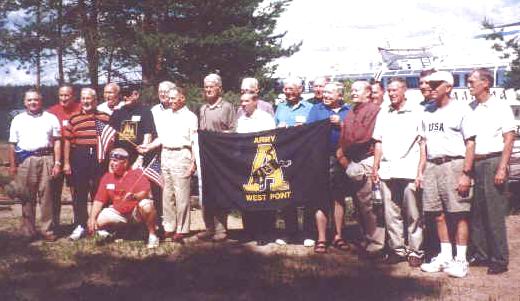
Minich, Bazilwich, Meisenheimer, Sloan, Bundren, R Miller (kneeling), Traut, Howie Stone, Follett, Maurer (part hidden), Ship captain, Fiscus, Parks, Wheeler, J Strickland, Werner, Black, Bergen, Michalove, Tennant [JUN 2003 Russia Trip] |
* * * * * * * * * * * * * * * * * * * * * *
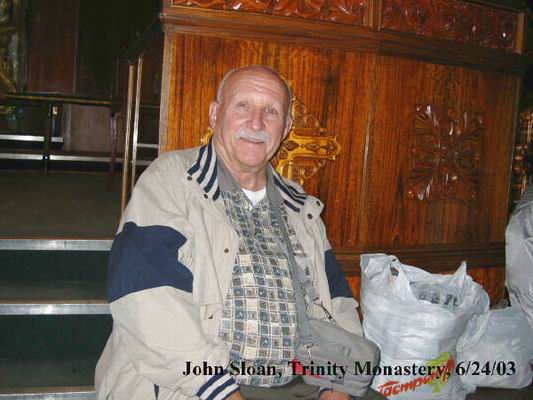
John Sloan
[JUN 2003 Russia Trip]
* * * * * * * * * * * * * * * * * * * * * *
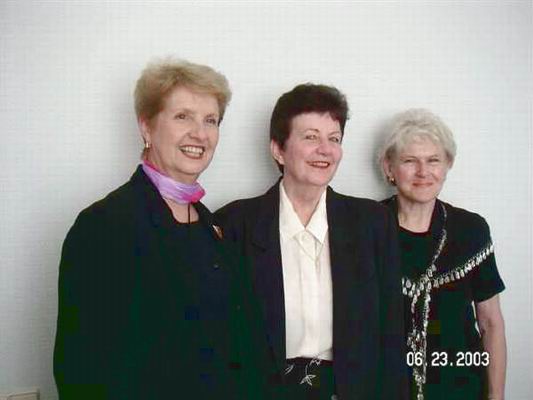
Caye Wheeler, Ruth Sloan, Mary Ann Miller
[JUN 2003 Russia Trip]
* * * * * * * * * * * * * * * * * * * * * *
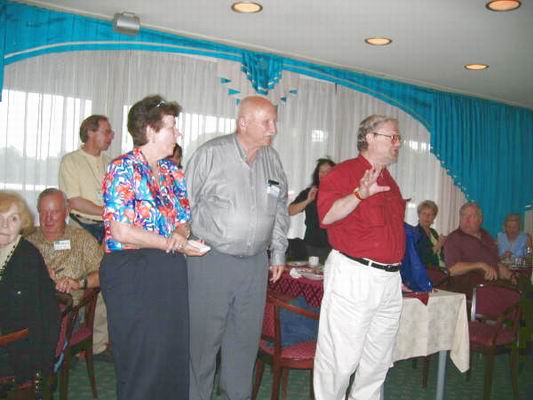
Ruth and John Sloan, George Gordon
[JUN 2003 Russia Trip]
* * * * * * * * * * * * * * * * * * * * * *
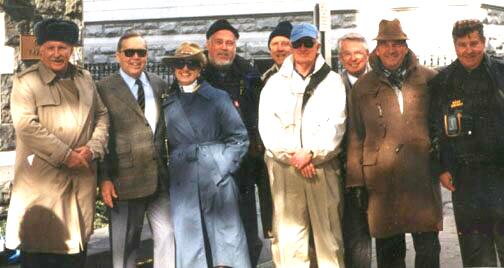
Sloan, Wheeler's, Page, Bates, Armour,
Newton, Bergen, Dienst [1999]
* * * * * * * * * * * * * * * * * * * * * *
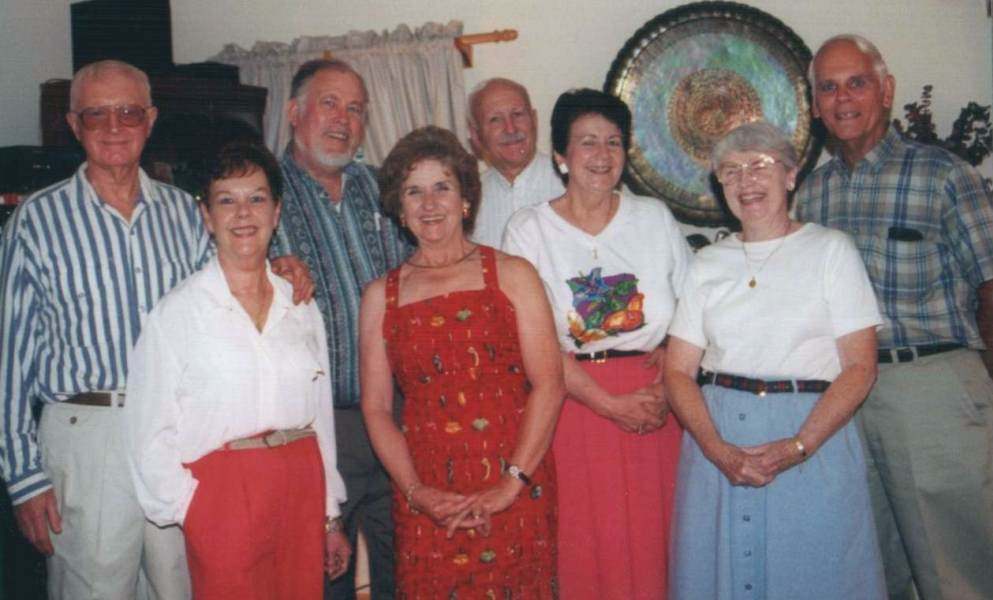
: - Page's - Sloan's - ?
[c1997]
* * * * * * * * * * * * * * * * * * * * * *
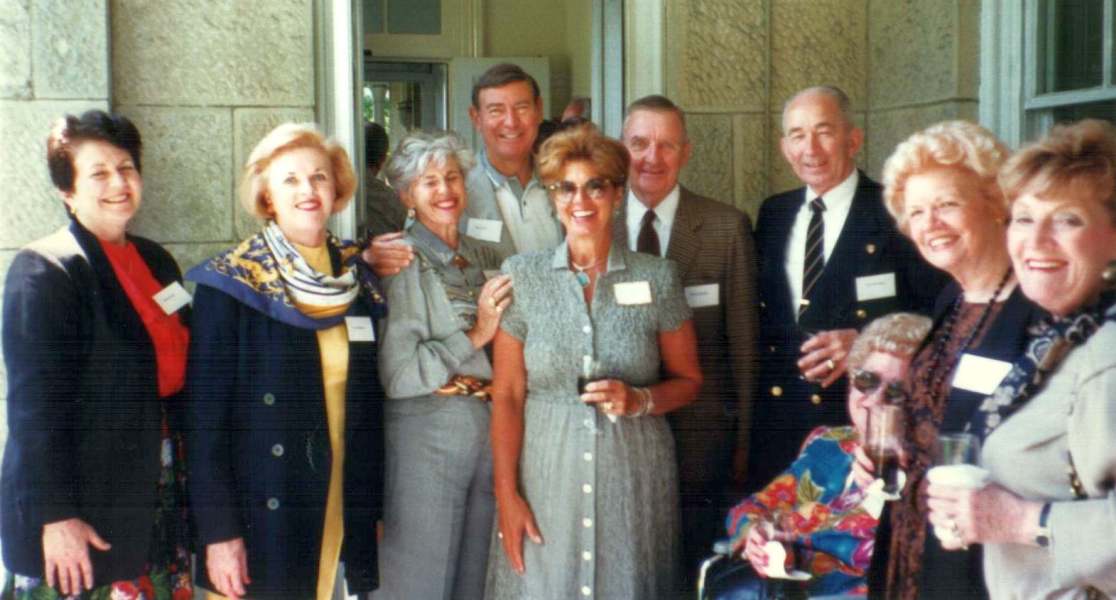
Ruth Sloan - Carla Hilbert - Marcia Cathey - Vitty's -
Roades' - McNair's - Lo Dienst [c1997]
* * * * * * * * * * * * * * * * * * * * * *
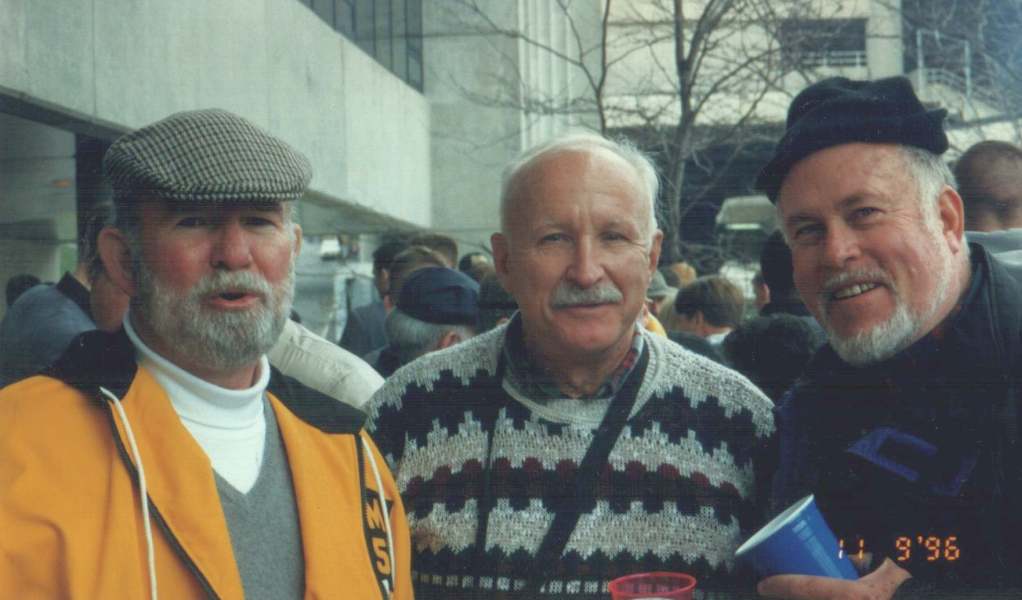
Horst - Sloan - Page
[NOV 1996]
* * * * * * * * * * * * * * * * * * * * * *
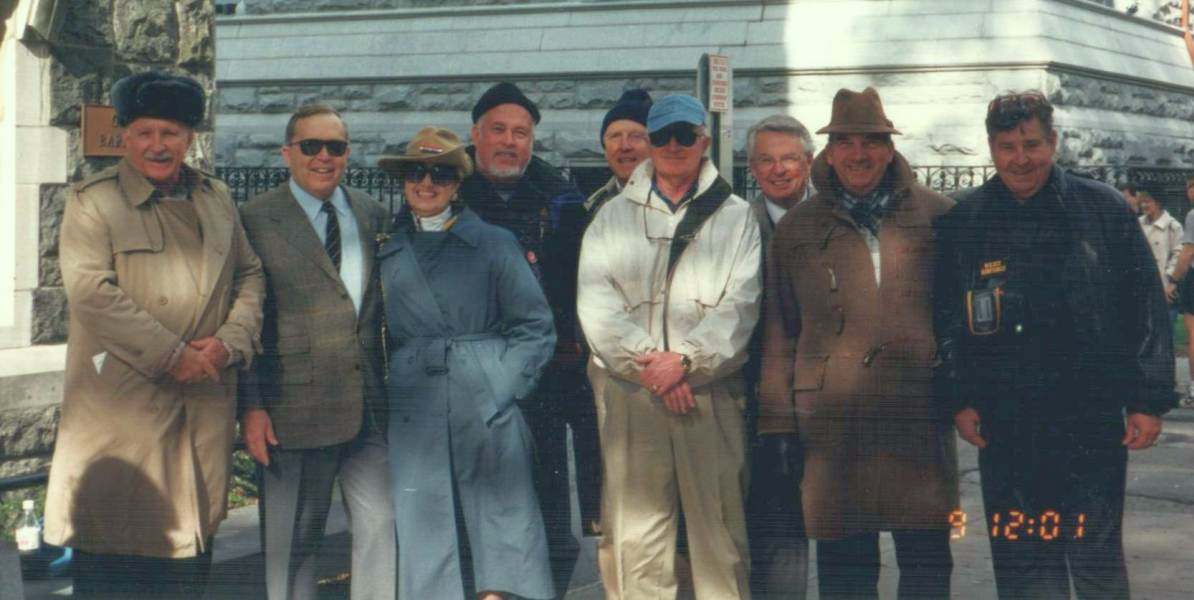
Sloan - Wheeler's - Page - Bates - ? -
Newton - Bergen - Dienst [c1996]
* * * * * * * * * * * * * * * * * * * * * *
Strati and Sloan's
[c1996]
* * * * * * * * * * * * * * * * * * * * * *
Dienst - ? - Page - Wheeler - Fikaris - Bergen - ? - Bill Anderson - Sloan -
Newton - Vitty - Masson - Strati - Bates - Horst - Lichtenberg [c1996]
* * * * * * * * * * * * * * * * * * * * * *
Bob Carpenter, John Sloan, Rich Miller
[c1993]
* * * * * * * * * * * * * * * * * * * * * *
John Sloan, Dick Baker, Marty McGuire
[Ft. Myer - c1991]
* * * * * * * * * * * * * * * * * * * * * *
Fontaine, Sloan, Wargowsky, Russell, Carol
Baker, John and Jane Rudzki [c1990]
* * * * * * * * * * * * * * * * * * * * * *
Carpenter, Sloan, Newton
[1989]
* * * * * * * * * * * * * * * * * * * * * *
Bob Carpenter and John Sloan
[1989]
* * * * * * * * * * * * * * * * * * * * * *
Ruth Sloan, Tommy and Elaine West
[1988]
* * * * * * * * * * * * * * * * * * * * * *
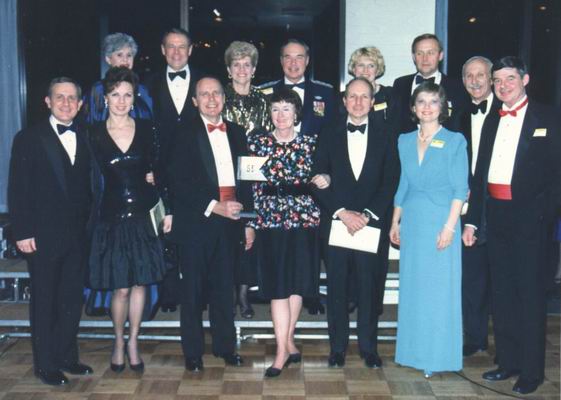
Rear: Cathey's, Monahan's, Ed Anderson's, Sloan Front:
Vitori's, Wargowsky's, McJoynt, Nidever and Guest [1987]
* * * * * * * * * * * * * * * * * * * * * *
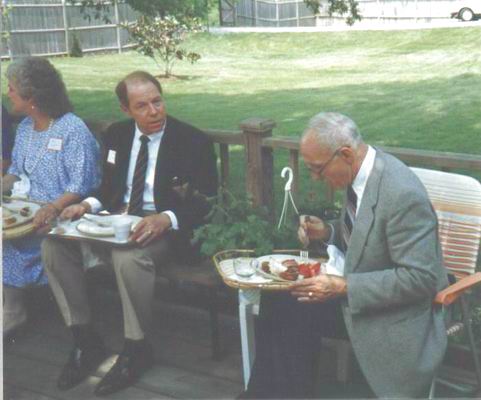
Marly and Bob Carpenter, John Sloan
[1986]
* * * * * * * * * * * * * * * * * * * * * *
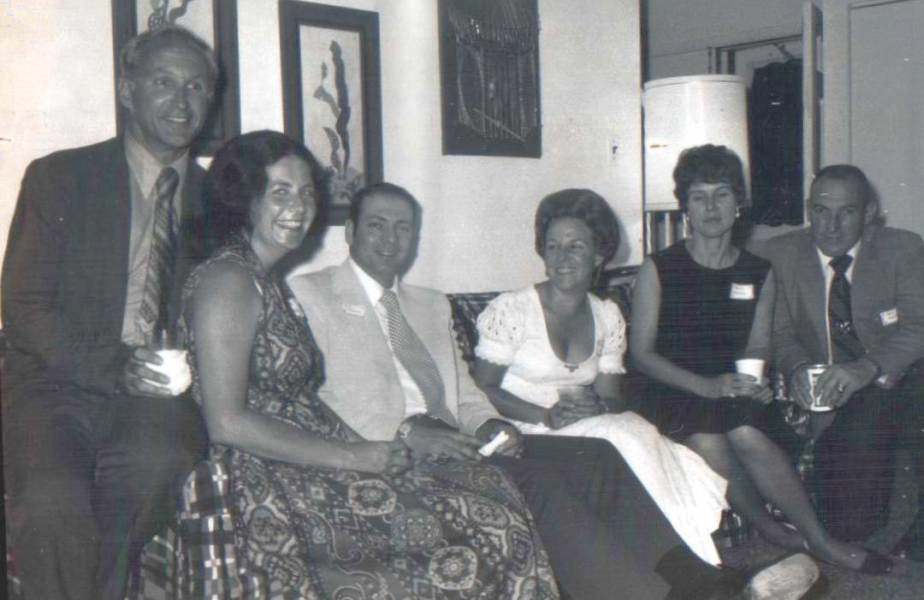
Sloan's - Strati's - Chikalla's
[DC Party - c1985]
* * * * * * * * * * * * * * * * * * * * * *
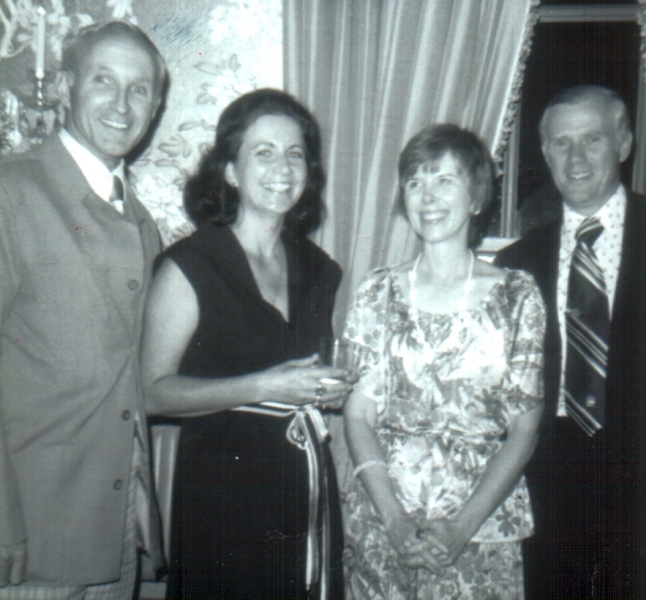
Sloan's and Malone's
[c1985]
* * * * * * * * * * * * * * * * * * * * * *
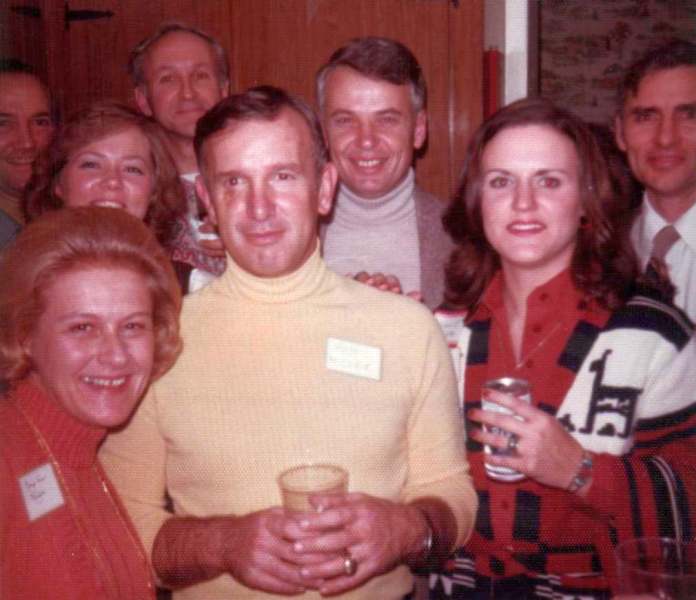
Peters - Sloan - Rich Miller's- Newton -
Strati - Ladies [c1985]
* * * * * * * * * * * * * * * * * * * * * *

|
* * * * * * * * * * * * * * * * * * * * * *

[10th Reunion - 1965] |
Larger Size
* * * * * * * * * * * * * * * * * * * * * *

Quent Bates, John Sloan, George Page
[California - JUL 1960]
* * * * * * * * * * * * * * * * * * * * * *

Page, Bates and Sloan camping trip
[California - SEP 1960]
* * * * * * * * * * * * * * * * * * * * * *
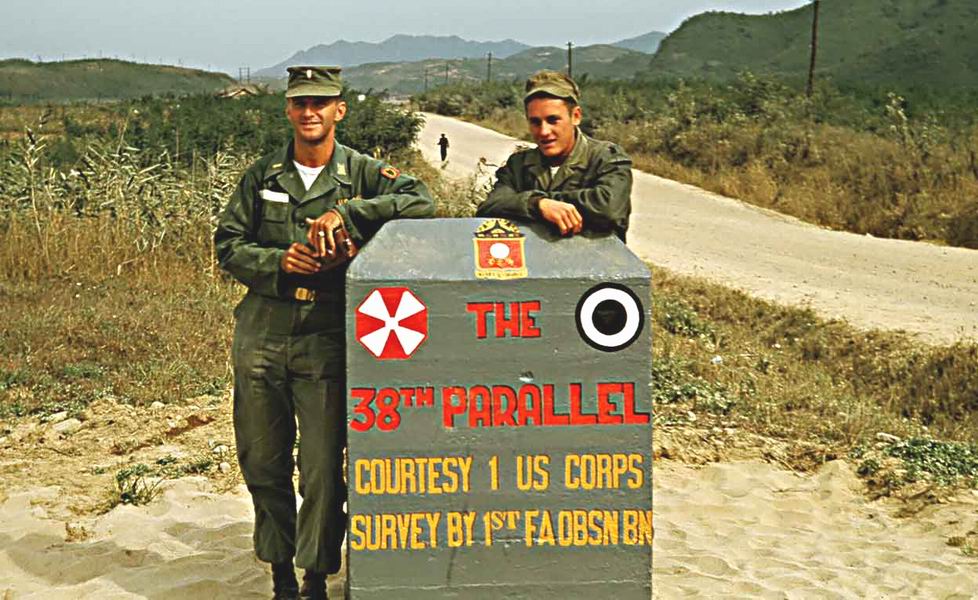
John Sloan and Driver
[Korea - 1956]
* * * * * * * * * * * * * * * * * * * * * *

'55 Engineer Officer's Basic Course |
Larger Size
* * * * * * * * * * * * * * * * * * * * * *
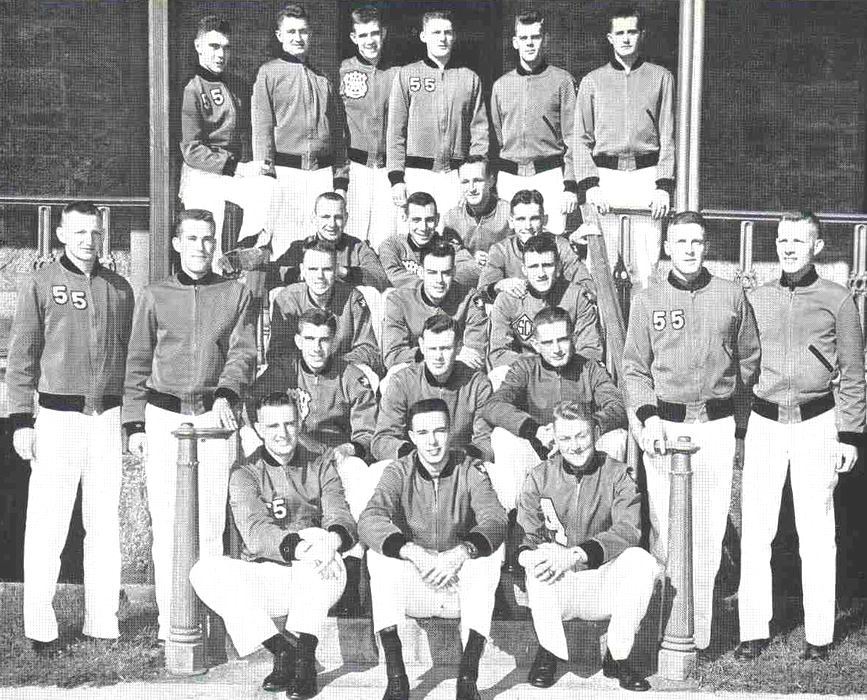
C-1 Firsties - 1st Row: Griggs, Page, Sietman, Hayes, Negaard, Bates, Maurer, 2nd Row: Giza, Murphy, Staudaher, 3rd Row: Fleeger, Isbell, Charlie Johnson, 4th Row: Fred Phillips (CO), Domeck, Sloan, Samos, 5th Row: Viney, Ceglowski Armour, Passafiume, Humphrey, Lozier, McClelland (Absent: Norvell) |
* * * * * * * * * * * * * * * * * * * * * *

John Sloan and Lew Olive
[California - PR Trip APR 1955]
* * * * * * * * * * * * * * * * * * * * * *

John Sloan
[1955]
* * * * * * * * * * * * * * * * * * * * * *

Sloan, underclass players, Turner,
Russell [c1954]
* * * * * * * * * * * * * * * * * * * * * *

John Sloan
[Fort Eustis - 1953]
* * * * * * * * * * * * * * * * * * * * * *

John Sloan
[Air Force Trip - 1953]
* * * * * * * * * * * * * * * * * * * * * *

John Sloan
[Monmouth - 1953]
* * * * * * * * * * * * * * * * * * * * * *

Sloan, Page, Poorman
[Monmouth - 1953]
* * * * * * * * * * * * * * * * * * * * * *

John Sloan
[Camp Buckner - 1952]
* * * * * * * * * * * * * * * * * * * * * *

2012 AOG Online Register Entry
Register Glossary
Register EntryB-ILSo I started study for West Point and started taking the congressman and senator qualifying exams when I was 13 and again at 14 - they would send me kind replies that I was too young and to try again later. But not counting at all on a political appointment I talked my folks into sending me from Berkeley down to San Diego to enter Brown Military Academy - boarding school because it had an 'Honor Military Academy' nomination for sure. That was to be 11th grade. Attended BMA for year and a half and graduated early. Attended a prep school in San Francisco just to be sure - the entire program was devoted to test taking strategies. At Letterman Hospital I took the same set of tests others have described and passed all _BUT I opened my big mouth to the doctors and revealed that I had double vision - turned out that is permanently disqualifing - if I had passed would have been in class of '54 - so turned out a lucky break. With West Point out of the question I entered Cal with major in petroleum engineering =- was thinking of a career with AMCO - rowed on great crew and joined the ROTC program as well - I figured I could get a military officer appointment that way. Suddenly in May or so as crew was preparing for major regattas I get a letter from West Point that I have been nominated by Brown Military Academy AGAIN - unbelievable. Plus I don't have to take any exams except the medical. So off I went to Letterman again. Naturally this time I kept my big mouth shut and the doctors of course could not notice I have double vision. BUT this time due to the extensive sitting on my butt in a shell I had a pilonodal (sp?) cyst - known in WWII as 'jeep's disease' which is also disqualifying - but the doctors said if I could get that fixed I would be OK - so right back to Cal medical department and the plastic surgeons there promptly did their job - my crew coach was disappointed to say the least as he had to very suddenly and quickly find a replacement #1 in the freshman shell. Meanwhile I did get the freshman award as honor cadet in the Pershing Rifles group at Cal and had a nice review. Still the time was getting short for my re-exam at Letterman. In fact the time was expiring. I am not exactly sure because my dad never told me, but I gathered later from my mom that he called Washington to the Chairman of the FCC and had some strings pulled so as to delay the final medical until the very, very last moment. I passed and flew east a couple days later. So there I was with the rest of you great guys. Now, the epilogue - many years later when going to officer personnel in DC to look at my records I found all the file for the pre-West Point stuff - and right there was a big note 'PERMANENTLY DISQUALIFIED' for the medical reasons. Well it is a big army and files are not checked very much. John Sloan 27 July 2010 How I met that special HerBefore attending WP I was an usher at the San Francisco Opera house for several years. Spent much of my limited leave time as a cadet going to Met and other concerts in NYC So when I returned to grad school at Ohio State I saw a note that the great Mershon concert hall on campus there had openings for ushers - I was in geodesy department - not one likely to have co-ed's around. So I thought I would do a double deal and sign up as an usher and also see if there would be any coed's among the ushers.TAPS Check ListOn File With EXCOM |