

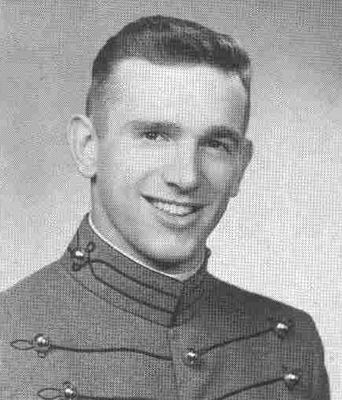
Rich Miller
Mary Ann Miller Photo Montage
[10 AUG 1933 - K1 - 20185]
* * * * * * * * * * * * * * * * * * * * * *
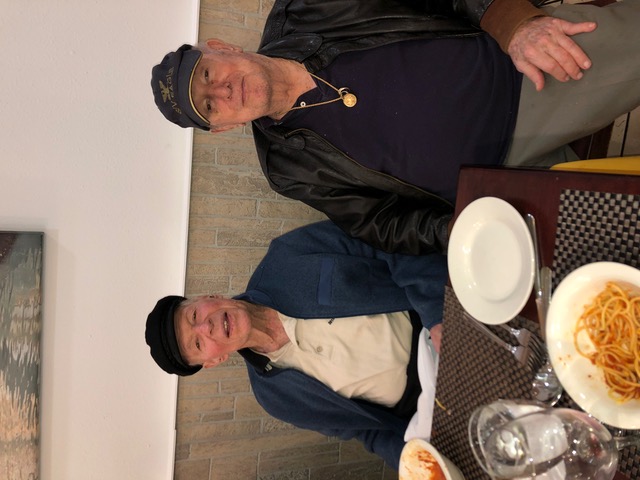
Bob Carpenter and Rich Miller
[DC MAY 2023 Lunch]
* * * * * * * * * * * * * * * * * * * * * *
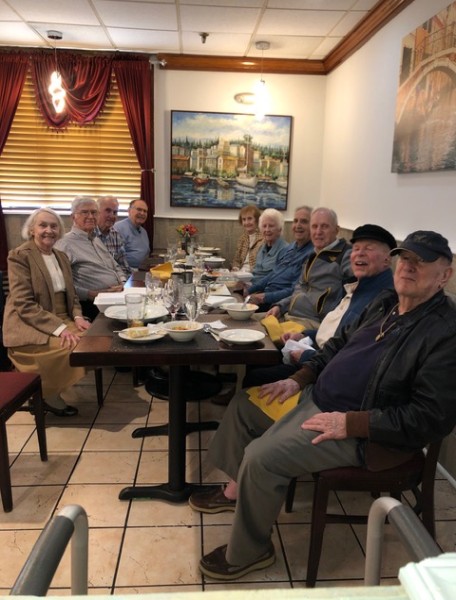
Betty Schepps, Jim Cutchin, Ted Gay, Dick Wargowsky,
Sandy Wargowsky, Inez Cardillo, Rich Cardillo, Matt Schepps,
Bob Carpenter, Rich Miller. (Marly Carpenter took the photos)
[DC MAY 2023 Lunch]
* * * * * * * * * * * * * * * * * * * * * *
Rich and Inez Cardillo, Connie Franklin, John Sloan,
Kip Volkstadt, Ruth Sloan, Dick and Sandy Wargowsky,
Jim Cutchin, Matt Schepps. (Betty Schepps took the picture.)
[DC Class Lunch - APR 2023]
* * * * * * * * * * * * * * * * * * * * * *

Rich Miller, Rich Cardillo, Dave McNerney, Dick Wargowsky, Connie Franklin,
Betty Schepps, Sandy Wargowsky, Lori (daughter of Rich Miller),
Jim Cutchin, Matt Schepps, Inez Cardillo, and photo taken by
Margaret (daughter of Dave McNerney)
[DC Class Lunch - DEC 2022]
* * * * * * * * * * * * * * * * * * * * * *

Matt Schepps - Jim Cutchin - Rich and Inez Cardillo - Dick and
Sandy Wargowsky - Connie Franklin - Dave McNerney and daughter
Teresa - about 1/2 of Rich Miller - Photographer Betty Schepps
[DC Class Lunch - NOV 2022]
* * * * * * * * * * * * * * * * * * * * * *

Matt Schepps, Dick Wargowsky, Sandy Wargowsky, Betty Schepps, Rich Miller, Lori
(Rich's Daughter),
Jim Cutchin and Bob Carpenter. (Marly Carpenter took the picture)
[DC Class Lunch - AUG 2022]
* * * * * * * * * * * * * * * * * * * * * *

Betty and Matt Schepps - Michael (son) and Rich Miller - Dave McNerney - Jim Cutchin -
Bob Carpenter (Marly Carpenter took the pictures) [DC Class Lunch - JUL 2022]
* * * * * * * * * * * * * * * * * * * * * *

Rich Miller and Bob Carpenter
[DC Class Lunch - JUL 2022]
* * * * * * * * * * * * * * * * * * * * * *

Betty and Matt Schepps - Michael Miller (
son)
[DC Class Lunch - JUL 2022]
* * * * * * * * * * * * * * * * * * * * * *

Today was the first class lunch, which will be held on the first Wednesday of every month. In attendance were Dick and Sandy Wargowsky, Inez and Rich Cardillo, Matt Schepps, Rich Miller, Yvette and Danielle Troyan, Dave and Cyndy McNerney, Jim Cutchin, Bill and Joan McCulla, and Marty McGuire. (Betty Schepps took the picture). [55 DC Lunch - MAR 2022] |
* * * * * * * * * * * * * * * * * * * * * *

Left around the table...Cyndy McNerney, Betty Schepps, Rich Cardillo, Matt Schepps, Lucy (friend of Marty), Marty McGuire, Richie Miller, Kip Volkstadt, Jim Cutchin, Dave McNerney. (Inez Cardillo took the picture). [55 DC Lunch - APR 2022] |
* * * * * * * * * * * * * * * * * * * * * *
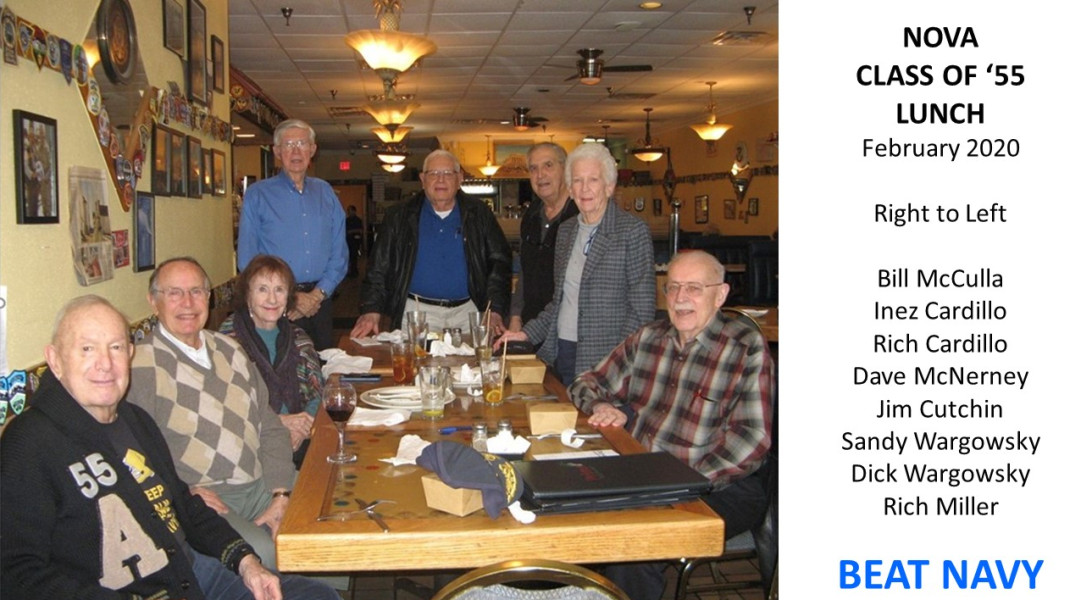
[FEB 2020 NOVA Lunch]
* * * * * * * * * * * * * * * * * * * * * *
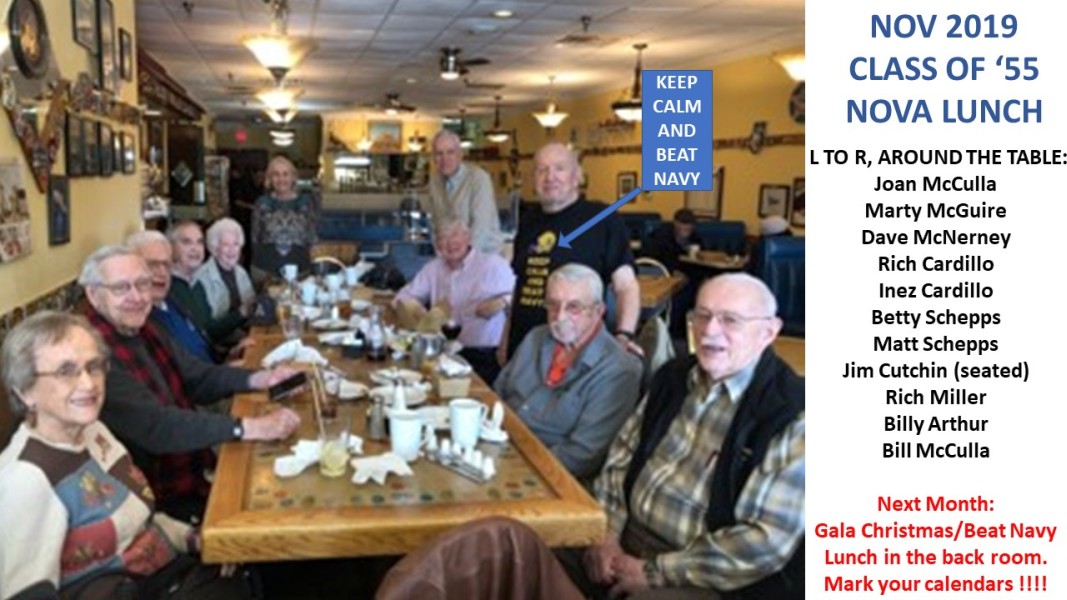
[NOV 2019 NOVA Lunch]
* * * * * * * * * * * * * * * * * * * * * *
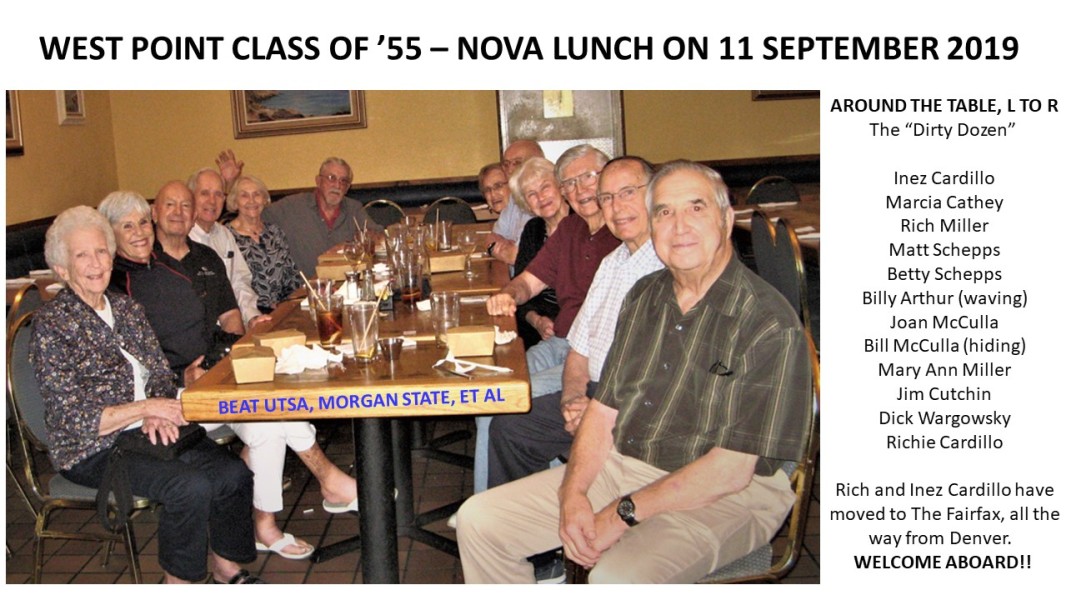
[SEP 2019 NOVA Lunch]
* * * * * * * * * * * * * * * * * * * * * *
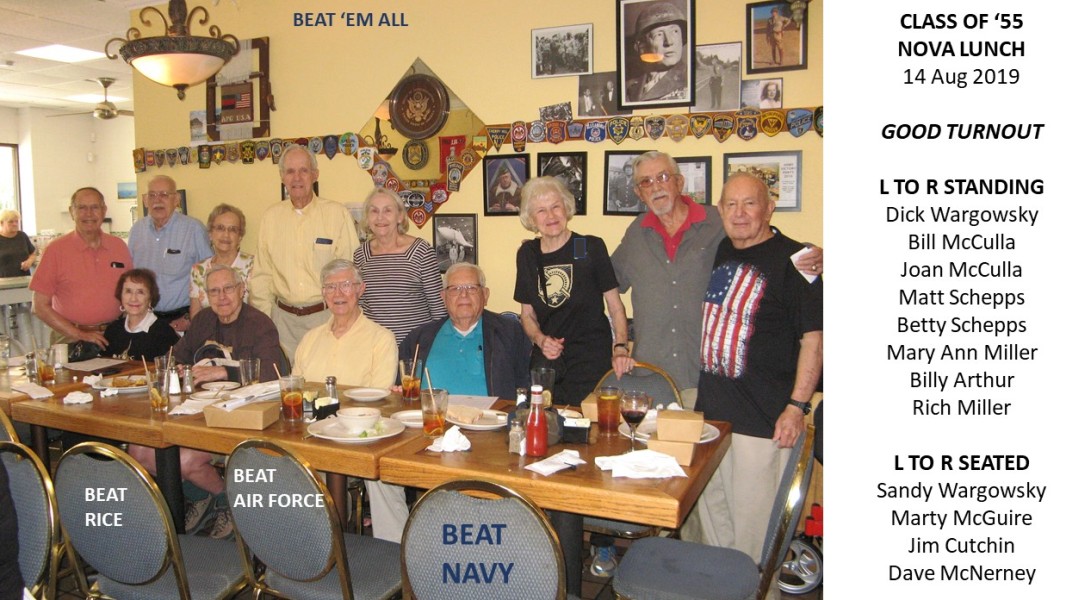
[AUG 2019 NOVA Lunch]
* * * * * * * * * * * * * * * * * * * * * *
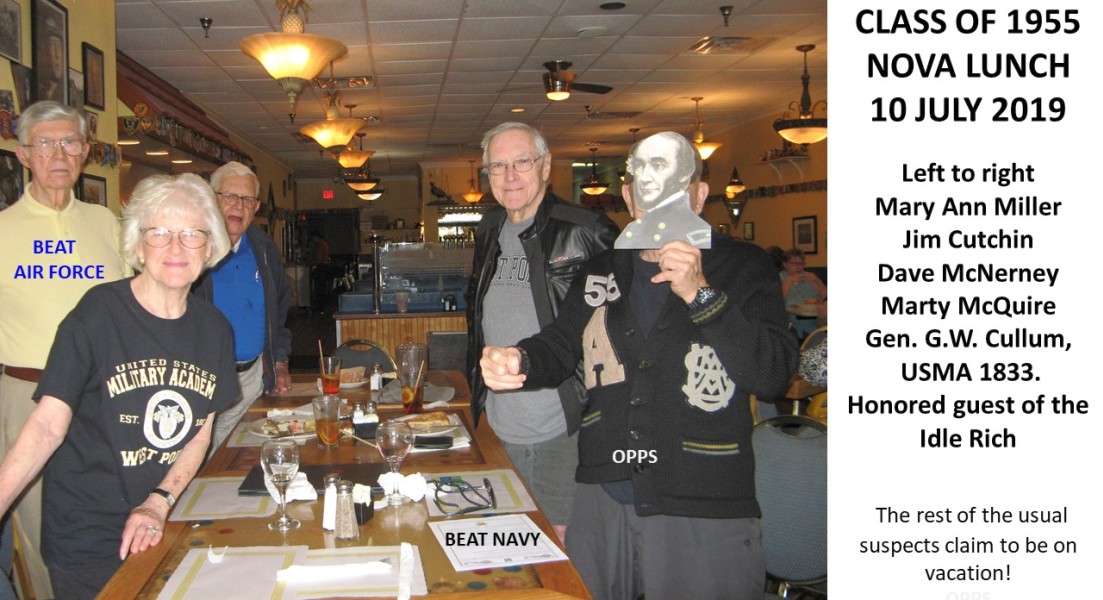
[JUL 2019 NOVA Lunch]
* * * * * * * * * * * * * * * * * * * * * *
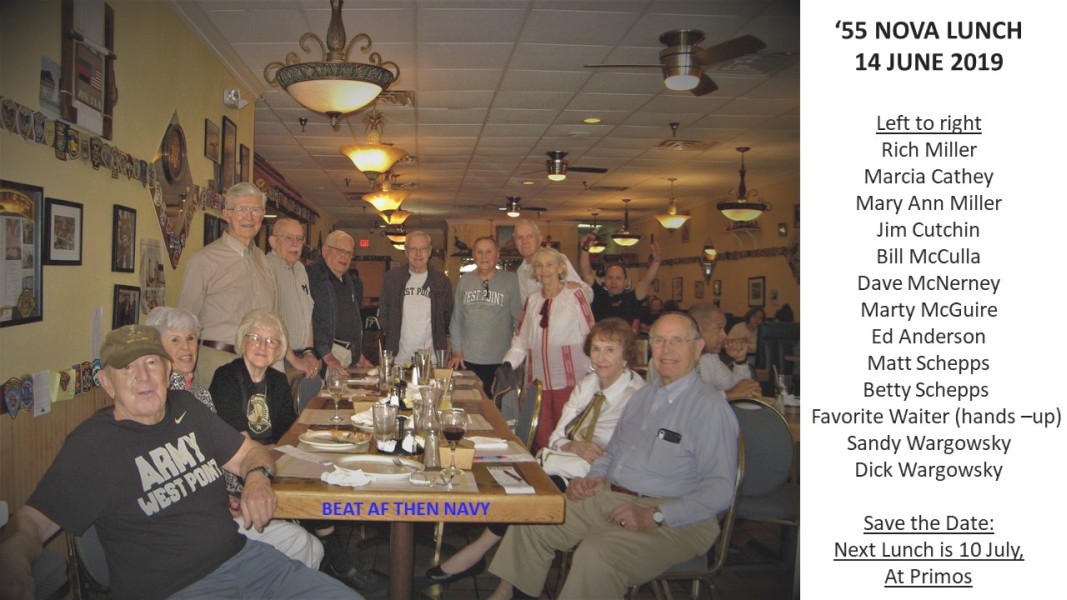
[JUN 2019 NOVA Lunch]
* * * * * * * * * * * * * * * * * * * * * *
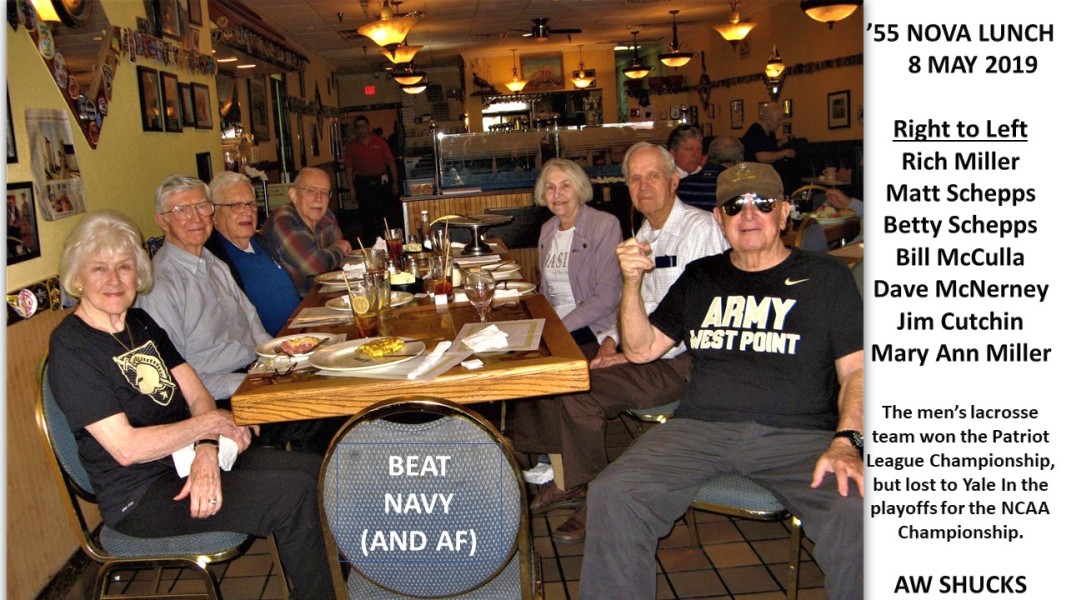
[MAY 2019 NOVA Lunch]
* * * * * * * * * * * * * * * * * * * * * *
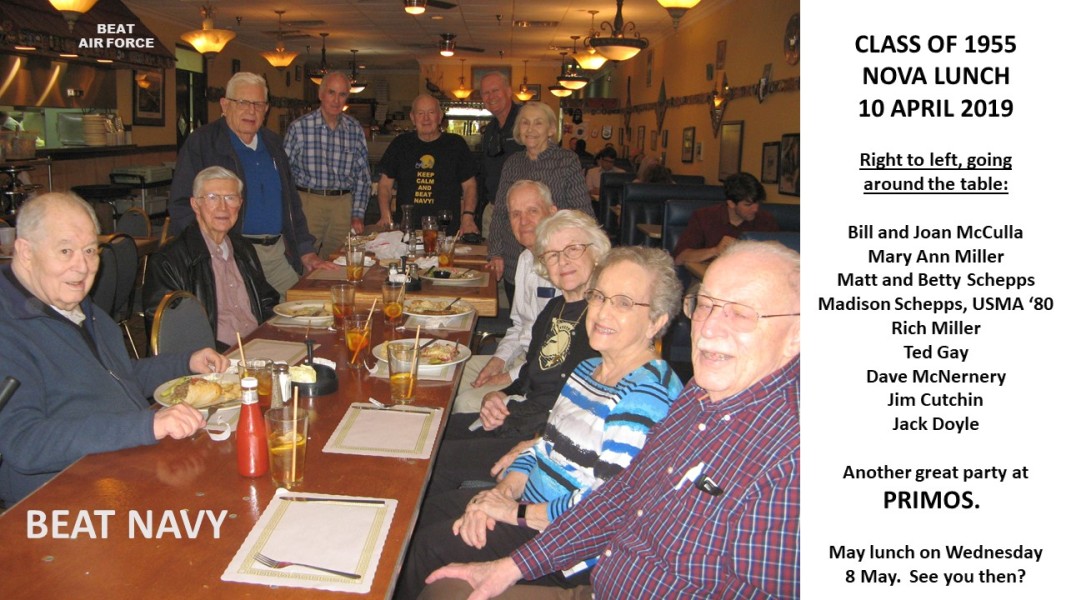
[APR 2019 NOVA Lunch]
* * * * * * * * * * * * * * * * * * * * * *
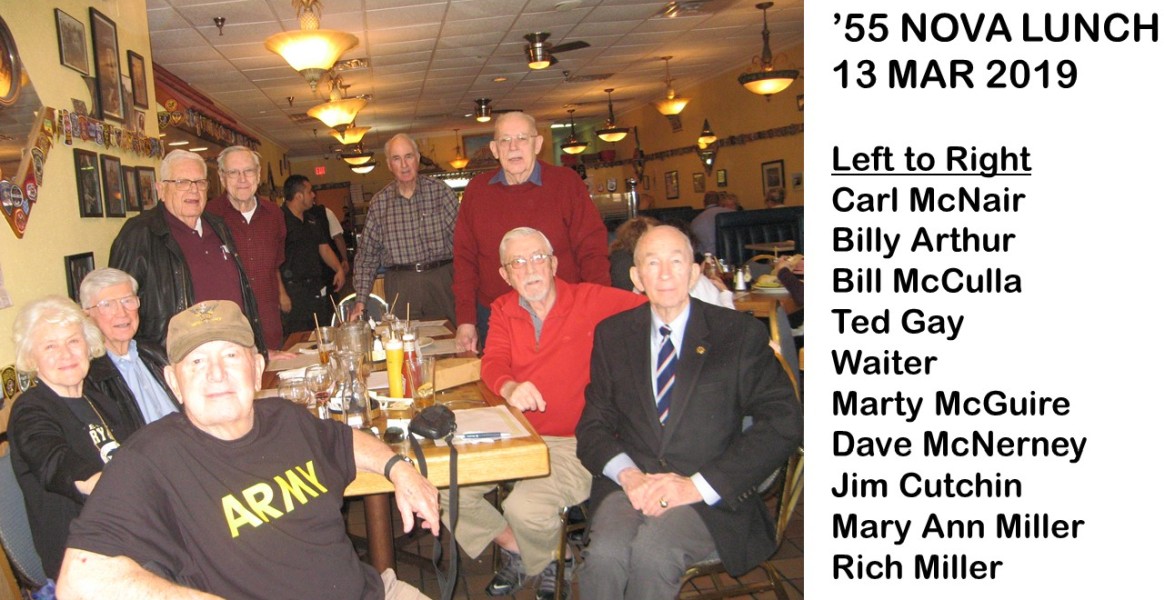
[MAR 2019 NOVA Lunch]
* * * * * * * * * * * * * * * * * * * * * *
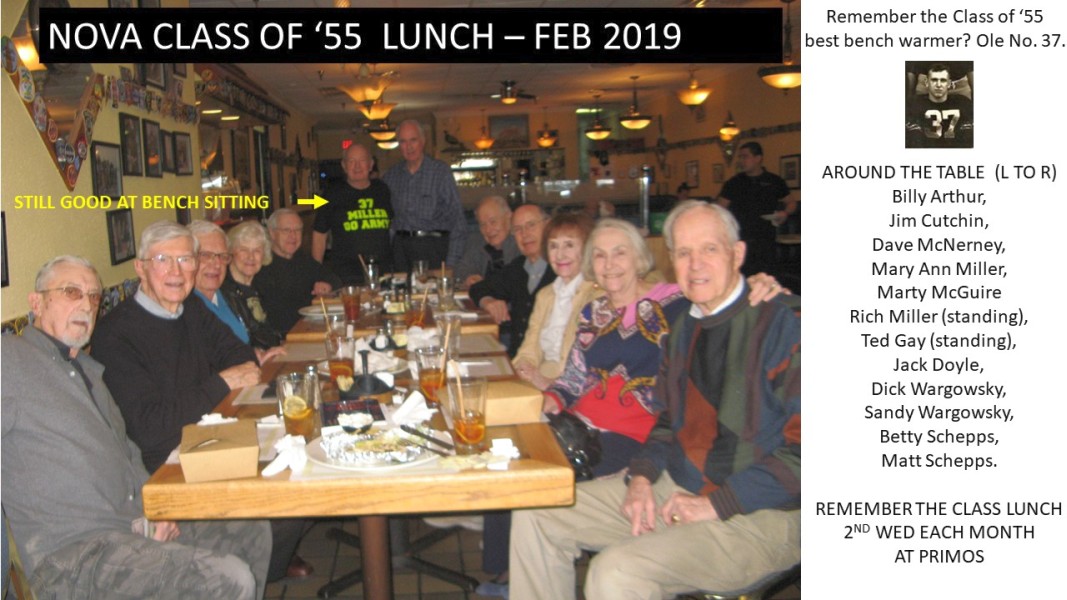
[FEB 2019 NOVA Lunch]
* * * * * * * * * * * * * * * * * * * * * *
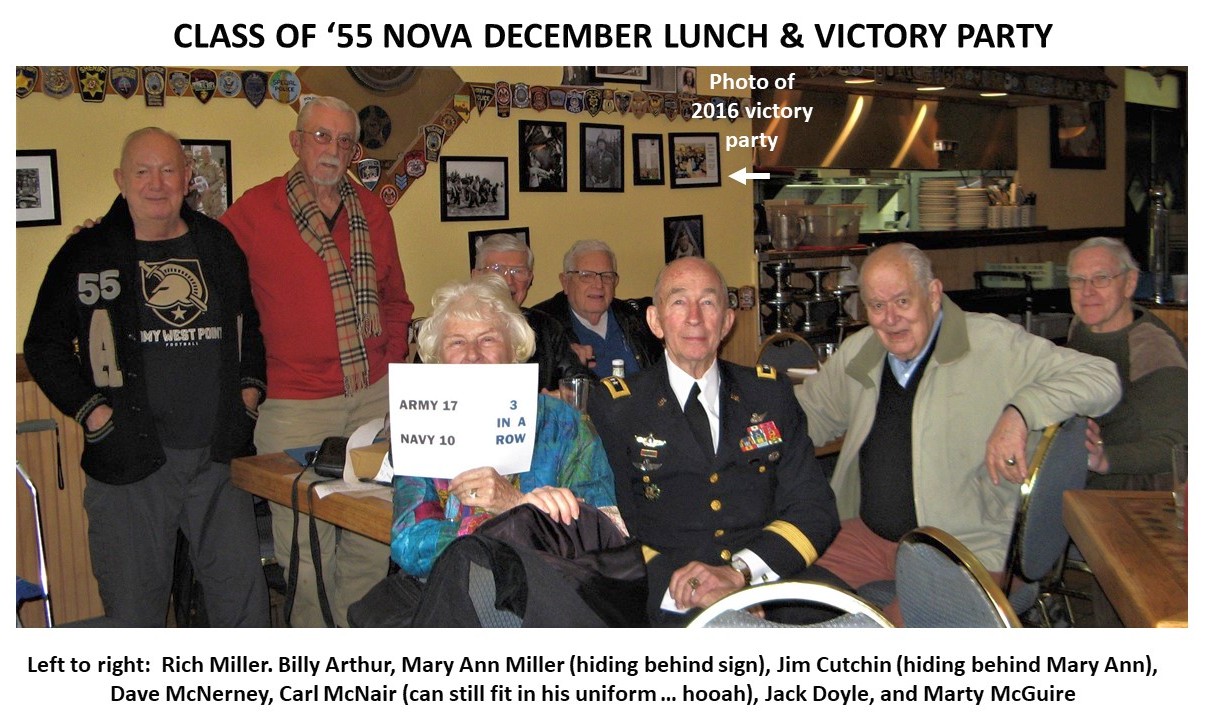
[DEC 2018 NOVA Lunch]
* * * * * * * * * * * * * * * * * * * * * *

'55 DC Holiday Brunch
[ANCC - Dec 2018]
* * * * * * * * * * * * * * * * * * * * * *
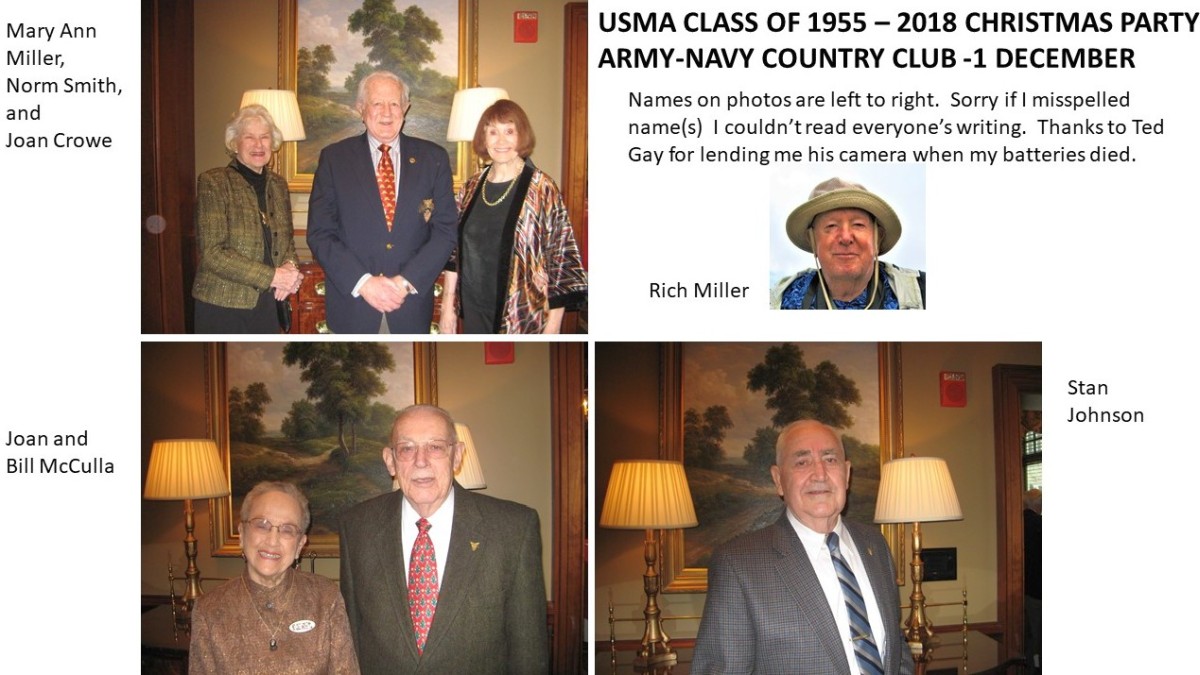
'55 DC Holiday Brunch
[ANCC - Dec 2018]
* * * * * * * * * * * * * * * * * * * * * *
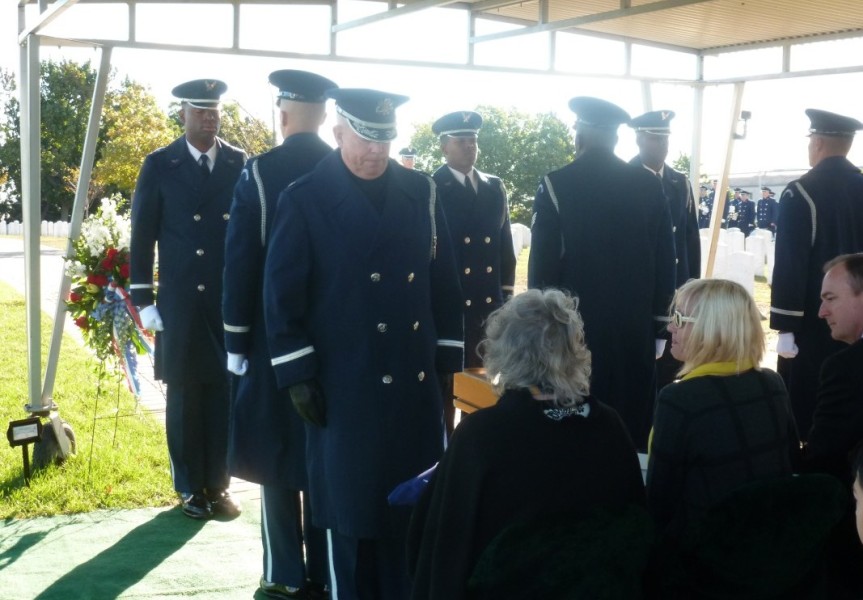
[Frank LeCates Funeral - OCT 2018]
More Funeral Pictures
Funeral Video
* * * * * * * * * * * * * * * * * * * * * *
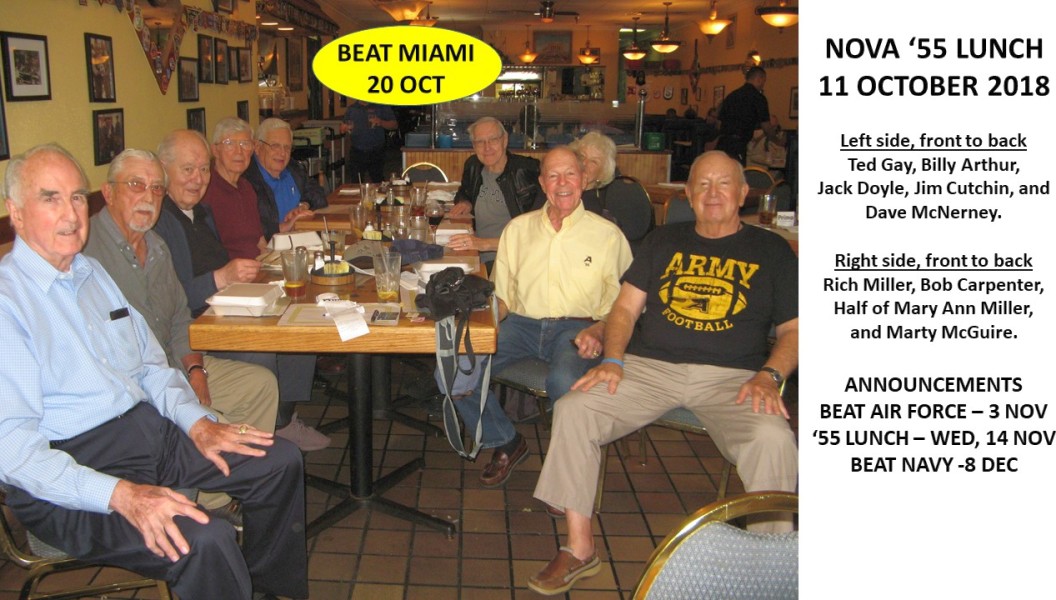
[OCT 2018 NOVA Lunch]
* * * * * * * * * * * * * * * * * * * * * *
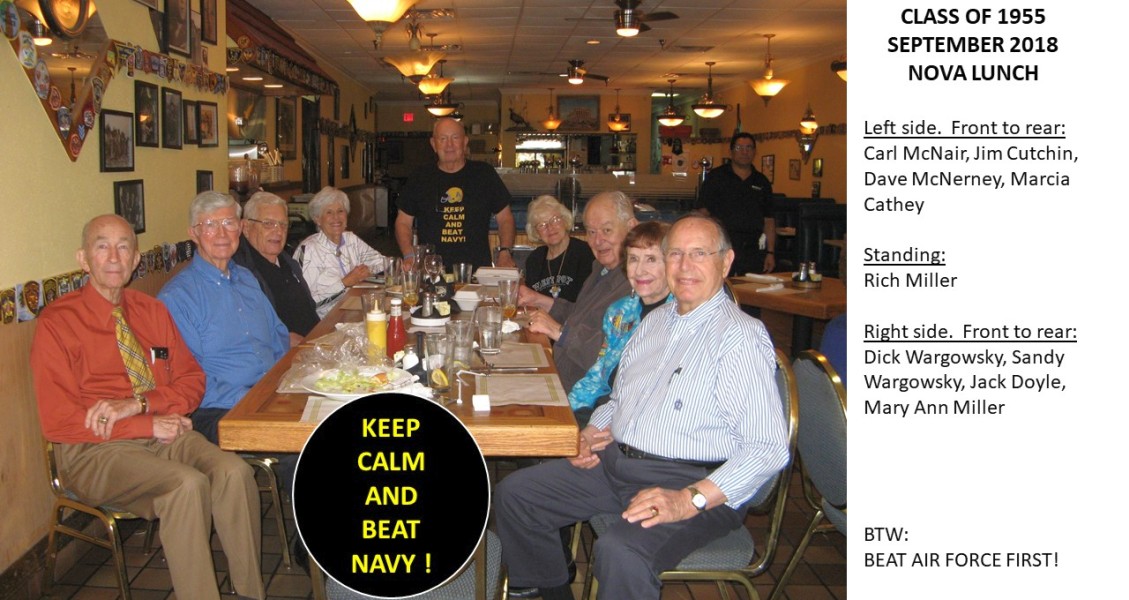
[SEP 2018 NOVA Lunch]
* * * * * * * * * * * * * * * * * * * * * *
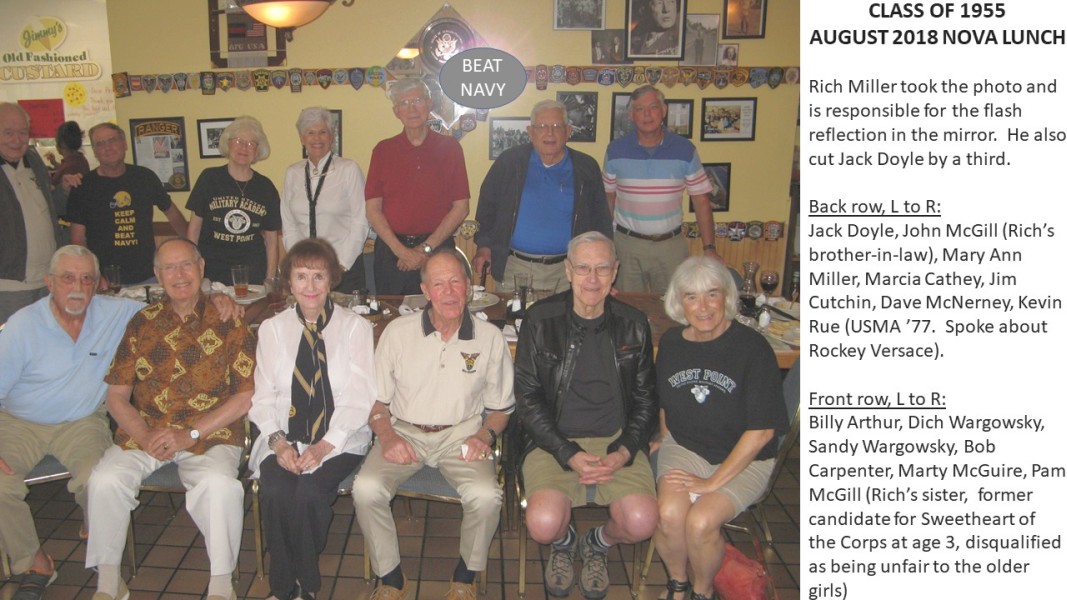
[AUG 2018 NOVA Lunch]
* * * * * * * * * * * * * * * * * * * * * *
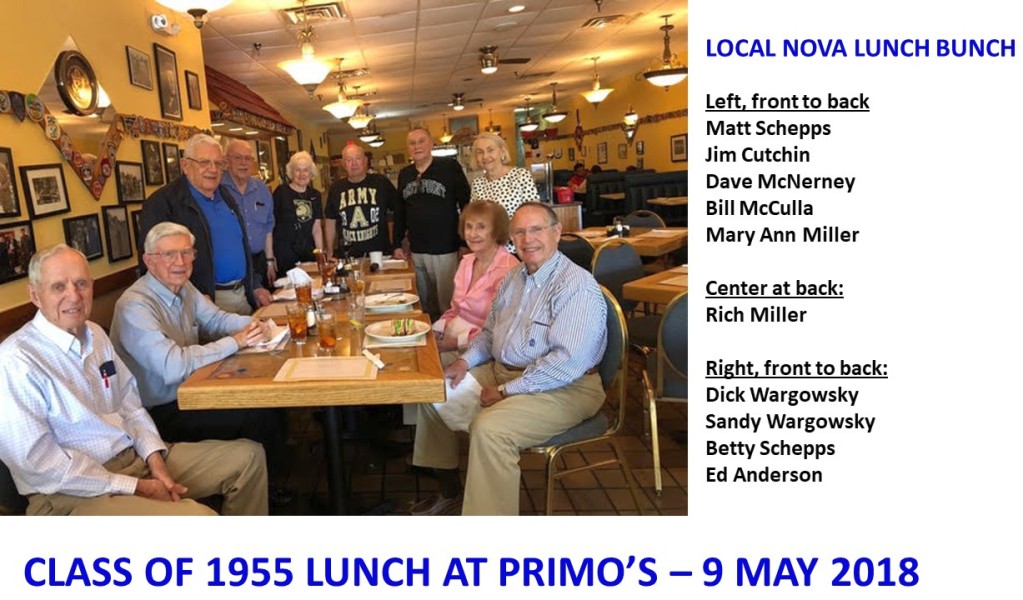
[MAY 2018 NOVA Lunch]
* * * * * * * * * * * * * * * * * * * * * *
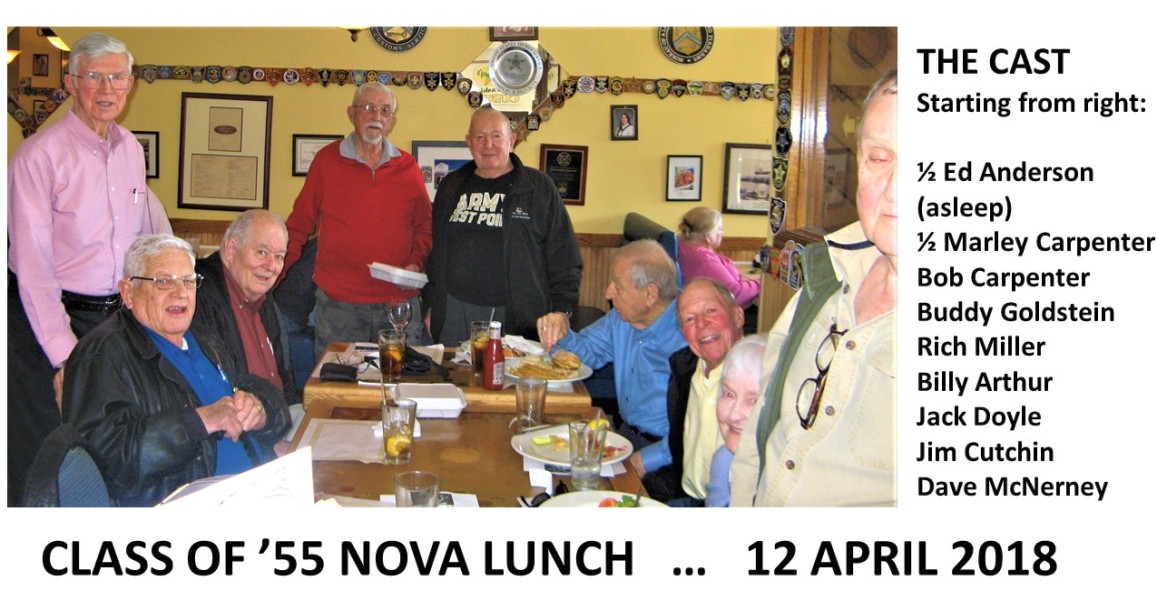
[APR 2018 NOVA Lunch]
* * * * * * * * * * * * * * * * * * * * * *
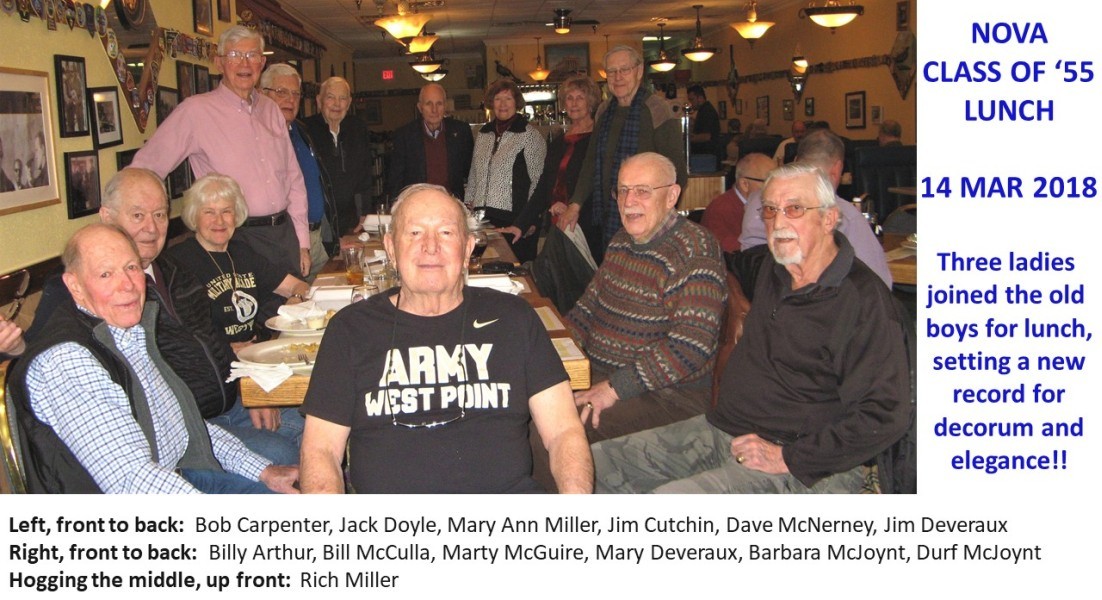
[MAR 2018 NOVA Lunch]
* * * * * * * * * * * * * * * * * * * * * *
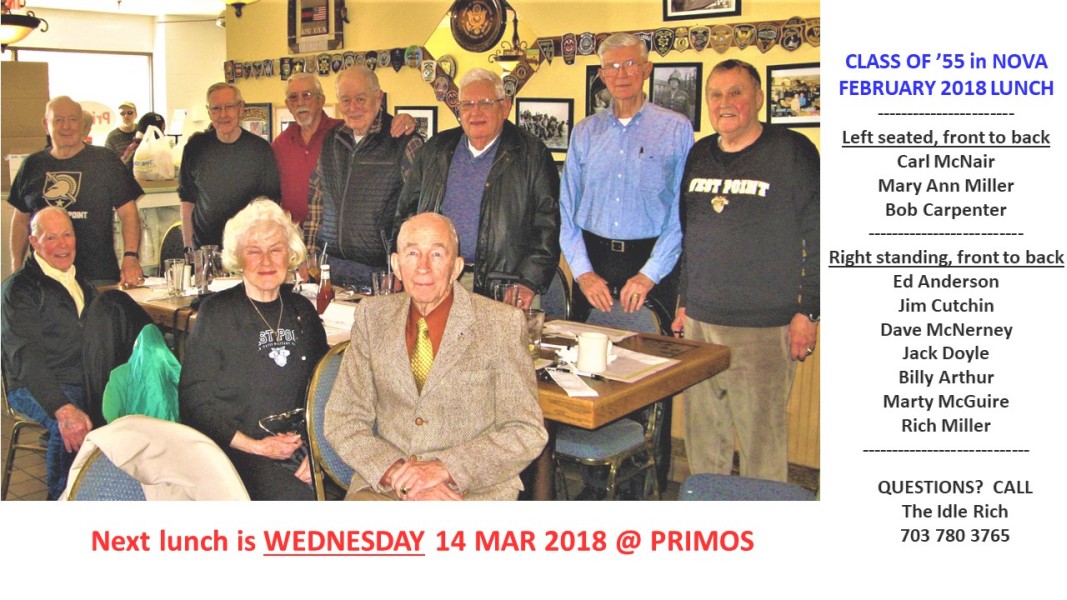
[FEB 2018 NOVA Lunch]
* * * * * * * * * * * * * * * * * * * * * *
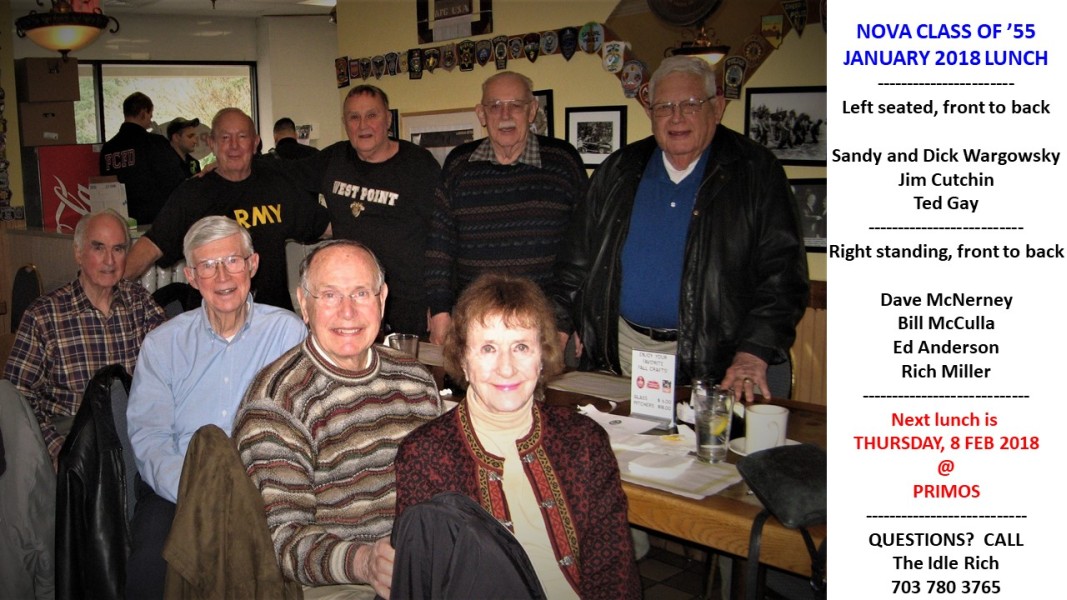
[JAN 2018 NOVA Lunch]
* * * * * * * * * * * * * * * * * * * * * *

Shirley and Dick Fontaine - Mary Ann Miller - Connie Franklin
[DC Party - DEC 2017]
* * * * * * * * * * * * * * * * * * * * * *
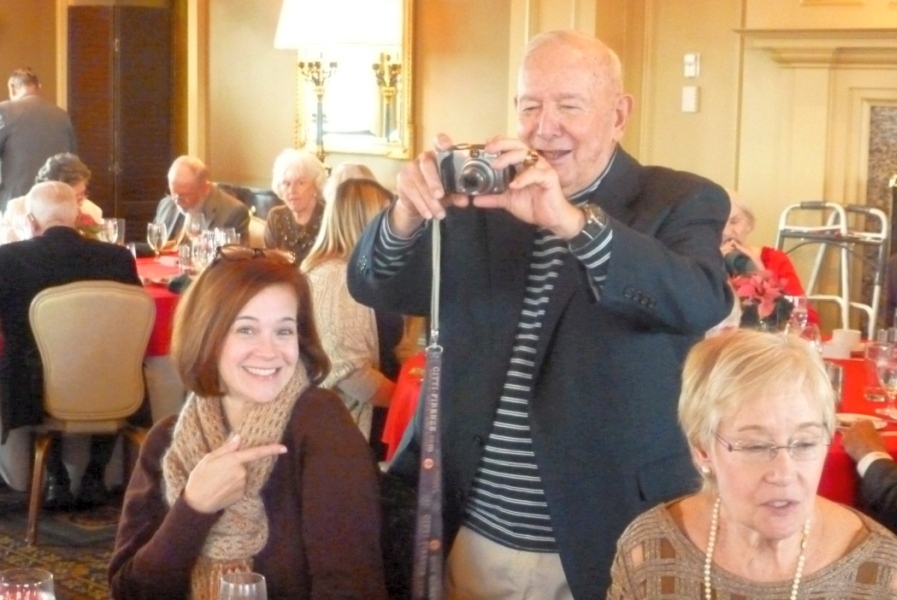
Danielle Troyan (daughter) - Rich Miller - Bonnie Filppo (John Rudzki's niece)
[DC Party - DEC 2017]
* * * * * * * * * * * * * * * * * * * * * *

Miller 2017 Christmas Letter Teaser
* * * * * * * * * * * * * * * * * * * * * *
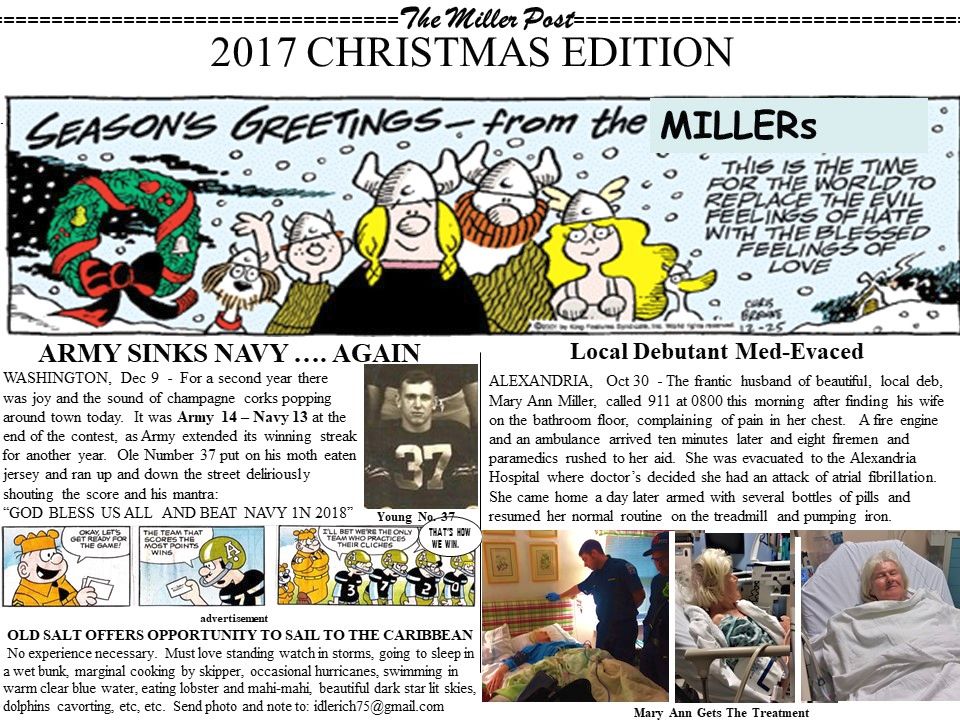
Miller 2017 Christmas Letter
* * * * * * * * * * * * * * * * * * * * * *
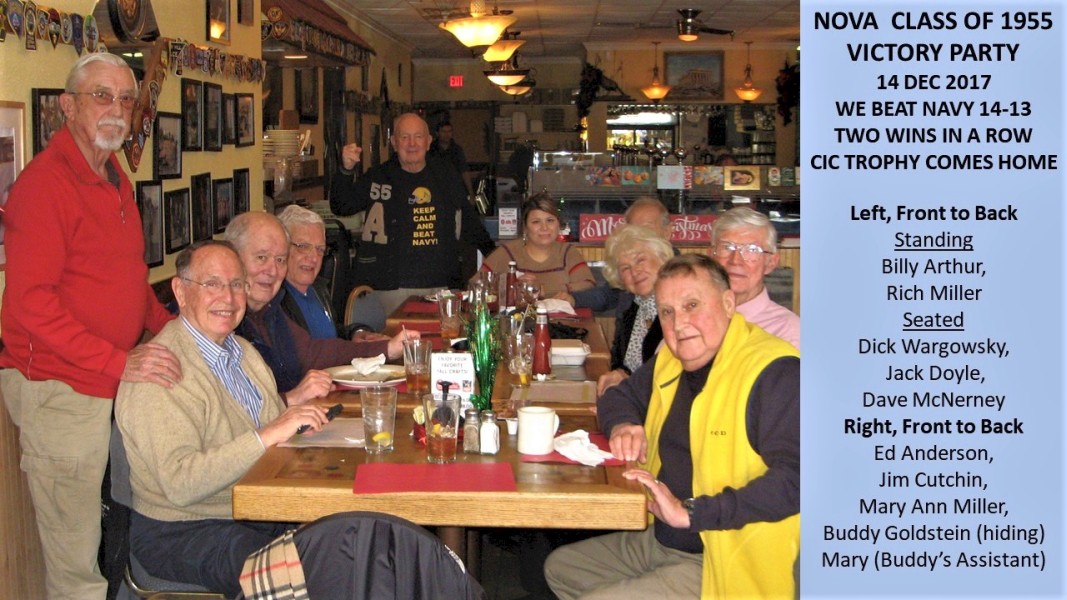
[DEC 2017 NOVA Lunch]
* * * * * * * * * * * * * * * * * * * * * *
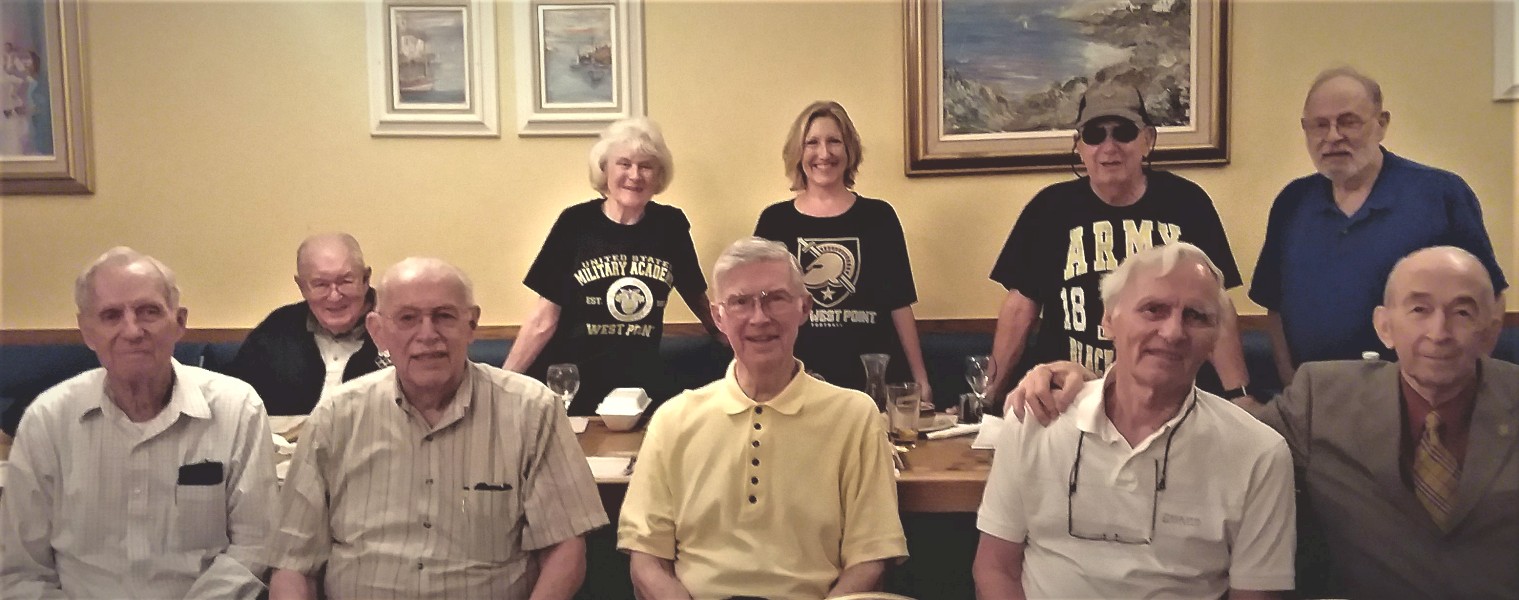
Rear: Jack Doyle - Mary Ann Miller - Lori Miller - Rich Miller - Dick Fontaine - Front: Matt Schepps - Bill McCulla - Jim Cutchin - Norm Blahuta - Carl McNair [JUL 2017 NOVA Lunch] |
* * * * * * * * * * * * * * * * * * * * * *
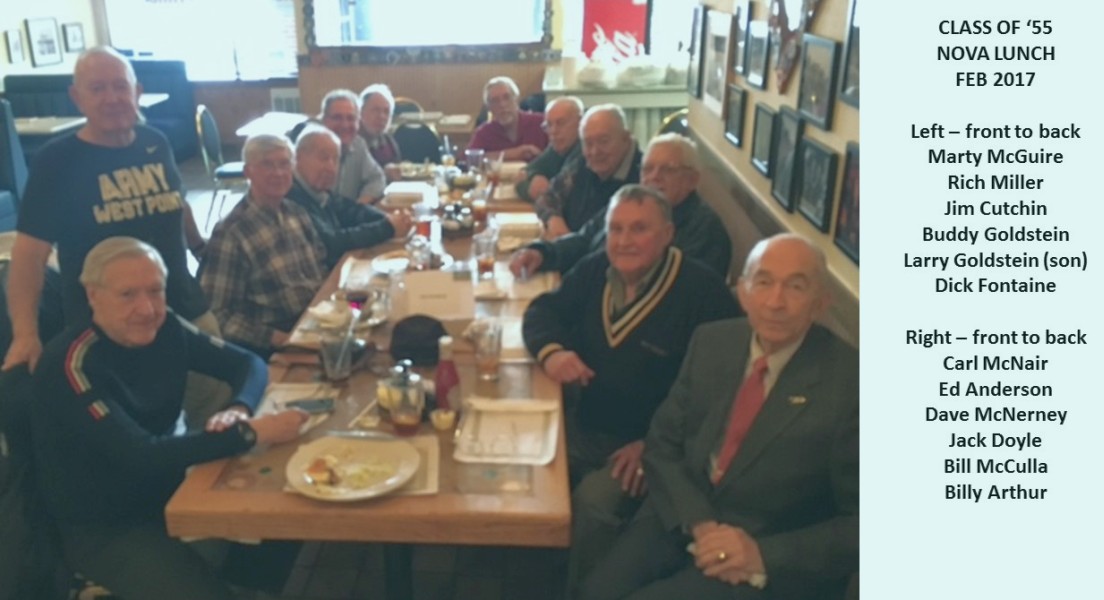
[FEB 2017 NOVA Lunch]
* * * * * * * * * * * * * * * * * * * * * *
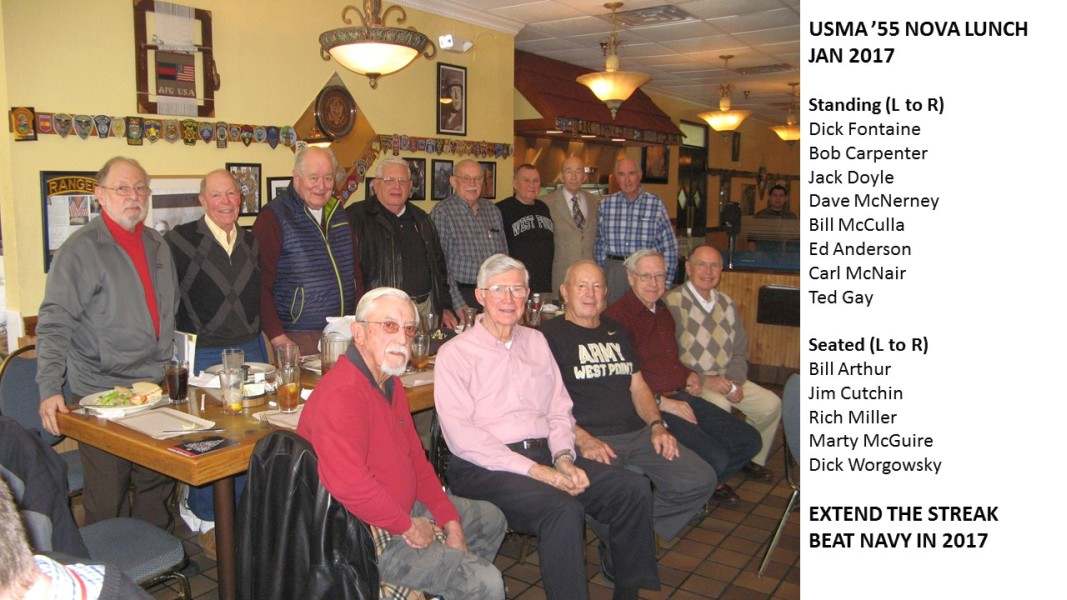
[JAN 2017 NOVA Lunch]
* * * * * * * * * * * * * * * * * * * * * *

Standing: Bill McCulla - Dave McNerney - Ed Anderson - Marty
McGuire - Rich Miller - Jimmy (Primos Owner) Sitting: Jack Doyle -
Matt Schepps - Jim Cutchin [NOVA DEC 2016 Victory Party]
* * * * * * * * * * * * * * * * * * * * * *

Rear: Jack Doyle - Matt Schepps - Dave McNerney - Bill McCulla - Ed Anderson - Front: Marty McGuire - Jim Cutchin - Sandy and Dick Wargosky - Rich Miller [NOV 2016 NOVA Lunch] |
* * * * * * * * * * * * * * * * * * * * * *

Tom and Susan Sims - Bill and Anna McWilliams - Mary Ann and Rich Miller
[McWilliams Wedding - OCT 2016]
* * * * * * * * * * * * * * * * * * * * * *

Susan Sims - Anna Bates McWilliams - Mary Ann Miller
[McWilliams Wedding - OCT 2016]
* * * * * * * * * * * * * * * * * * * * * *

Tom Sims - Bill McWilliams - Rich Miller
[McWilliams Wedding - OCT 2016]
* * * * * * * * * * * * * * * * * * * * * *

Rear: Ed Anderson - Rich Miller - Jim Cutchin - Matt Schepps - Front: Bob
Carpenter - Jack Doyle - Dave McNerney - Bill McCulla [OCT 2016 NOVA Lunch]
* * * * * * * * * * * * * * * * * * * * * *

Front: Ed Anderson - Jim Cutchin - Matt Schepps - Dick and Sandy Wargowsky
Rear: Dave McNerney - Jack Doyle - Rich Miller - Marty McGuire [SEP 2016 NOVA Lunch]
* * * * * * * * * * * * * * * * * * * * * *

Front: Jim Cutchin - Matt Schepps - Jack Doyle - Rear: Marty McGuire - Bill
McCulla - Carl McNair - Dave McNerney - Rich Miller [AUG 2016 NOVA Lunch]
* * * * * * * * * * * * * * * * * * * * * *

Front: Marty McGuire Jim Cutchin - Bill McCulla - Rear: Rich
Miller - Jack Doyle - Dave McNerney [JUL 2016 NOVA Lunch]
* * * * * * * * * * * * * * * * * * * * * *

Front: Ted Gay - Joe Franklin - Rich Miller - Jim Cutchin - Rear: Ed Anderson - Bill McCulla - Dave McNerney - Matt Schepps - Jack Doyle - Carl McNair [JUN 2016 NOVA Lunch] |
* * * * * * * * * * * * * * * * * * * * * *

Sitting: Ed Anderson - Jim Cutchin - Matt Schepps Standing: Rich Miller - Bill McCulla - Dave McNerney - Bob Carpenter - Marty McGuire [MAY 2016 NOVA Lunch] |
* * * * * * * * * * * * * * * * * * * * * *

Sitting: Ed Anderson - Jim Cutchin - Matt Schepps - Bill McCulla - Ted Gay Standing: Marty McGuire - Bob Carpenter - Norm Blahuta - Dave McNerney - Jack Doyle - Rich Miller [NOVA Lunch - MAR 2016] |
* * * * * * * * * * * * * * * * * * * * * *

Betty Schepps - Jim Cutchin - Matt Schepps - Rich Miller - Jack Doyle -
Mary Ann Miller - Ted Gay [Dorothy Goldstein Funeral - FEB 2016]
* * * * * * * * * * * * * * * * * * * * * *

Ted Gay - Dave McNerney - Jim Cutchin - Bob Carpenter - Rich Miller - Jack Doyle - Matt Schepps - Ed Anderson [FEB 2016 NOVA Lunch] |
* * * * * * * * * * * * * * * * * * * * * *

Carl McNair - Bill McCulla - Rich Miller - Matt Schepps - Pauline Hergenroeder - Betty Schepps - Lorna Malooley [Leo Hergenroeder Funeral - JAN 2016] |

Ed Anderson - Bob Carpenter - Jack Doyle - Rich Miller - Matt Schepps - Dick Wargowsky - Jim Cutchin - Dave McNerney - Bill McCulla - Marty McGuire [NOVA Lunch - JAN 2016] |
* * * * * * * * * * * * * * * * * * * * * *

Ed Anderson - Norm Blahuta - Dave McNerney - Bill McCulla - Jim Cutchin - Matt Schepps - Marty McGuire - Jack Doyle - Billy Arthur (Rich Miller left early and isn't in picture) [NOVA Lunch - NOV 2015] |
* * * * * * * * * * * * * * * * * * * * * *

Rear: Ray Gunderson - Ed Anderson - Dave McNerney - Bill McCulla - Joe Franklin - Rich Miller - Front: Jim Cutchin - Matt Schepps - Bob Carpenter - Marty McGuire - Jack Doyle [NOVA Lunch - OCT 2015] |
* * * * * * * * * * * * * * * * * * * * * *

Norm Blahuta - Ray Gunderson - Dave McNerney - Bill McCulla - Jim Cutchin - Matt Schepps - Rich Miller (Ed Anderson - photographer) [AUG 2015 NOVA Lunch] |
* * * * * * * * * * * * * * * * * * * * * *

Rich Miller's and Pirkey's
[60th Reunion - May 2015]
* * * * * * * * * * * * * * * * * * * * * *

Auer - McCulla - Horst - Pirkey - Rich Miller - Finley
[60th Reunion - May 2015]
* * * * * * * * * * * * * * * * * * * * * *

Franklin - Hilbert - Rich Miller - Pirkey - DeMaris
[60th Reunion - May 2015]
* * * * * * * * * * * * * * * * * * * * * *

Carl McNair - Ed Anderson - Dave McNerney - Matt Schepps - Jim Cutchin - Jack Doyle - Rich Miller - Ray Gunderson - Bob Carpenter - Marty McGuire [APR 2015 NOVA Lunch] |
* * * * * * * * * * * * * * * * * * * * * *

Bob Carpenter - Bill McCulla - Dave McNerney - Carl McNair - Jack Doyle - Rich Miller - Marty McGuire - Matt Schepps - Jim Cutchin - Leo Hergenroeder - Ed Anderson (behind the camera) FEB 2015 NOVA Lunch] |
* * * * * * * * * * * * * * * * * * * * * *

Bob Carpenter - Tommy West - Marty McGuire - Rich Miller - Ted Gay - Bill McCulla - Dick Wargowsky - Jim Cutchin - Dave McNerney [JAN 2015 NOVA Lunch] |
* * * * * * * * * * * * * * * * * * * * * *

Rich Miller - Durf McJoynt - Bill McCulla
[DC Party - DEC 2014]
* * * * * * * * * * * * * * * * * * * * * *

Jim Cutchin - Bill McCulla - Jack Doyle - Dick Wargowsky - Leo Hergenroeder - Matt Schepps - Ray Gunderson - Rich Miller - Ed Anderson (Photographer) [APR 2014 NOVA Lunch] |
* * * * * * * * * * * * * * * * * * * * * *

Ted Gay - Ray Gunderson - Marty McGuire - Dave McNerney - Leo Hergenroeder - Jim Cutchin - Bill McCulla - Dan Troyan - Bob Carpenter - Tom West - Rich Miller (Photographer: Ed Anderson) [NOV 2013 NOVA Lunch] |
* * * * * * * * * * * * * * * * * * * * * *

Ted Gay - Bill McCulla - Jack Doyle - Marty McGuire - Jim Cutchin - Dan Troyan - Leo Hergenroeder - Matt Schepps - Dave McNerney - John Hamilton - Rich Miller (Not pictured: Ed Anderson and Joe Franklin) [AUG 2013 NOVA Lunch] |
* * * * * * * * * * * * * * * * * * * * * *

Ted Gay - Rich Miller - Dave McNerney - Leo Hergenroeder - Jack Doyle - Bil McCulla (Photographer: Ed Anderson) [JUN 2013 NOVA Lunch] |
* * * * * * * * * * * * * * * * * * * * * *

Carl McNair - Leo Hergenroeder - Ed Anderson - Jim Cutchin - Bob Carpenter - Jack Doyle - Rich Miller - Dan Troyan - Bill McCulla - Matt Schepps - Ted Gay [Alexandria VA Lunch - FEB 2013] |
* * * * * * * * * * * * * * * * * * * * * *

Rich Miller - Jack Doyle - Leo Hergenroeder - Jim Cutchin - Ted Gay - Bob Carpenter - Ray Gunderson - Carl McNair - Tommy West - Ed Anderson - Dave McNerney - Bill McCulla - Matt Schepps - (Photographer: Dan Troyan) [D.C. Metro Luncheon - JAN 2013] |
* * * * * * * * * * * * * * * * * * * * * *

Carl McNair - Tommy West - Ed Anderson - Dave McNerney - Bill McCulla - Matt Schepps - Rich Miller - Jack Doyle - Leo Hergenroeder - Jim Cutchin - Ted Gay - Bob Carpenter - Ray Gunderson - (Photographer: Dan Troyan) [D.C. Metro Luncheon - JAN 2013] |
* * * * * * * * * * * * * * * * * * * * * *

Mary Ann Miller and Greta Masson
[DC Party - DEC 2012]
* * * * * * * * * * * * * * * * * * * * * *

John Sloan Jr. - Rich Miller - Julianne and
Mike Byers [DC Party - DEC 2012]
* * * * * * * * * * * * * * * * * * * * * *

Connie and Joe Franklin - Jack Doyle - Don and Carla Hilbert -
Anna Bates - Rich Miller [DC Party - DEC 2012]
* * * * * * * * * * * * * * * * * * * * * *

Marcia Cathey - Rich Miller - Connie Franklin
[Bob Newton Farewell - SEP 2012]
* * * * * * * * * * * * * * * * * * * * * *

Greta Masson - Joe and Connie Franklin - Rich and Mary Ann
Miller [Bob Newton Farewell - SEP 2012]
* * * * * * * * * * * * * * * * * * * * * *

Connie Franklin - Rich and Mary Ann Miller
[Bob Newton Farewell - SEP 2012]
* * * * * * * * * * * * * * * * * * * * * *

Joe Franklin - Norm Blahuta - ? - Rich Miller
[Bob Newton Farewell - SEP 2012]
* * * * * * * * * * * * * * * * * * * * * *

Marcia Cathey - Rod Vitty - Ruth Sloan - Connie and Joe Franklin -
Rich Miller [Bob Newton Farewell - SEP 2012]
* * * * * * * * * * * * * * * * * * * * * *

Don Hilbert - Connie and Joe Franklin - Rich Miller - ?
[Bob Newton Farewell - SEP 2012]
* * * * * * * * * * * * * * * * * * * * * *

['55 2012 Rhine Trip - SEP 2012]
More '55 2012 Rhine Trip Pictures
* * * * * * * * * * * * * * * * * * * * * *

Mary Ann Miller and Ted Livesay
[DC Party - DEC 2011]
* * * * * * * * * * * * * * * * * * * * * *

Mary Ann and Rich Miller
[DC Party - DEC 2011]
* * * * * * * * * * * * * * * * * * * * * *

Rich and Mary Ann Miller
[Nancy Cutchin Funeral - MAY 2011]
* * * * * * * * * * * * * * * * * * * * * *

Sandy Wargowsky - Mary Ann Miller - Dick Wargowsky
[Nancy Cutchin Funeral - MAY 2011]
* * * * * * * * * * * * * * * * * * * * * *

Jim Cutchin and Rich Miller
[Nancy Cutchin Funeral - MAY 2011]
* * * * * * * * * * * * * * * * * * * * * *

Rich Miller - Tommy and Elaine West - Ruth Sloan
[Nancy Cutchin Funeral - MAY 2011]
* * * * * * * * * * * * * * * * * * * * * *

Tommy West and Rich Miller
[Nancy Cutchin Funeral - MAY 2011]
* * * * * * * * * * * * * * * * * * * * * *

Rich and Mary Ann Miller
[DC Party - DEC 2010]
* * * * * * * * * * * * * * * * * * * * * *

Elaine West - Linda Newton - Rich Miller
[DC Party - DEC 2010]
* * * * * * * * * * * * * * * * * * * * * *

Connie Franklin - Mary Ann Miller - Tommy West - Rich Miller - Joe Franklin - Paula and Jack Campbell - Tom and Ruth Horst [55th Reunion - May 2010] |
* * * * * * * * * * * * * * * * * * * * * *

K-1: Ed Anderson's - Skaff's - Rich Miller's - Father Oscar
and friends - Joe Franklin's [55th Reunion - May 2010]
* * * * * * * * * * * * * * * * * * * * * *

Fikaris' - Pirkey's - Rich Miller's - Enslow's
[55th Reunion - May 2010]
* * * * * * * * * * * * * * * * * * * * * *

Fred Pirkey - Mary Ann and Rich Miller
[55th Reunion - May 2010]
* * * * * * * * * * * * * * * * * * * * * *

Rich Miller - Don Giza - Roy Lynn
[55th Reunion - May 2010]
* * * * * * * * * * * * * * * * * * * * * *

Mary Ann Miller - Jim Bergen - Dick Wargowsky - Jane Zaborowski -
Myron Minich - Bob Newton [55th Reunion - May 2010]
* * * * * * * * * * * * * * * * * * * * * *

Ruth Horst - Bill Heyer - Shirley and Del Jacobs - Caye and
Dave Wheeler - Mary Ann Miller [55th Reunion - May 2010]
* * * * * * * * * * * * * * * * * * * * * *

Caye and Dave Wheeler - Mary Ann and Rich Miller - Ruth and
Tom Horst - George and Patty Page [55th Reunion - May 2010]
* * * * * * * * * * * * * * * * * * * * * *

Walt McCrillis - Don and Carla Hilbert - Rich and
Mary Ann Miller - Val Bundren [55th Reunion - May 2010]
* * * * * * * * * * * * * * * * * * * * * *

Rich and Mary Ann Miller
[DC Party - DEC 2009]
* * * * * * * * * * * * * * * * * * * * * *

Rich and Mary Ann Miller
[DC Party - DEC 2008]
* * * * * * * * * * * * * * * * * * * * * *
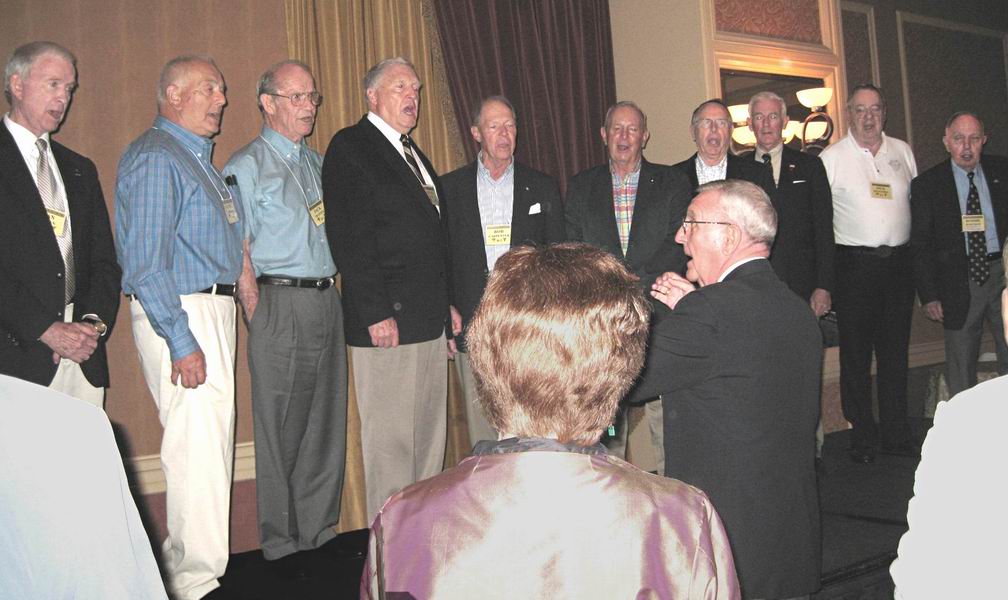
Dugan - Sanderson - Trawick - Bates - Carpenter - Rich Miller - Wargowsky - Hinrichs - Dinwiddie - Robinson - Roades [Austin Mini - APR 2008] |
* * * * * * * * * * * * * * * * * * * * * *
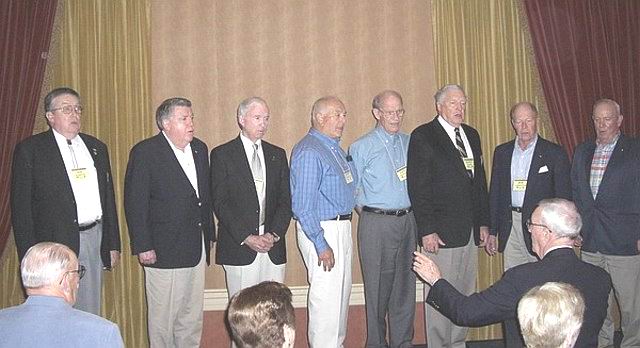
Darrah - Hilbert - Dugan - Sanderson - Trawick - Bates -
Carpenter - Rich Miller [Austin Mini - APR 2008]
* * * * * * * * * * * * * * * * * * * * * *
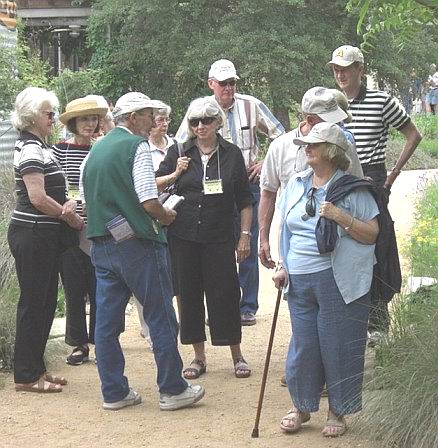
Mary Ann Miller - Candy Strom - Docent - Carla Sydenham - Dot Spaulding - Stan Sydenham - Marly Carpenter - Jack Strom [Austin Mini - APR 2008] |
* * * * * * * * * * * * * * * * * * * * * *
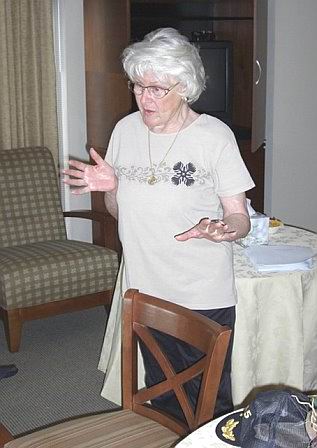
Mary Ann Miller
[Austin Mini - APR 2008]
* * * * * * * * * * * * * * * * * * * * * *
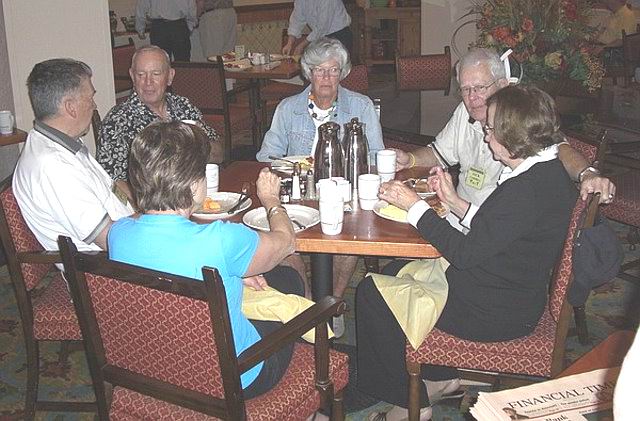
Ute Ordway and Jim Bergen - Rich Miller - Maren Palmer -
Jack and Paula Campbell [Austin Mini - APR 2008]
* * * * * * * * * * * * * * * * * * * * * *
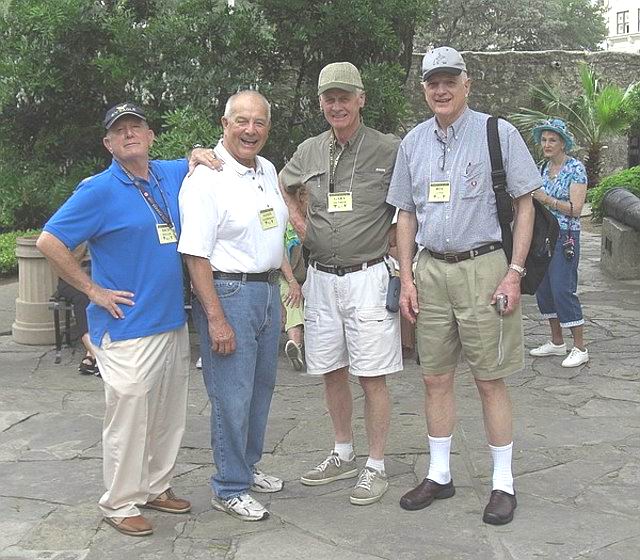
Rich Miller - Sandy Sanderson - Gary Munroe -
Roy Lynn [Austin Mini - APR 2008]
* * * * * * * * * * * * * * * * * * * * * *
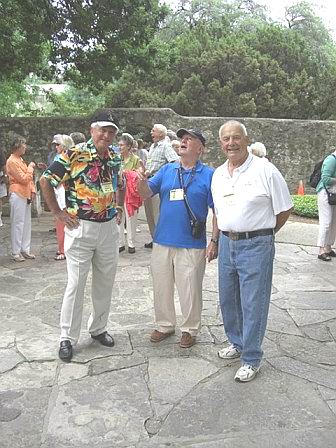
Fred Pirkey - Rich Miller - Sandy Sanderson
[Austin Mini - APR 2008]
* * * * * * * * * * * * * * * * * * * * * *
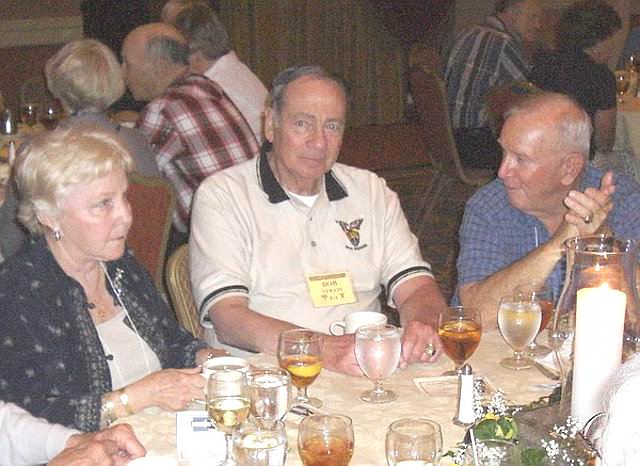
Pat and Bob Strati - Rich Miller
[Austin Mini - APR 2008]
* * * * * * * * * * * * * * * * * * * * * *
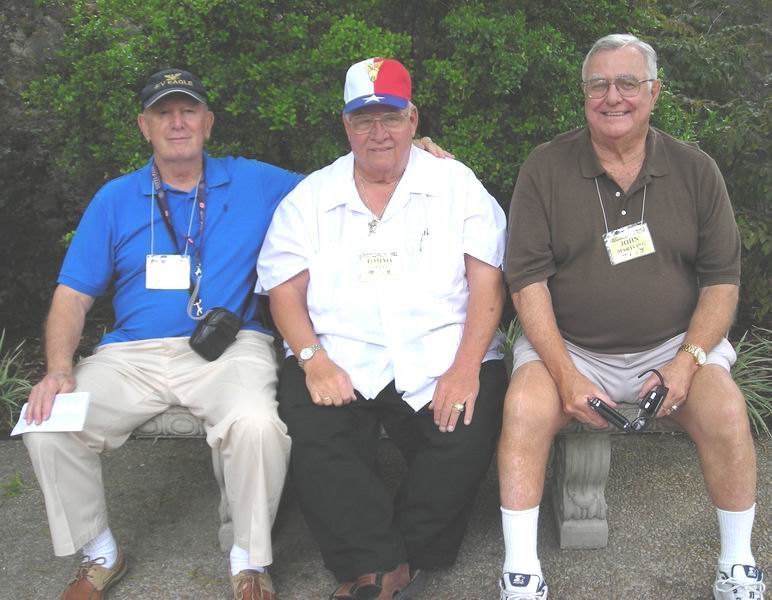
Rich Miller - Tommy West - John Martling
[Austin Mini - APR 2008]
* * * * * * * * * * * * * * * * * * * * * *

[DC Party - DEC 2007]
* * * * * * * * * * * * * * * * * * * * * *

[DC Party - DEC 2007]
* * * * * * * * * * * * * * * * * * * * * *

Rear: Joe Franklin - Schepps - McCulla - Middle: Wargowsky - Vitori - Hornbarger - Rich Miller - Front: Betsy Anderson - Starla Vitori - Mary Ann Miller - Greta Masson [DC Party - DEC 2007] |
* * * * * * * * * * * * * * * * * * * * * *

Rear: Sandy Wargowsky - McCulla - Al and Dot Spaulding - Roades - Rich Miller - Front: Greta Masson - Mary Carolyn Gay [DC Party - DEC 2007] |
* * * * * * * * * * * * * * * * * * * * * *

Rear: Wargowsky - Vitori - Hornbarger - Sandy Wargowsky - McCulla - Spaulding - Front: Betsy Anderson - Starla Vitori - Mary Ann Miller - Greta Masson [DC Party - DEC 2007] |
* * * * * * * * * * * * * * * * * * * * * *

Rear: Marcia Cathey - Goldstein - ? - Kip Volkstadt - Middle: Ed Anderson - Ludwig - Wargowsky - Vitori - Hornbarger - Sandy Wargowsky - Patty Page - Front: Connie Franklin - Donna Ludwig - Betsy Anderson - Starla Vitori - Mary Ann Miller - Greta Masson [DC Party - DEC 2007] |
* * * * * * * * * * * * * * * * * * * * * *

Rear: Patty Page - Al and Dot Spaulding - Roades - Rich Miller - Joe Franklin - Front: Greta Masson - Mary Carolyn Gay [DC Party - DEC 2007] |
* * * * * * * * * * * * * * * * * * * * * *

Rear: Wargowsky - Kip Volkstadt - Vitori - Hornbarger - Sandy Wargowsky - Patty Page - Al and Dot Spaulding - Front: Betsy Anderson - Starla Vitori - Mary Ann Miller - Greta Masson - Mary Carolyn Gay [DC Party - DEC 2007] |
* * * * * * * * * * * * * * * * * * * * * *

Rich and Mary Ann Miller
[Moving to CO party for Bergen - NOV 2007]
* * * * * * * * * * * * * * * * * * * * * *
Gunderson - Roades - Moses - West -
McCloskey - Rich Miller [c2007]
* * * * * * * * * * * * * * * * * * * * * *
Rich and Mary Ann Miller
[c2007]
* * * * * * * * * * * * * * * * * * * * * *
Doyle - ? - Rich Miller - Newton
[c2007]
* * * * * * * * * * * * * * * * * * * * * *
Roades - Doyle - ? - Rich Miller
[c2007]
* * * * * * * * * * * * * * * * * * * * * *
Rich Miller and Ray Karam
[c2007]
* * * * * * * * * * * * * * * * * * * * * *
Rich Miller and Ray Karam
[c2007]
* * * * * * * * * * * * * * * * * * * * * *
Russell - West - Roades -
Rich Miller - Karam [c2007]
* * * * * * * * * * * * * * * * * * * * * *

Joe Franklin and Rich Miller
[c2007]
* * * * * * * * * * * * * * * * * * * * * *
Rich Miller and ???
[c2007]
* * * * * * * * * * * * * * * * * * * * * *
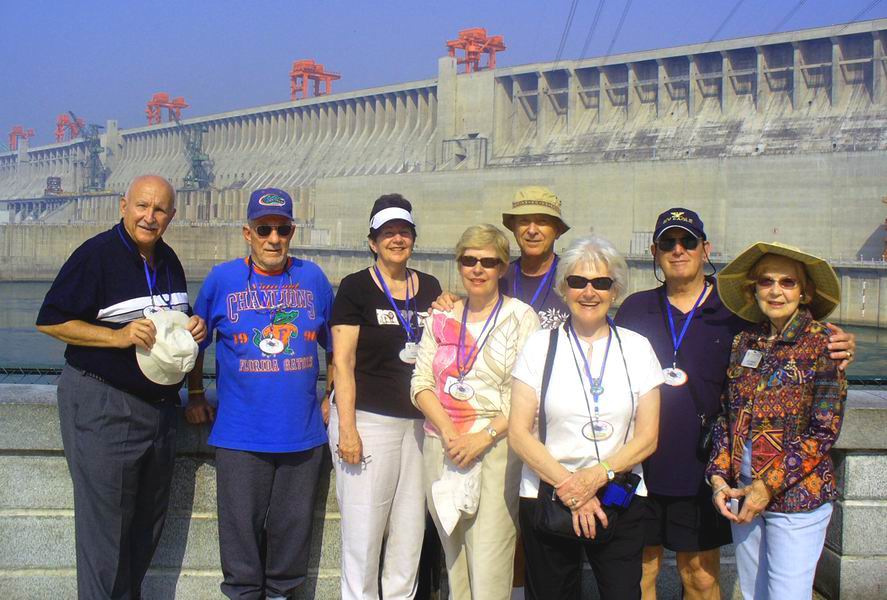
Sloan's - Bob Meisenheimer - Michalove's - Rich Miller's -
Doris (Mize's Friend) [China Trip - MAY 2007]
* * * * * * * * * * * * * * * * * * * * * *
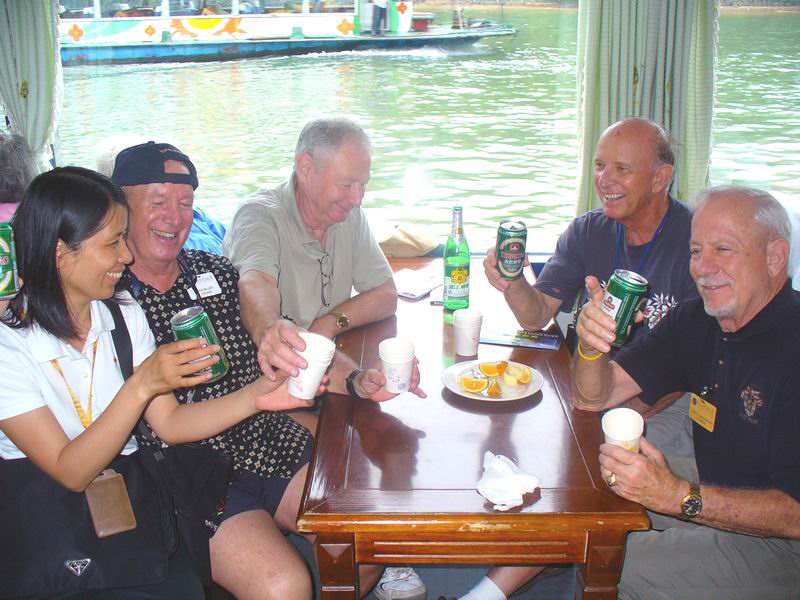
Rich Miller - Joel Hetland '56 - Larry Michalove -
Bob Meisenheimer [China Trip - MAY 2007]
* * * * * * * * * * * * * * * * * * * * * *
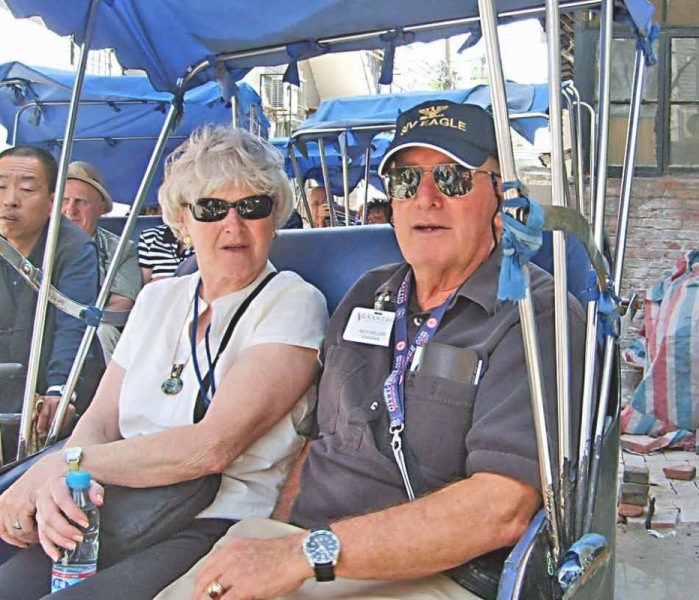
Mary Ann and Rich Miller
[China Trip - MAY 2007]
* * * * * * * * * * * * * * * * * * * * * *
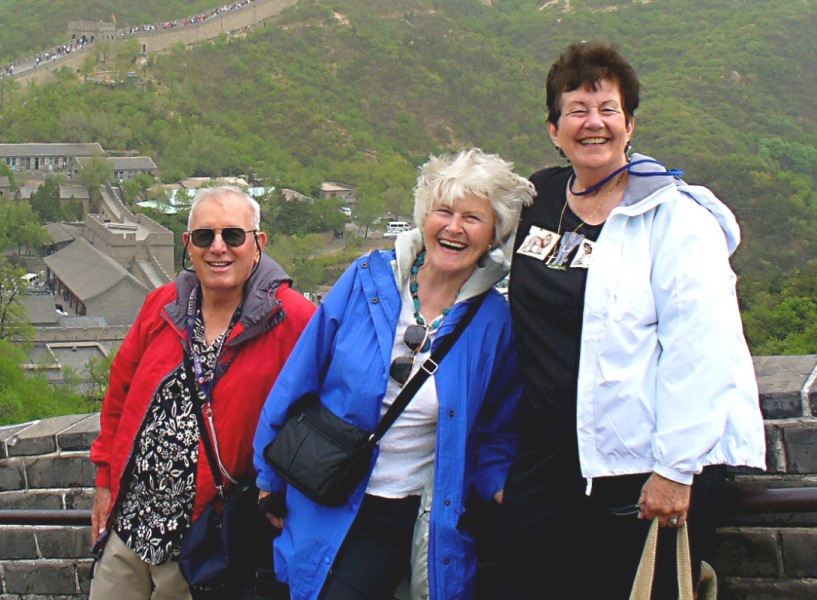
Rich Miller's and Ruth Sloan
[China Trip - MAY 2007]
* * * * * * * * * * * * * * * * * * * * * *
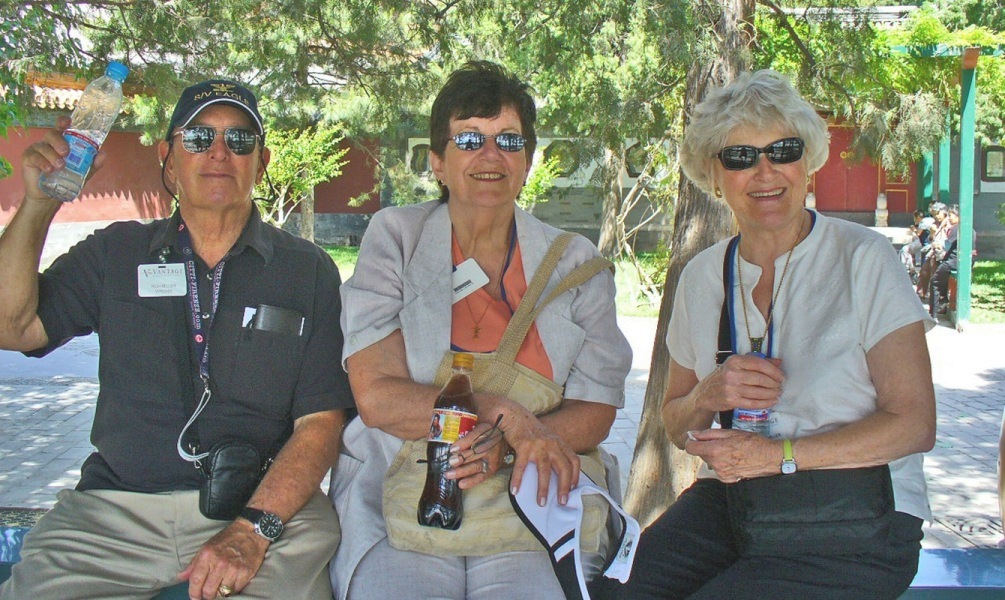
Rich Miller's and Ruth Sloan
[China Trip - MAY 2007]
* * * * * * * * * * * * * * * * * * * * * *
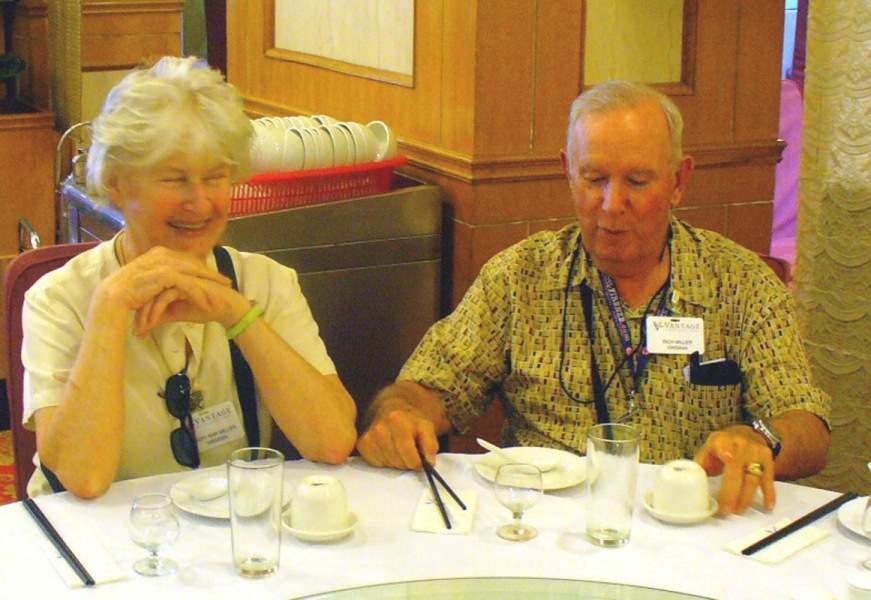
Mary Ann and Rich Miller
[China Trip - MAY 2007]
* * * * * * * * * * * * * * * * * * * * * *
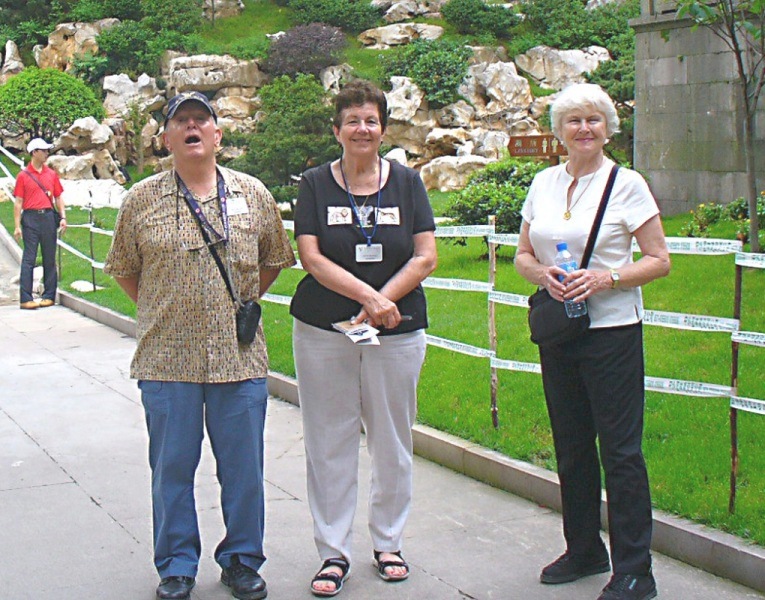
Rich Miller's and Ruth Sloan
[China Trip - MAY 2007]
* * * * * * * * * * * * * * * * * * * * * *
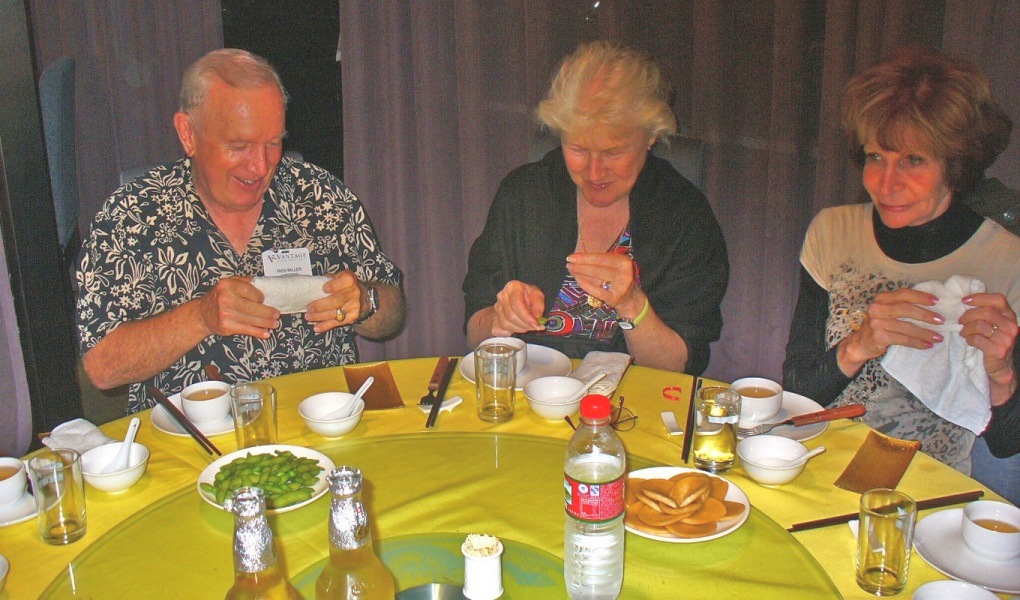
Rich and Mary Ann Miller
[China Trip - MAY 2007]
* * * * * * * * * * * * * * * * * * * * * *
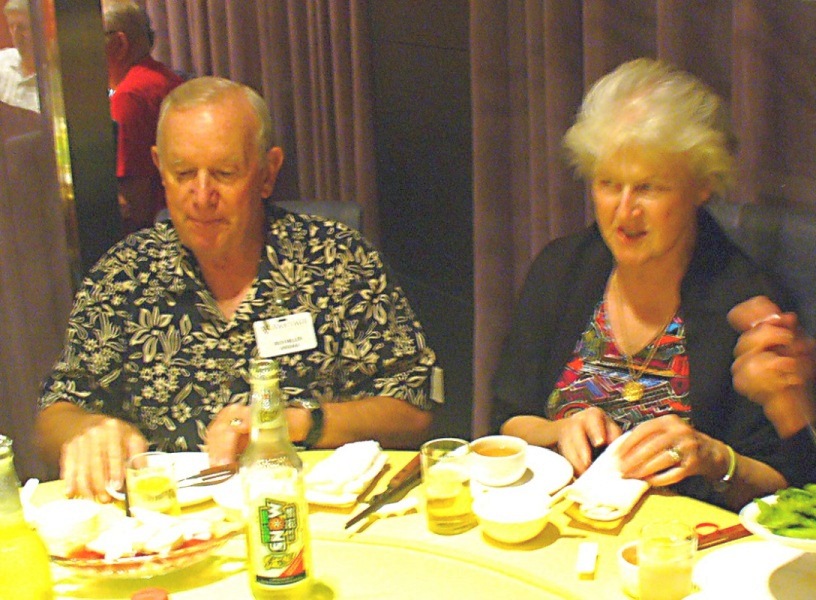
Rich and Mary Ann Miller
[China Trip - MAY 2007]
* * * * * * * * * * * * * * * * * * * * * *
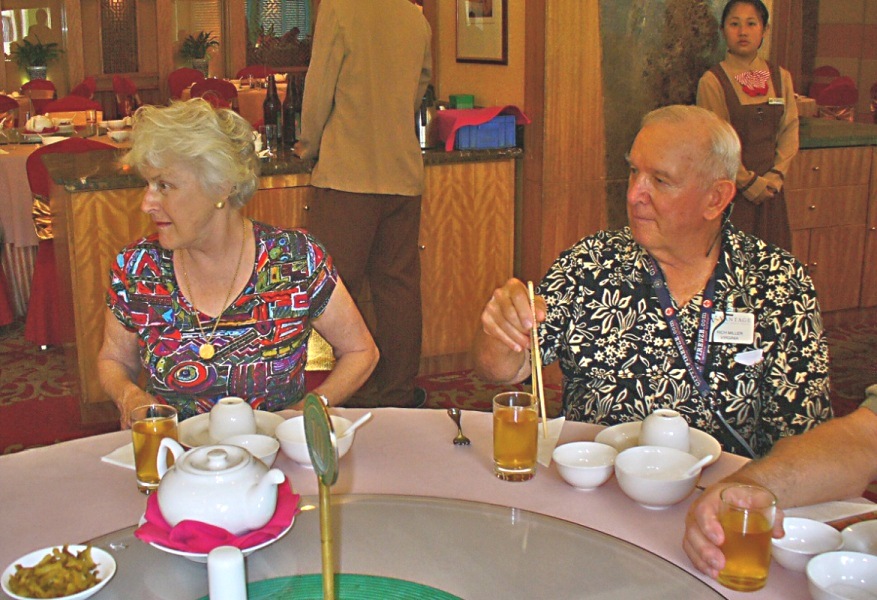
Mary Ann and Rich Miller
[China Trip - MAY 2007]
* * * * * * * * * * * * * * * * * * * * * *
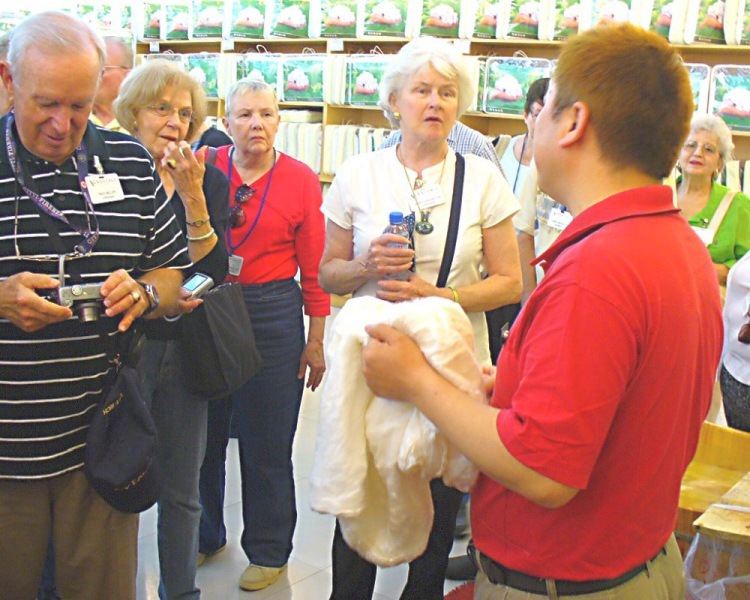
Rich and Mary Ann Miller
[China Trip - MAY 2007]
* * * * * * * * * * * * * * * * * * * * * *
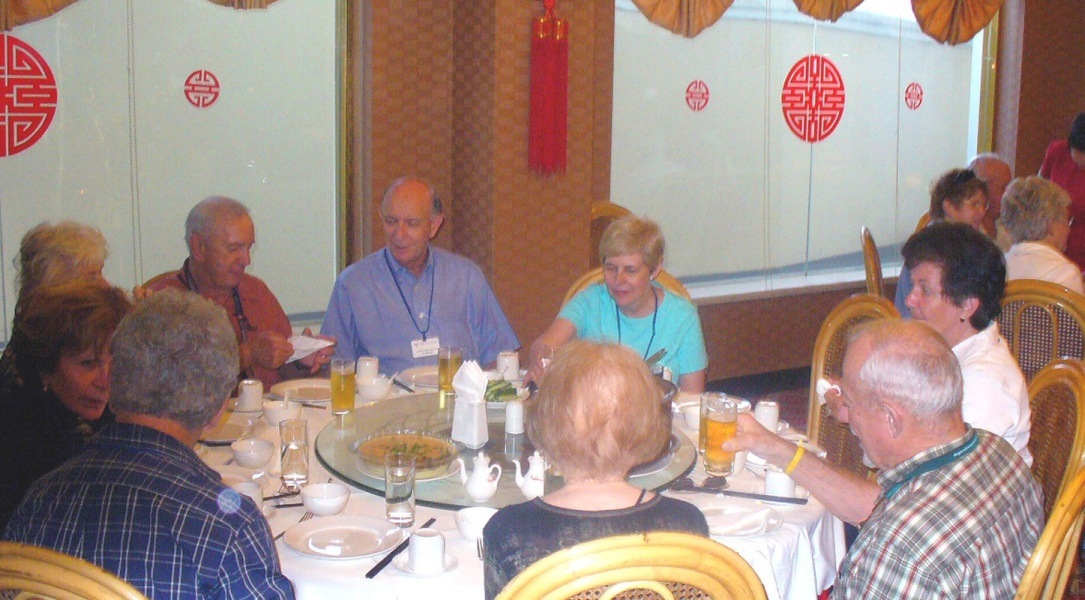
Rich Miller's - Michalove's - Ruth Sloan - Bob
Meisenheimer and Doris [China Trip - MAY 2007]
* * * * * * * * * * * * * * * * * * * * * *
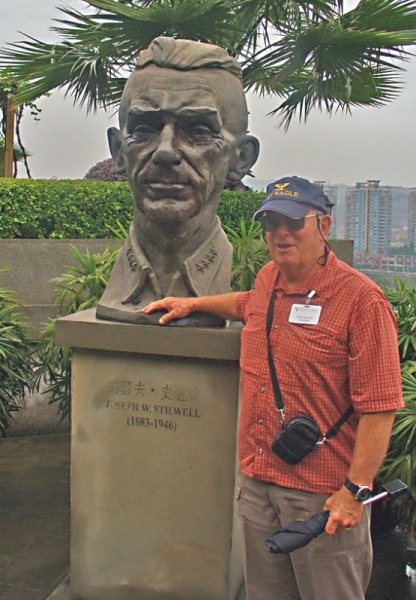
Rich Miller
[China Trip - MAY 2007]
* * * * * * * * * * * * * * * * * * * * * *
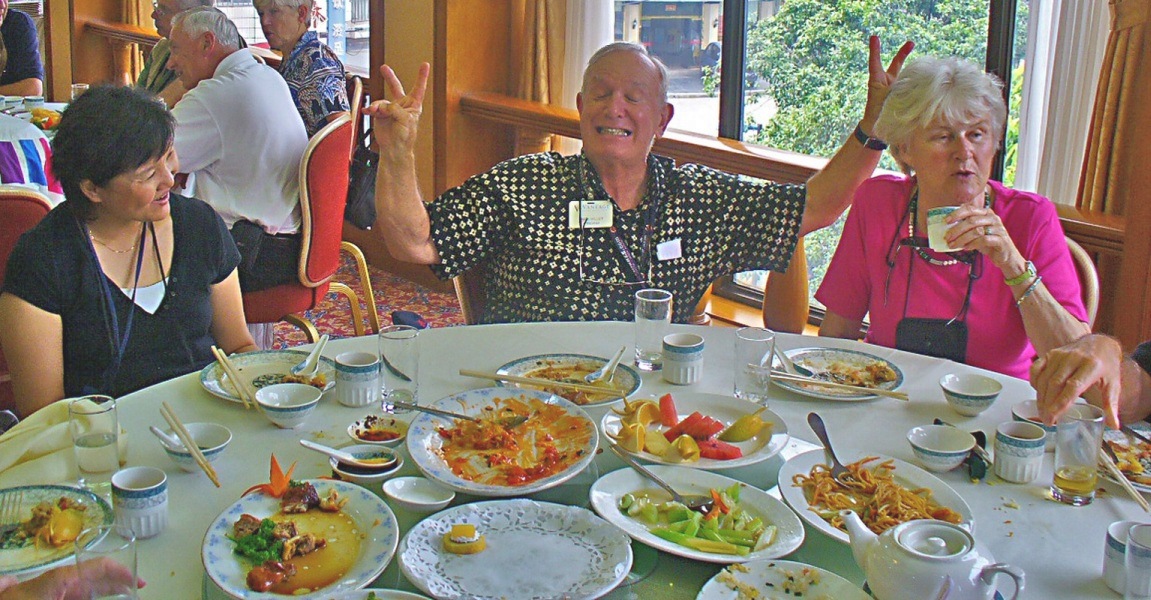
Rich and Mary Ann Miller
[China Trip - MAY 2007]
* * * * * * * * * * * * * * * * * * * * * *
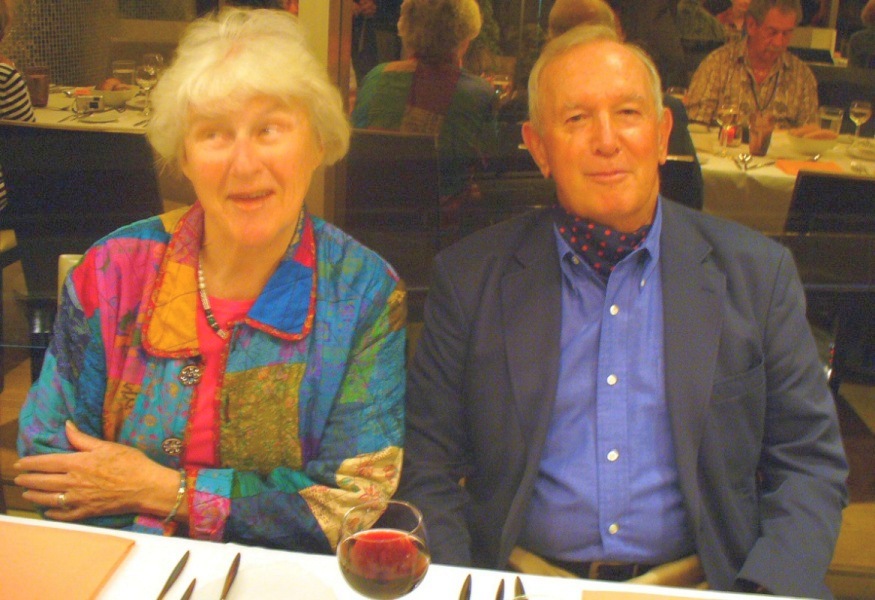
Mary Ann and Rich Miller
[China Trip - MAY 2007]
* * * * * * * * * * * * * * * * * * * * * *
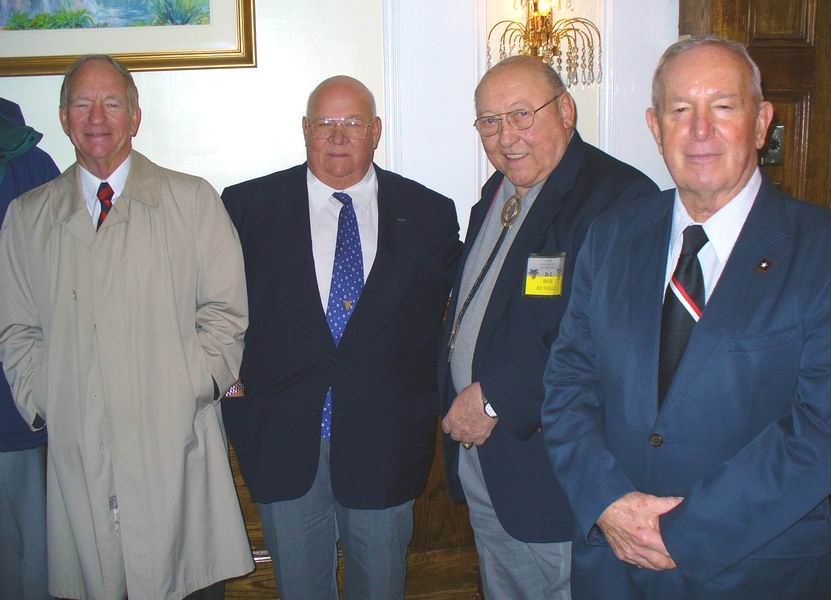
Moses - West - Russell - Rich Miller
[Don Reid Funeral - FEB 2007]
* * * * * * * * * * * * * * * * * * * * * *
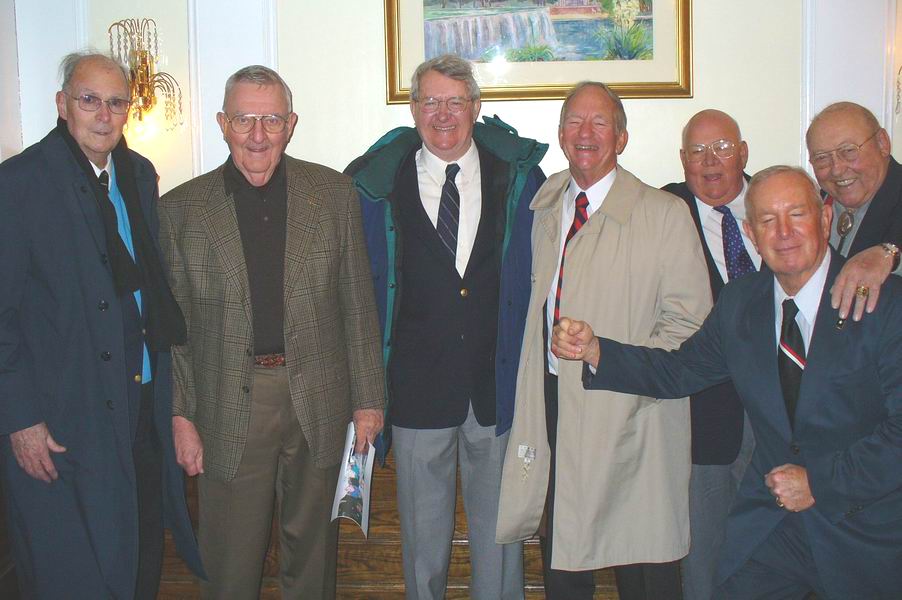
McCloskey - Roades - Gunderson - Moses - West -
Rich Miller - Russell [Don Reid Funeral - FEB 2007]
* * * * * * * * * * * * * * * * * * * * * *
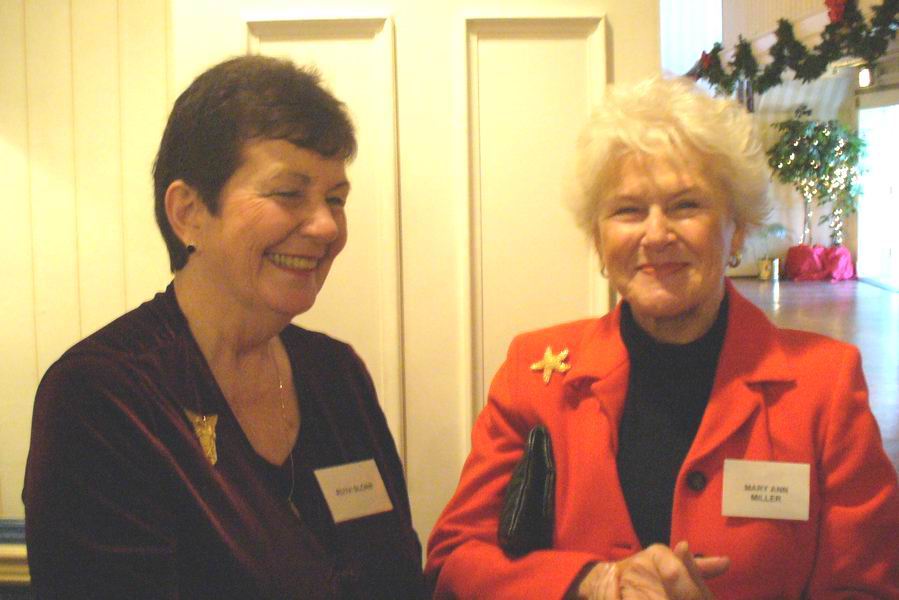
Ruth Sloan and Mary Ann Miller
[DEC 2006]
* * * * * * * * * * * * * * * * * * * * * *
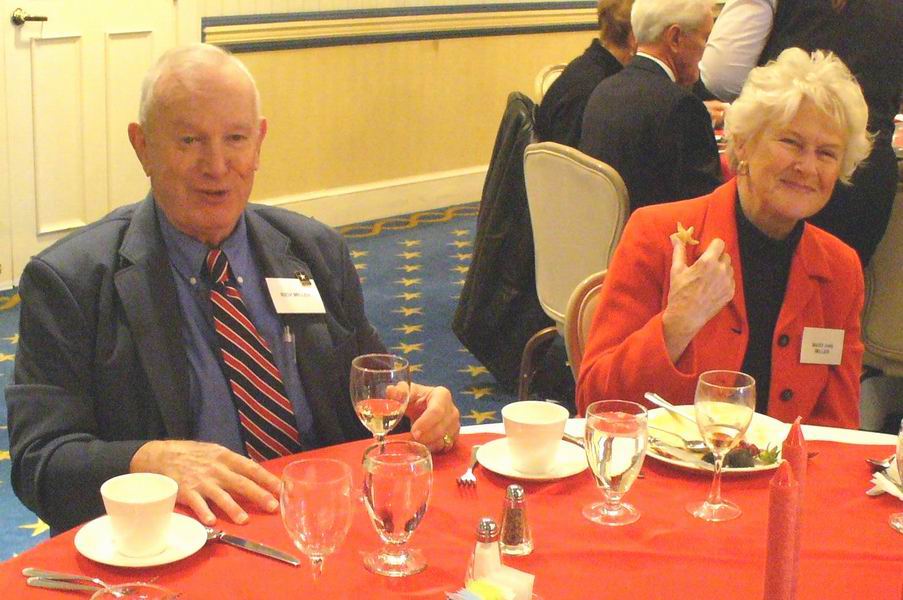
Rich and Mary Ann Miller
[DEC 2006]
* * * * * * * * * * * * * * * * * * * * * *

Mary Ann Miller - Linda Newton - Joe Franklin
[c2006]
* * * * * * * * * * * * * * * * * * * * * *
Mary Ann Miller - Linda Newton - Joe Franklin
[c2006]
* * * * * * * * * * * * * * * * * * * * * *
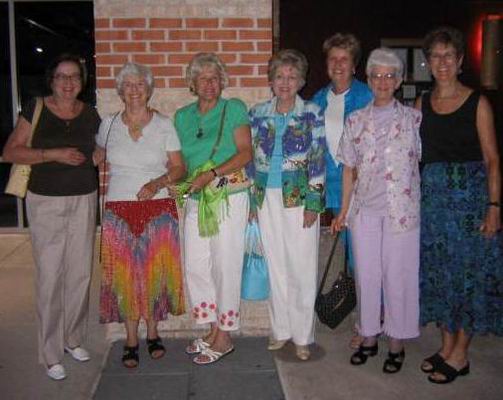
Paula Campbell - Katherine Jeter - Mary Ann Miller - Roberta Stone
Caye Wheeler Jan Kennebeck - Carol Baker [JUL 2006]
* * * * * * * * * * * * * * * * * * * * * *
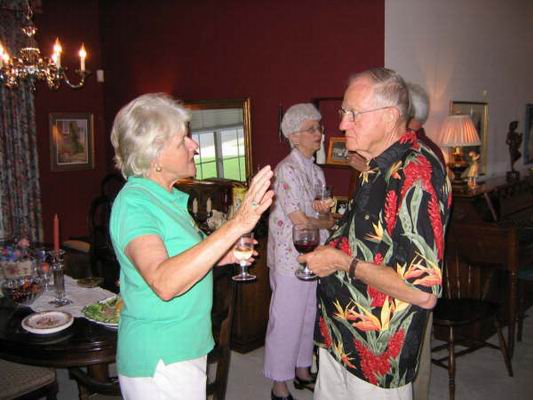
Mary Ann Miller Jan Kennebeck - Jeter
[JUL 2006]
* * * * * * * * * * * * * * * * * * * * * *
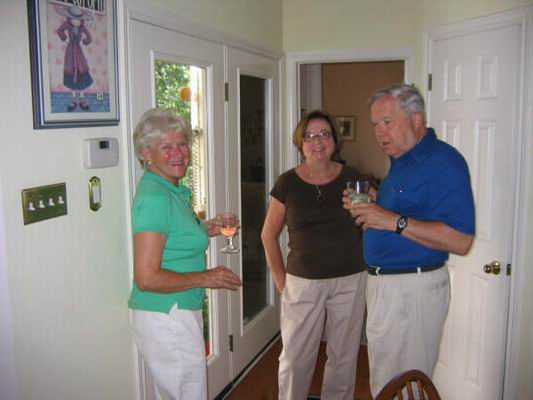
Mary Ann Miller - Paula Campbell - Wheeler
[JUL 2006]
* * * * * * * * * * * * * * * * * * * * * *
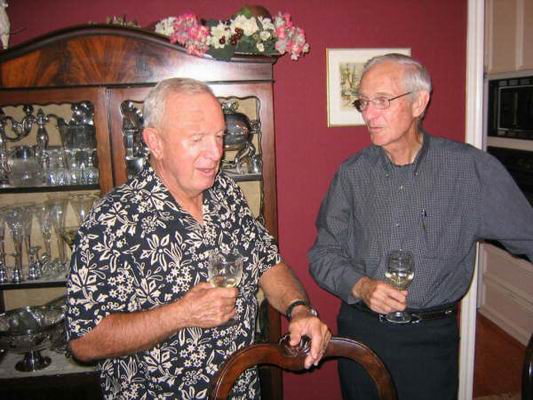
Rich Miller - Stone
[JUL 2006]
* * * * * * * * * * * * * * * * * * * * * *
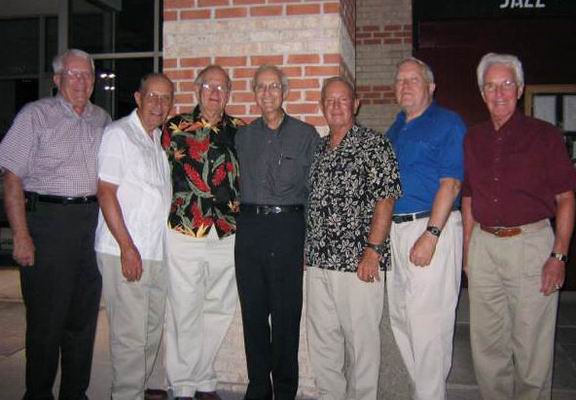
Jack Campbell - Kennebeck - Jeter - Stone -
Rich Miller - Wheeler - and Baker [JUL 2006]
* * * * * * * * * * * * * * * * * * * * * *
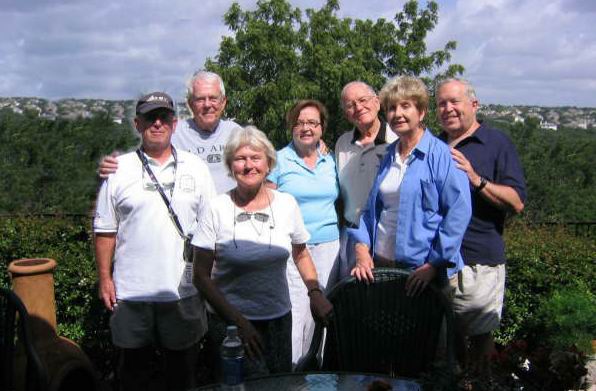
Rich Miller - Jack Campbell - Mary Ann Miller - Paula Campbell -
Jeter - Caye Wheeler - and Wheeler [JUL 2006]
* * * * * * * * * * * * * * * * * * * * * *
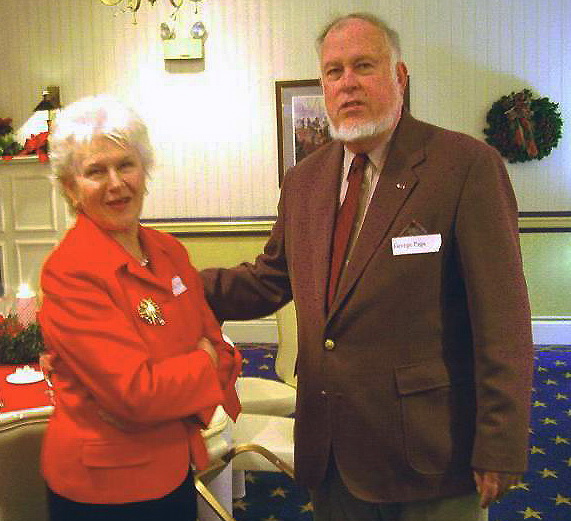
Mary Ann Miller and George Page
[DEC 2005]
* * * * * * * * * * * * * * * * * * * * * *
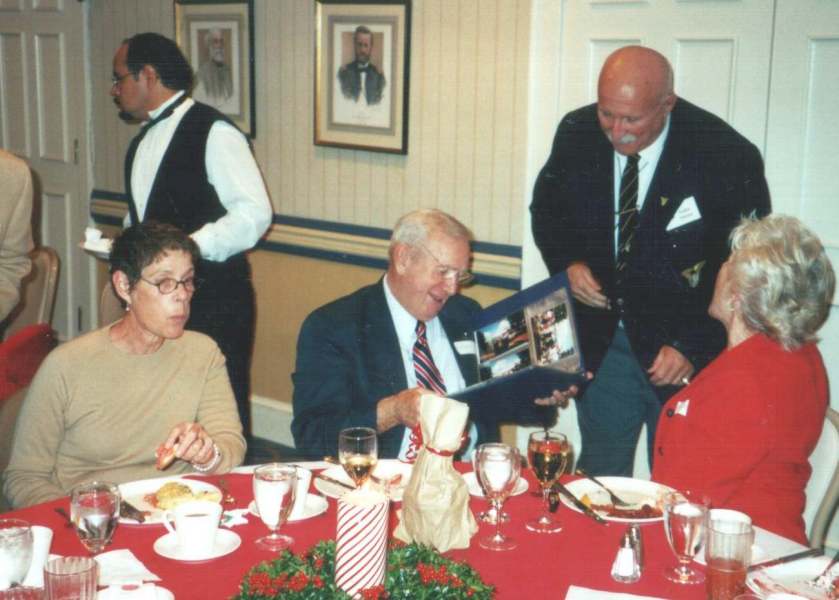
? - Rich Miller's - Sloan
[DEC c2005]
* * * * * * * * * * * * * * * * * * * * * *
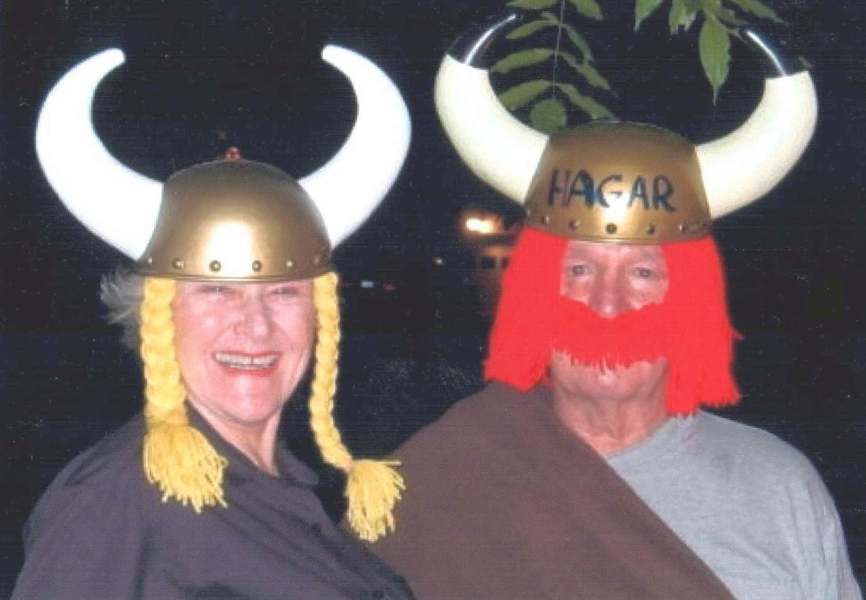
Mary Ann and Rich Miller
[c2005]
* * * * * * * * * * * * * * * * * * * * * *
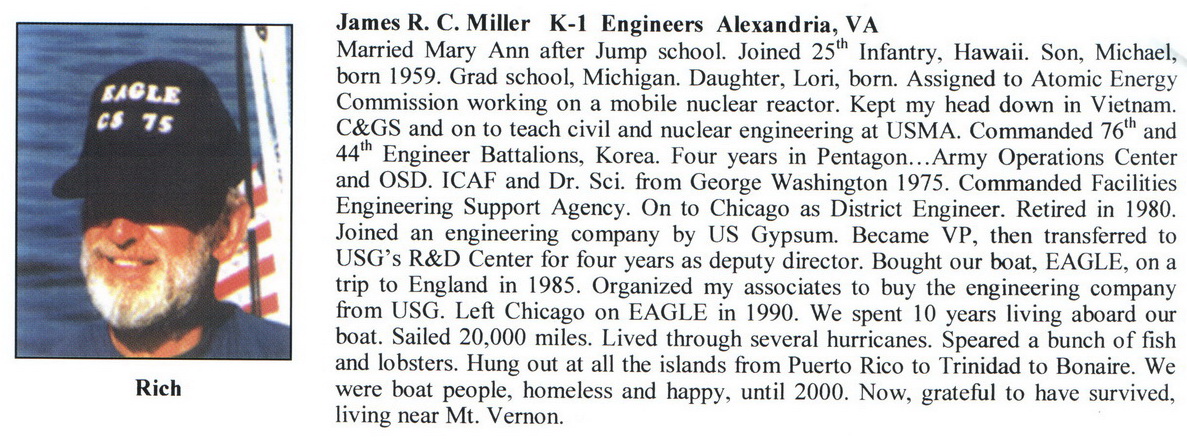
[50th Reunion Bio]
* * * * * * * * * * * * * * * * * * * * * *

Joe and Connie Franklin - Mary Ann and Rich Miller -
Bernadette and Dan Dugan [50th Reunion]
* * * * * * * * * * * * * * * * * * * * * *
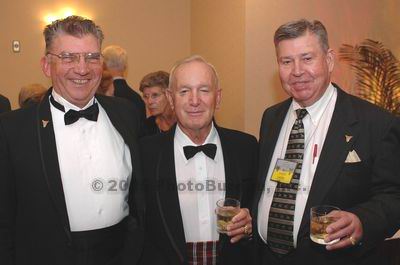
Jim Bergen - Richie Miller - Danny Dienst
[50th Reunion]
* * * * * * * * * * * * * * * * * * * * * *
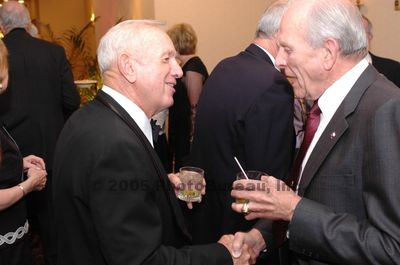
Rich Miller and Bob Blitch
[50th Reunion]
* * * * * * * * * * * * * * * * * * * * * *
Joe and Connie Franklin - Mary Ann Miller -
Bernadette and Dan Dugan [50th Reunion]
* * * * * * * * * * * * * * * * * * * * * *
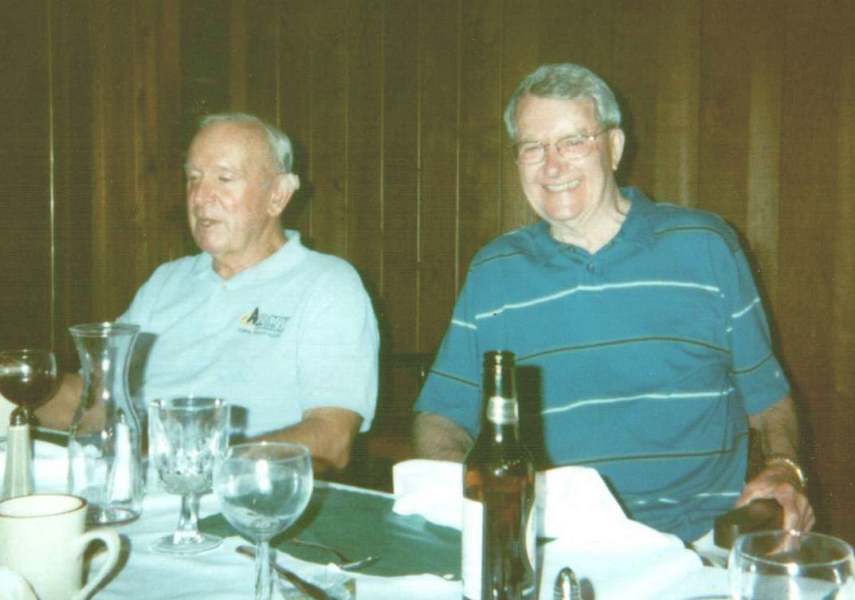
Rich Miller and Ray Gunderson
[c2005]
* * * * * * * * * * * * * * * * * * * * * *
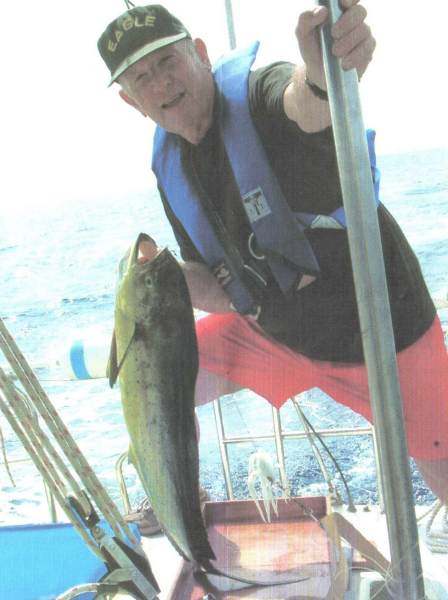
Rich Miller
[c2005]
* * * * * * * * * * * * * * * * * * * * * *
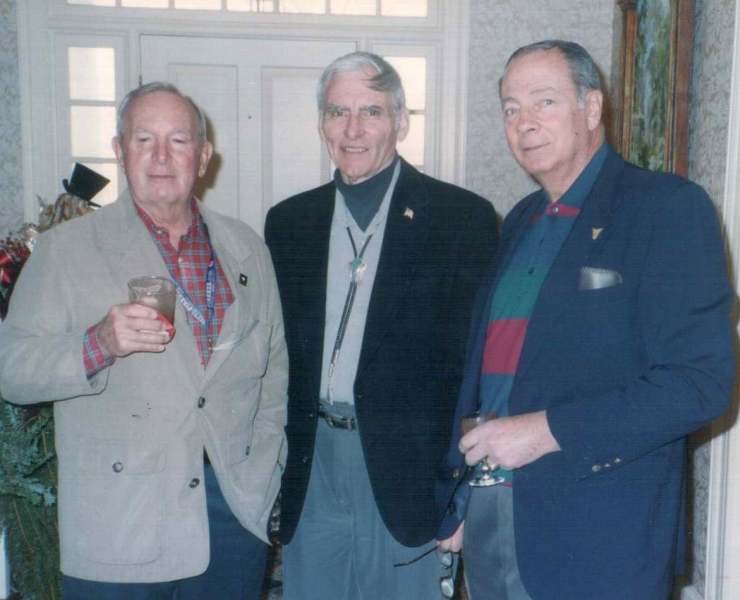
Rich Miller - Blahuta - Strati
[c2005]
* * * * * * * * * * * * * * * * * * * * * *
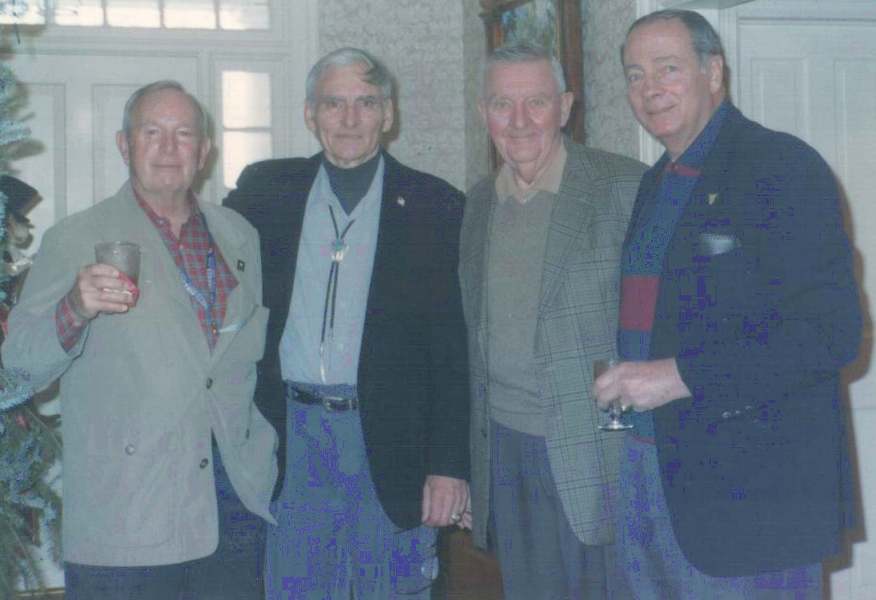
Rich Miller - Blahuta - Roades -
Strati [c2005]
* * * * * * * * * * * * * * * * * * * * * *
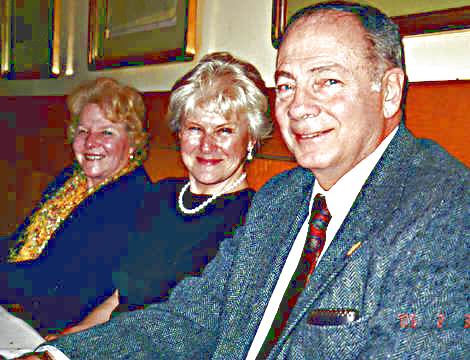
Pat Strati - Mary Ann Miller and Bob Strati
[FEB 2005]
* * * * * * * * * * * * * * * * * * * * * *
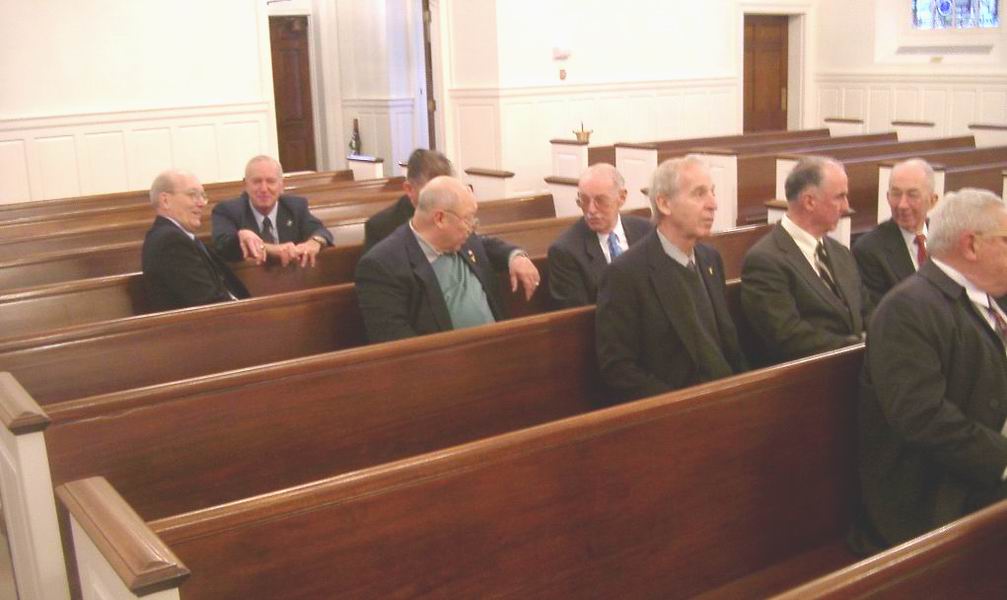
Pew 2: McNerney - Pew 3: Goldstein - Gay - McNair - Pew 4: Russell - McCulla - Pew 5: Ewing - Bergen - Pew6: Rich Miller [John Hardy Funeral - JAN 2005] |
* * * * * * * * * * * * * * * * * * * * * *
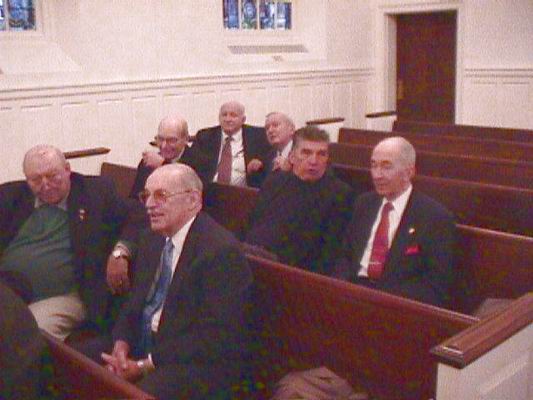
Russell - Ewing - McCulla - Sloan - Rich Miller -
Bergen - McNair [5 JAN 2005]
* * * * * * * * * * * * * * * * * * * * * *
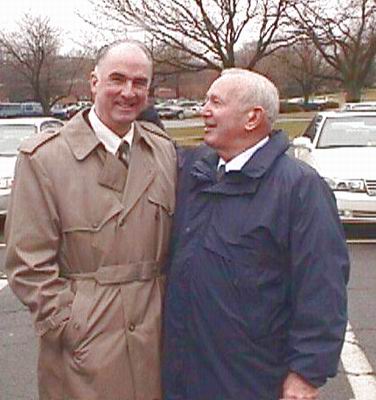
Ted Gay - Rich Miller
[5 JAN 2005]
* * * * * * * * * * * * * * * * * * * * * *
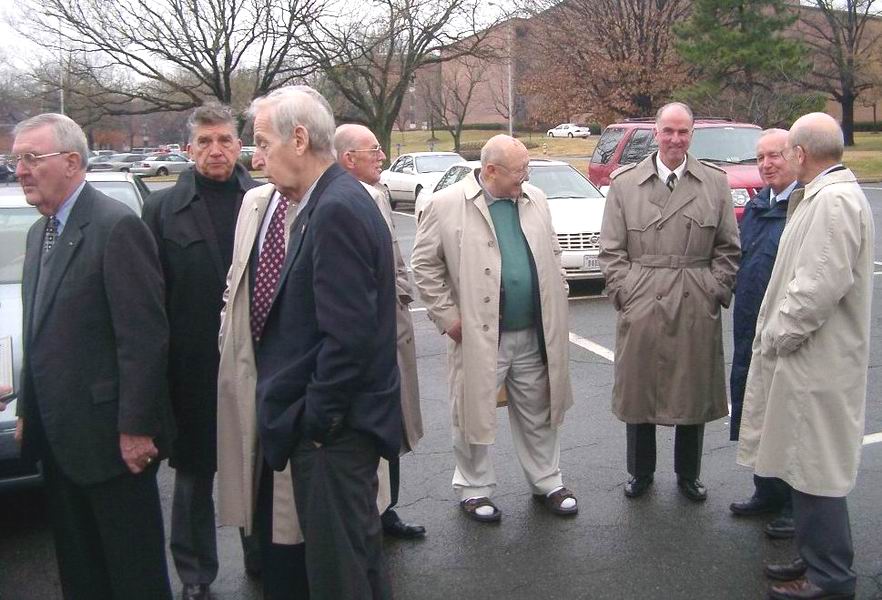
Roades - Bergen - Goldstein - McCulla - Russell - Gay -
Rich Miller - Ewing [John Hardy Funeral - JAN 2005]
* * * * * * * * * * * * * * * * * * * * * *
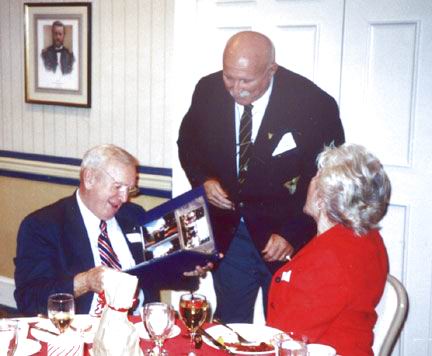
Miller's and John Sloan
[DEC 2004]
* * * * * * * * * * * * * * * * * * * * * *
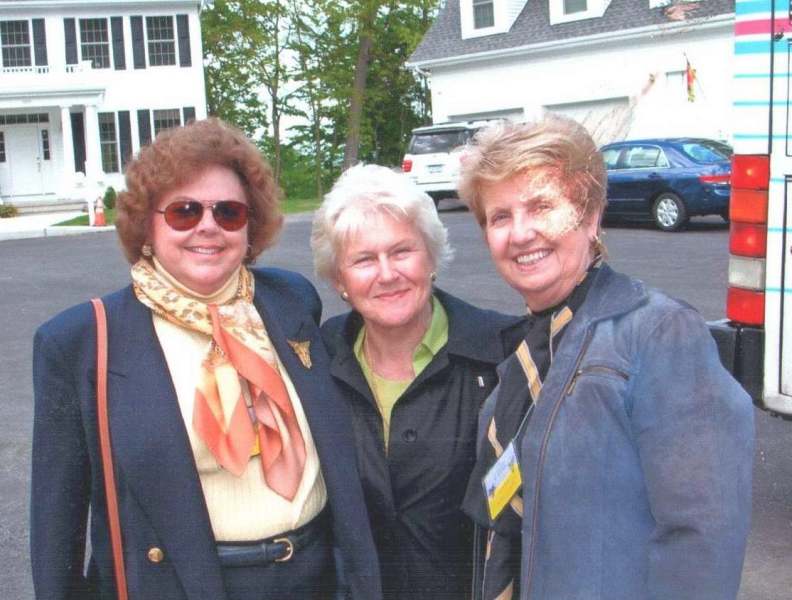
Linda Newton - Mary Ann Miller - Caye Wheeler
[c2004]
* * * * * * * * * * * * * * * * * * * * * *

K-1: Rich Miller - Connie and Joe Franklin - Mary Ann
Miller - Ed and Betsy Anderson [DC Party - DEC 2003]
* * * * * * * * * * * * * * * * * * * * * *

Rich Miller's - Roades - Joe Franklin's -
Ed Anderson [c2003]
* * * * * * * * * * * * * * * * * * * * * *
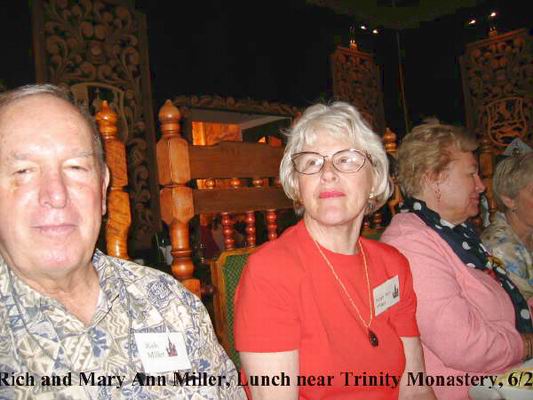
Rich and Mary Ann Miller
[JUN 2003 Russia Trip]
* * * * * * * * * * * * * * * * * * * * * *
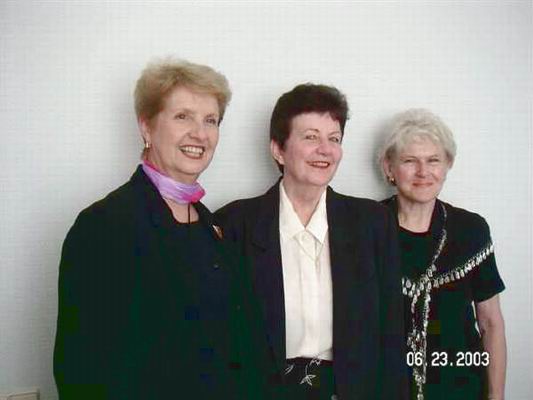
Caye Wheeler - Ruth Sloan - Mary Ann Miller
[JUN 2003 Russia Trip]
* * * * * * * * * * * * * * * * * * * * * *
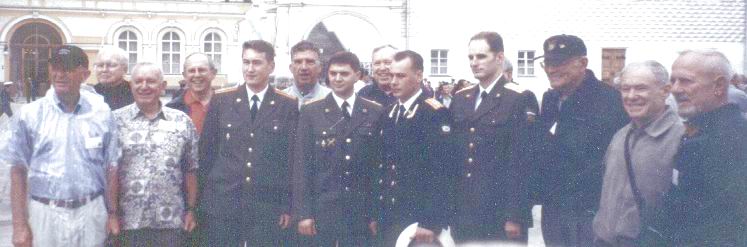
Recently minted Russian 2nd Lts and Larry Michalove - Dick Traut - Rich Miller - Jim Bergen - Dave Wheeler - Paul Sper USMA '59 - Bob Meisenheimer [JUN 2003 Russia Trip] |
* * * * * * * * * * * * * * * * * * * * * *
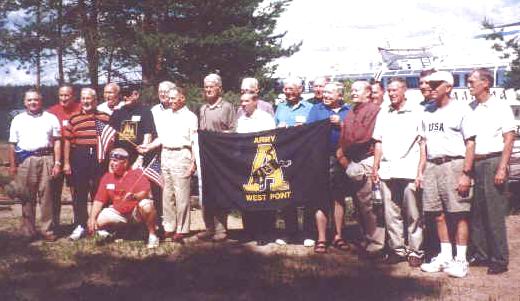
Minich - Bazilwich - Meisenheimer - Sloan - Bundren - R Miller (kneeling) - Traut - Howie Stone - Follett - Maurer (part hidden) - Ship captain - Fiscus - Parks - Wheeler - J Strickland - Werner - Black - Bergen - Michalove - Tennant [JUN 2003 Russia Trip] |
* * * * * * * * * * * * * * * * * * * * * *
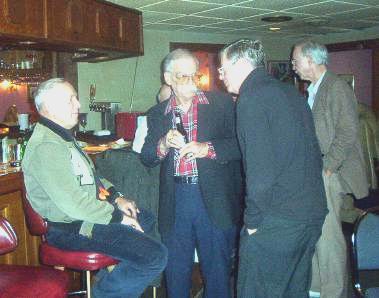
Rich Miller - Jack McAuslan x55 - Nidever -
John Brinkerhoff '50 [DEC 2002]
* * * * * * * * * * * * * * * * * * * * * *

Dienst - Bates - Miller - Cardillo - Joe Franklin -
Lynn - Hinrichs - Jacobs [SEP 2002 Ski Club Bike Trip]
* * * * * * * * * * * * * * * * * * * * * *

Baker - Connie Franklin -
Bates - Rich Miller's [c2002]
* * * * * * * * * * * * * * * * * * * * * *
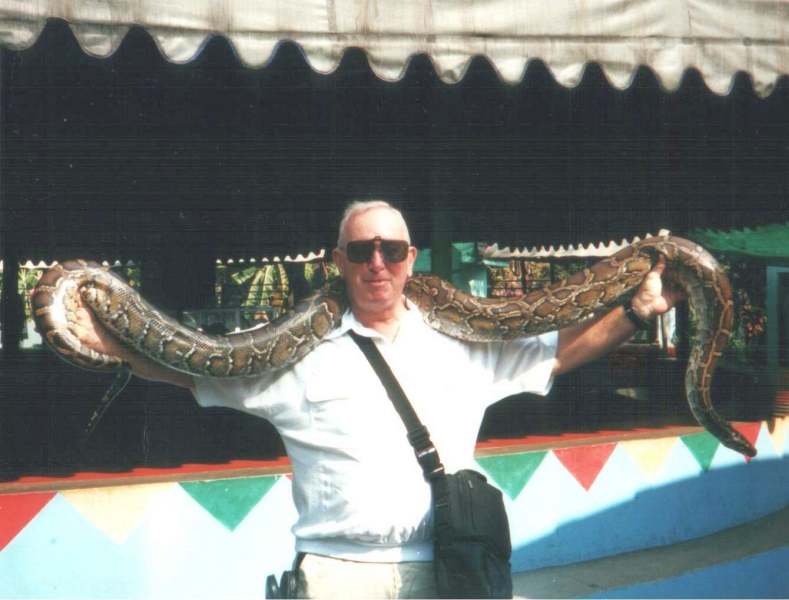
Rich Miller
[c2002]
* * * * * * * * * * * * * * * * * * * * * *
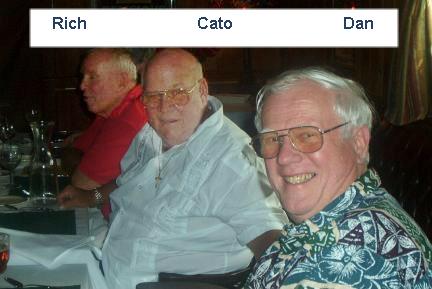
Rich Miller - West - Malone
[MAY 2002 Luncheon]
* * * * * * * * * * * * * * * * * * * * * *
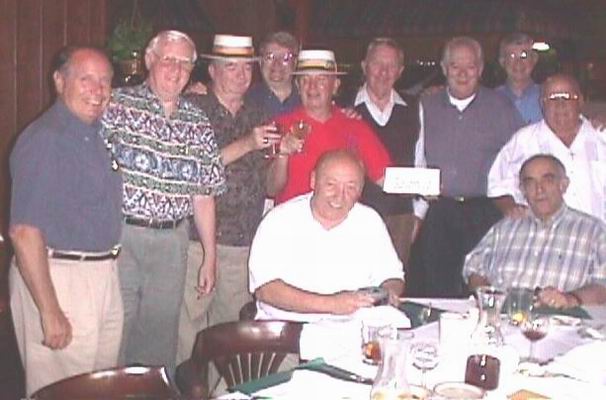
Wargowsky - Malone - Bundren - Gunderson - Miller - Russell
Roades - Doyle - Cutchin - West - Karam [MAY 2002 Luncheon]
* * * * * * * * * * * * * * * * * * * * * *

Caye and Dave Wheeler - Mary Ann and Rich Miller - Linda and Bob Newton
[Hotel Maxime - Auxerre - France: Barge Trip - May 4 - 2001]
* * * * * * * * * * * * * * * * * * * * * *
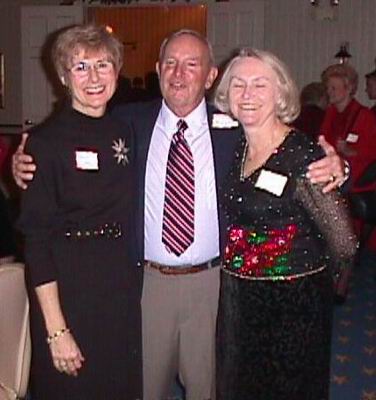
Carol Baker - Rich Miller - Betty Schepps
[2001]
* * * * * * * * * * * * * * * * * * * * * *
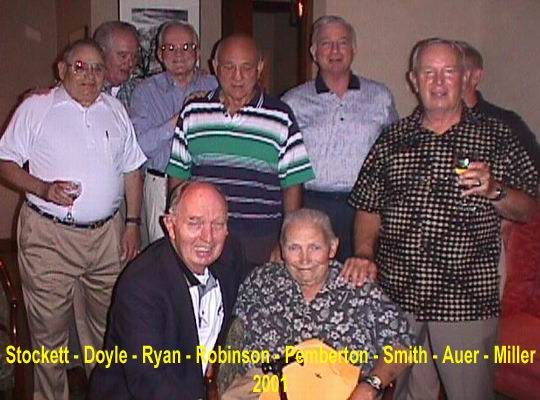
Stockett - Doyle - Jim Ryan - Robinson
Pemberton - Wayne Smith - Auer - Rich Miller [2001]
* * * * * * * * * * * * * * * * * * * * * *
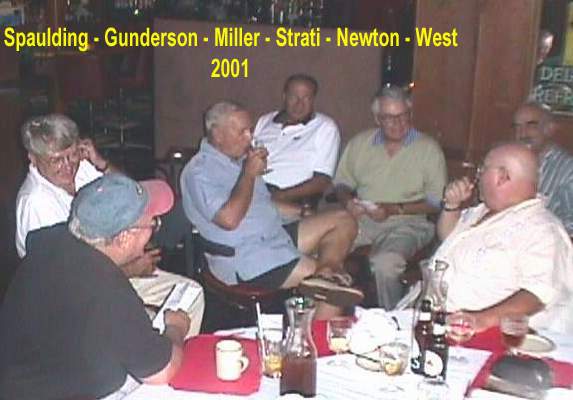
Spaulding - Gunderson - Rich Miller -
Strati - Newton - Karam - West [2001]
* * * * * * * * * * * * * * * * * * * * * *
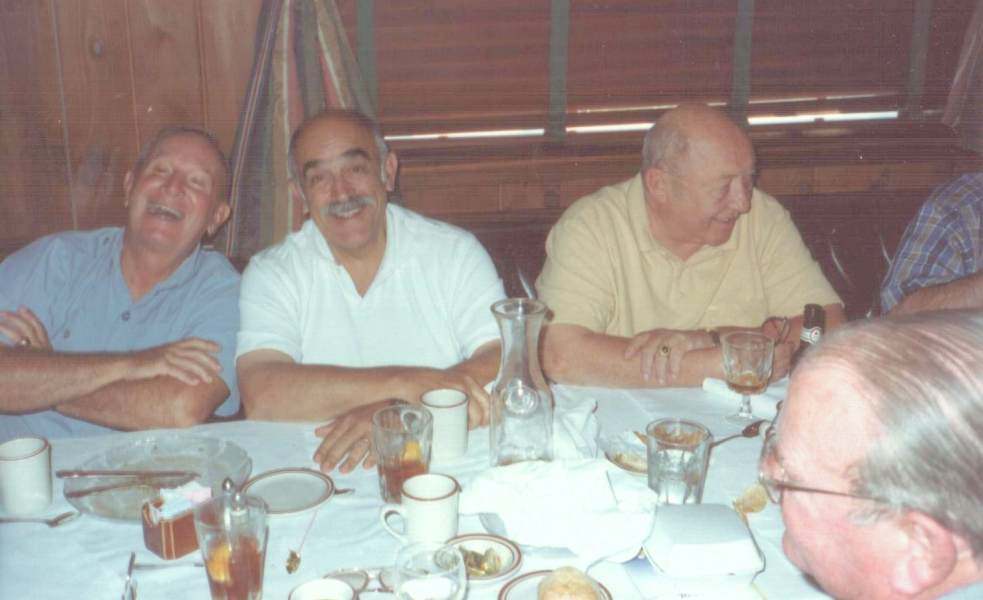
Rich Miller - Karam - Russell
[c2001]
* * * * * * * * * * * * * * * * * * * * * *
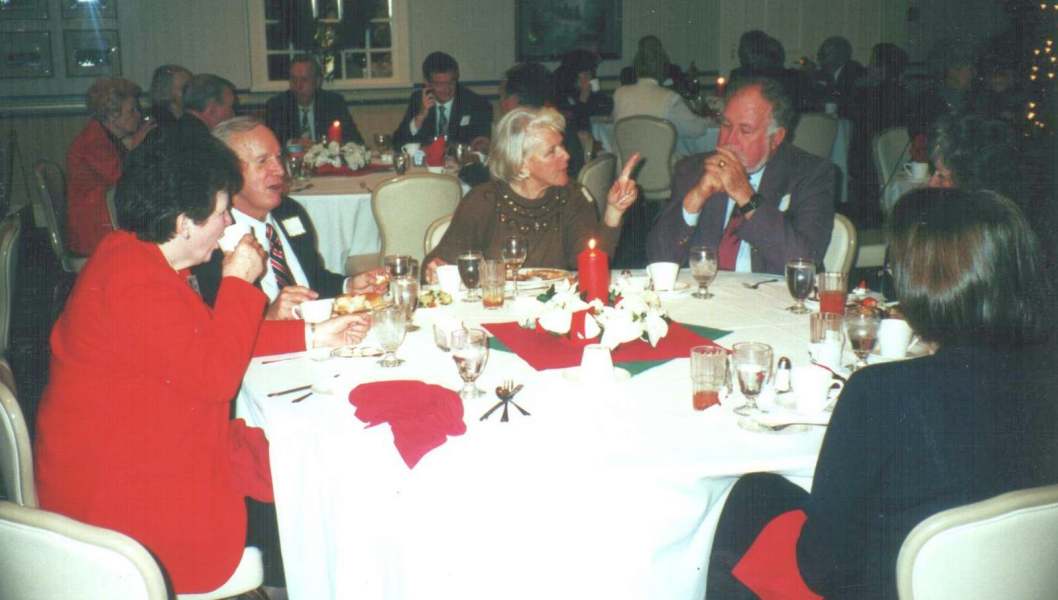
Rich Miller's and George Page
[c2001]
* * * * * * * * * * * * * * * * * * * * * *
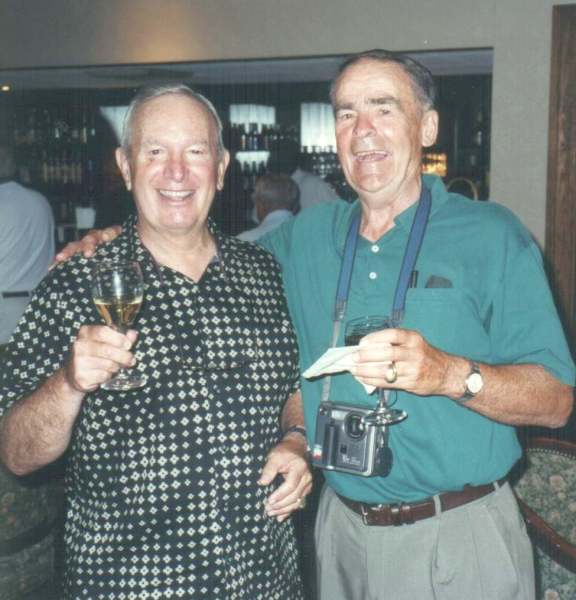
Rich Miller and Bill Welter
[c2001]
* * * * * * * * * * * * * * * * * * * * * *
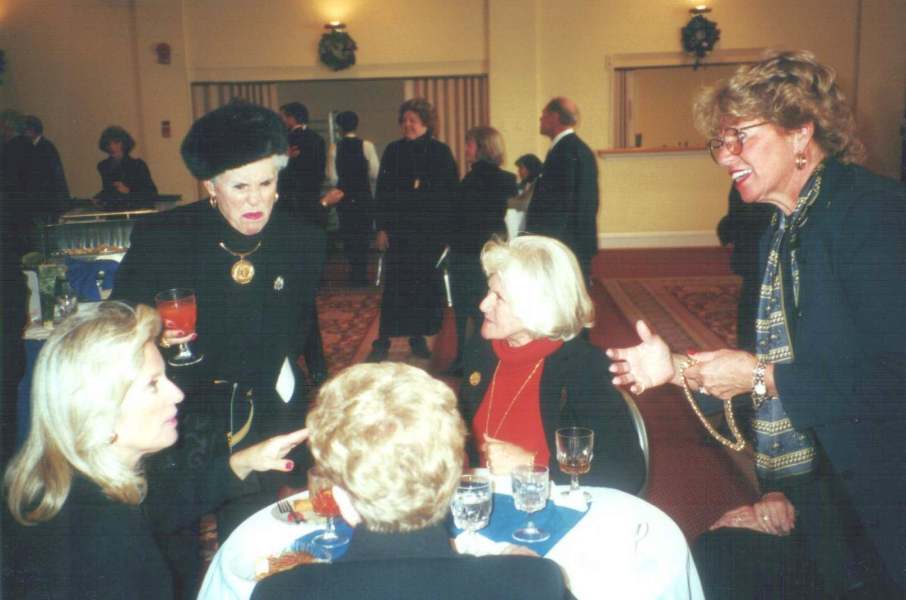
Marcia Cathey - Mary Ann Miller - ???
[Carl Cathey Funeral - NOV 2000]
* * * * * * * * * * * * * * * * * * * * * *

Rich Miller
[Tortola - BVI - 2000]
* * * * * * * * * * * * * * * * * * * * * *

Rich Miller's Eagle
[Turks & Caicos - 2000]
* * * * * * * * * * * * * * * * * * * * * *
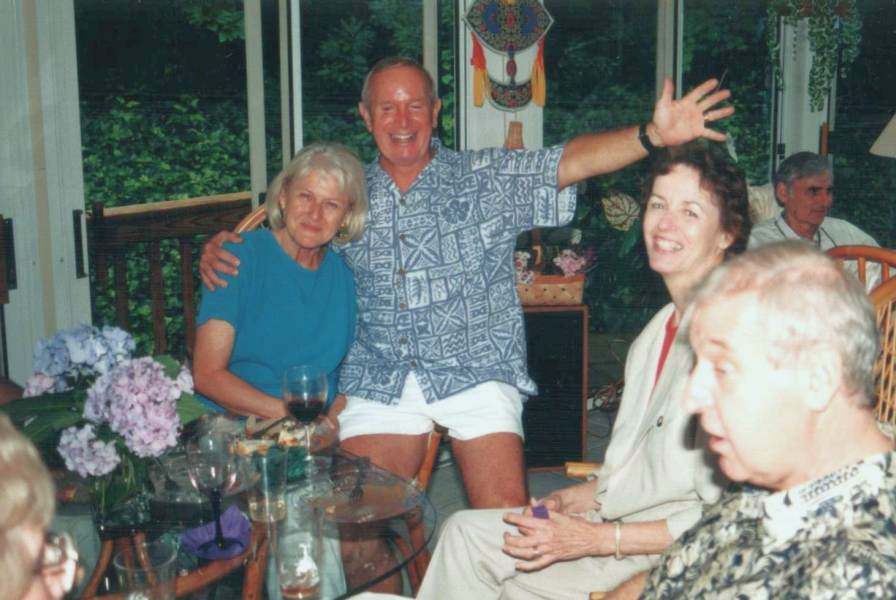
Rich Miller's - ? - Goldstein
[c1998]
* * * * * * * * * * * * * * * * * * * * * *
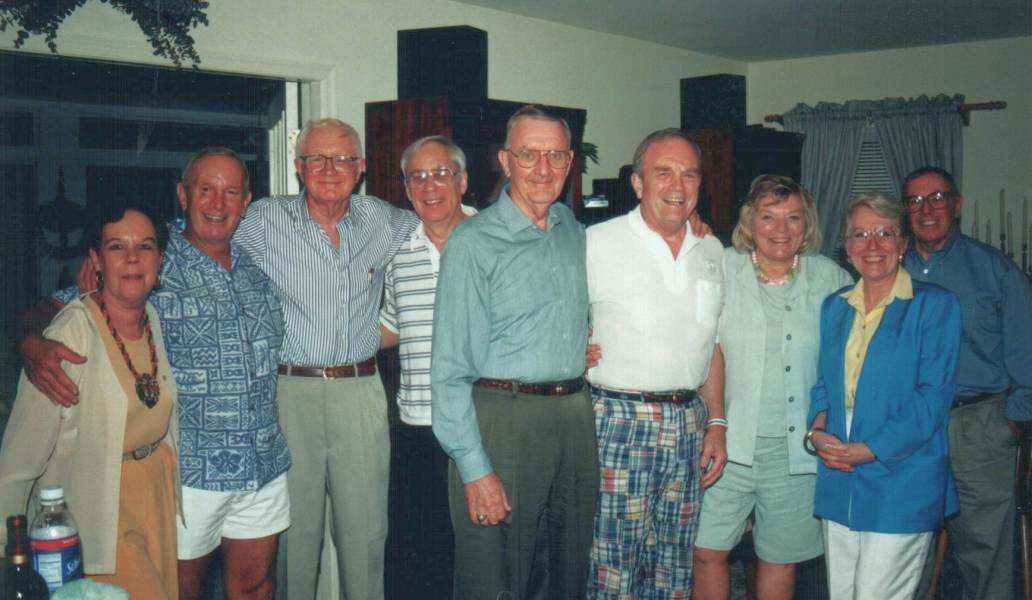
Ceglowski-Armour's - Rich Miller's - Roades - Rudzki's -
Anita Anderson - Spaulding [JUN 1998]
* * * * * * * * * * * * * * * * * * * * * *
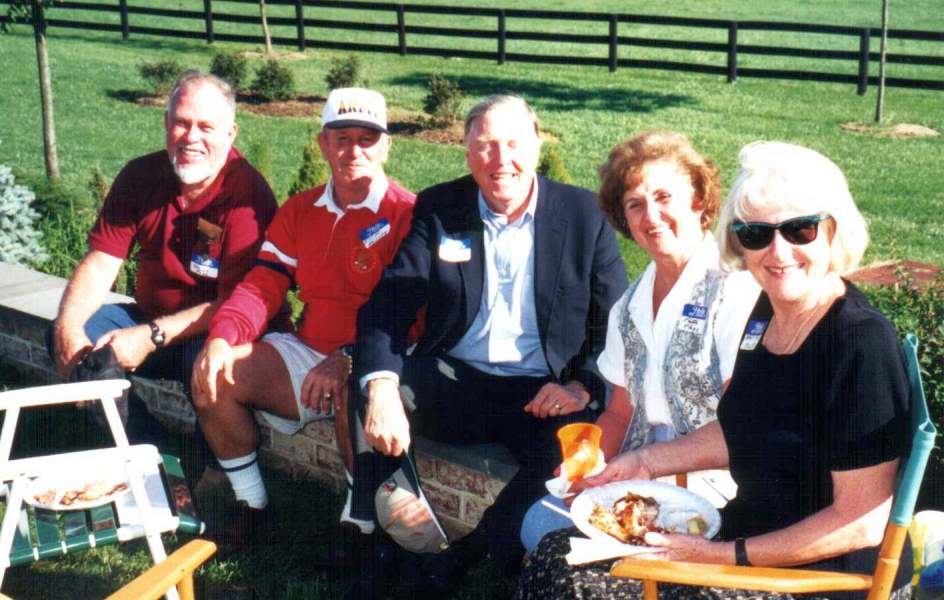
Page's - Rich Miller's - Bates
[c1997]
* * * * * * * * * * * * * * * * * * * * * *
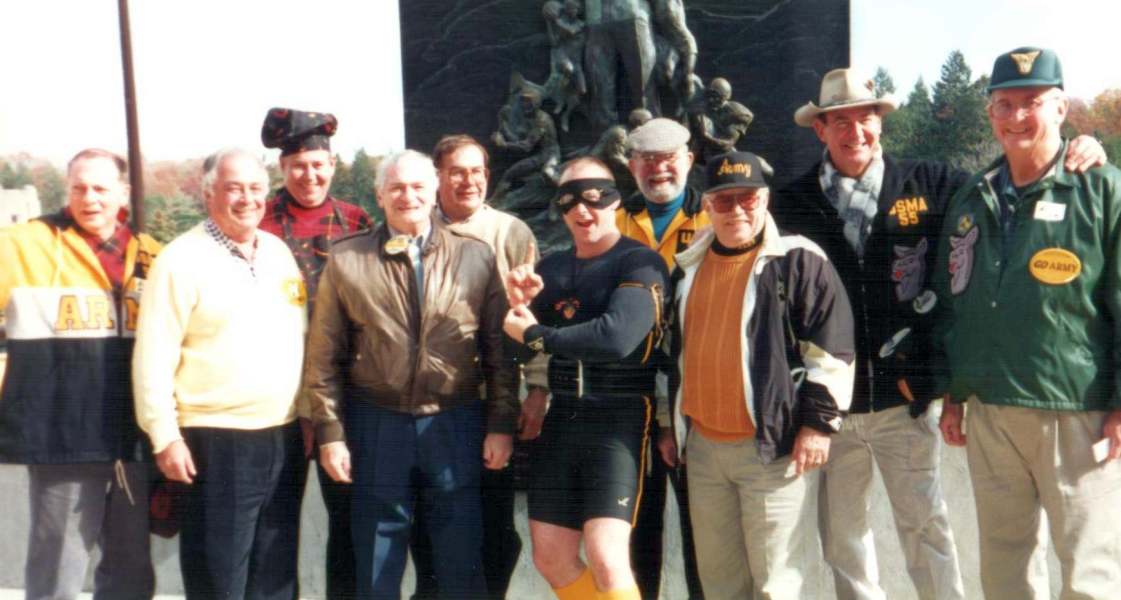
Strati - Lichtenberg - Dienst - Stern - Zaborowski -
Rich Miller - Horst - ? - Vitty - Lewis [c1996]
* * * * * * * * * * * * * * * * * * * * * *
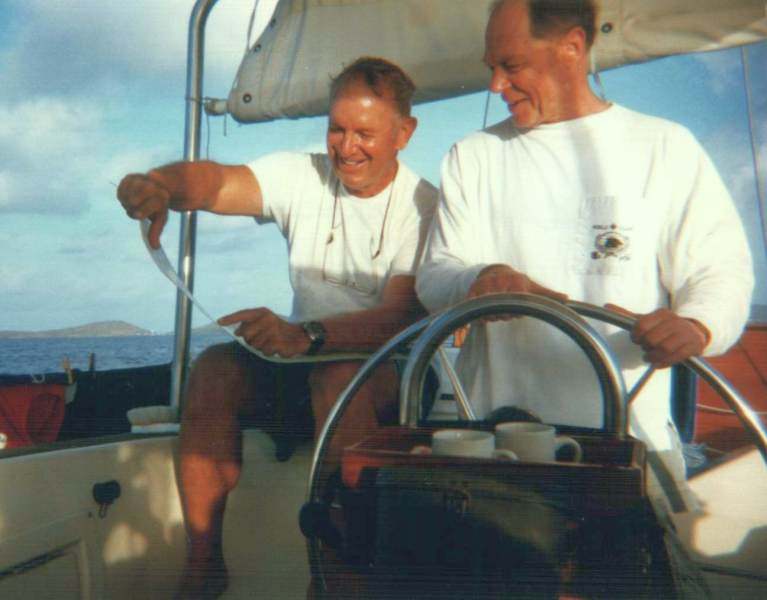
Rich Miller and Bob Carpenter
[c1996]
* * * * * * * * * * * * * * * * * * * * * *
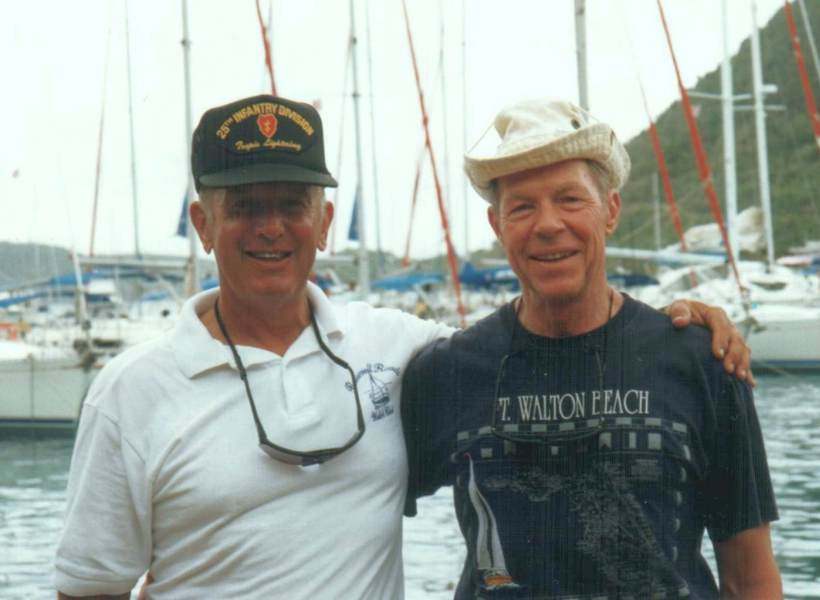
Rich Miller and Bob Carpenter
[c1996]
* * * * * * * * * * * * * * * * * * * * * *
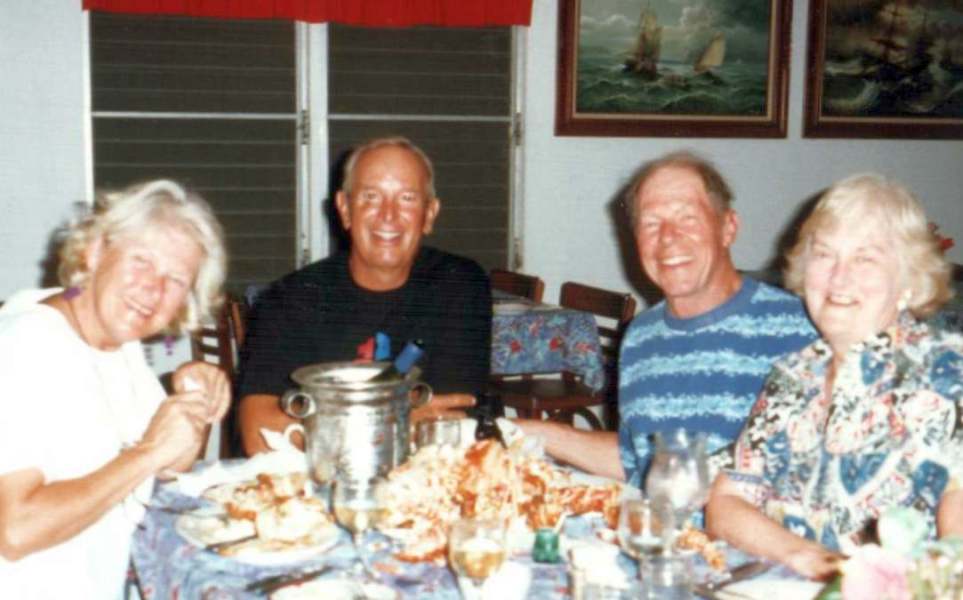
Rich Miller's and Carpenter's
[c1996]
* * * * * * * * * * * * * * * * * * * * * *
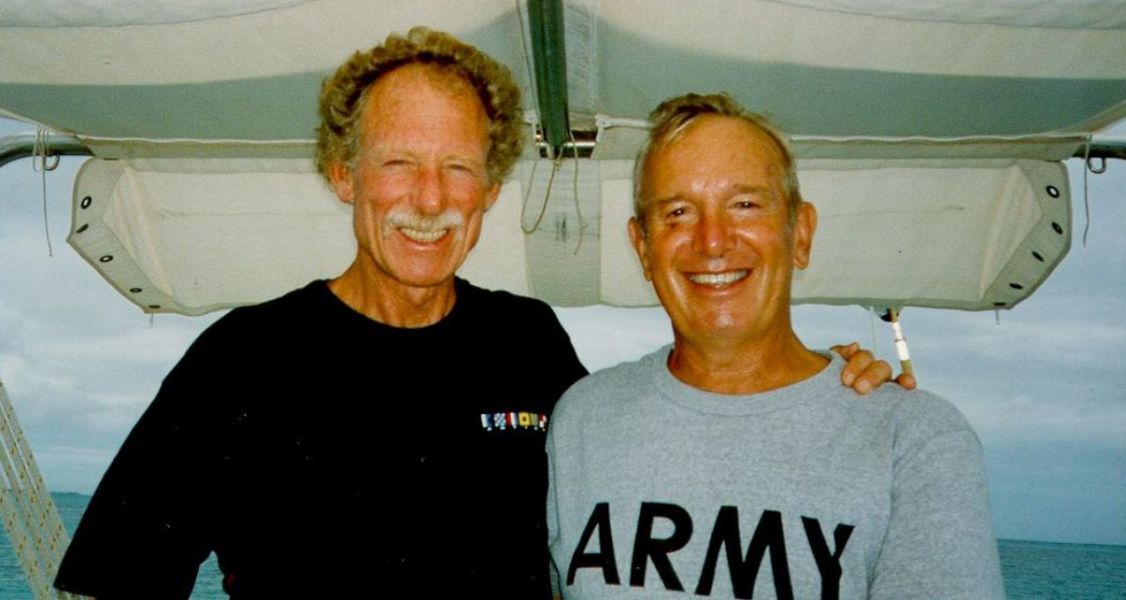
Jack 'Rosie' Cohan and Rich Miller [Cayo Herradura
off Isla Tortuga - Venezuela - JUL 1994]
* * * * * * * * * * * * * * * * * * * * * *

Rich Miller
[Las Aves - Venezuela - 1994]
* * * * * * * * * * * * * * * * * * * * * *

Rich Miller - Meetze - Charlie Johnson - Stockett - West - Wray - Joe Franklin -
McIlroy - Fontaine - Fiscus - Wayne Smith - McCloskey [c1994]
* * * * * * * * * * * * * * * * * * * * * *

Rich Miller
[Puerto Rico - 1993]
* * * * * * * * * * * * * * * * * * * * * *
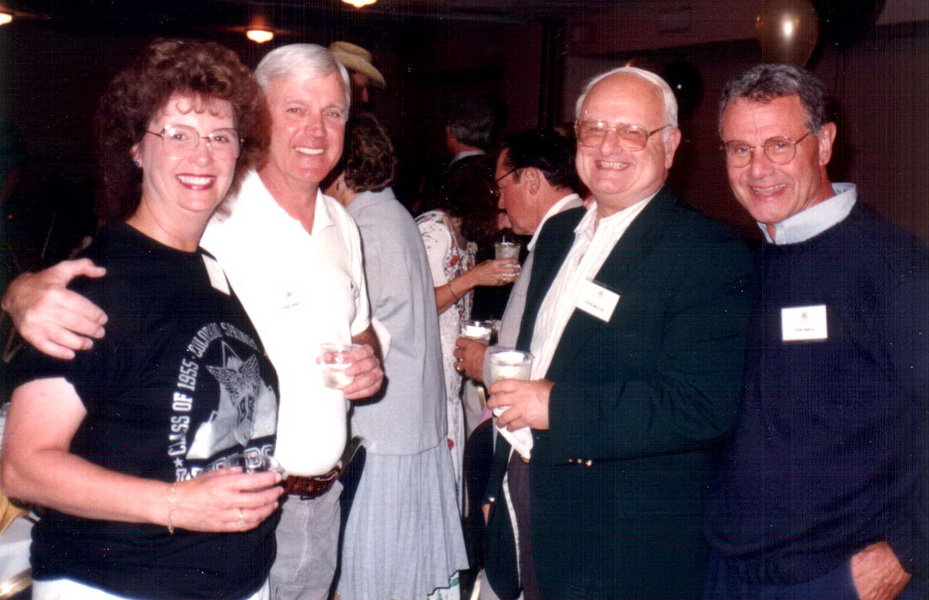
Wing's - John Miller - Don Smith
[c1993]
* * * * * * * * * * * * * * * * * * * * * *
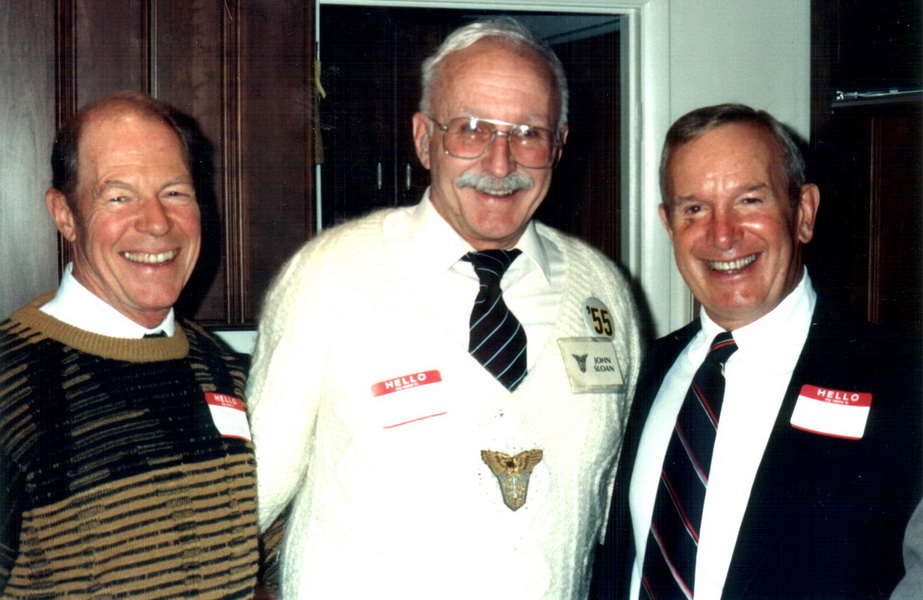
Bob Carpenter - John Sloan - Rich Miller
[c1993]
* * * * * * * * * * * * * * * * * * * * * *
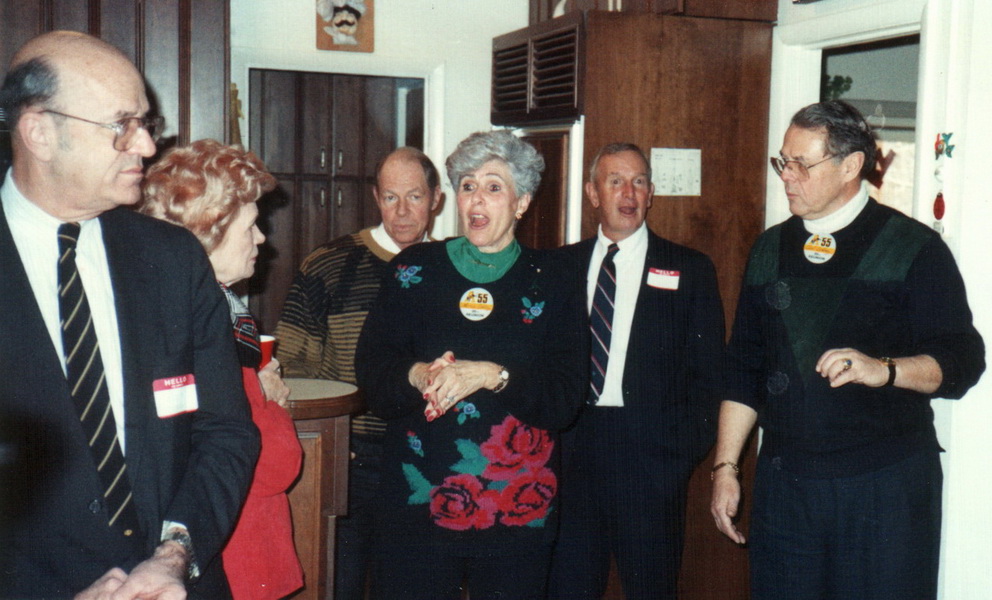
Hagedorn - Carpenter - Rich Miller -
Cathey's [DEC 1992]
* * * * * * * * * * * * * * * * * * * * * *
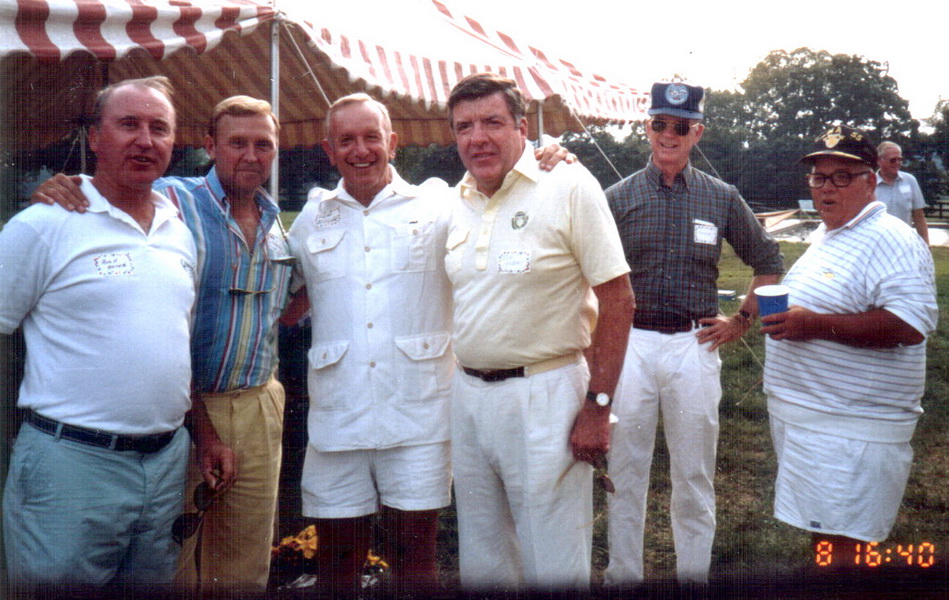
Quinn - Ed Anderson - Rich Miller -
Hilbert - Dugan - West [c1992]
* * * * * * * * * * * * * * * * * * * * * *

Rich Miller's Eagle
[Bahamas - 1992]
* * * * * * * * * * * * * * * * * * * * * *

Don Giza - Rich Miller - Joe Franklin
[35th Reunion - NOV 1990]
* * * * * * * * * * * * * * * * * * * * * *
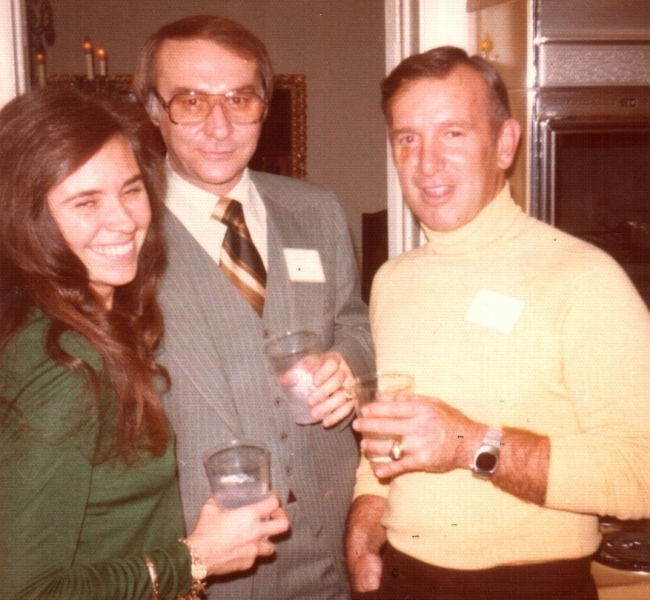
? - Giddings - Rich Miller
[c1985]
* * * * * * * * * * * * * * * * * * * * * *

Livesay - Anderson - Law - Joe Franklin - Fleming - Pettet
Rich Miller - Hawkins - McWilliams - Skaff [1985 Reunion]
* * * * * * * * * * * * * * * * * * * * * *

Rich Miller's - Connie Franklin - Strati
[c1985]
* * * * * * * * * * * * * * * * * * * * * *
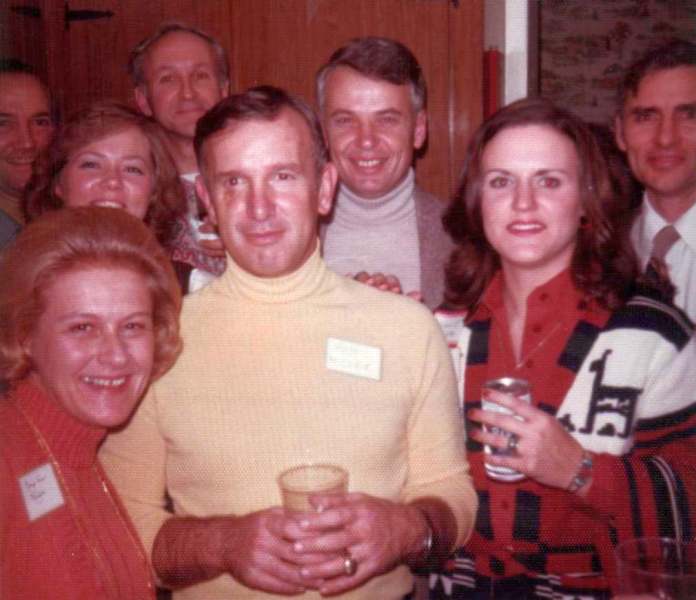
Peters - Sloan - Rich Miller's- Newton -
Strati - Ladies [c1985]
* * * * * * * * * * * * * * * * * * * * * *
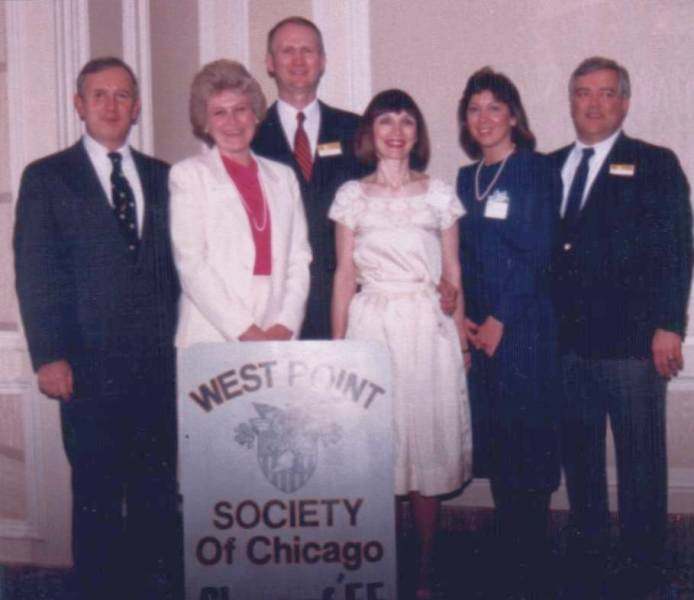
Rich Miller's - Strom's - ?
[Chicago FD - c1985]
* * * * * * * * * * * * * * * * * * * * * *
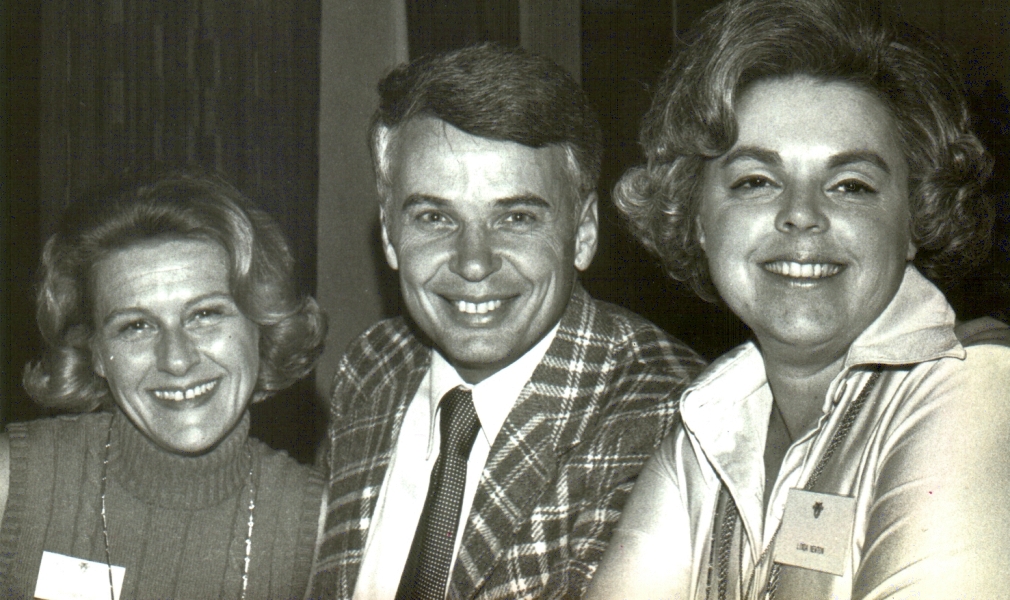
Mary Ann Miller and Newton's
[c1984]
* * * * * * * * * * * * * * * * * * * * * *
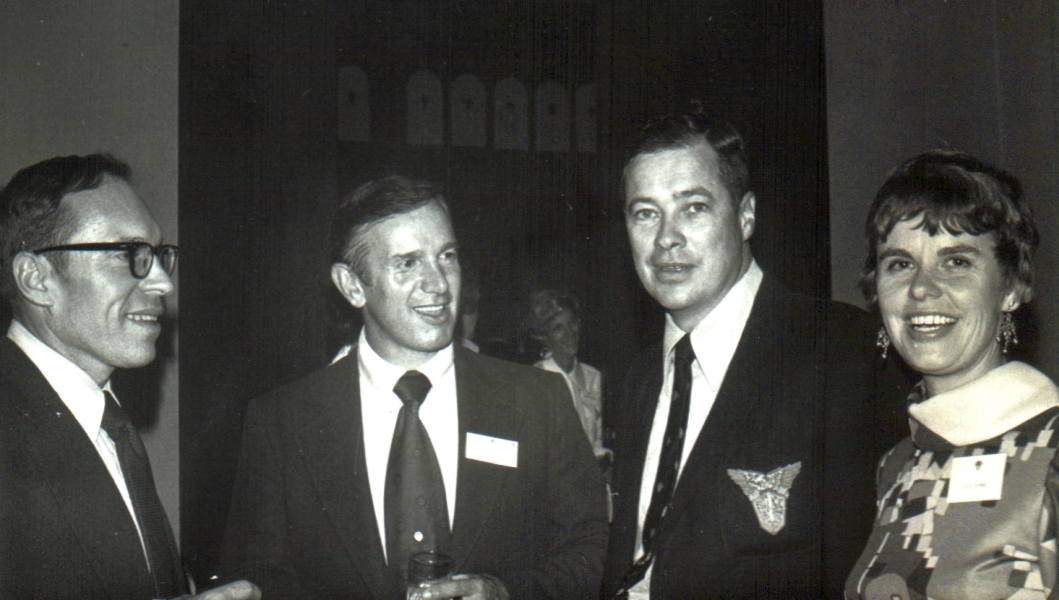
LaFrenz - Rich Miller - Raymond's
[c1984]
* * * * * * * * * * * * * * * * * * * * * *

|
* * * * * * * * * * * * * * * * * * * * * *
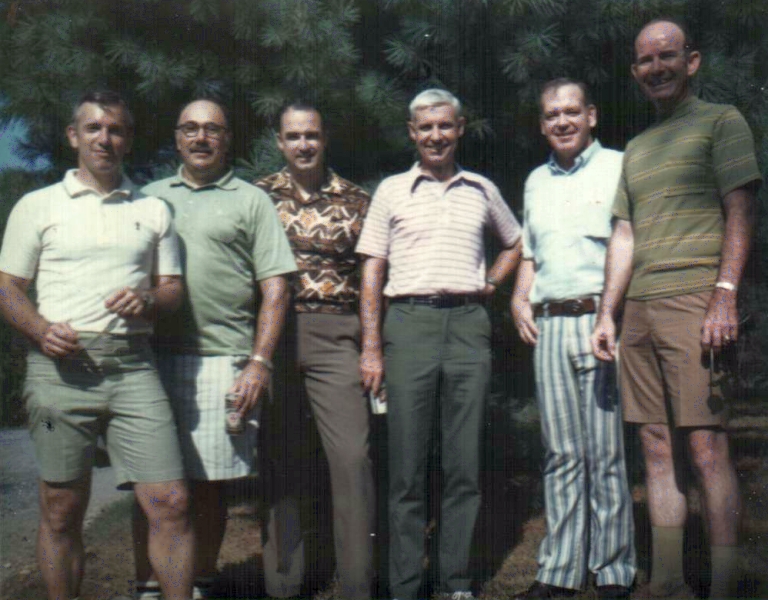
Rich Miller - Booras - Gay - Fiscus -
Drummond - Horst [c1970's]
* * * * * * * * * * * * * * * * * * * * * *
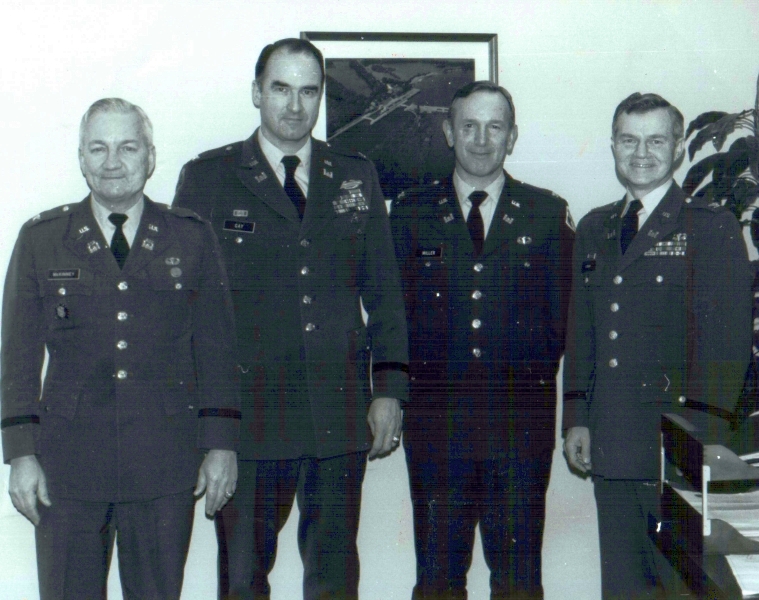
McKinney - Gay - Rich Miller - Ludwig
[c1970's]
* * * * * * * * * * * * * * * * * * * * * *

Rich Miller - Al Sheldon - Quent Bates
[Hawaii - 1956]
* * * * * * * * * * * * * * * * * * * * * *

Al Sheldon - Rich Miller - Quent Bates
[Hawaii - 1956]
* * * * * * * * * * * * * * * * * * * * * *

Al Sheldon - Rich Miller - Quent Bates
[Hawaii - 1956]
* * * * * * * * * * * * * * * * * * * * * *

'55 Engineer Officer's Basic Course |
Larger Size
* * * * * * * * * * * * * * * * * * * * * *
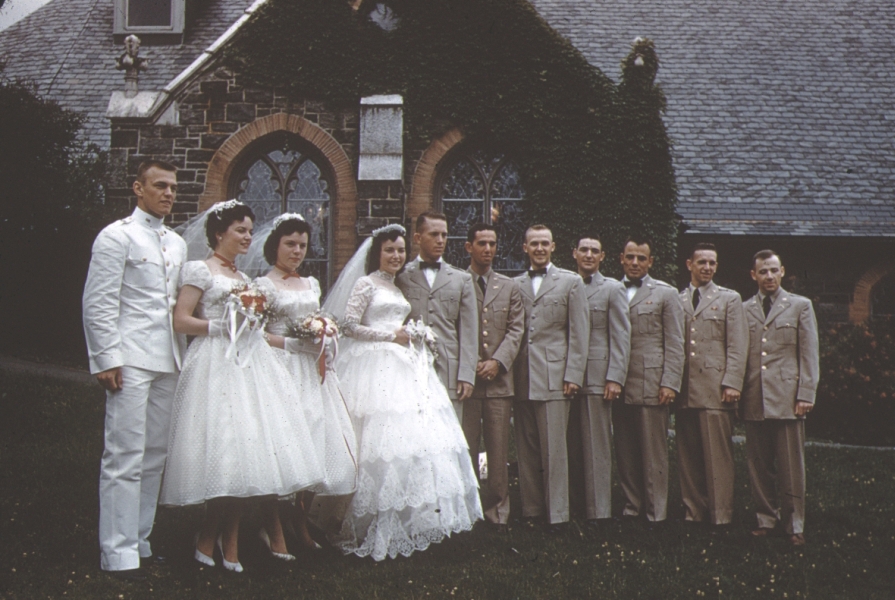
Deluga '57 - Ann and Pat Collier (Ronnie's sisters) - Ronnie and Bill McWilliams - Brunstein - Ed Anderson - Hock (Best Man) - Knieriem - Rich Miller - Pettet [West Point Catholic Chapel - 8 JUN 1955] |
* * * * * * * * * * * * * * * * * * * * * *

McWilliams Wedding - Pat Collier (Ronnie's youngest sister) - Ann Collier (Ronnie's older sister - Dave Pettet - Rich Miller - Bill Hock [Catholic Chapel - West Point - NY - 8 June 1955] |
* * * * * * * * * * * * * * * * * * * * * *

K-1 Firsties - 1st Row: Skaff - Raynal - Joe Franklin - Rich Miller - Knieriem - Wayne Smith - Law - 2nd Row: Torrence (CO) - Steinman - Napier - Brunstein - McWilliams - 3rd Row: Guthrie - Hock - Livesay - Pettet - Ed Anderson - 4th Row: Jerry Hawkins - Funkhouser - Fleming (Absent: Gransback) |
* * * * * * * * * * * * * * * * * * * * * *

[1954 Army Football Team]
* * * * * * * * * * * * * * * * * * * * * *
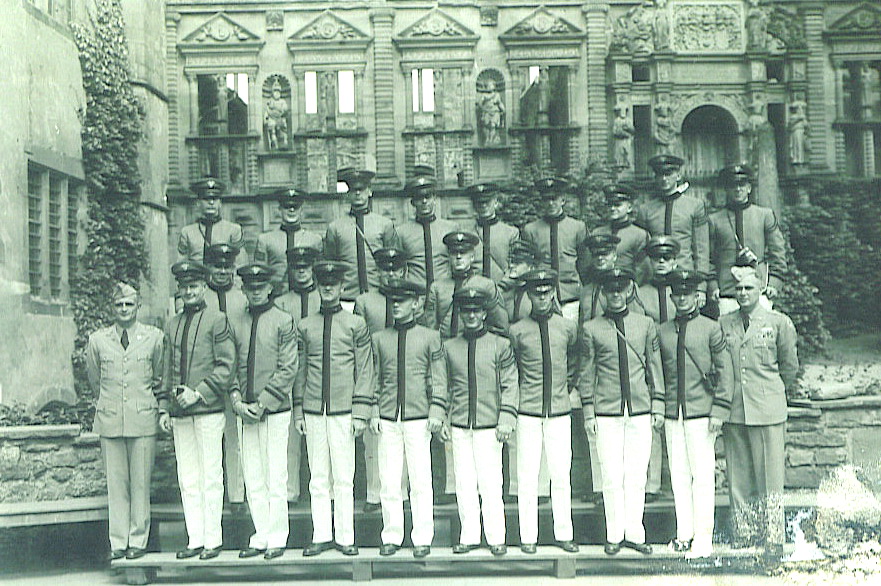
Front row: Col. Fraser - Dulk - Bossert - Smetana - Straus - Fikaris - Gilpatrick - Cathey - Jacobs - Maj. McCanna - 2nd row: Donald - Raymond - Garn - Bates - Dorward - Eddins - Wix - 3rd Row: Fetko - Lovell - Ginter - Karam - Geran - Hergenroder - Ludwig - Rock - Rich Miller [1954 Firstie Trip] |
* * * * * * * * * * * * * * * * * * * * * *

Rich Miller - Knieriem - Joe Franklin - Steinman
[1953]
(Updated JUL 2019) |
How I got to West PointBy Rich Miller, K-1 |


Once more luck was with me. During football practice before the Michigan game in 1954, I got a brain concussion and coach, Vince Lombardi, told me I wouldn't suit up for the game. The doctors at the West Point hospital let me travel to Ann Arbor with the rest of the First Class. On arrival I was able to contact a boyhood friend, Scotty Crisler (His dad happened to be the famed Michigan football coach and athletic director). I met my future wife, Mary Ann, on the blind date Scotty arranged because I was in the grandstand with the rest of the First Class in Ann Arbor, instead of sitting with the team on a bench in the Michigan Stadium where I would have been if I had not had a brain concussion. I knew Scotty because the Army had sent my dad to run the JAG School at the U of M during WWII. How lucky can one get! Army beat Michigan (26 to 7) and I took Mary Ann to a fraternity beer party after the game. I drank beer while the rest of the football team flew back to West Point. Mary Ann and I sat on blankets around a bonfire in a farmer's field behind the Michigan campus. Even with a brain concussion, I had the good sense to scrawl her address on a napkin before she took me to the train to go back to West Point at midnight....... but that's a story for 'How I Met My Wife'. |
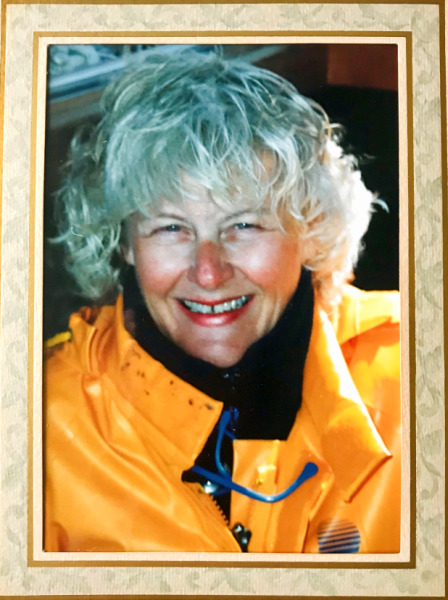
Mary Ann Miller
October 10, 1934 - January 9, 2020
The Fairfax, Fort Belvoir, Virginia
Local Classmate Assistant (LCA) Information
Preferred Charity: Fisher House 111 Rockville Pike, Suite 420 Rockville, MD 20850-5168 Suggested LCA: Joe Franklin |