

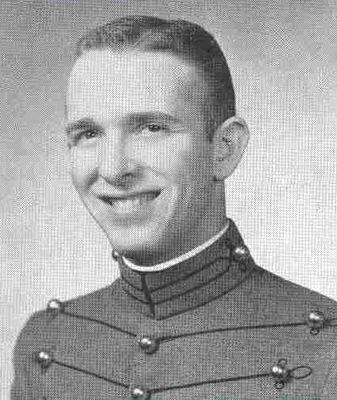
Larry Michalove
[14 FEB 1933 - D2 - 20391]
We Can Be Heroes Foundation
Unsung Hero
* * * * * * * * * * * * * * * * * * * * * *

Sybil and Larry Michalove at their new Home
[Ponte Vedra, FL - Grandparent's Day 2021]
* * * * * * * * * * * * * * * * * * * * * *
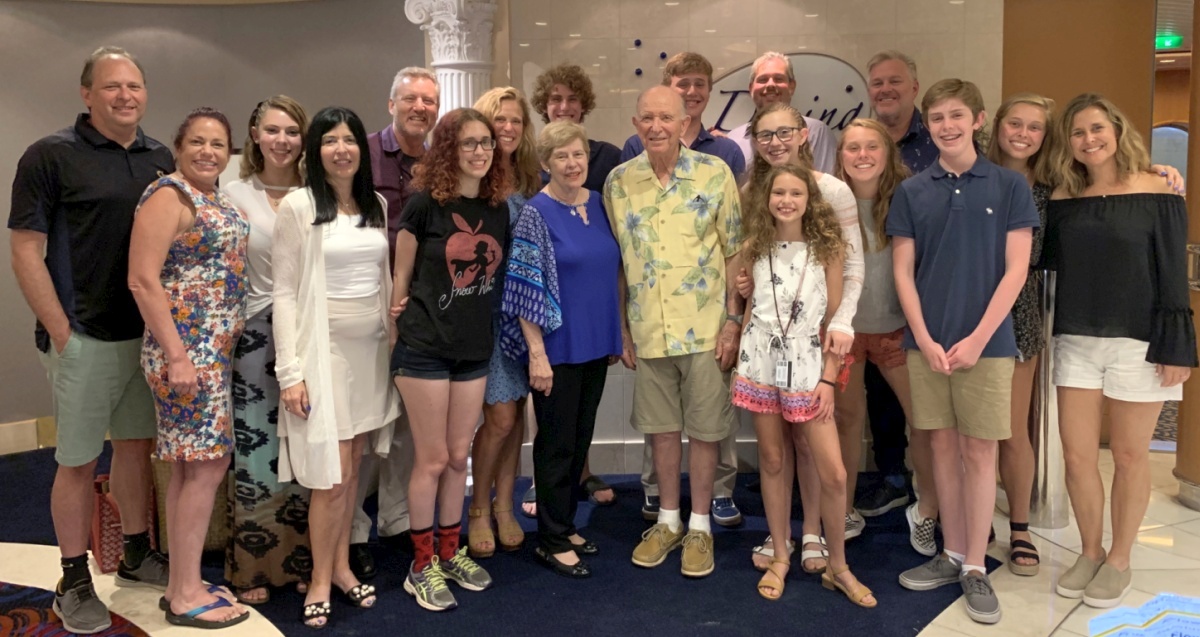
Michalove Family Caribbean cruise
[59th wedding anniversary celebration - AUG 2019]
* * * * * * * * * * * * * * * * * * * * * *
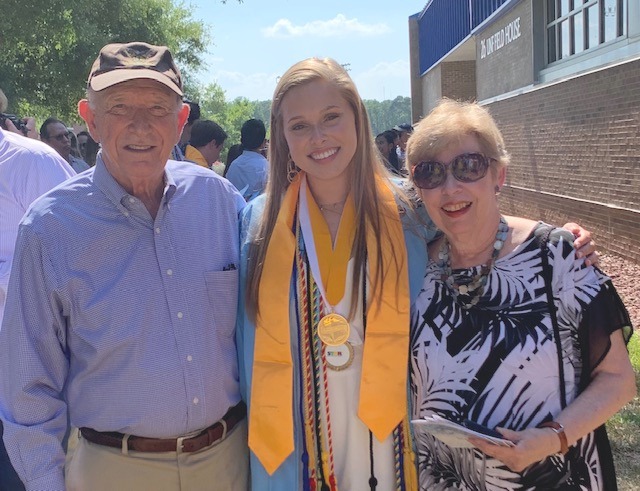
Larry and Sybil Michalove and granddaughter, Grace Freedman
[Ponte Vedra, FL high school valedictorian - MAY 2019]
* * * * * * * * * * * * * * * * * * * * * *
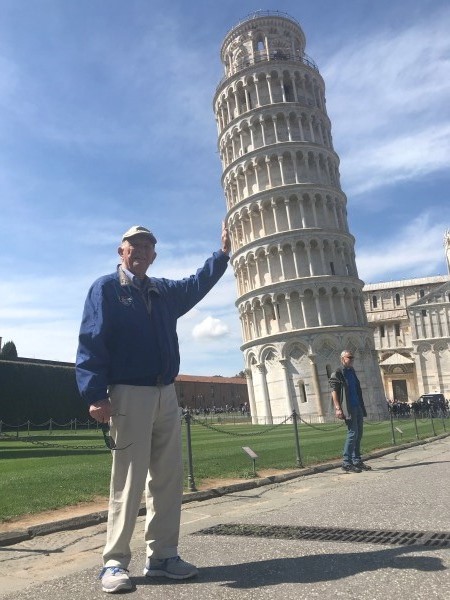
Larry Michalove
[Italy Trip - APR 2019]
* * * * * * * * * * * * * * * * * * * * * *
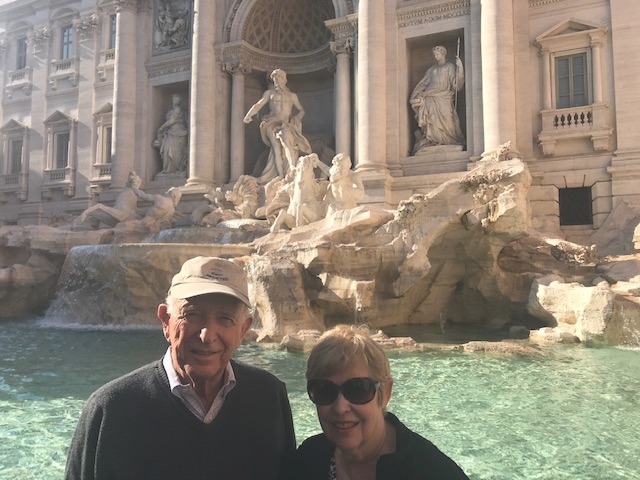
Larry and Sybil Michalove
[Italy Trip - APR 2019]
* * * * * * * * * * * * * * * * * * * * * *
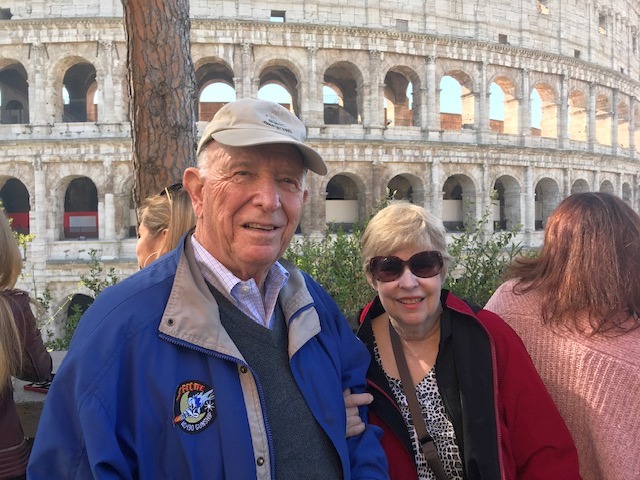
Larry and Sybil Michalove
[Italy Trip - APR 2019]
* * * * * * * * * * * * * * * * * * * * * *
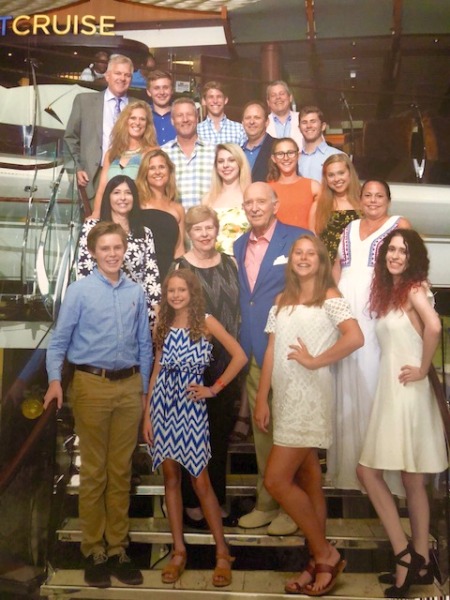
Larry and Sybil Michalove and family celebrate his 85th birthday
[Royal Caribbeans Oasis of the Seas - JUL 2018]
* * * * * * * * * * * * * * * * * * * * * *
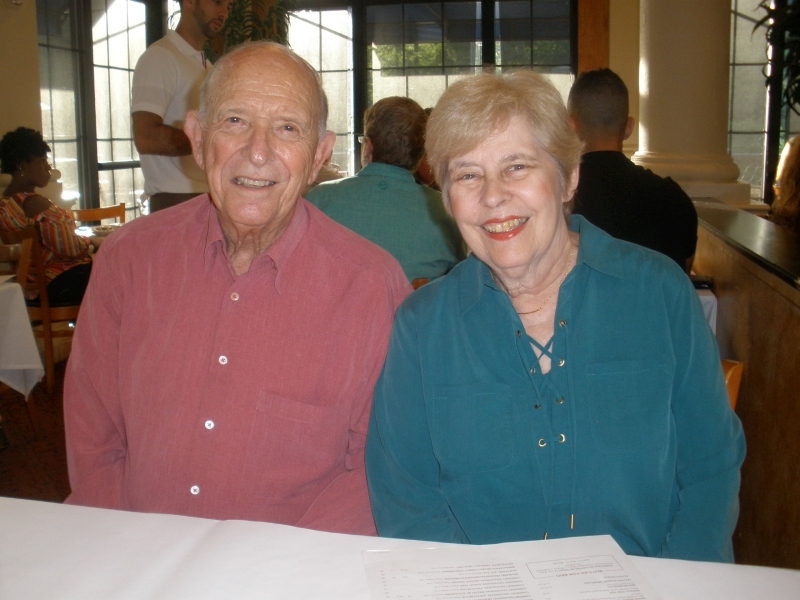
Larry and Sybil Michalove celebrate their 58th Anniversary
[Brios Restaurant, Mountain Brook AL - JUN 2018]
* * * * * * * * * * * * * * * * * * * * * *
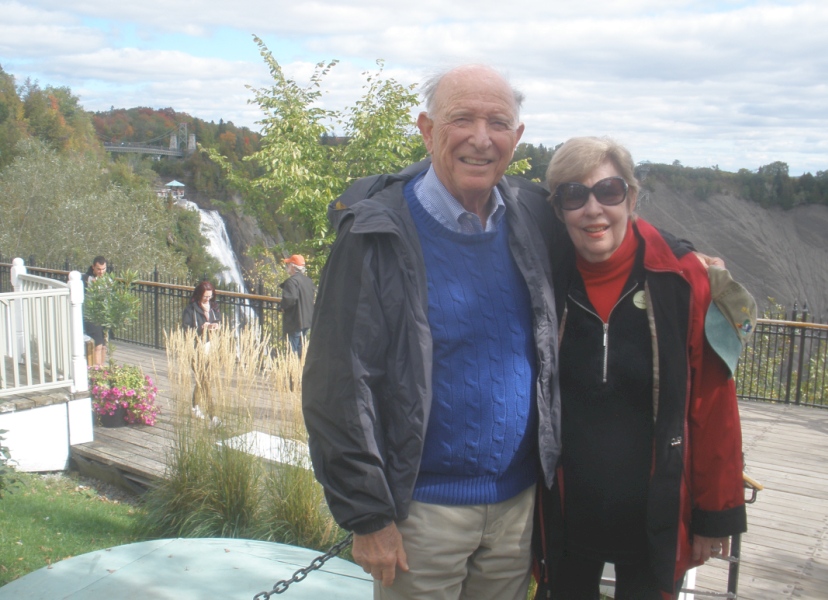
Larry and Sybil Michalove aboard the Queen Mary 2
[Montmorency Falls near Quebec City, Canada - OCT 2017]
* * * * * * * * * * * * * * * * * * * * * *
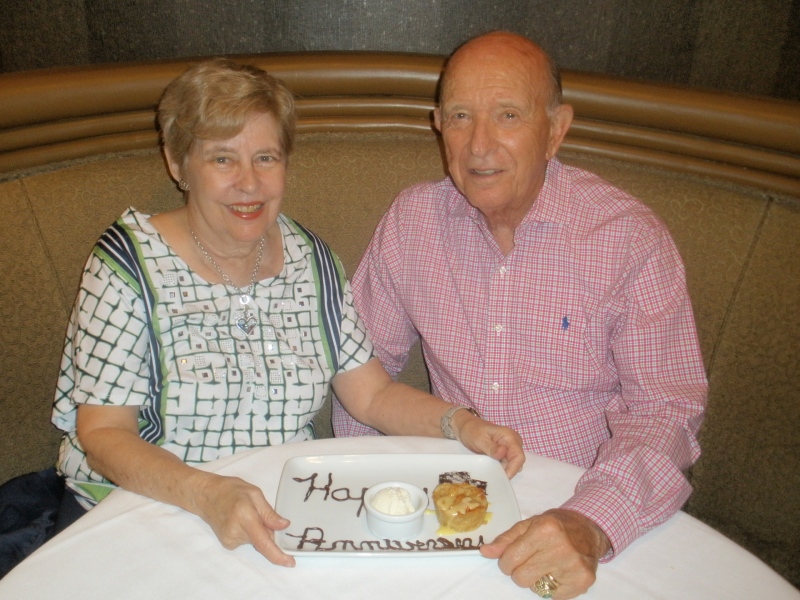
Sybil and Larry Michalove
[57th Anniversary - JUN 2017]
* * * * * * * * * * * * * * * * * * * * * *
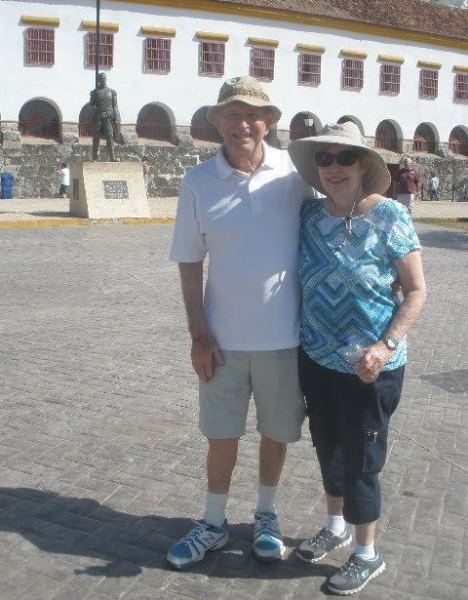
Larry and Sybil Michalove sailing aboard the MS Zuiderdam
[Cartagena - Colombia Naval Museum - JAN 2017]
* * * * * * * * * * * * * * * * * * * * * *

Enslow's and Michalove's
[Atlanta Botanical Gardens/Chihuly - MAY 2016]
* * * * * * * * * * * * * * * * * * * * * *
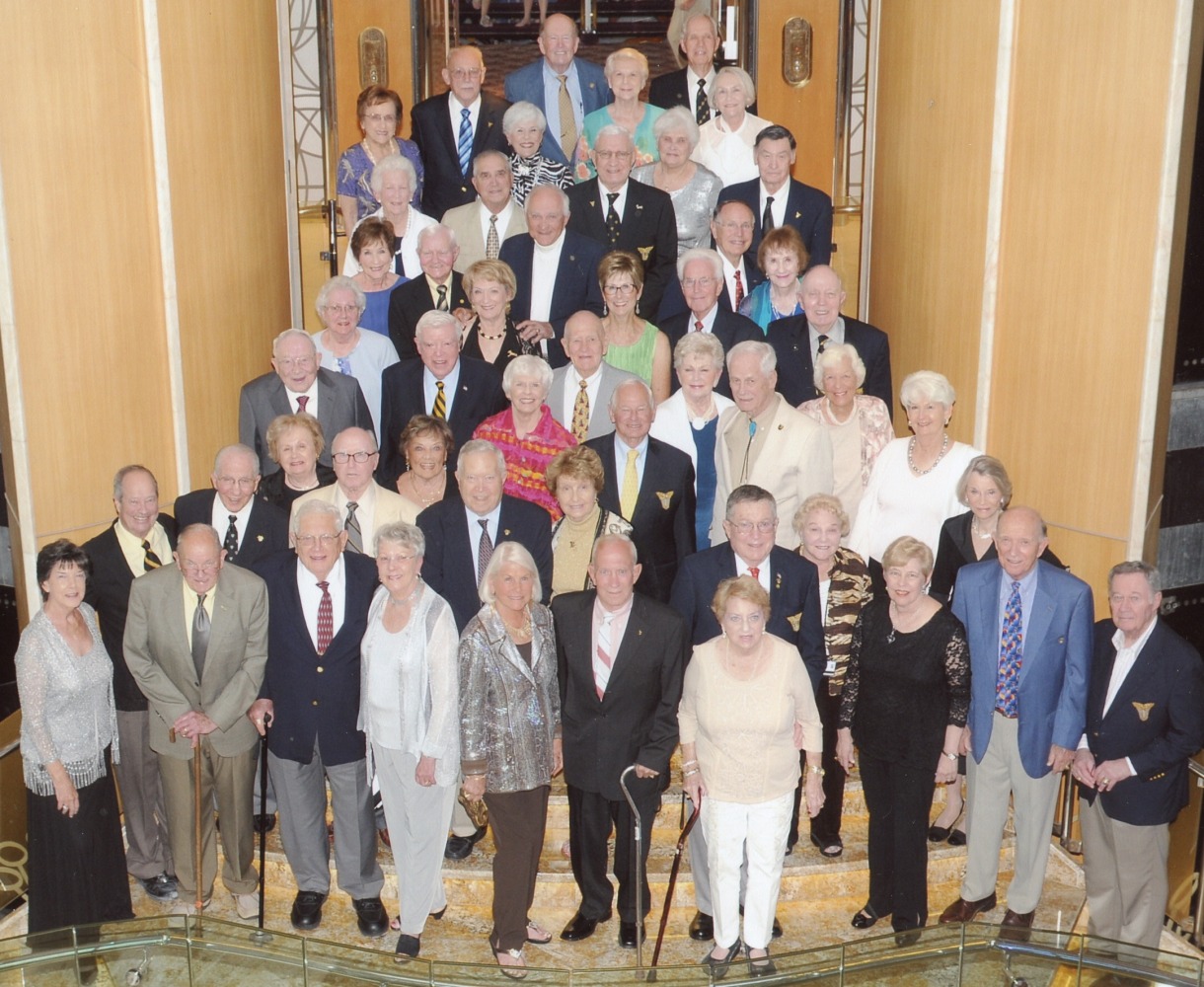
['55 Mini-Cruise: APR 2016]
* * * * * * * * * * * * * * * * * * * * * *
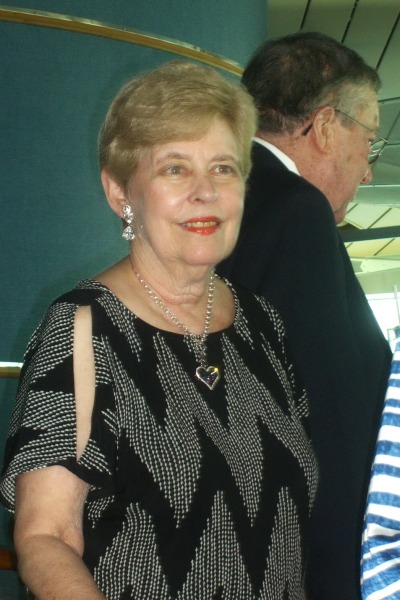
Sybil Michalove and Jim Darrah
['55 Mini-Cruise: APR 2016]
* * * * * * * * * * * * * * * * * * * * * *
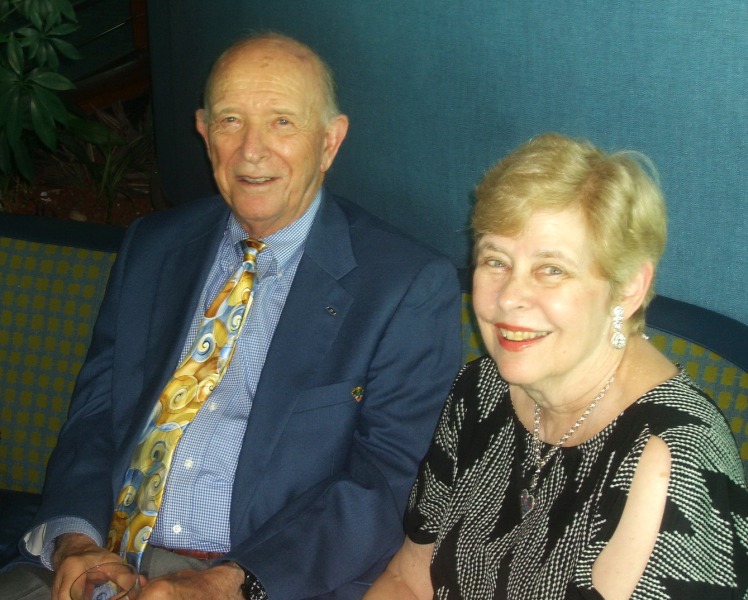
Larry and Sybil Michalove
['55 Mini-Cruise: APR 2016]
* * * * * * * * * * * * * * * * * * * * * *
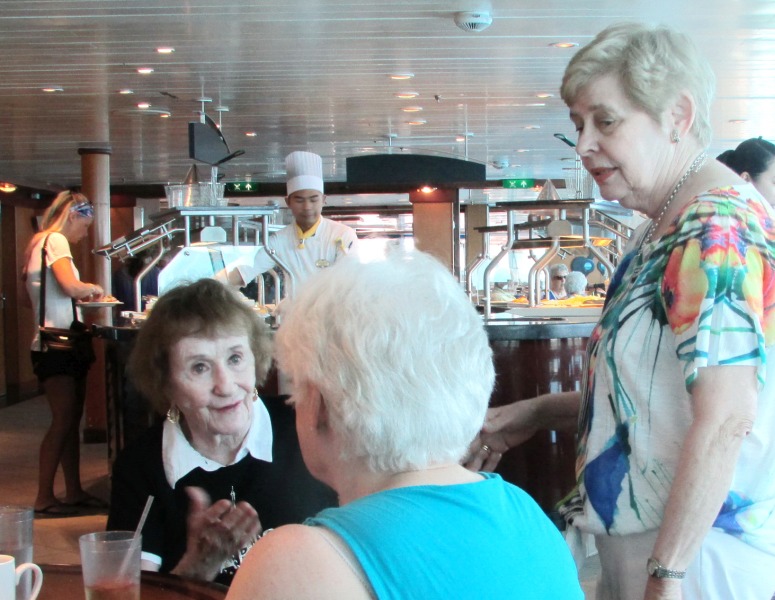
Sandy Wargowsky and Sybil Michalove
['55 Mini-Cruise: APR 2016]
* * * * * * * * * * * * * * * * * * * * * *
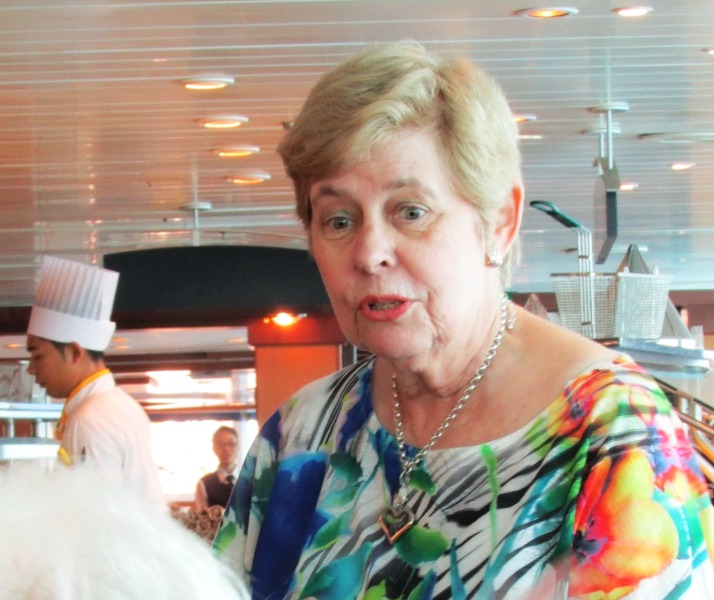
Sybil Michalove
['55 Mini-Cruise: APR 2016]
* * * * * * * * * * * * * * * * * * * * * *
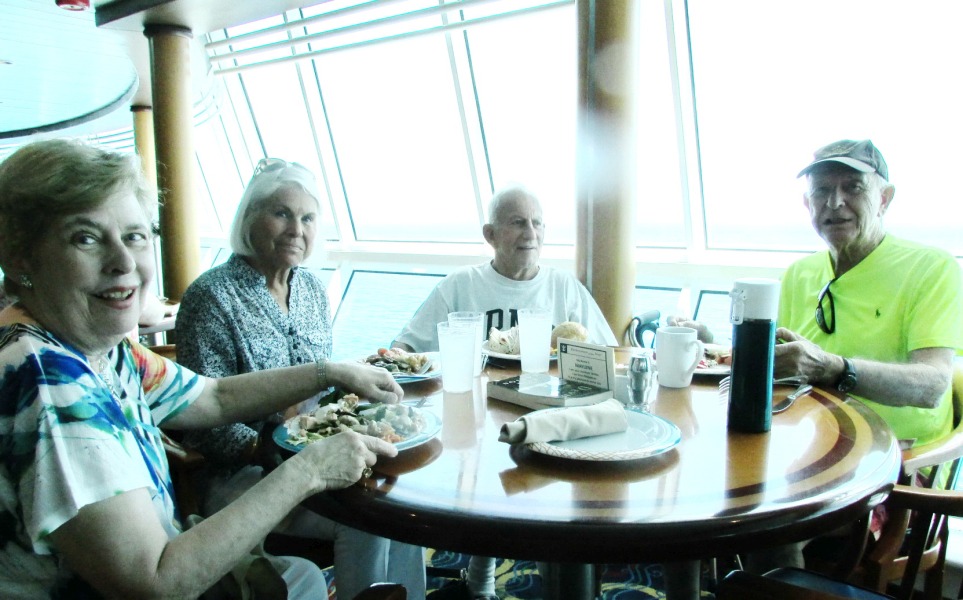
Michalove's and Meisenheimer's
['55 Mini-Cruise: APR 2016]
* * * * * * * * * * * * * * * * * * * * * *
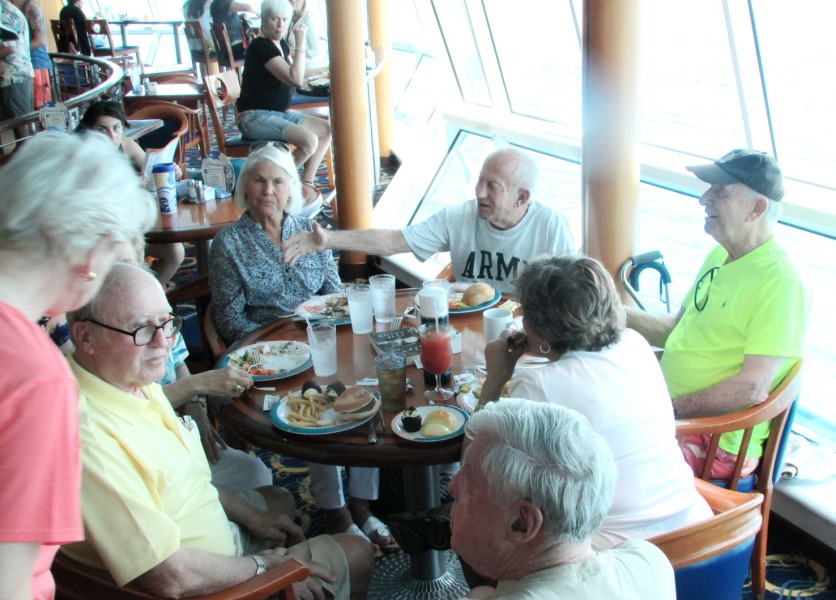
Dianne Enslow - Quinn - Meisenheimer's - Michalove - Hilbert
['55 Mini-Cruise: APR 2016]
* * * * * * * * * * * * * * * * * * * * * *
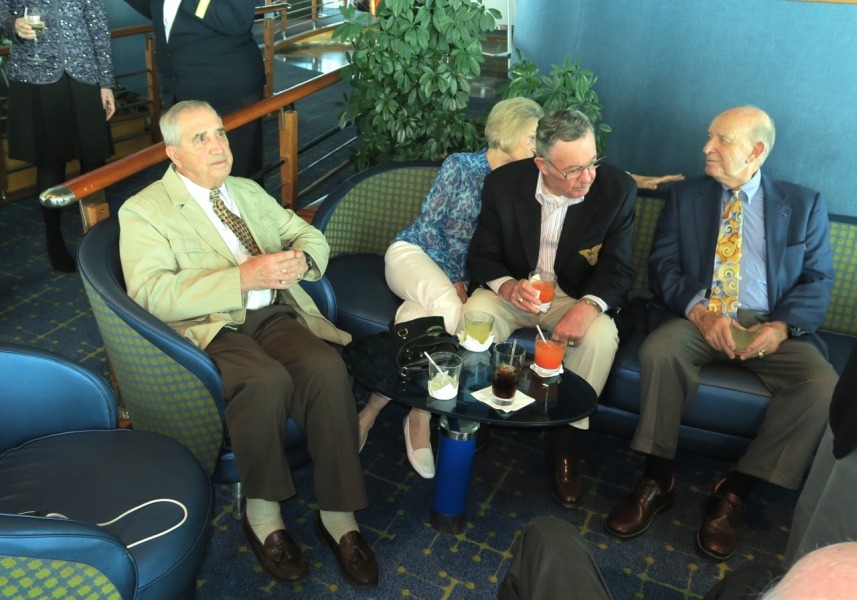
Cardillo - Werner's - Michalove
['55 Mini-Cruise: APR 2016]
* * * * * * * * * * * * * * * * * * * * * *
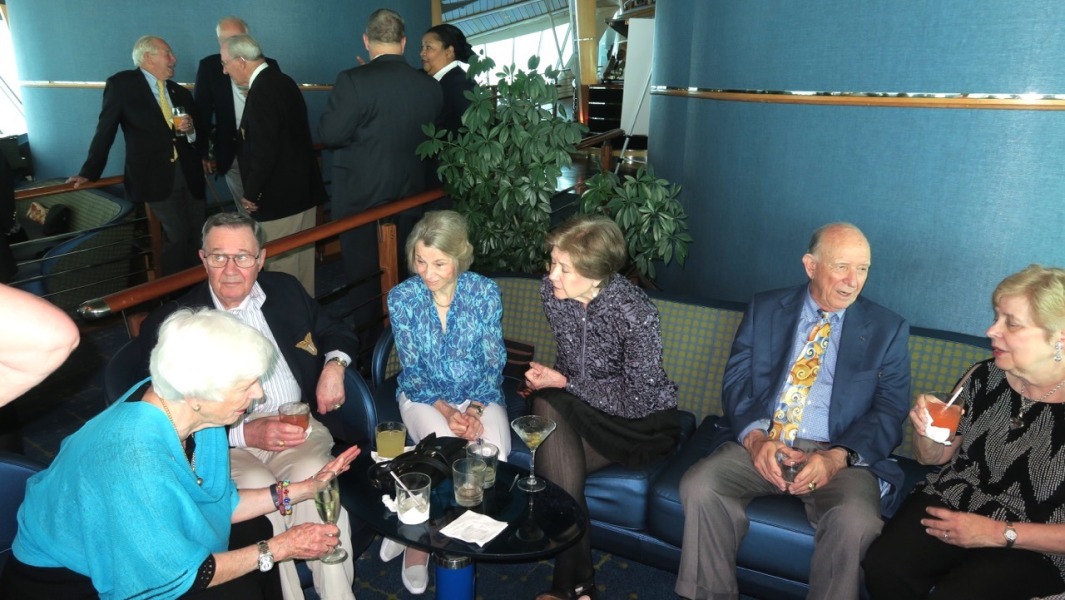
Katherine Jeter - Bob and Karin Werner - Teri Tucker - Michalove's
['55 Mini-Cruise: APR 2016]
* * * * * * * * * * * * * * * * * * * * * *
Unsung Hero
[Ponte Vedra, FL - Grandparent's Day 2021]
[59th wedding anniversary celebration - AUG 2019]
[Ponte Vedra, FL high school valedictorian - MAY 2019]
[Italy Trip - APR 2019]
[Italy Trip - APR 2019]
[Italy Trip - APR 2019]
[Royal Caribbeans Oasis of the Seas - JUL 2018]
[Brios Restaurant, Mountain Brook AL - JUN 2018]
[Montmorency Falls near Quebec City, Canada - OCT 2017]
[57th Anniversary - JUN 2017]
[Cartagena - Colombia Naval Museum - JAN 2017]
[Atlanta Botanical Gardens/Chihuly - MAY 2016]
['55 Mini-Cruise: APR 2016]
['55 Mini-Cruise: APR 2016]
['55 Mini-Cruise: APR 2016]
['55 Mini-Cruise: APR 2016]
['55 Mini-Cruise: APR 2016]
['55 Mini-Cruise: APR 2016]
['55 Mini-Cruise: APR 2016]
['55 Mini-Cruise: APR 2016]
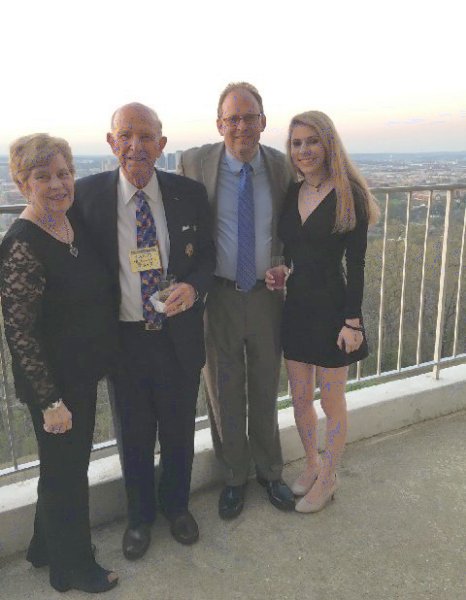
Larry and Sybil Michalove attending Founders Day with son David and Granddaughter Sarah at 'The Club' atop Red Mountain in Birmingham - Alabama [MAR 2016] |
* * * * * * * * * * * * * * * * * * * * * *
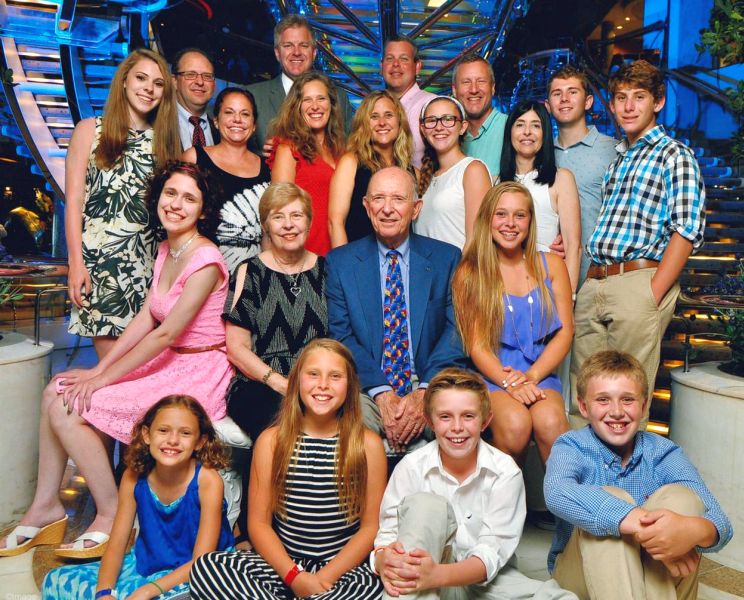
Larry and Sybil Michalove's 55th Anniversary Family Cruise
[JUL 2015]
* * * * * * * * * * * * * * * * * * * * * *
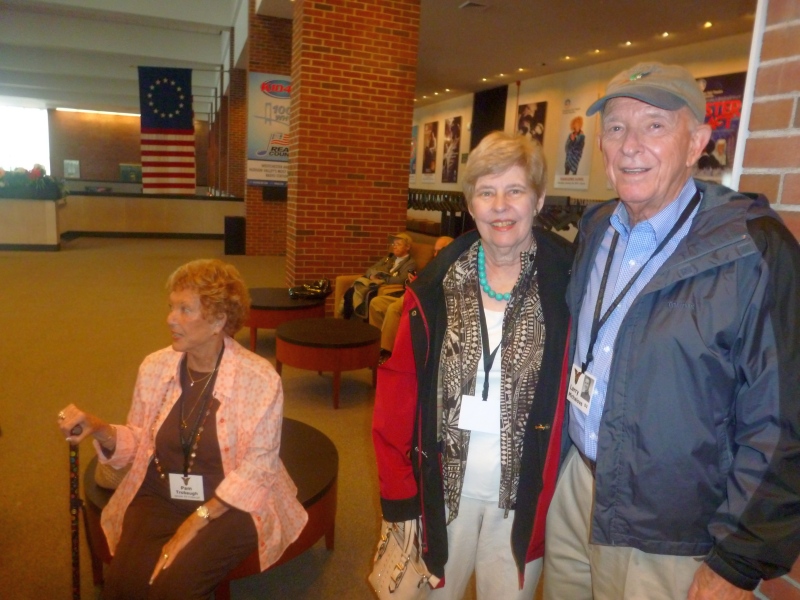
Pam Trobaugh and Michalove's
[60th Reunion - May 2015]
* * * * * * * * * * * * * * * * * * * * * *
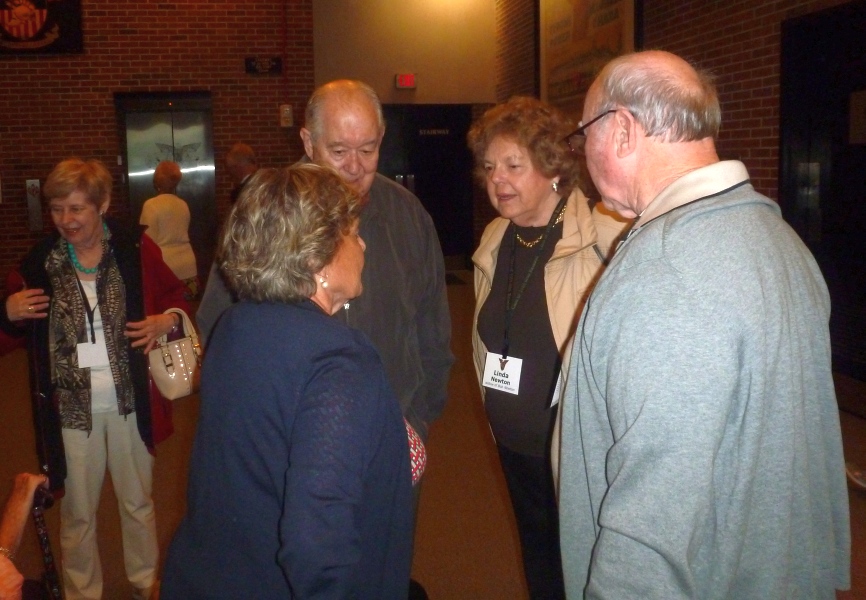
Sybil Michalove - Jack Doyle - Linda Newton - Quinn's
[60th Reunion - May 2015]
* * * * * * * * * * * * * * * * * * * * * *
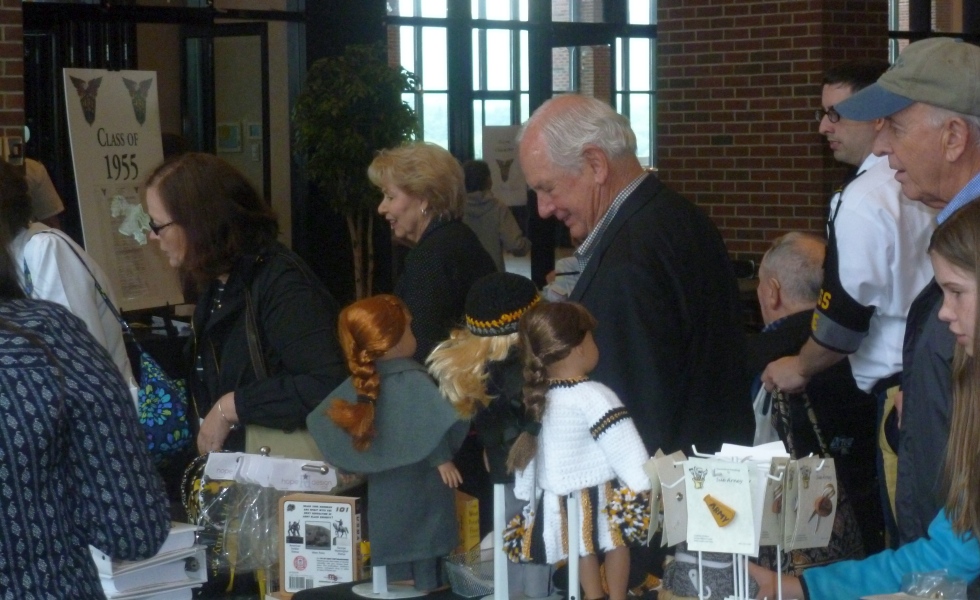
John Feagin and Michalove's
[60th Reunion - May 2015]
* * * * * * * * * * * * * * * * * * * * * *
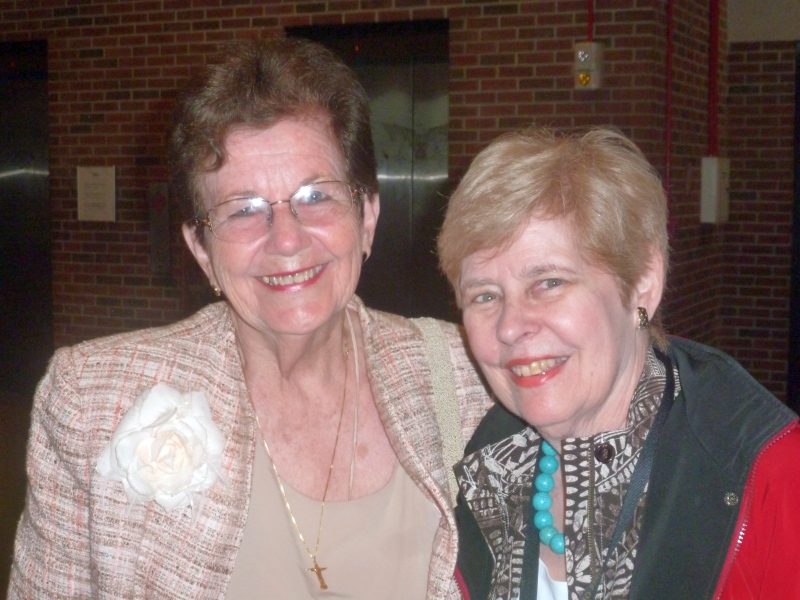
Ruth Sloan and Sybil Michalove
[60th Reunion - May 2015]
* * * * * * * * * * * * * * * * * * * * * *
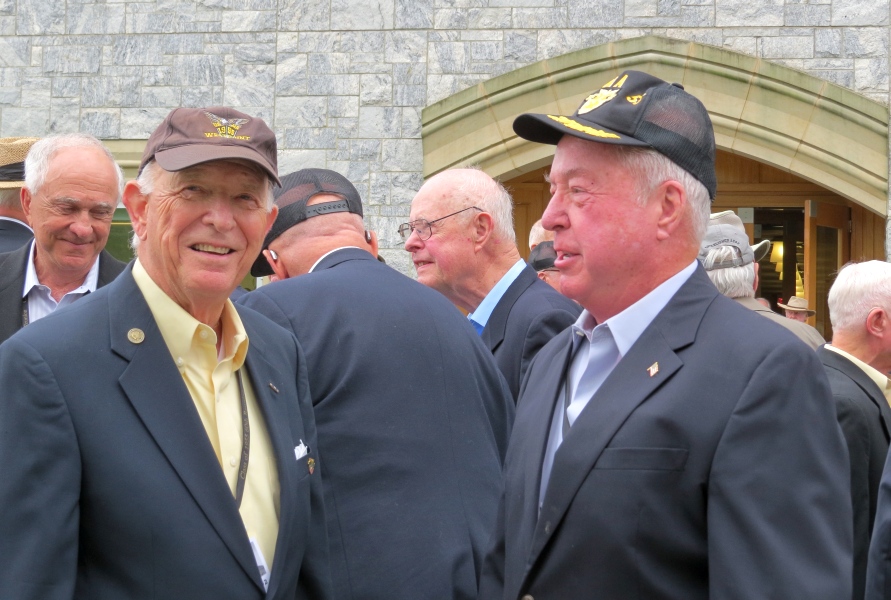
Pirkey - Michalove - Finley - Phillips
[60th Reunion - May 2015]
* * * * * * * * * * * * * * * * * * * * * *
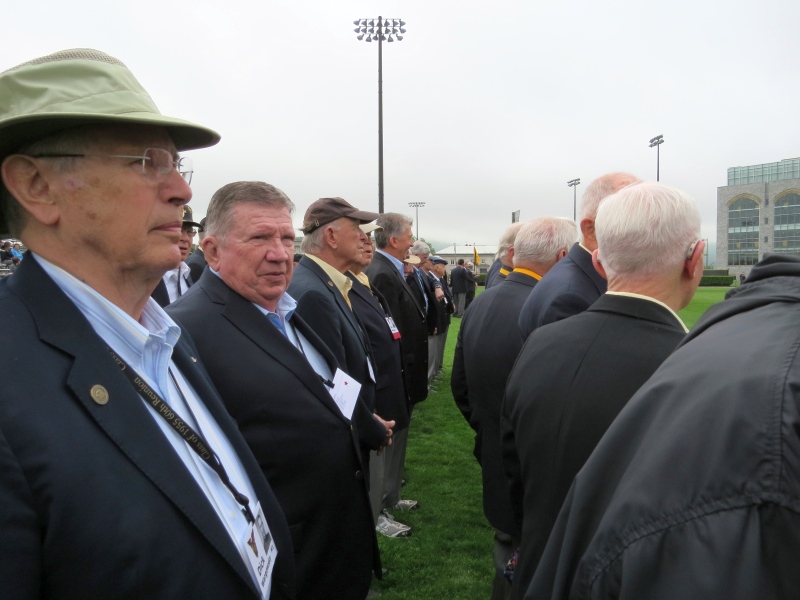
Wargowsky - Secord - Michalove - Bergen
[60th Reunion - May 2015]
* * * * * * * * * * * * * * * * * * * * * *
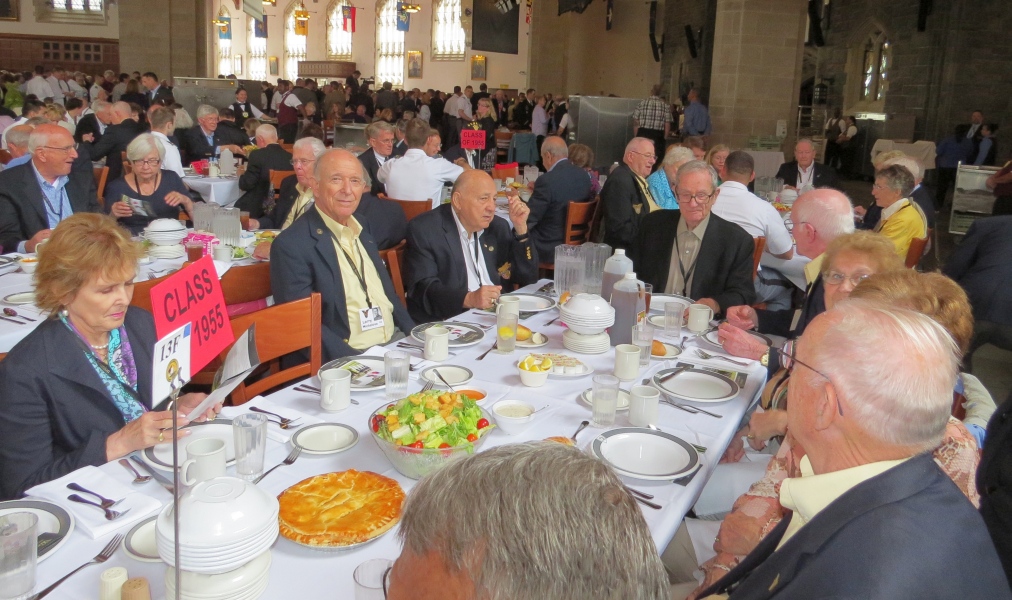
Carol Riggs - Michalove - Pemberton - Lilly
[60th Reunion - May 2015]
* * * * * * * * * * * * * * * * * * * * * *
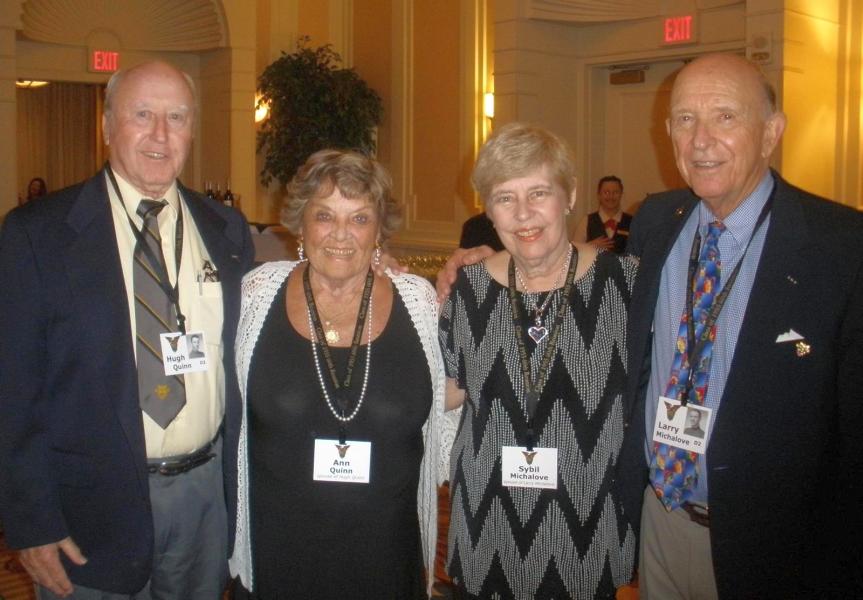
Quinn's and Michalove's
[60th Reunion - May 2015]
* * * * * * * * * * * * * * * * * * * * * *
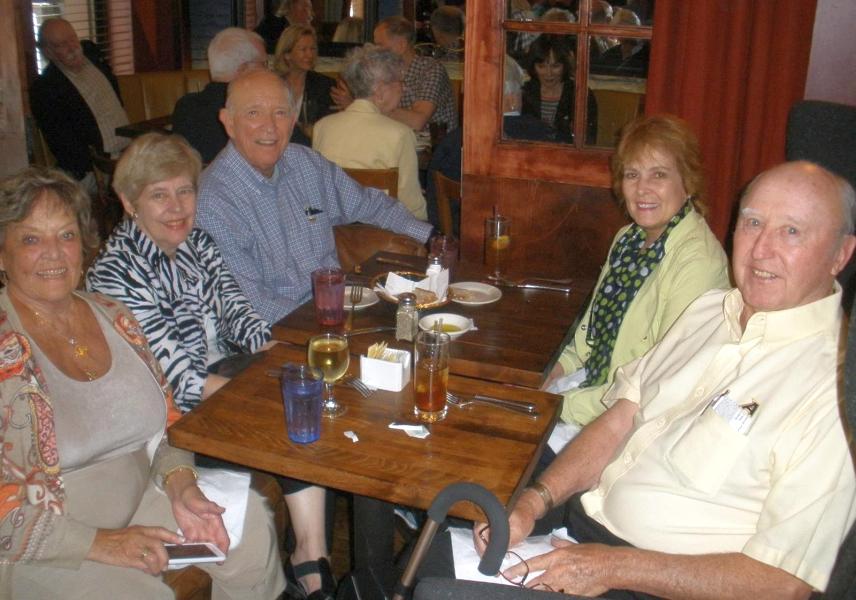
Quinn's - Michalove's - Carol Riggs
[60th Reunion - May 2015]
* * * * * * * * * * * * * * * * * * * * * *
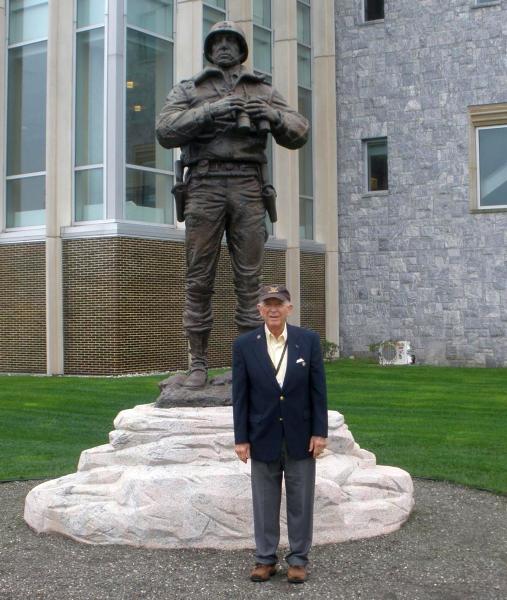
Larry Michalove
[60th Reunion - May 2015]
* * * * * * * * * * * * * * * * * * * * * *
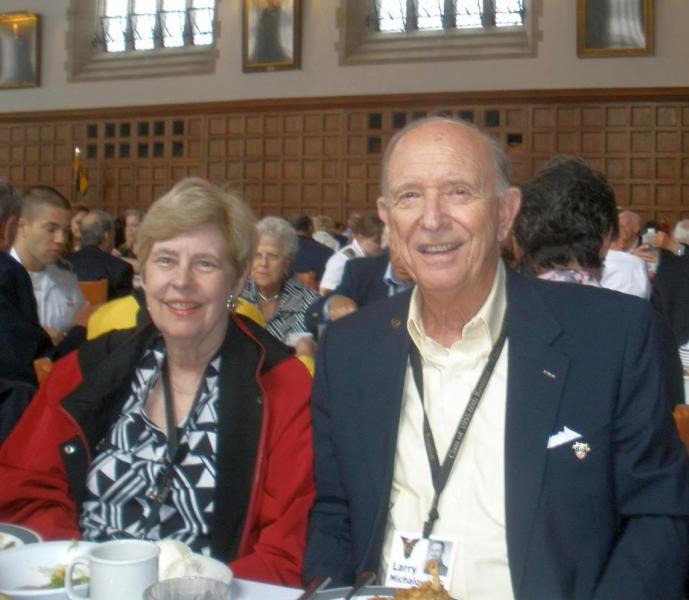
Michalove's
[60th Reunion - May 2015]
* * * * * * * * * * * * * * * * * * * * * *
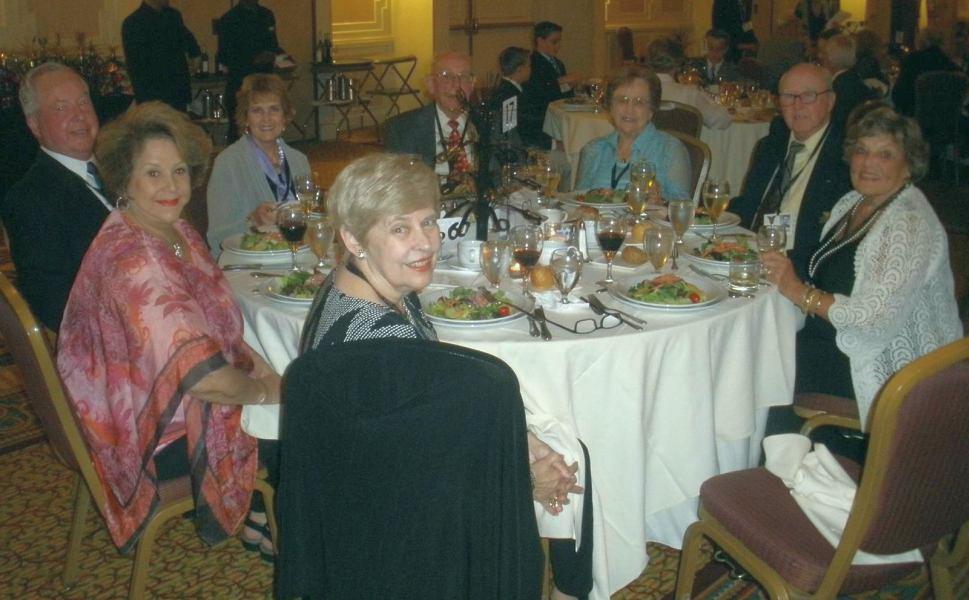
Phillips' - Carol Riggs - Sybil Michalove - McCulla's -
Quinn's [60th Reunion - May 2015]
* * * * * * * * * * * * * * * * * * * * * *
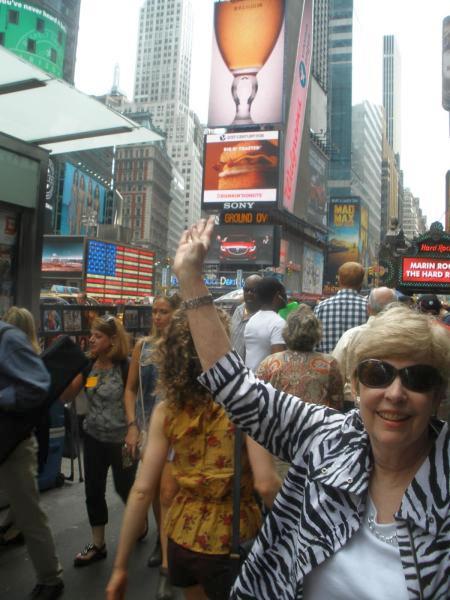
Sybil Michalove @ Times Square
[60th Reunion - May 2015]
* * * * * * * * * * * * * * * * * * * * * *
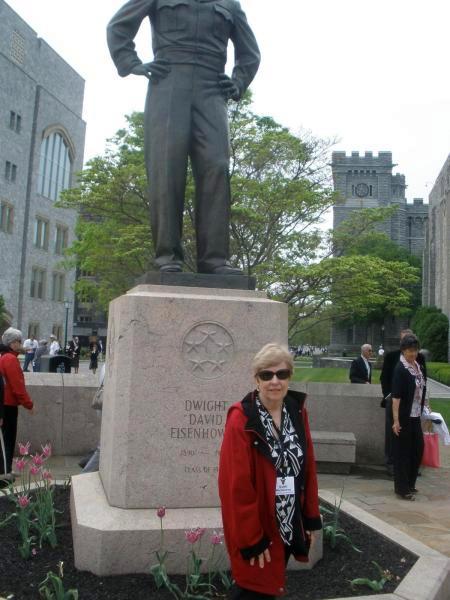
Sybil Michalove and part of 'Ike"
[60th Reunion - May 2015]
* * * * * * * * * * * * * * * * * * * * * *
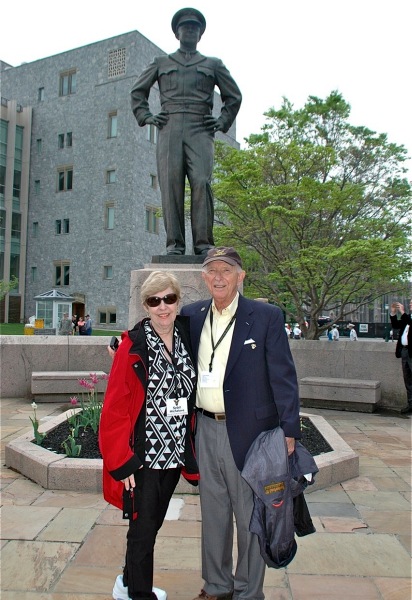
Michalove's
[60th Reunion - May 2015]
* * * * * * * * * * * * * * * * * * * * * *
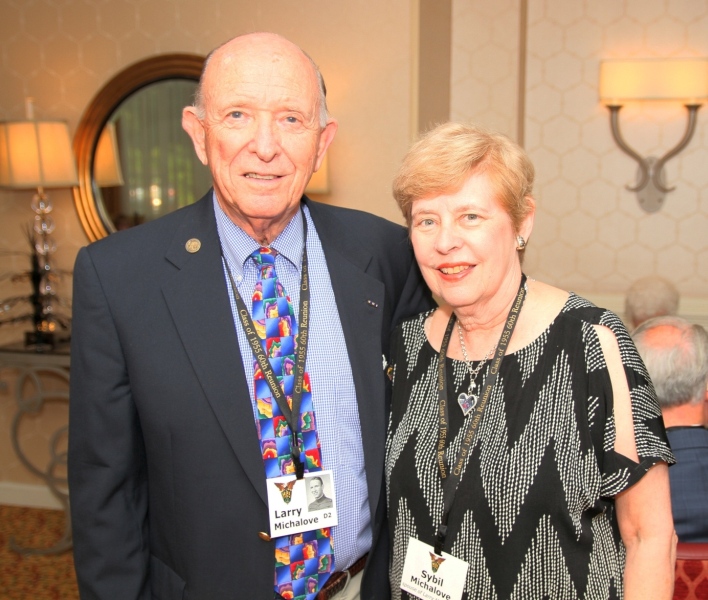
Michalove's
[60th Reunion - May 2015]
* * * * * * * * * * * * * * * * * * * * * *
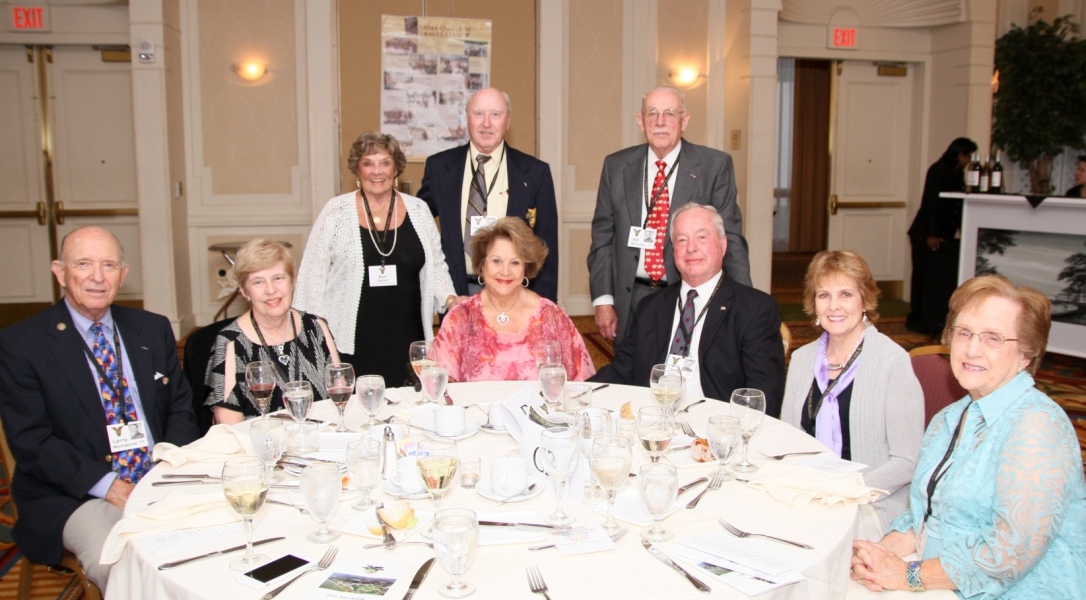
Michalove's - Quinn's - Phillips' - McCulla's - Carol Riggs
[60th Reunion - May 2015]
* * * * * * * * * * * * * * * * * * * * * *
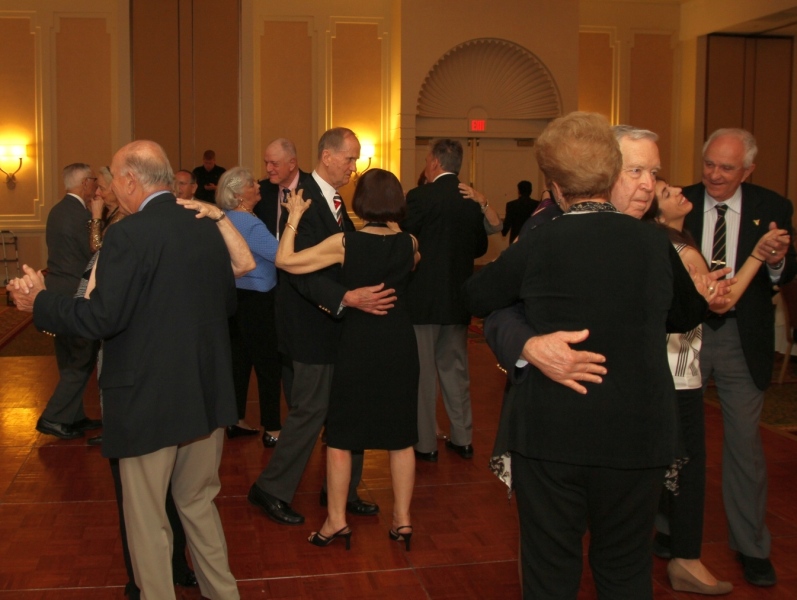
Michalove's - Lynn's - Strom's - Wheeler's - Nicole
Vitale and Fred Pirkey [60th Reunion - May 2015]
* * * * * * * * * * * * * * * * * * * * * *
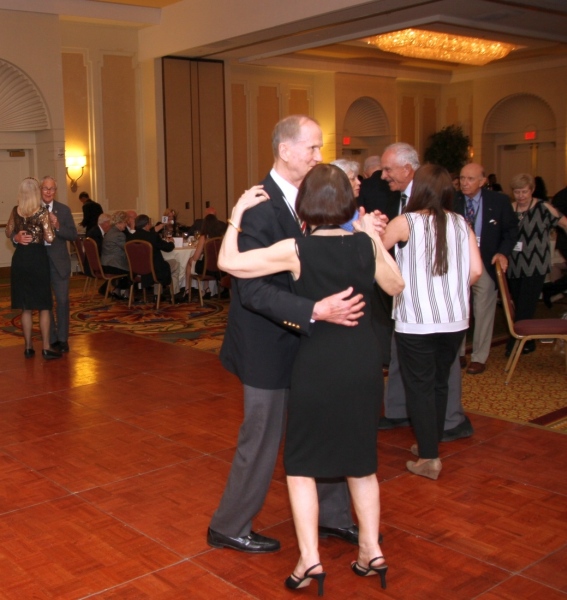
Hasbrouck's - Strom's - Pirkey - Nicole Vitale - Michalove's
[60th Reunion - May 2015]
* * * * * * * * * * * * * * * * * * * * * *
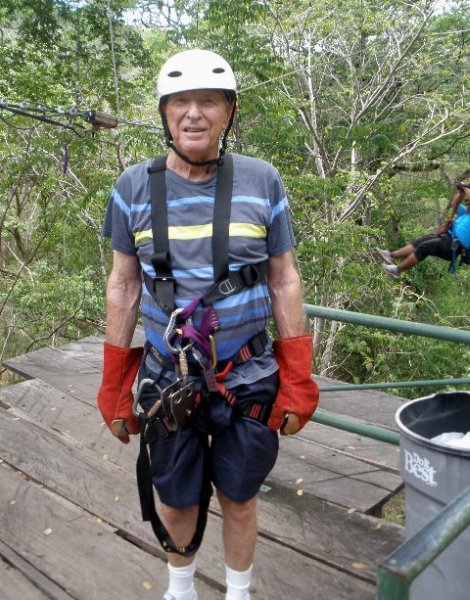
Larry Michalove Zip Lining
[Costa Rica - AUG 2014]
* * * * * * * * * * * * * * * * * * * * * *
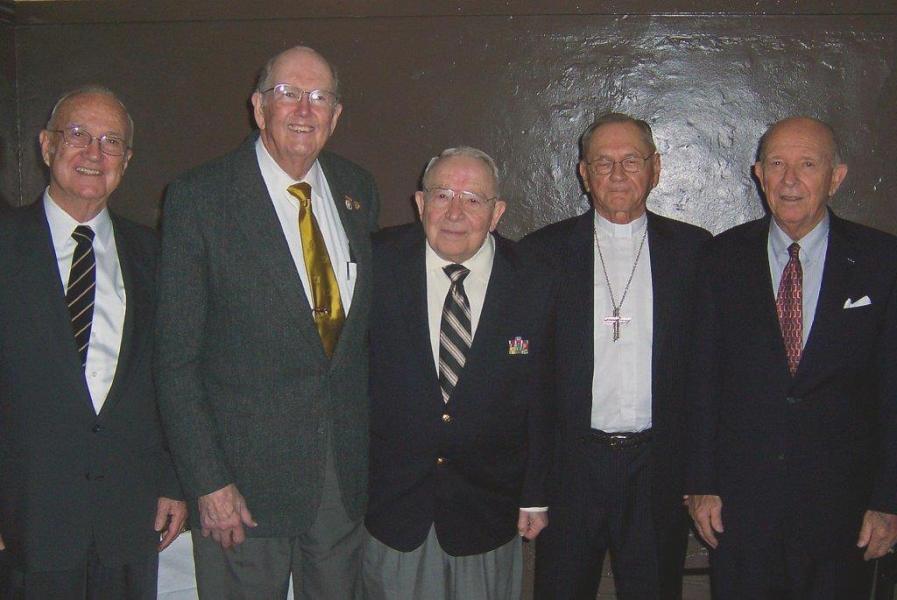
Bill Peters - Phil Enslow - Bill Haas - Dick Hoeferkamp -
Larry Michalove [Buddy Roberts Funeral - JAN 2014]
* * * * * * * * * * * * * * * * * * * * * *
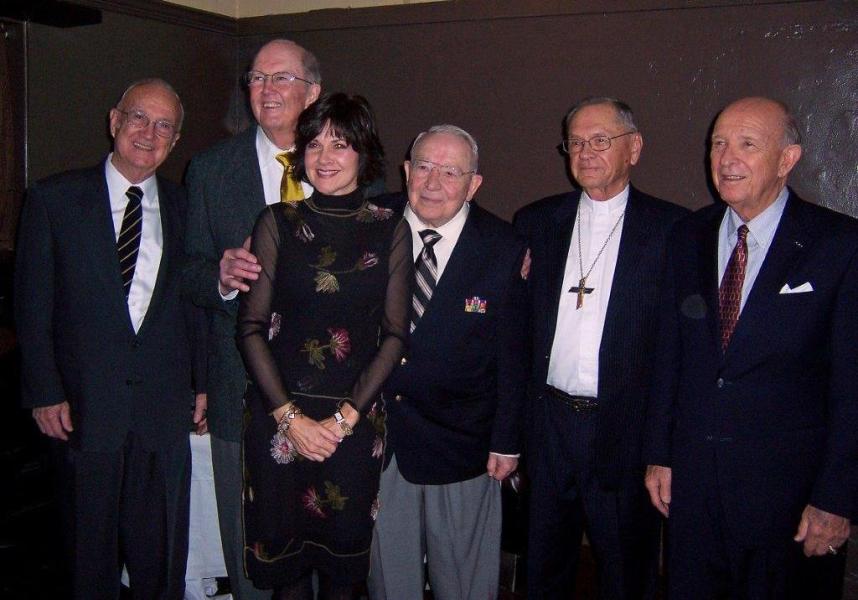
Bill Peters - Phil Enslow - Mary King - Bill Haas - Dick Hoeferkamp -
Larry Michalove [Buddy Roberts Funeral - JAN 2014]
* * * * * * * * * * * * * * * * * * * * * *
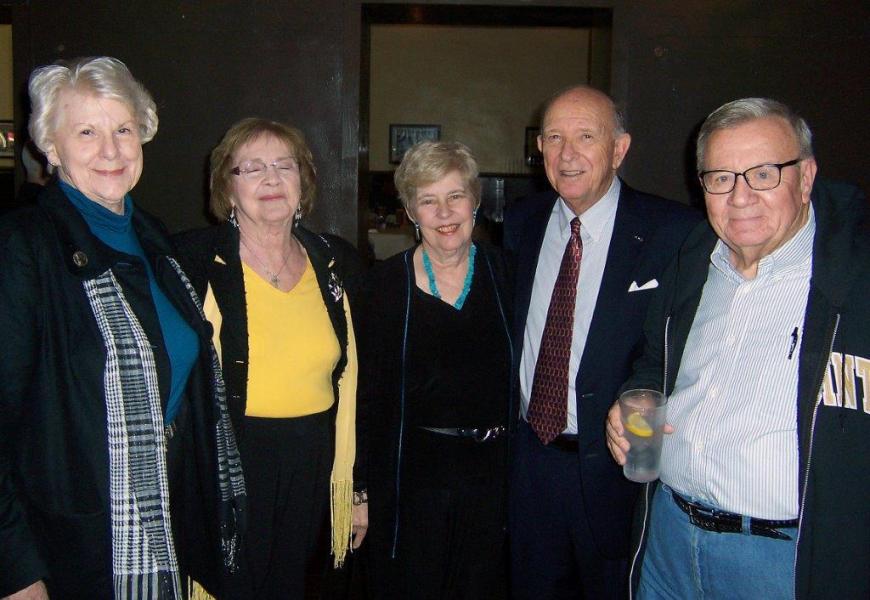
Dianne Enslow - Carolyn Cumbie - Sybil and Larry Michalove -
George Meighen [Buddy Roberts Funeral - JAN 2014]
* * * * * * * * * * * * * * * * * * * * * *
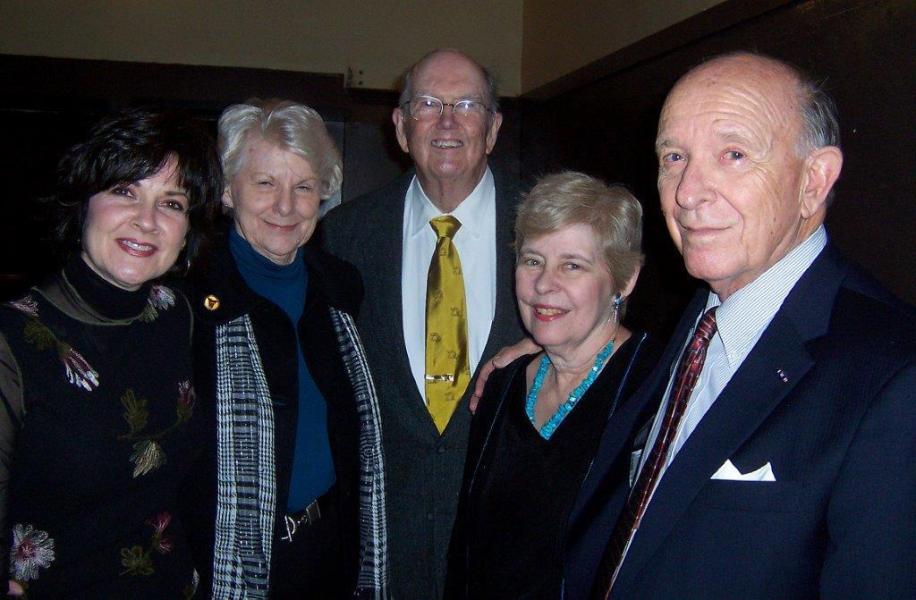
Mary King - Dianne and Phil Enslow - Sybil and Larry
Michalove [Buddy Roberts Funeral - JAN 2014]
* * * * * * * * * * * * * * * * * * * * * *
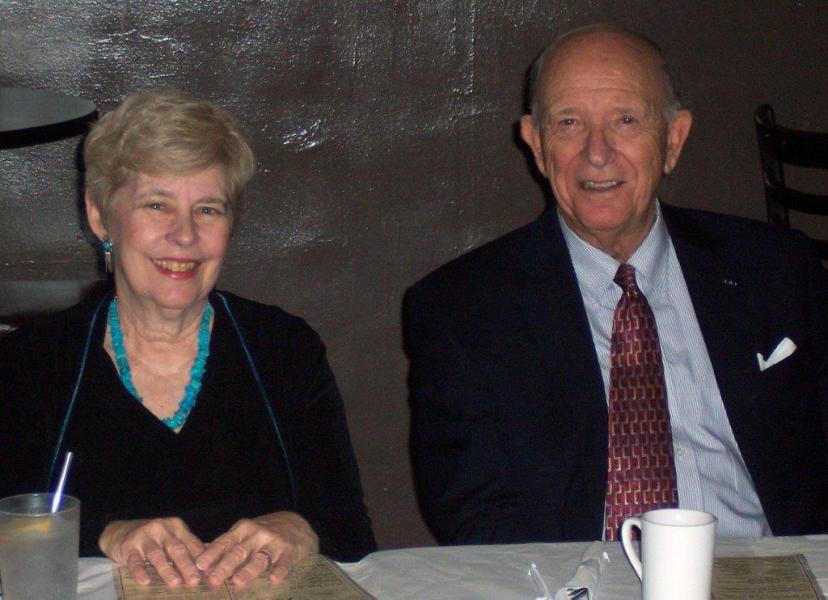
Sybil and Larry Michalove
[Buddy Roberts Funeral - JAN 2014]
* * * * * * * * * * * * * * * * * * * * * *
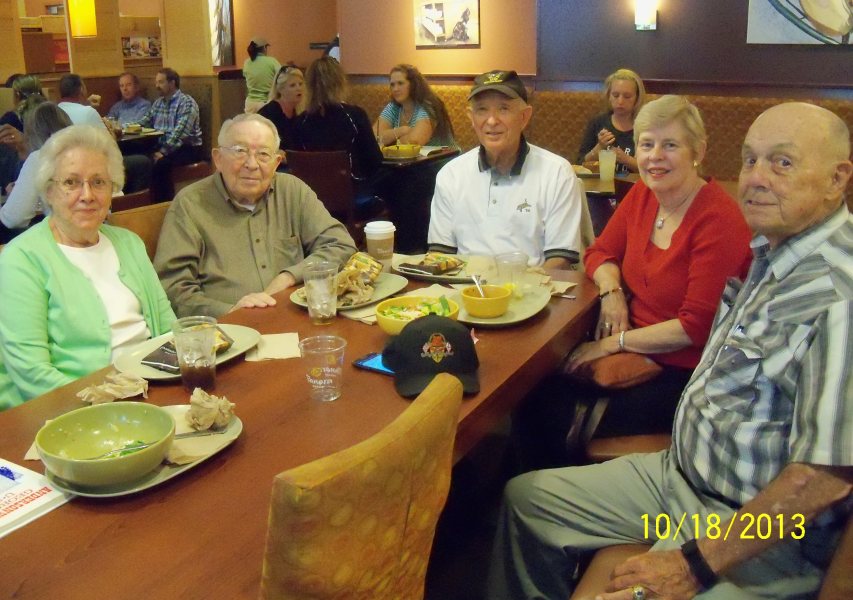
Laura and Bill Haas - Larry and Sybil Michalove -
Buddy Roberts [Birmingham Mini Wheels - OCT 2013]
* * * * * * * * * * * * * * * * * * * * * *
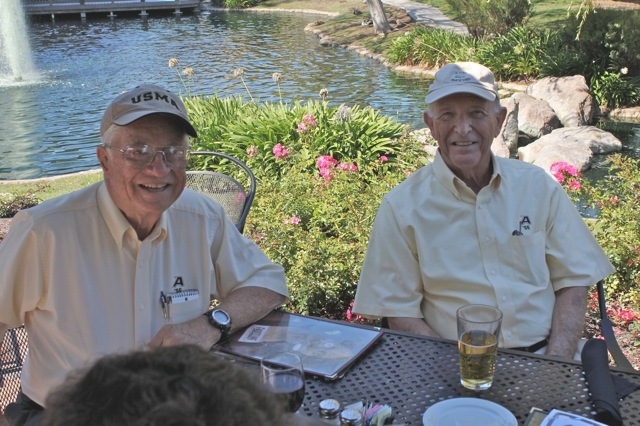
Bob Thornquist and Larry Michalove
[WPSSV Luncheon - SEP 2013]
* * * * * * * * * * * * * * * * * * * * * *
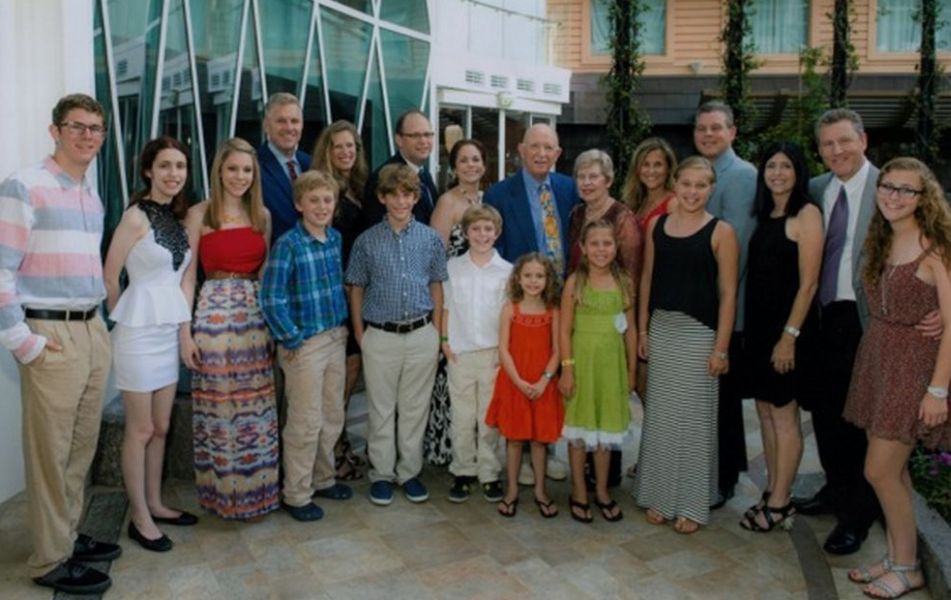
Larry and Sybil Michalove - children and grandchildren celebrate
Larry's 80th [Cruise Ship 'Allure of the Seas' - JUL 2013]
* * * * * * * * * * * * * * * * * * * * * *
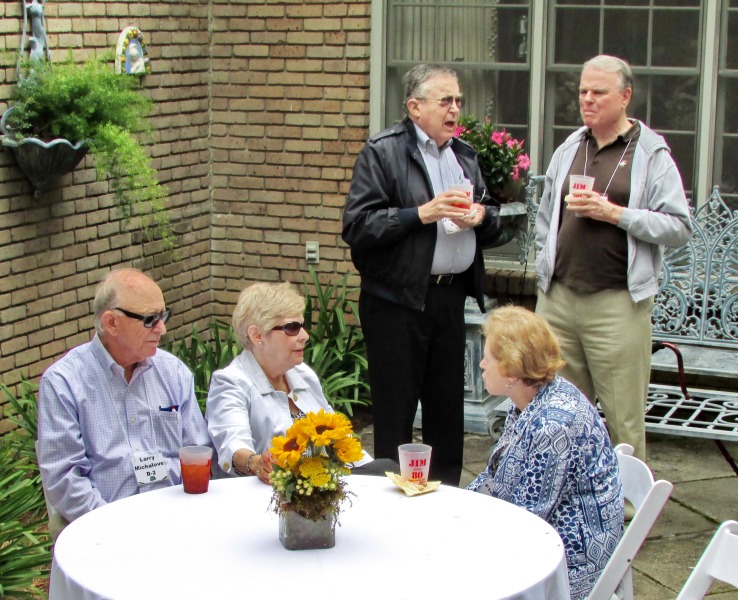
Michalove's - Jim Darrah - ? - Jim Fleeger
[Birmingham Mini - APR 2013]
* * * * * * * * * * * * * * * * * * * * * *
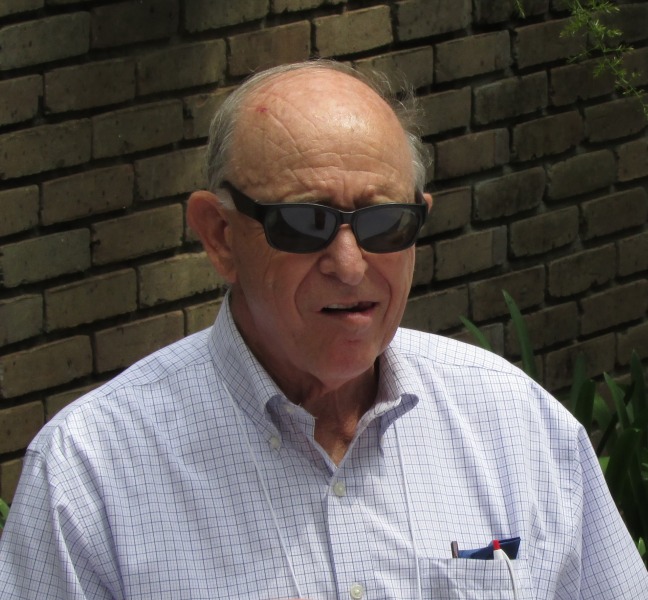
Larry Michalove
[Birmingham Mini - APR 2013]
* * * * * * * * * * * * * * * * * * * * * *
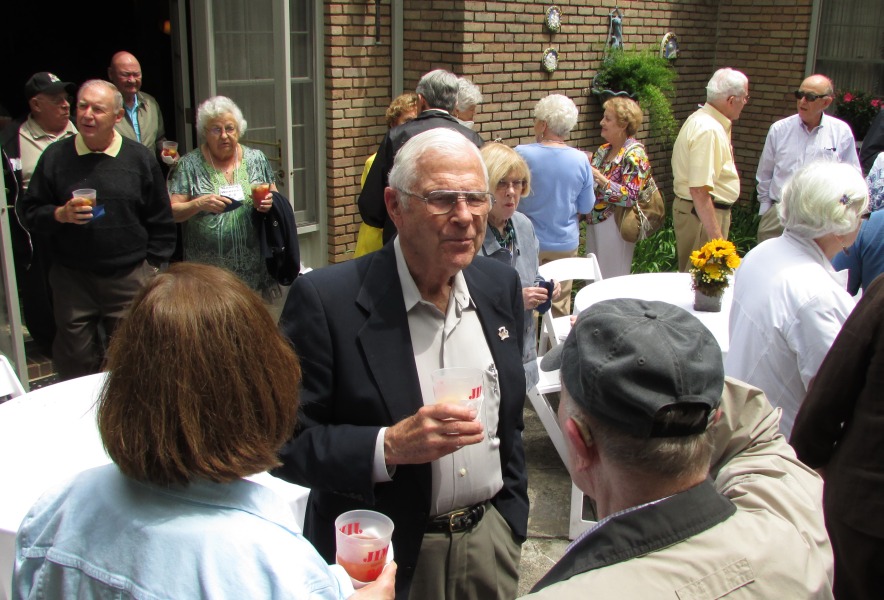
Woerner's - Ed Trobaugh - ? - Jack Campbell - Larry
Michalove [Birmingham Mini - APR 2013]
* * * * * * * * * * * * * * * * * * * * * *
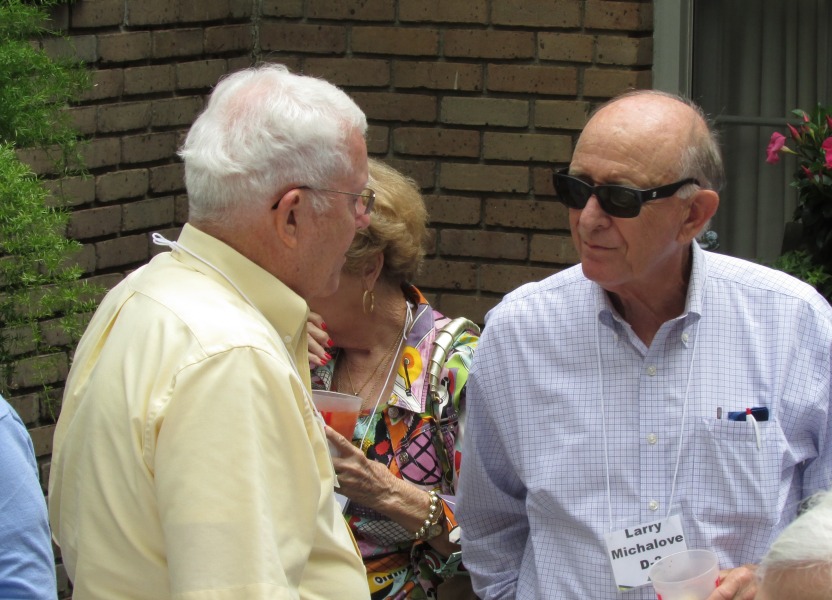
Jack Campbell and Larry Michalove
[Birmingham Mini - APR 2013]
* * * * * * * * * * * * * * * * * * * * * *
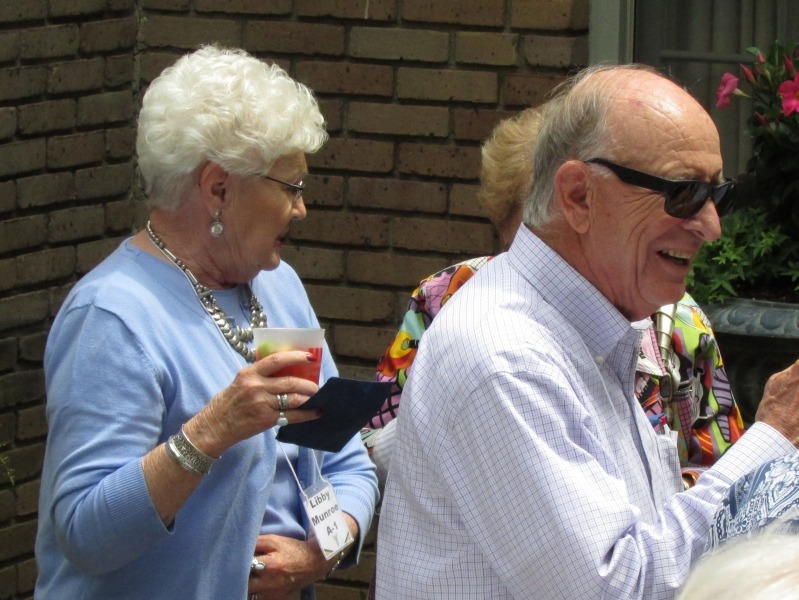
Libby Munroe and Larry Michalove
[Birmingham Mini - APR 2013]
* * * * * * * * * * * * * * * * * * * * * *
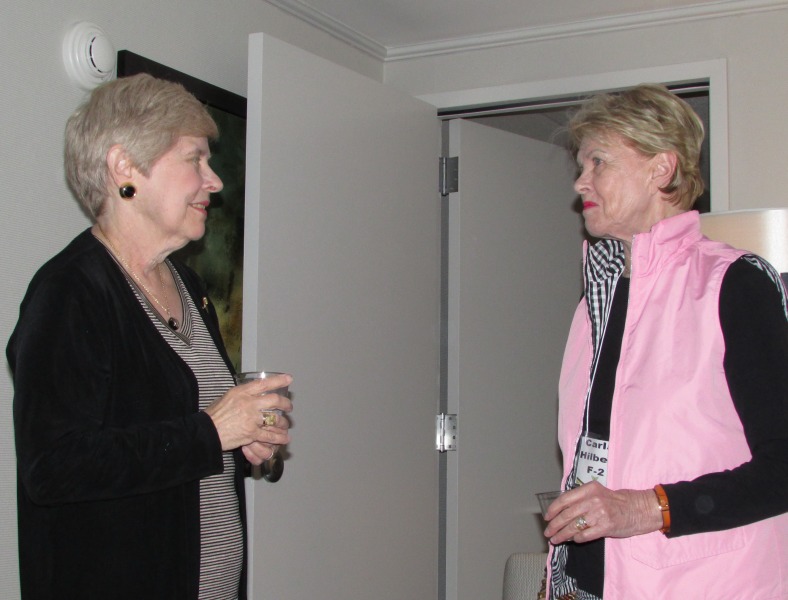
Sybil Michalove and Carla Hilbert
[Birmingham Mini - APR 2013]
* * * * * * * * * * * * * * * * * * * * * *
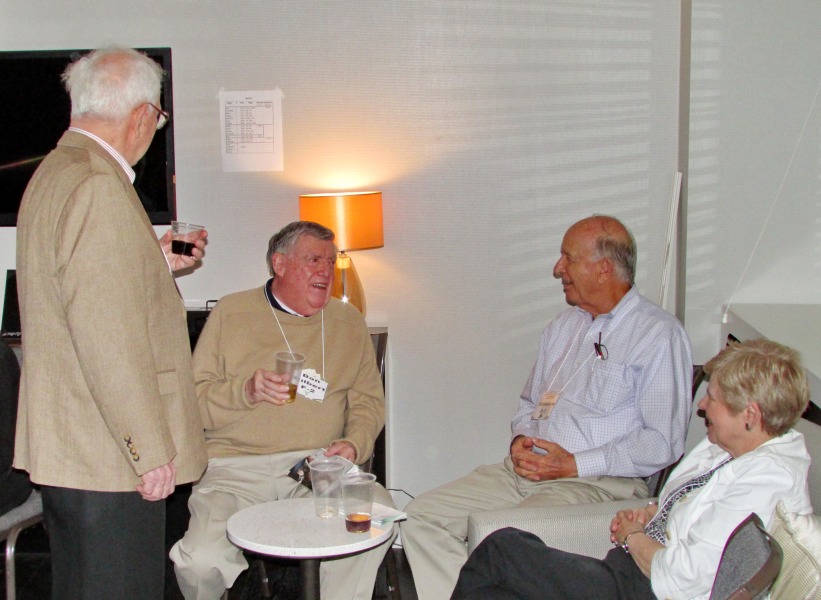
Don Hilbert and Michalove's
[Birmingham Mini - APR 2013]
* * * * * * * * * * * * * * * * * * * * * *
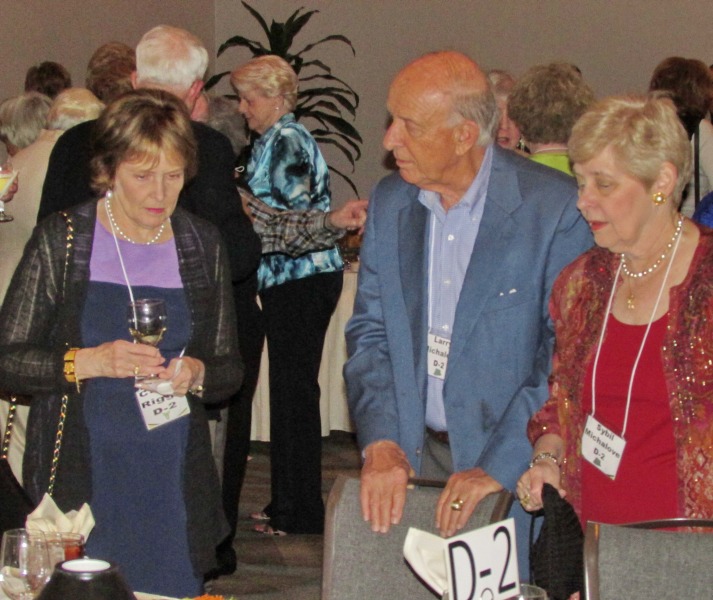
Carol Riggs and Michaloves's
[Birmingham Mini - APR 2013]
* * * * * * * * * * * * * * * * * * * * * *
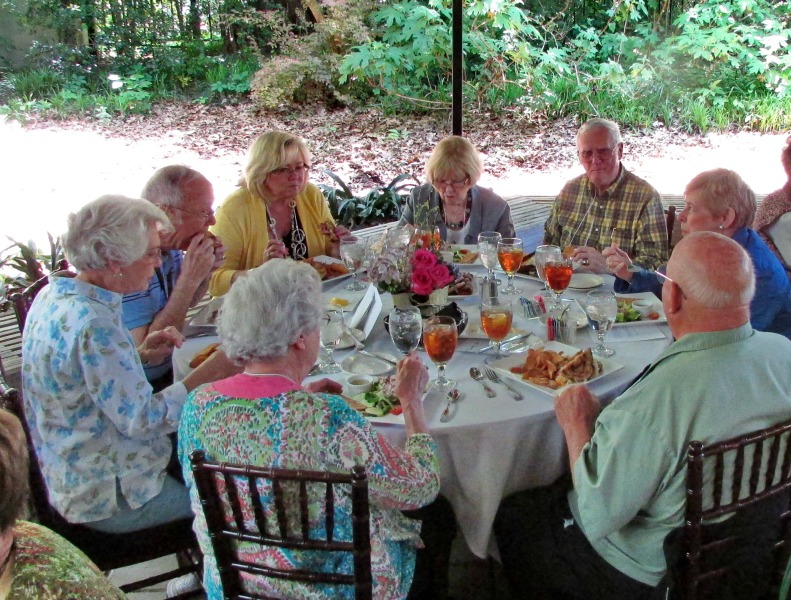
Botanical Gardens Guide - Peter's - Malone's - Sybil Michalove -
Tommy West - Laura Haas [Birmingham Mini - APR 2013]
* * * * * * * * * * * * * * * * * * * * * *
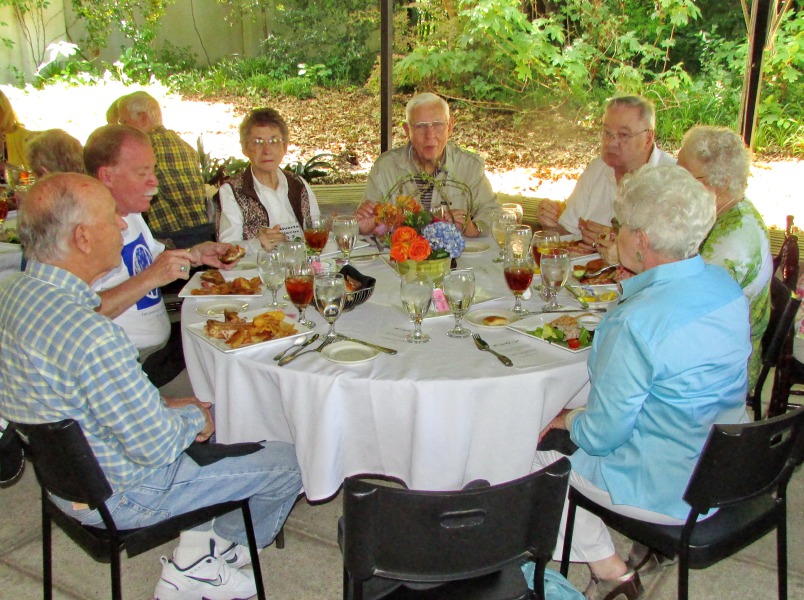
Larry Michalove - Japanese Garden Guide - Fiscus' -
Dinwiddie's - Libby Munroe [Birmingham Mini - APR 2013]
* * * * * * * * * * * * * * * * * * * * * *
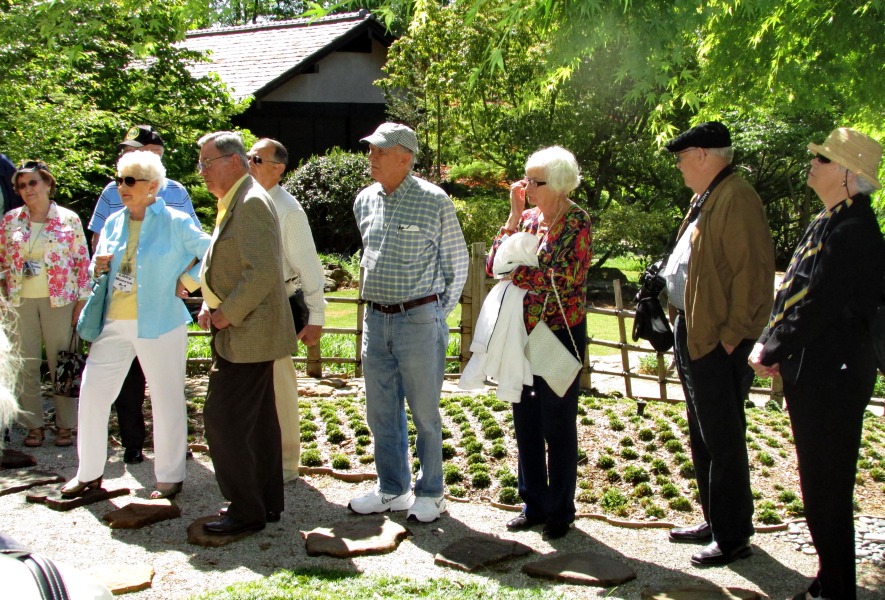
Joan McCulla - Libby Munroe - Bob Werner - Larry Michalove - Paula
Campbell - Bill McCulla - Sandra Lynn [Birmingham Mini - APR 2013]
* * * * * * * * * * * * * * * * * * * * * *
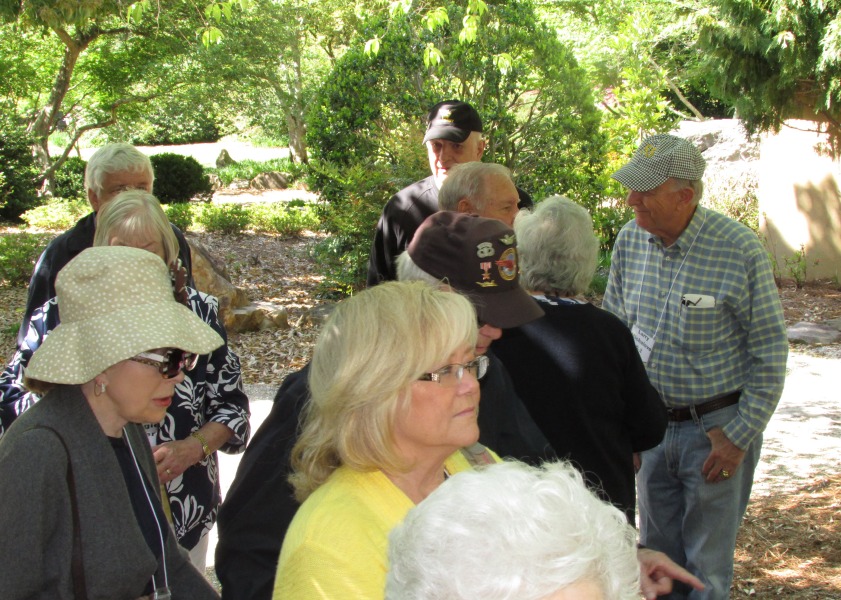
Bernadette Dugan - Sharon Peters - Lynn - Woerner -
Michalove [Birmingham Mini - APR 2013]
* * * * * * * * * * * * * * * * * * * * * *
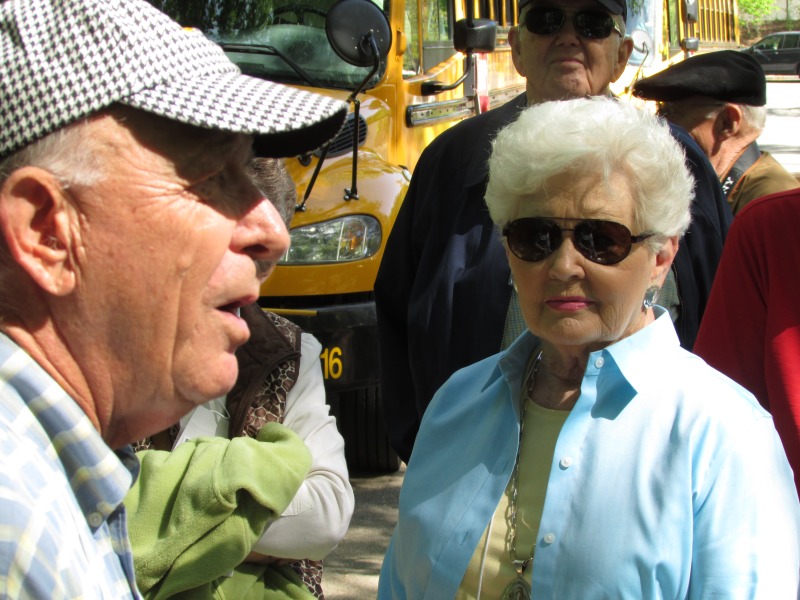
Larry Michalove and Libby Munroe
[Birmingham Mini - APR 2013]
* * * * * * * * * * * * * * * * * * * * * *
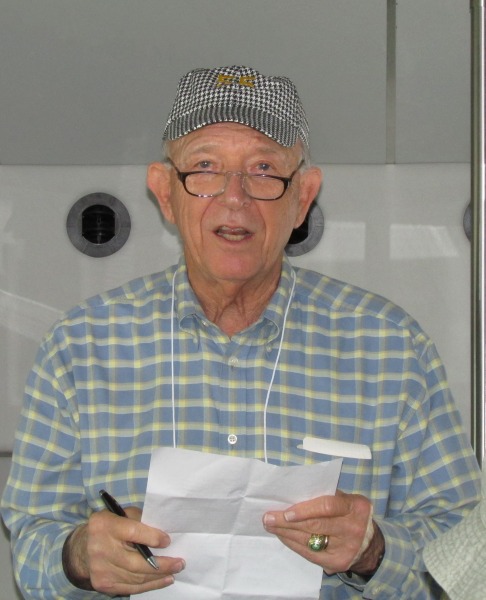
Larry Michalove
[Birmingham Mini - APR 2013]
* * * * * * * * * * * * * * * * * * * * * *
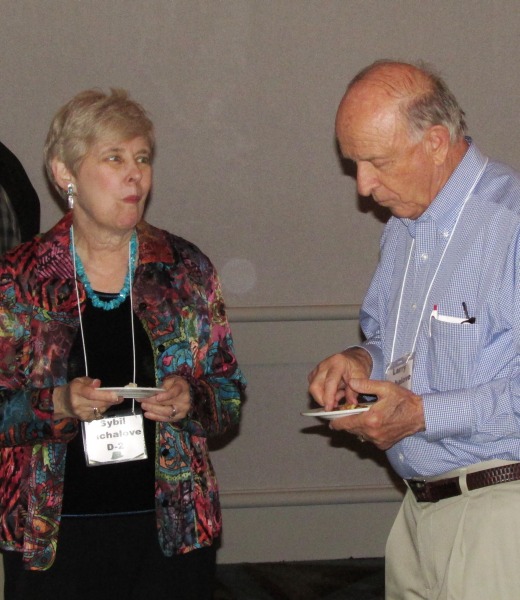
Sybil and Larry Michalove
[Birmingham Mini - APR 2013]
* * * * * * * * * * * * * * * * * * * * * *
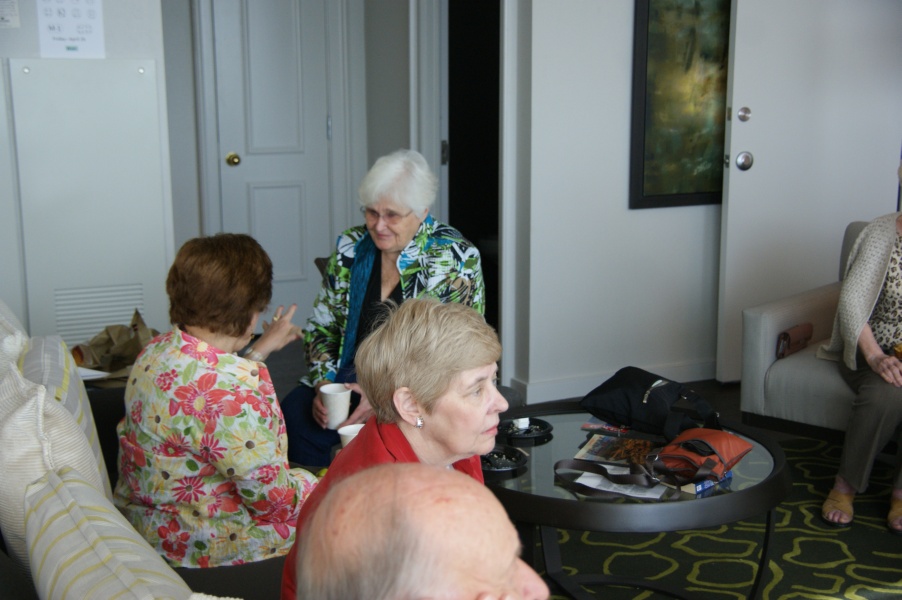
Marcia Giza and Sybil Michalove
[Birmingham Mini - APR 2013]
* * * * * * * * * * * * * * * * * * * * * *
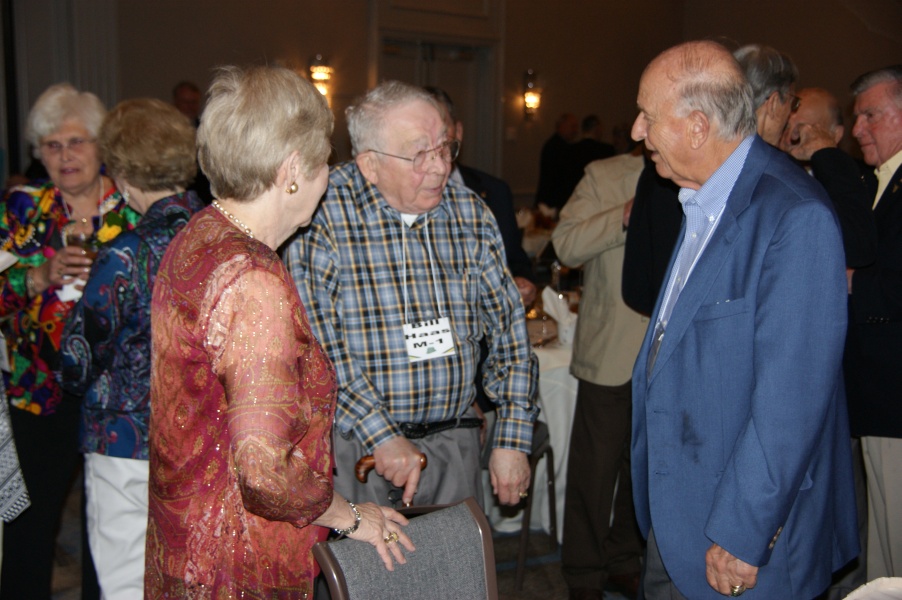
Michalove's and Bill Haas
[Birmingham Mini - APR 2013]
* * * * * * * * * * * * * * * * * * * * * *
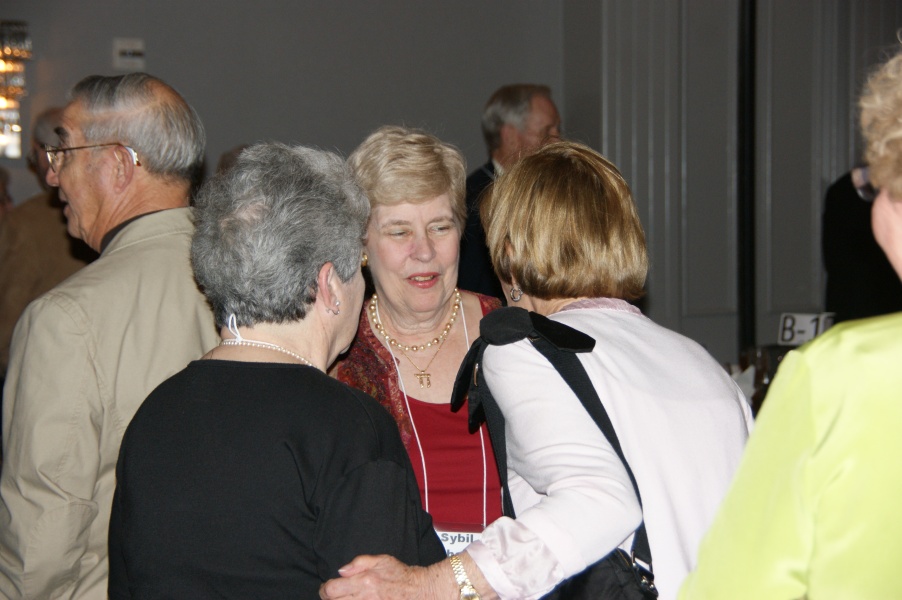
Rich Cardillo and Sybil Michalove
[Birmingham Mini - APR 2013]
* * * * * * * * * * * * * * * * * * * * * *
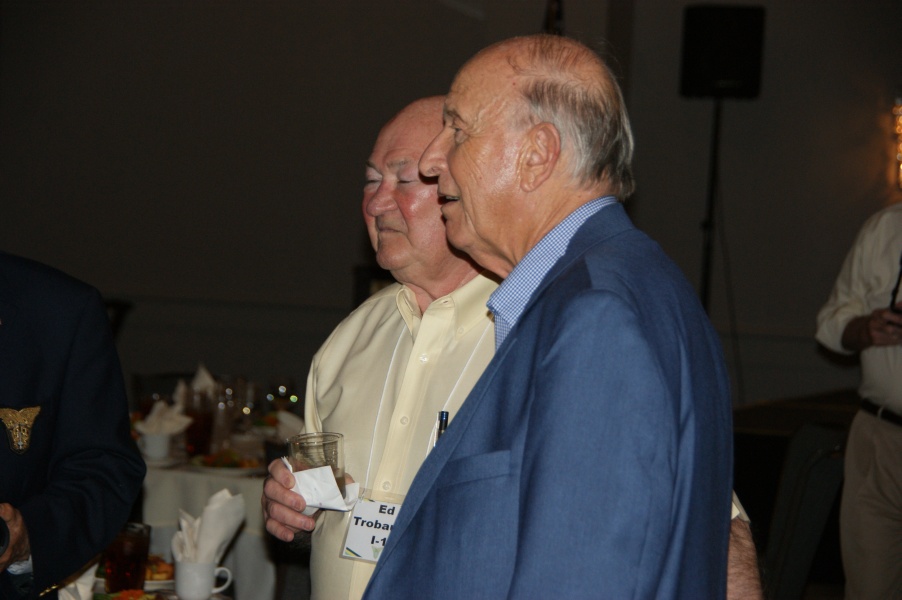
Ed Trobaugh and Larry Michalove
[Birmingham Mini - APR 2013]
* * * * * * * * * * * * * * * * * * * * * *
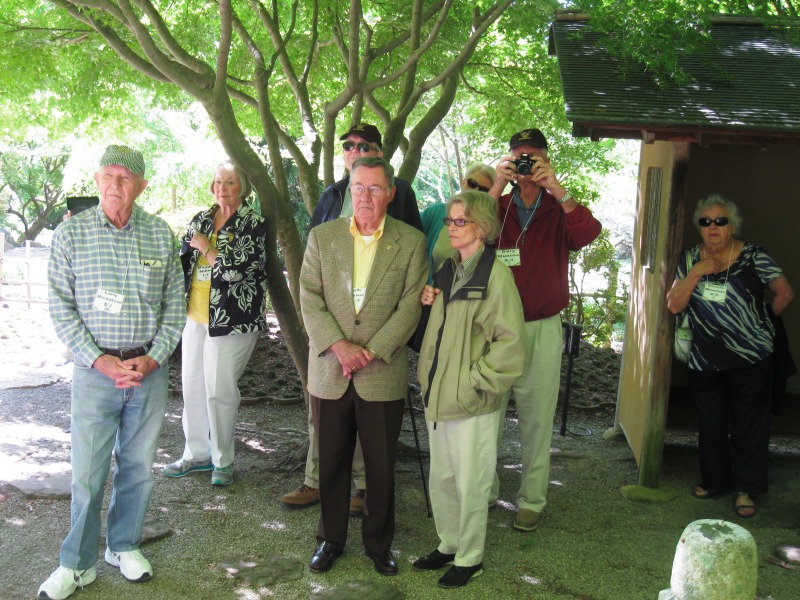
Larry Michalove - Maggie Miller - Enslow's - Werner's - Gary
Munroe - Gennie Woerner [Birmingham Mini - APR 2013]
* * * * * * * * * * * * * * * * * * * * * *
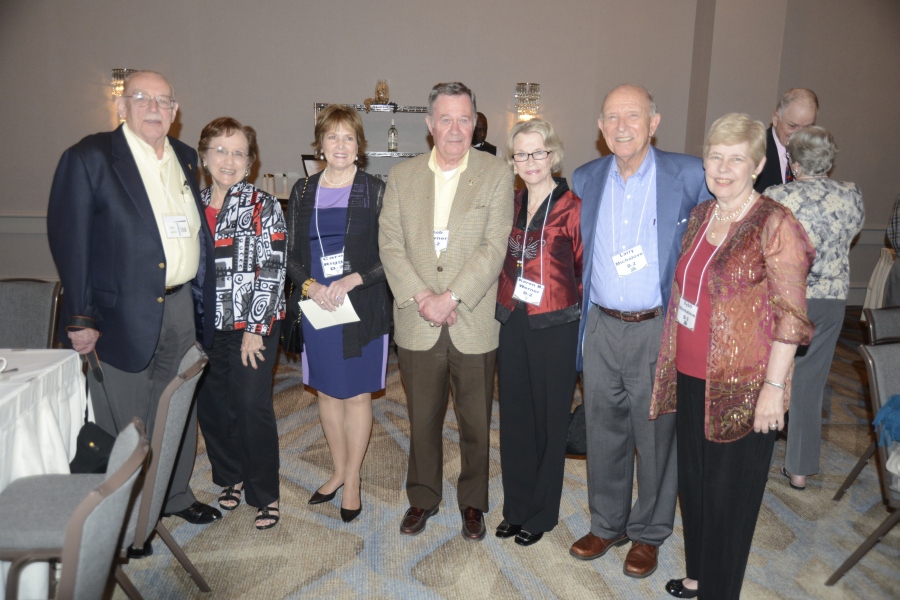
McCulla's - Carol Riggs - Werner's - Michalove's
[Birmingham Mini - APR 2013]
* * * * * * * * * * * * * * * * * * * * * *
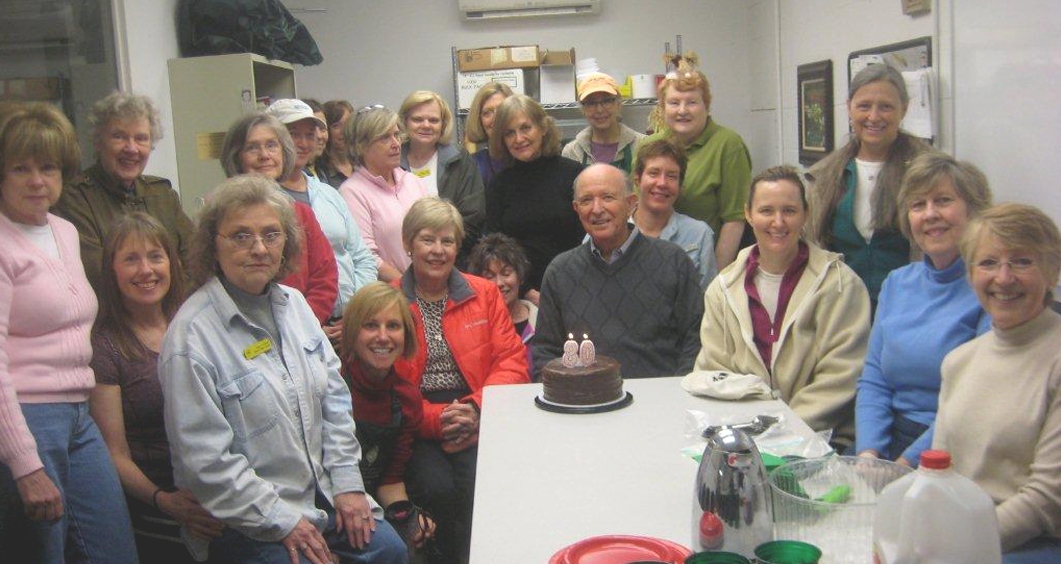
Sybil and Larry Michalove and Native Plant Group friends
[Larry's 80th Party - FEB 2013]
* * * * * * * * * * * * * * * * * * * * * *
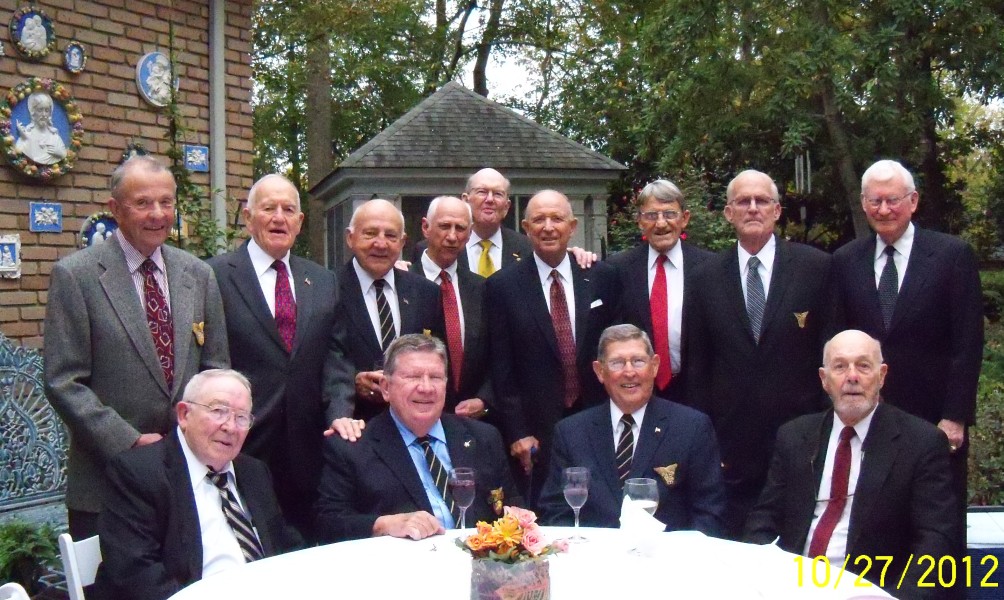
Standing: Whittaker - Jeter - Pemberton - Dunaway - Enslow - Michalove - Johnson - Hadly - Sydenham - Seated: Haas - Secord - Prater - Roberts [Drummond Service - OCT 2012] |
* * * * * * * * * * * * * * * * * * * * * *
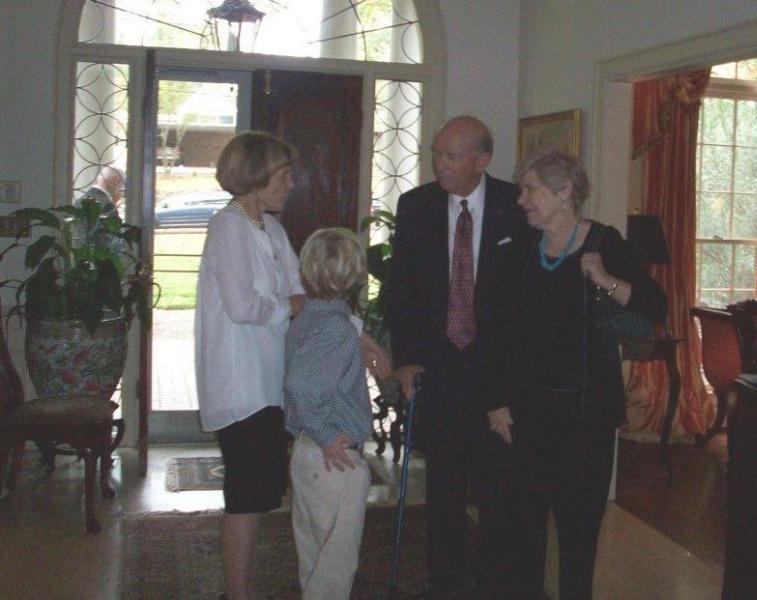
Jeanne Drummond - grandchild - Larry and Sybil Michalove |
* * * * * * * * * * * * * * * * * * * * * *
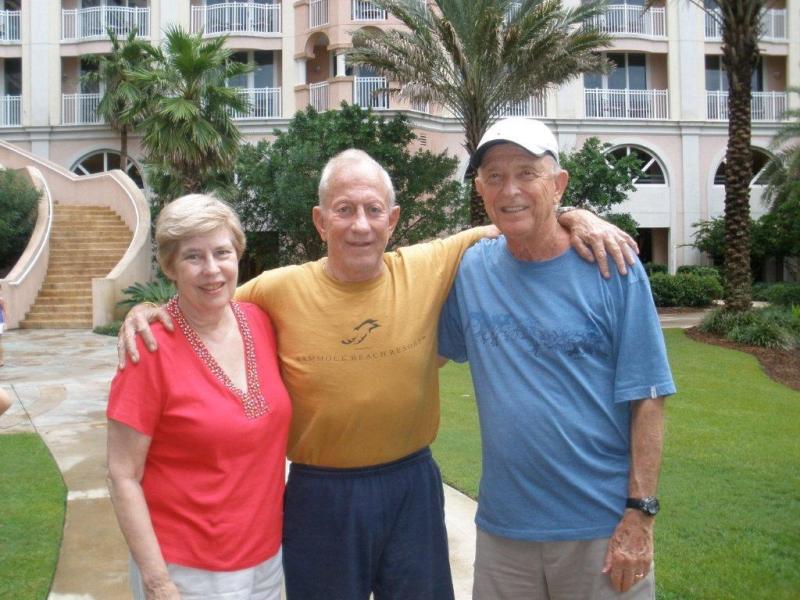
Sybil Michalove - Bob Meisenheimer - Larry Michalove
[Palm Coast FL - AUG 2012]
* * * * * * * * * * * * * * * * * * * * * *
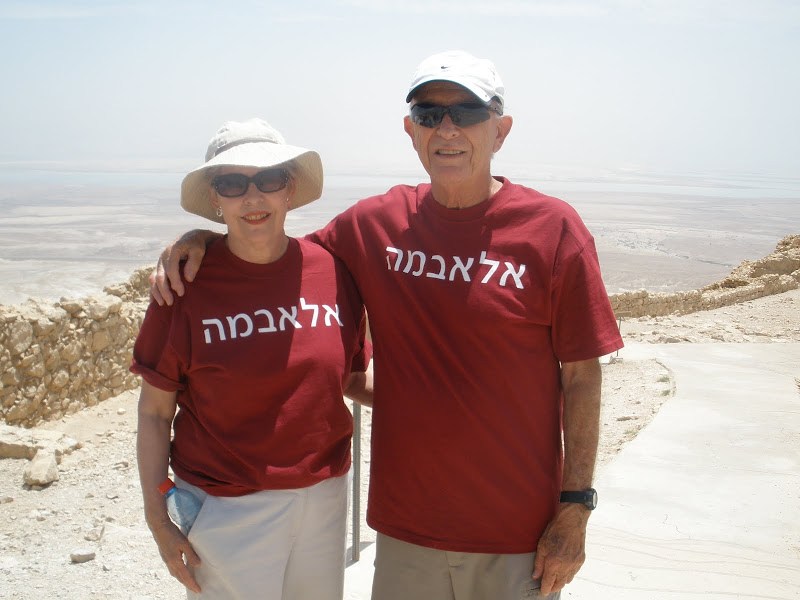
Sybil and Larry Michalove in Israel atop Masada with the Dead Sea in the Distance (Alabama is spelled out in Hebrew letters on their shirts) [MAY 2012] |
* * * * * * * * * * * * * * * * * * * * * *
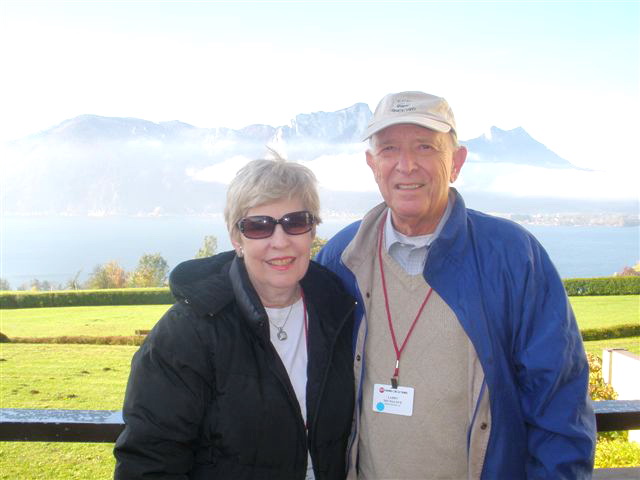
Sybil and Larry Michalove |
* * * * * * * * * * * * * * * * * * * * * *
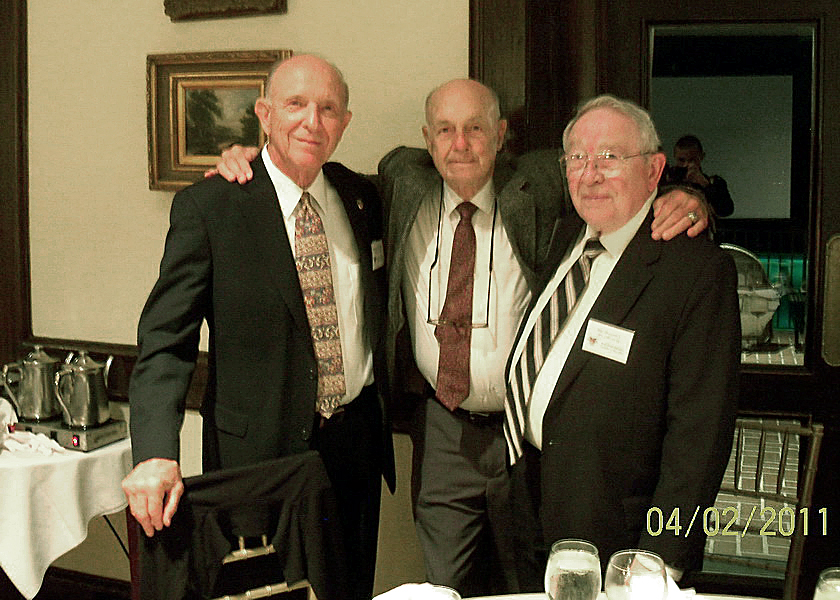
Larry Michalove - Buddy Roberts - Bill Haas
[Birmingham FDD - APR 2011]
* * * * * * * * * * * * * * * * * * * * * *
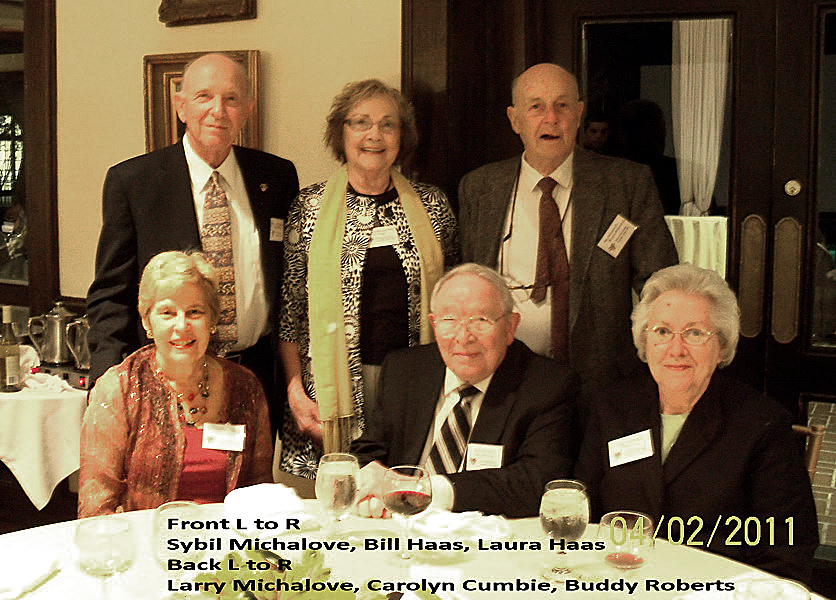
Michalove's - Haas' - Buddy Roberts and Carolyn
Cumbie [Birmingham FDD - APR 2011]
* * * * * * * * * * * * * * * * * * * * * *
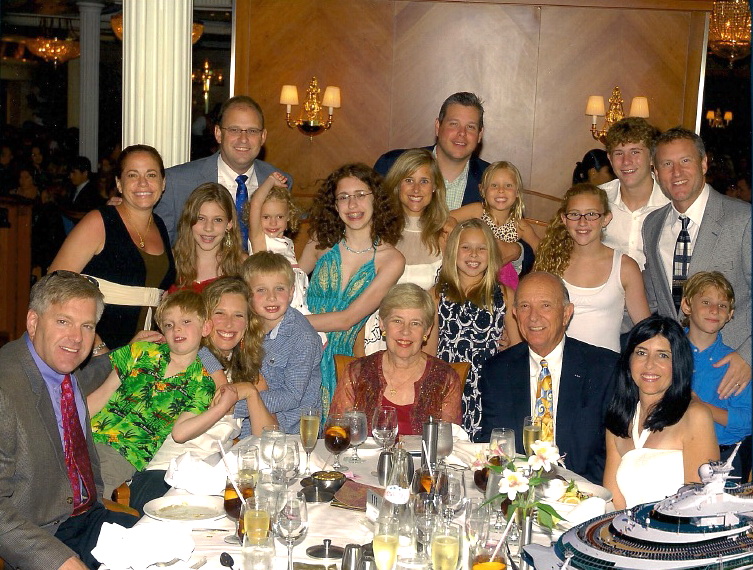
Sybil and Larry Michalove and Family
[50th Anniversary Cruise - JUL 2010]
* * * * * * * * * * * * * * * * * * * * * *

Hugh and Ann Quinn - Sybil and Larry Michalove -
Diann Gottron [55th Reunion - May 2010]
* * * * * * * * * * * * * * * * * * * * * *
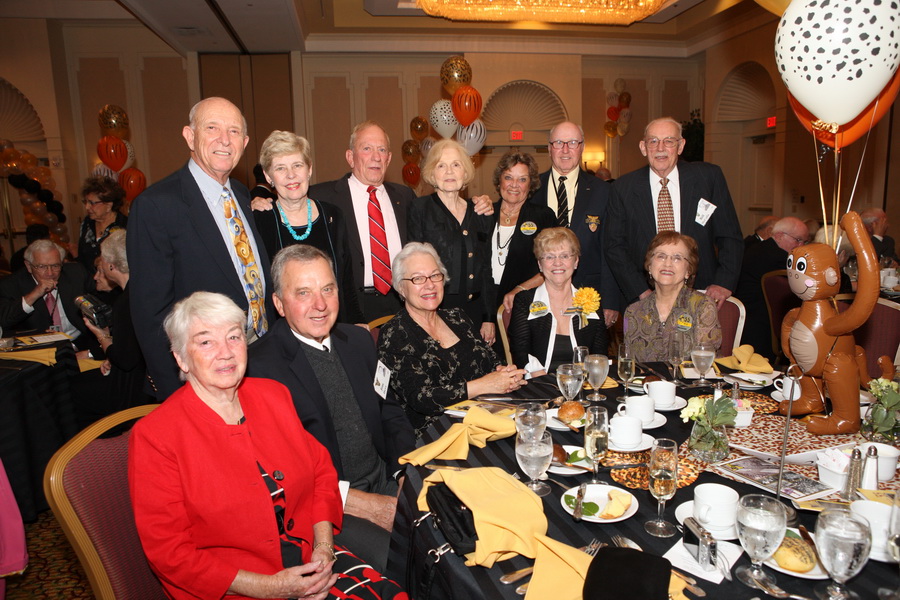
D-2: Heye's - Michalove's - Val Bundren - Mary Monahan - Meisenheimer and Deloris Cassidy - Quinn's - McCulla's [55th Reunion - May 2010] |
* * * * * * * * * * * * * * * * * * * * * *
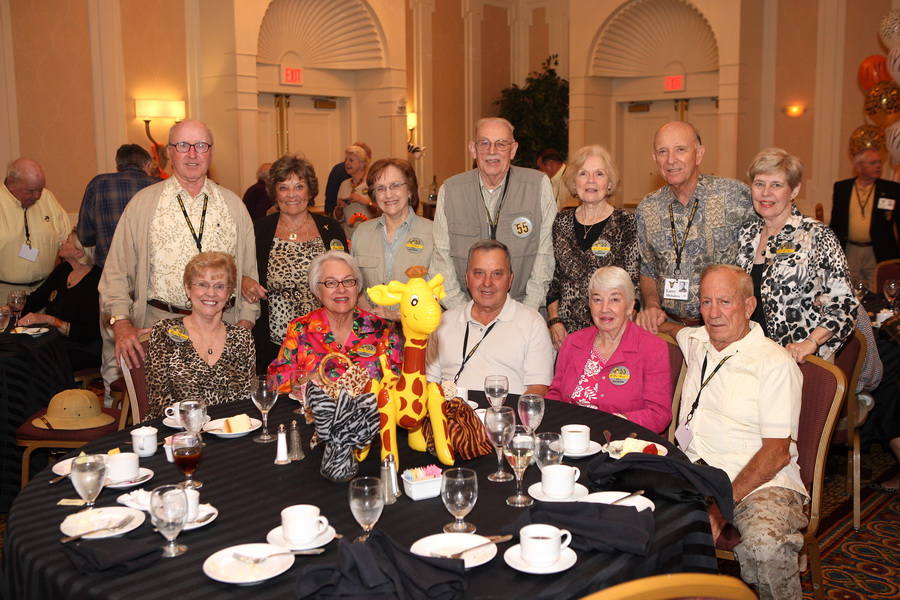
Sitting: Mary Monahan - Val Bundren - Heye's - Meisenheimer - Standing: Quinn's - McCulla's - Dee Cassidy - Michalove's [55th Reunion - May 2010] |
* * * * * * * * * * * * * * * * * * * * * *
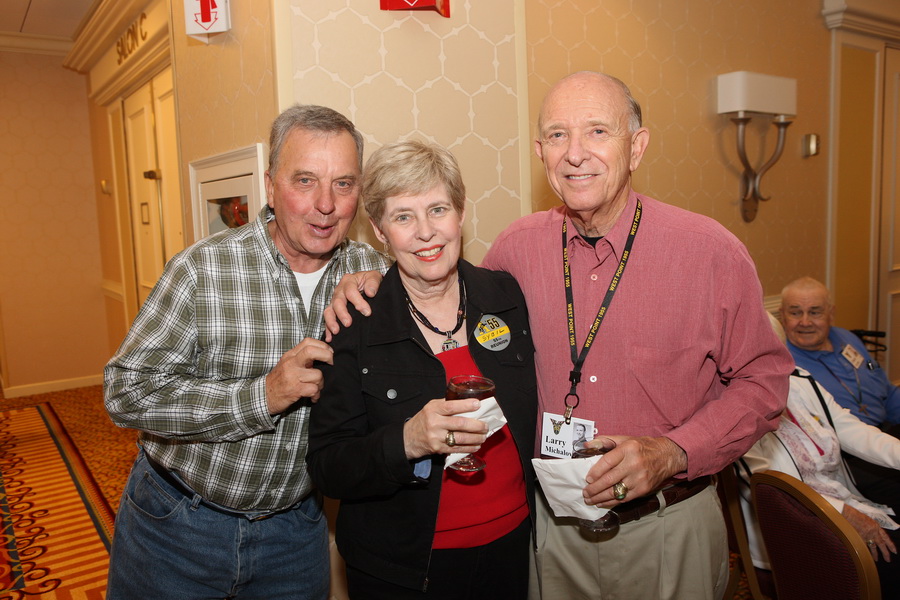
Jim Heye - Sybil and Larry Michalove
[55th Reunion - May 2010]
* * * * * * * * * * * * * * * * * * * * * *
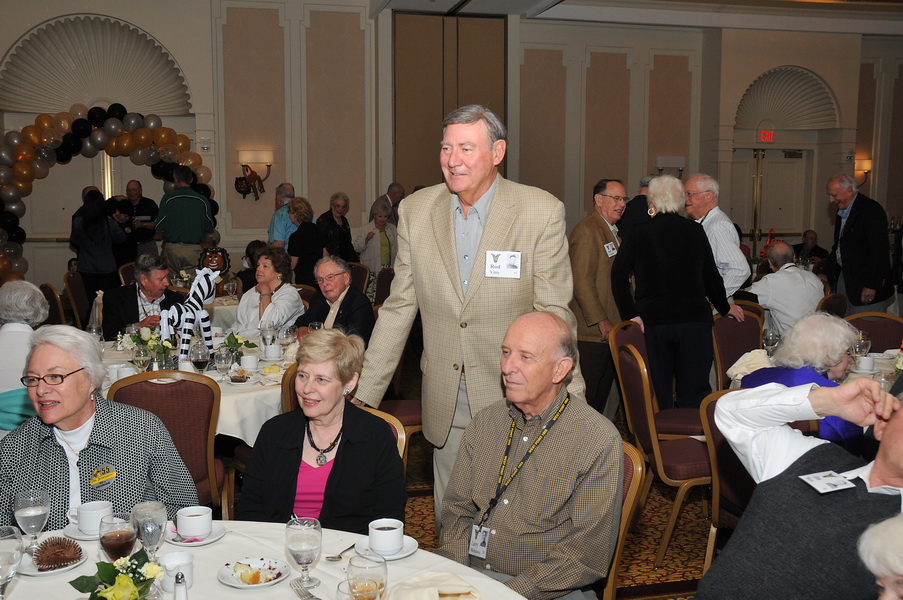
Val Bundren - Sybil and Larry Michalove -
Rod Vitty [55th Reunion - May 2010]
* * * * * * * * * * * * * * * * * * * * * *
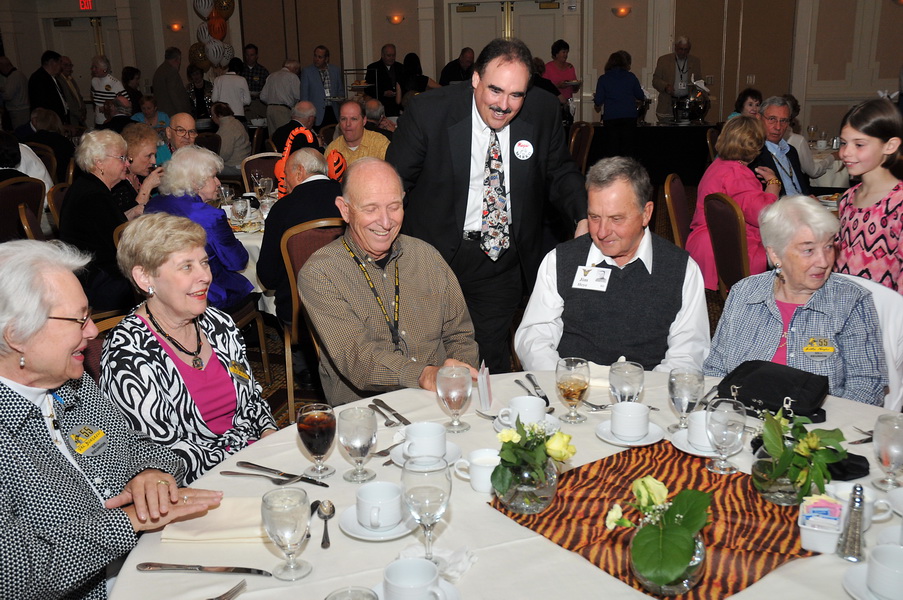
Val Bundren - Michalove's - Heye's
[55th Reunion - May 2010]
* * * * * * * * * * * * * * * * * * * * * *
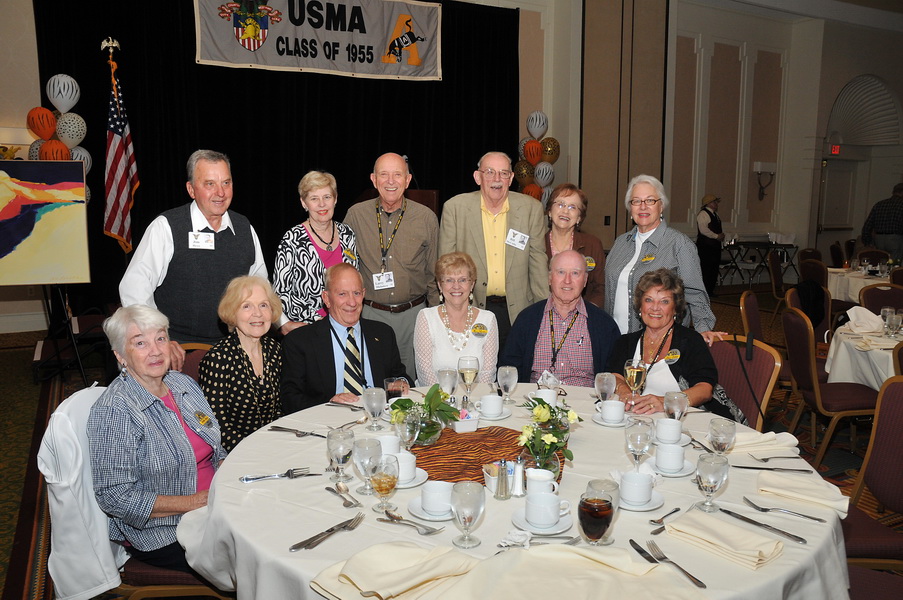
D-2: Heye's - Dee Cassidy and Bob Meisenheimer - Michalove's - Mary Monahan - McCulla's - Quinn's - Val Bundren [55th Reunion - May 2010] |
* * * * * * * * * * * * * * * * * * * * * *
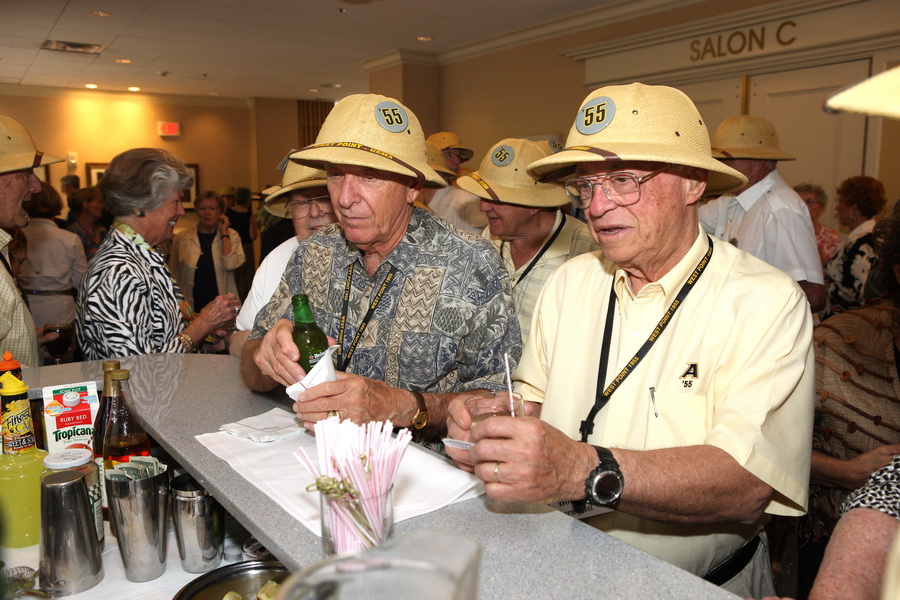
Larry Michalove and Bob Thornquist
[55th Reunion - May 2010]
* * * * * * * * * * * * * * * * * * * * * *
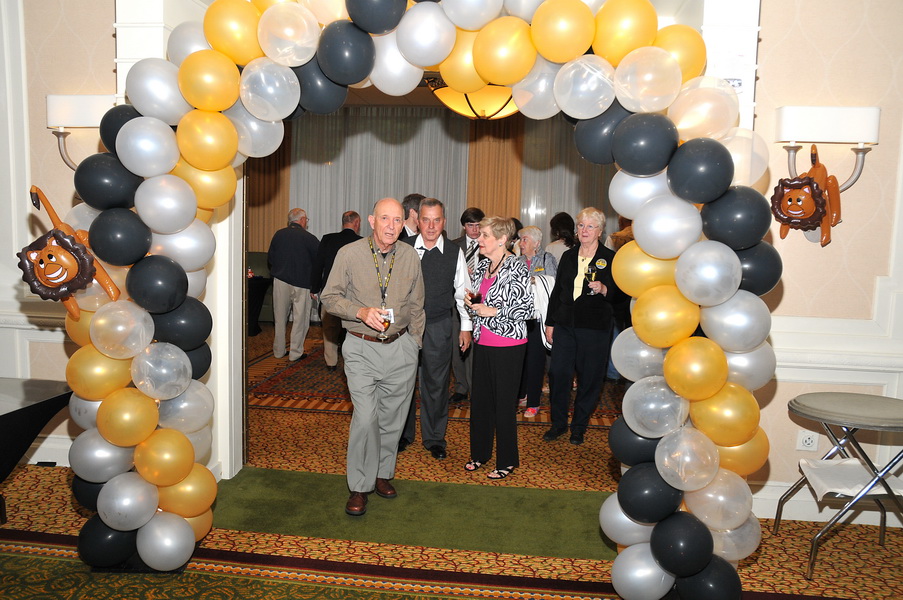
Michalove's and Jim Heye
[55th Reunion - May 2010]
* * * * * * * * * * * * * * * * * * * * * *
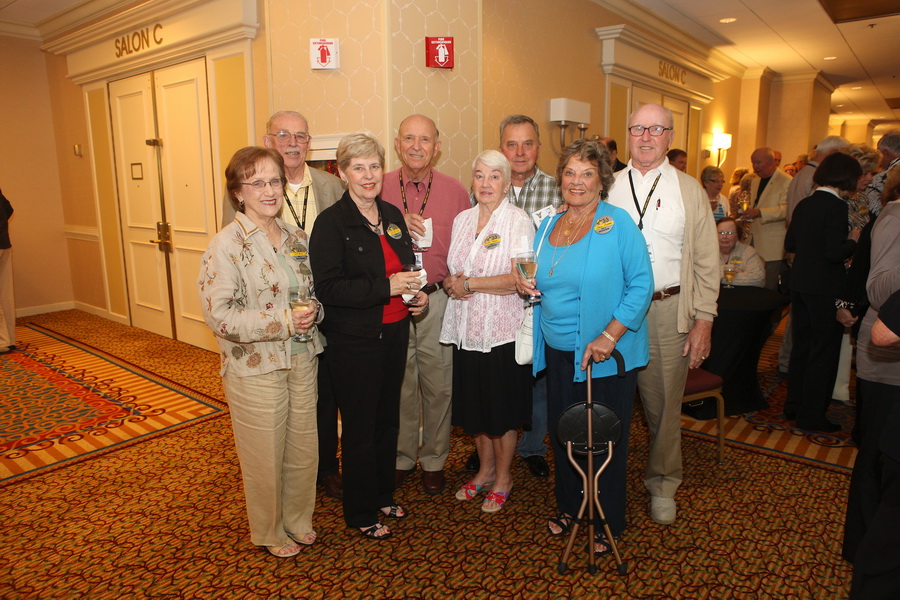
McCulla's - Michalove's - Heye's - Quinn's
[55th Reunion - May 2010]
* * * * * * * * * * * * * * * * * * * * * *
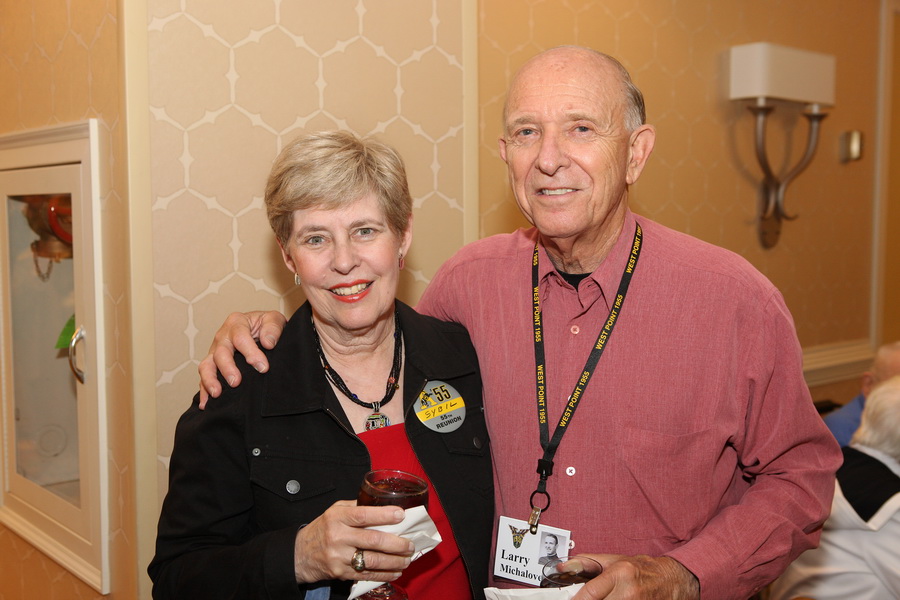
Sybil and Larry Michalove
[55th Reunion - May 2010]
* * * * * * * * * * * * * * * * * * * * * *

Tom Philips - Larry and Sybil Michalove
[55th Reunion - May 2010]
* * * * * * * * * * * * * * * * * * * * * *
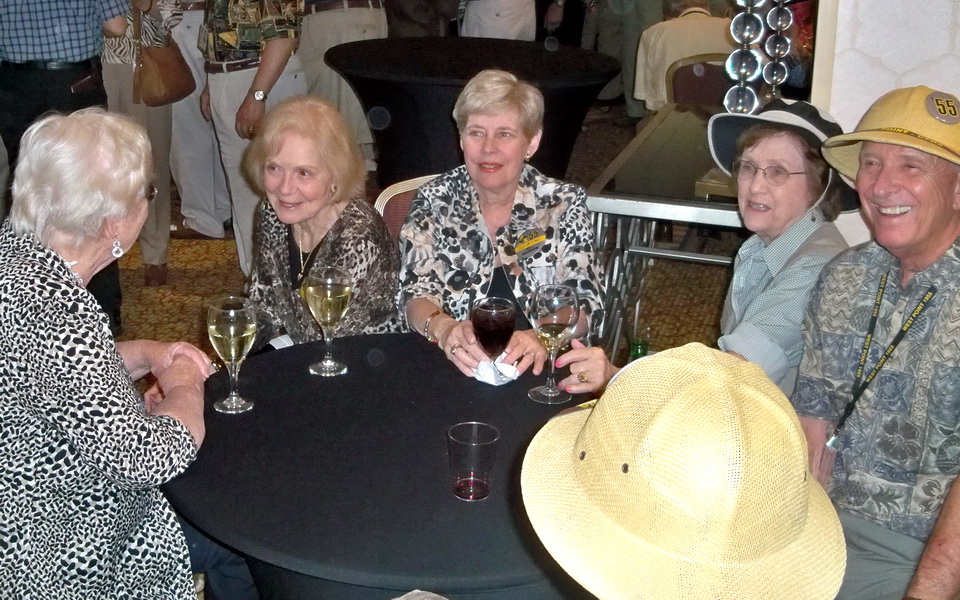
Dee Cassidy - Sybil Michalove - Joan McCula - Larry
Michalove [55th Reunion - May 2010]
* * * * * * * * * * * * * * * * * * * * * *
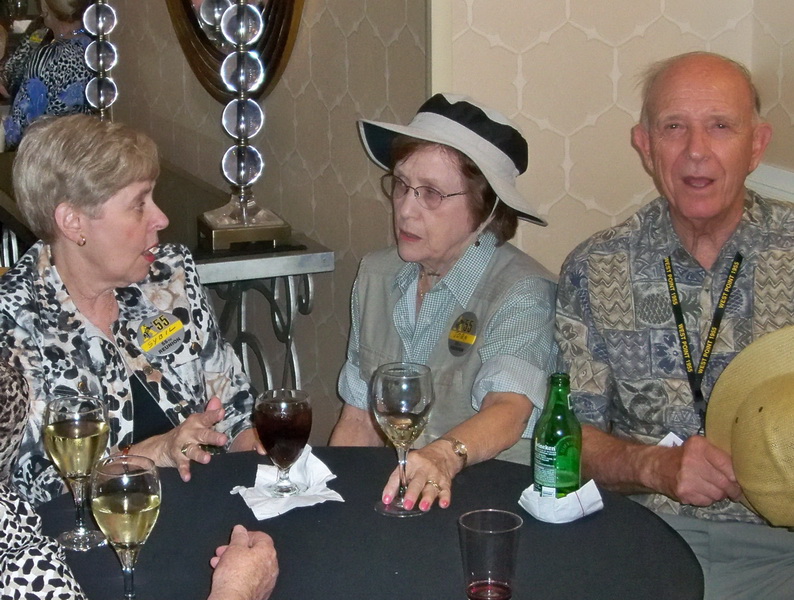
Sybil Michalove - Joan McCulla - Larry Michalove
[55th Reunion - May 2010]
* * * * * * * * * * * * * * * * * * * * * *

Sybil and Larry Michalove
[55th Reunion - May 2010]
* * * * * * * * * * * * * * * * * * * * * *

Bob Meisenheimer and Larry Michalove
[55th Reunion - May 2010]
* * * * * * * * * * * * * * * * * * * * * *

Val Bundren - Mary Monahan - Bill and Joan McCulla - Dee Cassidy and Bob Meisenheimer - Larry and Sybil Michalove - Jim and Bettie Heye - Ann and Hugh Quinn [D-2: 55th Reunion] |
* * * * * * * * * * * * * * * * * * * * * *

Roy and Sandra Lynn - Larry and Sybil Michalove - Joe and Connie Franklin - Paul Parks - Brownie and Dave Pemberton - Bob and Linda Newton - Pete and Angee Fikaris [55th Reunion - May 2010] |
* * * * * * * * * * * * * * * * * * * * * *
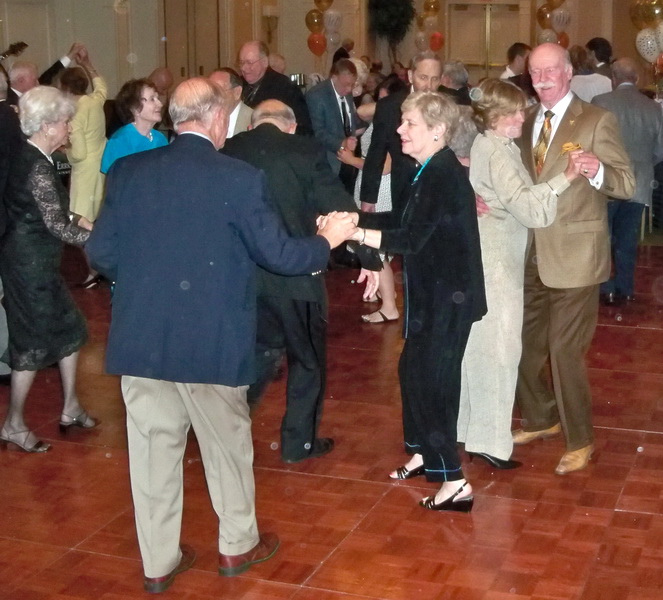
Larry and Sybil Michalove - ? and Dick Regnier
[55th Reunion - May 2010]
* * * * * * * * * * * * * * * * * * * * * *
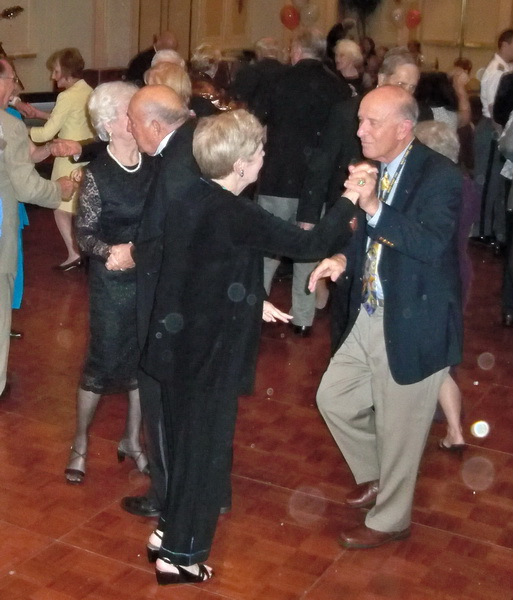
Sybil and Larry Michalove
[55th Reunion - May 2010]
* * * * * * * * * * * * * * * * * * * * * *

Joe and Connie Franklin - Paul Parks - Sandra Lynn - Larry and Sybil Michalove - Dick Regnier [55th Reunion - May 2010] |
* * * * * * * * * * * * * * * * * * * * * *

Larry Michalove - Hugh and Ann Quinn - Jim and Jeanne Drummond - ? - Mary Monahan - Val Bundren [55th Reunion - May 2010] |
* * * * * * * * * * * * * * * * * * * * * *

Sybil Michalove and Anna Bates
[55th Reunion - May 2010]
* * * * * * * * * * * * * * * * * * * * * *

Larry and Sybil Michalove
[55th Reunion - May 2010]
* * * * * * * * * * * * * * * * * * * * * *

Tom Phillips - Larry and Sybil Michalove
[55th Reunion - May 2010]
* * * * * * * * * * * * * * * * * * * * * *
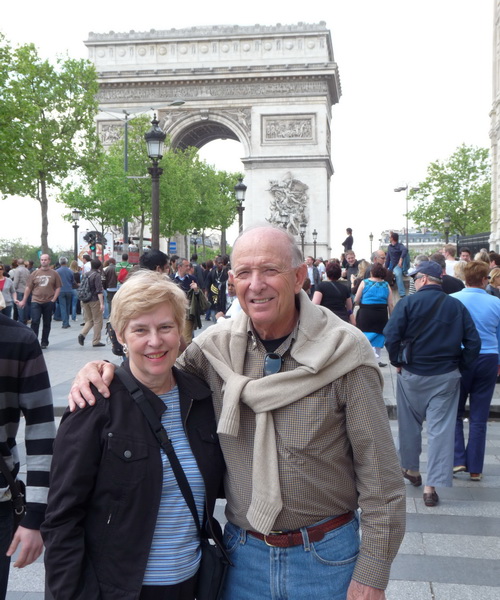
Sybil and Larry Michalove
[Paris - MAY 2009]
* * * * * * * * * * * * * * * * * * * * * *
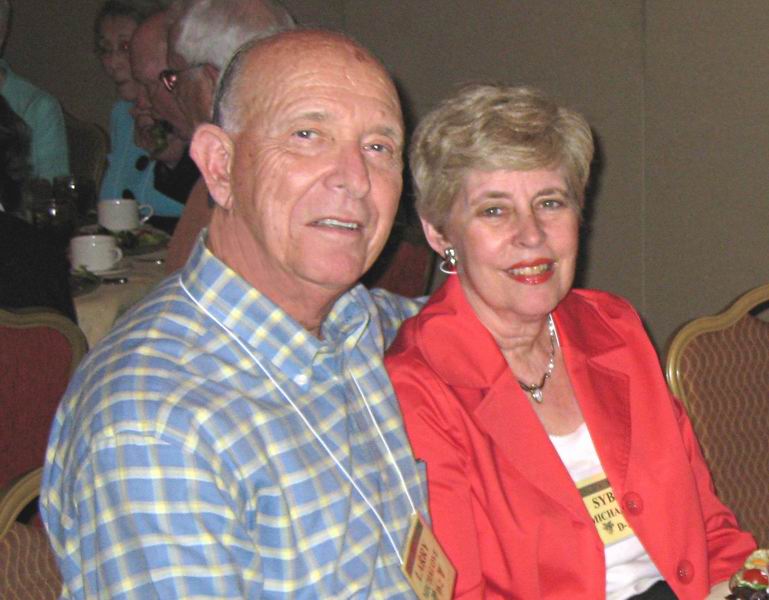
Larry and Sybil Michalove
[Austin Mini - APR 2008]
* * * * * * * * * * * * * * * * * * * * * *
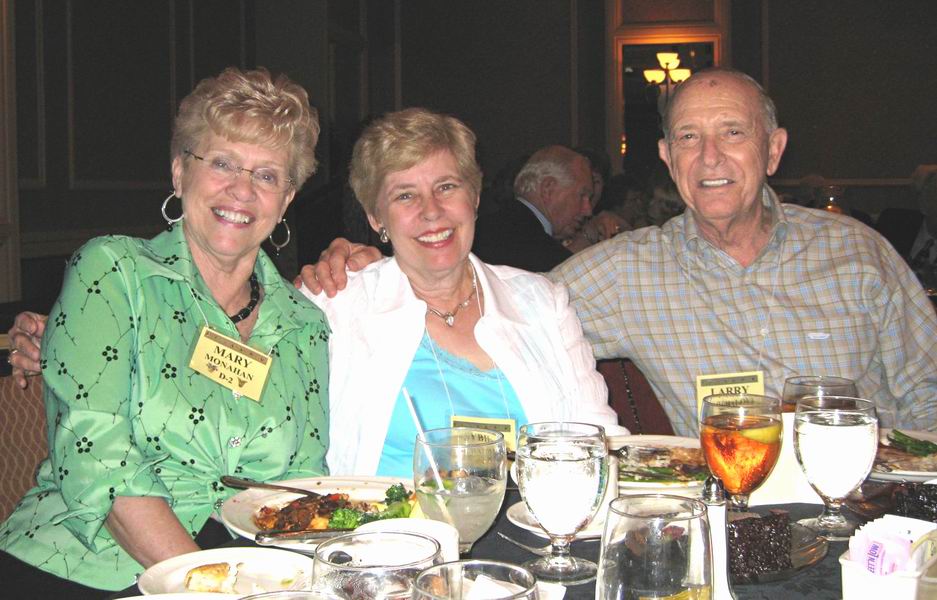
Mary Monahan - Sybil and Larry Michalove
[Austin Mini - APR 2008]
* * * * * * * * * * * * * * * * * * * * * *
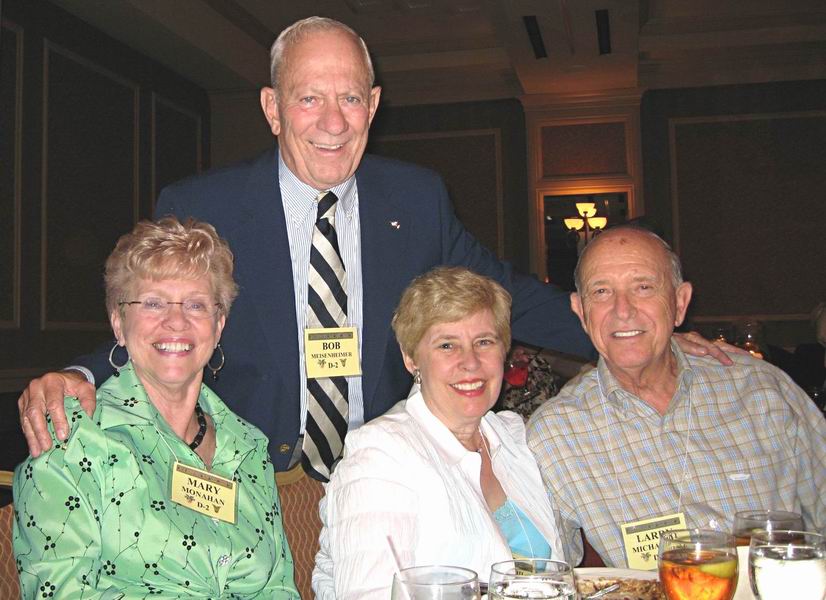
Mary Monahan - Bob Meisenheimer - Sybil and
Larry Michalove [Austin Mini - APR 2008]
* * * * * * * * * * * * * * * * * * * * * *
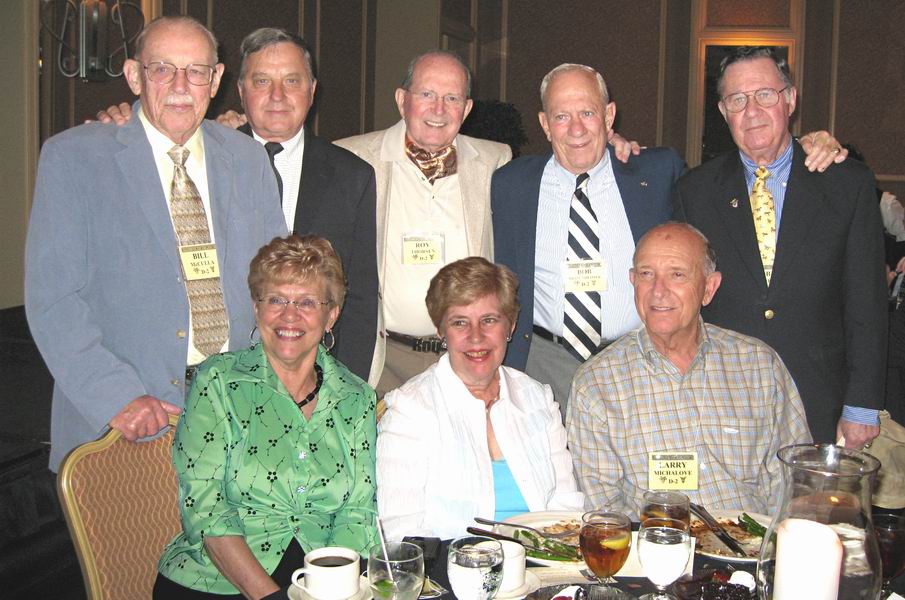
Bill McCulla - Jim Heye - Mary Monahan - Roy Thorsen - Sybil Michalove - Bob Meisenheimer - Larry Michalove - Bob Werner [Austin Mini - APR 2008] |
* * * * * * * * * * * * * * * * * * * * * *
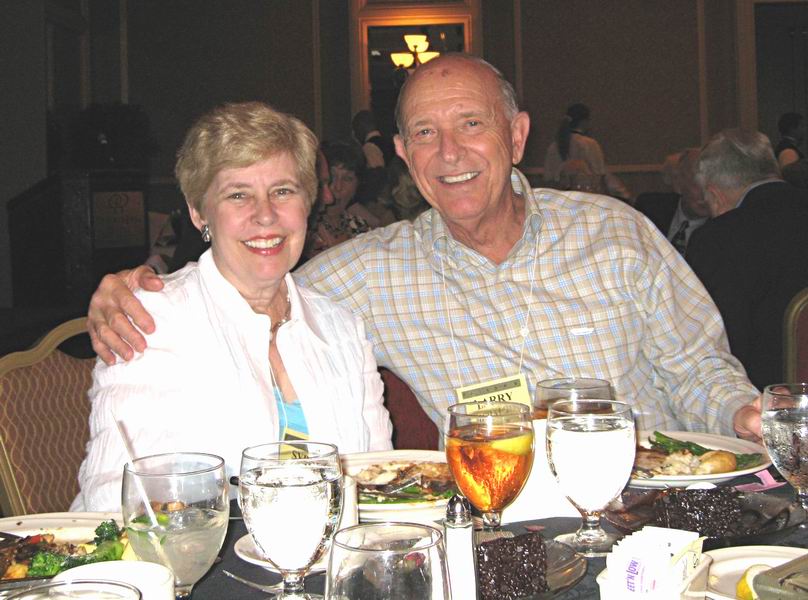
Sybil and Larry Michalove
[Austin Mini - APR 2008]
* * * * * * * * * * * * * * * * * * * * * *
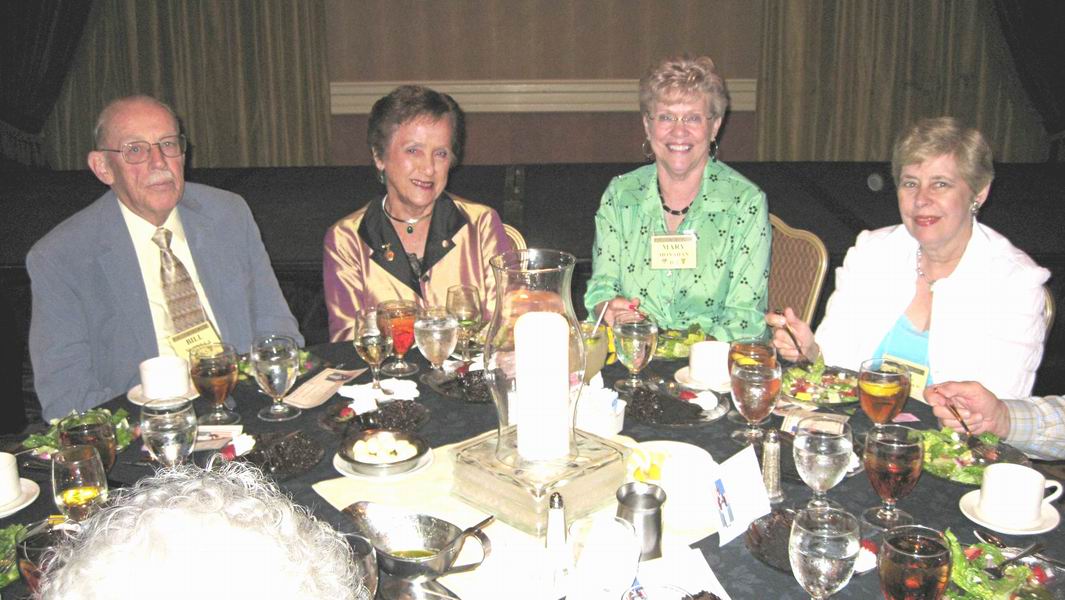
Bill and Joan McCulla - Mary Monahan - Sybil
Michalove [Austin Mini - APR 2008]
* * * * * * * * * * * * * * * * * * * * * *
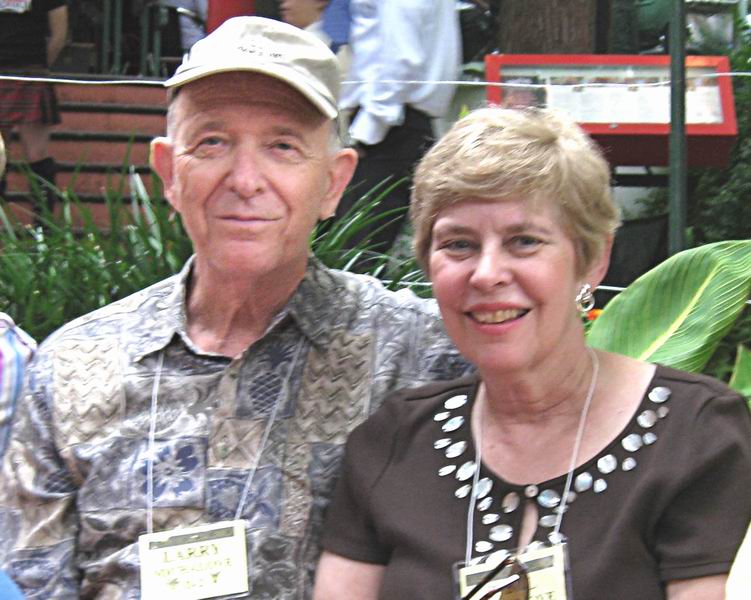
Larry and Sybil Michalove
[Austin Mini - APR 2008]
* * * * * * * * * * * * * * * * * * * * * *
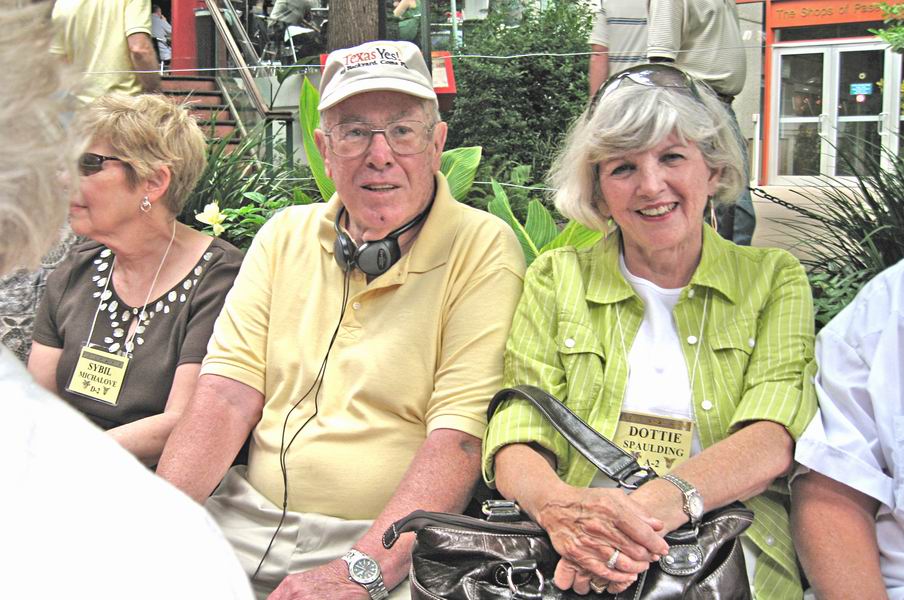
Sybil Michalove - Al and Dottie Spaulding
[Austin Mini - APR 2008]
* * * * * * * * * * * * * * * * * * * * * *
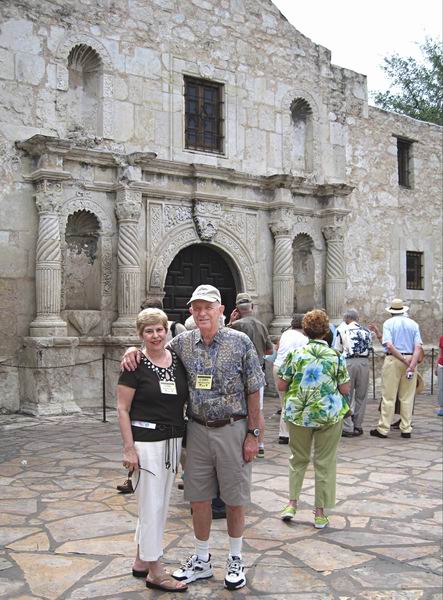
Sybil and Larry Michalove
[Austin Mini - APR 2008]
* * * * * * * * * * * * * * * * * * * * * *
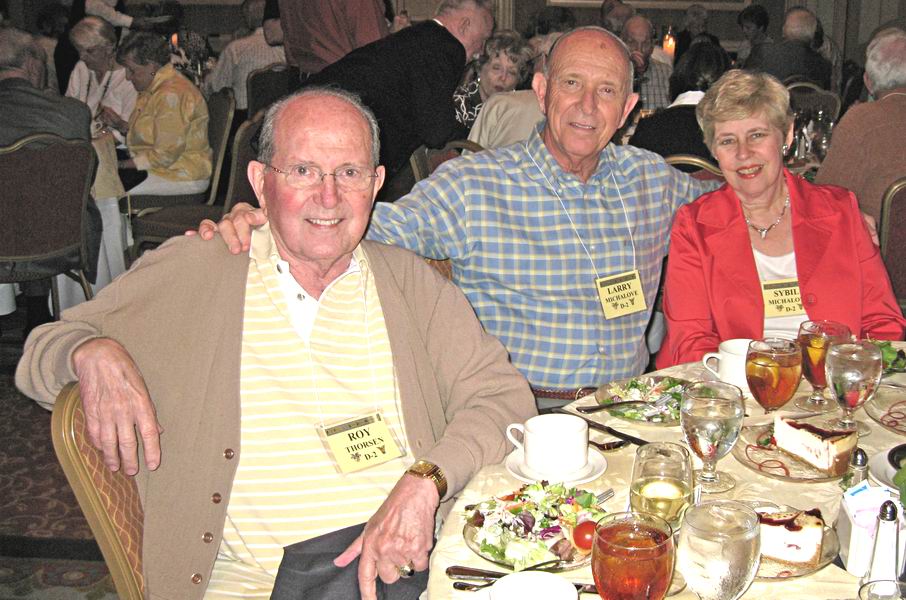
Roy Thorsen - Larry and Sybil Michalove
[Austin Mini - APR 2008]
* * * * * * * * * * * * * * * * * * * * * *
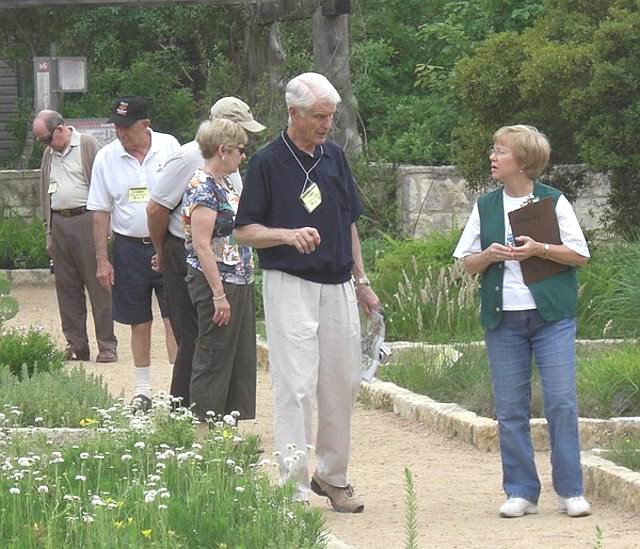
Roy Thorsen - ? - Larry and Sybil Michalove - Art
Follett - Tour Guide [Austin Mini - APR 2008]
* * * * * * * * * * * * * * * * * * * * * *
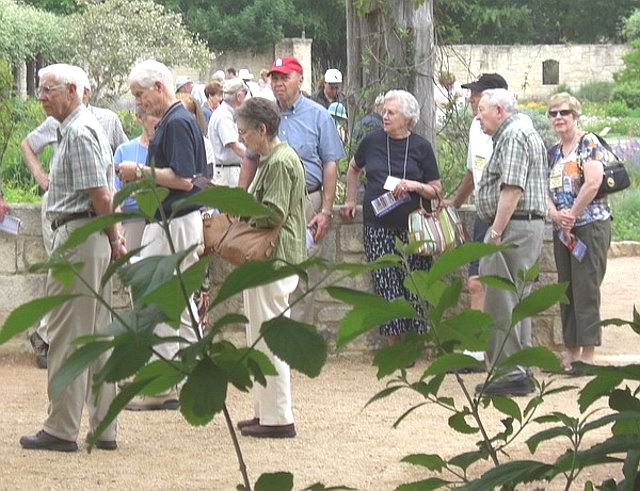
Jim Fiscus - Art Follett - Natalie Wilcox - Carl Bossert - Laura and Bill Haas - Larry and Sybil Michalove [Austin Mini - APR 2008] |
* * * * * * * * * * * * * * * * * * * * * *
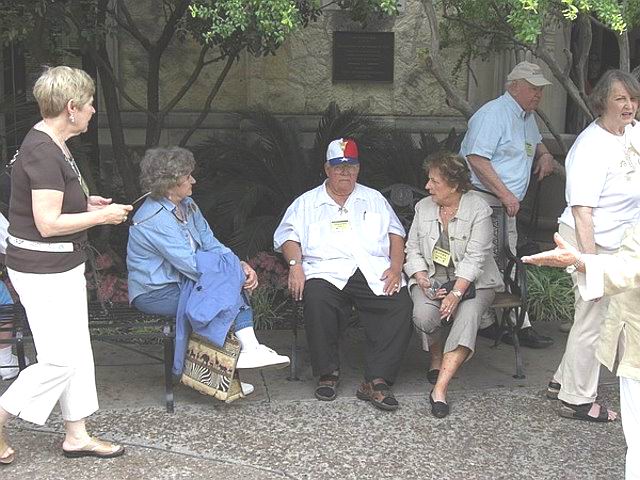
Sybil Michalove - Patty Page - Tommy West - Kathy Graham -
Jim Drummond - Barb Blahuta [Austin Mini - APR 2008]
* * * * * * * * * * * * * * * * * * * * * *
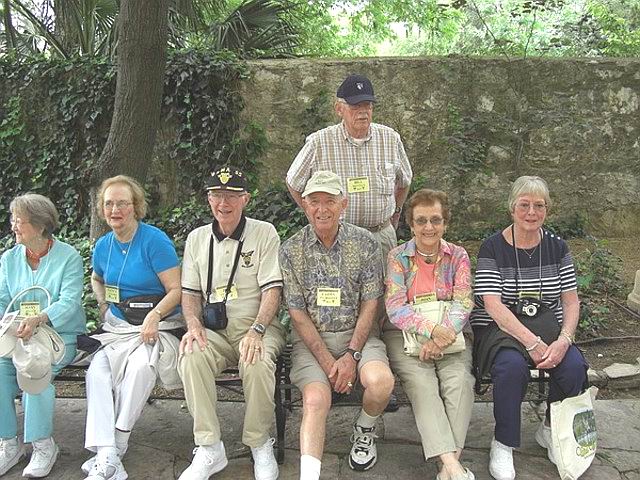
Mary Blitch - Nancy and Jim Cutchin - Larry Michalove - Bill and
Joan McCulla - Maggie Miller [Austin Mini - APR 2008]
* * * * * * * * * * * * * * * * * * * * * *
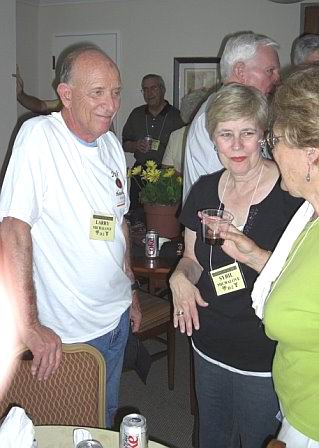
Larry and Sybil Michalove - ?
[Austin Mini - APR 2008]
* * * * * * * * * * * * * * * * * * * * * *
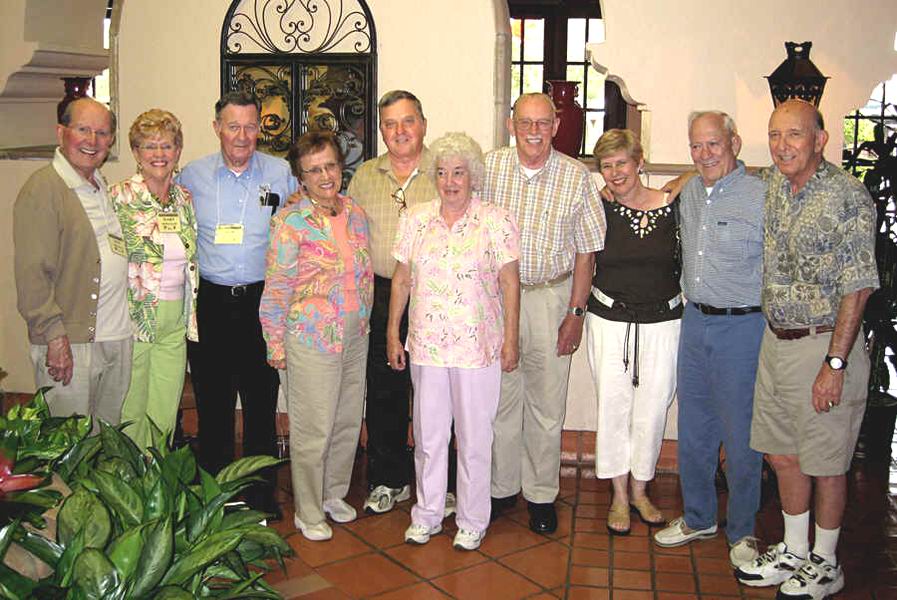
D2: Thorsen - Mary Monahan - Werner - Joan McCulla - Jim and Bettie Heye - McCulla - Sybil Michalove - Meisenheimer - Michalove [Austin Mini - APR 2008] |
* * * * * * * * * * * * * * * * * * * * * *
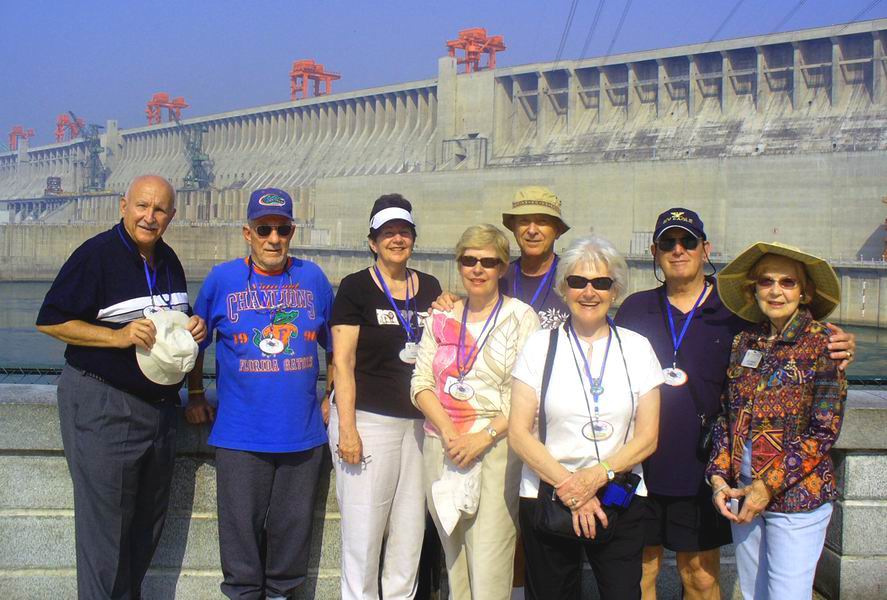
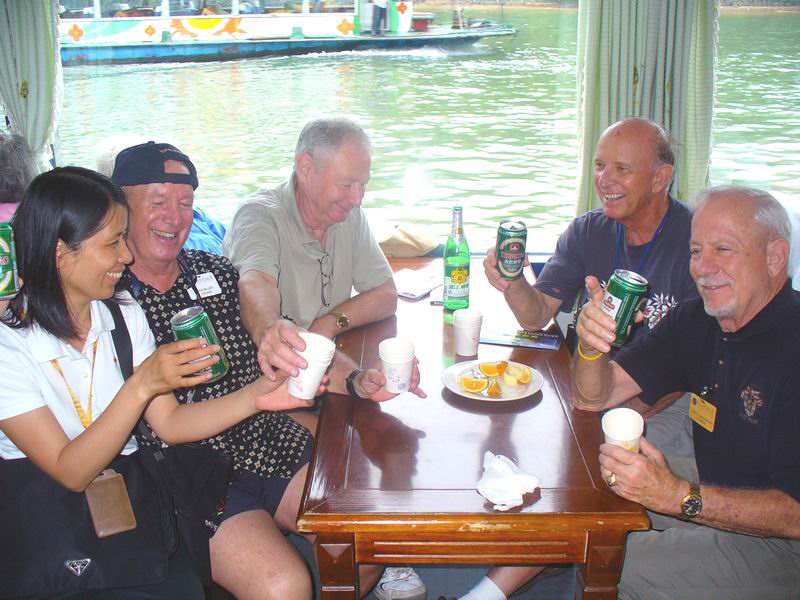
Sloan's - Bob Meisenheimer - Michalove's - Rich Miller's -
Doris (Mize's Friend) [China Trip - MAY 2007]
* * * * * * * * * * * * * * * * * * * * * *
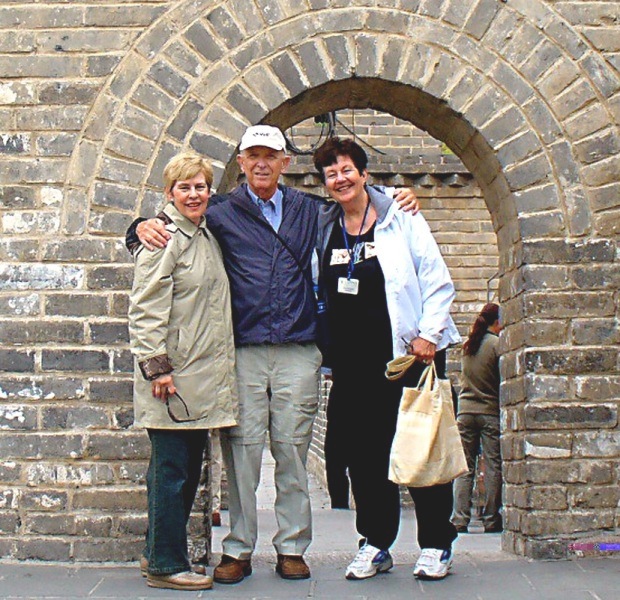
Rich Miller - Joel Hetland '56 - Larry Michalove -
Bob Meisenheimer [China Trip - MAY 2007]
* * * * * * * * * * * * * * * * * * * * * *
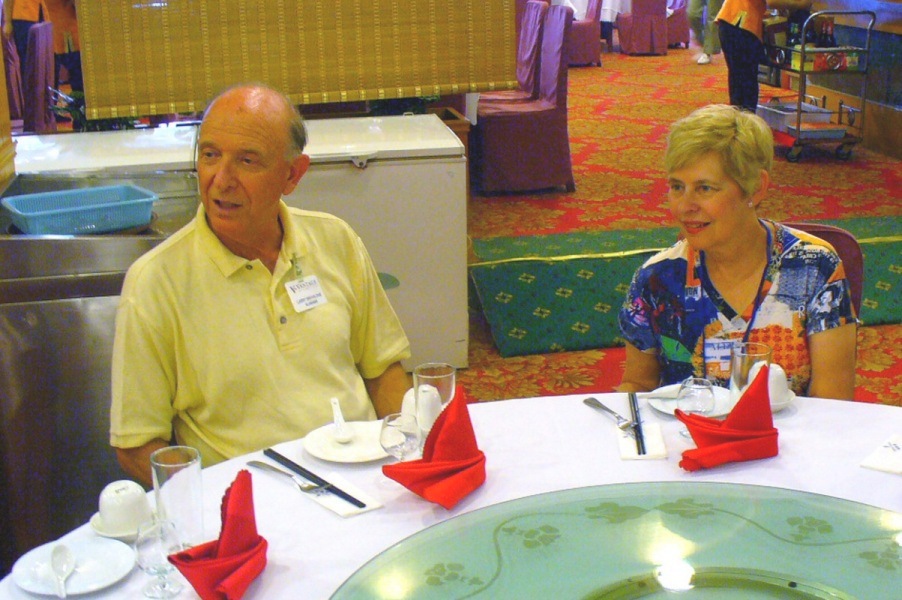
Michalove's and Ruth Sloan
[China Trip - MAY 2007]
* * * * * * * * * * * * * * * * * * * * * *
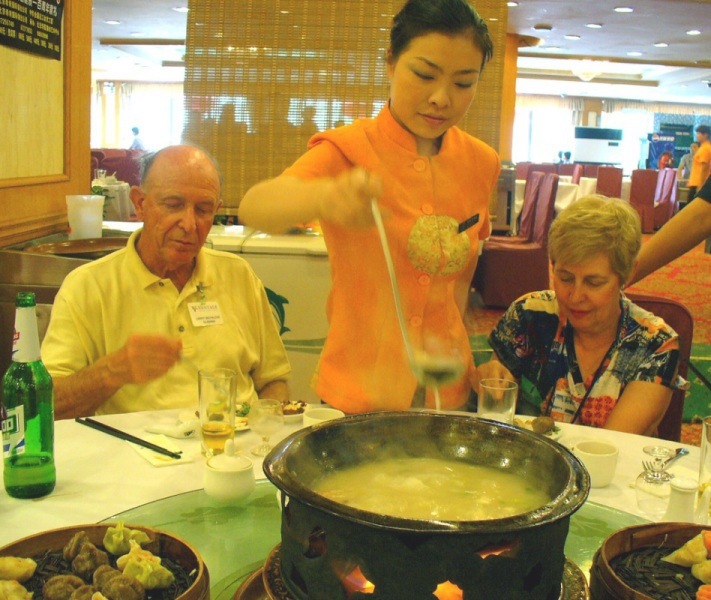
Larry and Sybil Michalove
[China Trip - MAY 2007]
* * * * * * * * * * * * * * * * * * * * * *
Larry and Sybil Michalove
[China Trip - MAY 2007]
* * * * * * * * * * * * * * * * * * * * * *
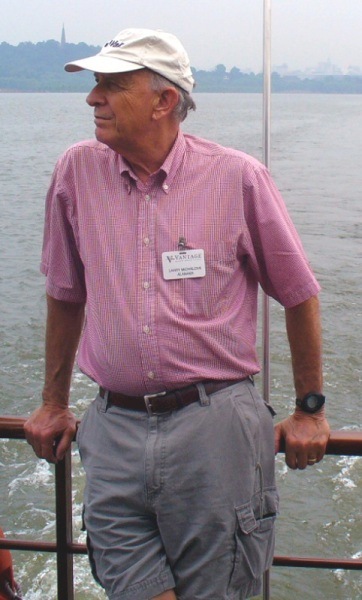
Larry Michalove
[China Trip - MAY 2007]
* * * * * * * * * * * * * * * * * * * * * *
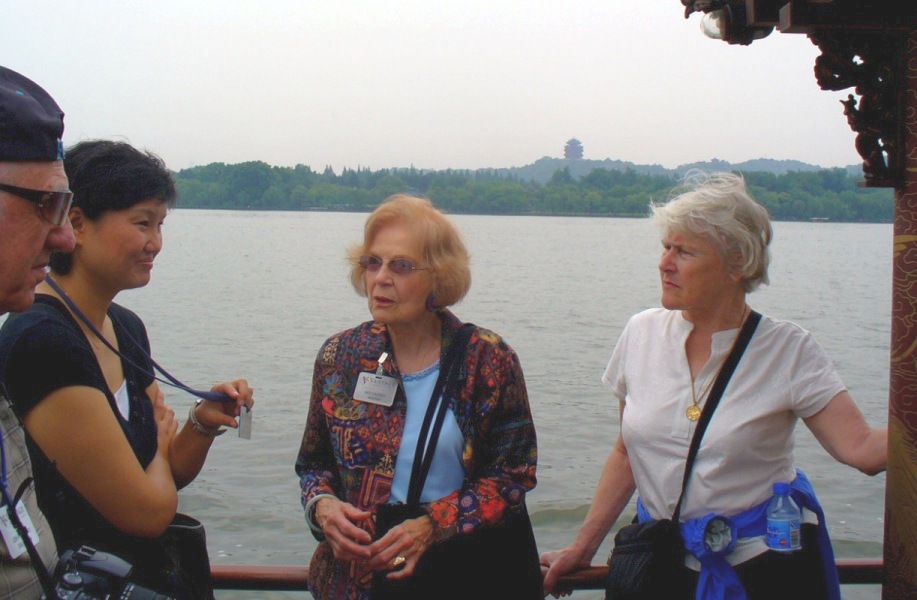
Doris and Sybil Michalove
[China Trip - MAY 2007]
* * * * * * * * * * * * * * * * * * * * * *
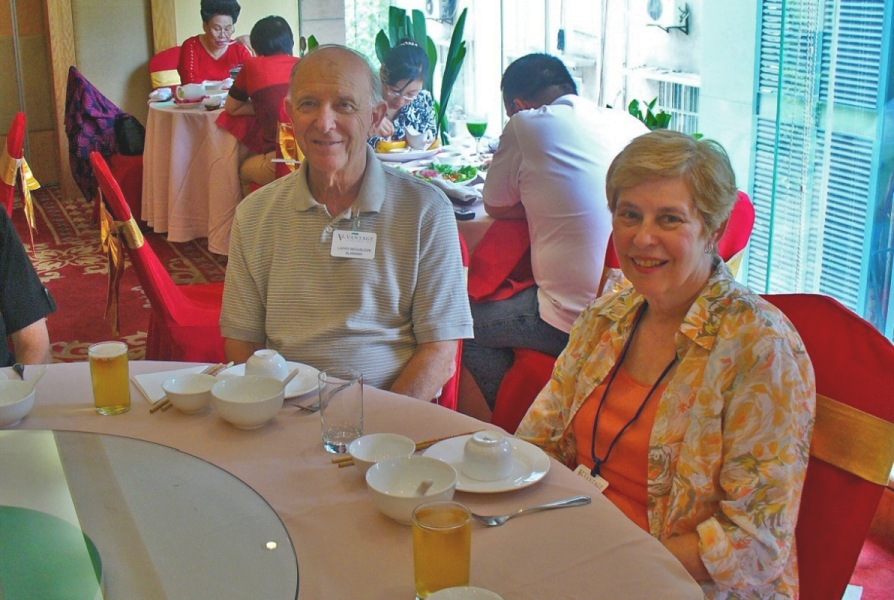
Larry and Sybil Michalove
[China Trip - MAY 2007]
* * * * * * * * * * * * * * * * * * * * * *
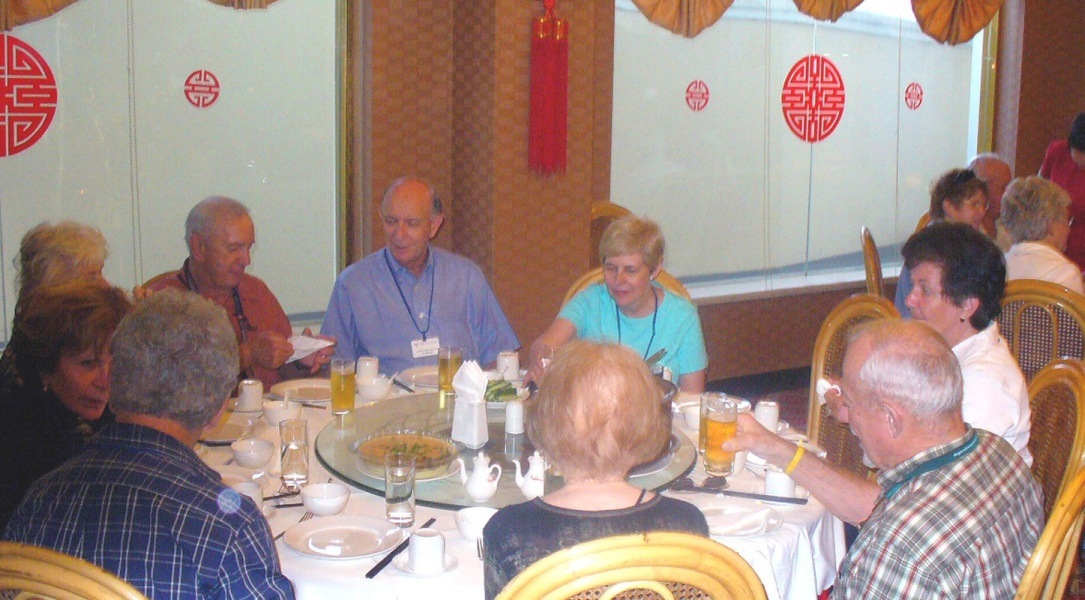
Rich Miller's - Michalove's - Ruth Sloan - Bob
Meisenheimer and Doris [China Trip - MAY 2007]
* * * * * * * * * * * * * * * * * * * * * *
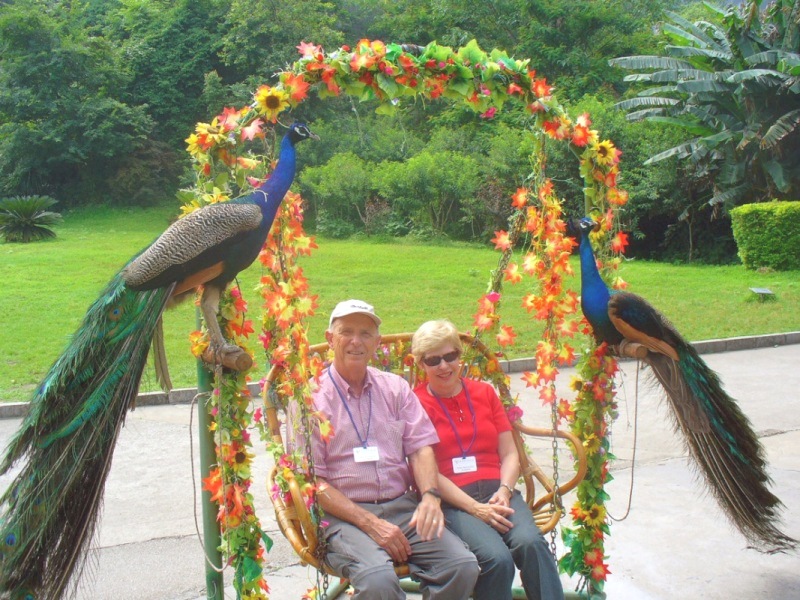
Larry and Sybil Michalove
[China Trip - MAY 2007]
* * * * * * * * * * * * * * * * * * * * * *
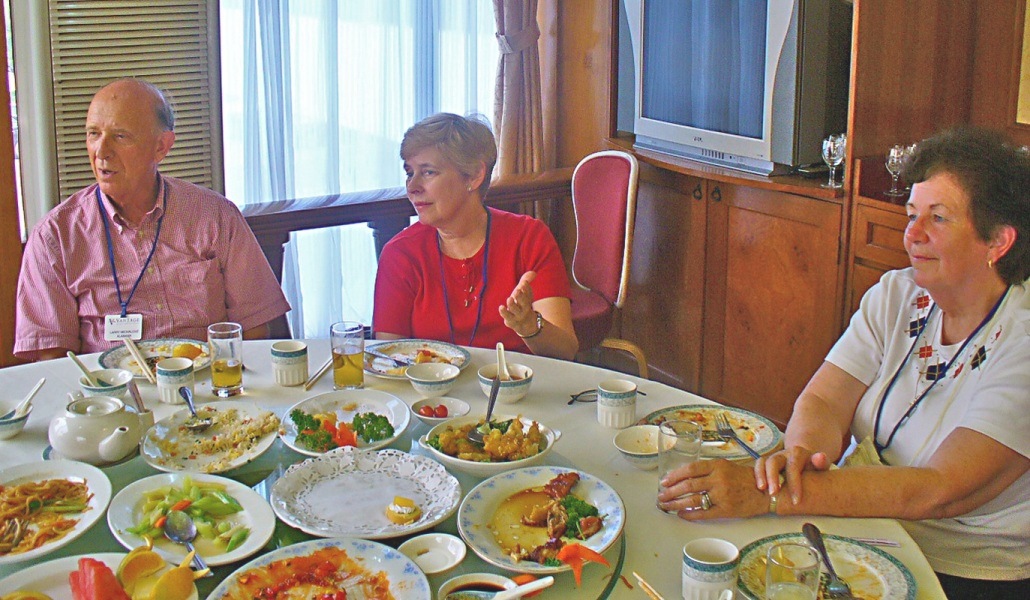
Michalove's and Ruth Sloan
[China Trip - MAY 2007]
* * * * * * * * * * * * * * * * * * * * * *
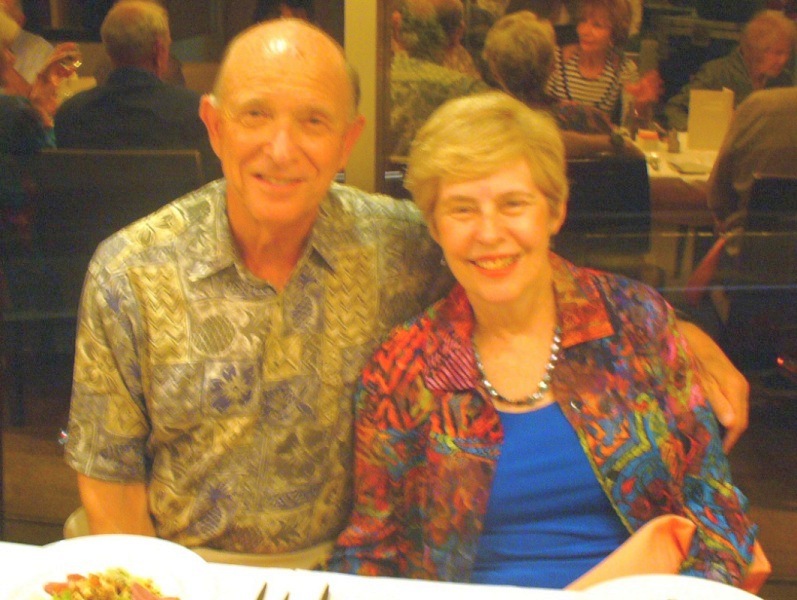
Larry and Sybil Michalove
[China Trip - MAY 2007]
* * * * * * * * * * * * * * * * * * * * * *
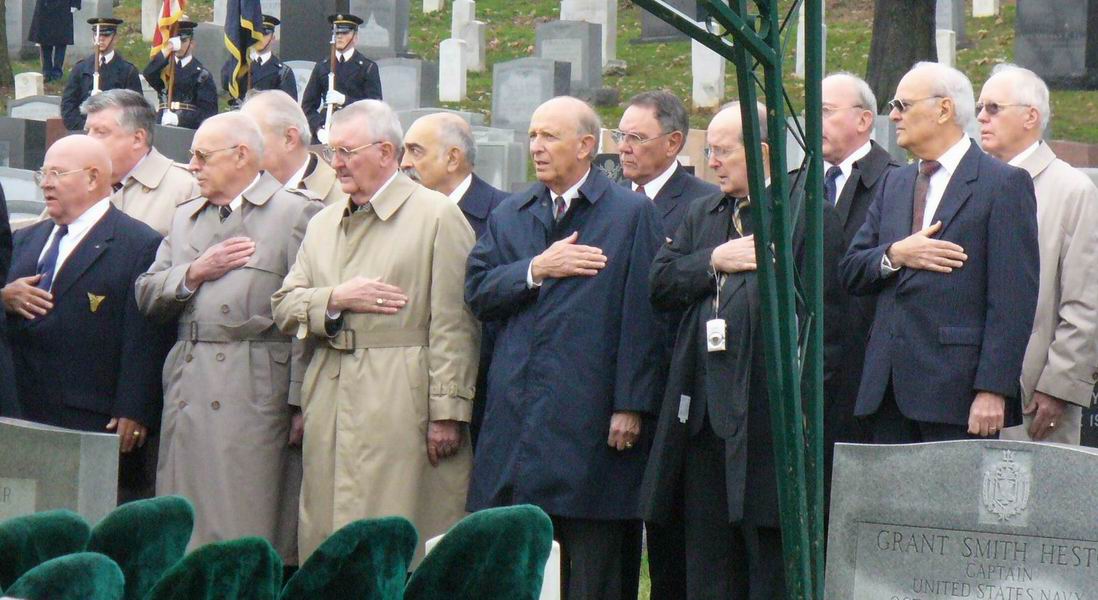
West - Hilbert - McCulla - Doyle - Roades - Karam - Michalove - Walt Boge (friend) - Thorsen - Quinn - Sy Kaback (golfing buddy) - Pete Beczkiewicz '51 (Bob Carlisle - friend is hidden from view) [Honorary Pallbearers: Al Bundren Funeral - DEC 2006] |
* * * * * * * * * * * * * * * * * * * * * *
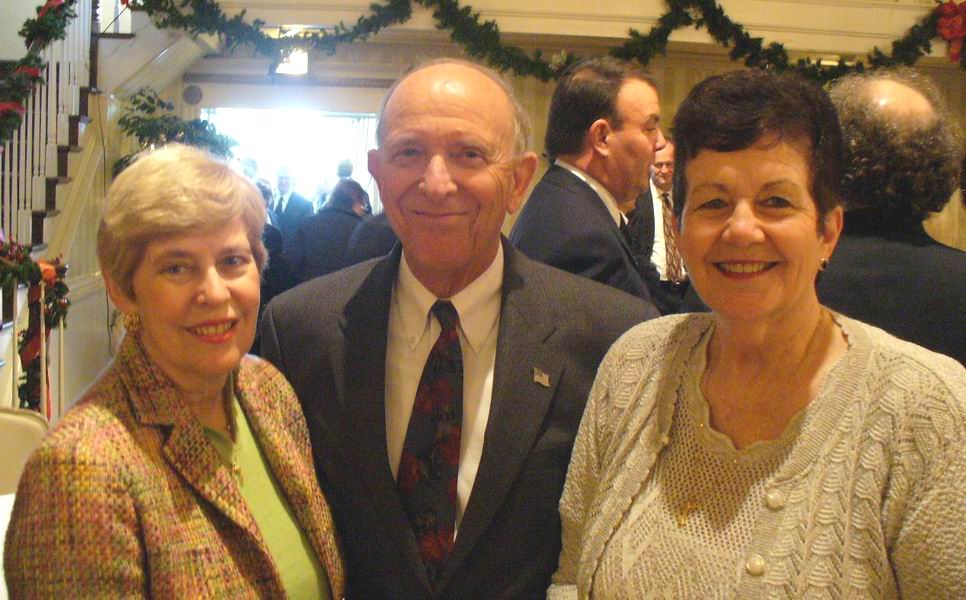
Sybil and Larry Michalove - Ruth Sloan
[Al Bundren Funeral - DEC 2006]
* * * * * * * * * * * * * * * * * * * * * *
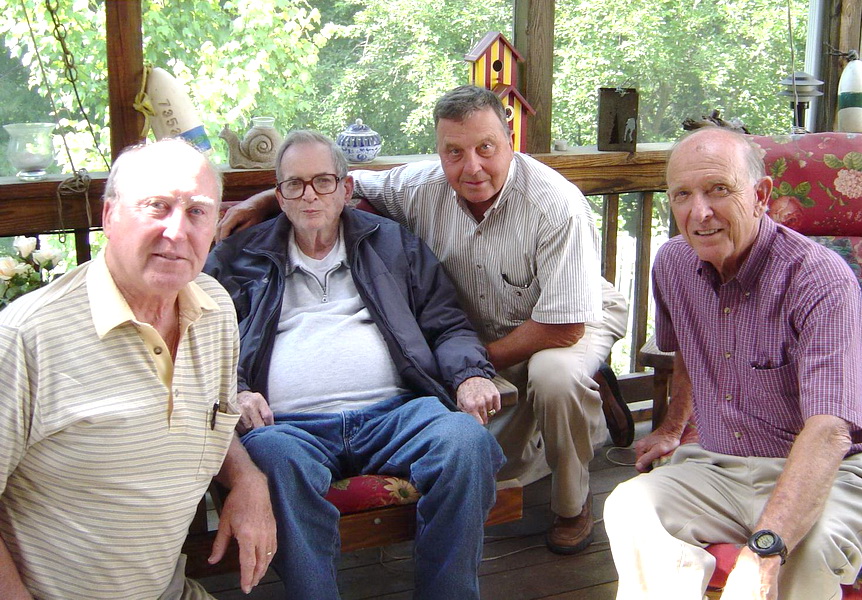
Quinn - Bundren - Heye - Michalove
[JUL 2006]
* * * * * * * * * * * * * * * * * * * * * *
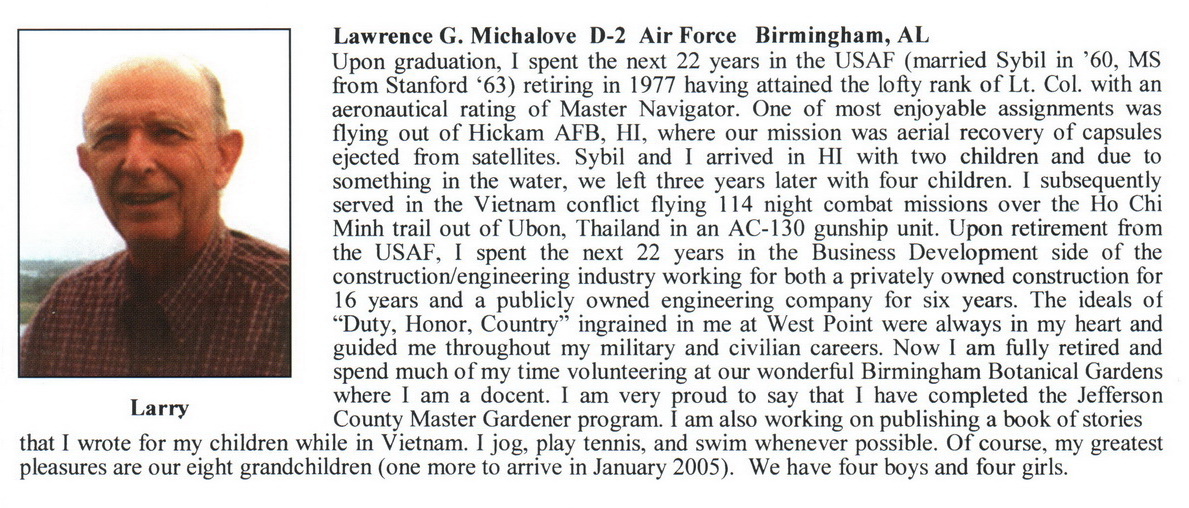
[50th Reunion Bio]
* * * * * * * * * * * * * * * * * * * * * *
Meisenheimer - Dolores - and Michalove's
[50th Reunion]
* * * * * * * * * * * * * * * * * * * * * *
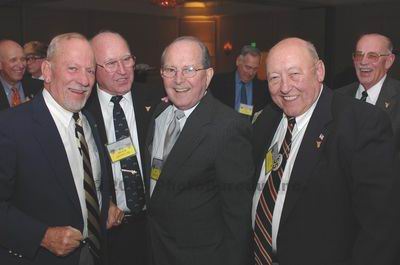
Larry Michalove - Bob Meisenheimer - Hugh Quinn - Roy Thorsen
Rob Cummins - Bob Russell - Bill McCulla [50th Reunion]
* * * * * * * * * * * * * * * * * * * * * *
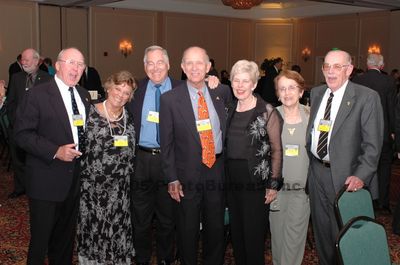
Ann and Hugh Quinn - Rob Cummins - Larry and Sybil
Michalove - Joan and Bill McCulla [50th Reunion]
* * * * * * * * * * * * * * * * * * * * * *
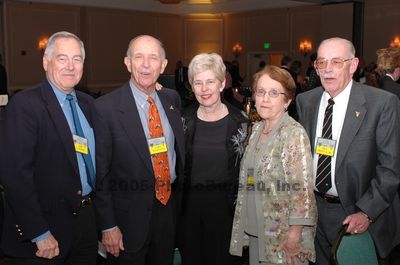
Rob Cummins - Larry and Sybil Michalove -
Joan and Bill McCulla [50th Reunion]
* * * * * * * * * * * * * * * * * * * * * *

Wynne Stern - Bob Meisenheimer - Dee Cassidy - Roy Thorsen - Joan McCulla - Rob Cummins - Hugh and Ann Quinn - Bill McCulla - Val and Al Bundren - Sybil and Larry Michalove - Kay and Larry Stockett - Mary Monahan and Jack Doyle [50th Reunion] |
* * * * * * * * * * * * * * * * * * * * * *
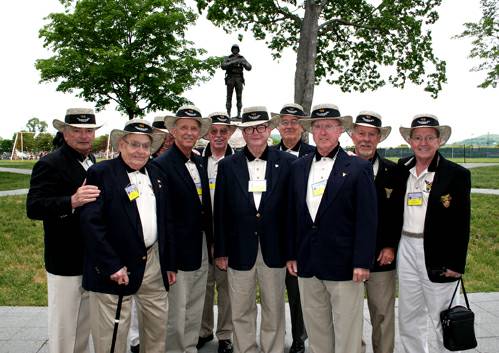
D-2: Stern - Stockett - Russell - Michalove - McCulla - Bundren - Cummins - Quinn - Meisenheimer - Thorsen [50th Reunion] |
* * * * * * * * * * * * * * * * * * * * * *
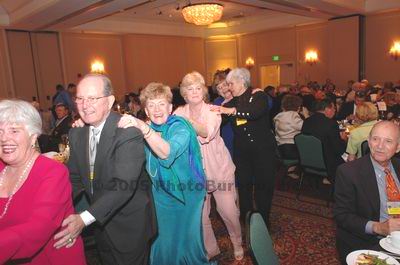
Kay Stockett - Roy Thorsen - Lo Dienst - ? -
Marcia Cathey - Larry Michalove [50th Reunion]
* * * * * * * * * * * * * * * * * * * * * *
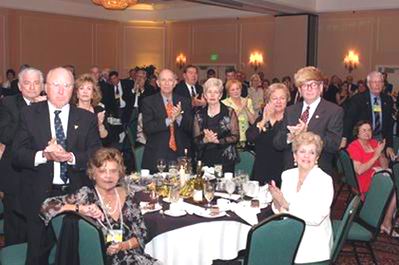
Ann and Hugh Quinn - Wynne and Sheila Stern - Larry Michalove - Ed Zaborowski - Sybil Michalove - Jane Zaborowski - Val and Al Bundren - Mary Monahan - Paula and Jack Campbell [50th Reunion] |
* * * * * * * * * * * * * * * * * * * * * *
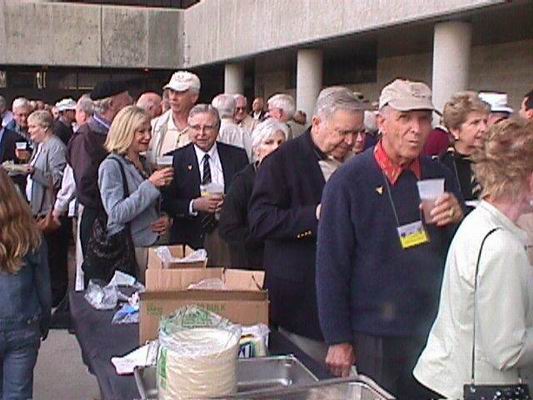
Lucas - Wheeler - Michalove
[50th Reunion]
* * * * * * * * * * * * * * * * * * * * * *
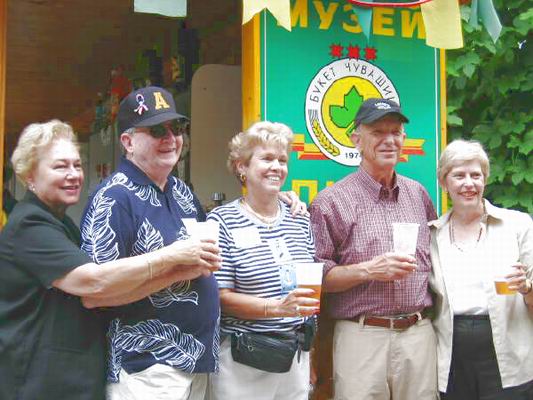
Val and Al Bundren - Mary Monahan - Larry and
Sybil Michalove [JUN 2003 Russia Trip]
* * * * * * * * * * * * * * * * * * * * * *
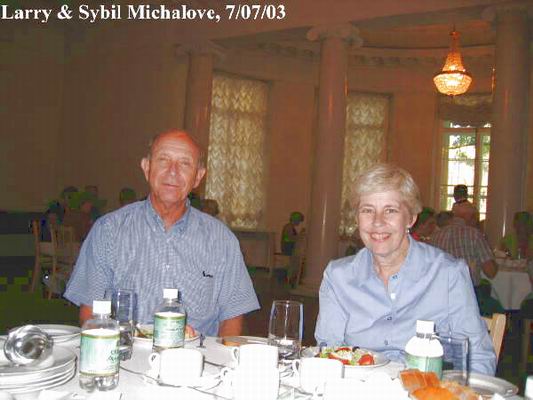
Larry and Sybil Michalove
[JUN 2003 Russia Trip]
* * * * * * * * * * * * * * * * * * * * * *
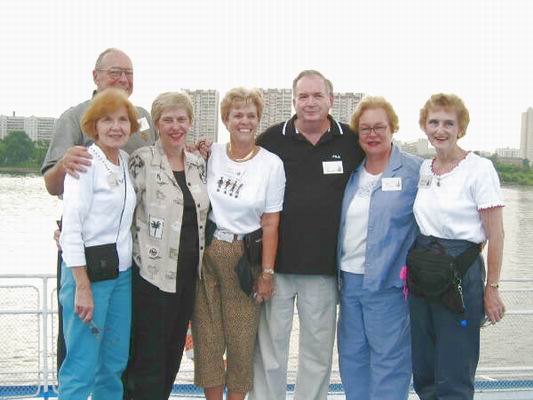
Paul Parks - Sybil Michalove - Mary Monahan - Al and Val
Bundren - Marlowe Viney [JUN 2003 Russia Trip]
* * * * * * * * * * * * * * * * * * * * * *
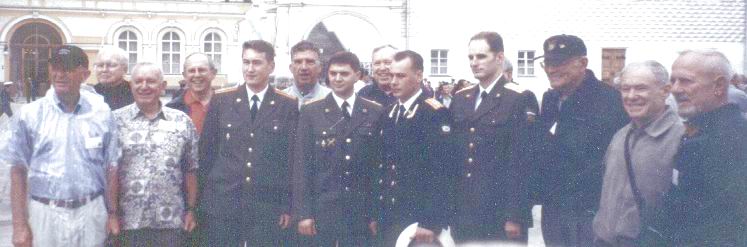
Larry Michalove - Dick Traut - Rich Miller - Jim Bergen - Dave Wheeler - Paul Sper USMA '59 - Bob Meisenheimer with recently minted Russian 2nd Lts [JUN 2003 Russia Trip] |
* * * * * * * * * * * * * * * * * * * * * *
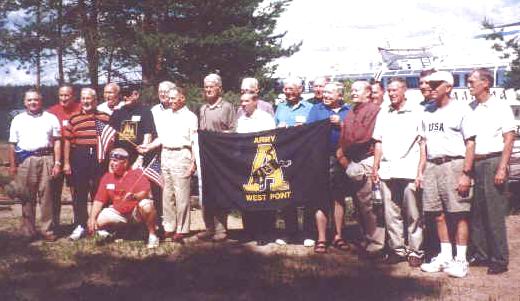
Minich - Bazilwich - Meisenheimer - Sloan - Bundren - R Miller (kneeling) - Traut - Howie Stone - Follett - Maurer (part hidden) - Ship captain - Fiscus - Parks - Wheeler - J Strickland - Werner - Black - Bergen - Michalove - Tennant [JUN 2003 Russia Trip] |
* * * * * * * * * * * * * * * * * * * * * *
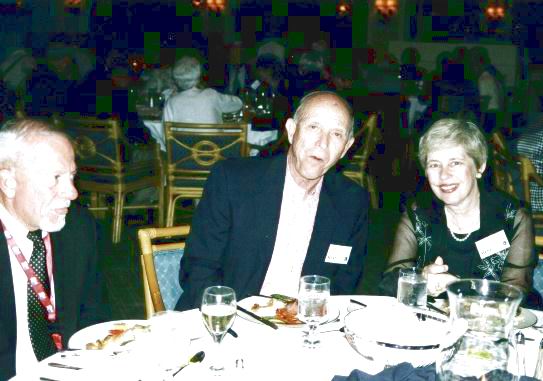
Meisenheimer - Larry and Sybil Michalove
[APR 2003 Florida Mini]
* * * * * * * * * * * * * * * * * * * * * *
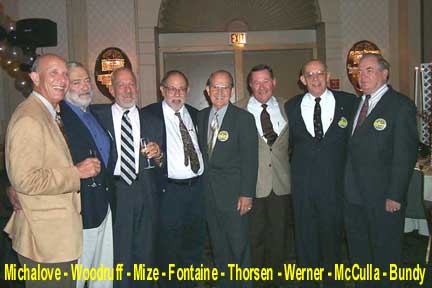
Michalove - Woodruff x55 - Meisenheimer - Fontaine - Thorsen -
Werner - McCulla - Bundren [45th Reunion - SEP 2000]
* * * * * * * * * * * * * * * * * * * * * *
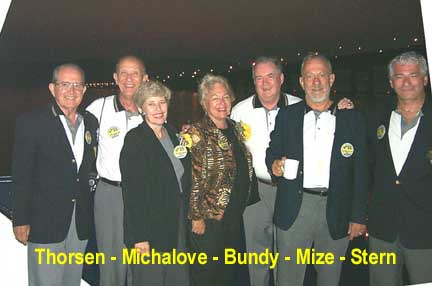
Thorsen - Michalove - Bundren - Meisenheimer -
Stern [45th Reunion - SEP 2000]
* * * * * * * * * * * * * * * * * * * * * *
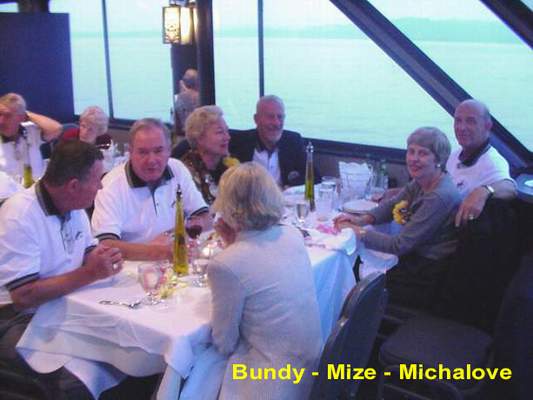
Bundren - Meisenheimer - Michalove
[45th Reunion - SEP 2000]
* * * * * * * * * * * * * * * * * * * * * *
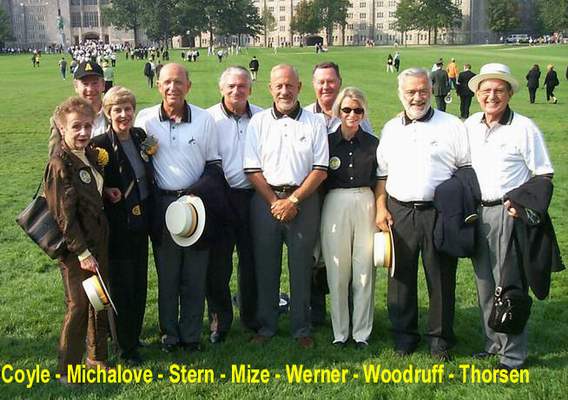
Coyle - Michalove - Stern - Meisenheimer - Werner -
Woodruff - Thorsen [45th Reunion - SEP 2000]
* * * * * * * * * * * * * * * * * * * * * *
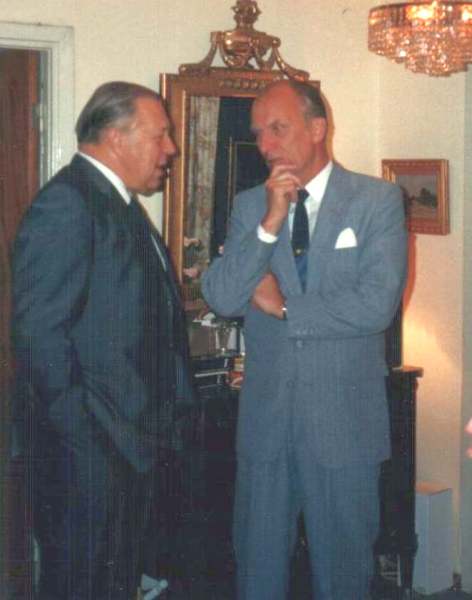
Carl Cathey and Larry Michalove
[c1989]
* * * * * * * * * * * * * * * * * * * * * *
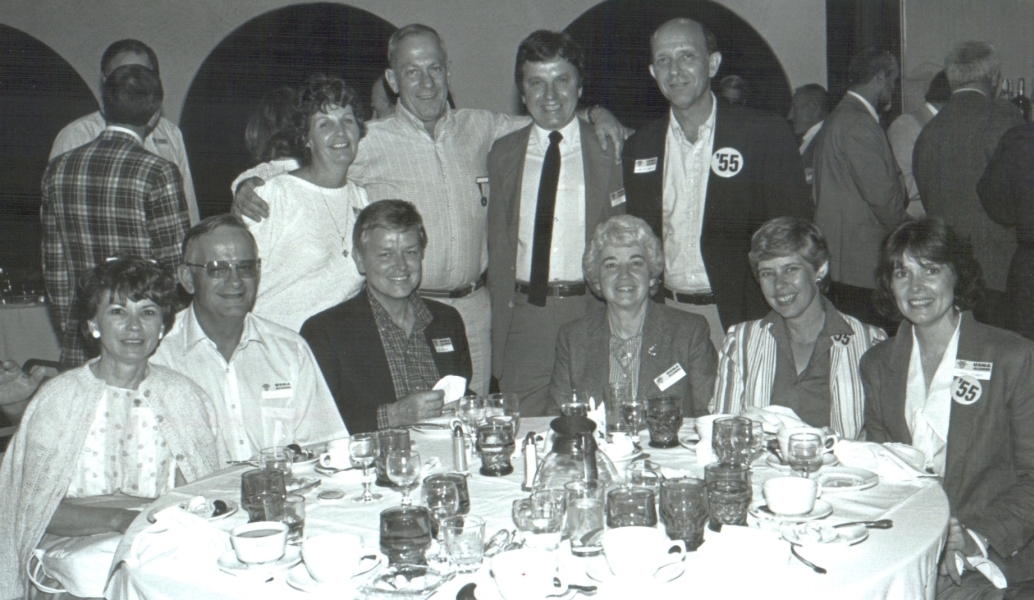
? - ? - Meisenheimer - ? - Michalove's
[c1985]
* * * * * * * * * * * * * * * * * * * * * *
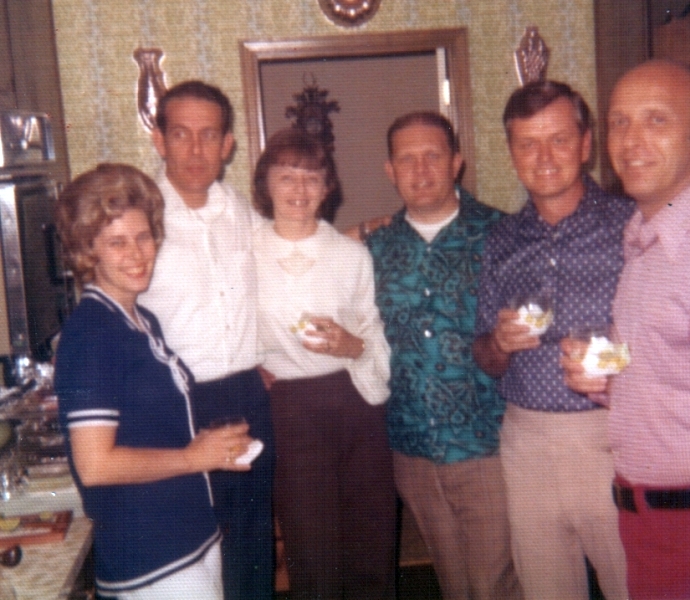
Burroughs - Carrington - Riggs - Michalove
[c1985]
* * * * * * * * * * * * * * * * * * * * * *
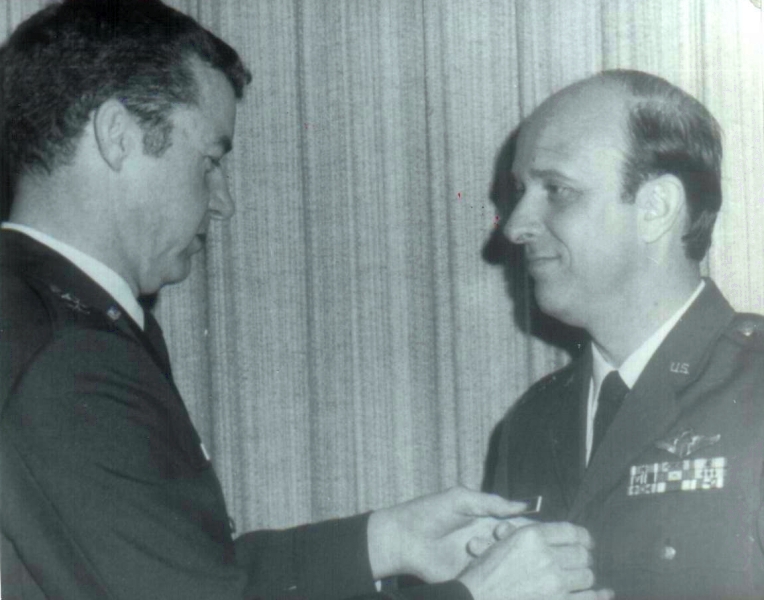
Larry Michalove
[c1970's]
* * * * * * * * * * * * * * * * * * * * * *
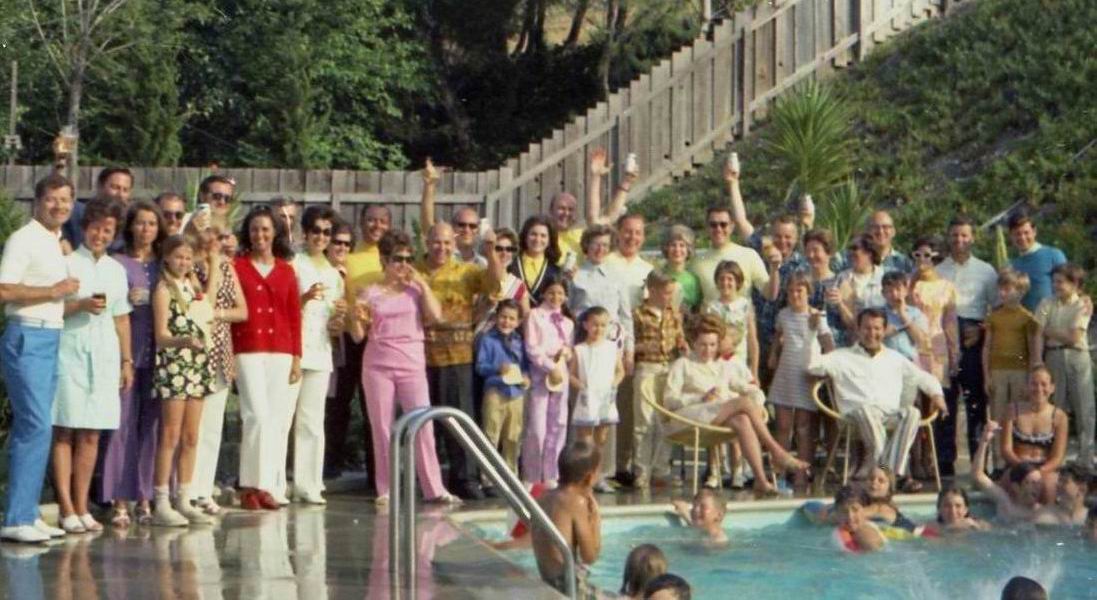
Bill Graham - Murray - Spaulding - Bullard x55 - Wing - Knieriem - West - Michalove - Regnier - Tom Phillips - Viney - Klung - Pond - Smor - Perritt x55 - Thorsen (seated) [Mini Reunion @ Thorsens - MAY 1970] |
* * * * * * * * * * * * * * * * * * * * * *
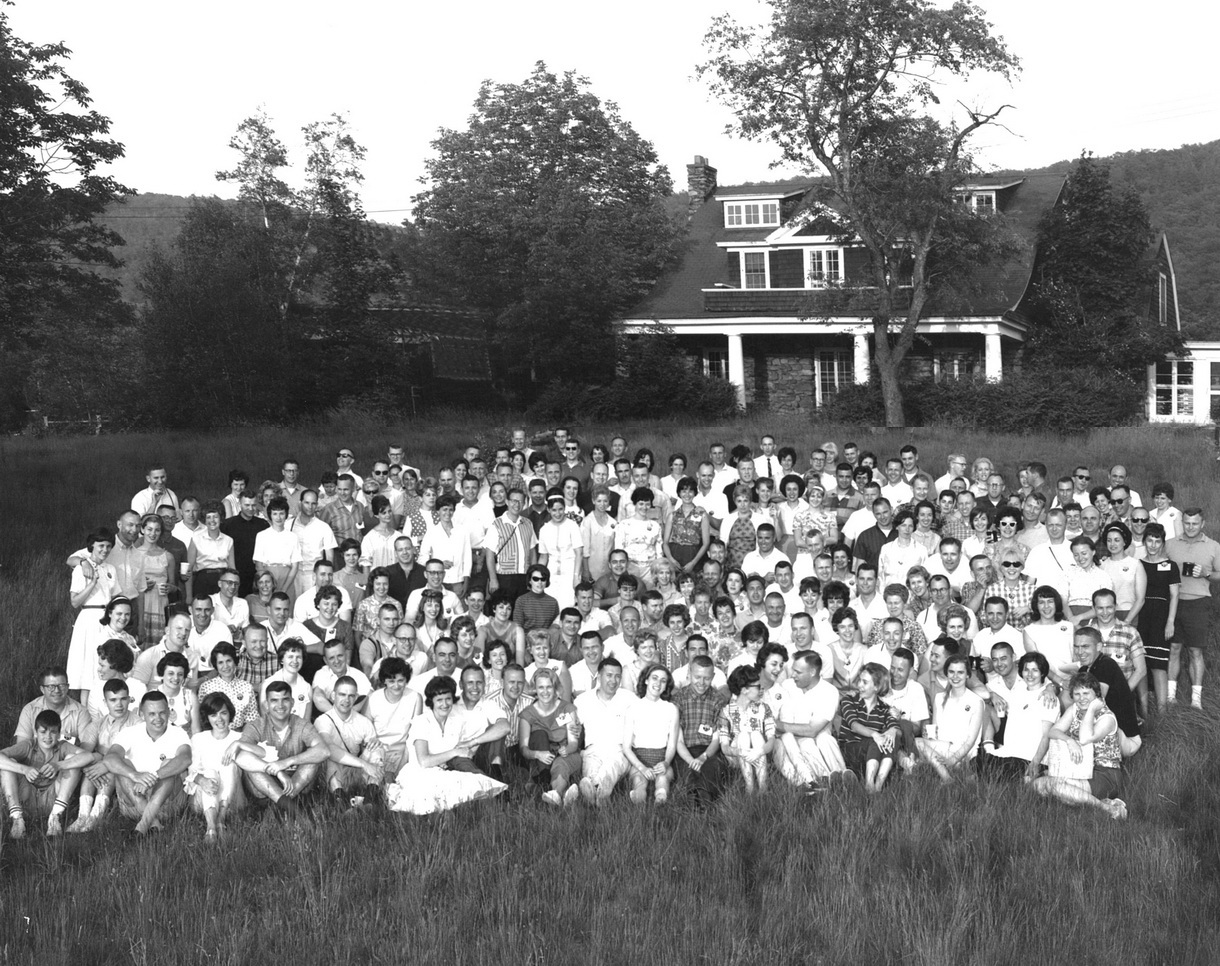
[10th Reunion - 1965] |
Larger Size
* * * * * * * * * * * * * * * * * * * * * *
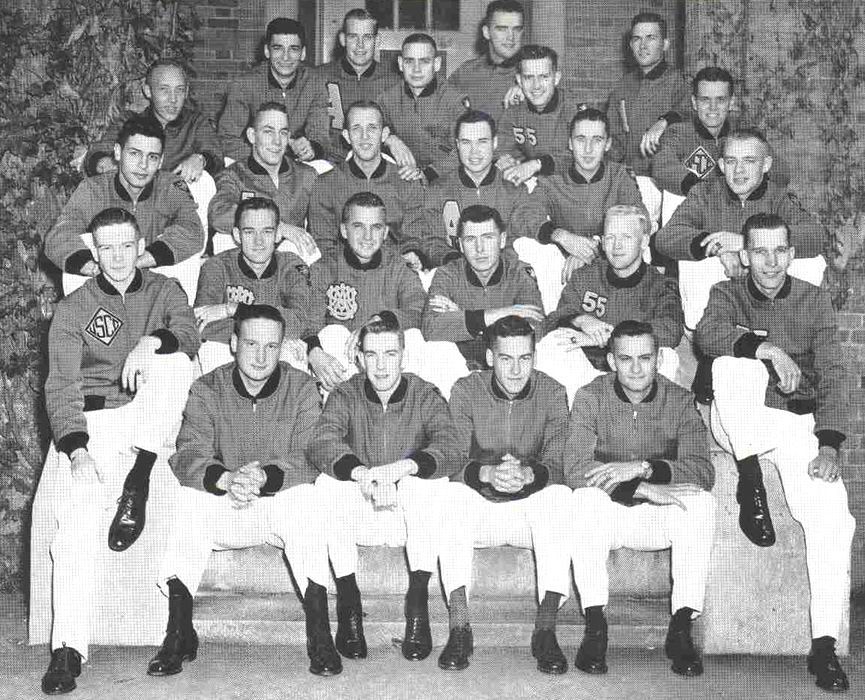
D-2 Firsties - 5th Row: Wilkinson - Woodruff x55 - 4th Row: Stern - Stockett - Thorsen - Werner - 3rd Row: Russell - Meisenheimer - Michalove - Monahan - Quinn - Riggs - 2nd Row:Fontaine - Herman - Heye - Jefferies - McCormack - McCulla - 1st Row: Bundren - Chura - Coyle - Cummins - Erminger - Fetko (CO) |
* * * * * * * * * * * * * * * * * * * * * *
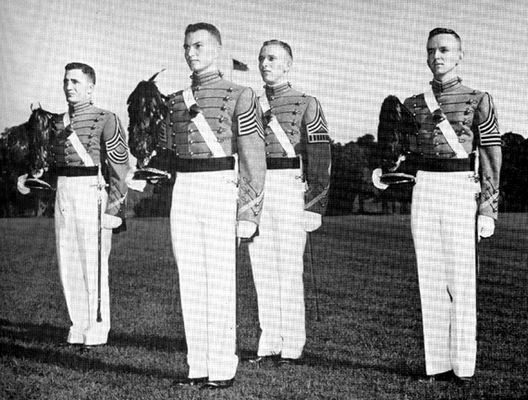
RR Davis - Fikaris - Michalove - Hargrove
1st Bn Staff - 2nd Regt
* * * * * * * * * * * * * * * * * * * * * *
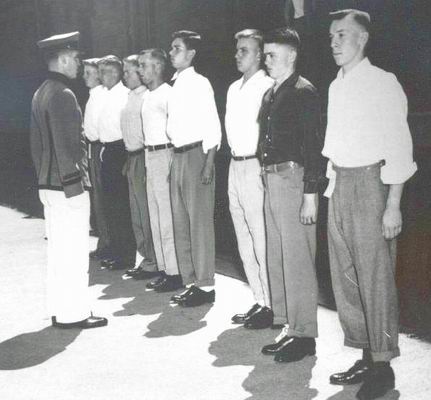
Michalove - ? - McWilliams - Roberts -
Wildermuth - Heye - Minich - Coyle [1951]
(Updated JUL 2019) |
A Great Escape: Vietnam Vet’s Children’s Book Compiled
|


Local Classmate Assistant (LCA) Information
Preferred Charity: Wounded Warrior Project Suggested LCA: Buddy Roberts |