

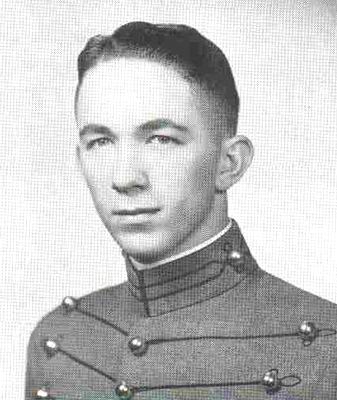
Carl McNair
[22 SEP 1933 - E1 - 20368]
2011 USMA Distinguished Graduate
2011 Distinguished Graduate Gathering
* * * * * * * * * * * * * * * * * * * * * *
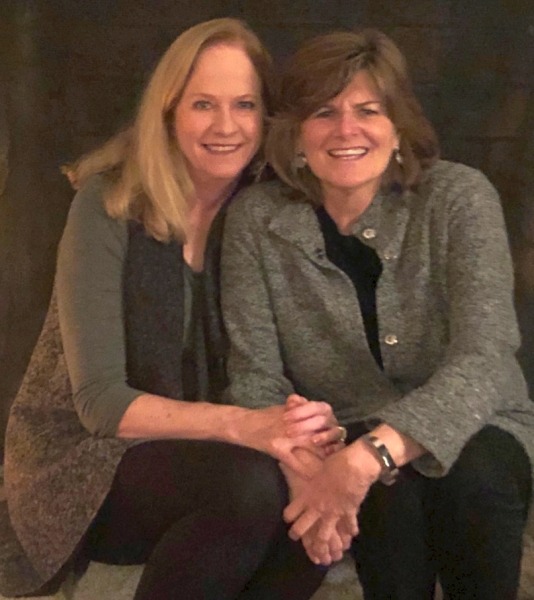
Cynthia McNair Wood (daughter of Carl and Joanne McNair) and Sally Jeter Gregg (daughter of Jack and Katherine Jeter) friends today at Lake Toxaway NC as they were in Lee Area in 1969-1972 - Now beautiful grandmothers [NOV 2019] |
* * * * * * * * * * * * * * * * * * * * * *
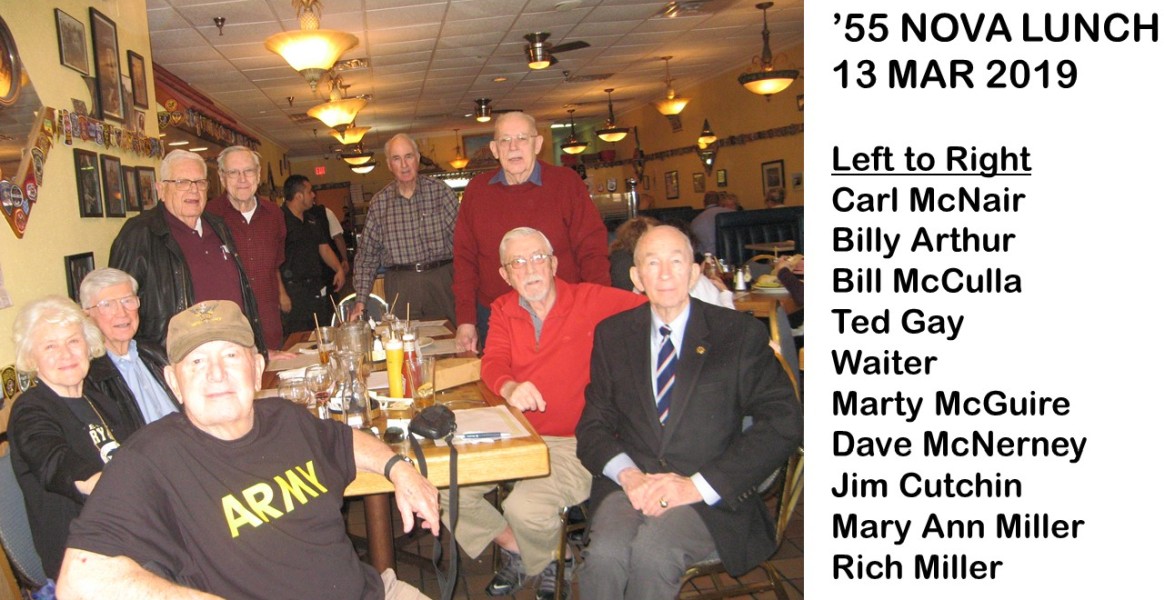
[MAR 2019 NOVA Lunch]
* * * * * * * * * * * * * * * * * * * * * *
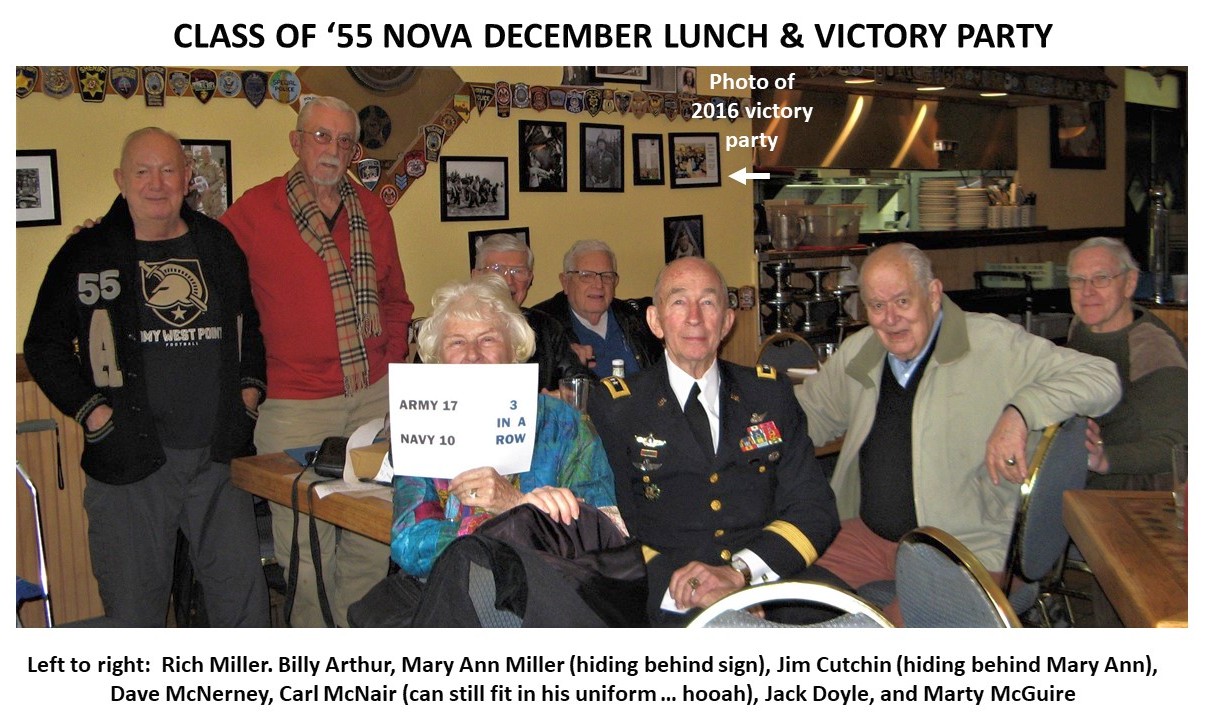
[DEC 2018 NOVA Lunch]
* * * * * * * * * * * * * * * * * * * * * *
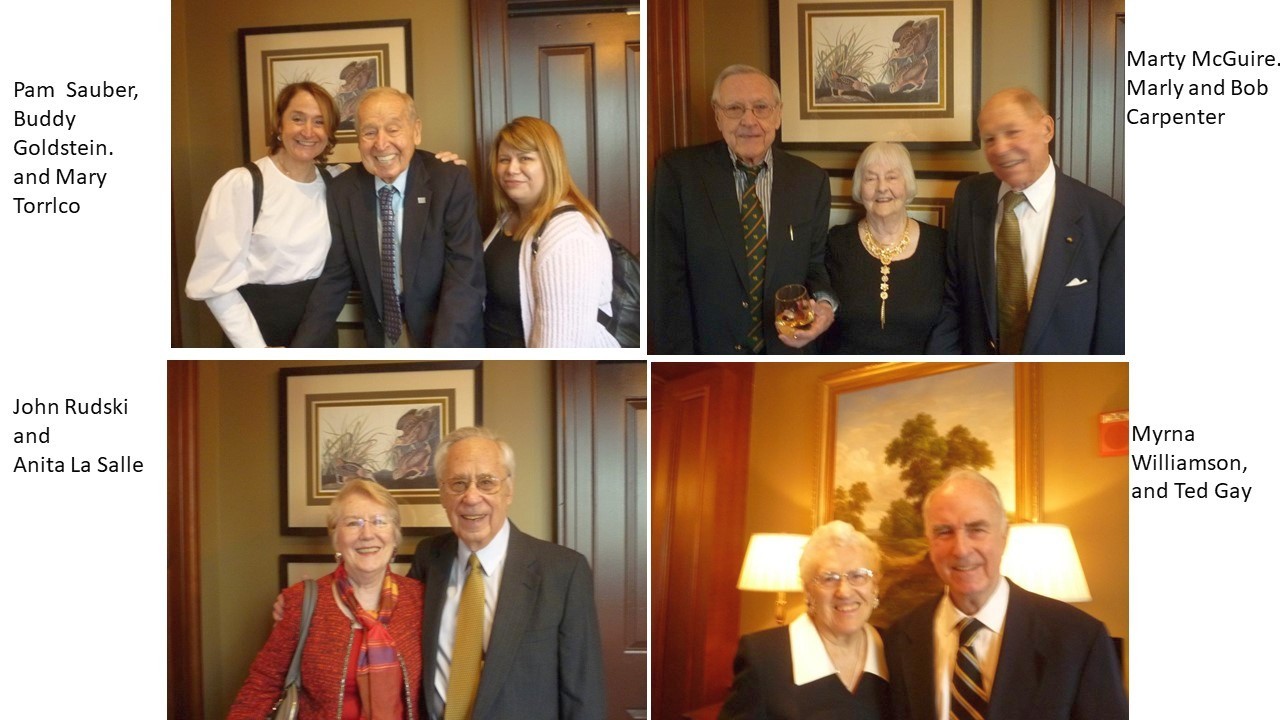
'55 DC Holiday Brunch
[ANCC - Dec 2018]
* * * * * * * * * * * * * * * * * * * * * *
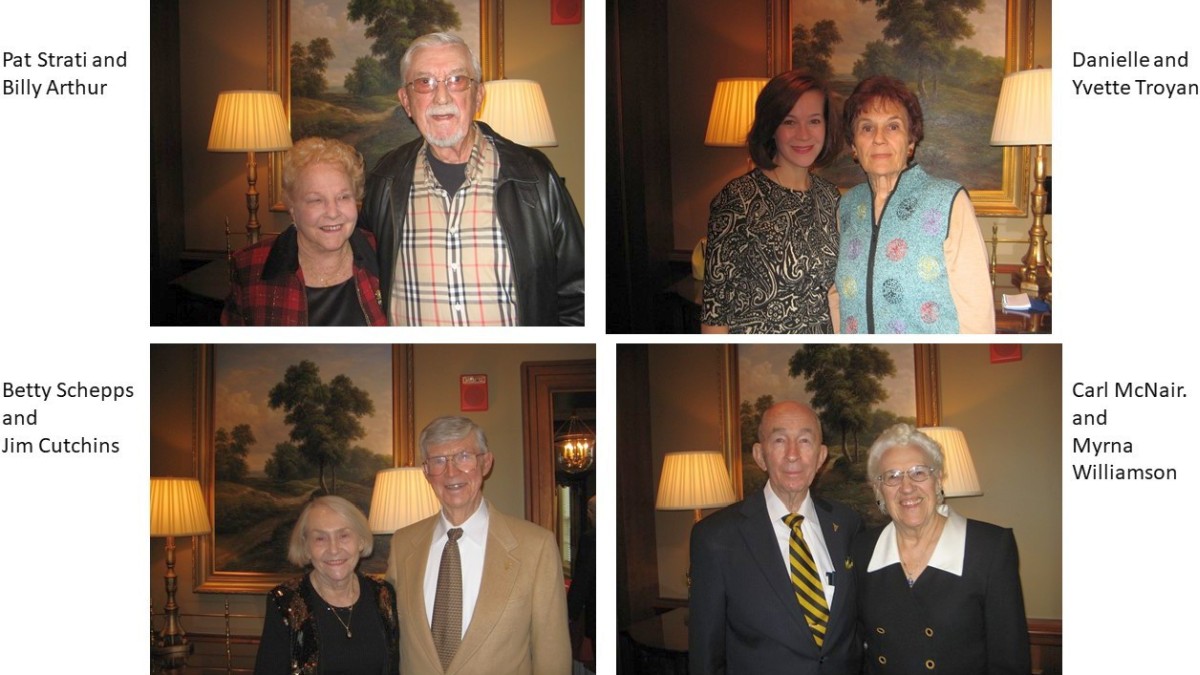
'55 DC Holiday Brunch
[ANCC - Dec 2018]
* * * * * * * * * * * * * * * * * * * * * *
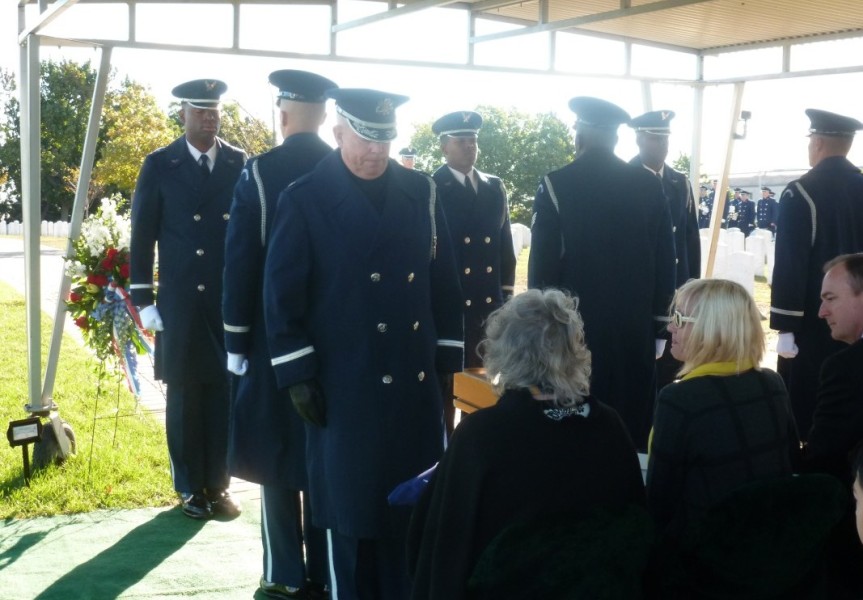
[Frank LeCates Funeral - OCT 2018]
More Funeral Pictures
Funeral Video
* * * * * * * * * * * * * * * * * * * * * *

[Tom Herren Funeral - SEP 2018]
More Funeral Pictures
* * * * * * * * * * * * * * * * * * * * * *
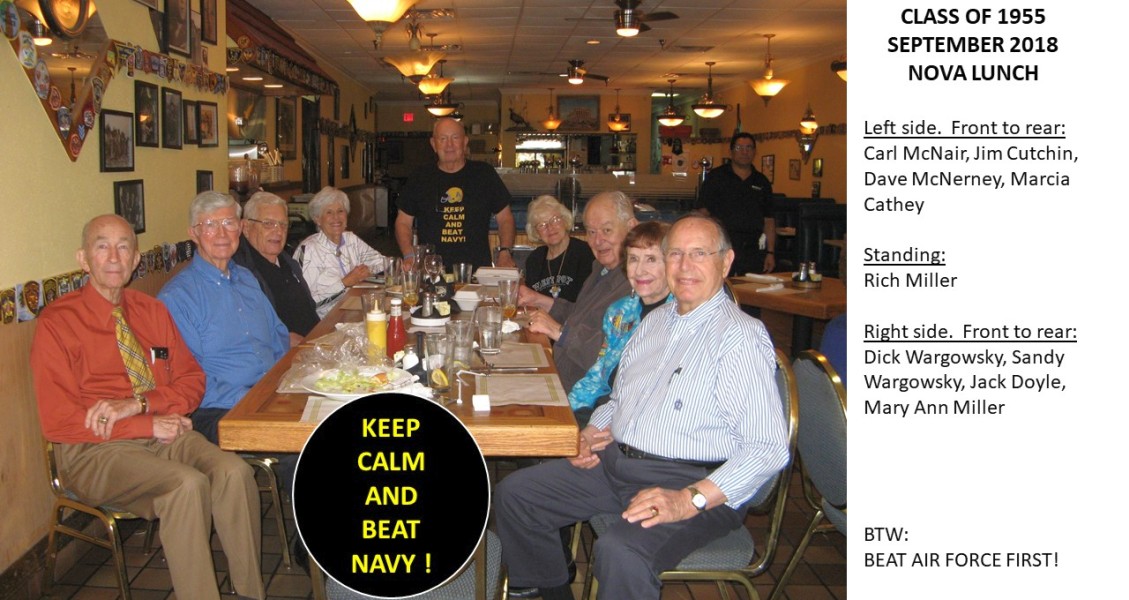
[SEP 2018 NOVA Lunch]
* * * * * * * * * * * * * * * * * * * * * *
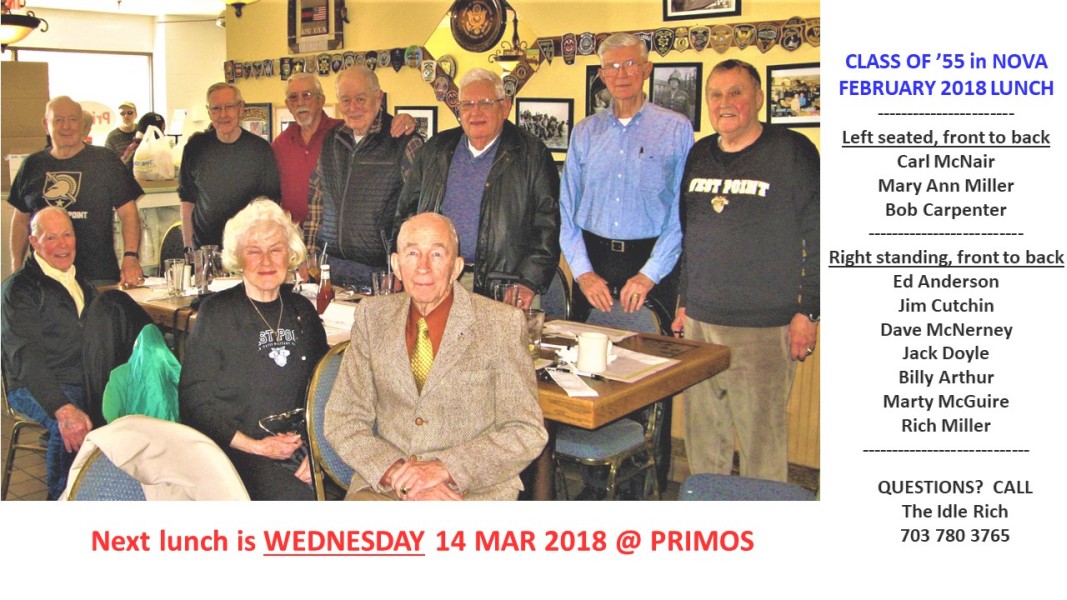
[FEB 2018 NOVA Lunch]
* * * * * * * * * * * * * * * * * * * * * *
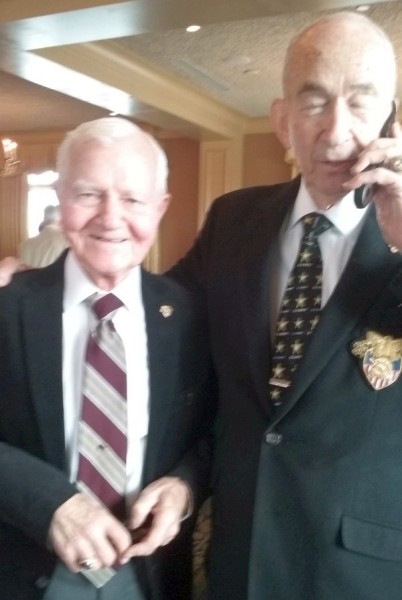
Dan Ludwig and Carl McNair
[DC Party - DEC 2017]
* * * * * * * * * * * * * * * * * * * * * *
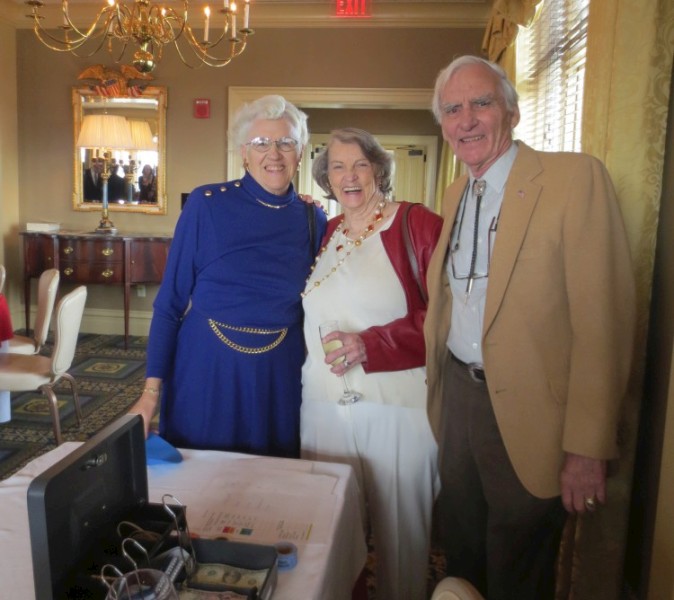
Myrna Williamson - Barb and Norm Blahuta
[DC Party - DEC 2017]
* * * * * * * * * * * * * * * * * * * * * *
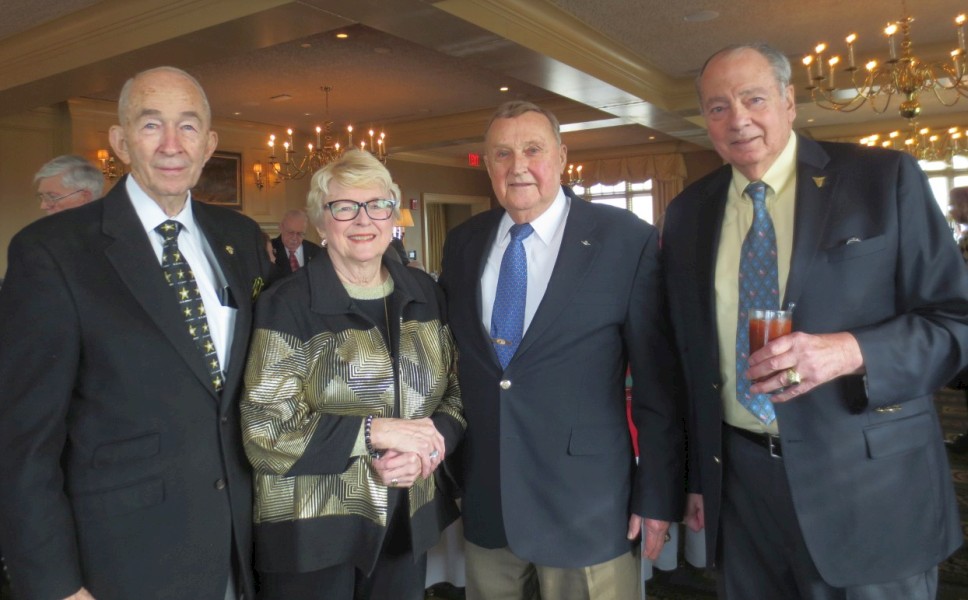
Carl McNair - Ed Anderson's - Bob Strati
[DC Party - DEC 2017]
* * * * * * * * * * * * * * * * * * * * * *
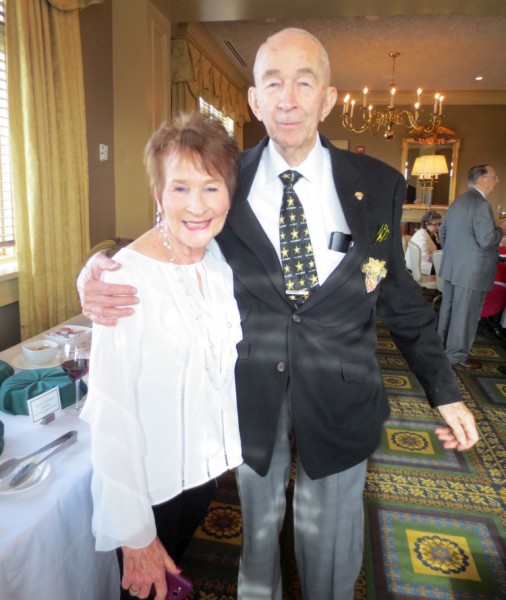
Donna Ludwig and Carl McNair
[DC Party - DEC 2017]
* * * * * * * * * * * * * * * * * * * * * *
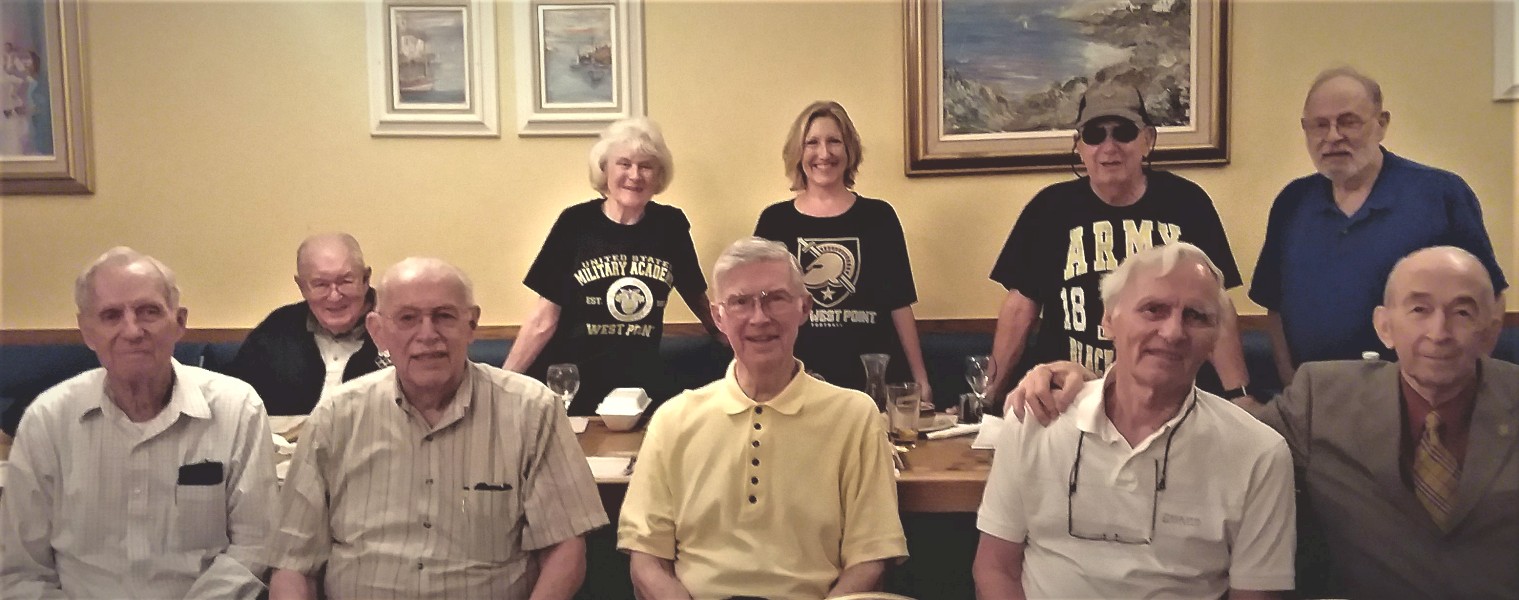
Rear: Jack Doyle - Mary Ann Miller - Lori Miller - Rich Miller - Dick Fontaine - Front: Matt Schepps - Bill McCulla - Jim Cutchin - Norm Blahuta - Carl McNair [JUL 2017 NOVA Lunch] |
* * * * * * * * * * * * * * * * * * * * * *
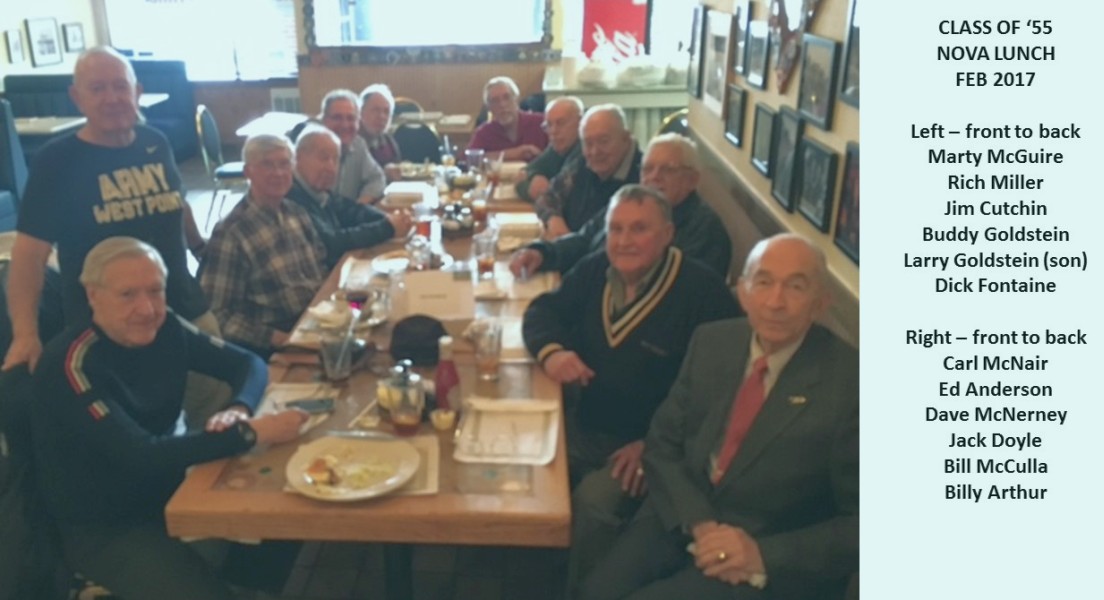
[FEB 2017 NOVA Lunch]
* * * * * * * * * * * * * * * * * * * * * *
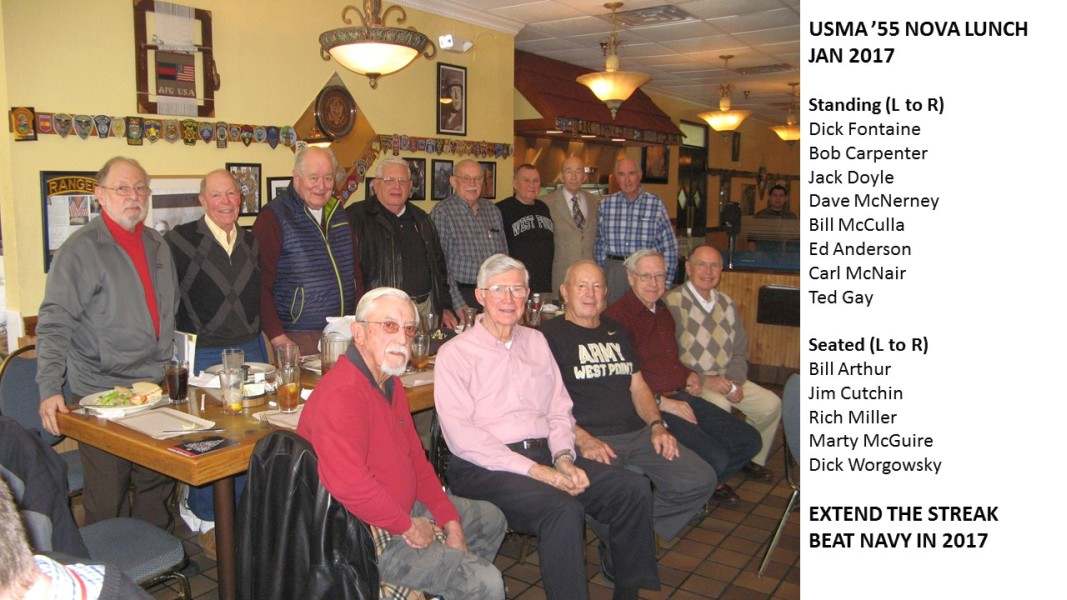
[JAN 2017 NOVA Lunch]
* * * * * * * * * * * * * * * * * * * * * *
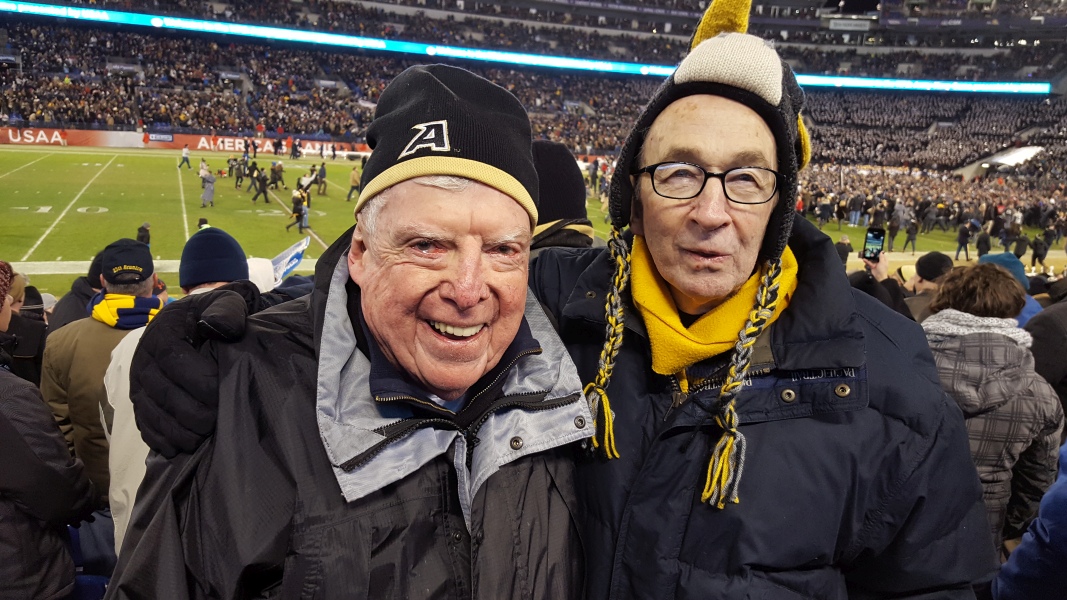
Don Hilbert and Carl McNair
[2016 Army-Navy Game]
* * * * * * * * * * * * * * * * * * * * * *
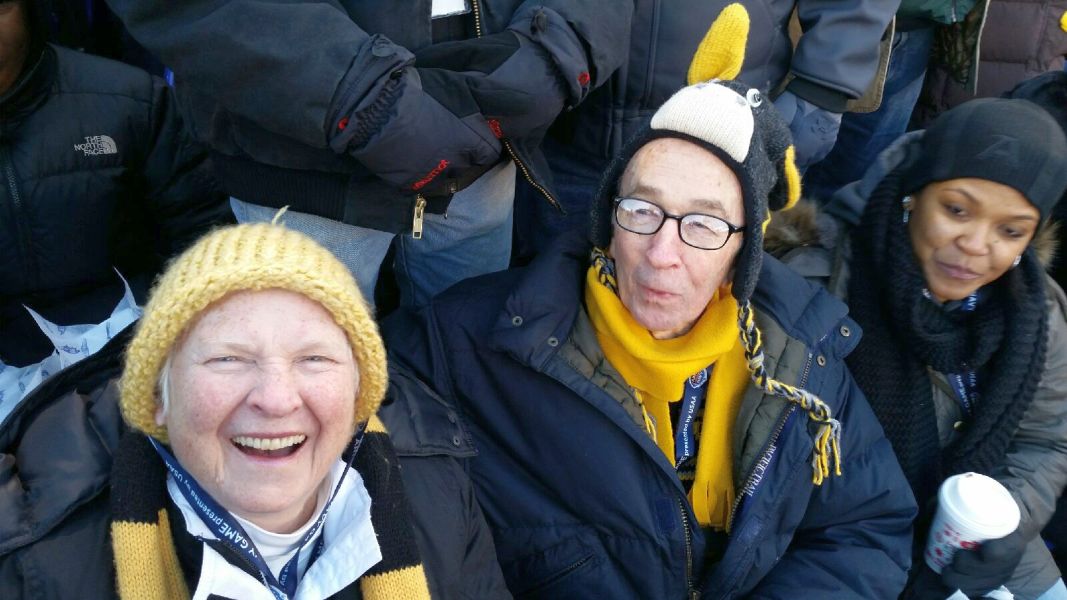
Lynn Lang and Carl McNair
[2016 Army-Navy Game]
* * * * * * * * * * * * * * * * * * * * * *
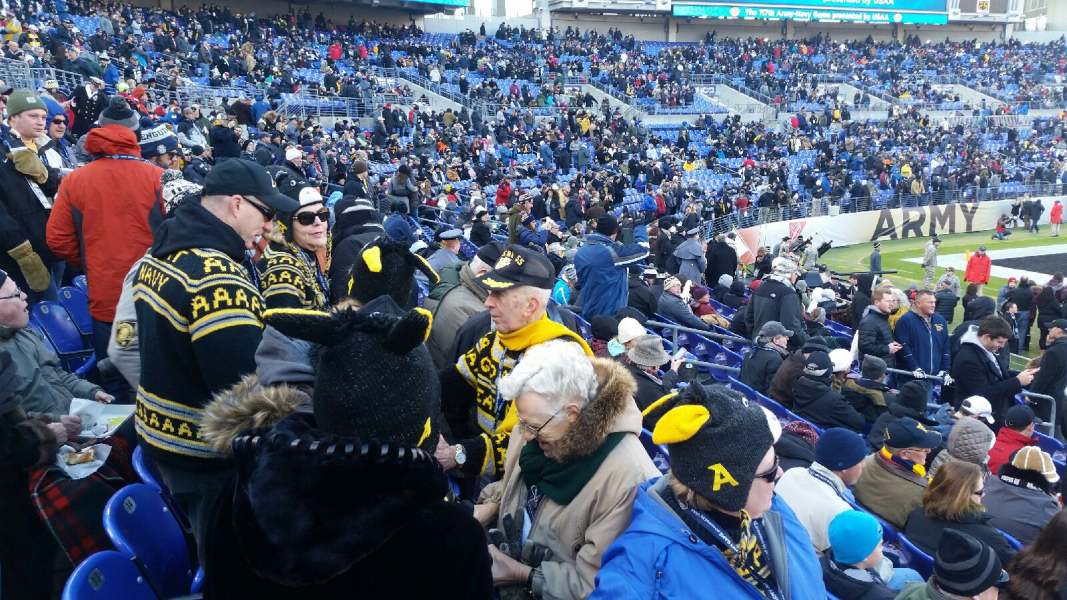
Carl McNair
[2016 Army-Navy Game]
* * * * * * * * * * * * * * * * * * * * * *
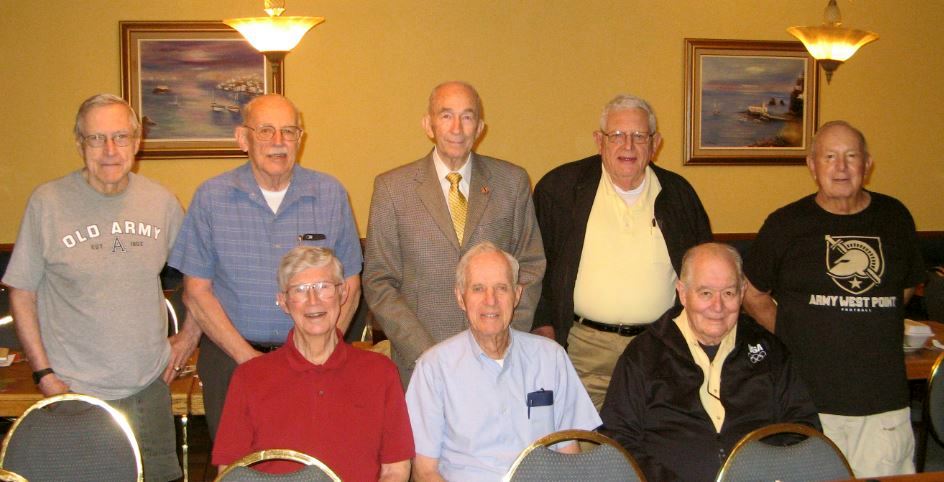
Front: Jim Cutchin - Matt Schepps - Jack Doyle - Rear: Marty McGuire - Bill
McCulla - Carl McNair - Dave McNerney - Rich Miller [AUG 2016 NOVA Lunch]
* * * * * * * * * * * * * * * * * * * * * *
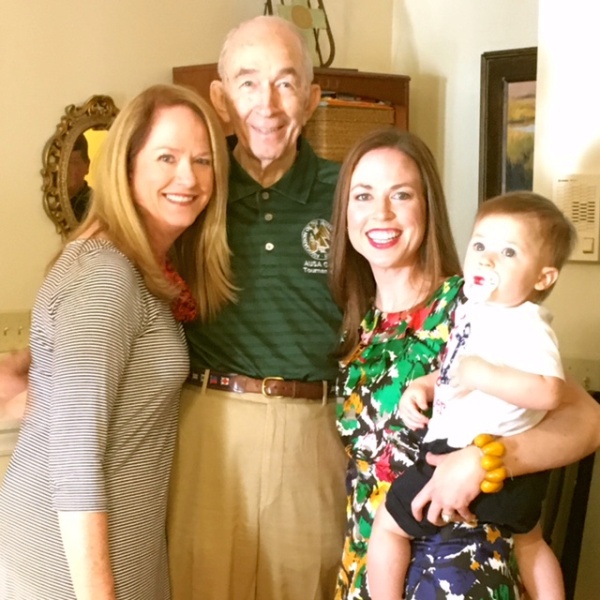
Cynthia McNair Woods (daughter) - Carl McNair - Courtland Colantonio
(granddaughter) - Cooper Colantonio (great grandson) [AUG 2016]
* * * * * * * * * * * * * * * * * * * * * *
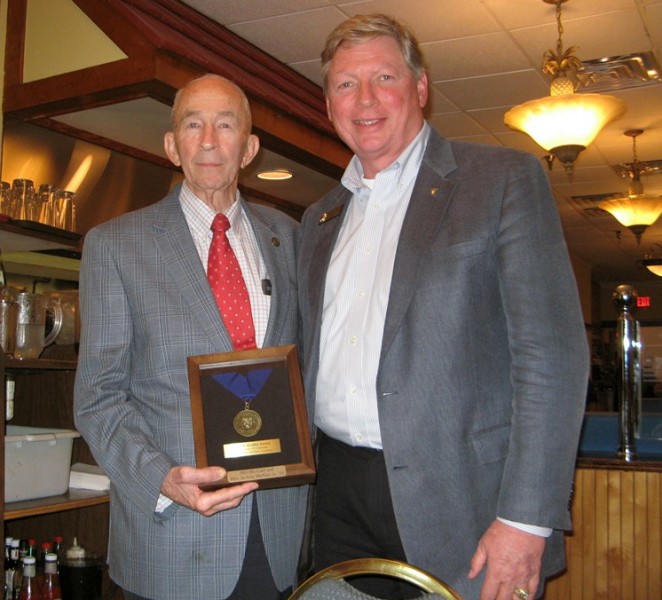
Marc Gunnels - '77 - USMA AOG Major Giving Officer presenting the Omar N. Bradley Society Medal awarded to those contributors of over $500 - 000 to the West Point Fund to Carl McNair [JUN 2016 NOVA Lunch] |
* * * * * * * * * * * * * * * * * * * * * *

Front: Ted Gay - Joe Franklin - Rich Miller - Jim Cutchin - Rear: Ed Anderson - Bill McCulla - Dave McNerney - Matt Schepps - Jack Doyle - Carl McNair [JUN 2016 NOVA Lunch] |
* * * * * * * * * * * * * * * * * * * * * *
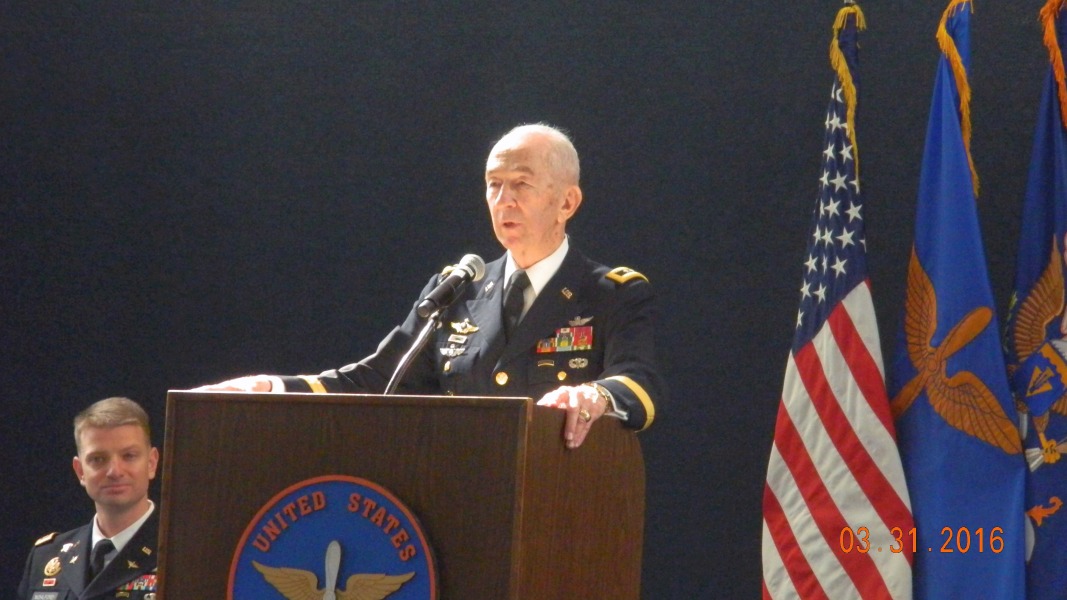
Carl McNair addressing two Graduating Classes [Army Aviator Flight School Class (56-2) 60th Reunion at Ft. Rucker - MAR 2016] |
* * * * * * * * * * * * * * * * * * * * * *
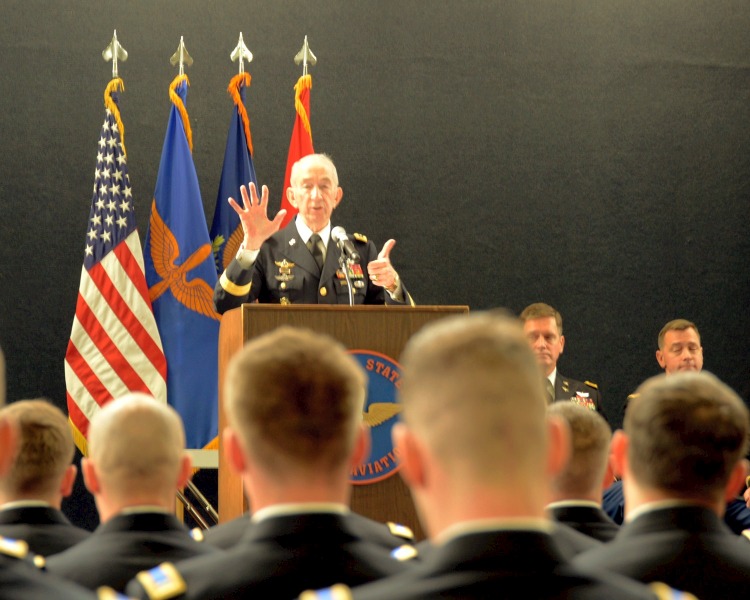
Carl McNair addressing two Graduating Classes [Army Aviator Flight School Class (56-2) 60th Reunion at Ft. Rucker - MAR 2016] |
* * * * * * * * * * * * * * * * * * * * * *
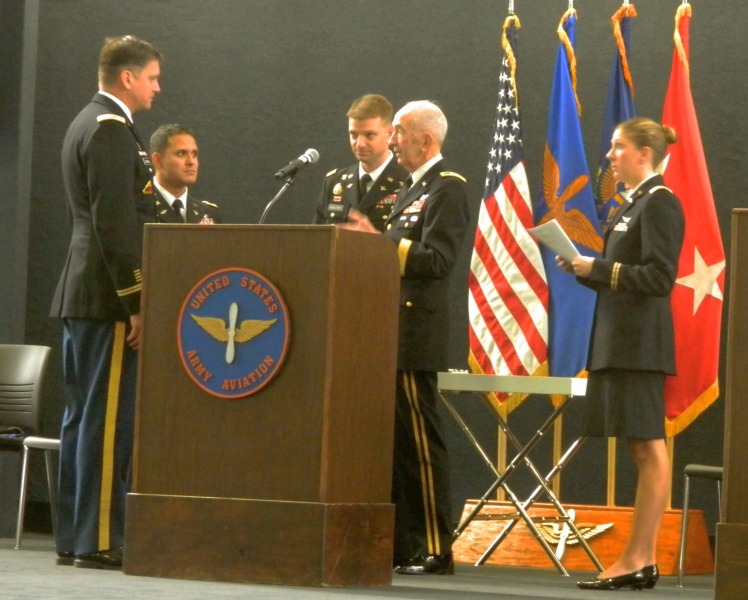
Carl McNair addressing two Graduating Classes [Army Aviator Flight School Class (56-2) 60th Reunion at Ft. Rucker - MAR 2016] |
* * * * * * * * * * * * * * * * * * * * * *
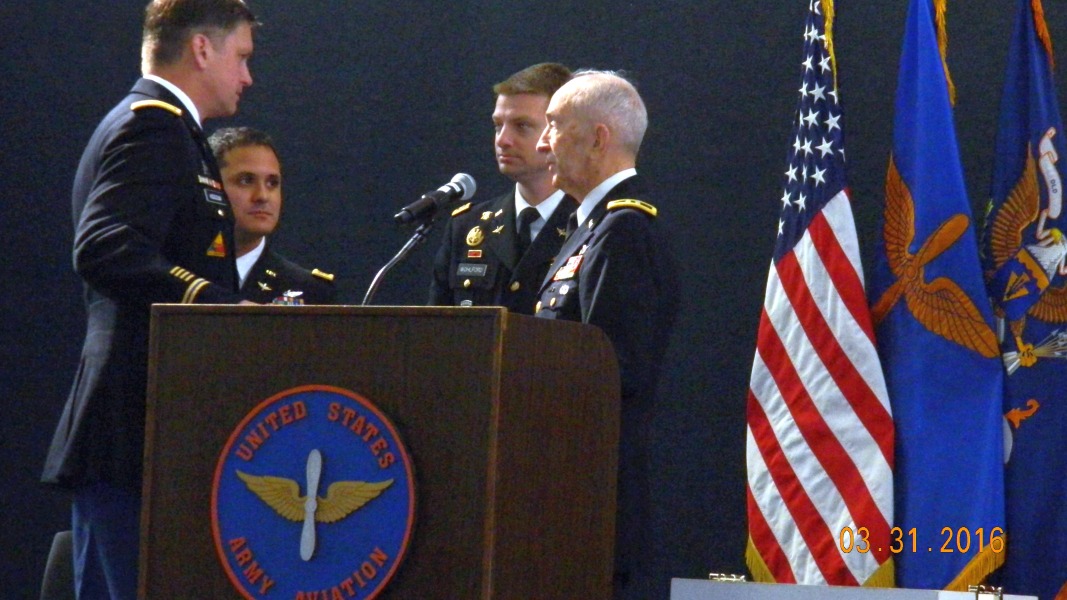
Carl McNair addressing two Graduating Classes [Army Aviator Flight School Class (56-2) 60th Reunion at Ft. Rucker - MAR 2016] |
* * * * * * * * * * * * * * * * * * * * * *
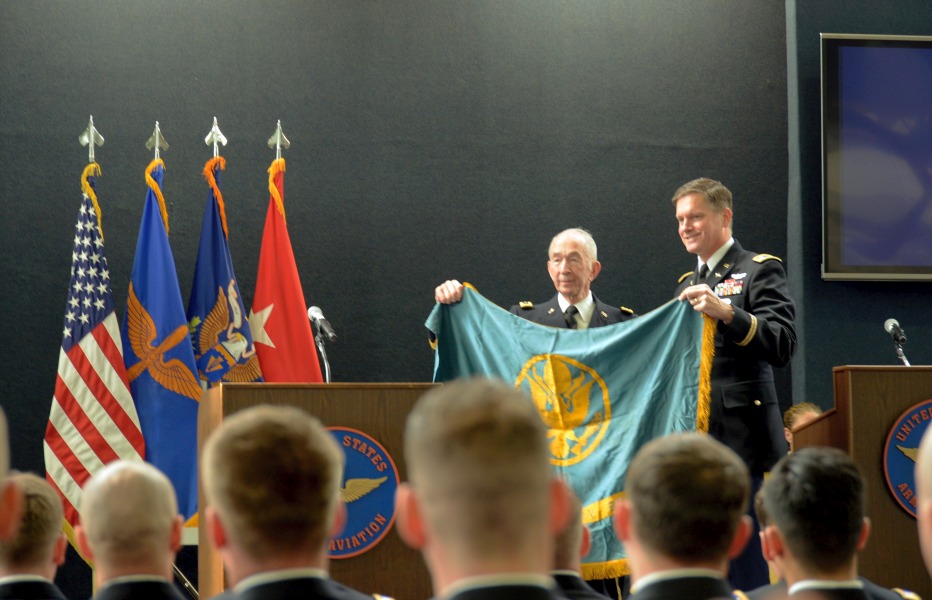
Carl McNair presenting the blood-stained colors of the 145th Aviation Bn that he brought back from Vietnam to LTC Hodgson - 1st Bn - 145th Aviation Regiment CO [Army Aviator Flight School Class (56-2) 60th Reunion at Ft. Rucker - MAR 2016] |
* * * * * * * * * * * * * * * * * * * * * *
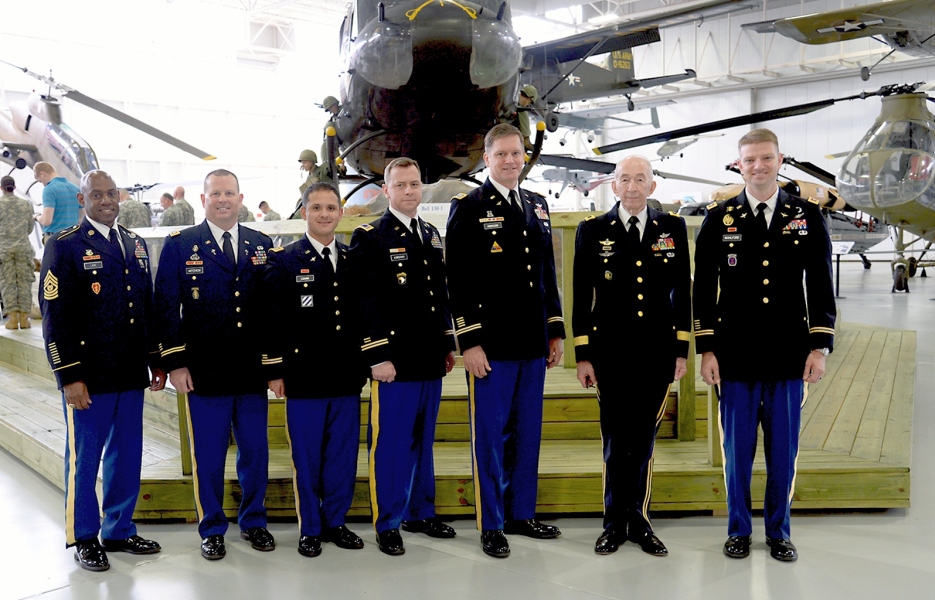
Carl McNair at Ft. Rucker [Army Aviator Flight School Class (56-2) 60th Reunion at Ft. Rucker - MAR 2016] |
* * * * * * * * * * * * * * * * * * * * * *
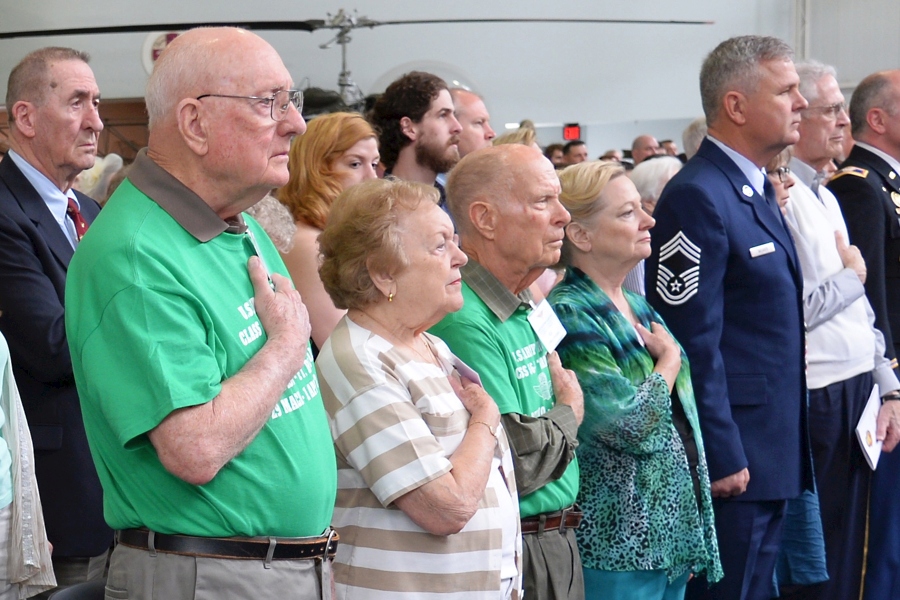
[Army Aviator Flight School Class (56-2) 60th Reunion at Ft. Rucker - MAR 2016] |
* * * * * * * * * * * * * * * * * * * * * *
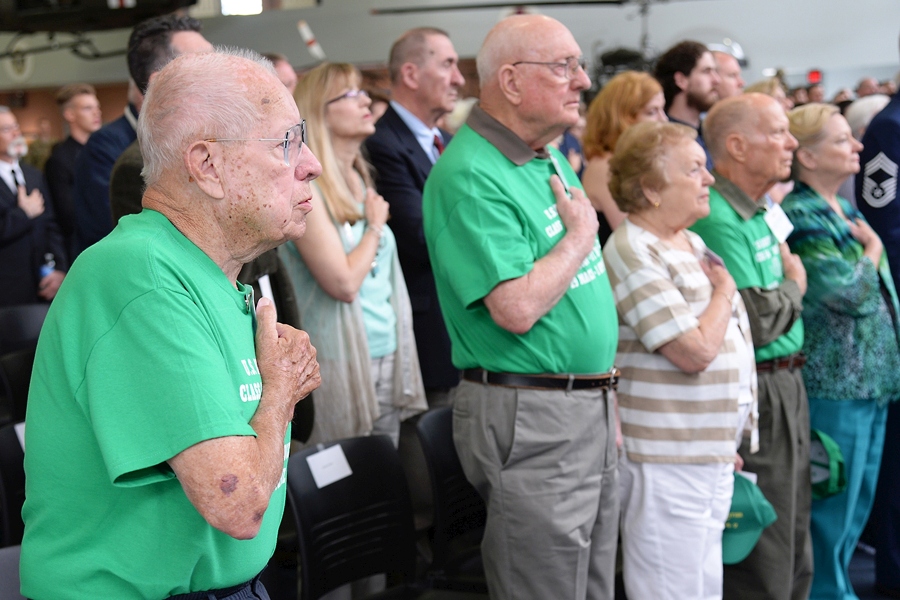
[Army Aviator Flight School Class (56-2) 60th Reunion at Ft. Rucker - MAR 2016] |
* * * * * * * * * * * * * * * * * * * * * *
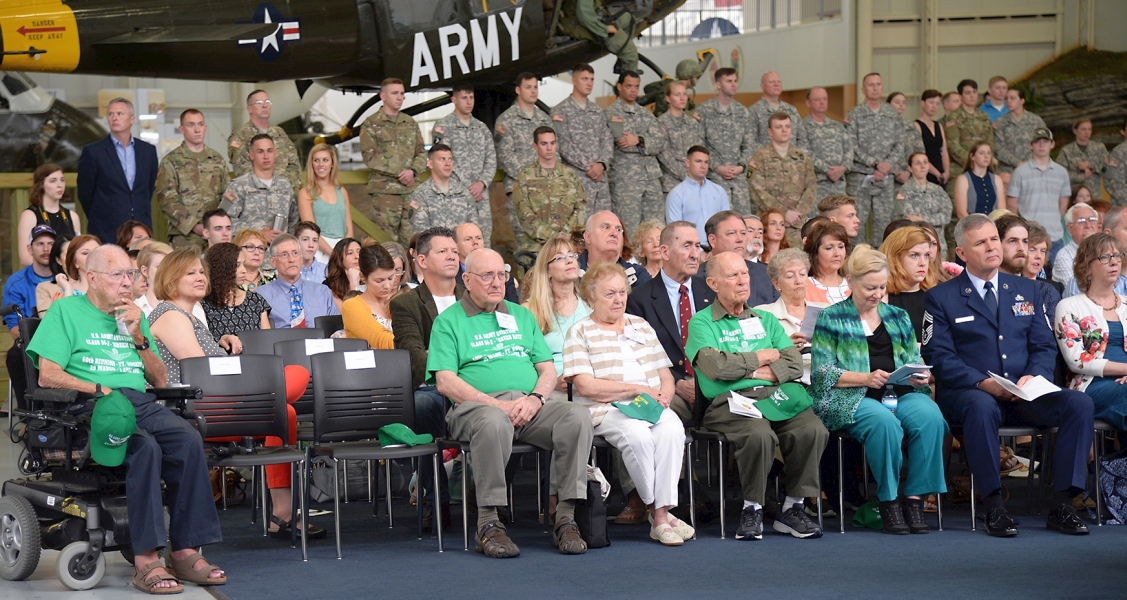
[Army Aviator Flight School Class (56-2) 60th Reunion at Ft. Rucker - MAR 2016] |
* * * * * * * * * * * * * * * * * * * * * *
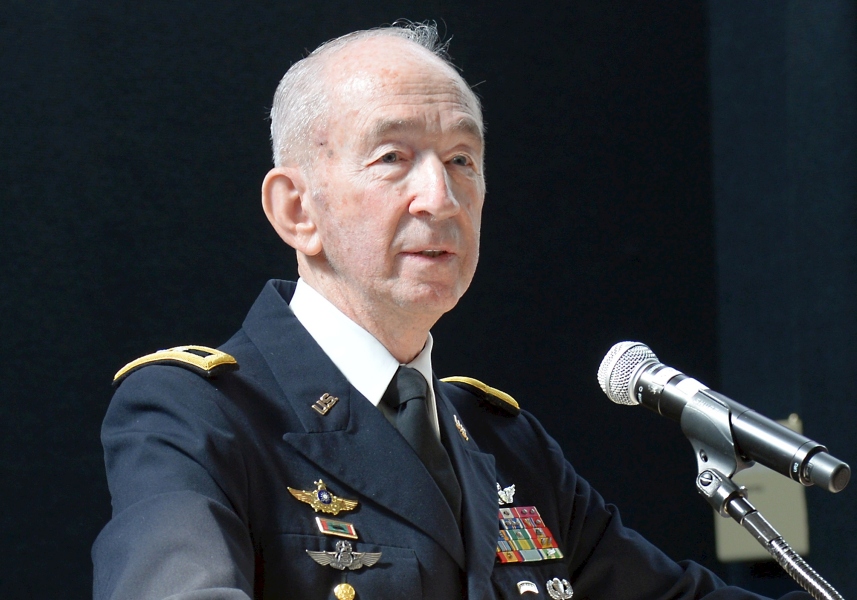
Carl McNair addressing two Graduating Classes [Army Aviator Flight School Class (56-2) 60th Reunion at Ft. Rucker - MAR 2016] |
* * * * * * * * * * * * * * * * * * * * * *
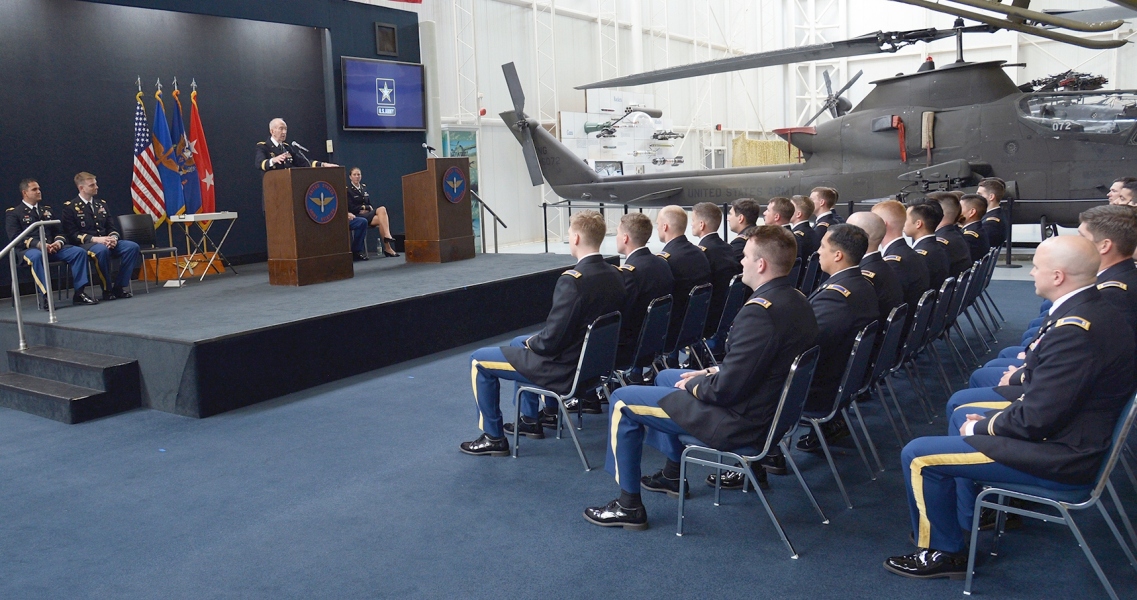
Carl McNair addressing two Graduating Classes [Army Aviator Flight School Class (56-2) 60th Reunion at Ft. Rucker - MAR 2016] |
* * * * * * * * * * * * * * * * * * * * * *
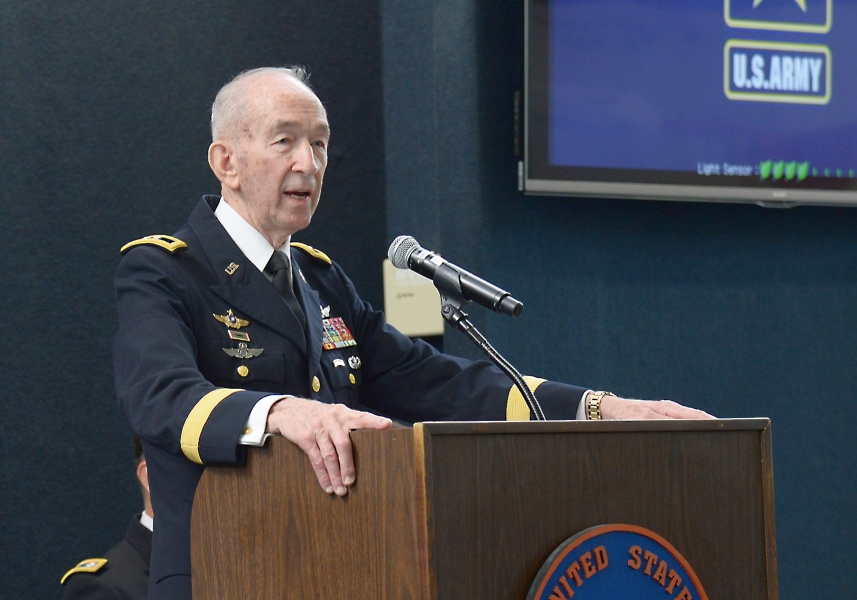
Carl McNair addressing two Graduating Classes [Army Aviator Flight School Class (56-2) 60th Reunion at Ft. Rucker - MAR 2016] |
* * * * * * * * * * * * * * * * * * * * * *
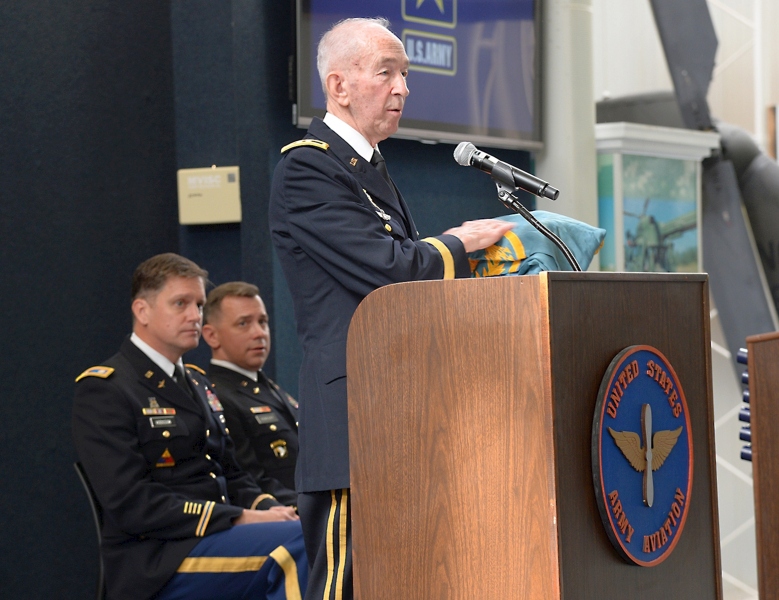
Carl McNair addressing two Graduating Classes [Army Aviator Flight School Class (56-2) 60th Reunion at Ft. Rucker - MAR 2016] |
* * * * * * * * * * * * * * * * * * * * * *
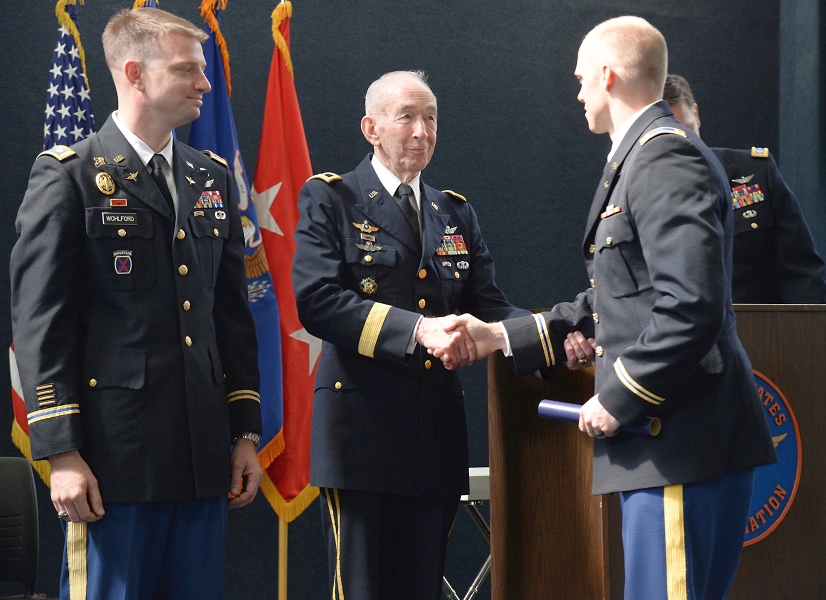
Carl McNair addressing two Graduating Classes [Army Aviator Flight School Class (56-2) 60th Reunion at Ft. Rucker - MAR 2016] |
* * * * * * * * * * * * * * * * * * * * * *
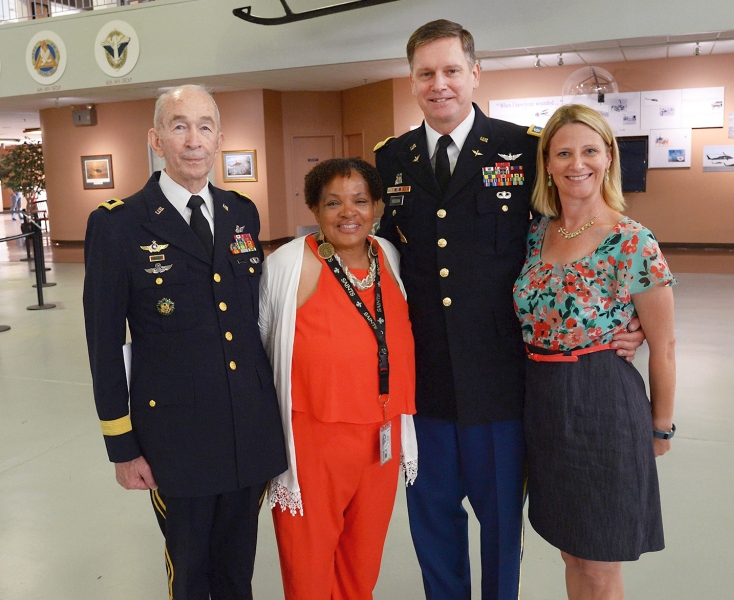
Carl McNair and LTC Hodgson [Army Aviator Flight School Class (56-2) 60th Reunion at Ft. Rucker - MAR 2016] |
* * * * * * * * * * * * * * * * * * * * * *
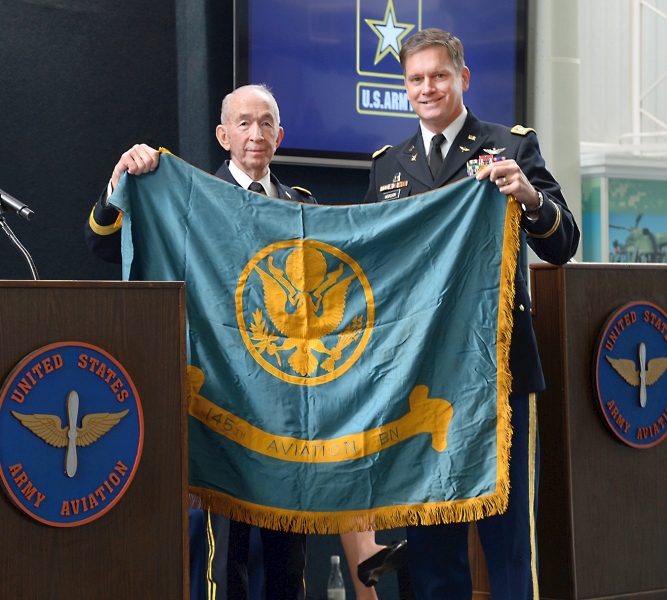
Carl McNair presenting the blood-stained colors of the 145th Aviation Bn that he brought back from Vietnam to LTC Hodgson - 1st Bn - 145th Aviation Regiment CO [Army Aviator Flight School Class (56-2) 60th Reunion at Ft. Rucker - MAR 2016] |
* * * * * * * * * * * * * * * * * * * * * *
Carl McNair presenting the blood-stained colors of the 145th Aviation Bn that he brought back from Vietnam to LTC Hodgson - 1st Bn - 145th Aviation Regiment CO [Army Aviator Flight School Class (56-2) 60th Reunion at Ft. Rucker - MAR 2016] |
* * * * * * * * * * * * * * * * * * * * * *
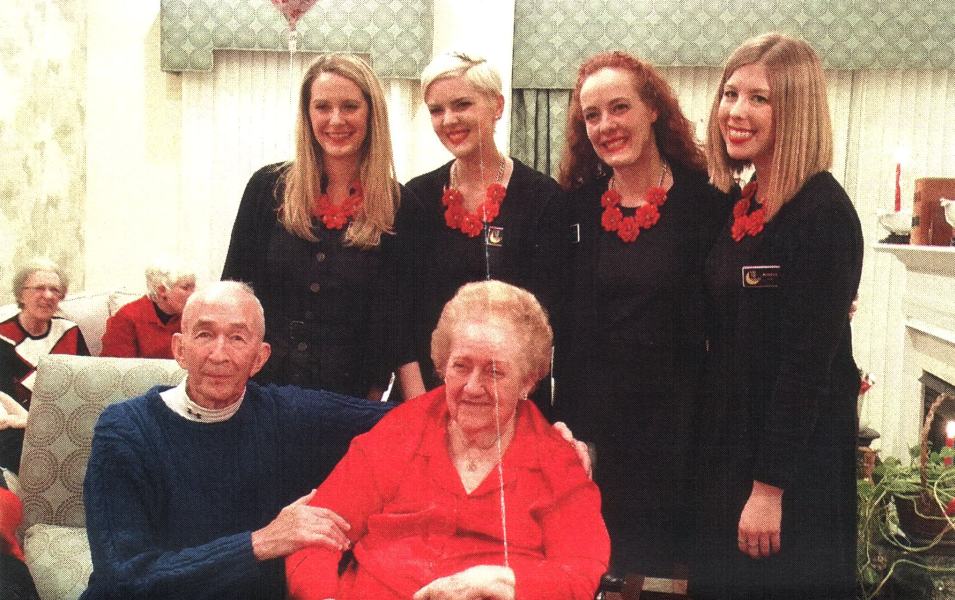
Carl and Jo Ann McNair and entertainers at Valentine's
day party for Jo Ann [FEB 2016]
* * * * * * * * * * * * * * * * * * * * * *
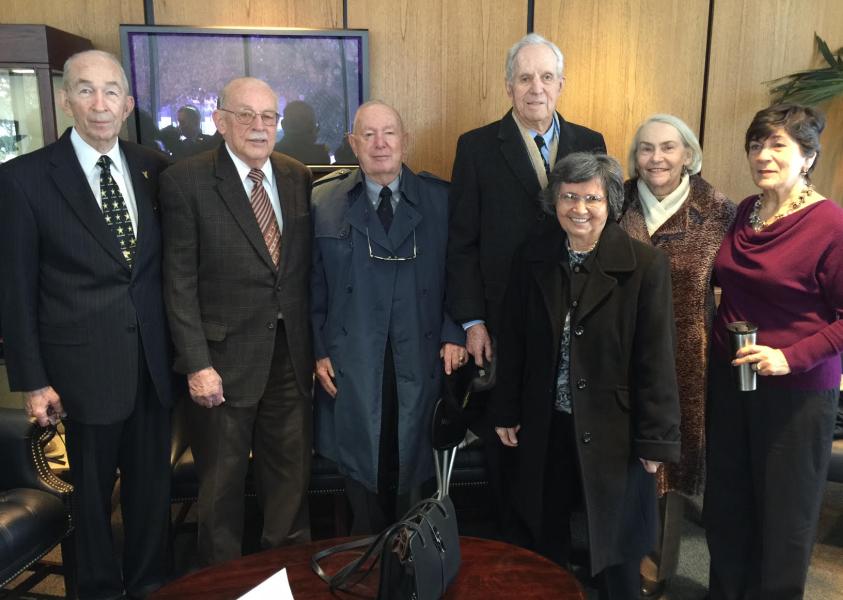
Carl McNair - Bill McCulla - Rich Miller - Matt Schepps - Pauline Hergenroeder - Betty Schepps - Lorna Malooley [Leo Hergenroeder Funeral - JAN 2016] |
* * * * * * * * * * * * * * * * * * * * * *
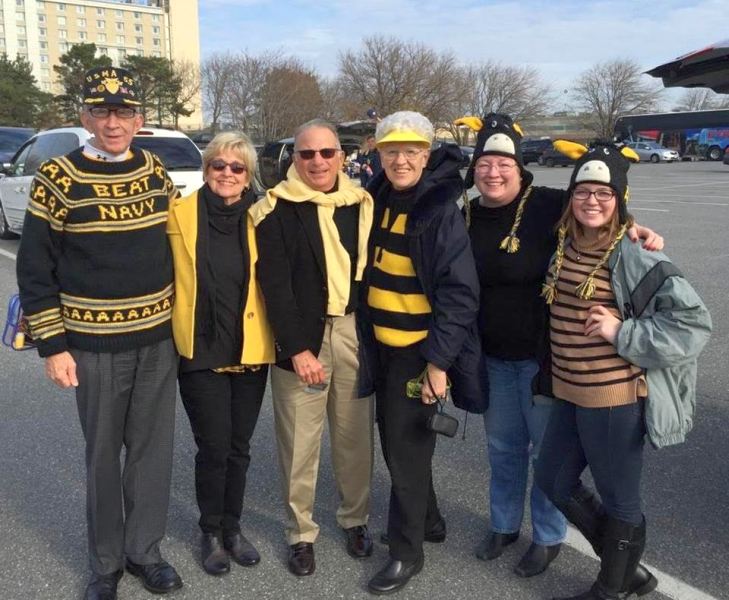
Carl McNair and party
{Navy Game - DEC 2015]
* * * * * * * * * * * * * * * * * * * * * *
Carl McNair and party
{Navy Game - DEC 2015]
* * * * * * * * * * * * * * * * * * * * * *
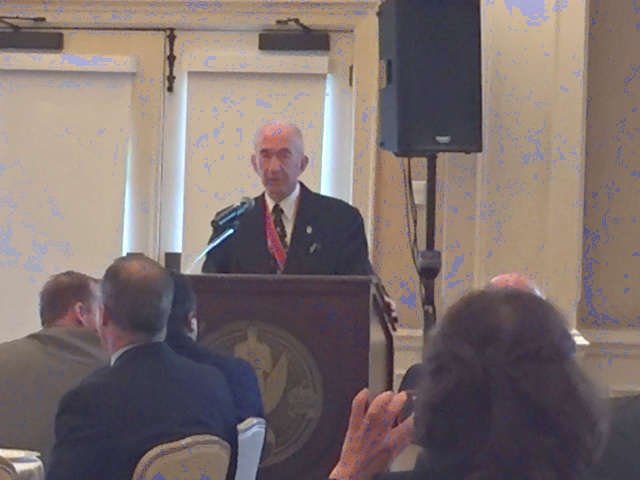
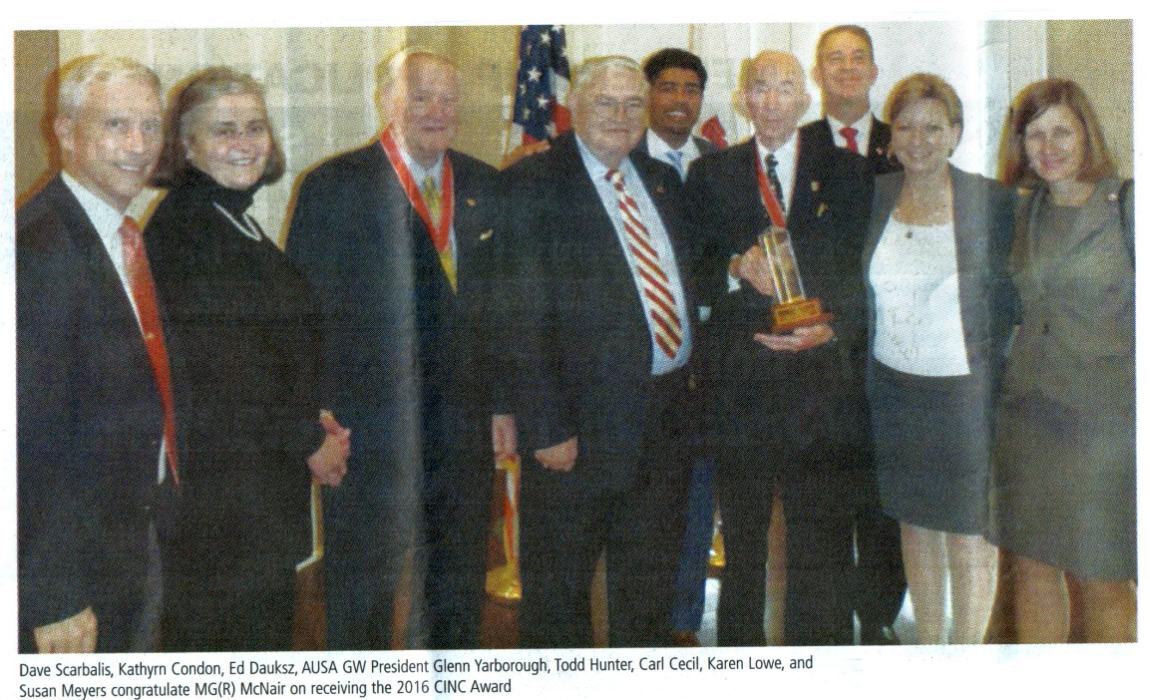
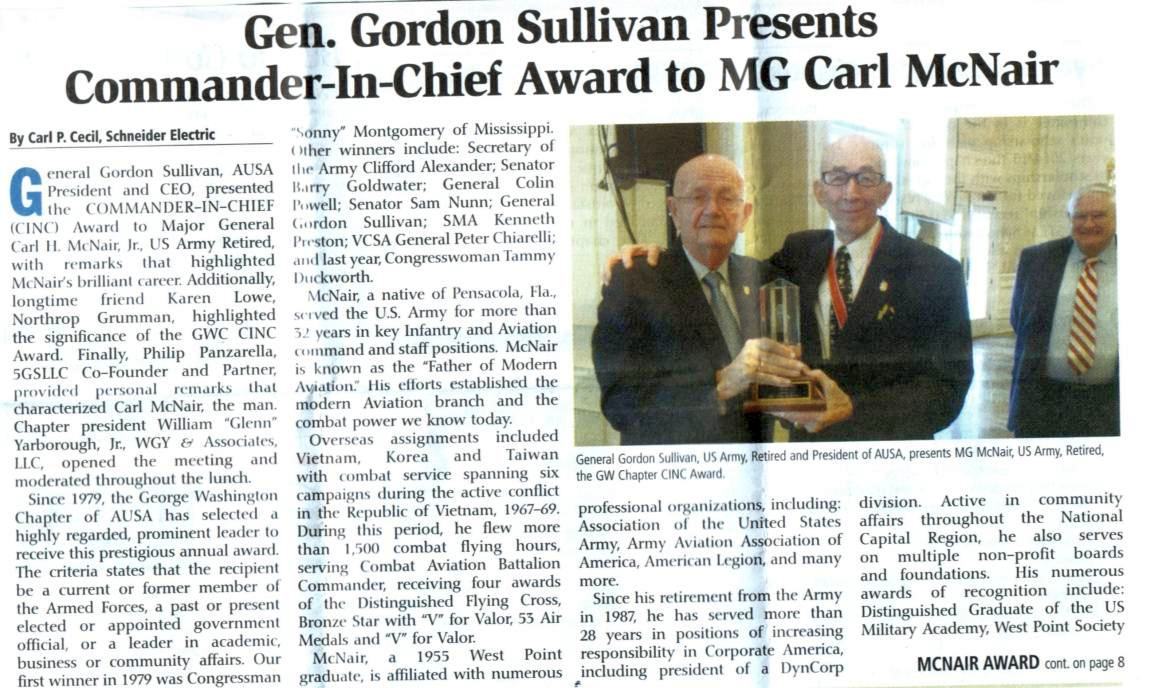
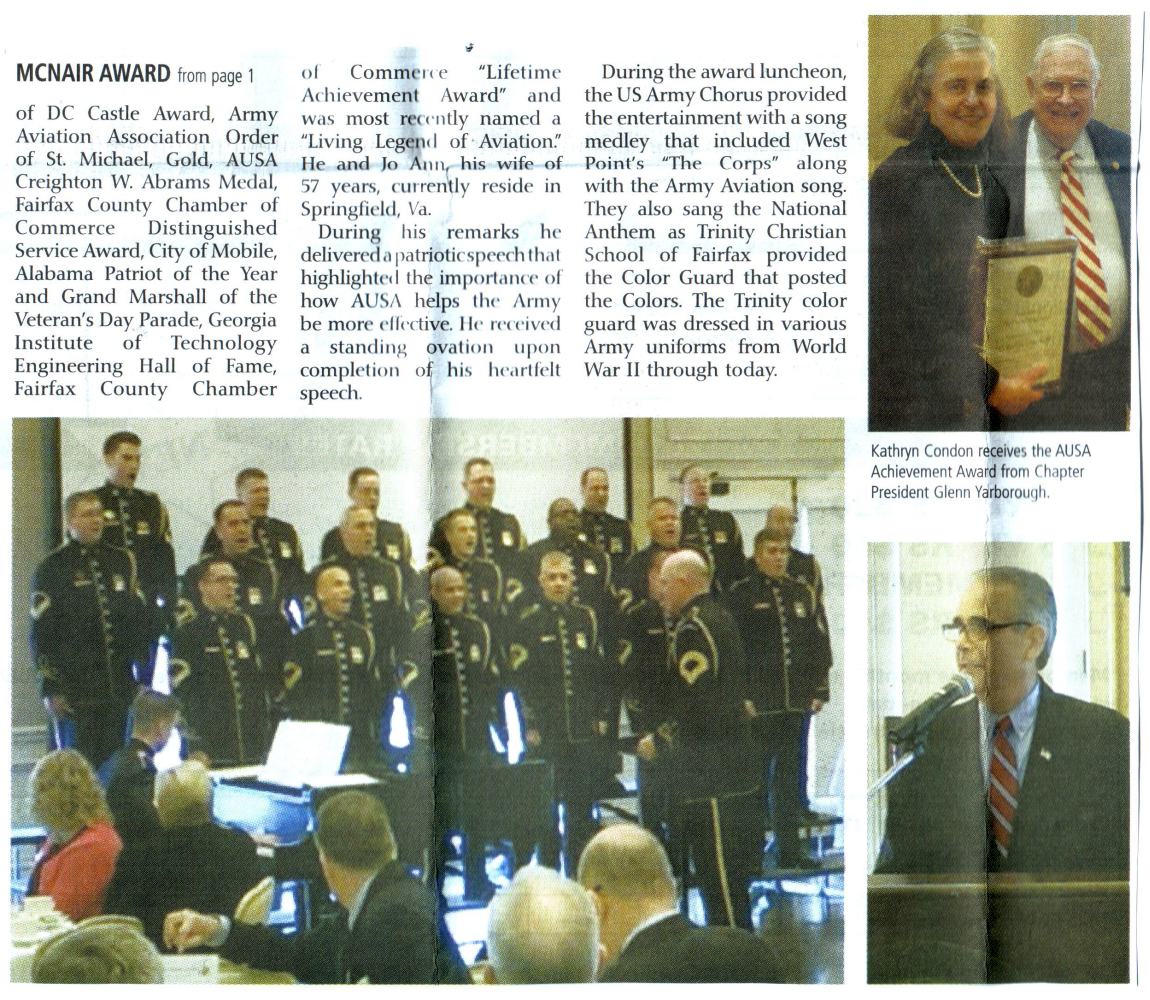
Carl McNair receiving the George Washington Chapter - AUSA - Commander in Chief Award at the Army Navy Country Club on 19 NOV 2015. The award is presented annually to a distinguished american who is a dedicated leader and proponent of AUSA objectives. |
* * * * * * * * * * * * * * * * * * * * * *
* * * * * * * * * * * * * * * * * * * * * *
* * * * * * * * * * * * * * * * * * * * * *
* * * * * * * * * * * * * * * * * * * * * *
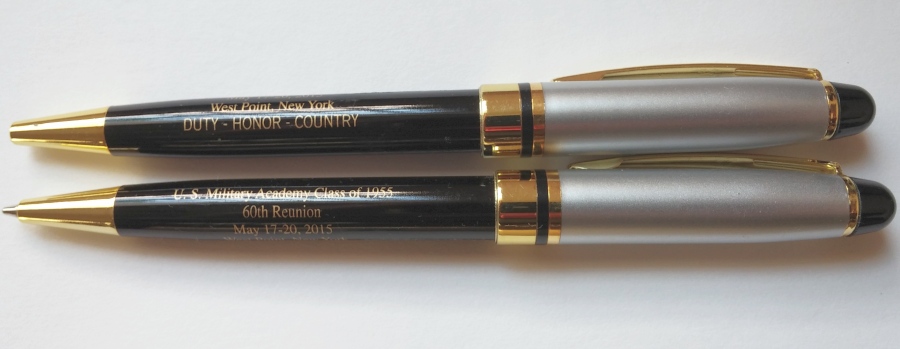
Carl McNair 60th Reunion Memento
[60th Reunion - May 2015]
* * * * * * * * * * * * * * * * * * * * * *
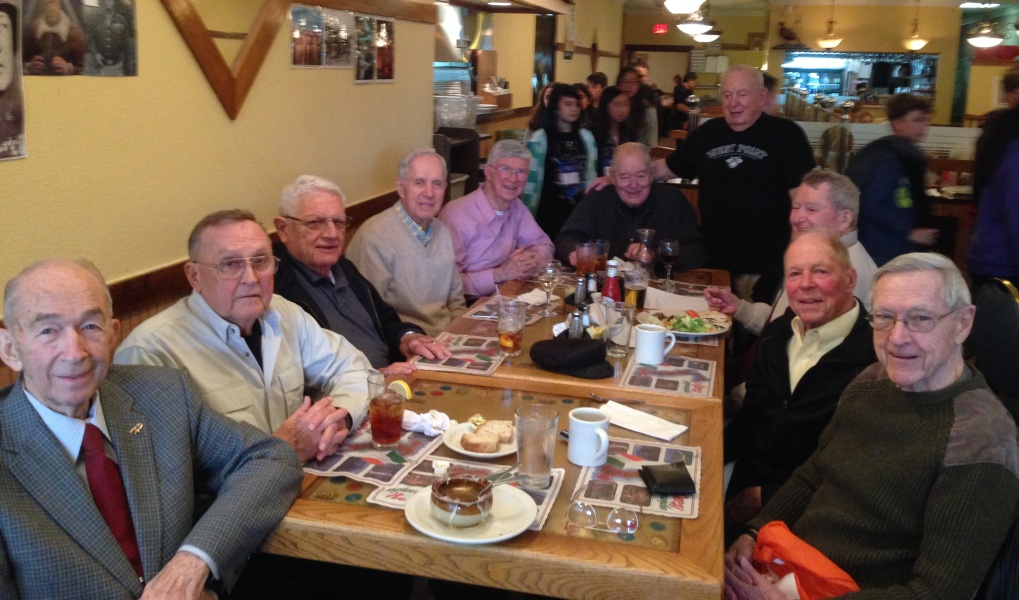
Carl McNair - Ed Anderson - Dave McNerney - Matt Schepps - Jim Cutchin - Jack Doyle - Rich Miller - Ray Gunderson - Bob Carpenter - Marty McGuire [APR 2015 NOVA Lunch] |
* * * * * * * * * * * * * * * * * * * * * *
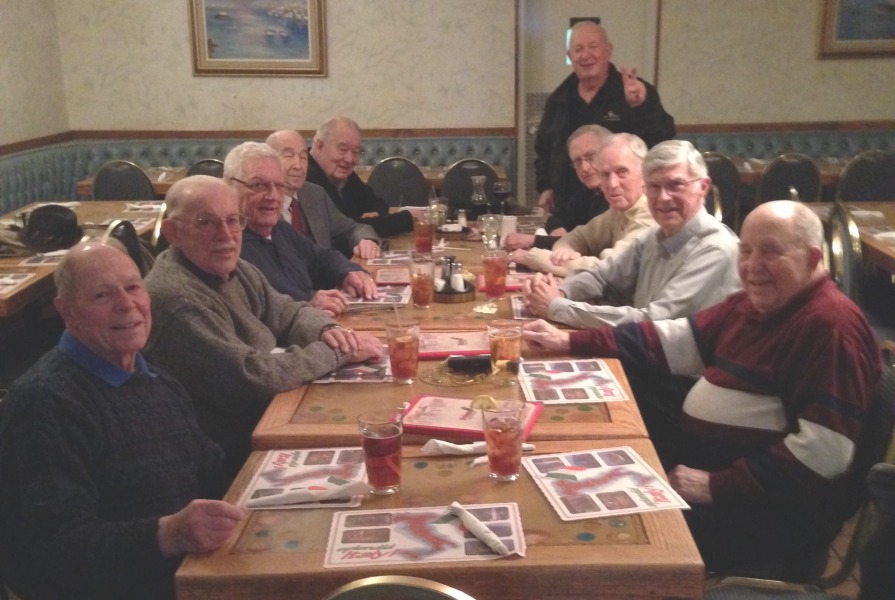
Bob Carpenter - Bill McCulla - Dave McNerney - Carl McNair - Jack Doyle - Rich Miller - Marty McGuire - Matt Schepps - Jim Cutchin - Leo Hergenroeder - Ed Anderson (behind the camera) FEB 2015 NOVA Lunch] |
* * * * * * * * * * * * * * * * * * * * * *
Carl McNair Honored as a Living Legend of Aviation
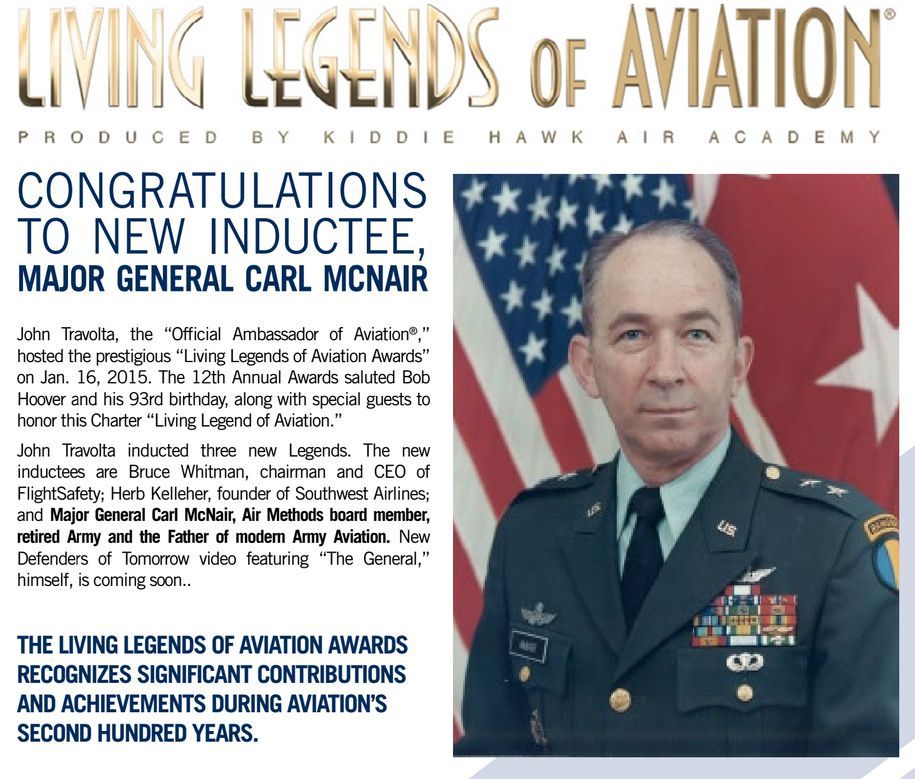
Induction Video: Major General Carl McNair
KTLA5 TV Report
John Travolta - the 'Official Ambassador of Aviation ® - ' hosted the prestigious 'Living Legends of Aviation Awards - ' at the Beverly Hilton ballroom on January 16 - 2015. The 12th Annual Awards saluted Bob Hoover and his 93rd birthday - along with special guests attending to honor this Charter 'Living Legend of Aviation." |
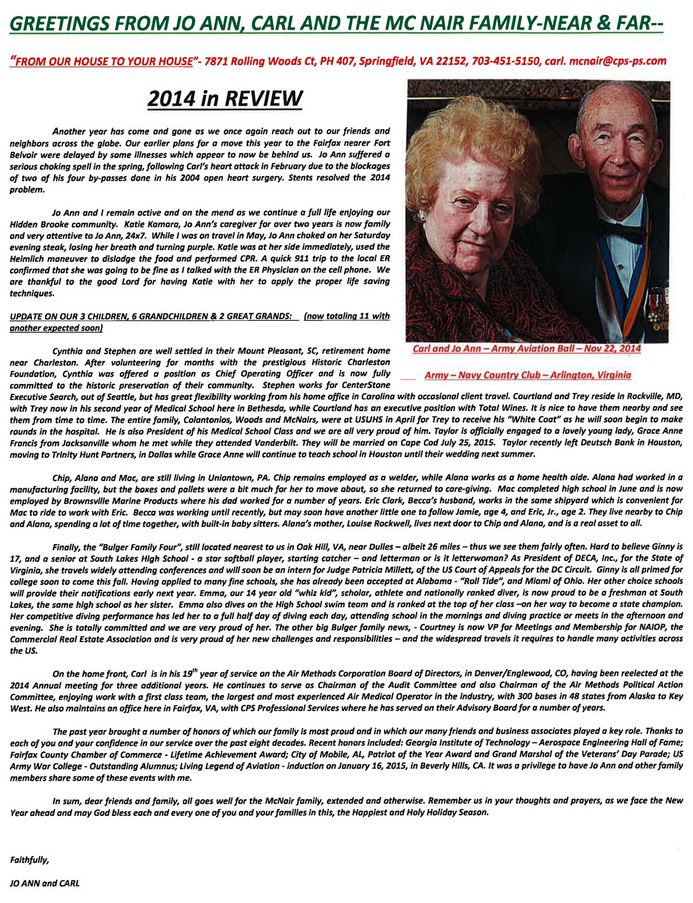
Carl's Report
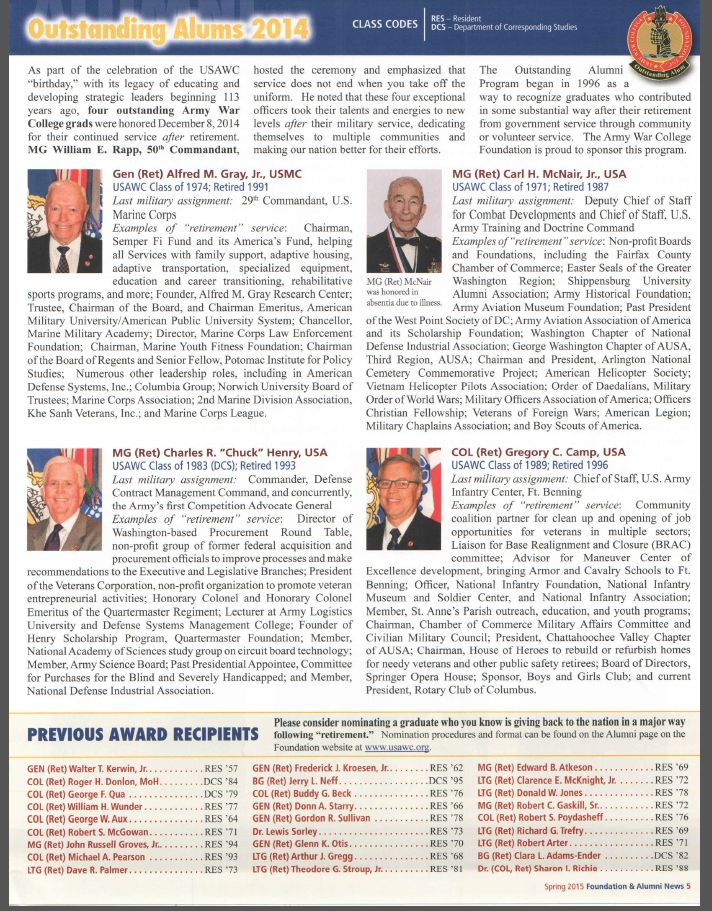
Carl McNair [2014 Outstanding USAWC
Alumni Honoree - DEC 2014]
* * * * * * * * * * * * * * * * * * * * * *
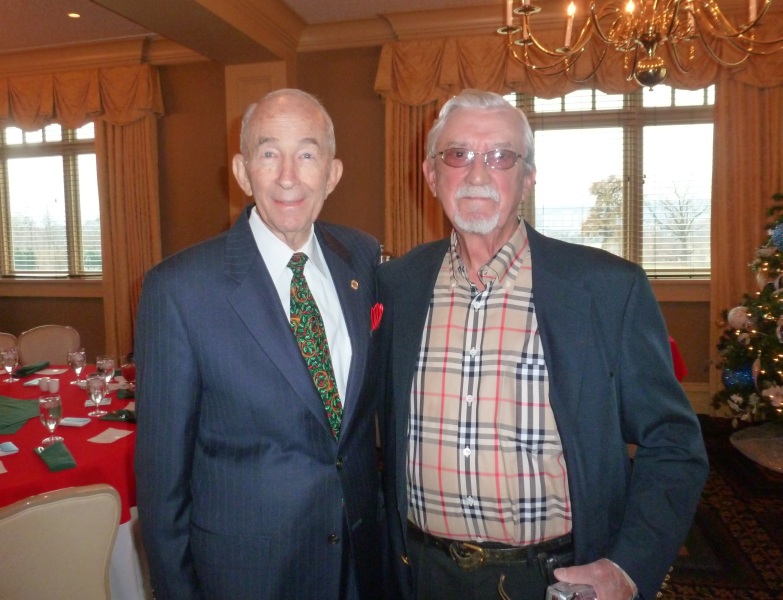
Carl McNair and Billy Arthur
[DC Party - DEC 2014]
* * * * * * * * * * * * * * * * * * * * * *
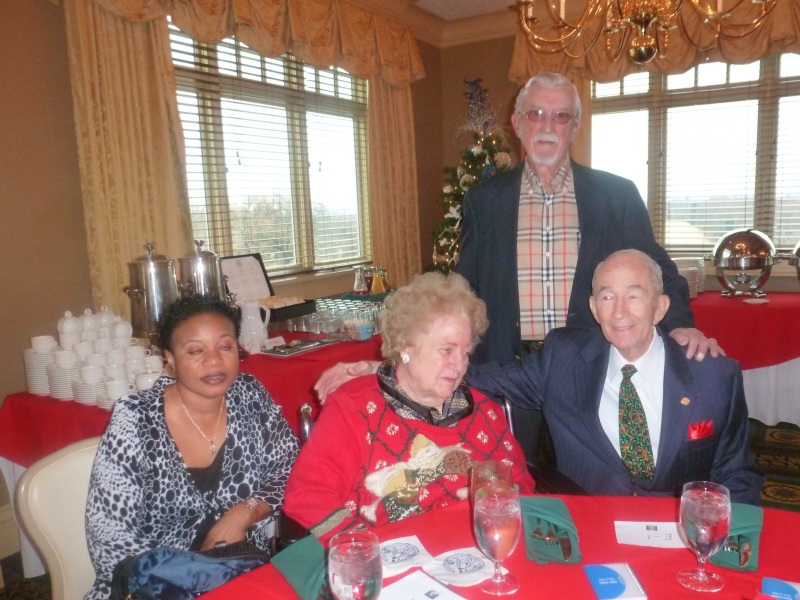
McNair's and Billy Arthur
[DC Party - DEC 2014]
* * * * * * * * * * * * * * * * * * * * * *
* * * * * * * * * * * * * * * * * * * * * *

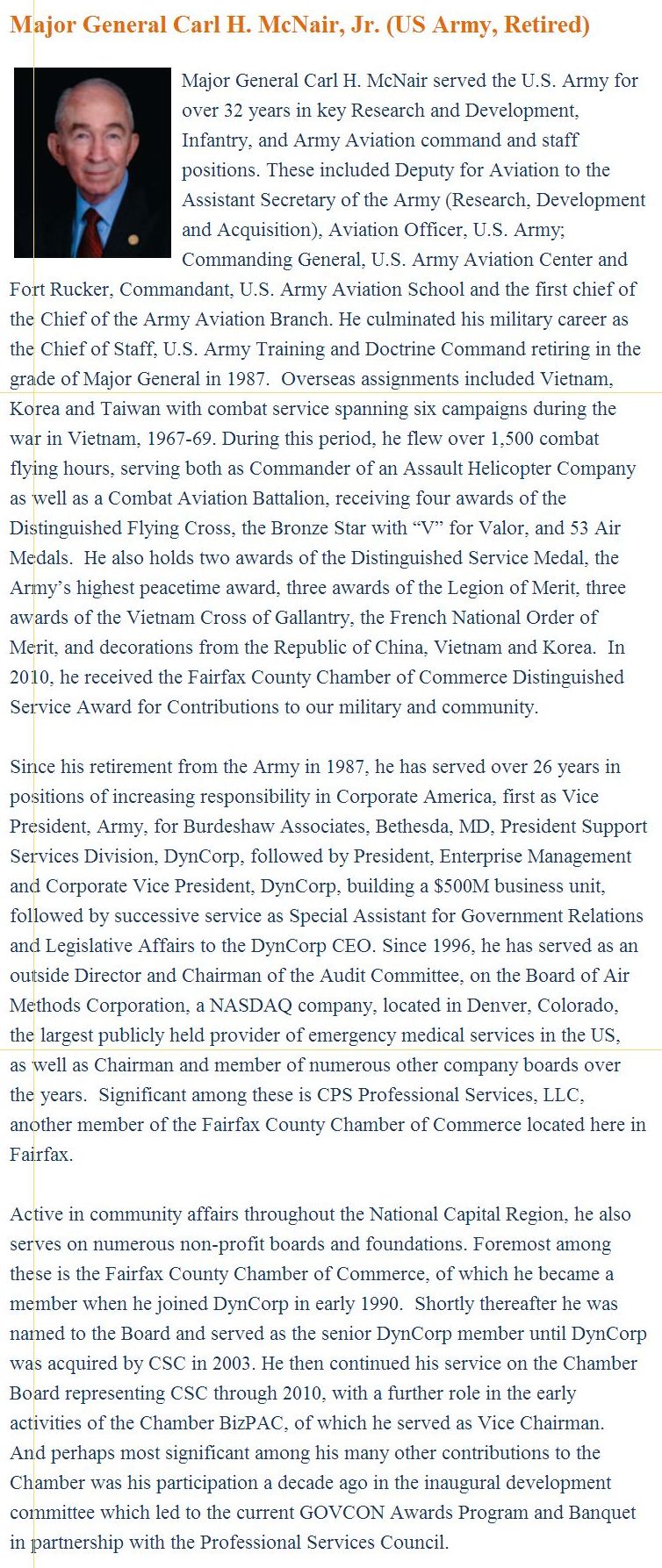
Carl McNair
[Fairfax County Chamber of Commerce Lifetime
Achievement Award Recipient - JUN 2014]
* * * * * * * * * * * * * * * * * * * * * *
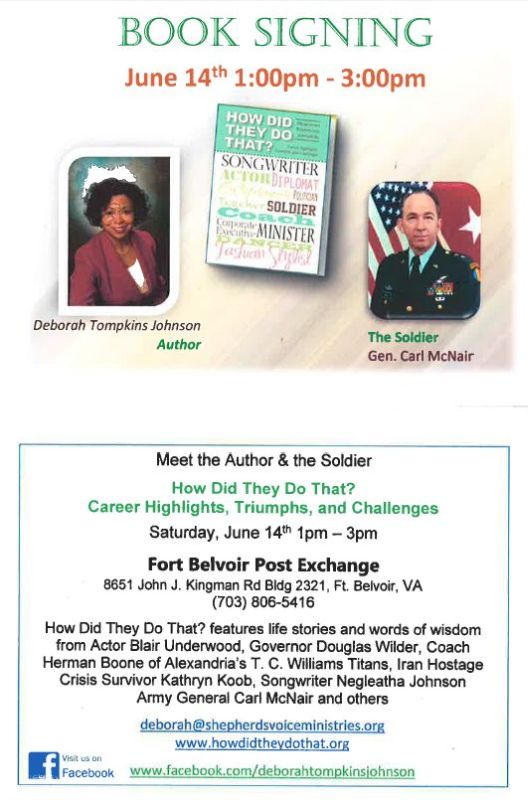
Carl McNair Book Signing
[JUN 2014]
* * * * * * * * * * * * * * * * * * * * * *
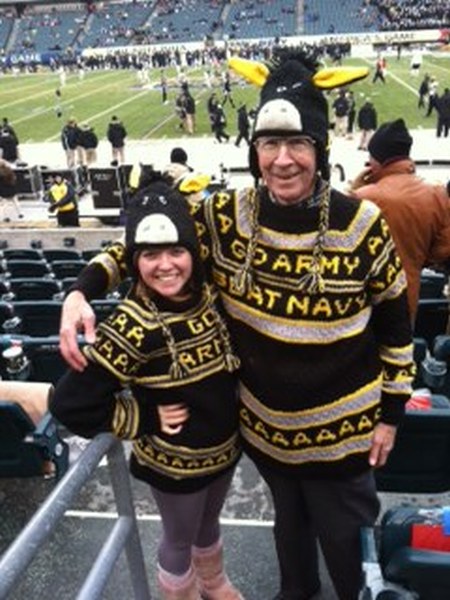
Carl McNair and granddaughter
[Navy Game - DEC 2013]
* * * * * * * * * * * * * * * * * * * * * *
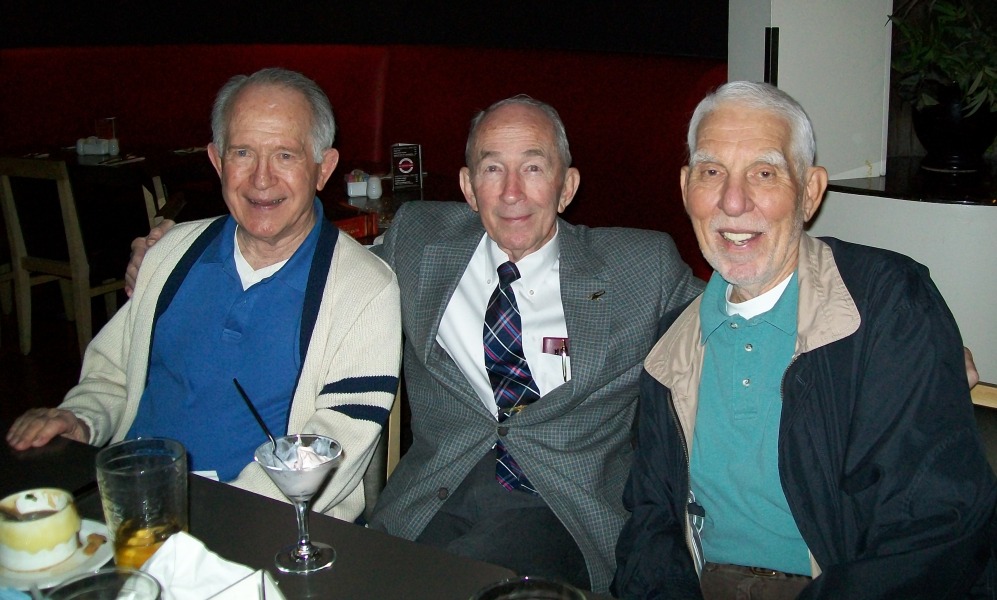
Bill McWilliams - Carl McNair - Tom Sims
[Las Vegas - NOV 2013]
* * * * * * * * * * * * * * * * * * * * * *
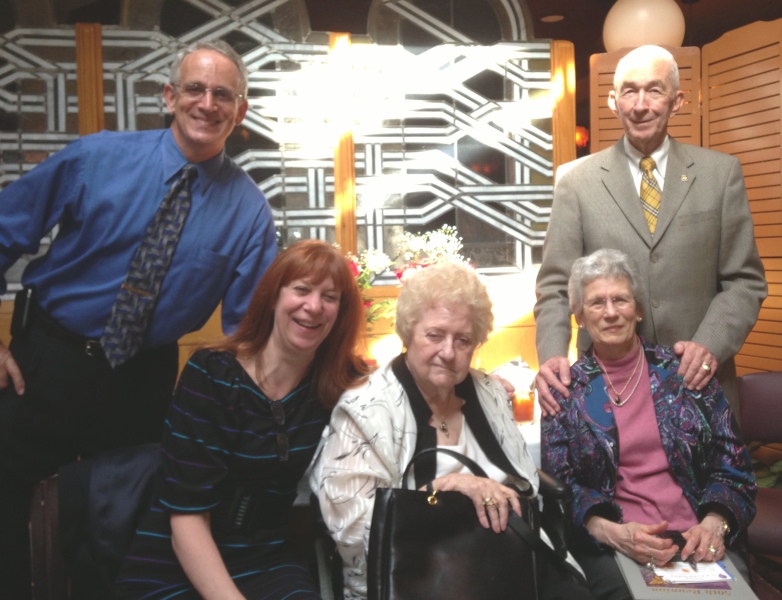
Tom Jr. - Carrie - Liz - McNair's
[Liz Mullan's 80th - SEP 2013]
* * * * * * * * * * * * * * * * * * * * * *
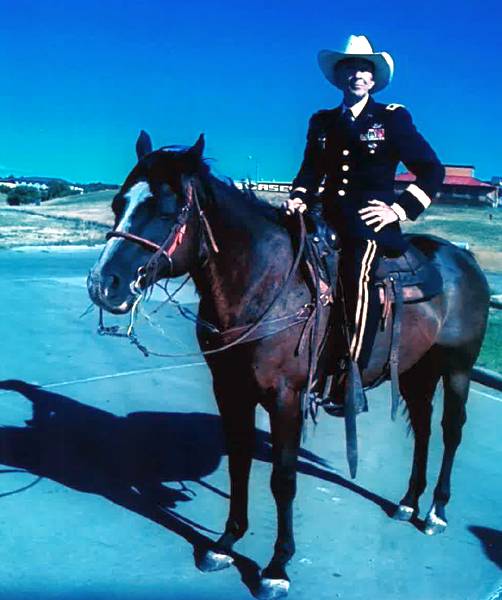
Carl McNair [South Dakota State Veterans
Memorial Park Dedication - AUG 2013]
* * * * * * * * * * * * * * * * * * * * * *
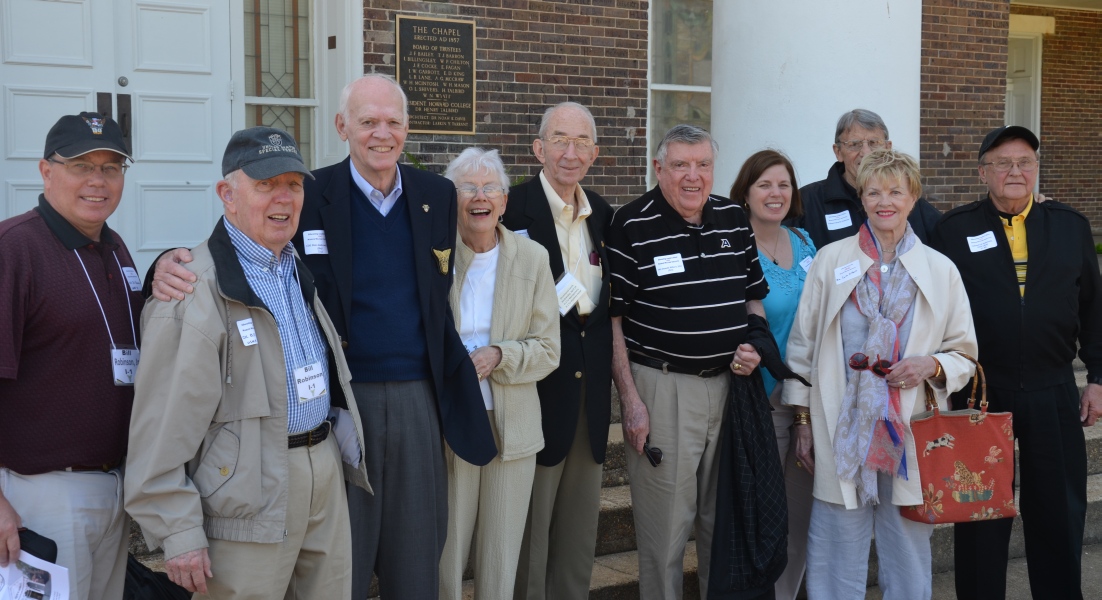
Marion Tour: Robinson son - Robinson - Andrews' - McNair - Hilbert's - Robinson daughter - Johnson - Anderson [Birmingham Mini - APR 2013] |
* * * * * * * * * * * * * * * * * * * * * *
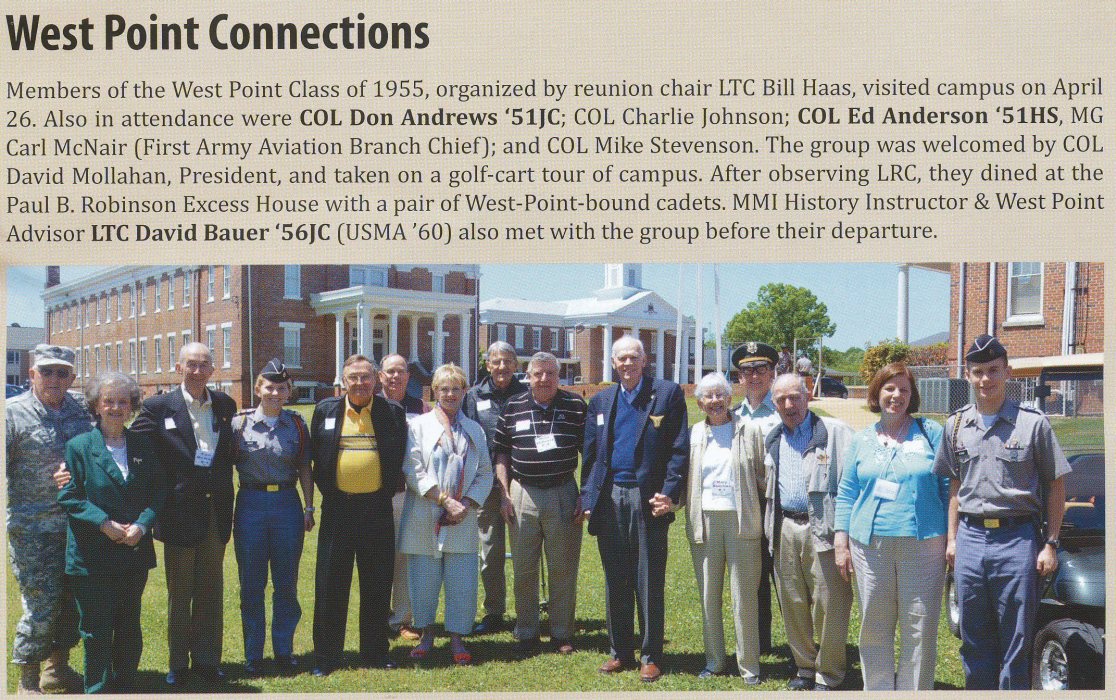
Marion Military Institute Magazine Picture
[Birmingham Mini - APR 2013]
* * * * * * * * * * * * * * * * * * * * * *
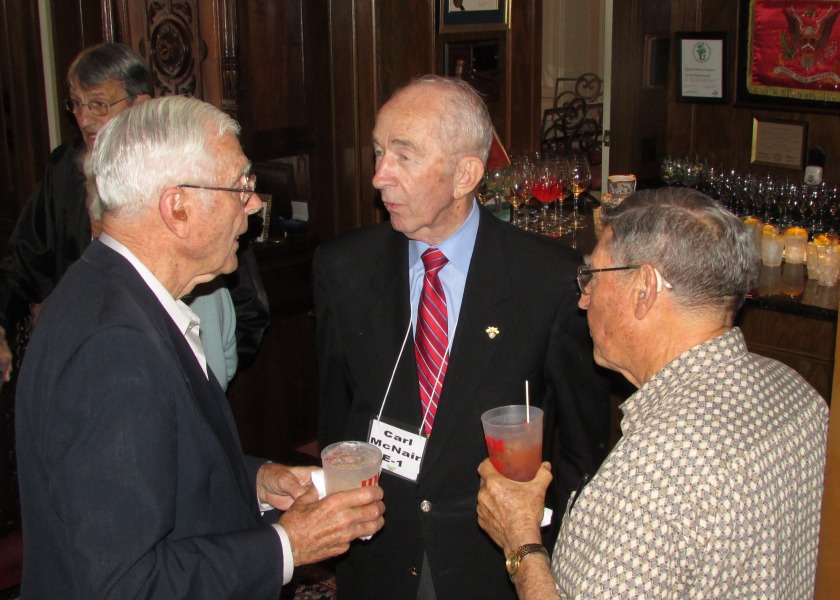
? - Carl McNair - Dick Prater
[Birmingham Mini - APR 2013]
* * * * * * * * * * * * * * * * * * * * * *
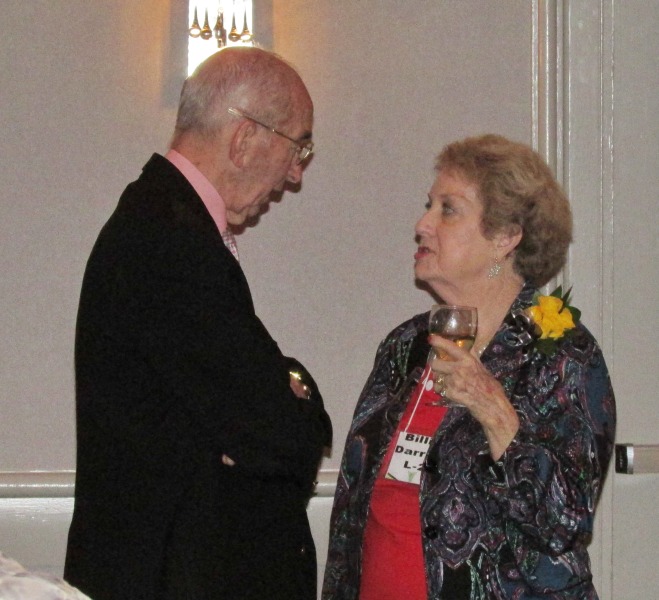
Carl McNair and Billie Darrah
[Birmingham Mini - APR 2013]
* * * * * * * * * * * * * * * * * * * * * *
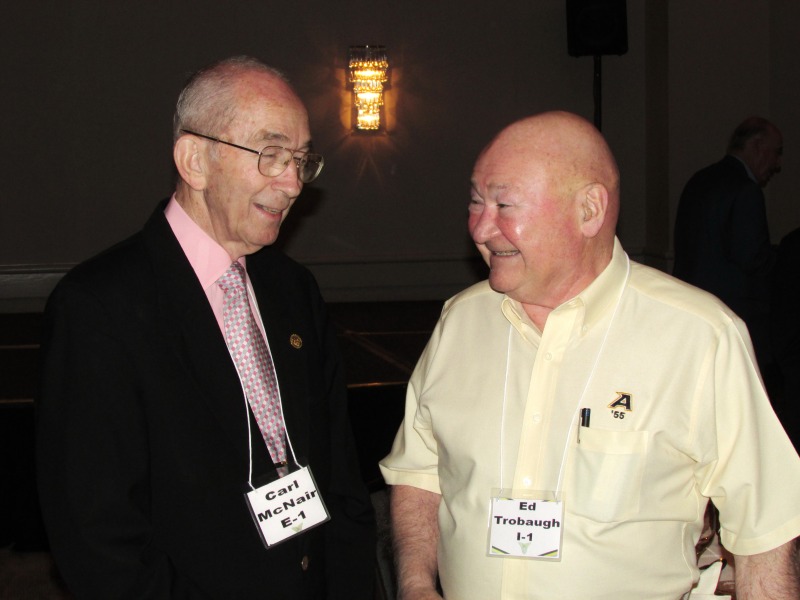
Carl McNair and Ed Trobaugh
[Birmingham Mini - APR 2013]
* * * * * * * * * * * * * * * * * * * * * *
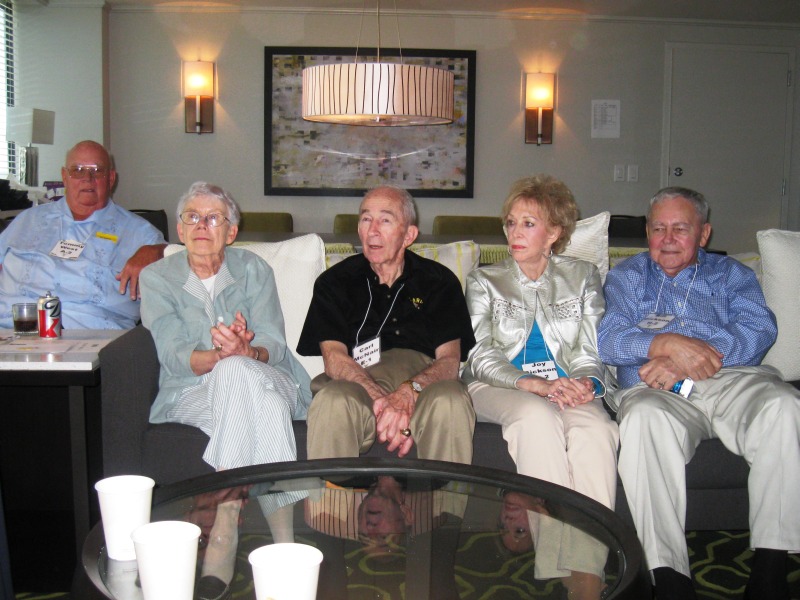
Tommy West - Mary Andrews - Carl McNair -
Dickson's [Birmingham Mini - APR 2013]
* * * * * * * * * * * * * * * * * * * * * *
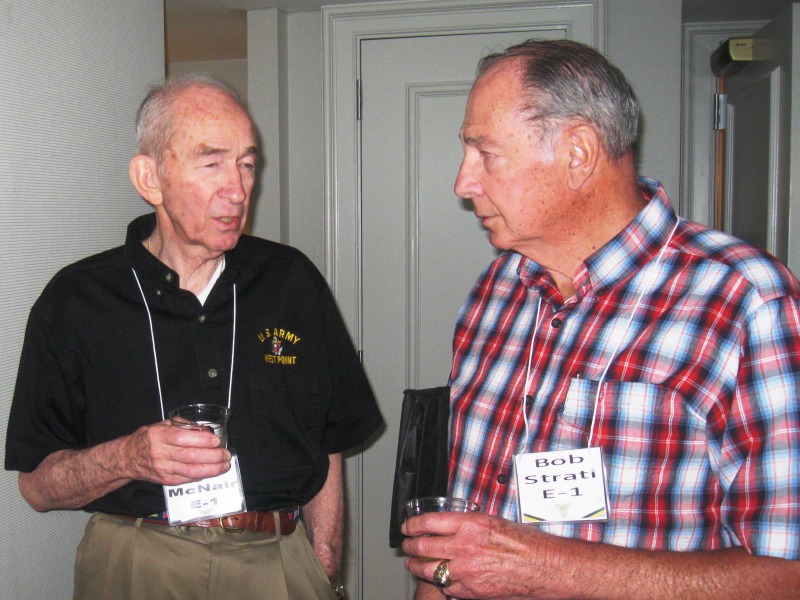
Carl McNair and Bob Strati
[Birmingham Mini - APR 2013]
* * * * * * * * * * * * * * * * * * * * * *
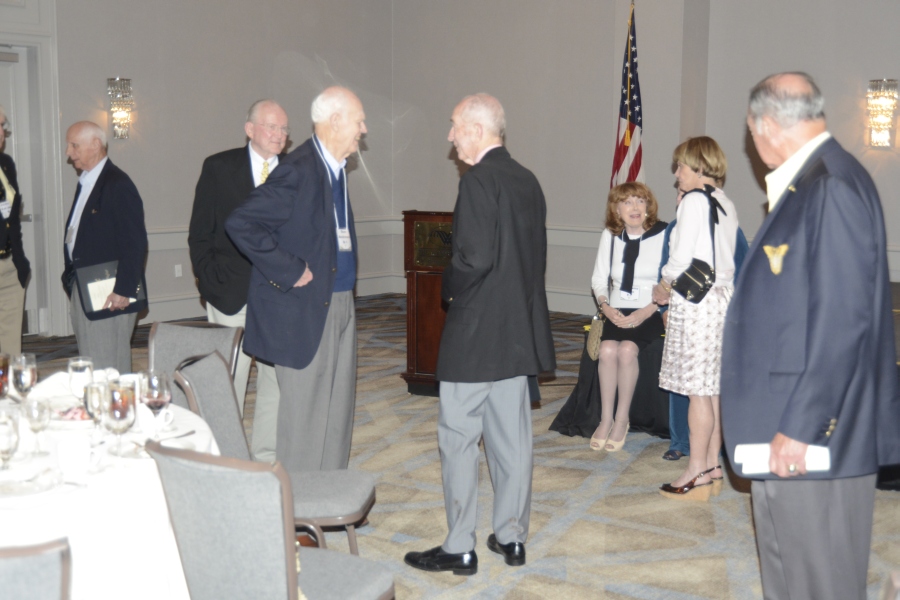
Roy Dunaway - Jim Ryan - Don Andrews - Carl McNair -
Bernadette Dugan [Birmingham Mini - APR 2013]
* * * * * * * * * * * * * * * * * * * * * *
McNair - Dugan - Giza - Prater - Malone - Stone -
Robinson - West - Ryan [Birmingham Mini - APR 2013]
* * * * * * * * * * * * * * * * * * * * * *
Dugan's - Jim Ryan - Buddy Roberts - Carl McNair - Jeanne
Drummond - Bob Strati [Birmingham Mini - APR 2013]
* * * * * * * * * * * * * * * * * * * * * *
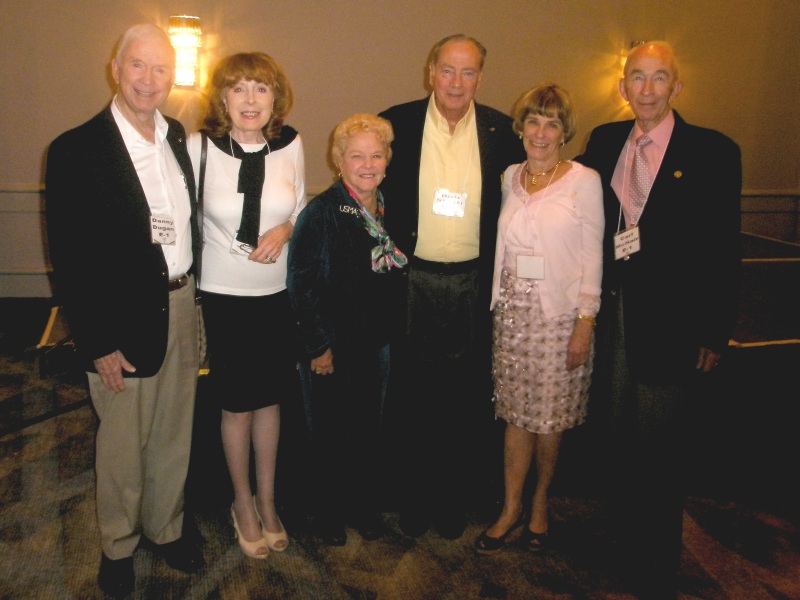
Dugan's - Strati's - Jeanne Drummond - Carl
McNair [Birmingham Mini - APR 2013]
* * * * * * * * * * * * * * * * * * * * * *
Carl McNair - Leo Hergenroeder - Ed Anderson - Jim Cutchin - Bob Carpenter - Jack Doyle - Rich Miller - Dan Troyan - Bill McCulla - Matt Schepps - Ted Gay [Alexandria VA Lunch - FEB 2013] |
* * * * * * * * * * * * * * * * * * * * * *
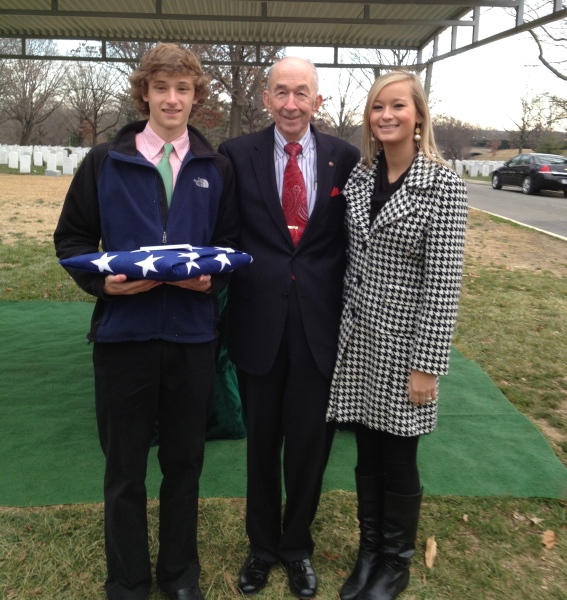
Carl McNair - Mason and Hinsdale Meredith (Dean's grandchildren)
[Dean Longbottom Funeral @ Arlington - JAN 2013]
* * * * * * * * * * * * * * * * * * * * * *
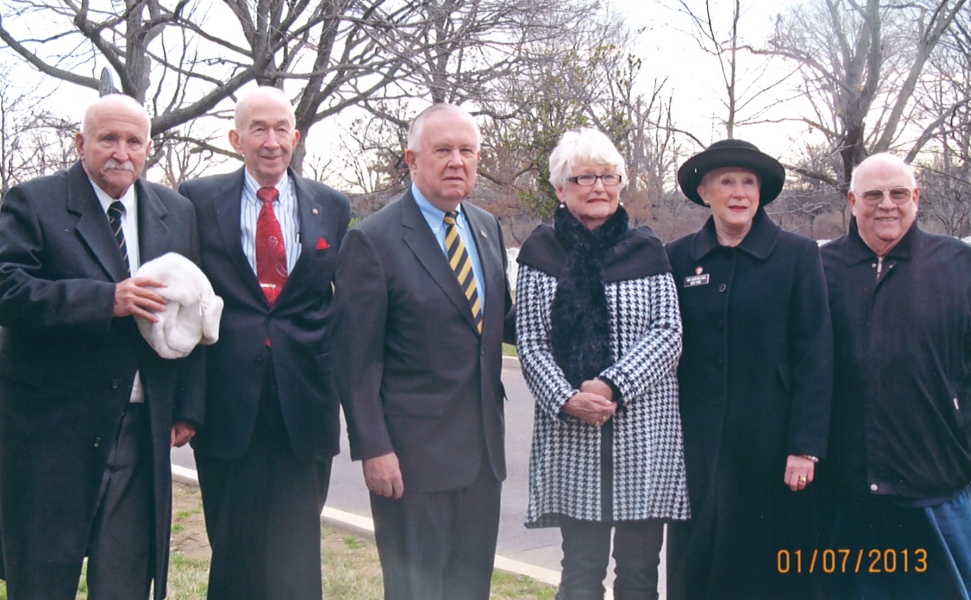
John Sloan - Carl McNair - Bill Harris - Mary Longbottom - Marie Spara (Arlington Lady) - Tommy West [Dean Longbottom Funeral @ Arlington - JAN 2013] |
* * * * * * * * * * * * * * * * * * * * * *
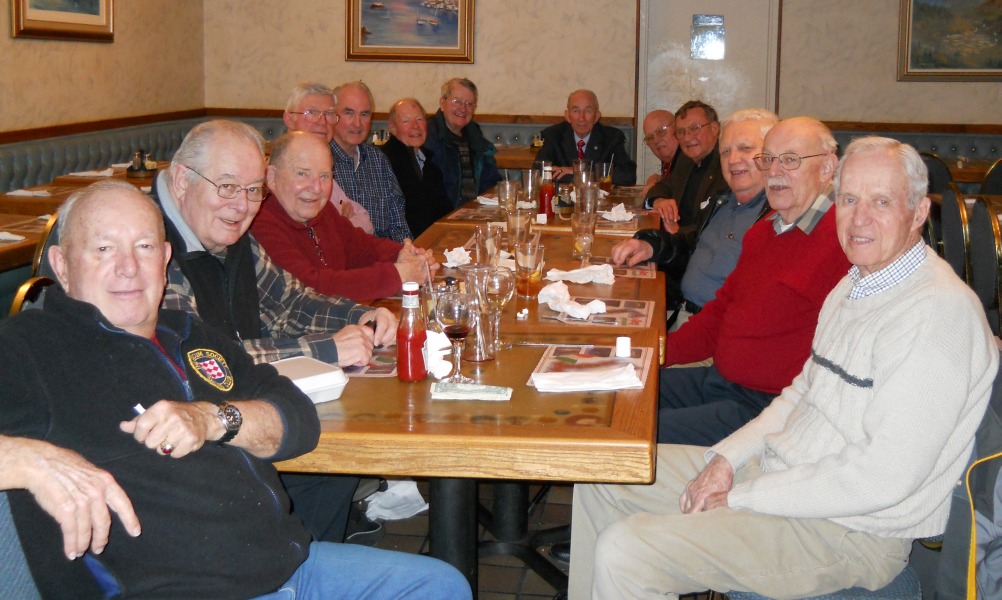
Rich Miller - Jack Doyle - Leo Hergenroeder - Jim Cutchin - Ted Gay - Bob Carpenter - Ray Gunderson - Carl McNair - Tommy West - Ed Anderson - Dave McNerney - Bill McCulla - Matt Schepps - (Photographer: Dan Troyan) [D.C. Metro Luncheon - JAN 2013] |
* * * * * * * * * * * * * * * * * * * * * *
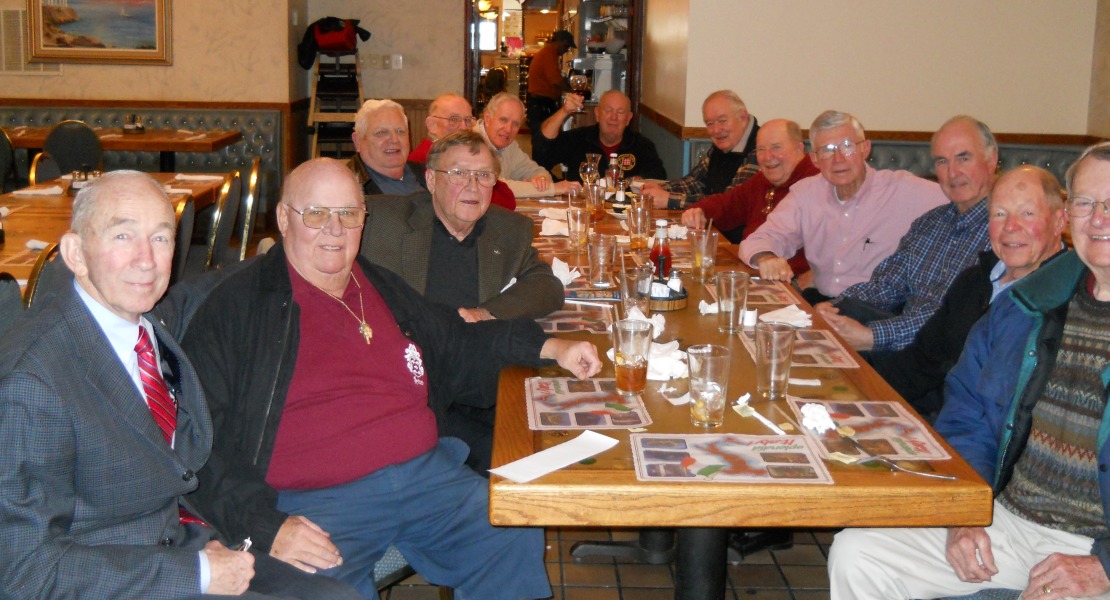
Carl McNair - Tommy West - Ed Anderson - Dave McNerney - Bill McCulla - Matt Schepps - Rich Miller - Jack Doyle - Leo Hergenroeder - Jim Cutchin - Ted Gay - Bob Carpenter - Ray Gunderson - (Photographer: Dan Troyan) [D.C. Metro Luncheon - JAN 2013] |
* * * * * * * * * * * * * * * * * * * * * *
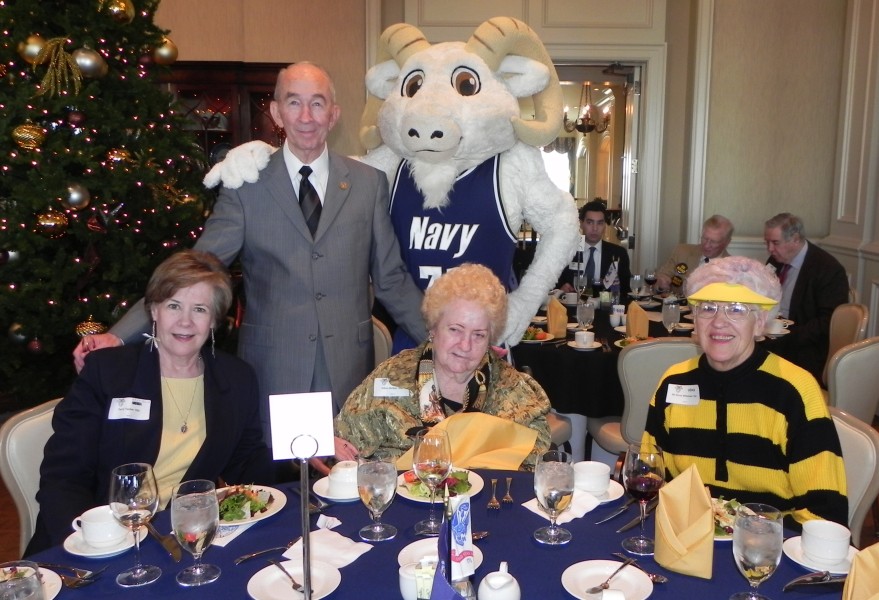
Terry Tucker - Carl and Jo Ann McNair - Billy the Goat -
Myrna Williamson [Army-Navy Country Club - DEC 2012]
* * * * * * * * * * * * * * * * * * * * * *
Jo Ann McNair - Ed Nidever - Jane Burns
[DC Party - DEC 2012]
* * * * * * * * * * * * * * * * * * * * * *
Mary and Don Andrews - Myrna Williamson
[DC Party - DEC 2012]
* * * * * * * * * * * * * * * * * * * * * *
Mary and Don Andrews - Tommy West - Myrna Williamson -
Dan and Anne Malone - Jane Merryman [DC Party - DEC 2012]
* * * * * * * * * * * * * * * * * * * * * *
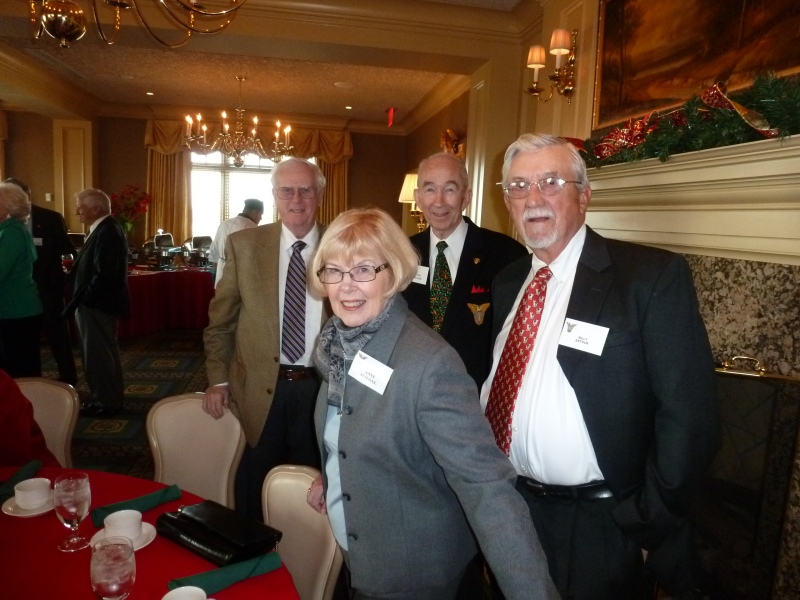
Malone's - McNair - Arthur
[DC Party - DEC 2012]
* * * * * * * * * * * * * * * * * * * * * *
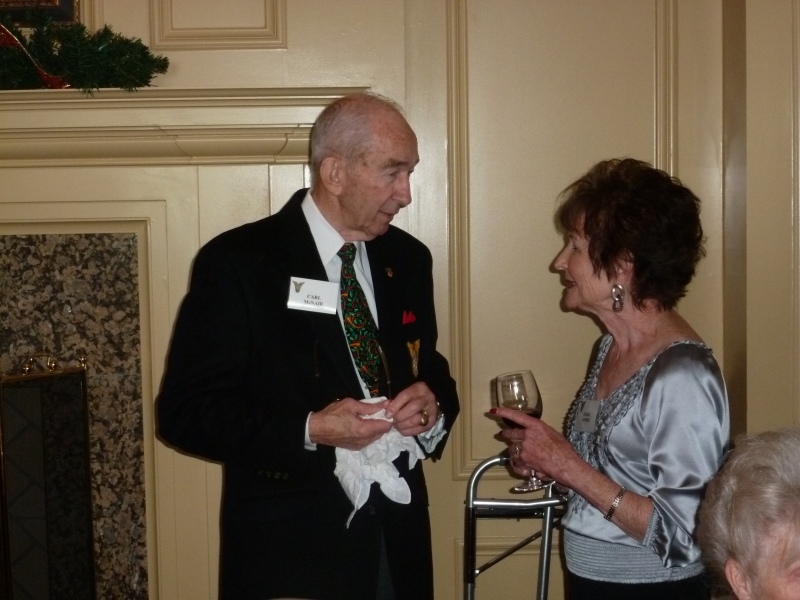
Carl McNair and Donna Ludwig
[DC Party - DEC 2012]
* * * * * * * * * * * * * * * * * * * * * *
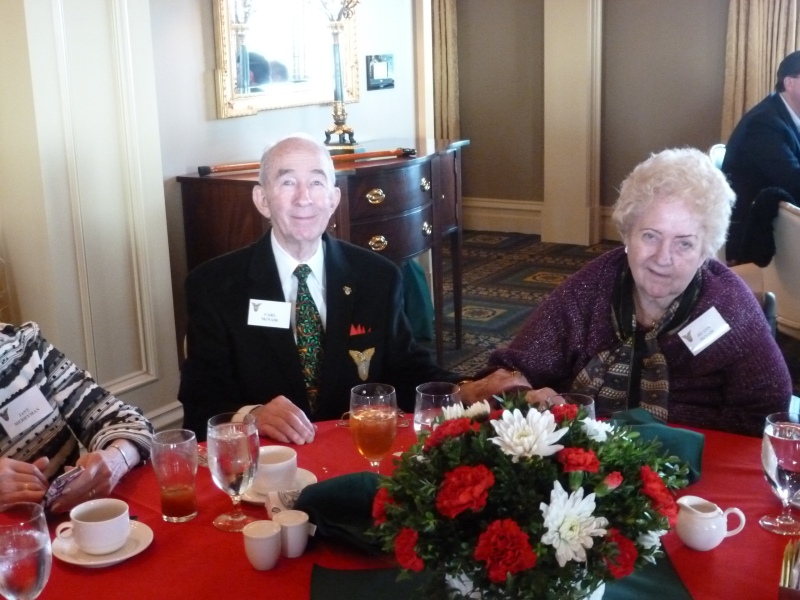
Carl and Jo Ann McNair
[DC Party - DEC 2012]
* * * * * * * * * * * * * * * * * * * * * *
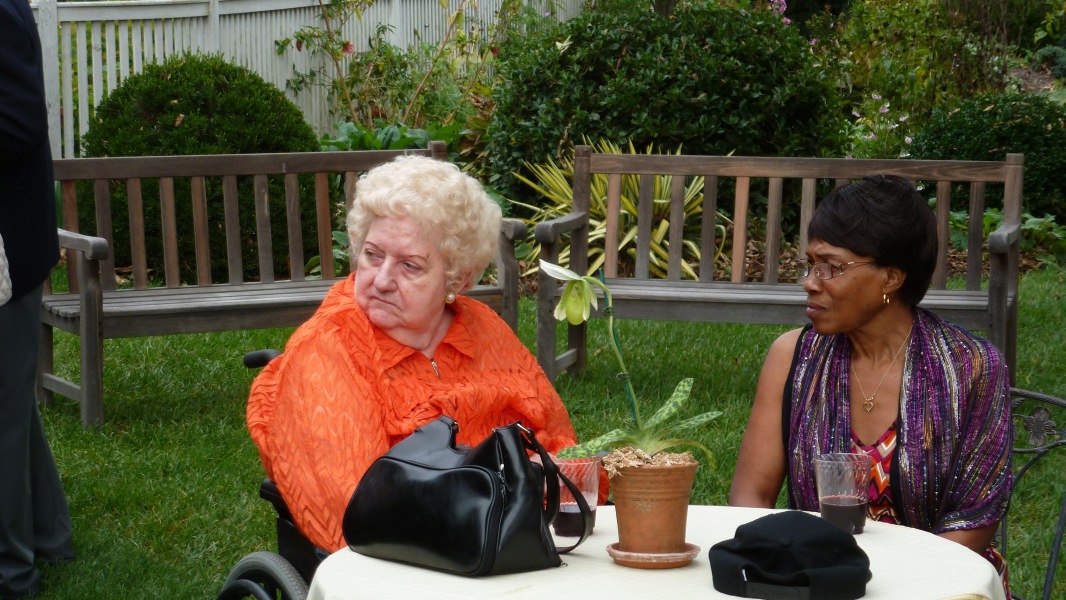
Jo Ann McNair
[Bob Newton Farewell - SEP 2012]
* * * * * * * * * * * * * * * * * * * * * *
Carl McNair
[Bob Newton Farewell - SEP 2012]
* * * * * * * * * * * * * * * * * * * * * *
Linda Newton and Carl McNair
[Bob Newton Farewell - SEP 2012]
* * * * * * * * * * * * * * * * * * * * * *
Zach Hagedorn - Ted Gay - Carl McNair
[Bob Newton Farewell - SEP 2012]
* * * * * * * * * * * * * * * * * * * * * *
Carl and Jo Ann McNair - Joan and Bill McCulla
[Bob Newton Farewell - SEP 2012]
* * * * * * * * * * * * * * * * * * * * * *
McCulla's - Marcia Cathey - Jo Ann McNair - Linda
Newton - Jim Ryan [Bob Newton Farewell - SEP 2012]
* * * * * * * * * * * * * * * * * * * * * *
McNair's - Cutchin - Marcia Cathey
[Bob Newton Farewell - SEP 2012]
* * * * * * * * * * * * * * * * * * * * * *
Soldier turns sailor on his 79th birthday sailing the Chesapeake with his youngest granddaughter aboard a 49 foot sailboat from Annapolis harbor after enjoying lunch in the shadow of the Naval Academy [SEP 2012] |
* * * * * * * * * * * * * * * * * * * * * *
Carl McNair - Charlie Johnson - Pat Strati
[DC Party - DEC 2011]
* * * * * * * * * * * * * * * * * * * * * *
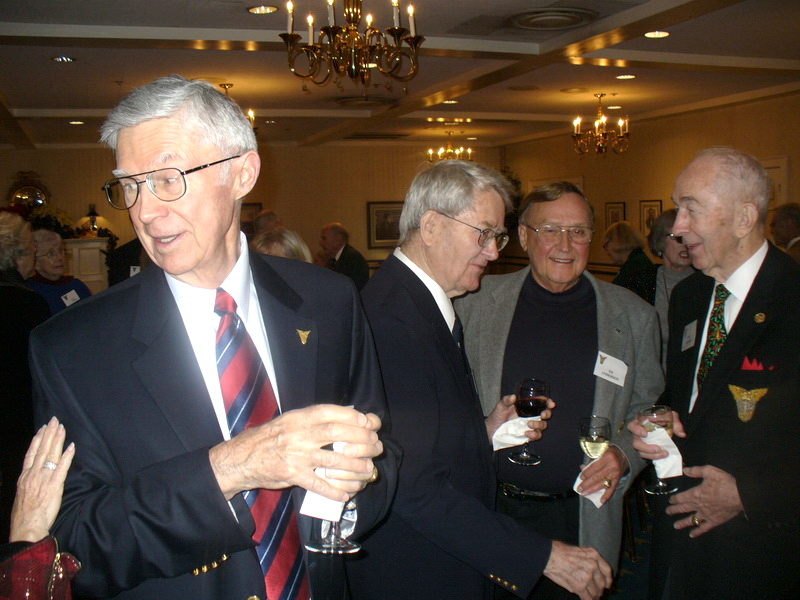
Jim Cutchin - Ray Gunderson - Ed Anderson -
Carl McNair [DC Party - DEC 2011]
* * * * * * * * * * * * * * * * * * * * * *
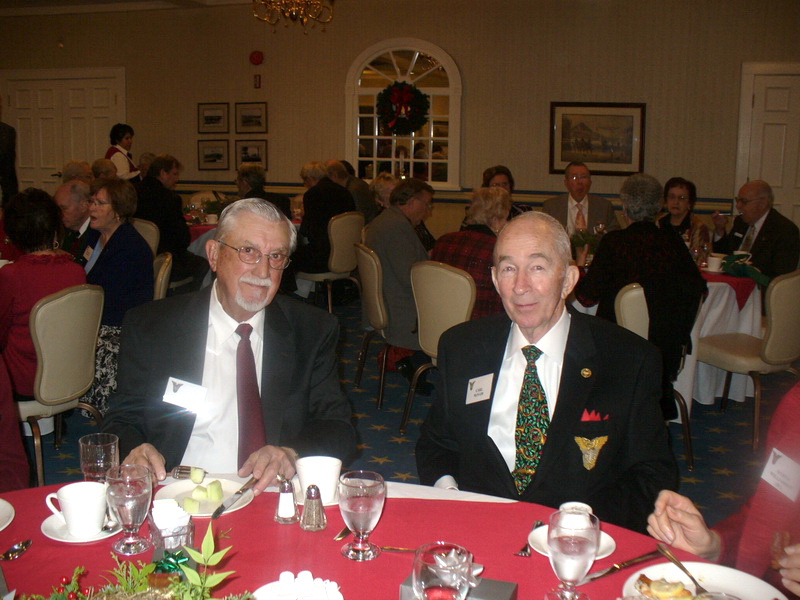
Billy Arthur and Carl McNair
[DC Party - DEC 2011]
* * * * * * * * * * * * * * * * * * * * * *
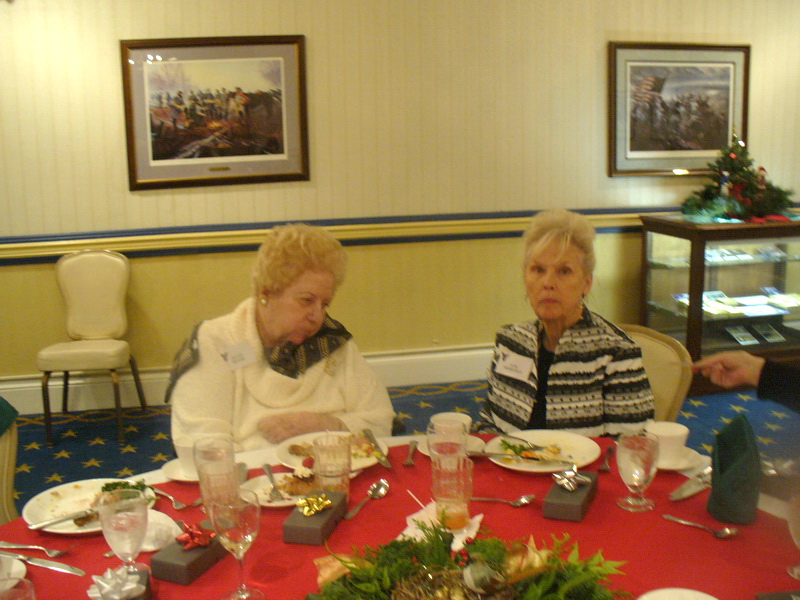
Jo Ann McNair and Jane Merryman
[DC Party - DEC 2011]
* * * * * * * * * * * * * * * * * * * * * *
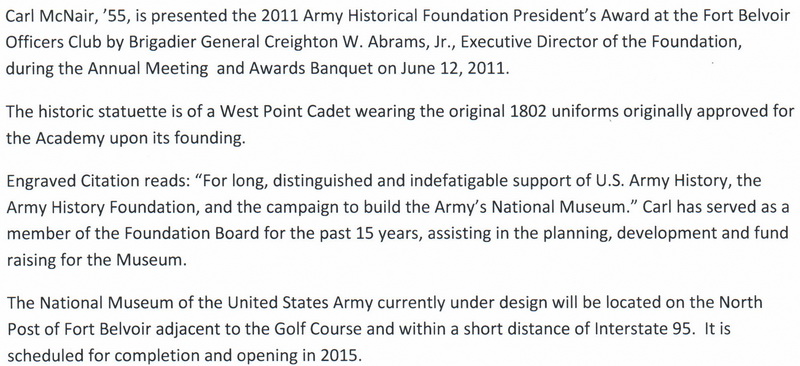
* * * * * * * * * * * * * * * * * * * * * *
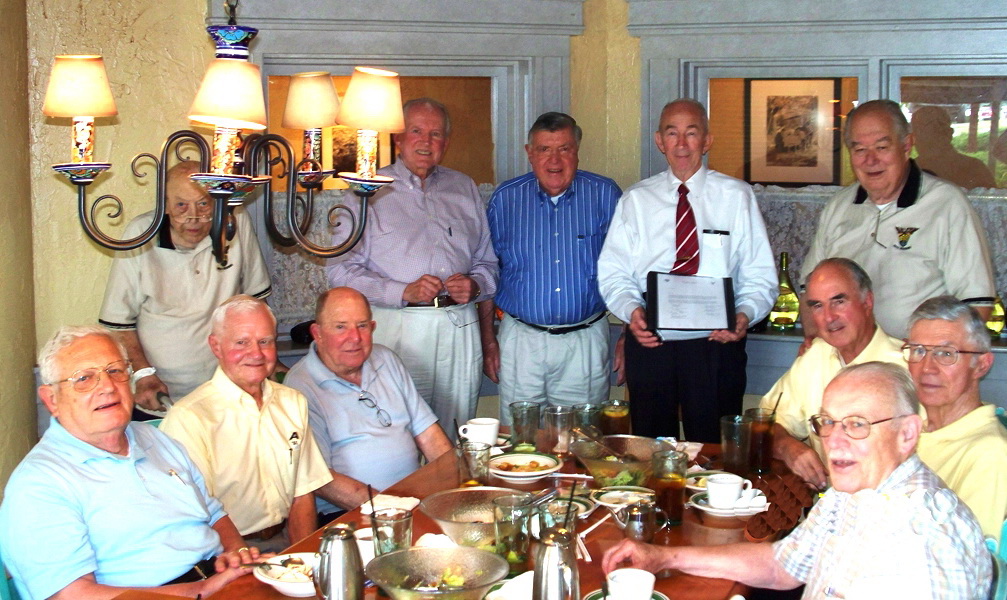
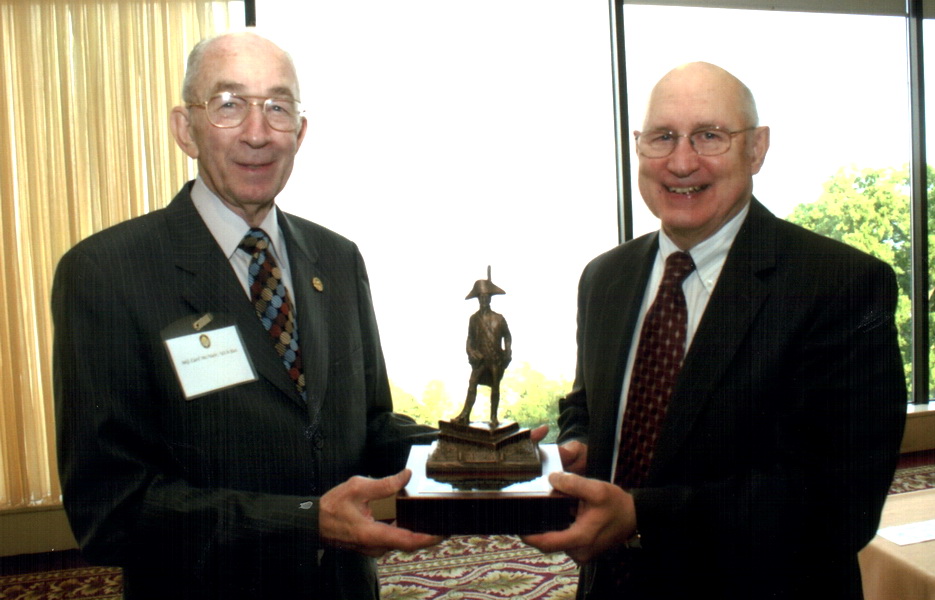
McNerney - Russell - Ludwig - Hergenroeder - Ryan - Hilbert - McNair - Doyle - Gay - Cutchin - McCulla [NOVA - JUL 2011] |
* * * * * * * * * * * * * * * * * * * * * *
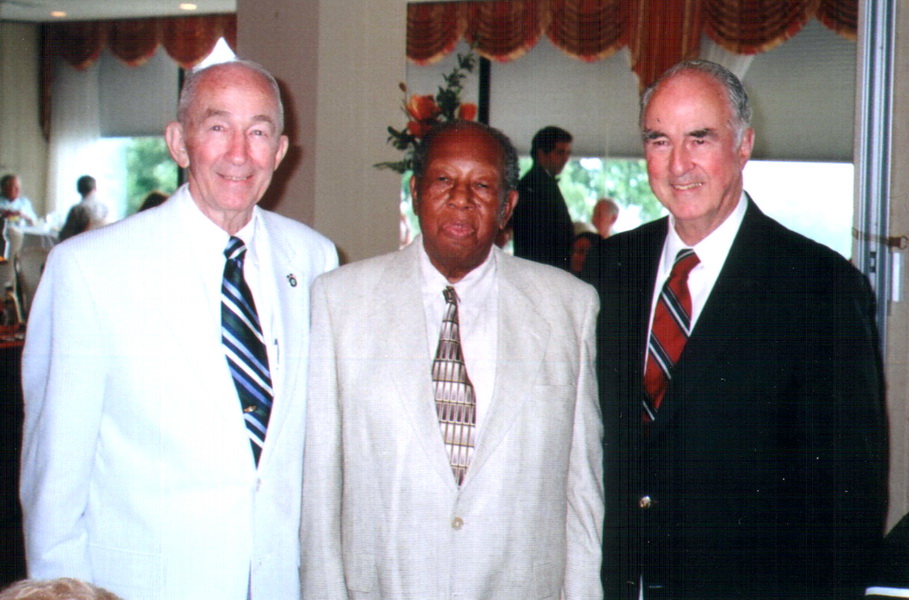
Carl McNair - Mike Brown - Ted Gay
['55 VAMD Brunch @ Ft Belvoir OC - JUN 2011]
* * * * * * * * * * * * * * * * * * * * * *
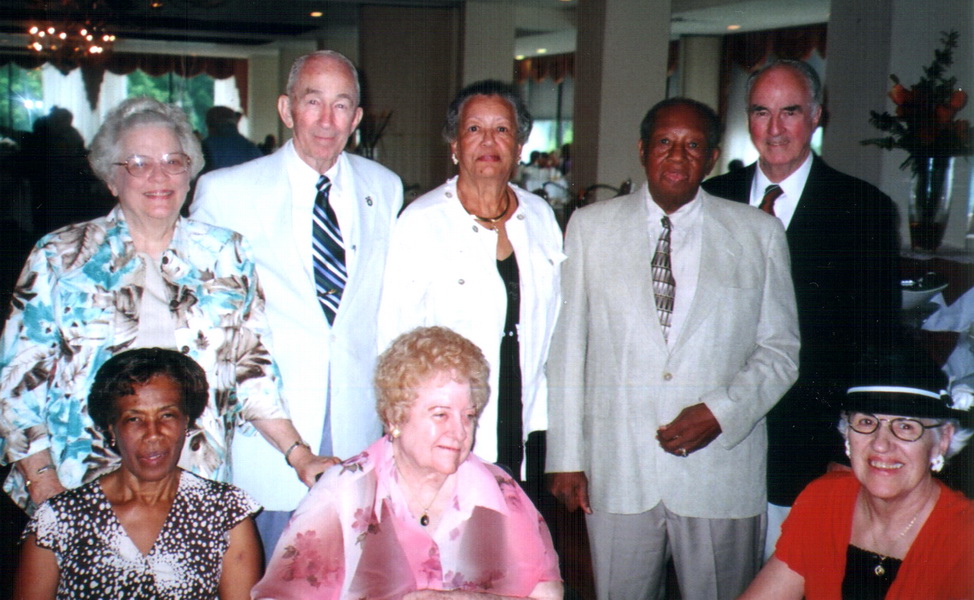
Rear: Mary Carolyn Gay - Carl McNair - Louise and Mike Brown - Ted Gay - Front: Sylvia Naswell - Jo Ann McNair - Myrna Williamson ['55 VAMD Brunch @ Ft Belvoir OC - JUN 2011] |
* * * * * * * * * * * * * * * * * * * * * *
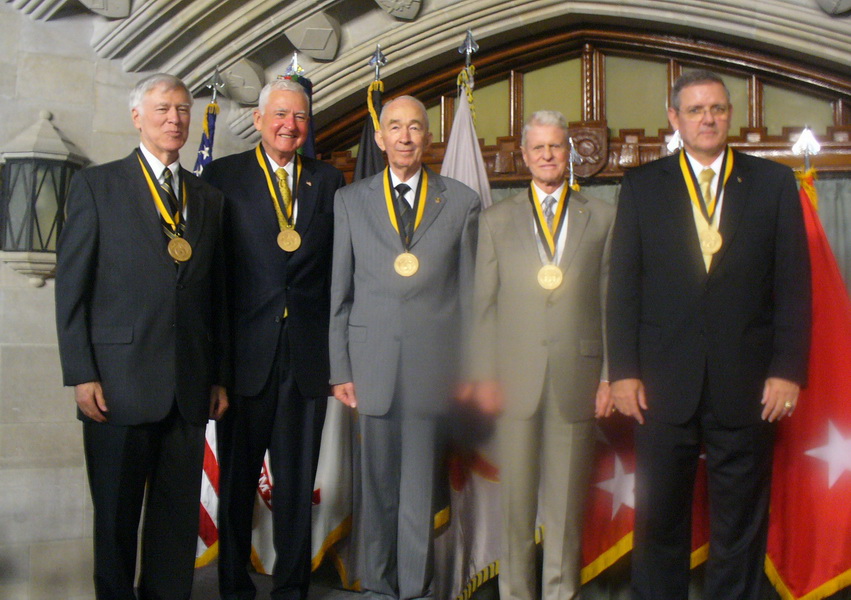
Carl McNair and 2011 Distinguished Grads
[DG Mini - MAY 2011]
More 2011 DG Mini Pictures
* * * * * * * * * * * * * * * * * * * * * *
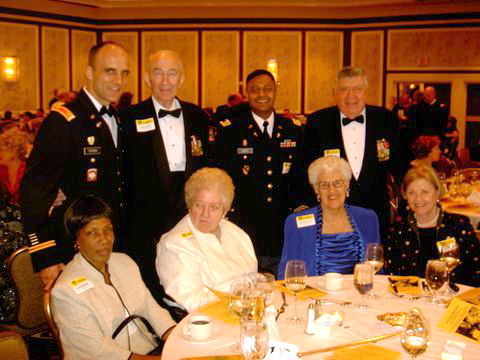
Standing: Major Tom Tolman '01 - Carl McNair - Father (Captain) John Baptist Gabriel - Don Hilbert - Sitting: Sylvia Naswell - Jo Ann McNair - BG Myrna Williamson - Carla Hilbert [DC FDD - MAR 2011] |
* * * * * * * * * * * * * * * * * * * * * *
* * * * * * * * * * * * * * * * * * * * * *
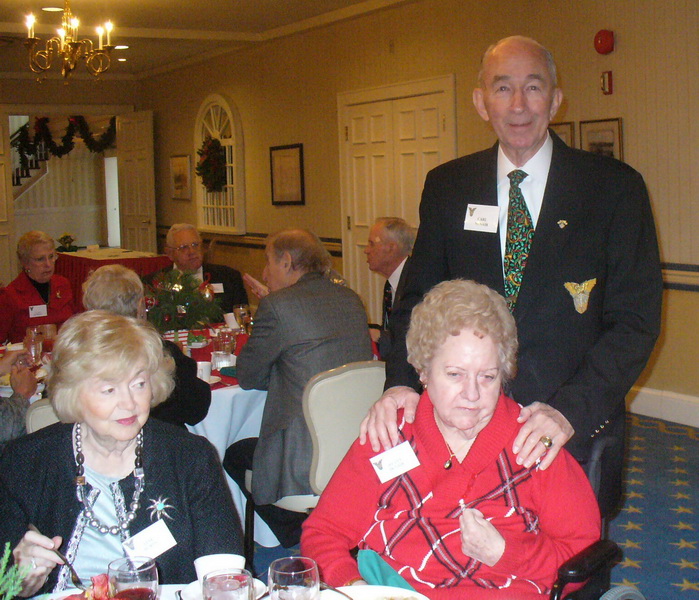
Jane Burns - Jo Ann and Carl McNair
[DC Party - DEC 2010]
* * * * * * * * * * * * * * * * * * * * * *
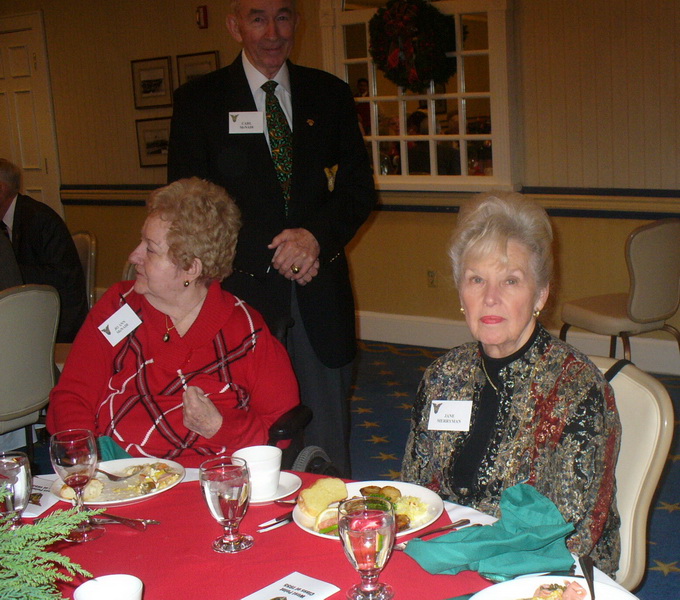
Jo Ann and Carl McNair - Jane Merryman
[DC Party - DEC 2010]
* * * * * * * * * * * * * * * * * * * * * *
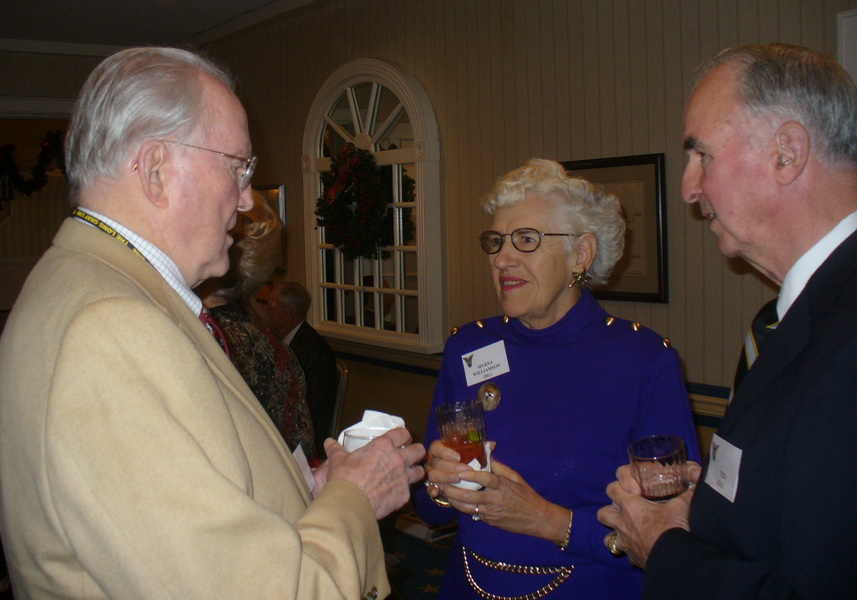
Jim Ryan - Myrna Williamson - Ted Gay
[DC Party - DEC 2010]
* * * * * * * * * * * * * * * * * * * * * *
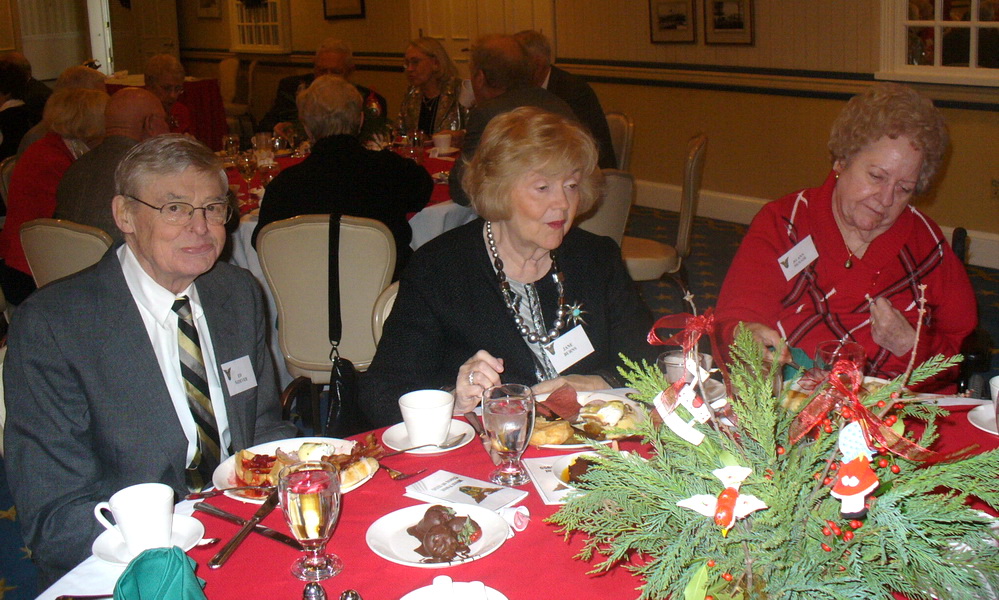
Ed Nidever and Jane Burns - Jo Ann McNair
[DC Party - DEC 2010]
* * * * * * * * * * * * * * * * * * * * * *
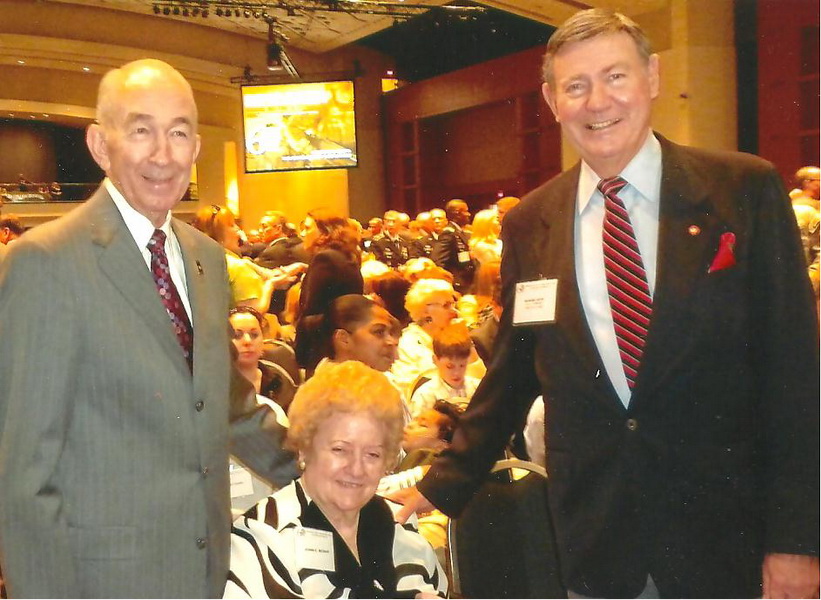
Carl and Jo Ann McNair - Rod Vitty
[AUSA Meeting - NOV 2010]
* * * * * * * * * * * * * * * * * * * * * *
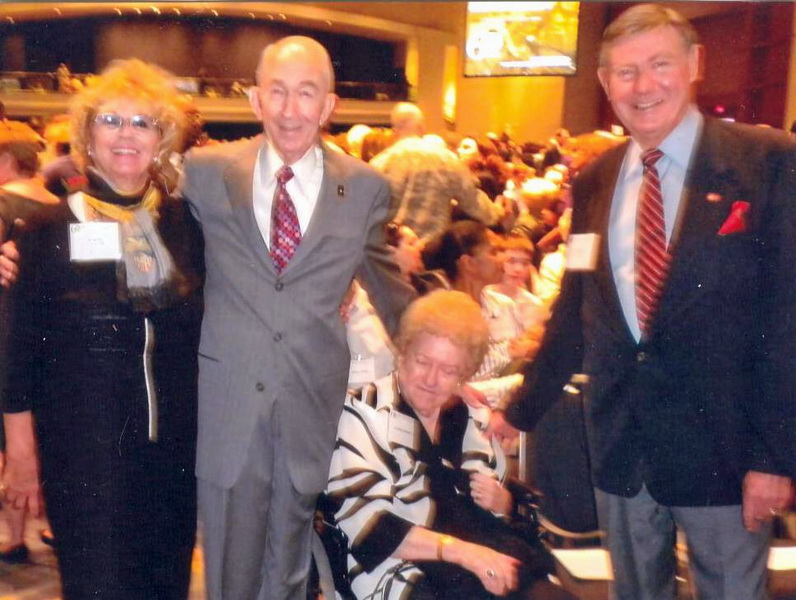
McNair's and Vitty's
[AUSA Meeting - NOV 2010]
* * * * * * * * * * * * * * * * * * * * * *
* * * * * * * * * * * * * * * * * * * * * *
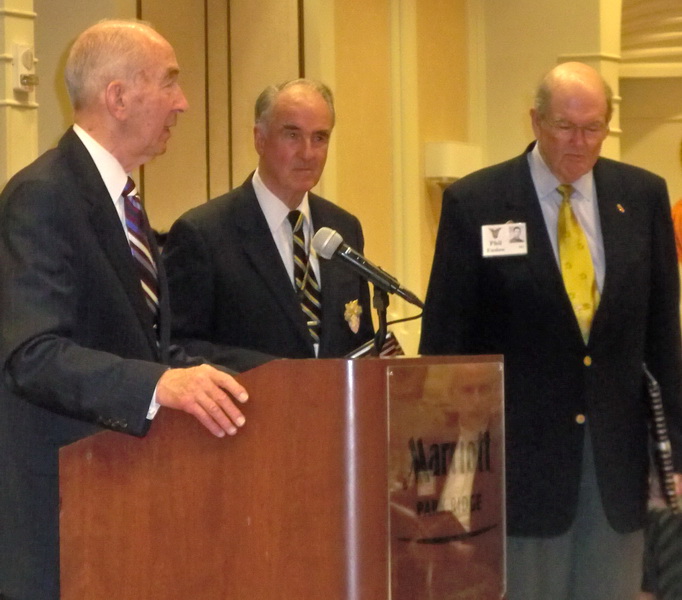
Carl McNair - Ted Gay - Phil Enslow
[55th Reunion - May 2010]
* * * * * * * * * * * * * * * * * * * * * *
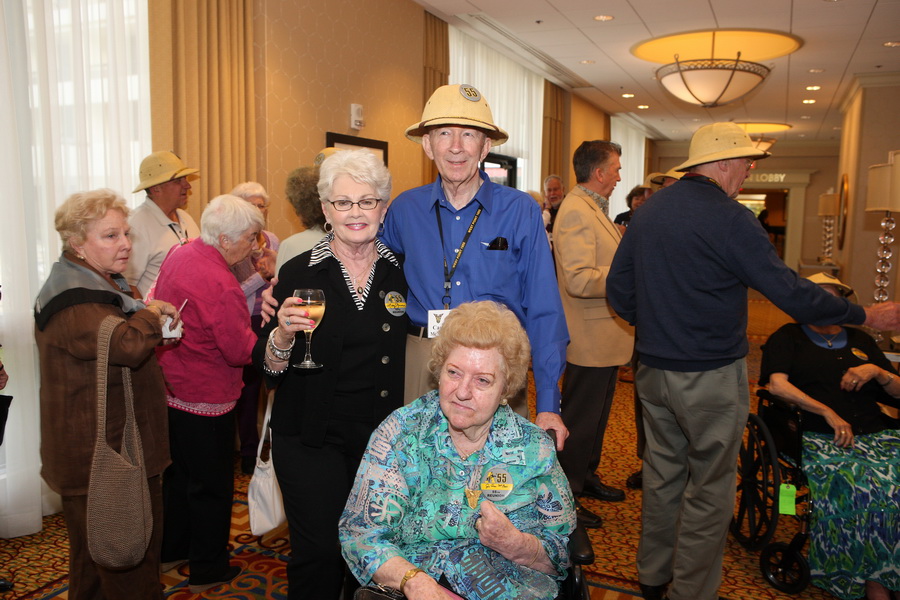
Pat Strati - Libby Munroe - McNair's
[55th Reunion - May 2010]
* * * * * * * * * * * * * * * * * * * * * *
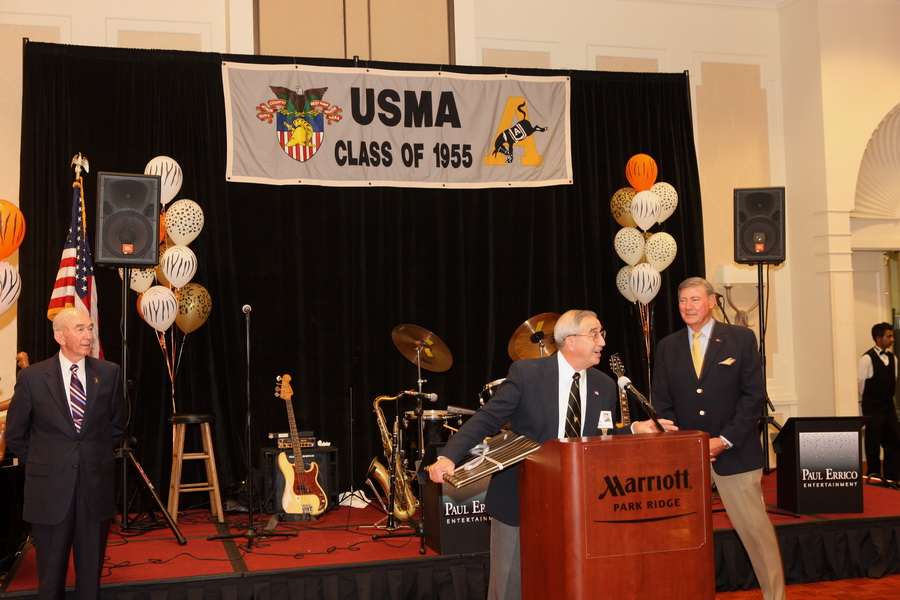
Carl McNair - Rich Cardillo - Rod Vitty
[55th Reunion - May 2010]
* * * * * * * * * * * * * * * * * * * * * *
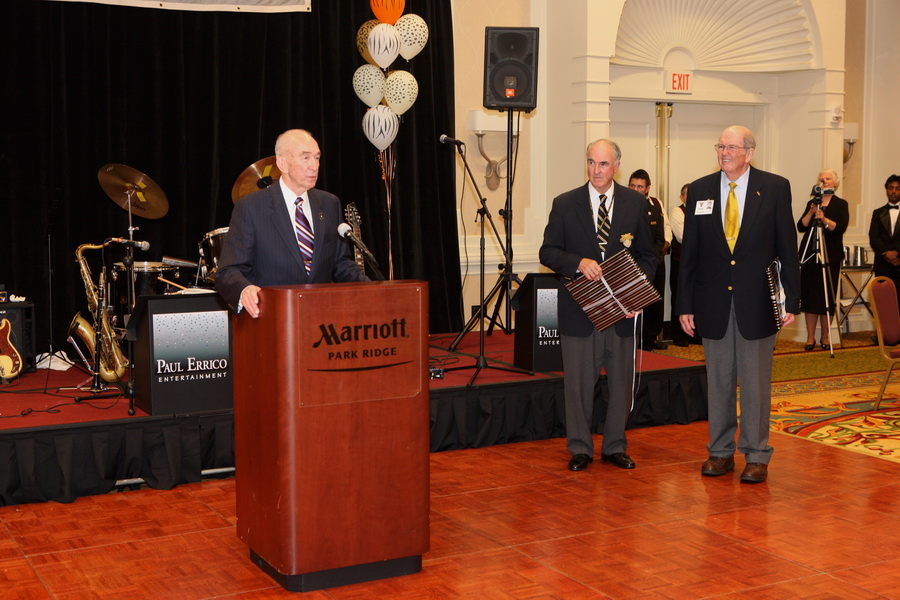
Carl McNair - Ted Gay - Phil Enslow
[55th Reunion - May 2010]
* * * * * * * * * * * * * * * * * * * * * *
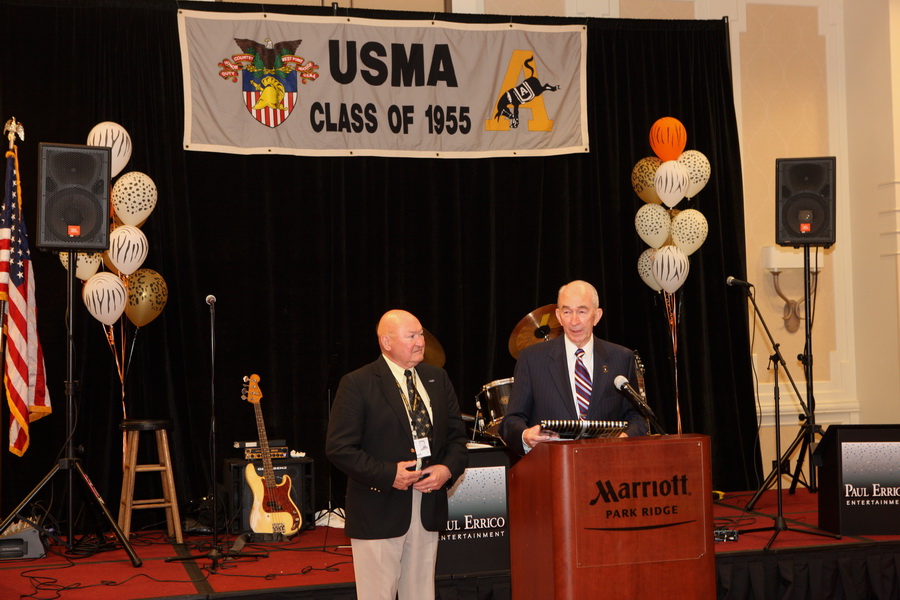
Ed Trobaugh and Carl McNair
[55th Reunion - May 2010]
* * * * * * * * * * * * * * * * * * * * * *
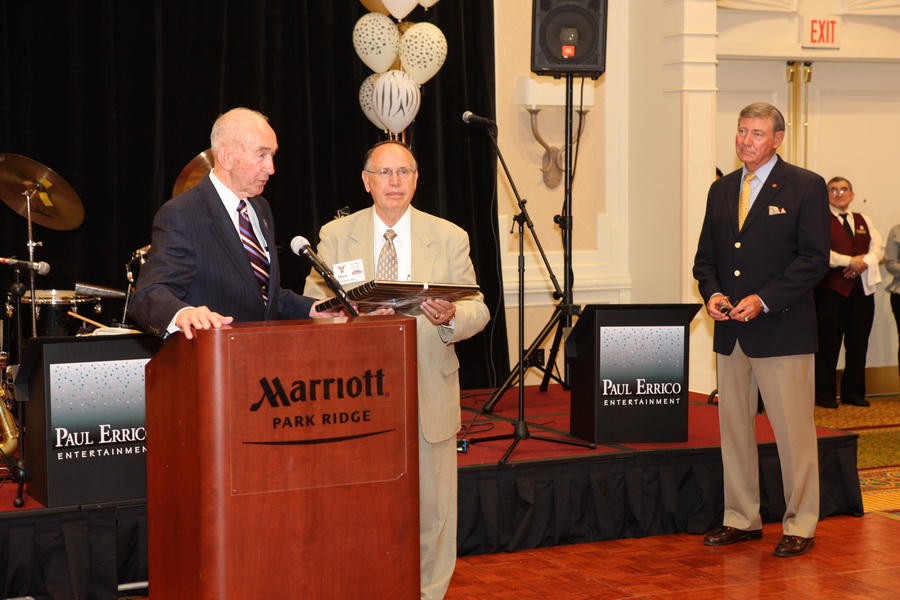
Carl McNair - Dick Wargowsky - Rod Vitty
[55th Reunion - May 2010]
* * * * * * * * * * * * * * * * * * * * * *
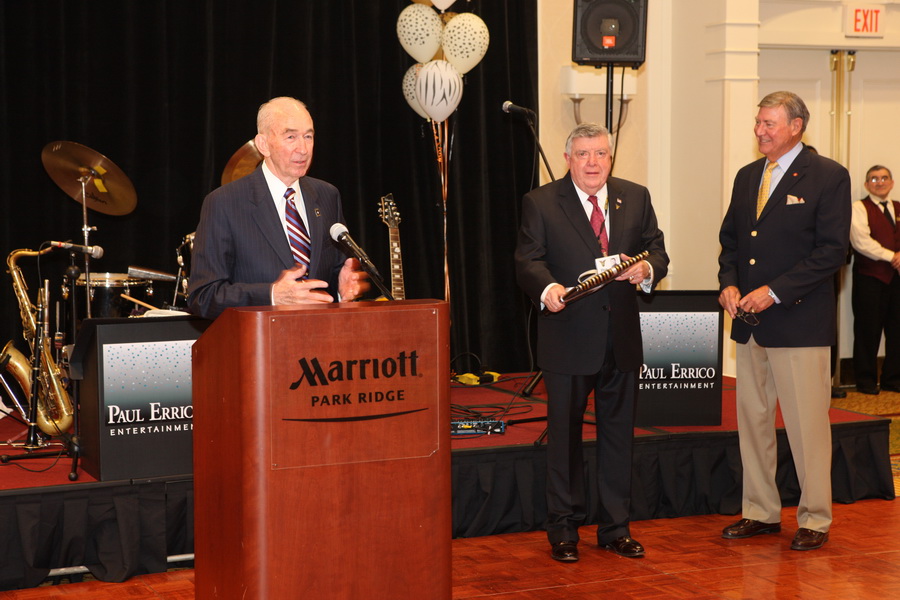
Carl McNair - Don Hilbert - Rod Vitty
[55th Reunion - May 2010]
* * * * * * * * * * * * * * * * * * * * * *
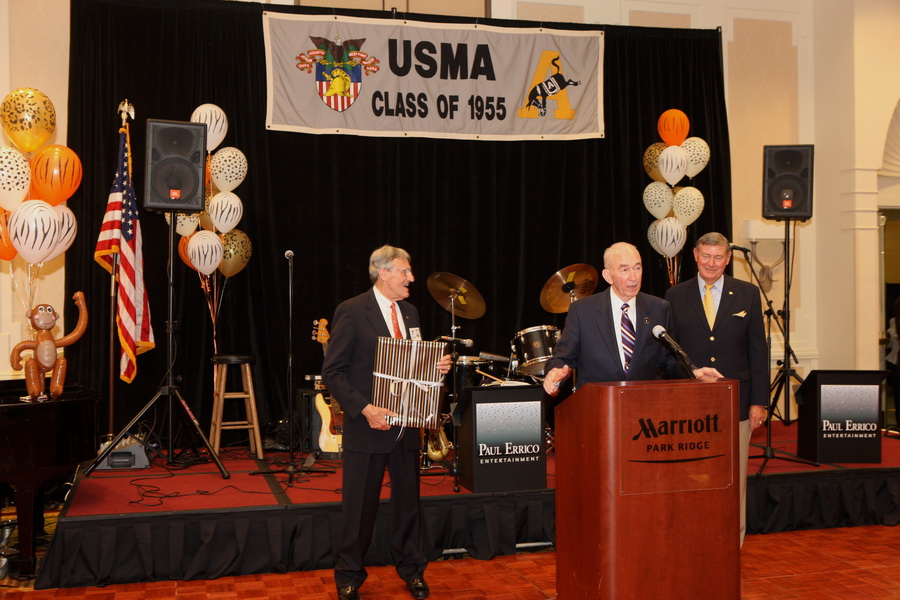
Charlie Johnson - Carl McNair - Rod Vitty
[55th Reunion - May 2010]
* * * * * * * * * * * * * * * * * * * * * *
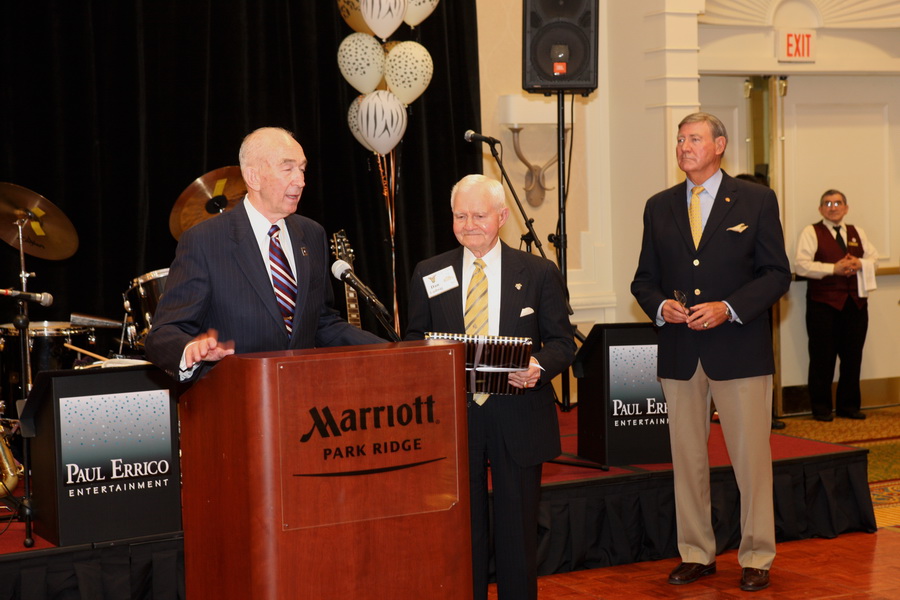
Carl McNair - Dan Ludwig - Rod Vitty
[55th Reunion - May 2010]
* * * * * * * * * * * * * * * * * * * * * *
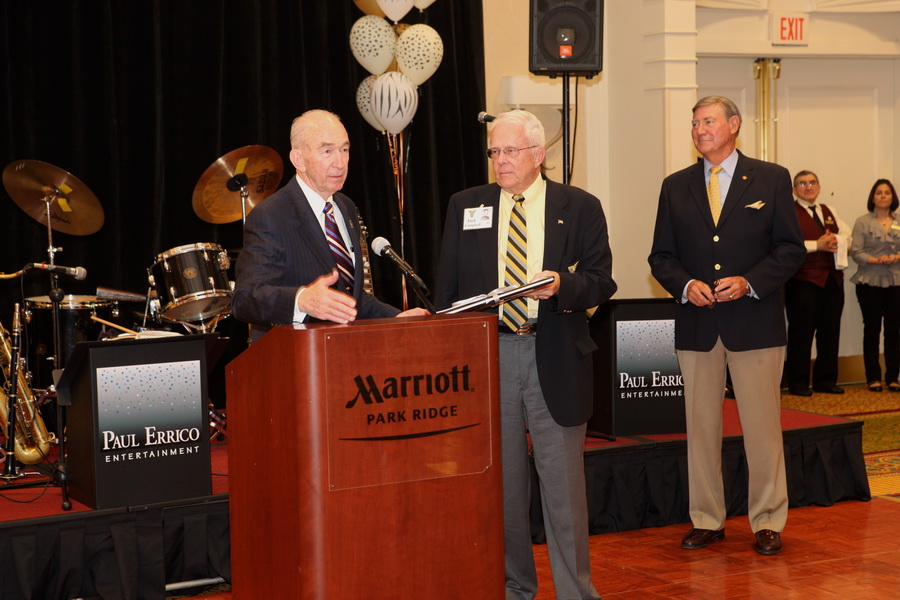
Carl McNair - Jack Campbell - Rod Vitty
[55th Reunion - May 2010]
* * * * * * * * * * * * * * * * * * * * * *
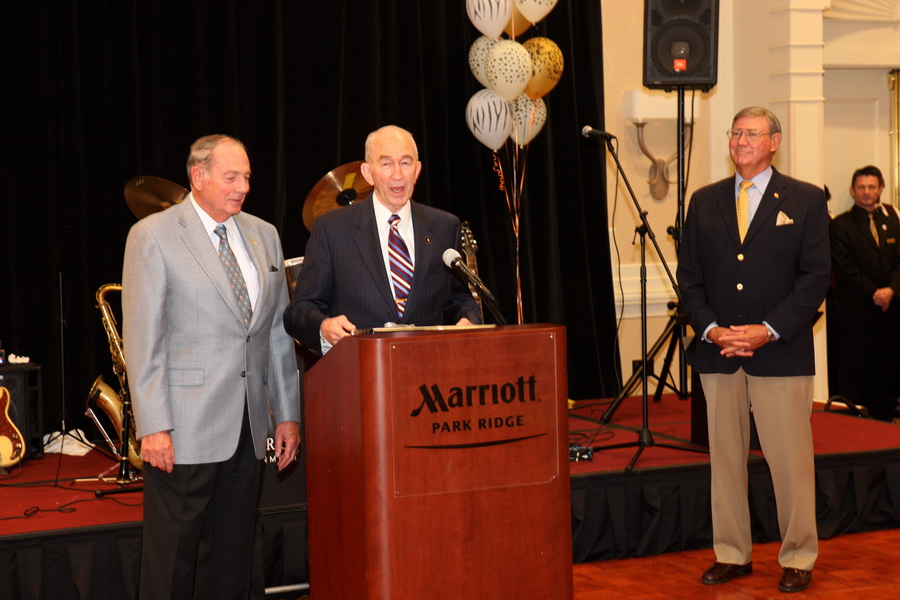
Bob Strati - Carl McNair - Rod Vitty
[55th Reunion - May 2010]
* * * * * * * * * * * * * * * * * * * * * *
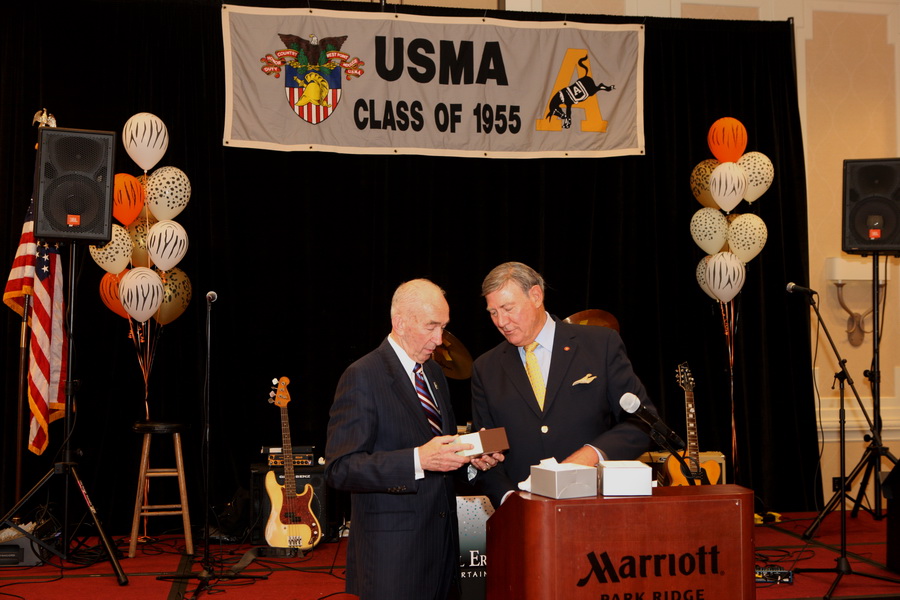
Carl McNair and Rod Vitty
[55th Reunion - May 2010]
* * * * * * * * * * * * * * * * * * * * * *
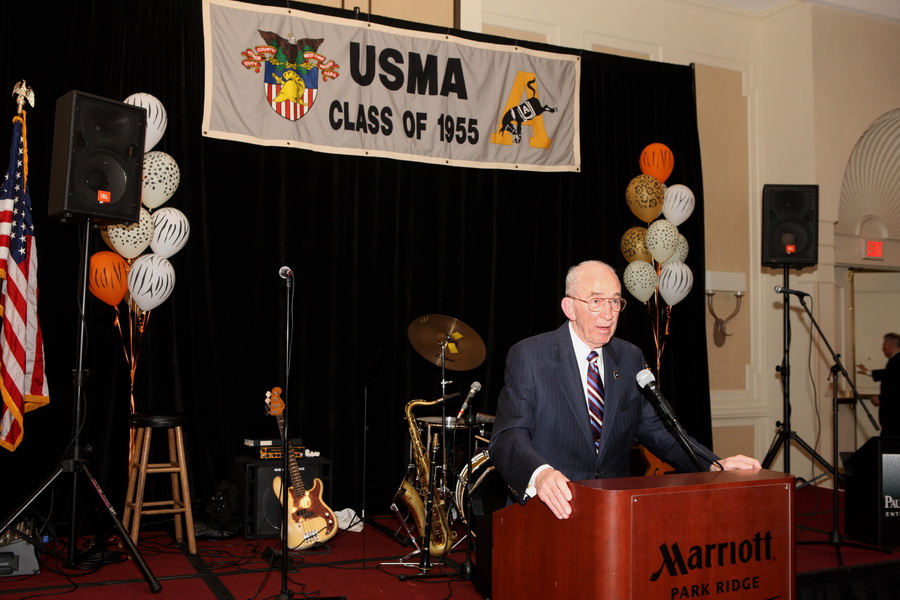
Carl McNair
[55th Reunion - May 2010]
* * * * * * * * * * * * * * * * * * * * * *
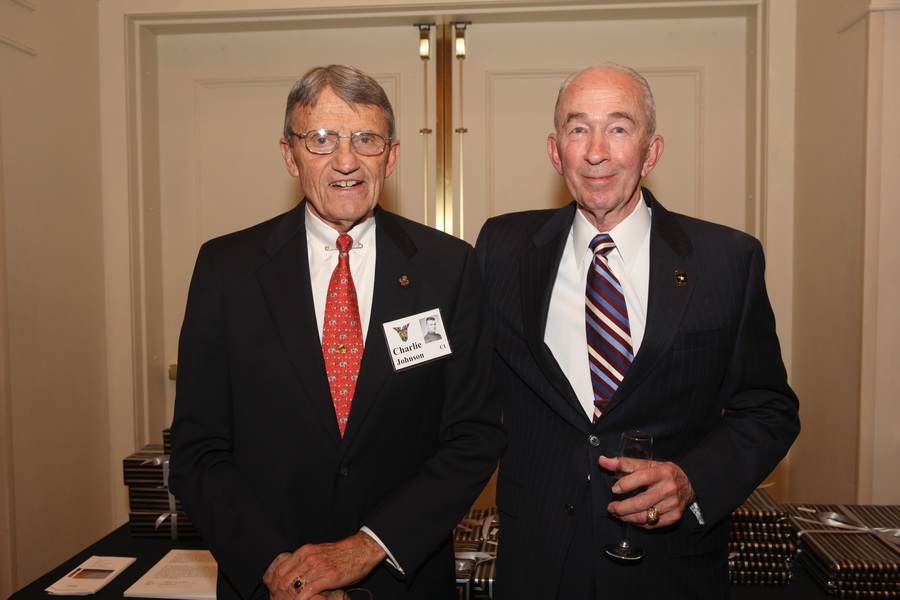
Charlie Johnson and Carl McNair
[55th Reunion - May 2010]
* * * * * * * * * * * * * * * * * * * * * *
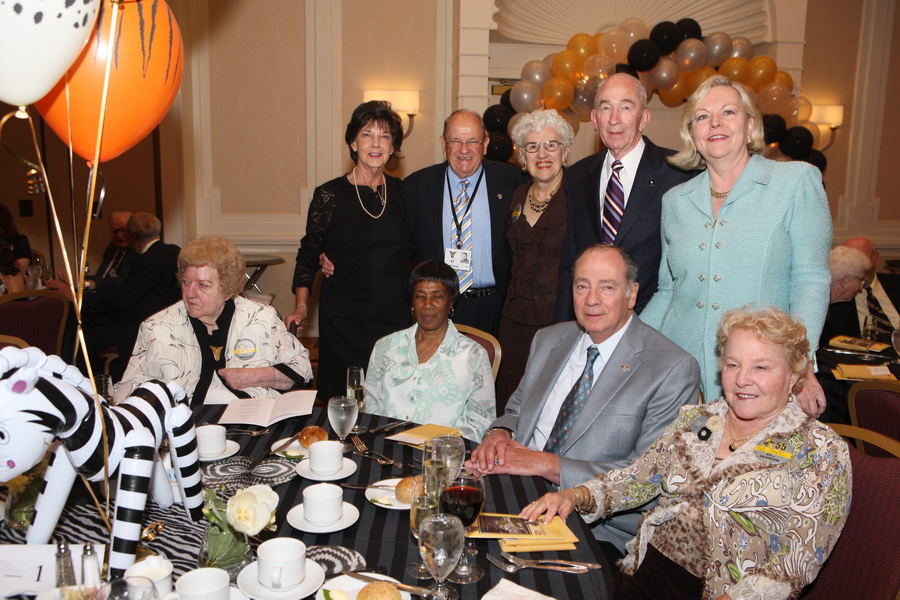
E-1: McNair's and Sylvia Naswell - Strati's - Coleman's - Myrna
Williamson - Linda Souza [55th Reunion - May 2010]
* * * * * * * * * * * * * * * * * * * * * *
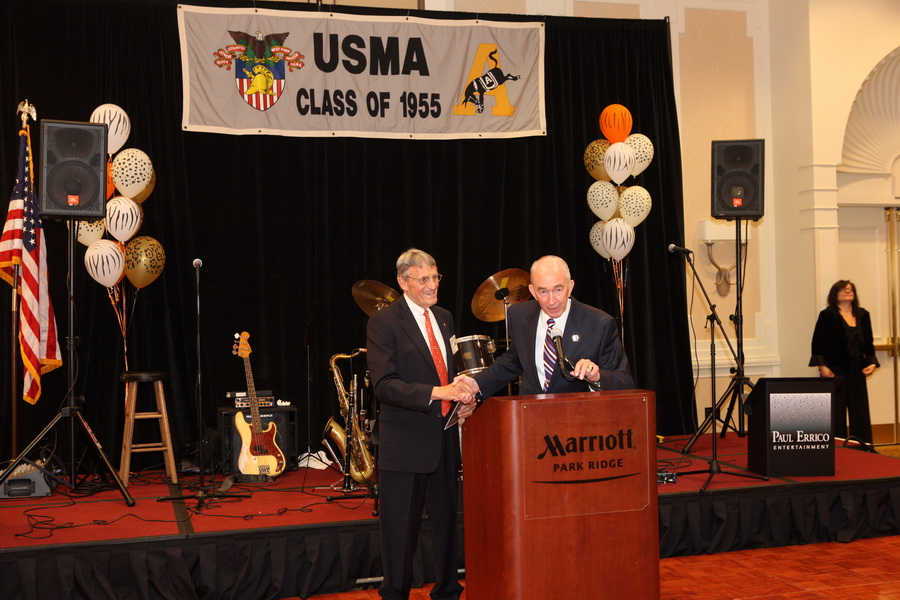
Charlie Johnson and Carl McNair
[55th Reunion - May 2010]
* * * * * * * * * * * * * * * * * * * * * *
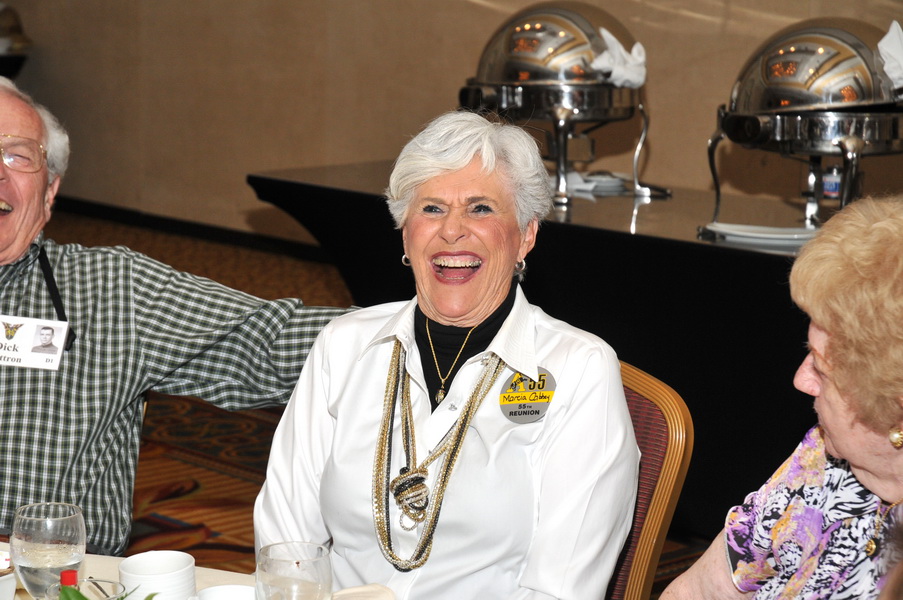
Dick Gottron - Marcia Cathey - Jo Ann McNair
[55th Reunion - May 2010]
* * * * * * * * * * * * * * * * * * * * * *
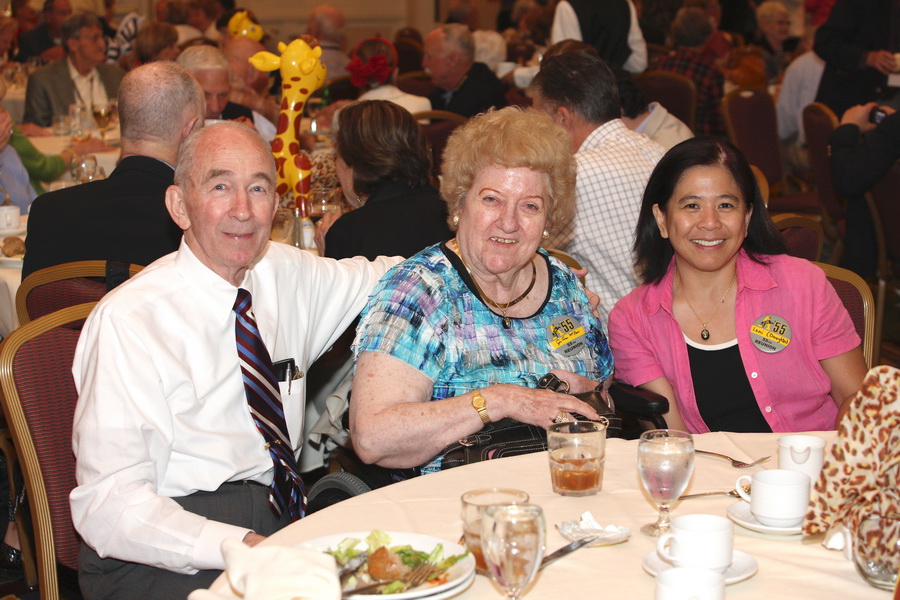
Carl and Jo Ann McNair - Lani Dado (Joe's
daughter) [55th Reunion - May 2010]
* * * * * * * * * * * * * * * * * * * * * *
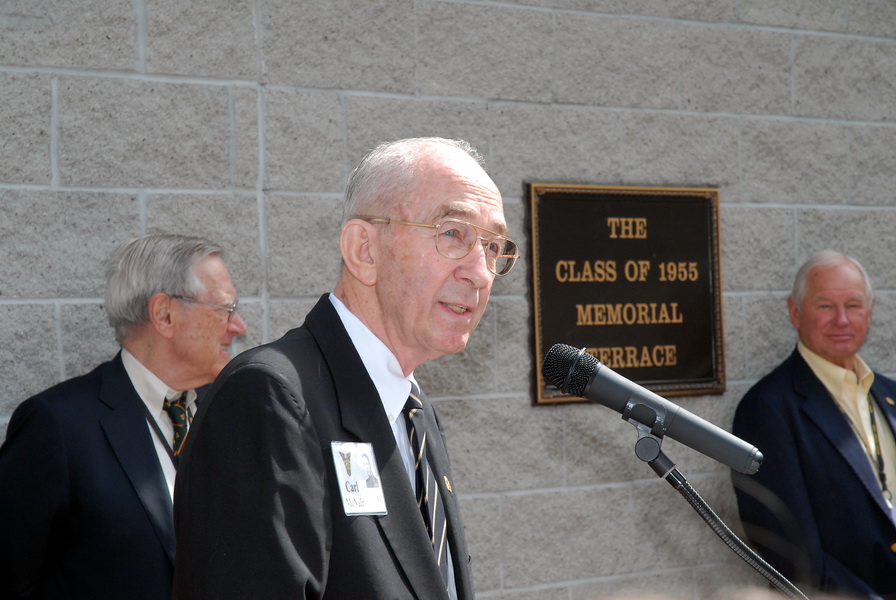
Marty McGuire - Carl McNair - John Feagin
[55th Reunion - May 2010]
* * * * * * * * * * * * * * * * * * * * * *
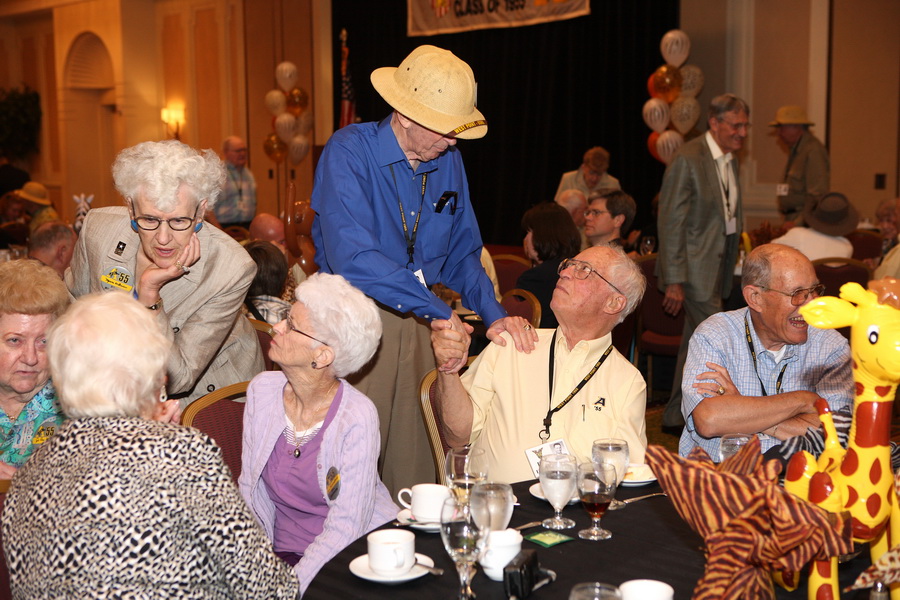
Jo Ann McNair - Myrna Williamson - Jan Kennebeck - Carl
McNair - George Kennebeck [55th Reunion - May 2010]
* * * * * * * * * * * * * * * * * * * * * *
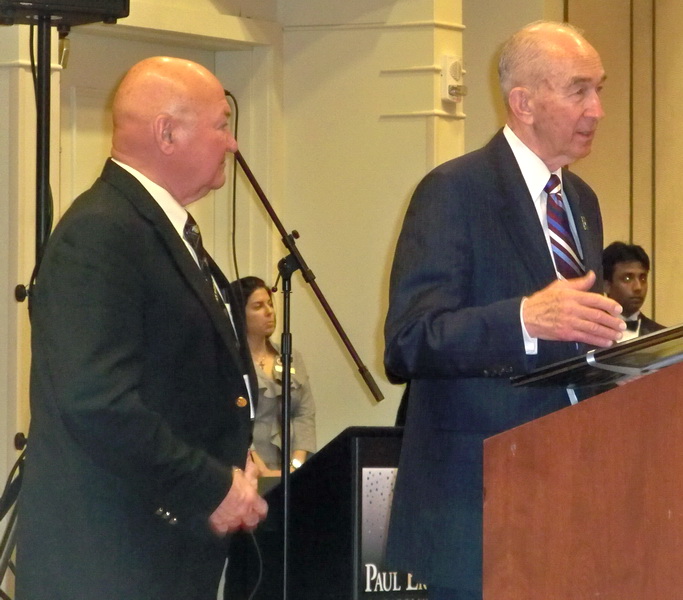
Ed Trobaugh and Carl McNair
[55th Reunion - May 2010]
* * * * * * * * * * * * * * * * * * * * * *
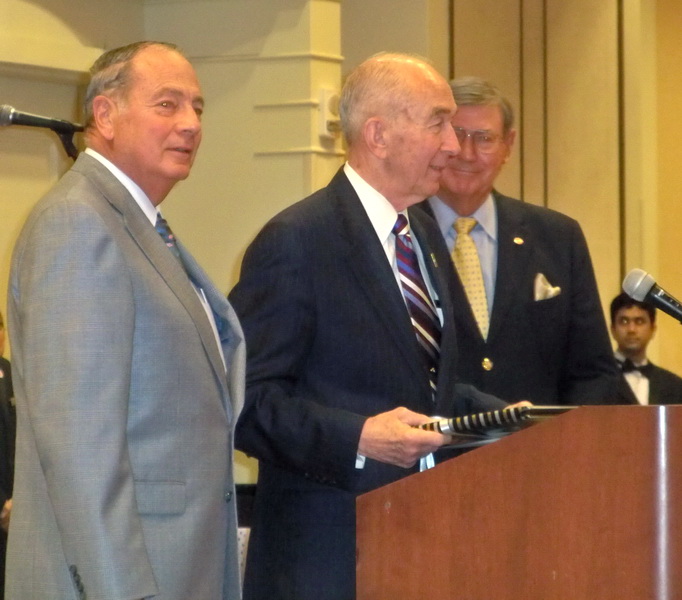
Bob Strati - Carl McNair - Rod Vitty
[55th Reunion - May 2010]
* * * * * * * * * * * * * * * * * * * * * *
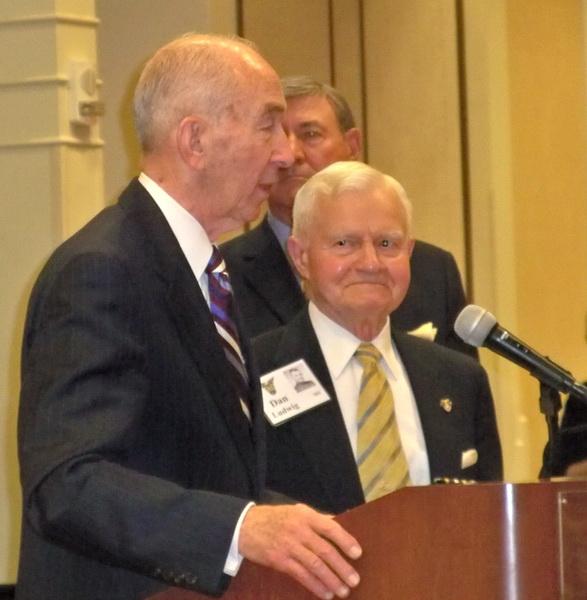
Carl McNair and Dan Ludwig
[55th Reunion - May 2010]
* * * * * * * * * * * * * * * * * * * * * *
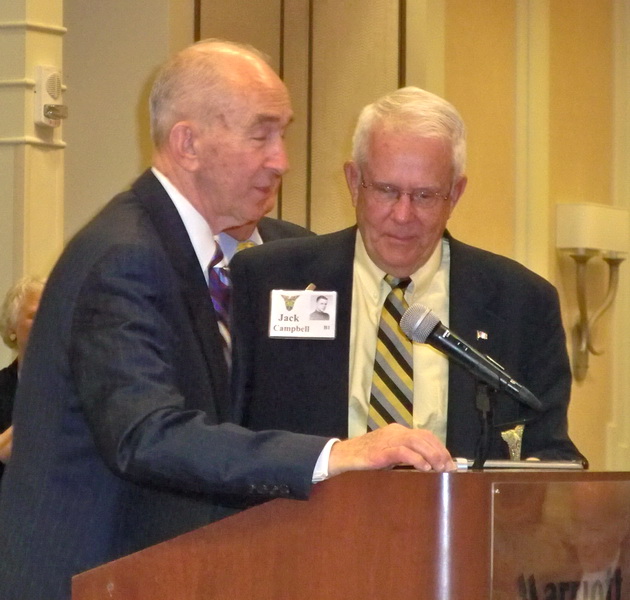
Carl McNair and Jack Campbell
[55th Reunion - May 2010]
* * * * * * * * * * * * * * * * * * * * * *
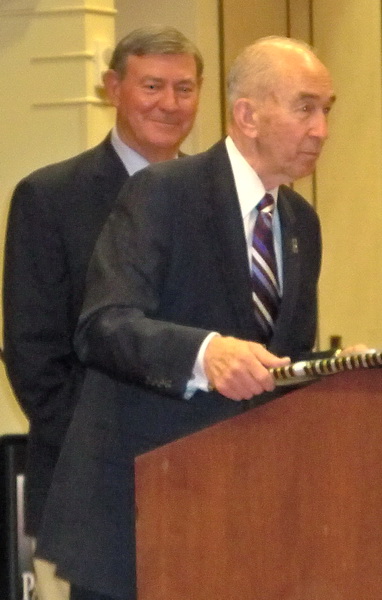
Rod Vitty and Carl McNair
[55th Reunion - May 2010]
* * * * * * * * * * * * * * * * * * * * * *
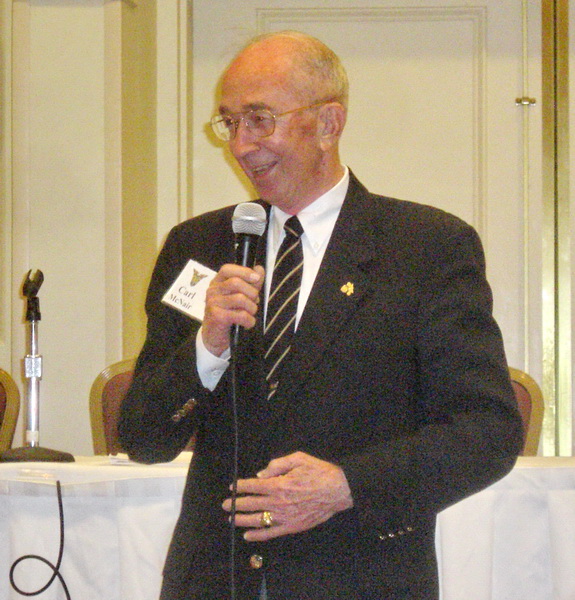
Carl McNair
[55th Reunion - May 2010]
* * * * * * * * * * * * * * * * * * * * * *
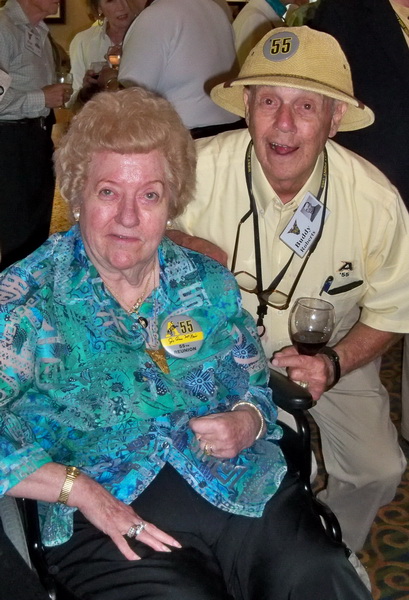
Jo Ann McNair and Buddy Roberts
[55th Reunion - May 2010]
* * * * * * * * * * * * * * * * * * * * * *

Myrna Williamson - Ted and Mary Carolyn Gay
[55th Reunion - May 2010]
* * * * * * * * * * * * * * * * * * * * * *

Myrna Williamson and Ted Gay
[55th Reunion - May 2010]
* * * * * * * * * * * * * * * * * * * * * *

Myra Williamson
[55th Reunion - May 2010]
* * * * * * * * * * * * * * * * * * * * * *

Myra Williamson and Carl McNair
[55th Reunion - May 2010]
* * * * * * * * * * * * * * * * * * * * * *

Libby Munroe - Carl and Jo Ann McNair
[55th Reunion - May 2010]
* * * * * * * * * * * * * * * * * * * * * *

Bob Strati - Carl McNair - Rod Vitty
[55th Reunion - May 2010]
* * * * * * * * * * * * * * * * * * * * * *
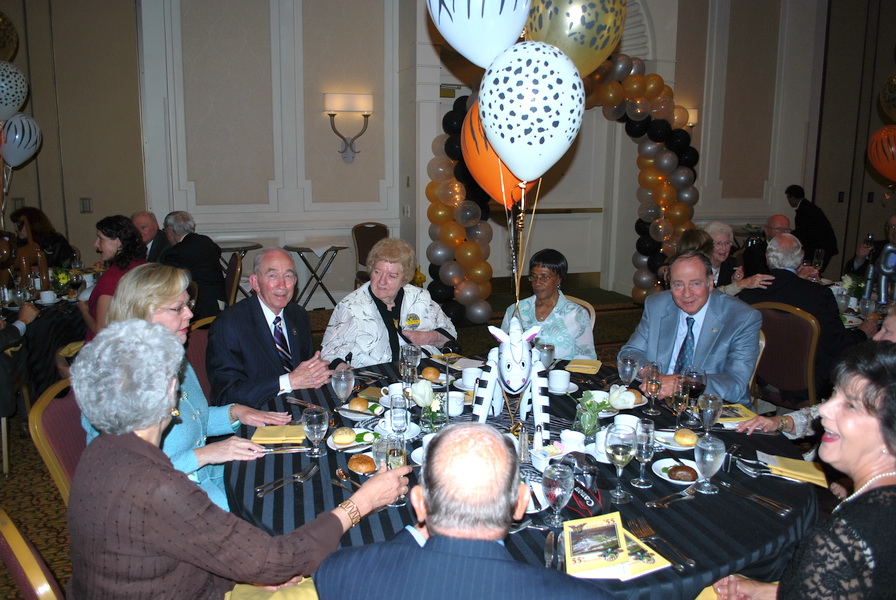
Carl and Jo Ann McNair - Sylvia Naswell -
Bob Strati [55th Reunion - May 2010]
* * * * * * * * * * * * * * * * * * * * * *
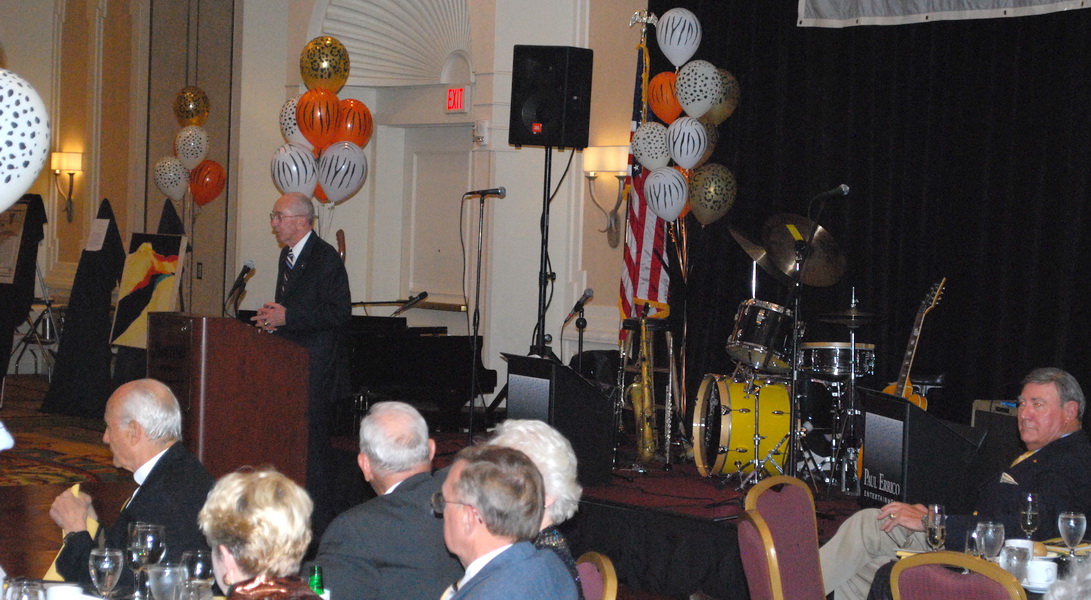
Carl McNair - Rod Vity
[55th Reunion - May 2010]
* * * * * * * * * * * * * * * * * * * * * *

Carl McNair
[55th Reunion - May 2010]
* * * * * * * * * * * * * * * * * * * * * *
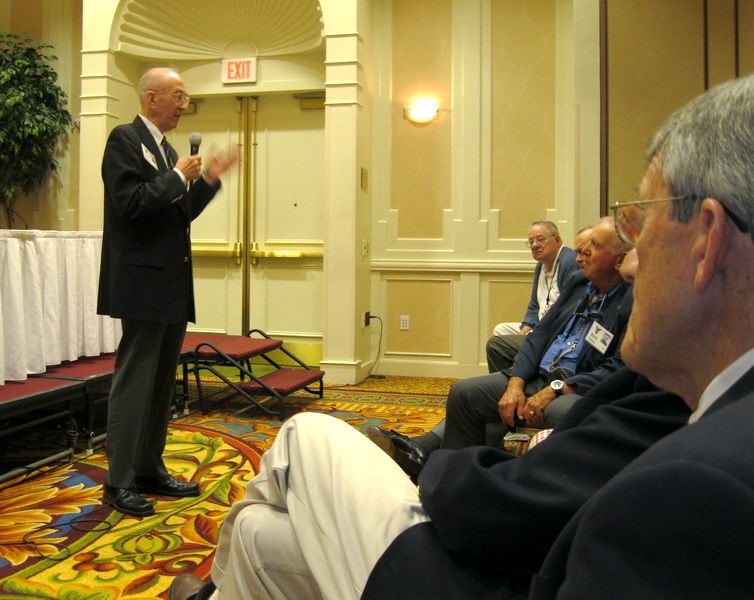
Carl McNair
[55th Reunion - May 2010]
* * * * * * * * * * * * * * * * * * * * * *

Phil Enslow - Father Oscar - Carl McNair
[55th Reunion - May 2010]
* * * * * * * * * * * * * * * * * * * * * *

Bob Strati and Carl McNair
[55th Reunion - May 2010]
* * * * * * * * * * * * * * * * * * * * * *
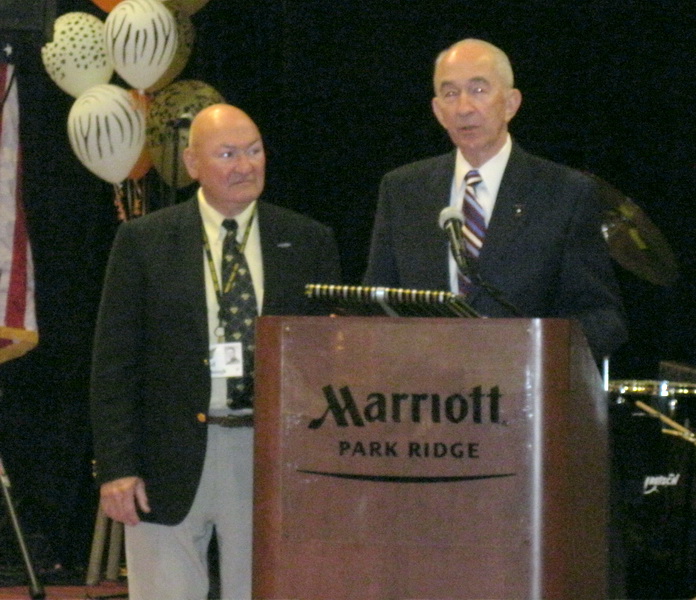
Ed Trobaugh and Carl McNair
[55th Reunion - May 2010]
* * * * * * * * * * * * * * * * * * * * * *

Jim Ryan and Carl McNair
[55th Reunion - May 2010]
* * * * * * * * * * * * * * * * * * * * * *
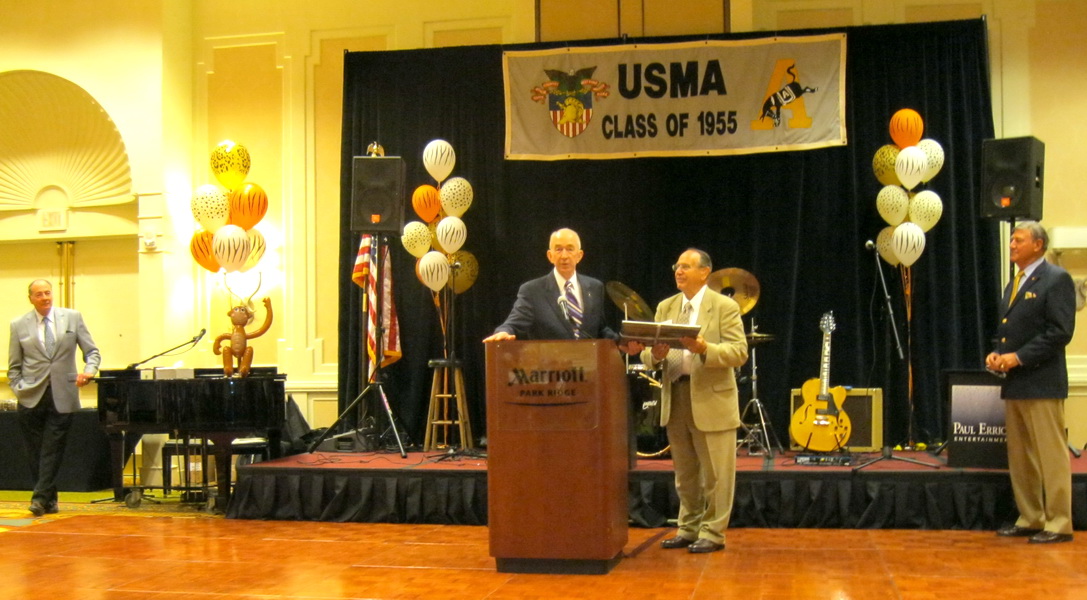
Bob Strati - Carl McNair - Dick Wargowsky -
Rod Vitty [55th Reunion - May 2010]
* * * * * * * * * * * * * * * * * * * * * *
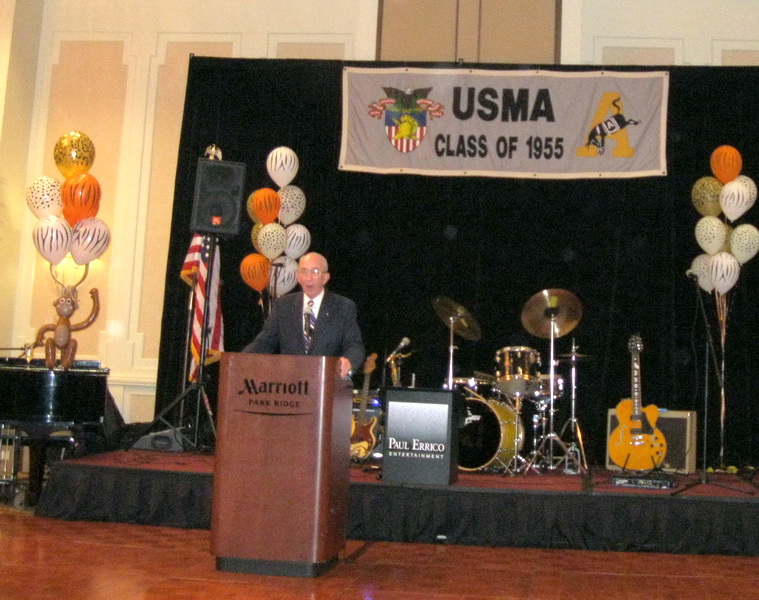
Carl McNair
[55th Reunion - May 2010]
* * * * * * * * * * * * * * * * * * * * * *
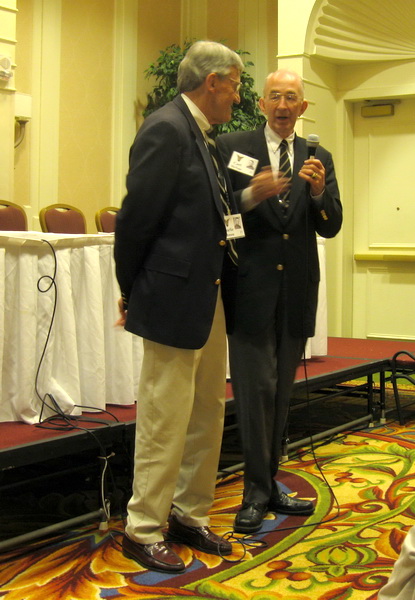
Charlie Johnson and Carl McNair
[55th Reunion - May 2010]
* * * * * * * * * * * * * * * * * * * * * *
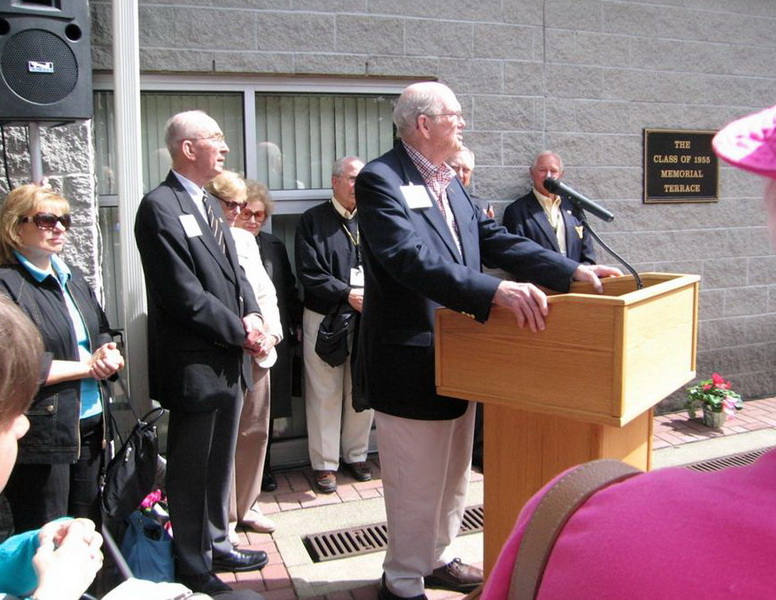
Carl McNair and Phil Enslow
[Tennis Center - 55th Reunion]
* * * * * * * * * * * * * * * * * * * * * *
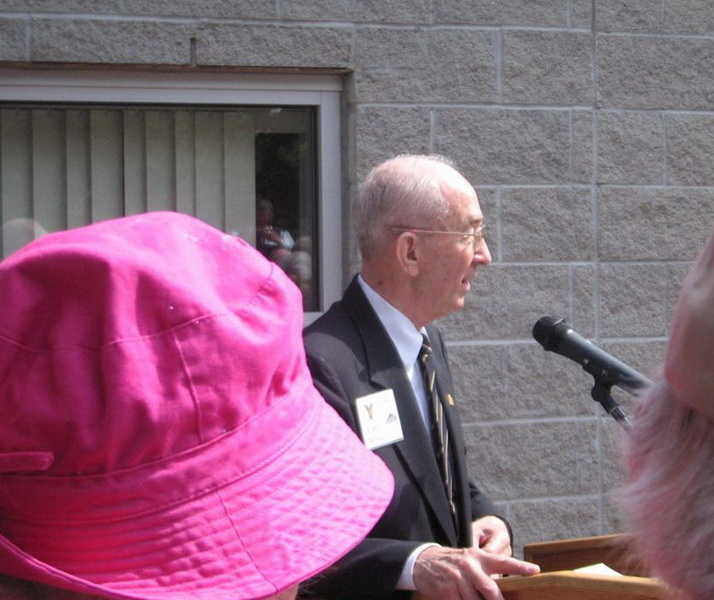
Carl McNair
[Tennis Center - 55th Reunion]
* * * * * * * * * * * * * * * * * * * * * *

Phil Enslow - Tommy West - Dick Regnier - Carl McNair -
John Feagin [Tennis Center - 55th Reunion]
* * * * * * * * * * * * * * * * * * * * * *

Carl McNair and Tennis Coach
[Tennis Center - 55th Reunion]
* * * * * * * * * * * * * * * * * * * * * *

Tennis Coach - Carl McNair
[Tennis Center - 55th Reunion]
* * * * * * * * * * * * * * * * * * * * * *

Rod Vitty and Carl McNair
[55th Reunion - May 2010]
* * * * * * * * * * * * * * * * * * * * * *

Paul Parks - Carl McNair - John Gamble
[55th Reunion - May 2010]
* * * * * * * * * * * * * * * * * * * * * *

[DC Party - DEC 2010]
[DC Party - DEC 2010]
[DC Party - DEC 2010]
[DC Party - DEC 2010]
[AUSA Meeting - NOV 2010]
[AUSA Meeting - NOV 2010]
* * * * * * * * * * * * * * * * * * * * * *
Carl McNair - Ted Gay - Phil Enslow
[55th Reunion - May 2010]
* * * * * * * * * * * * * * * * * * * * * *
Pat Strati - Libby Munroe - McNair's
[55th Reunion - May 2010]
* * * * * * * * * * * * * * * * * * * * * *
Carl McNair - Rich Cardillo - Rod Vitty
[55th Reunion - May 2010]
* * * * * * * * * * * * * * * * * * * * * *
Carl McNair - Ted Gay - Phil Enslow
[55th Reunion - May 2010]
* * * * * * * * * * * * * * * * * * * * * *
Ed Trobaugh and Carl McNair
[55th Reunion - May 2010]
* * * * * * * * * * * * * * * * * * * * * *
Carl McNair - Dick Wargowsky - Rod Vitty
[55th Reunion - May 2010]
* * * * * * * * * * * * * * * * * * * * * *
Carl McNair - Don Hilbert - Rod Vitty
[55th Reunion - May 2010]
* * * * * * * * * * * * * * * * * * * * * *
Charlie Johnson - Carl McNair - Rod Vitty
[55th Reunion - May 2010]
* * * * * * * * * * * * * * * * * * * * * *
Carl McNair - Dan Ludwig - Rod Vitty
[55th Reunion - May 2010]
* * * * * * * * * * * * * * * * * * * * * *
Carl McNair - Jack Campbell - Rod Vitty
[55th Reunion - May 2010]
* * * * * * * * * * * * * * * * * * * * * *
Bob Strati - Carl McNair - Rod Vitty
[55th Reunion - May 2010]
* * * * * * * * * * * * * * * * * * * * * *
Carl McNair and Rod Vitty
[55th Reunion - May 2010]
* * * * * * * * * * * * * * * * * * * * * *
Carl McNair
[55th Reunion - May 2010]
* * * * * * * * * * * * * * * * * * * * * *
Charlie Johnson and Carl McNair
[55th Reunion - May 2010]
* * * * * * * * * * * * * * * * * * * * * *
E-1: McNair's and Sylvia Naswell - Strati's - Coleman's - Myrna
Williamson - Linda Souza [55th Reunion - May 2010]
* * * * * * * * * * * * * * * * * * * * * *
Charlie Johnson and Carl McNair
[55th Reunion - May 2010]
* * * * * * * * * * * * * * * * * * * * * *
Dick Gottron - Marcia Cathey - Jo Ann McNair
[55th Reunion - May 2010]
* * * * * * * * * * * * * * * * * * * * * *
Carl and Jo Ann McNair - Lani Dado (Joe's
daughter) [55th Reunion - May 2010]
* * * * * * * * * * * * * * * * * * * * * *
Marty McGuire - Carl McNair - John Feagin
[55th Reunion - May 2010]
* * * * * * * * * * * * * * * * * * * * * *
Jo Ann McNair - Myrna Williamson - Jan Kennebeck - Carl
McNair - George Kennebeck [55th Reunion - May 2010]
* * * * * * * * * * * * * * * * * * * * * *
Ed Trobaugh and Carl McNair
[55th Reunion - May 2010]
* * * * * * * * * * * * * * * * * * * * * *
Bob Strati - Carl McNair - Rod Vitty
[55th Reunion - May 2010]
* * * * * * * * * * * * * * * * * * * * * *
Carl McNair and Dan Ludwig
[55th Reunion - May 2010]
* * * * * * * * * * * * * * * * * * * * * *
Carl McNair and Jack Campbell
[55th Reunion - May 2010]
* * * * * * * * * * * * * * * * * * * * * *
Rod Vitty and Carl McNair
[55th Reunion - May 2010]
* * * * * * * * * * * * * * * * * * * * * *
Carl McNair
[55th Reunion - May 2010]
* * * * * * * * * * * * * * * * * * * * * *
Jo Ann McNair and Buddy Roberts
[55th Reunion - May 2010]
* * * * * * * * * * * * * * * * * * * * * *
Myrna Williamson - Ted and Mary Carolyn Gay
[55th Reunion - May 2010]
* * * * * * * * * * * * * * * * * * * * * *
Myrna Williamson and Ted Gay
[55th Reunion - May 2010]
* * * * * * * * * * * * * * * * * * * * * *
Myra Williamson
[55th Reunion - May 2010]
* * * * * * * * * * * * * * * * * * * * * *
Myra Williamson and Carl McNair
[55th Reunion - May 2010]
* * * * * * * * * * * * * * * * * * * * * *
Libby Munroe - Carl and Jo Ann McNair
[55th Reunion - May 2010]
* * * * * * * * * * * * * * * * * * * * * *
Bob Strati - Carl McNair - Rod Vitty
[55th Reunion - May 2010]
* * * * * * * * * * * * * * * * * * * * * *
Carl and Jo Ann McNair - Sylvia Naswell -
Bob Strati [55th Reunion - May 2010]
* * * * * * * * * * * * * * * * * * * * * *
Carl McNair - Rod Vity
[55th Reunion - May 2010]
* * * * * * * * * * * * * * * * * * * * * *
Carl McNair
[55th Reunion - May 2010]
* * * * * * * * * * * * * * * * * * * * * *
Carl McNair
[55th Reunion - May 2010]
* * * * * * * * * * * * * * * * * * * * * *
Phil Enslow - Father Oscar - Carl McNair
[55th Reunion - May 2010]
* * * * * * * * * * * * * * * * * * * * * *
Bob Strati and Carl McNair
[55th Reunion - May 2010]
* * * * * * * * * * * * * * * * * * * * * *
Ed Trobaugh and Carl McNair
[55th Reunion - May 2010]
* * * * * * * * * * * * * * * * * * * * * *
Jim Ryan and Carl McNair
[55th Reunion - May 2010]
* * * * * * * * * * * * * * * * * * * * * *
Bob Strati - Carl McNair - Dick Wargowsky -
Rod Vitty [55th Reunion - May 2010]
* * * * * * * * * * * * * * * * * * * * * *
Carl McNair
[55th Reunion - May 2010]
* * * * * * * * * * * * * * * * * * * * * *
Charlie Johnson and Carl McNair
[55th Reunion - May 2010]
* * * * * * * * * * * * * * * * * * * * * *
Carl McNair and Phil Enslow
[Tennis Center - 55th Reunion]
* * * * * * * * * * * * * * * * * * * * * *
Carl McNair
[Tennis Center - 55th Reunion]
* * * * * * * * * * * * * * * * * * * * * *
Phil Enslow - Tommy West - Dick Regnier - Carl McNair -
John Feagin [Tennis Center - 55th Reunion]
* * * * * * * * * * * * * * * * * * * * * *
Carl McNair and Tennis Coach
[Tennis Center - 55th Reunion]
* * * * * * * * * * * * * * * * * * * * * *
Tennis Coach - Carl McNair
[Tennis Center - 55th Reunion]
* * * * * * * * * * * * * * * * * * * * * *
Rod Vitty and Carl McNair
[55th Reunion - May 2010]
* * * * * * * * * * * * * * * * * * * * * *
Paul Parks - Carl McNair - John Gamble
[55th Reunion - May 2010]
* * * * * * * * * * * * * * * * * * * * * *
Standing: Cadet Tom Mangan '10 - Don Hilbert - Carl McNair - Ted Gay - Ed Nidever - Sitting: Terry Tucker - Carla Hilbert - Jo Ann McNair - Mary Carolyn Gay - Jane Burns [Washington DC FDD - MAR 2010] |
* * * * * * * * * * * * * * * * * * * * * *
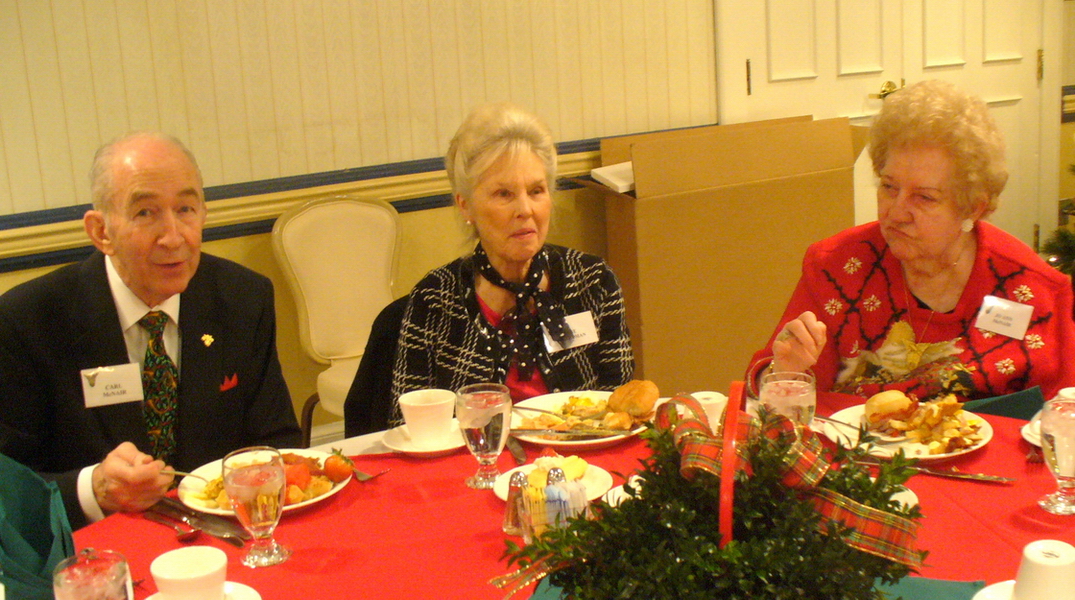
McNair's and Jane Merryman
[DC Party - DEC 2009]
* * * * * * * * * * * * * * * * * * * * * *
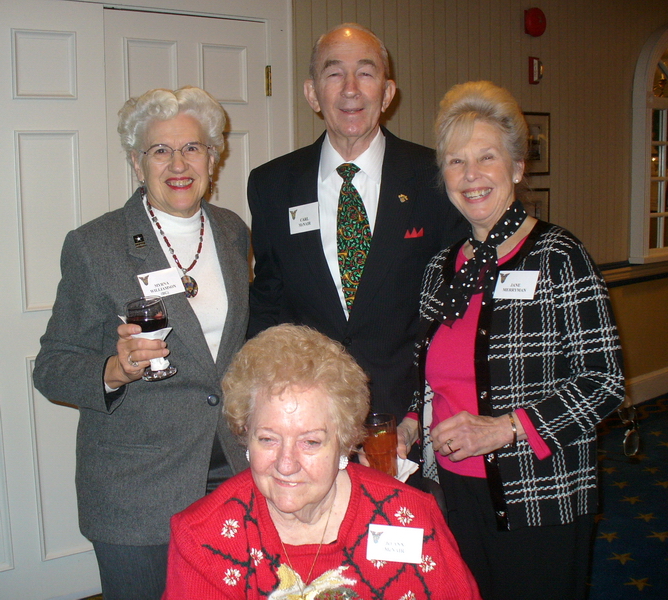
Myrna Williamson - McNair's - Jane Merryman
[DC Party - DEC 2009]
* * * * * * * * * * * * * * * * * * * * * *
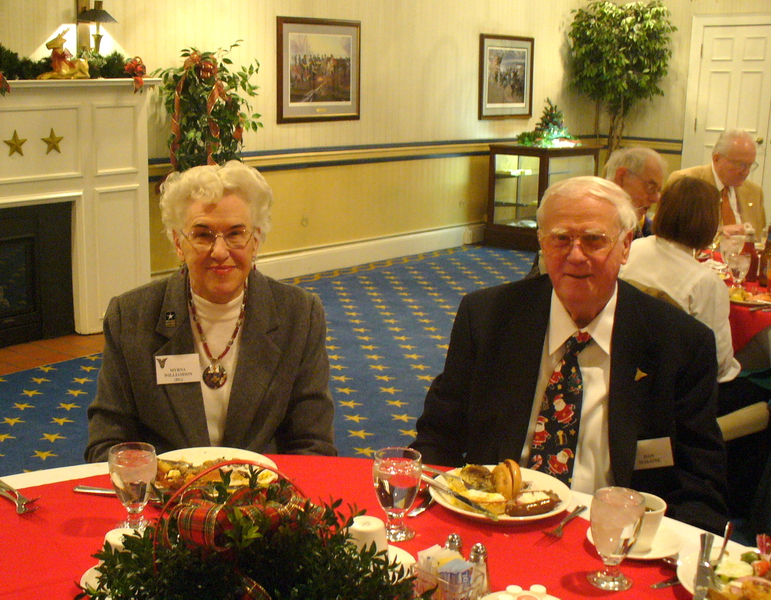
Myrna Williamson and Dan Malone
[DC Party - DEC 2009]
* * * * * * * * * * * * * * * * * * * * * *
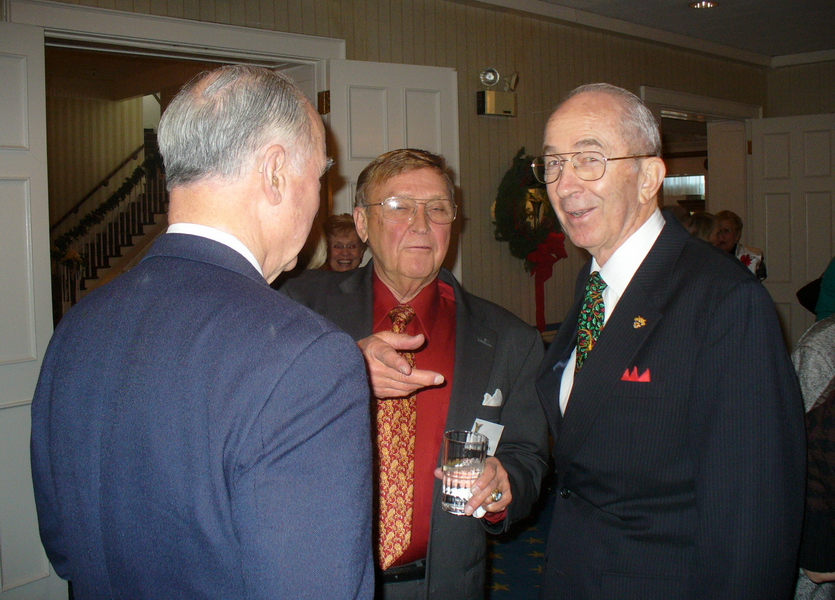
Ted Gay - Ed Anderson - Carl McNair
[DC Party - DEC 2009]
* * * * * * * * * * * * * * * * * * * * * *
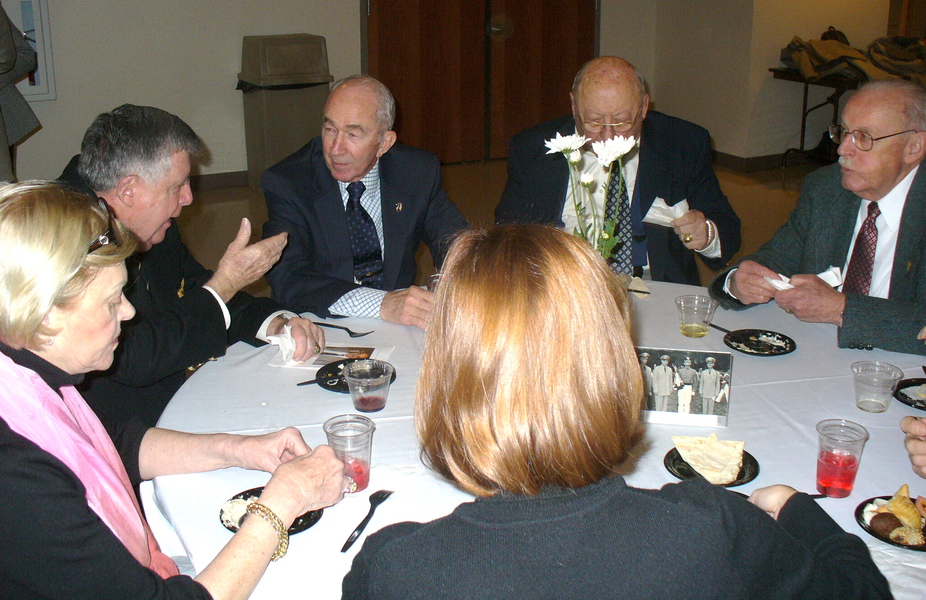
Carla and Don Hilbert - McNair - Russell - McCulla
[Ray Karam Funeral - DEC 2009]
* * * * * * * * * * * * * * * * * * * * * *
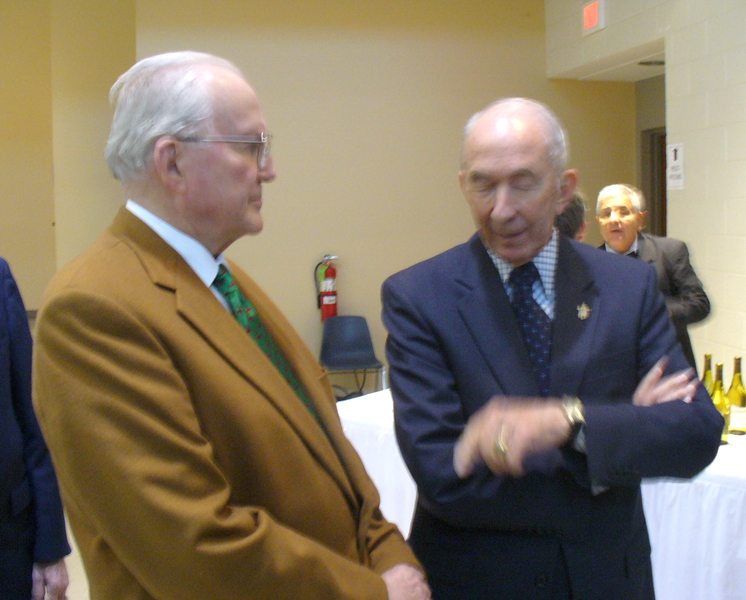
Jim Ryan and Carl McNair
[Ray Karam Funeral - DEC 2009]
* * * * * * * * * * * * * * * * * * * * * *
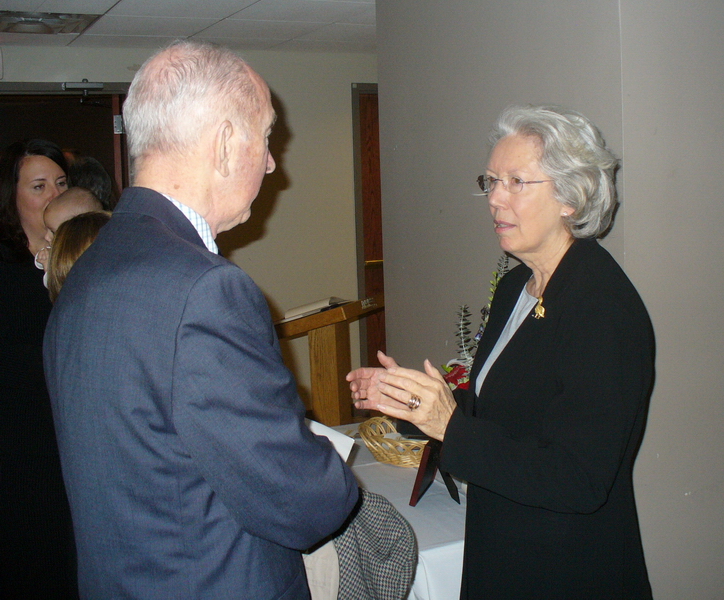
Carl McNair and Emily Karam
[Ray Karam Funeral - DEC 2009]
* * * * * * * * * * * * * * * * * * * * * *
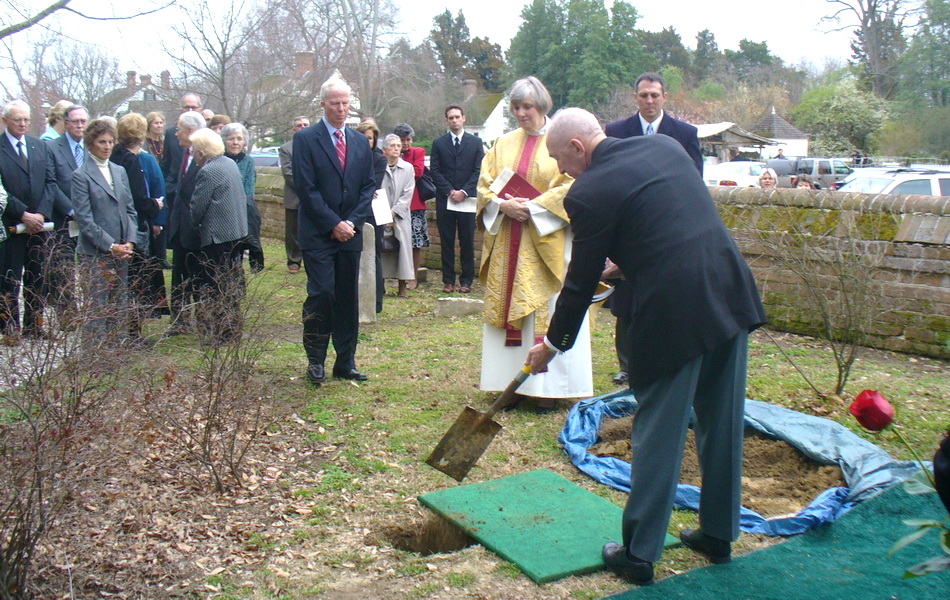
Carl McNair
[Bill Welter Funeral - MAR 2009]
* * * * * * * * * * * * * * * * * * * * * *
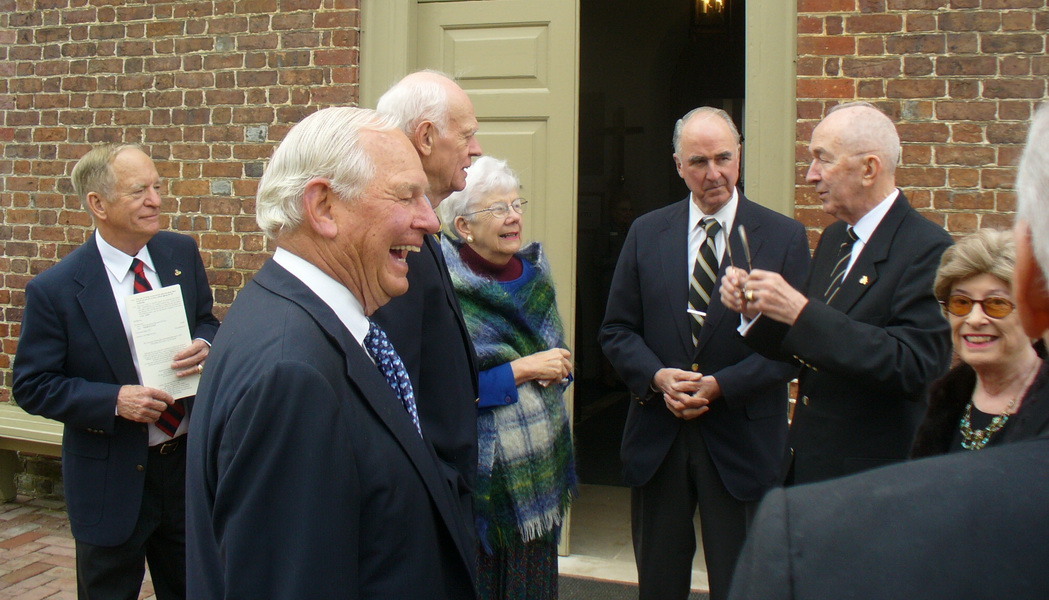
Moses - Feagin - Don and Mary Andrews - Gay - McNair -
Pat Ryan [Bill Welter Funeral - MAR 2009]
* * * * * * * * * * * * * * * * * * * * * *
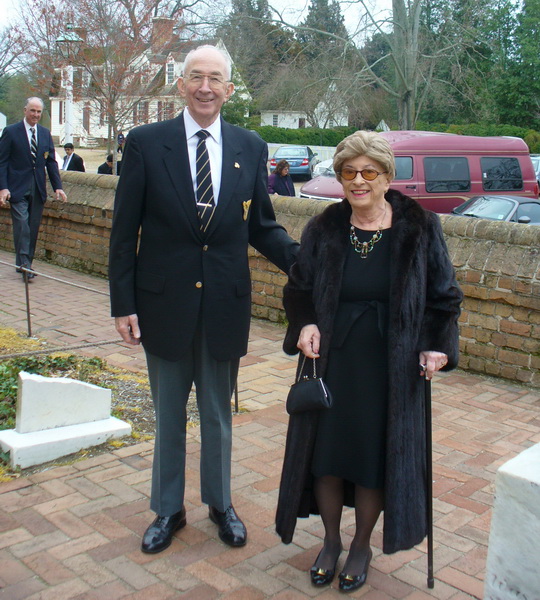
Ted Gay - Carl McNair - Pat Ryan
[Bill Welter Funeral - MAR 2009]
* * * * * * * * * * * * * * * * * * * * * *
Carl McNair
[Scribe to CO Party - MAR 2009]
* * * * * * * * * * * * * * * * * * * * * *
McNair - Betty Schepps - Linda Newton - Roades -
Strati [Scribe to CO Party - MAR 2009]
* * * * * * * * * * * * * * * * * * * * * *
Carl McNair - Greta Masson - Norm Blahuta
[Scribe to CO Party - MAR 2009]
* * * * * * * * * * * * * * * * * * * * * *
Carl McNair
[Scribe to CO Party - MAR 2009]
* * * * * * * * * * * * * * * * * * * * * *
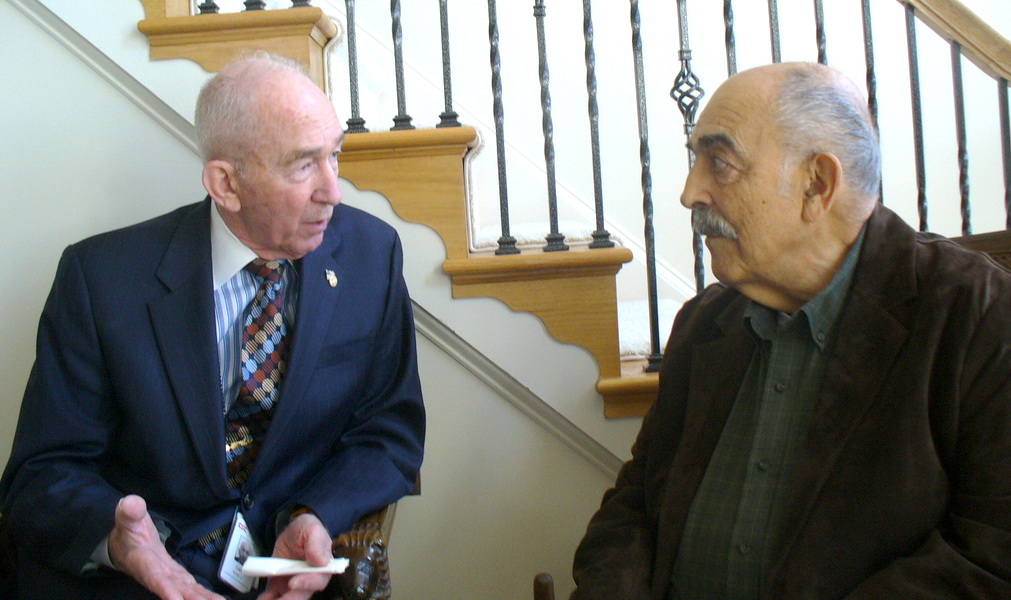
Carl McNair and Ray Karam
[Scribe to CO Party - MAR 2009]
* * * * * * * * * * * * * * * * * * * * * *
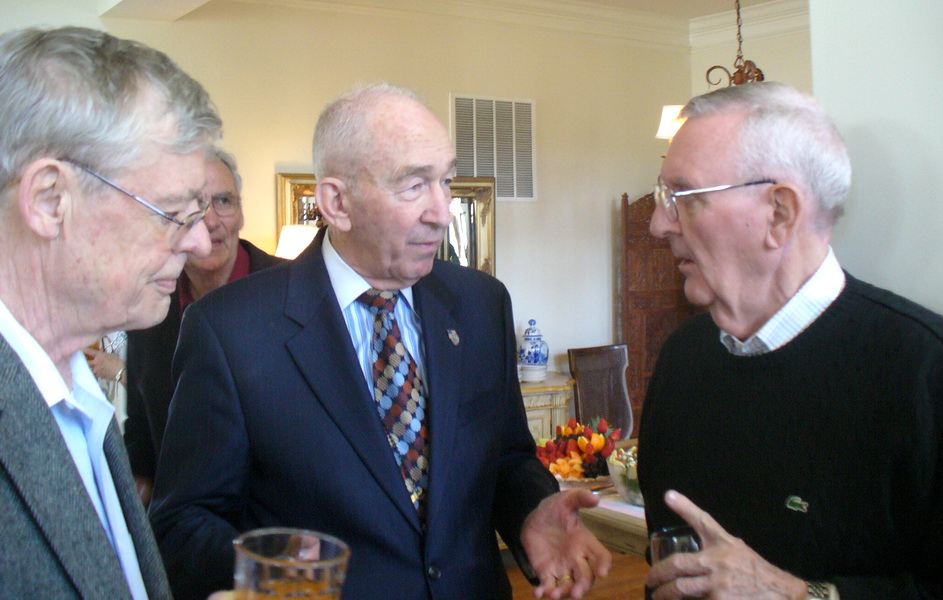
Ed Nidever - Carl McNair - Chuck Roades
[Scribe to CO Party - MAR 2009]
* * * * * * * * * * * * * * * * * * * * * *
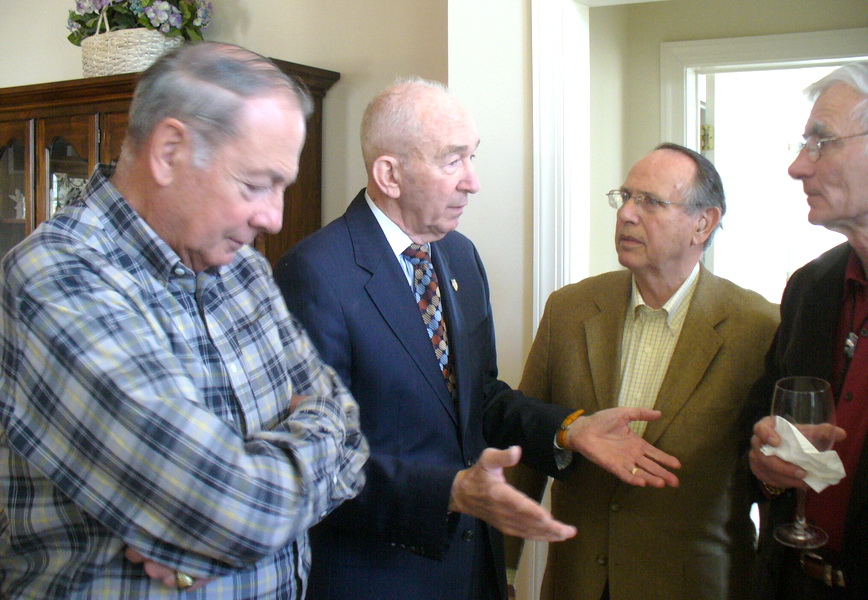
Strati - McNair - Wargowsky - Blahuta
[Scribe to CO Party - MAR 2009]
* * * * * * * * * * * * * * * * * * * * * *
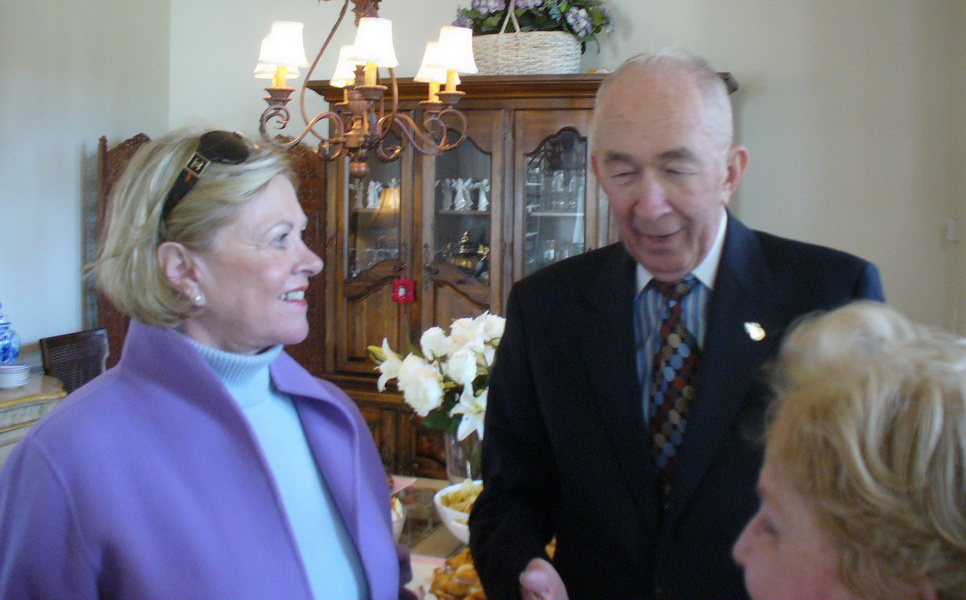
Carla Hilbert and Carl McNair
[Scribe to CO Party - MAR 2009]
* * * * * * * * * * * * * * * * * * * * * *
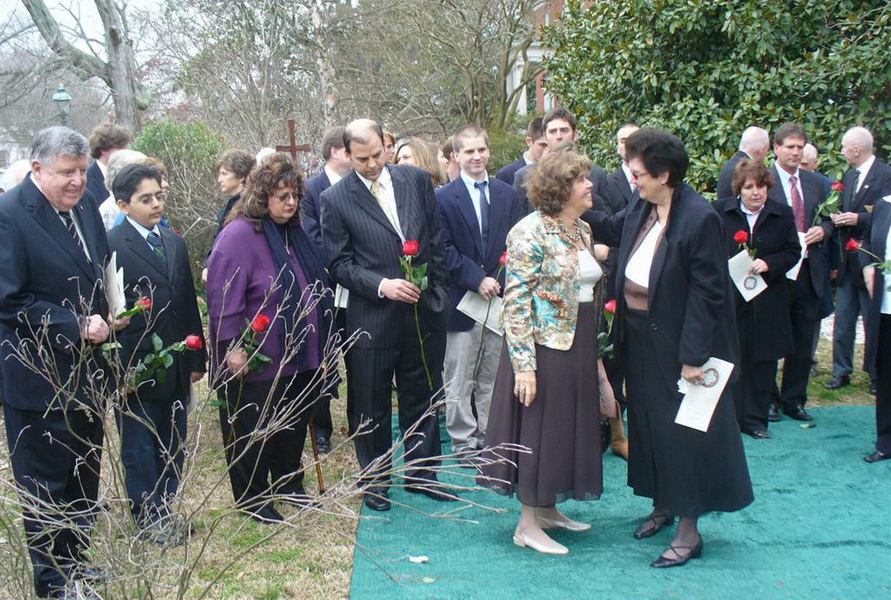
Don Hilbert - Sherry Welter - Ruth Sloan - Carl McNair
[Bill Welter Funeral - MAR 2009]
* * * * * * * * * * * * * * * * * * * * * *
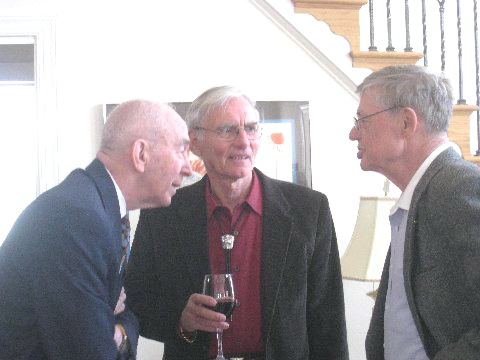
Carl McNair - Norm Blahuta - Ed Nidever
[Scribe to CO Party - MAR 2009]
* * * * * * * * * * * * * * * * * * * * * *
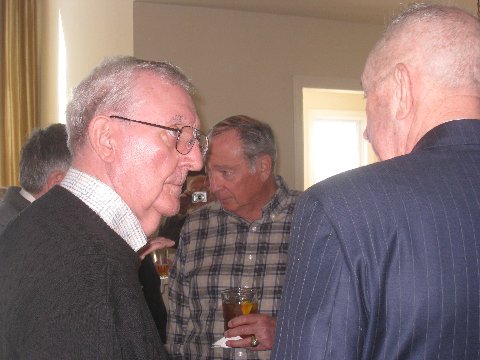
Chuck Roades - Bob Strati - Carl McNair
[Scribe to CO Party - MAR 2009]
* * * * * * * * * * * * * * * * * * * * * *
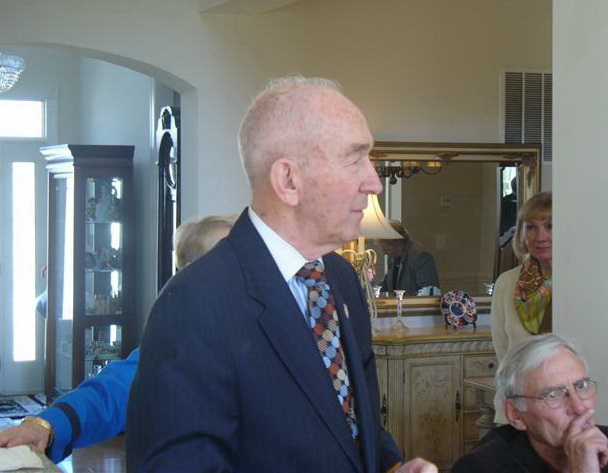
Carl McNair
[Scribe to CO Party - MAR 2009]
* * * * * * * * * * * * * * * * * * * * * *
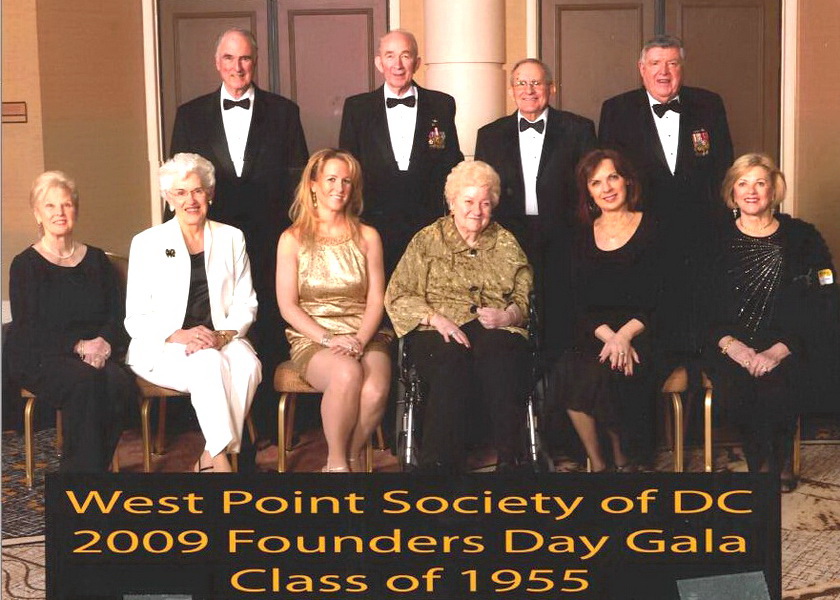
Standing: Gay - McNair - Vitori - Hilbert - Sitting: Jane Merryman - Myrna Williamson - Mary Priscilla Gay - Jo Ann McNair - Starla Vitori - Carla Hilbert [Washington DC FDD - MAR 2009] |
* * * * * * * * * * * * * * * * * * * * * *
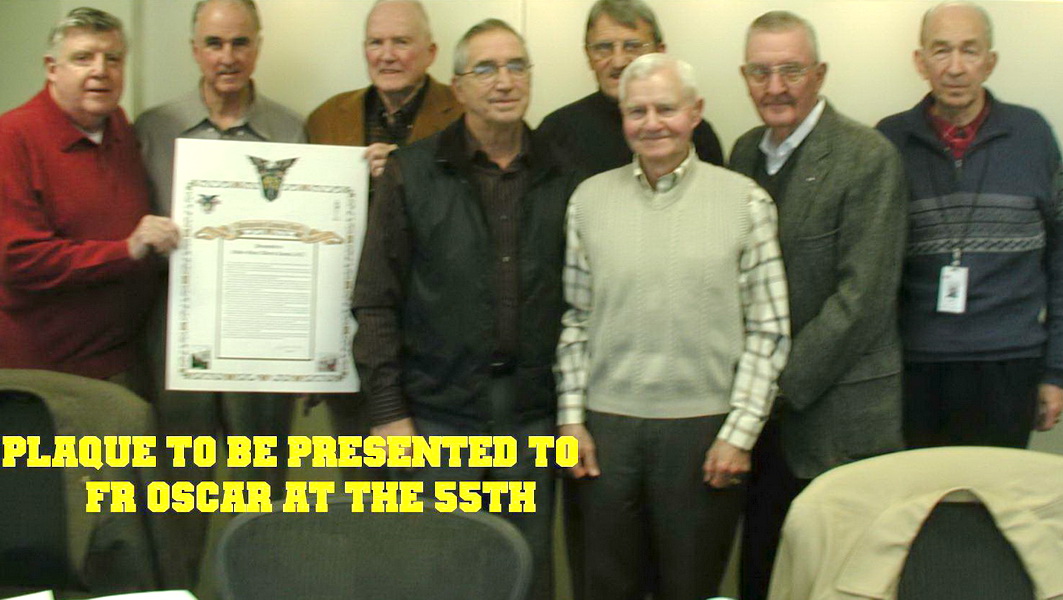
Don Hilbert - Gay - Jim Ryan - Cardillo - Charlie Johnson - Ludwig -
Roades - McNair (Photo by Welter) [EXCOM - FEB 2009]
* * * * * * * * * * * * * * * * * * * * * *
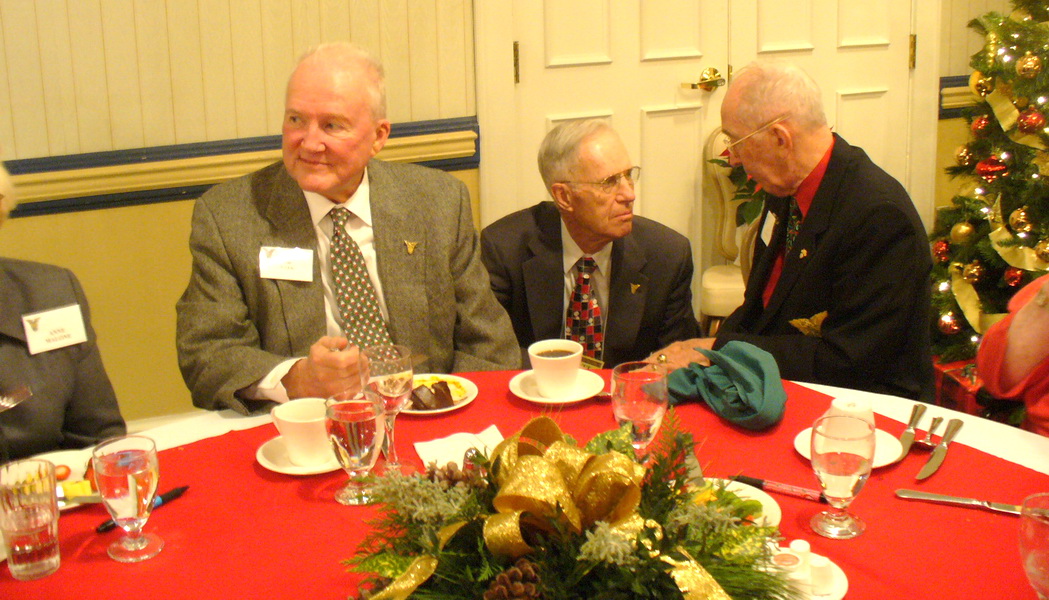
Jim Ryan - Matt Schepps - Carl McNair
[DC Party - DEC 2008]
* * * * * * * * * * * * * * * * * * * * * *
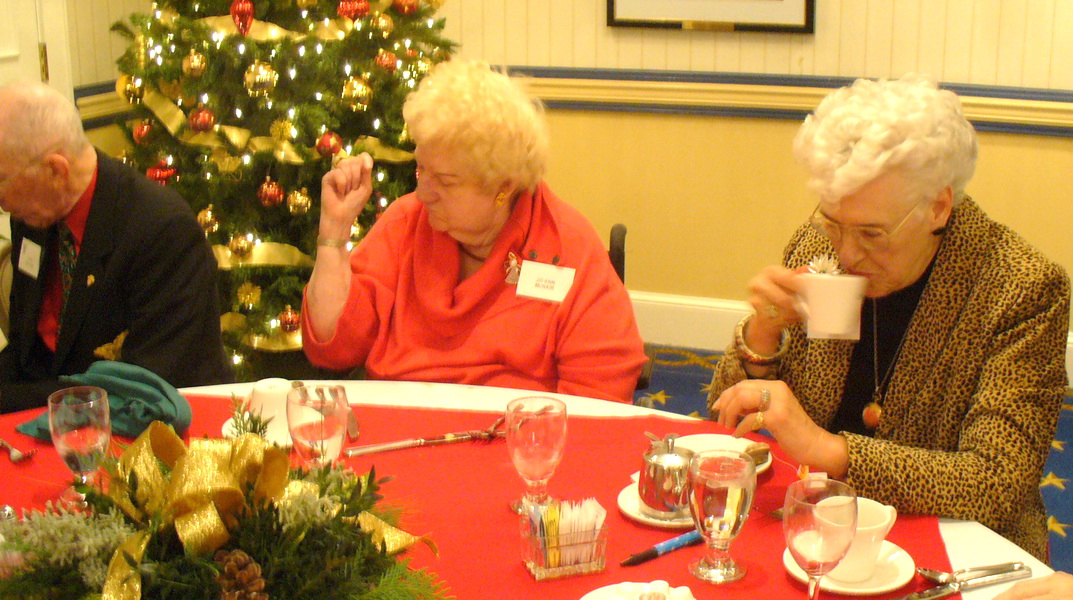
Carl and Jo Ann McNair - Myrna Williamson
[DC Party - DEC 2008]
* * * * * * * * * * * * * * * * * * * * * *
Bud Goldstein - Ted Gay - Carl McNair
[DC Party - DEC 2008]
* * * * * * * * * * * * * * * * * * * * * *
Rear: Nidever - McNair - McAuslan x55 - Front: Troyan - West -
Deardorff - Roades - Russell [Army / Navy Party - 2008]
* * * * * * * * * * * * * * * * * * * * * *
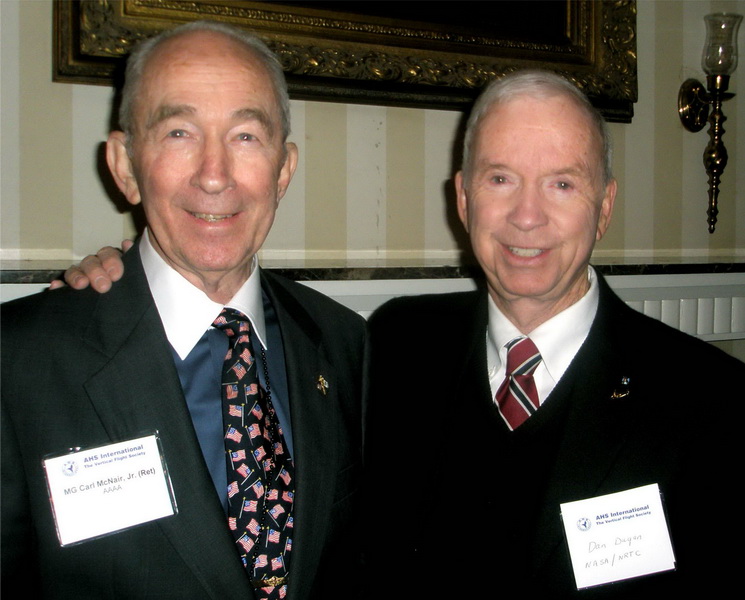
Carl McNair and Dan Dugan
[NOV 2008]
* * * * * * * * * * * * * * * * * * * * * *
Chuck Roades - Tommy West - Carl McNair
[Ted Bishop Funeral - OCT 2008]
* * * * * * * * * * * * * * * * * * * * * *
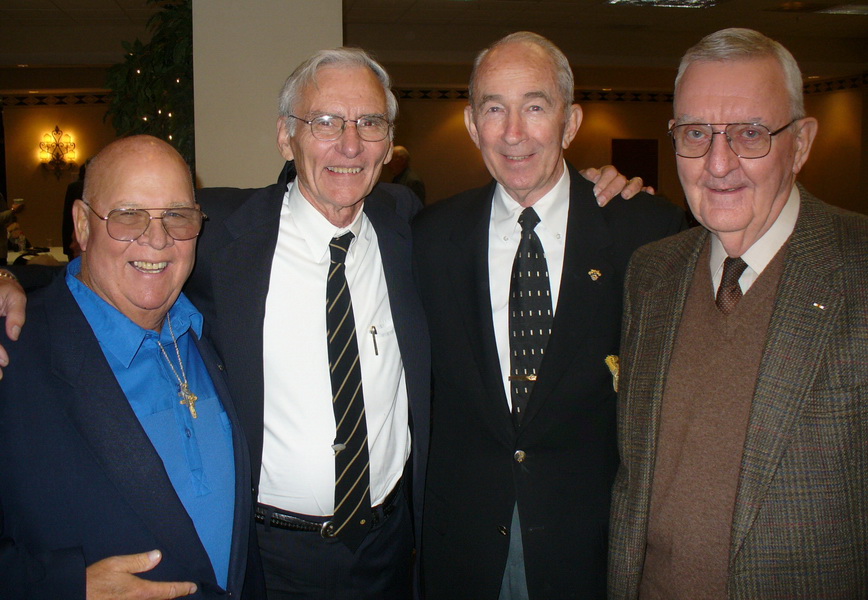
West - Blahuta - McNair - Roades
[Ted Bishop Funeral - OCT 2008]
* * * * * * * * * * * * * * * * * * * * * *
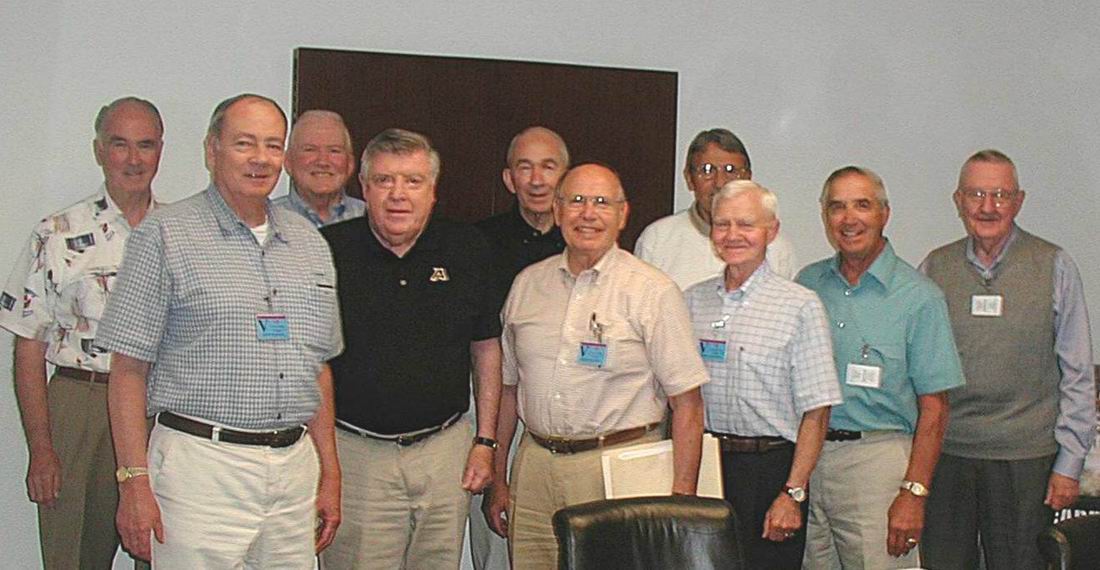
Gay - Strati - Jim Ryan - Hilbert - McNair - Wargowsky - Charlie
Johnson - Ludwig - Cardillo - Roades [EXCOM - JUL 2008]
* * * * * * * * * * * * * * * * * * * * * *
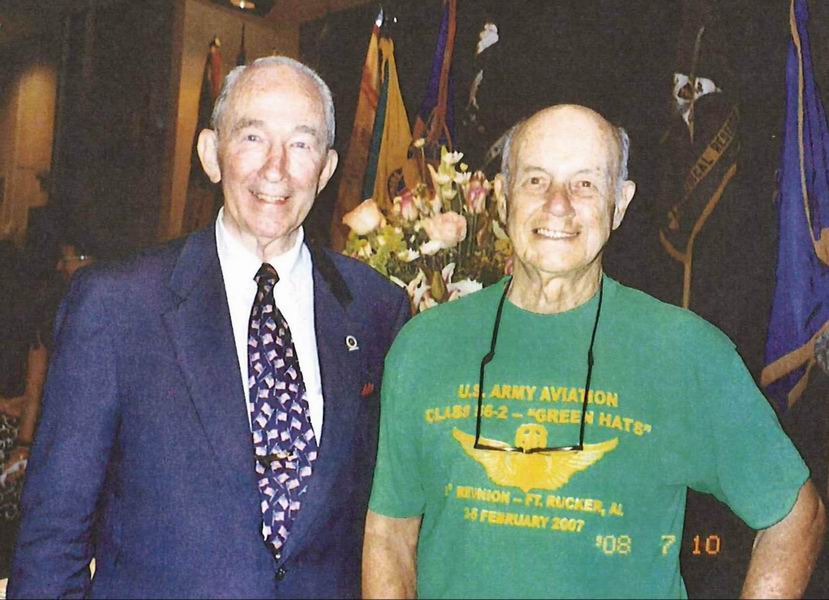
Carl McNair and Buddy Roberts
[Fort Rucker - JUL 2008]
* * * * * * * * * * * * * * * * * * * * * *
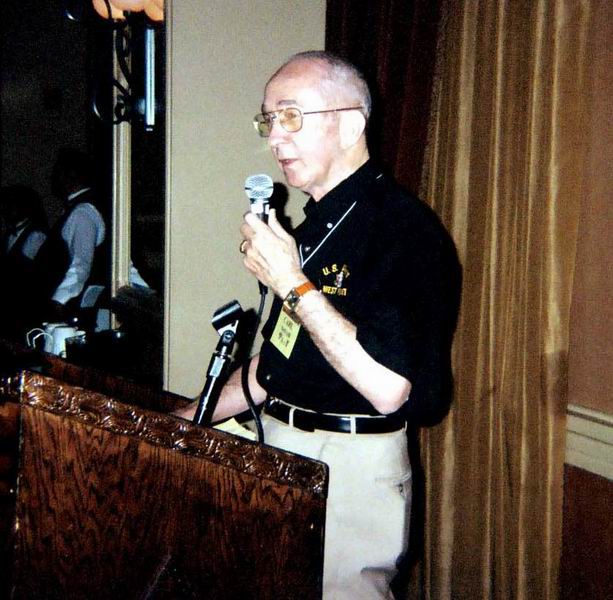
Carl McNair
[Austin Mini - APR 2008]
* * * * * * * * * * * * * * * * * * * * * *
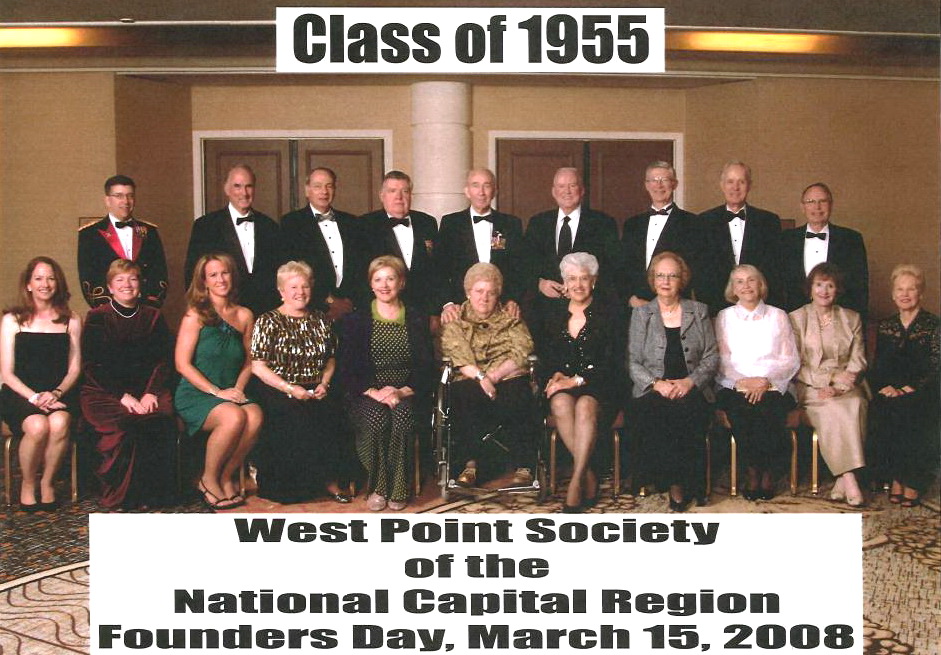
Standing: MAJ Patrick Bulger - Gay - Strati - Hilbert - McNair - Jim Ryan - Cutchin - Schepps - Wargowsky - Sitting: Cynthia McNair Wood - Courtney McNair Bulger - Mary Priscilla Gay - Pat Strati - Carla Hilbert - Jo Ann McNair - Myrna Williamson - Nancy Cutchin - Betty Schepps - Sandy Wargowsky - Jane Merryman |
* * * * * * * * * * * * * * * * * * * * * *
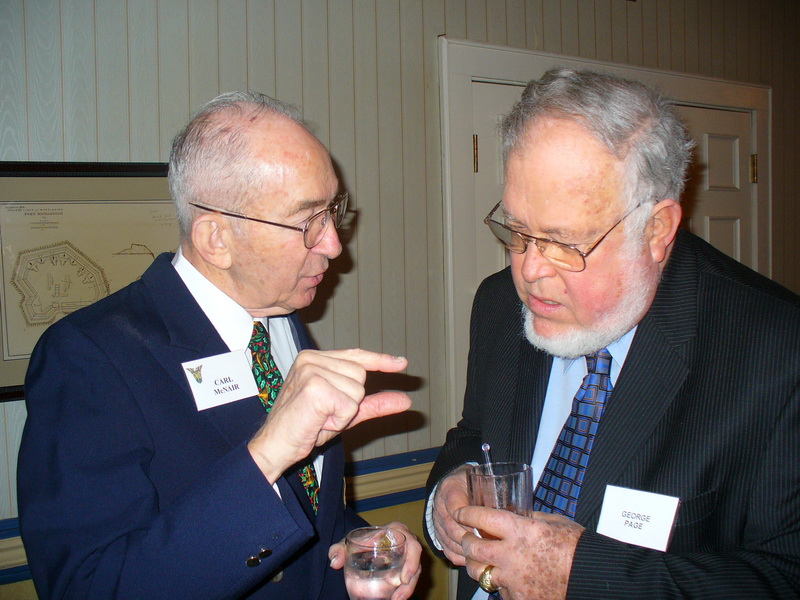
Carl McNair and George Page
[DC Party - DEC 2007]
* * * * * * * * * * * * * * * * * * * * * *
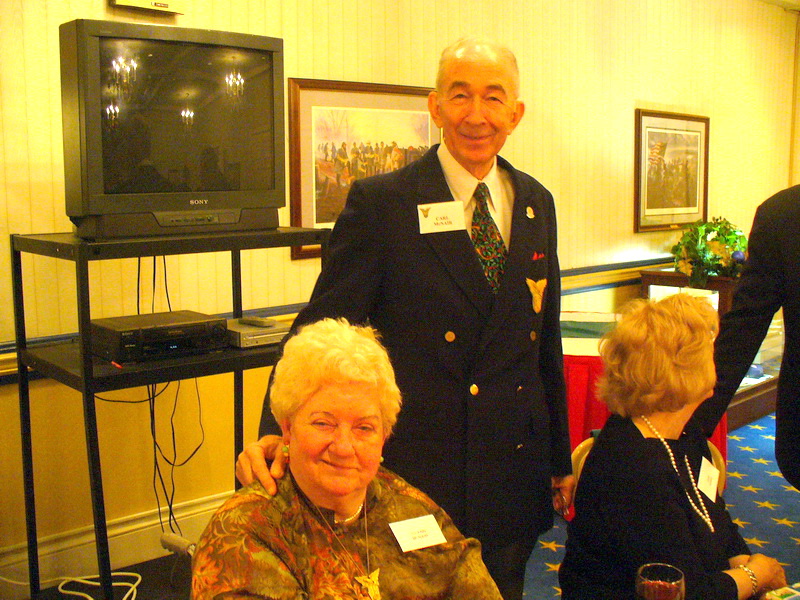
Jo Ann and Carl McNair
[DC Party - DEC 2007]
* * * * * * * * * * * * * * * * * * * * * *
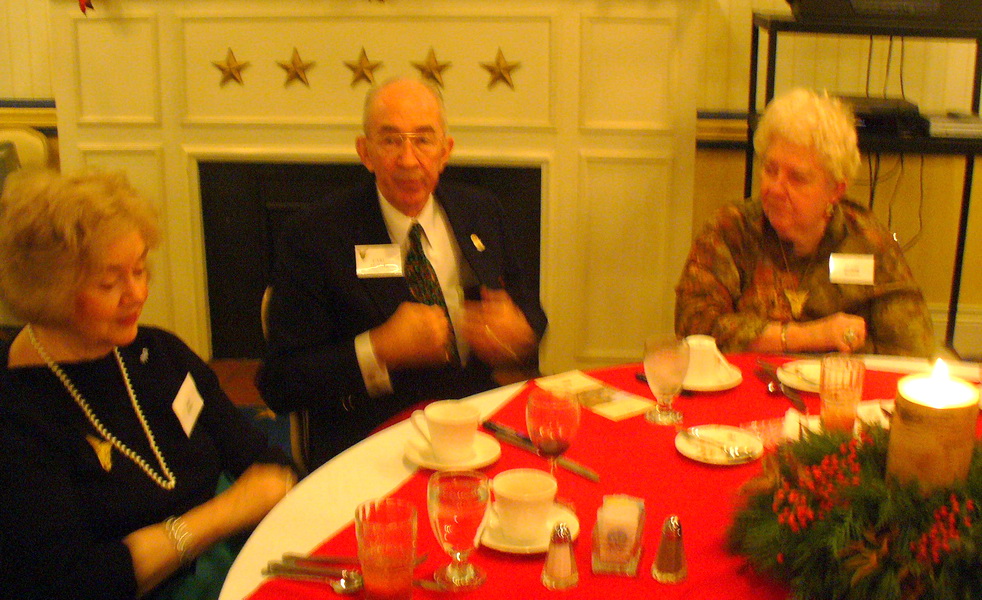
Jane Burns - Carl and Jo Ann McNair
[DC Party - DEC 2007]
* * * * * * * * * * * * * * * * * * * * * *
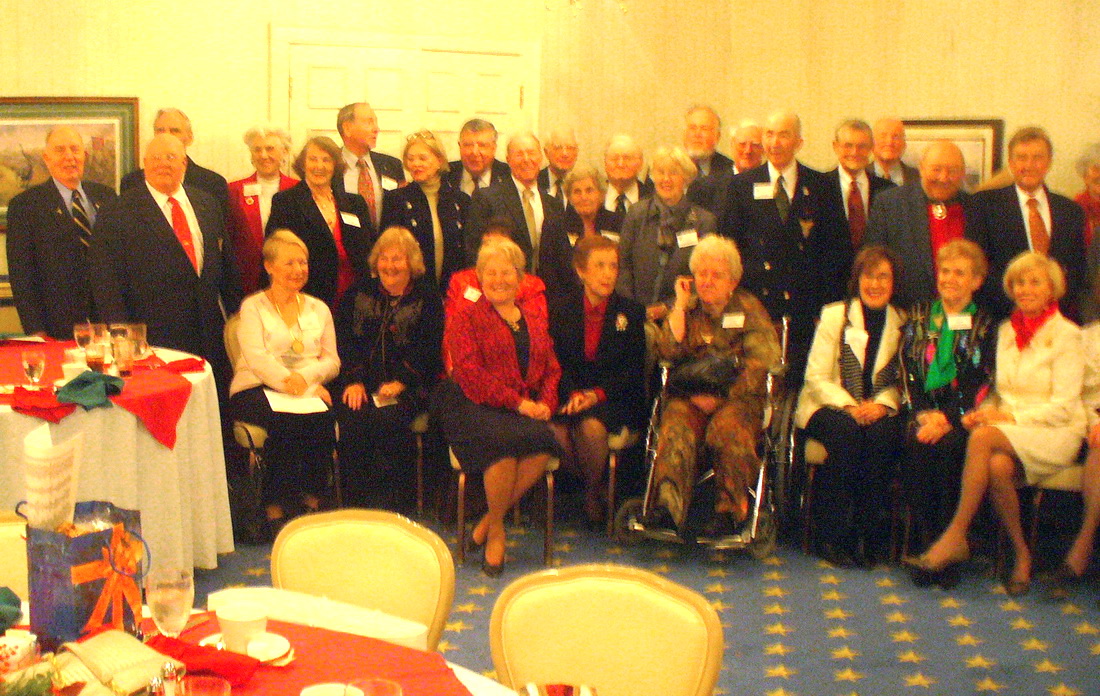
[DC Party - DEC 2007]
* * * * * * * * * * * * * * * * * * * * * *
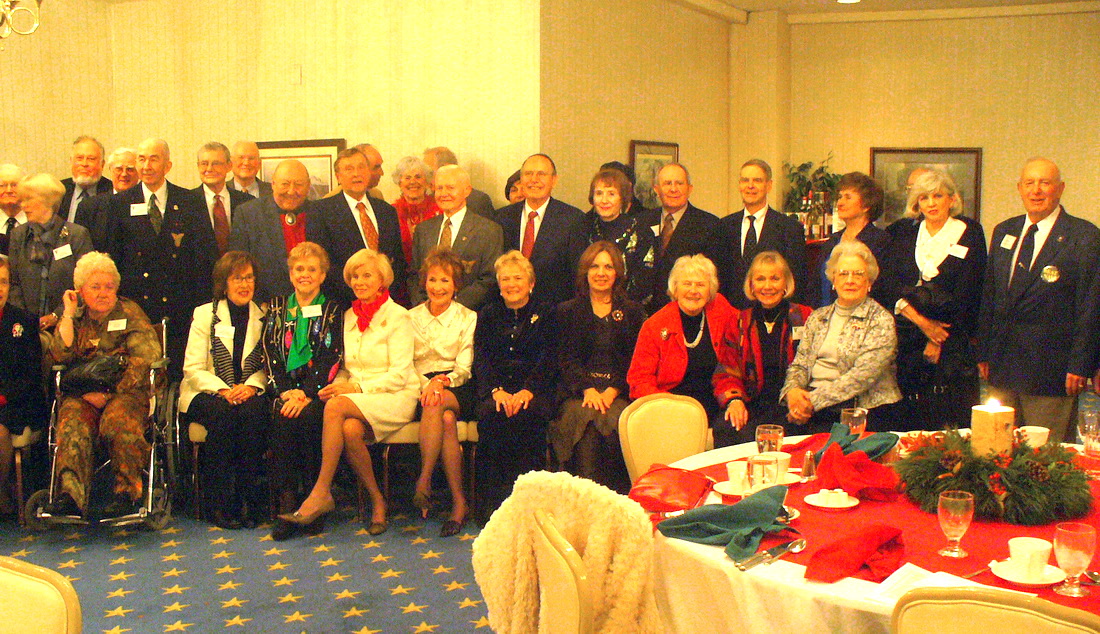
[DC Party - DEC 2007]
* * * * * * * * * * * * * * * * * * * * * *
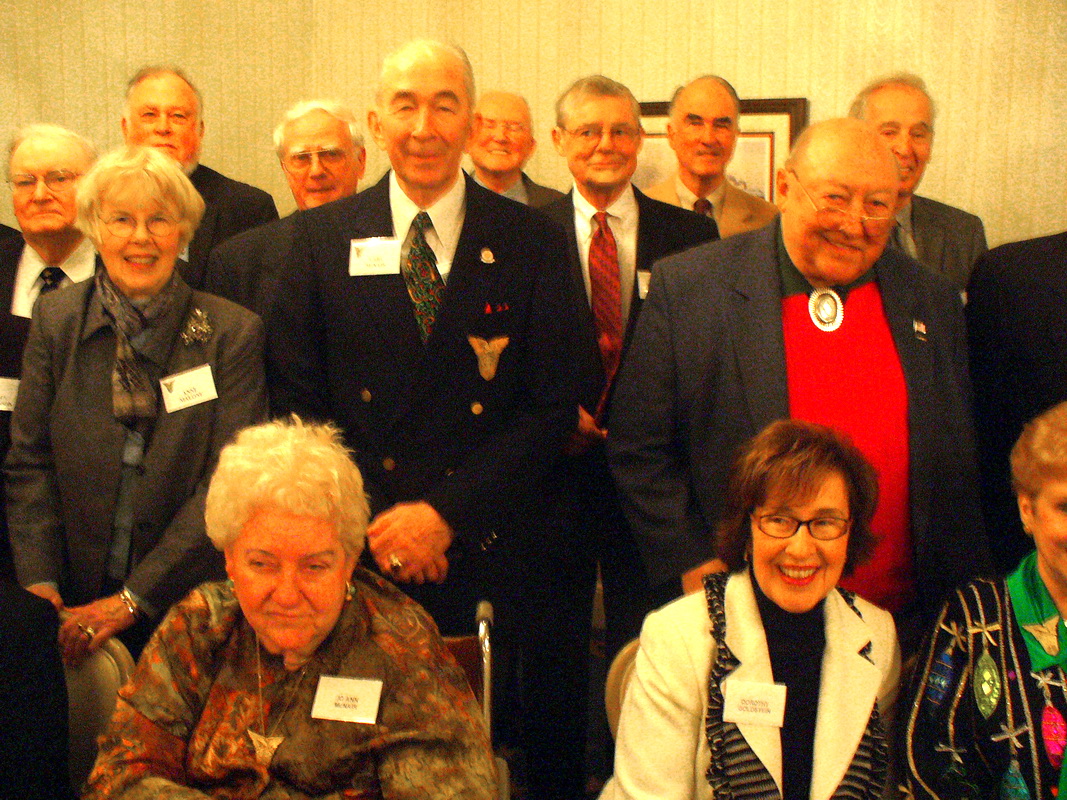
Rear: Deardorff - Page - Malone - Ryan - Nidever - Gay - Goldstein - Middle: Anne Malone - McNair - Russell - Front: Jo Ann McNair - Dorothy Goldstein - Mary Monahan [DC Party - DEC 2007] |
* * * * * * * * * * * * * * * * * * * * * *
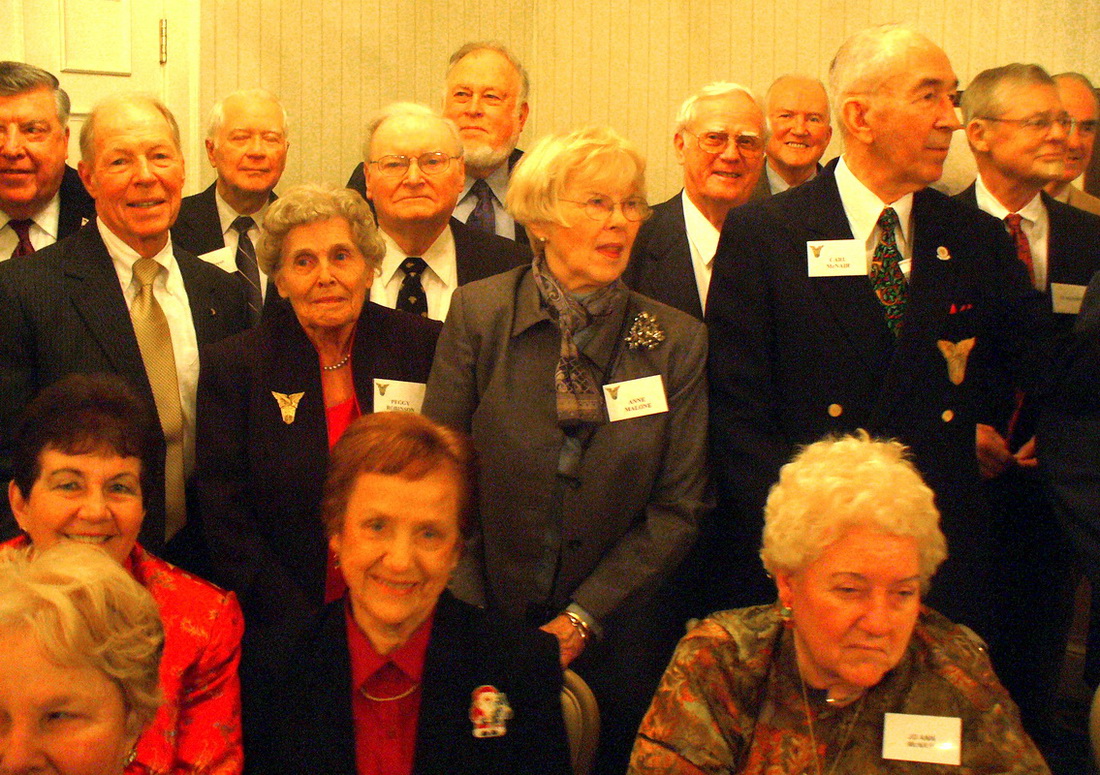
Rear: Hilbert - Troyan - Deardorff - Page - Malone - Ryan - Nidever - Gay - Middle: Carpenter - Peg Robinson - Anne Malone - McNair - Front: Pat Strati - Ruth Sloan - Joan McCulla - Jo Ann McNair [DC Party - DEC 2007] |
* * * * * * * * * * * * * * * * * * * * * *
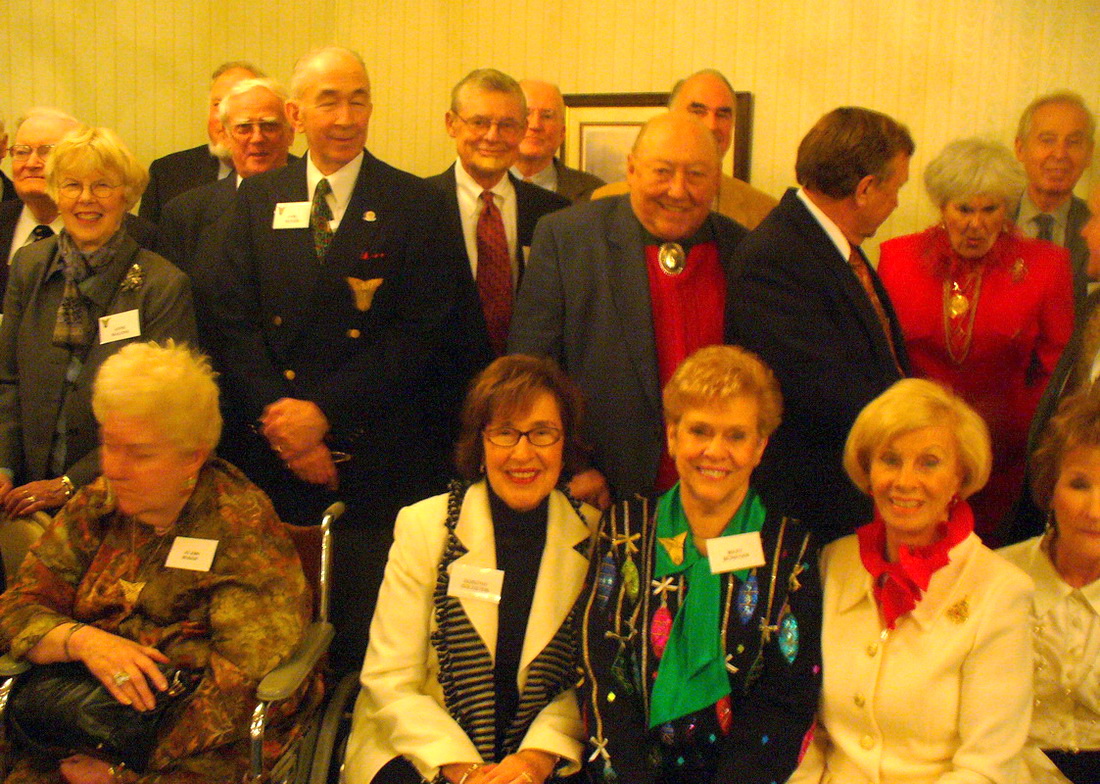
Rear: Deardorff - Page - Malone - Nidever - Jim Ryan - Gay - Marcia Cathey - Goldstein - Middle: Anne Malone - McNair - Russell - Ed Anderson - Front: Jo Ann McNair - Dorothy Goldstein - Mary Monahan - Greta Masson - Donna Ludwig [DC Party - DEC 2007] |
* * * * * * * * * * * * * * * * * * * * * *
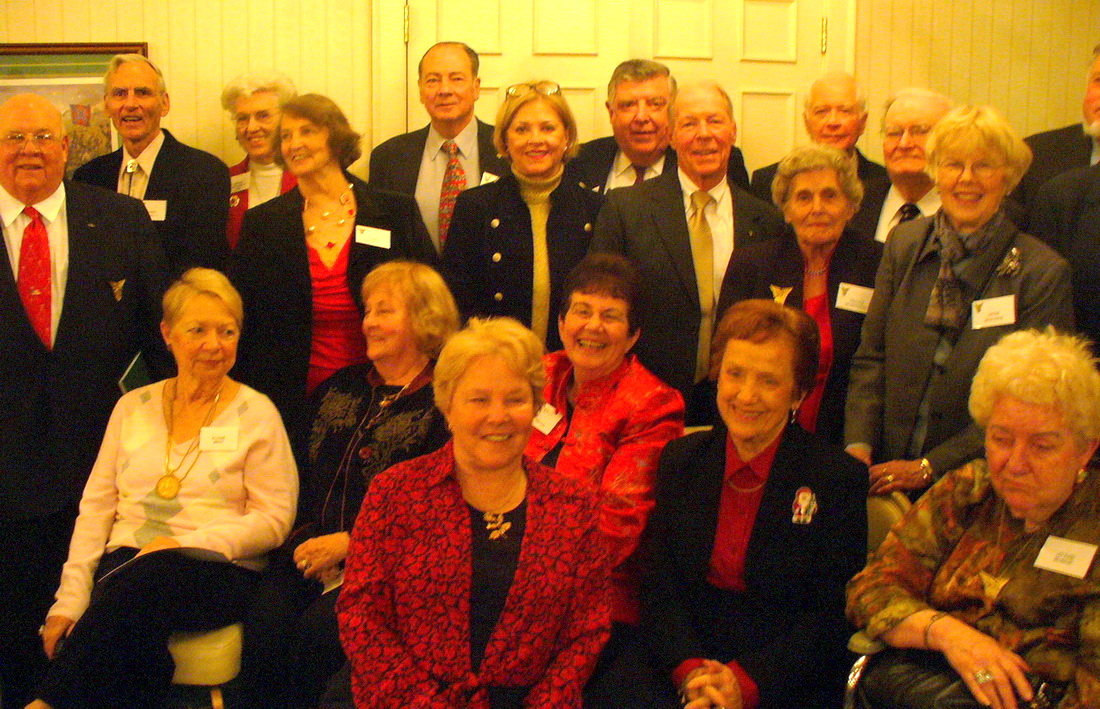
Rear: Blahuta - Myrna Williamson - Strati - Hilbert - Troyan - Deardorff - Page - Middle: West - Barb Blahuta - Carla Hilbert - Carpenter - Peg Robinson - Anne Malone - Front: Elaine West - Marly Carpenter - Pat Strati - Ruth Sloan - Joan McCulla - Jo Ann McNair [DC Party - DEC 2007] |
* * * * * * * * * * * * * * * * * * * * * *
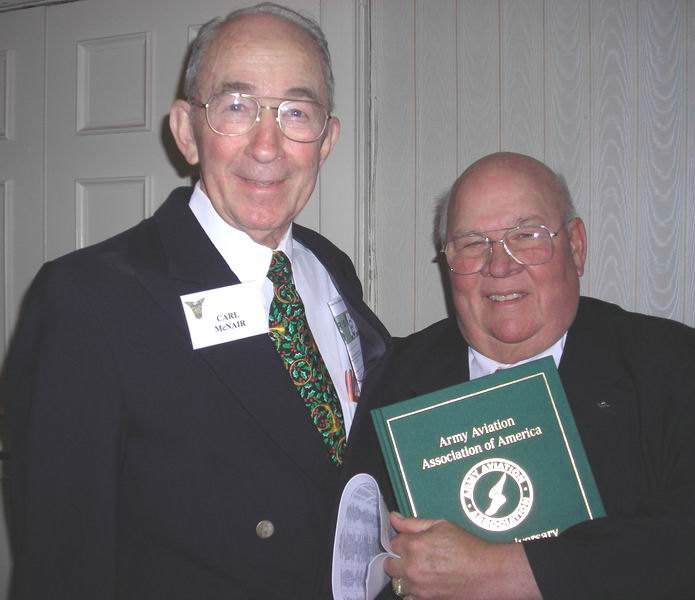
Carl McNair and Tommy West
[DC Party - DEC 2007]
* * * * * * * * * * * * * * * * * * * * * *
Jo Ann McNair
[c2007]
* * * * * * * * * * * * * * * * * * * * * *

Carl McNair and Joe Franklin's
[c2007]
* * * * * * * * * * * * * * * * * * * * * *

McNair and Joe Franklin's
[c2007]
* * * * * * * * * * * * * * * * * * * * * *

Russell - Strati - ? -
McNair - Joe Franklin [c2007]
* * * * * * * * * * * * * * * * * * * * * *
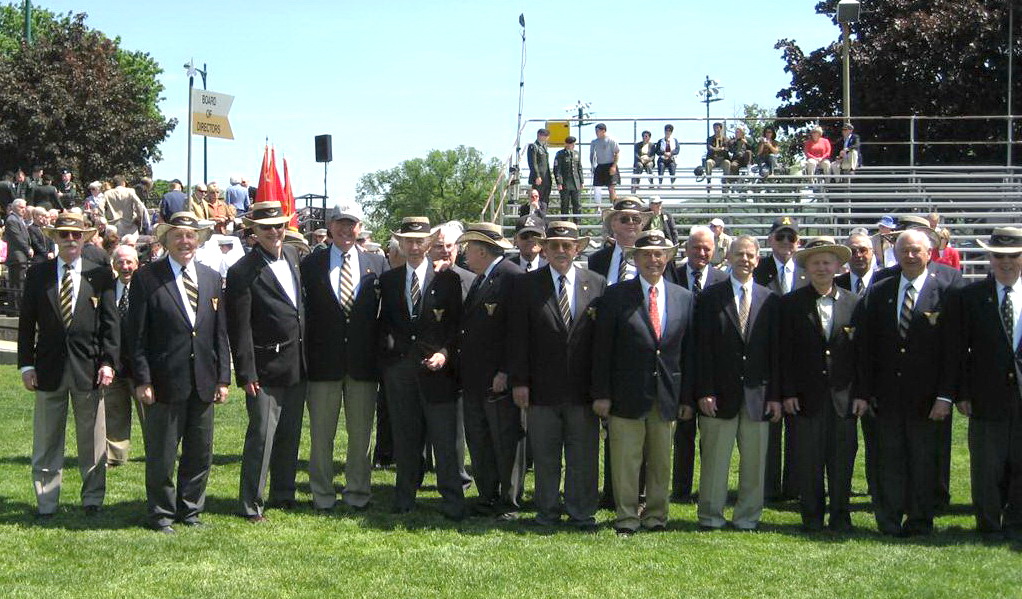
Regnier - Fikaris - Bates - Lynn - Vitty - McNair - Dave Young - Hilbert - C. Johnson - Pemberton ? - Enslow - Wargowsky - Gallup - Hornbarger - Jim Ryan - Ludwig - Cardillo - Feagin - Robinson [DG Mini - May 2007] |
* * * * * * * * * * * * * * * * * * * * * *
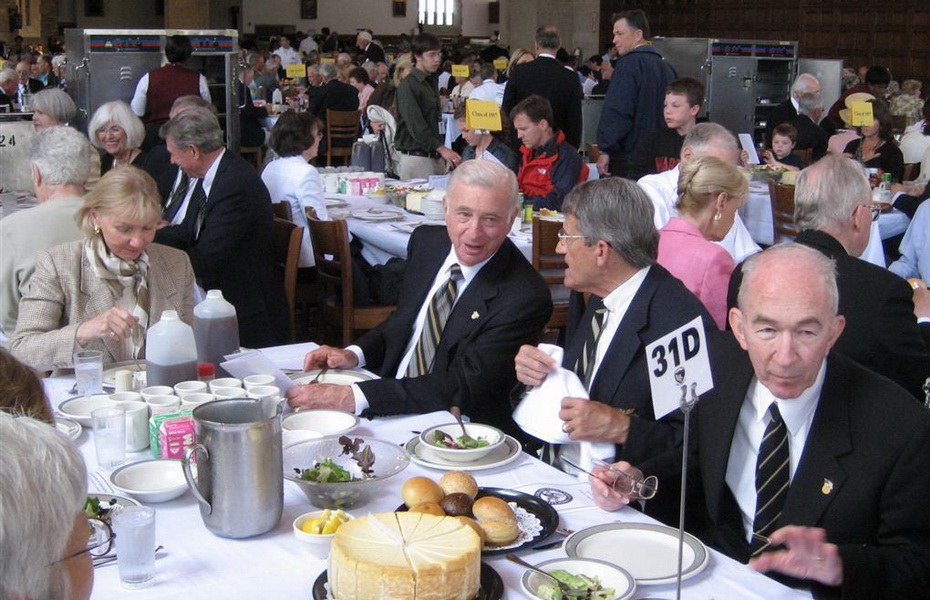
Greta Masson - Auer - C. Johnson - McNair
[DG Mini - May 2007]
* * * * * * * * * * * * * * * * * * * * * *
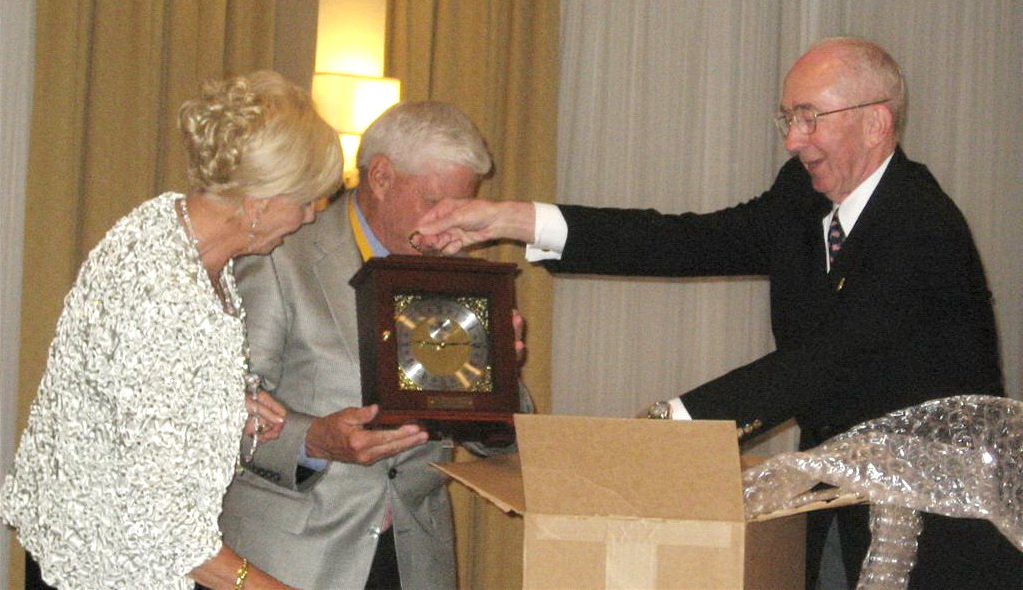
Connie and Joe Franklin - Carl McNair
[DG Mini - May 2007]
* * * * * * * * * * * * * * * * * * * * * *
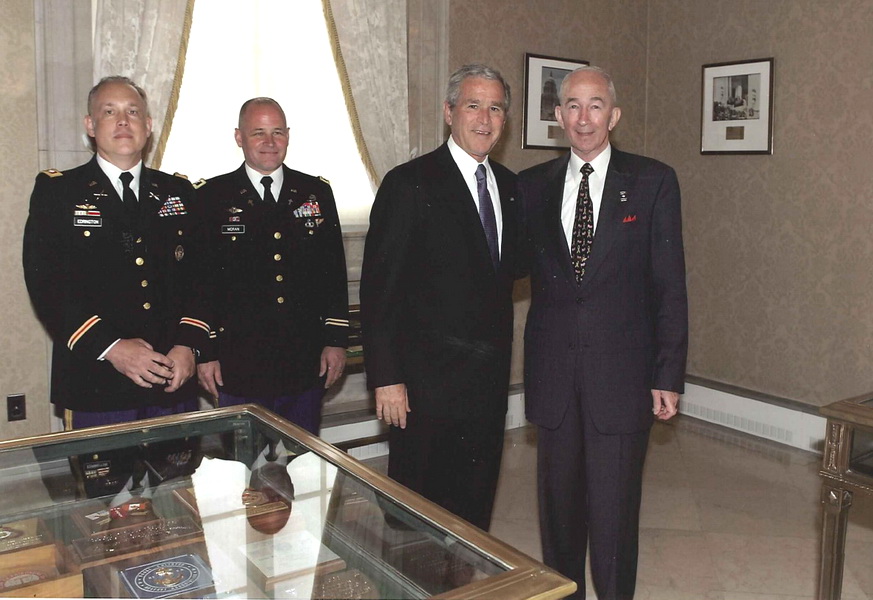
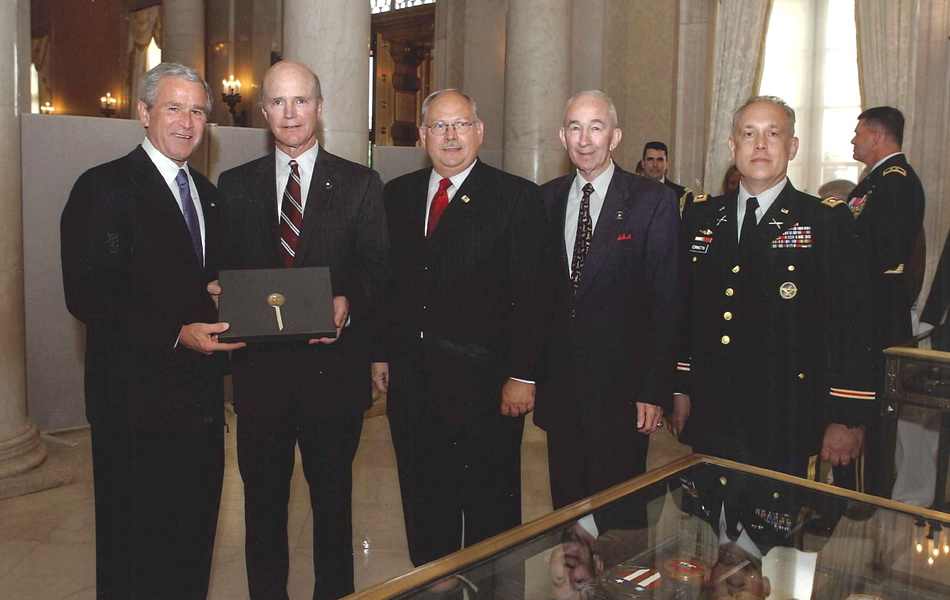
Pres. George W. Bush with MG Carl H. McNair - Jr.
[MAY 2007]
* * * * * * * * * * * * * * * * * * * * * *

* * * * * * * * * * * * * * * * * * * * * *
Jo Ann and Carl McNair
[MAR 2007]
* * * * * * * * * * * * * * * * * * * * * *
[MAR 2007]
J. Ryan - McNair - C. Johnson - Hilbert - Gay - Ludwig - Cutchin - Streett - Strati - Roades (Photographer - Welter) [FEB 2007 EXCOM] |
* * * * * * * * * * * * * * * * * * * * * *
Jo Ann McNair and Bob Strati
[DEC 2006]
* * * * * * * * * * * * * * * * * * * * * *
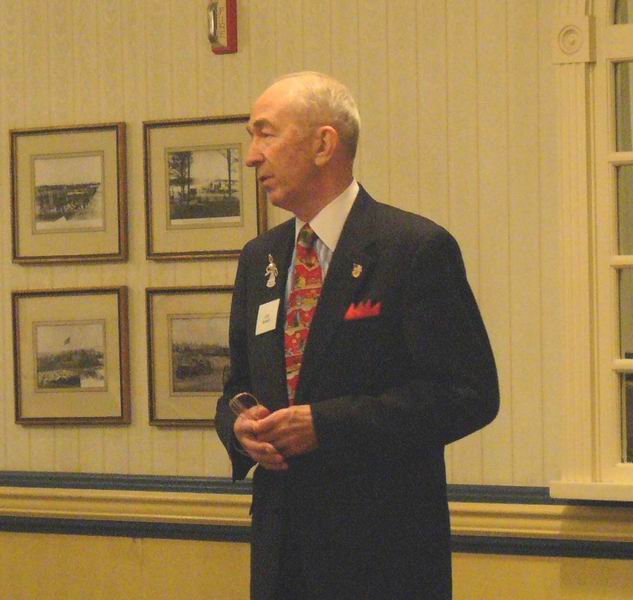
Carl McNair
[DEC 2006]
* * * * * * * * * * * * * * * * * * * * * *
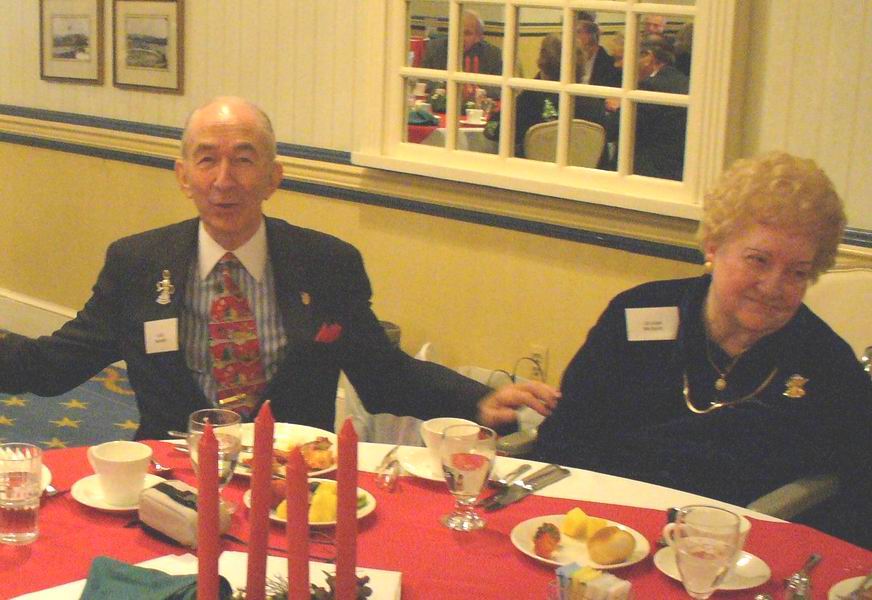
Carl and Jo Ann McNair
[DEC 2006]
* * * * * * * * * * * * * * * * * * * * * *
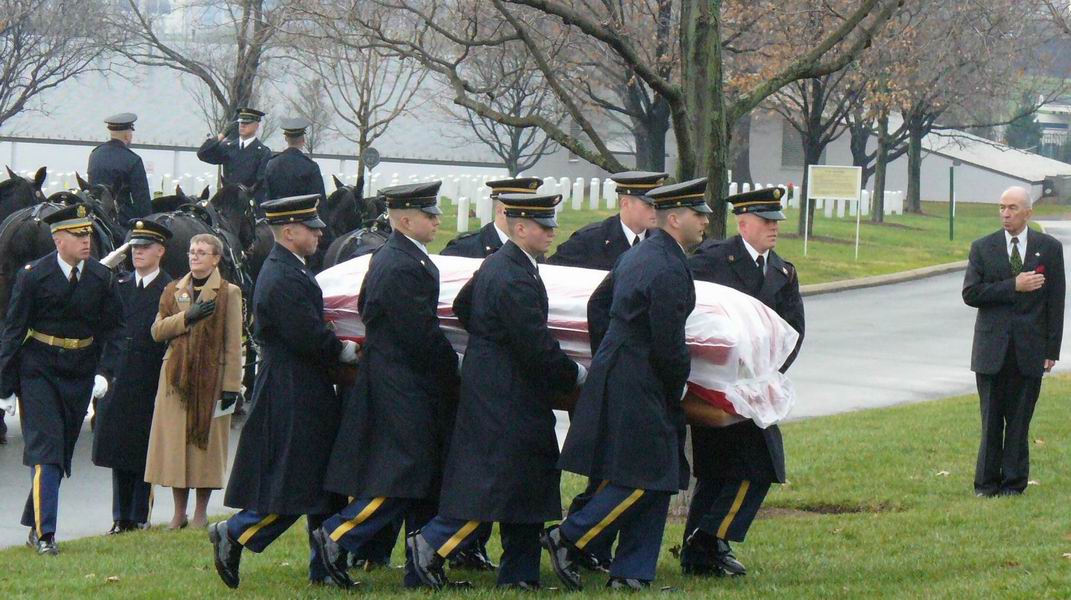
Last salute from McNair
[Al Bundren Funeral - DEC 2006]
* * * * * * * * * * * * * * * * * * * * * *
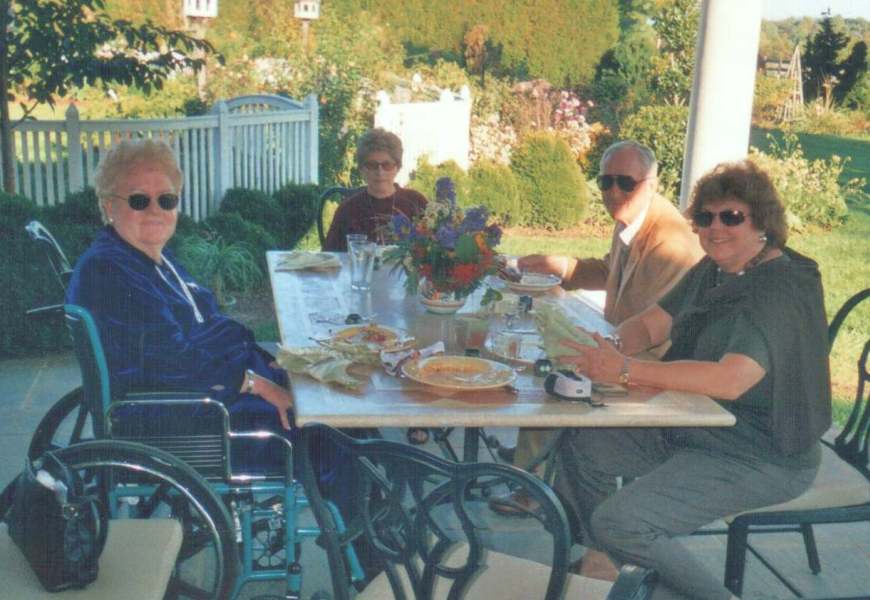
Jo Ann McNair - ??? - Linda Newton
[c2006]
* * * * * * * * * * * * * * * * * * * * * *
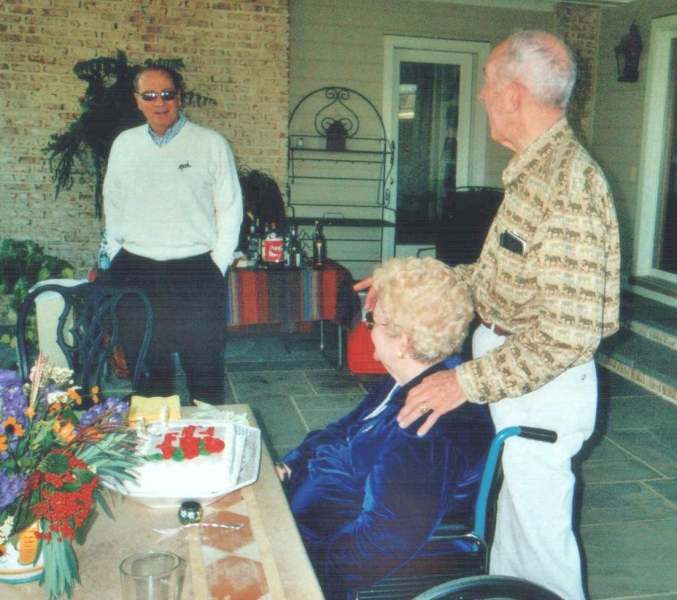
Bob Strati and McNair's
[c2006]
* * * * * * * * * * * * * * * * * * * * * *
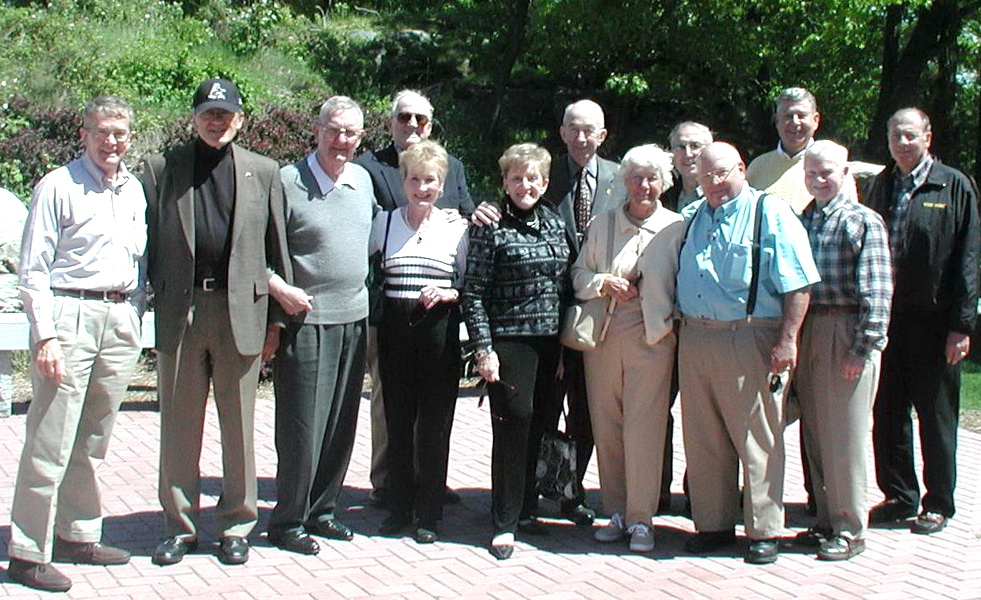
Street - C. Johnson - Roades - J. Ryan - Donna Ludwig - Lo Dienst - McNair - Ellen Schick - Cardillo - West - Dienst - Ludwig - Strati [DG Mini - MAY 2006] |
* * * * * * * * * * * * * * * * * * * * * *
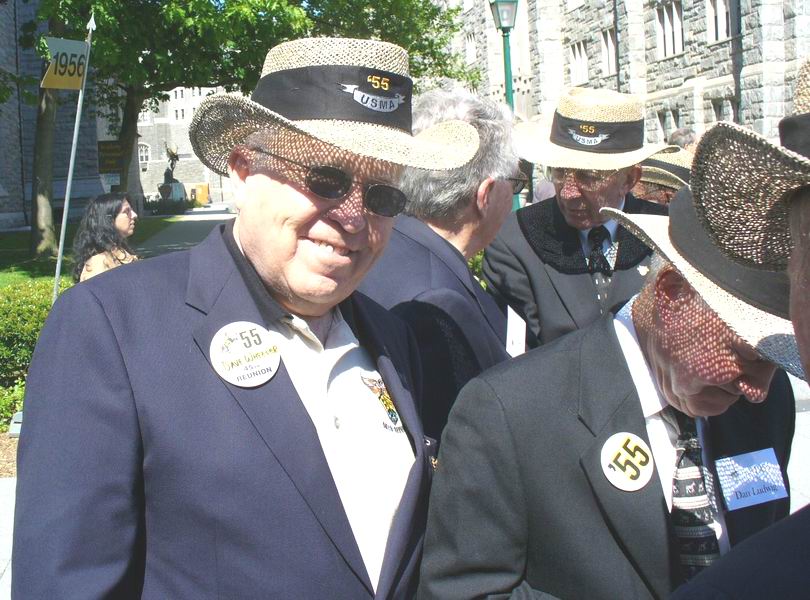
Wheeler - McNair - Ludwig
[DG Mini - MAY 2006]
* * * * * * * * * * * * * * * * * * * * * *
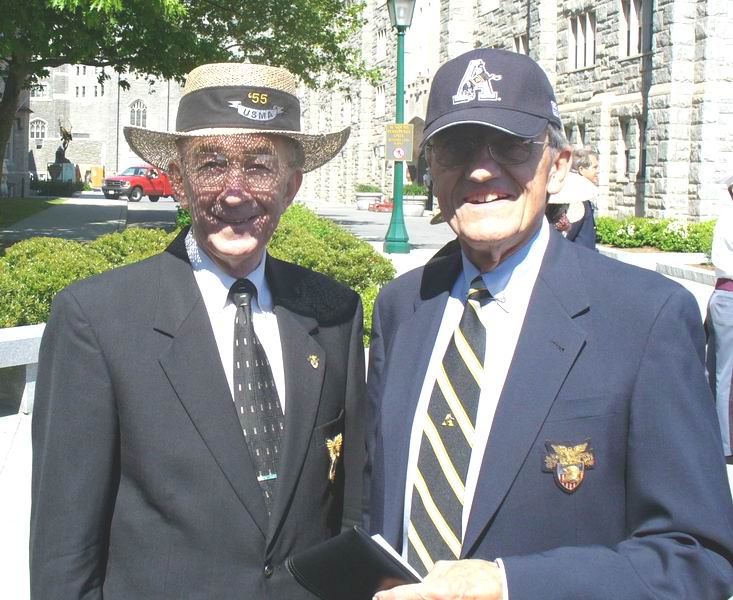
Carl McNair and Charlie Johnson
[DG Mini - MAY 2006]
* * * * * * * * * * * * * * * * * * * * * *
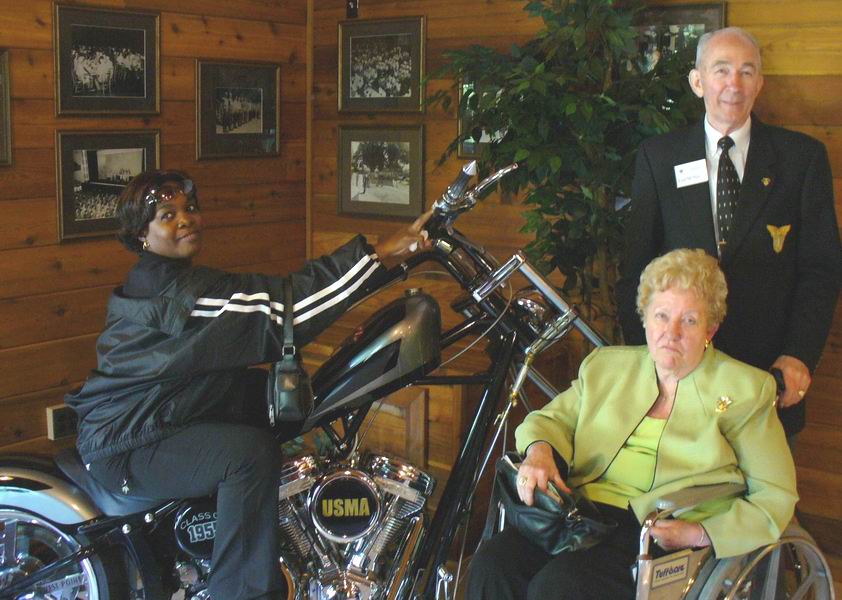
Carl and Jo Ann McNair
[DG Mini - MAY 2006]
* * * * * * * * * * * * * * * * * * * * * *
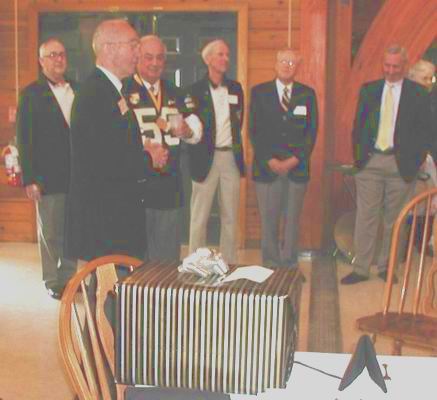
Stan Johnson - McNair - Lichtenberg - Ginter -
Weden - Olvey [DG Mini - MAY 2006]
* * * * * * * * * * * * * * * * * * * * * *
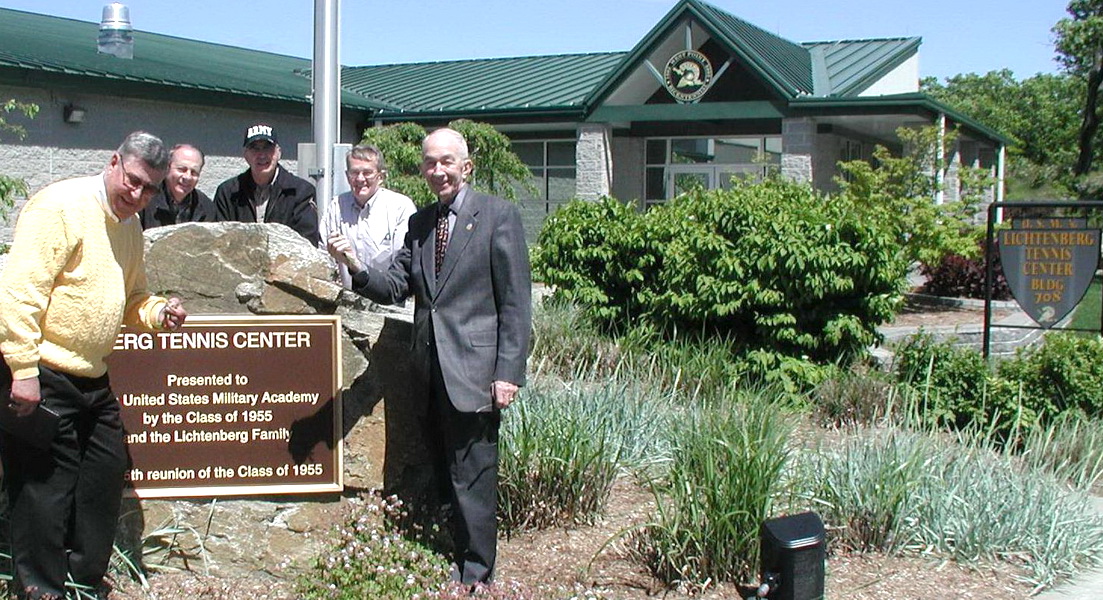
Dienst - Strati - Cardillo - Street - McNair
[MAY 2006 EXCOM]
* * * * * * * * * * * * * * * * * * * * * *
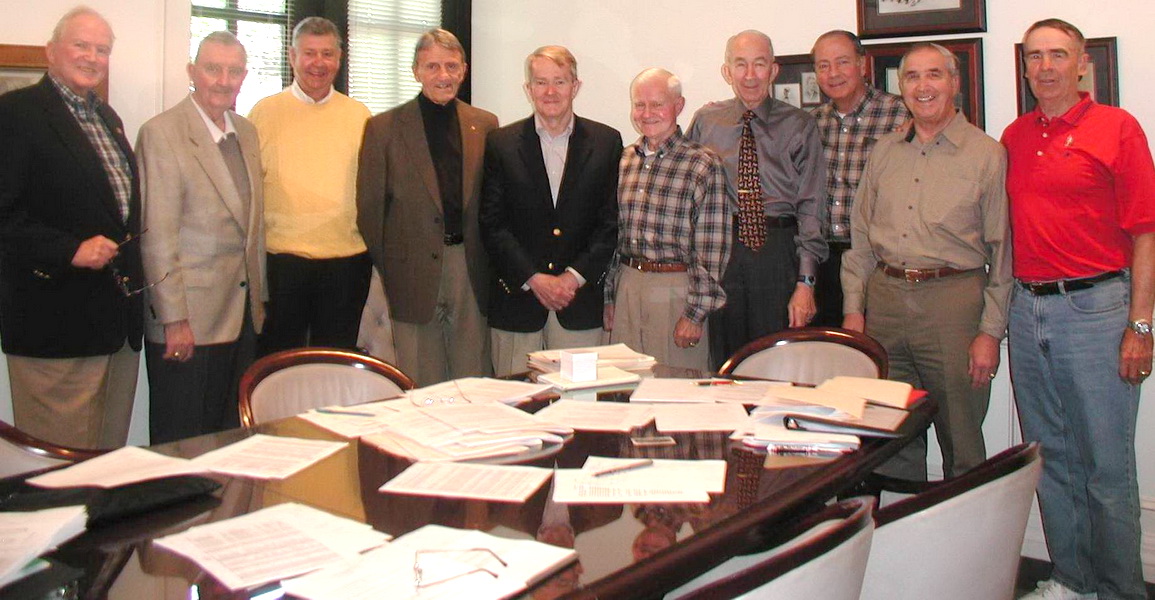
Jim Ryan - Roades - Dienst - C. Johnson - Streett - Ludwig -
McNair - Strati - Cardillo - Welter [MAY 2006 EXCOM]
* * * * * * * * * * * * * * * * * * * * * *
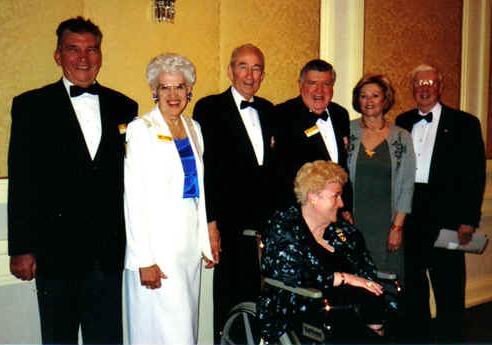
Bergen - Myrna Williamson - McNair's -
Hilbert's - Shaud '56 [MAR 2006]
* * * * * * * * * * * * * * * * * * * * * *
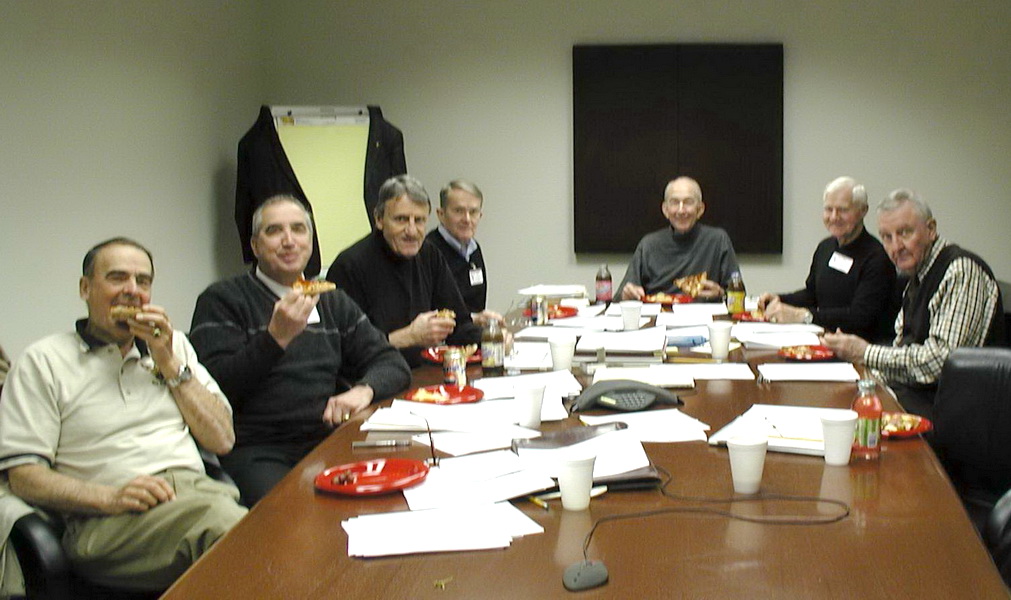
Welter - Cardillo - C. Johnson - Streett - McNair -
Ludwig - Roades [JAN 2006 EXCOM]
* * * * * * * * * * * * * * * * * * * * * *

McNair and Joe Franklin
[DEC 2005]
* * * * * * * * * * * * * * * * * * * * * *
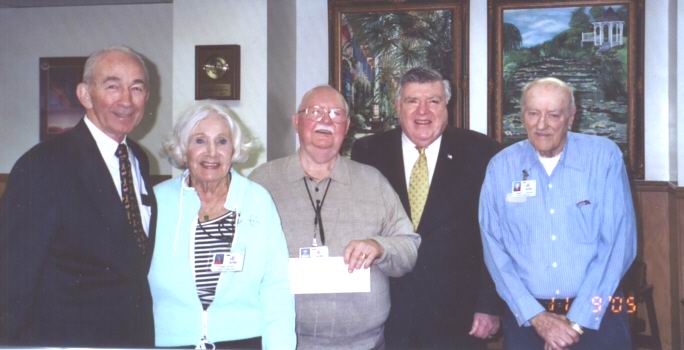
McNair and Hilbert at Armed Forces
Retirement Home [DEC 2005]
* * * * * * * * * * * * * * * * * * * * * *
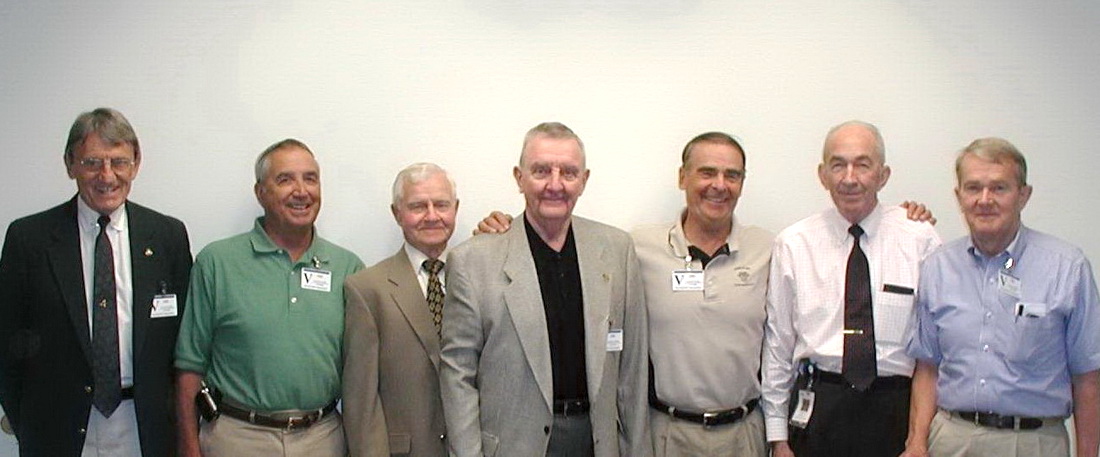
C. Johnson - Cardillo - Ludwig - Roades - Welter -
McNair - Streett [JUL 2005 EXCOM]
* * * * * * * * * * * * * * * * * * * * * *
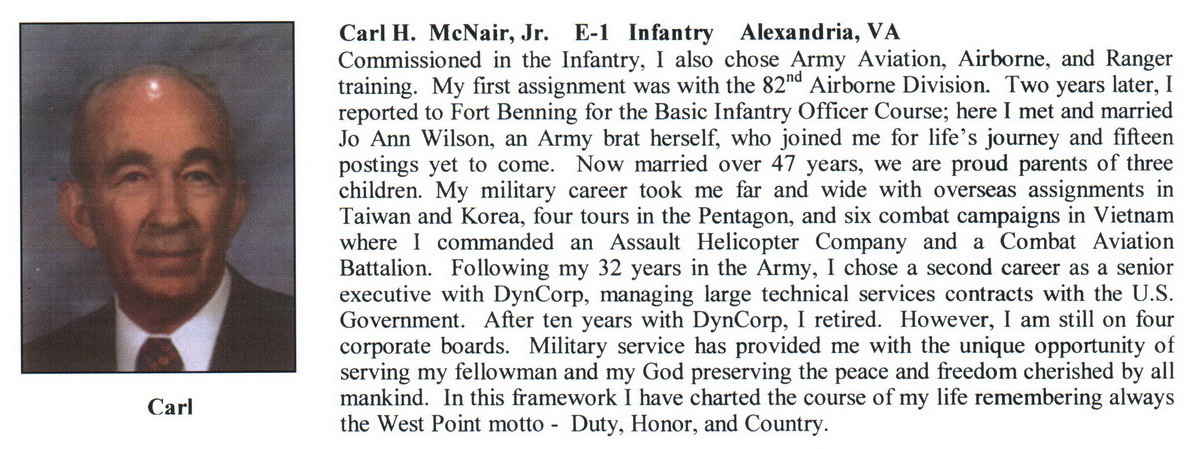
[50th Reunion Bio]
* * * * * * * * * * * * * * * * * * * * * *
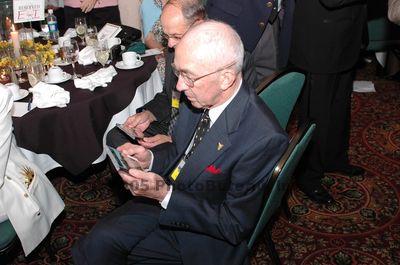
Carl McNair
[50th Reunion]
* * * * * * * * * * * * * * * * * * * * * *
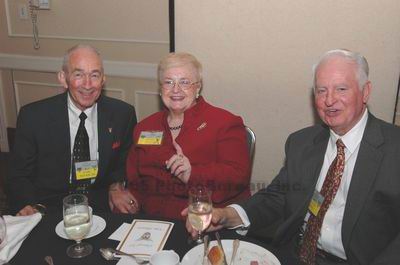
Carl McNair - Betty and Wayne Polly
[50th Reunion]
* * * * * * * * * * * * * * * * * * * * * *
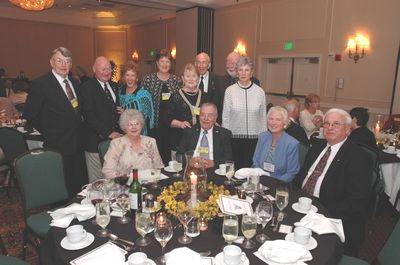
Sitting: Shirley and Jim Brokenshire - Lynn and Bob Lang - Standing: Jerry Crancer - Ed and Pam Trobaugh - Dorothy Crancer - Ruth Horst - Carl McNair - Tom Horst - Kathleen Olvey [50th Reunion] |
* * * * * * * * * * * * * * * * * * * * * *
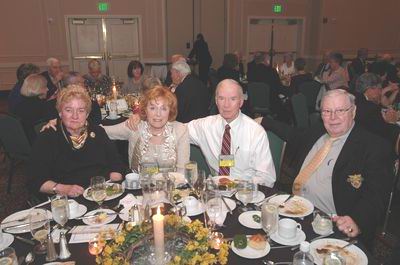
Jo Ann McNair - Bernadette and Dan Dugan -
John Lapham [50th Reunion]
* * * * * * * * * * * * * * * * * * * * * *
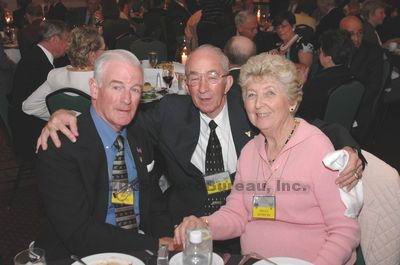
Bob Hinrichs - Carl McNair - Helga Hinrichs
[50th Reunion]
* * * * * * * * * * * * * * * * * * * * * *
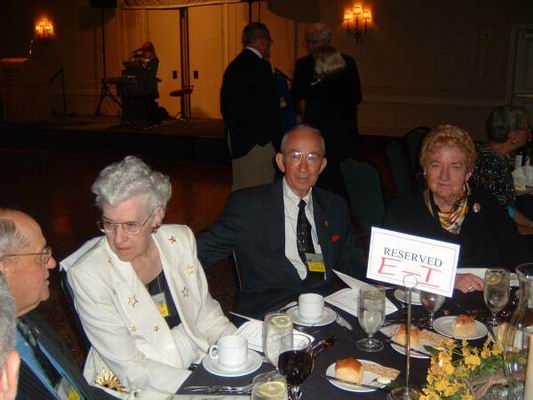
Al Coleman - Myrna Williamson - Carl
and Jo Ann McNair [50th Reunion]
* * * * * * * * * * * * * * * * * * * * * *

Auger - Father Oscar - Joe Franklin - McNair
[50th Reunion]
* * * * * * * * * * * * * * * * * * * * * *
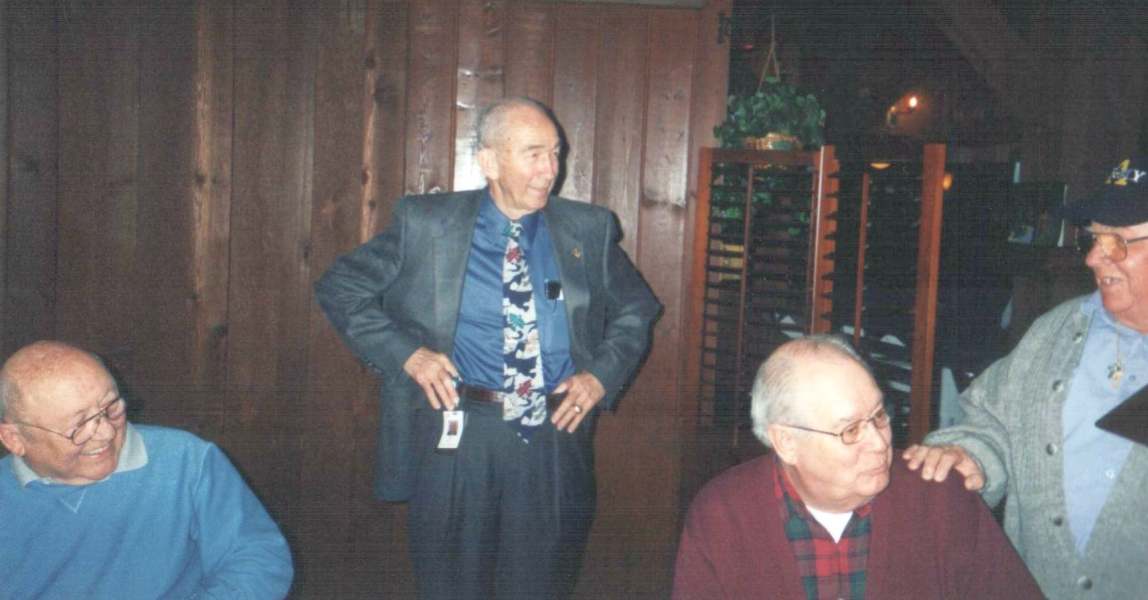
Russell - McNair - Eddins -
West [c2005]
* * * * * * * * * * * * * * * * * * * * * *
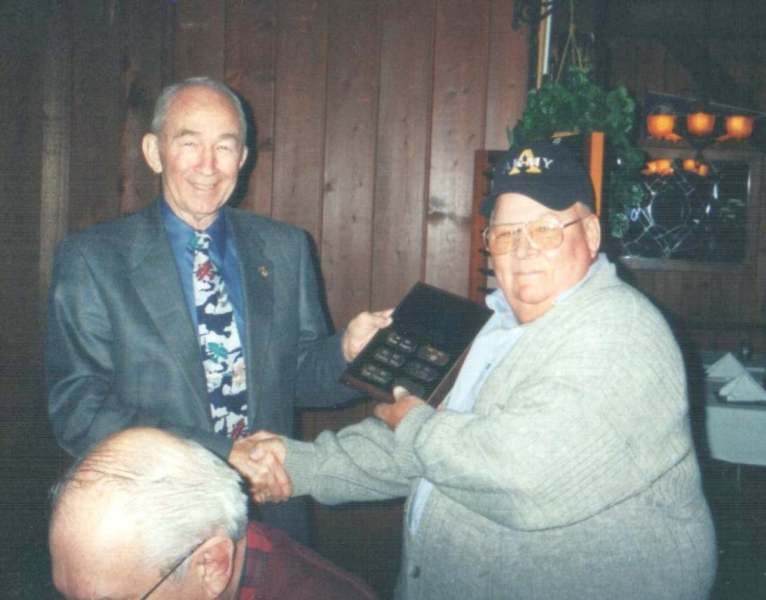
McNair - Eddins - West
[c2005]
* * * * * * * * * * * * * * * * * * * * * *
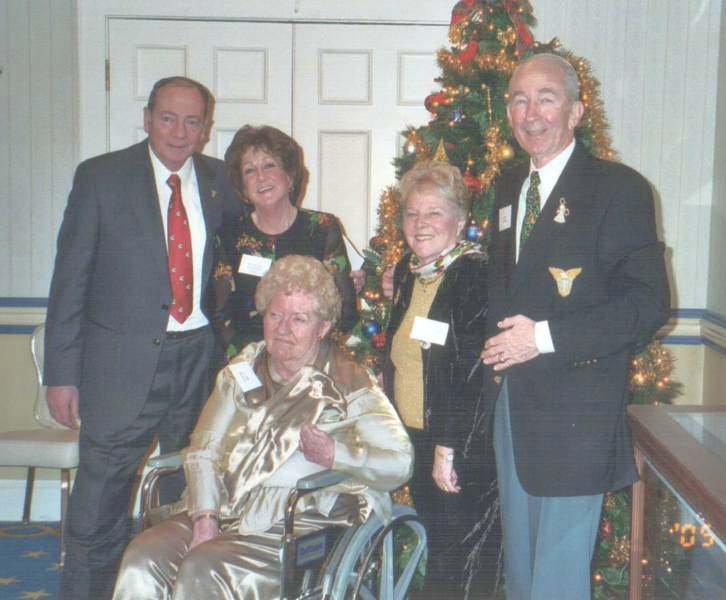
Strati's - ? - McNair's
[c2005]
* * * * * * * * * * * * * * * * * * * * * *
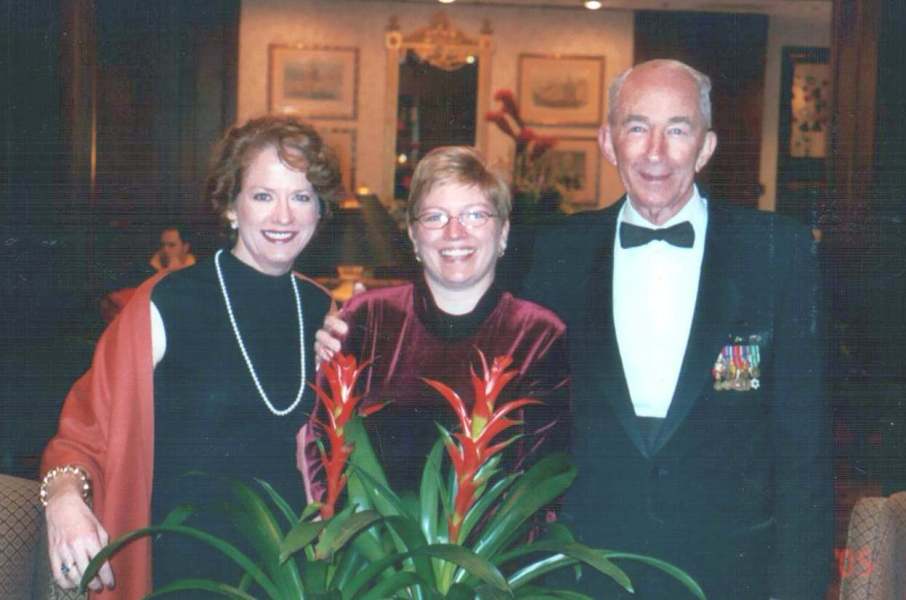
? and Carl McNair
[FEB 2005]
* * * * * * * * * * * * * * * * * * * * * *
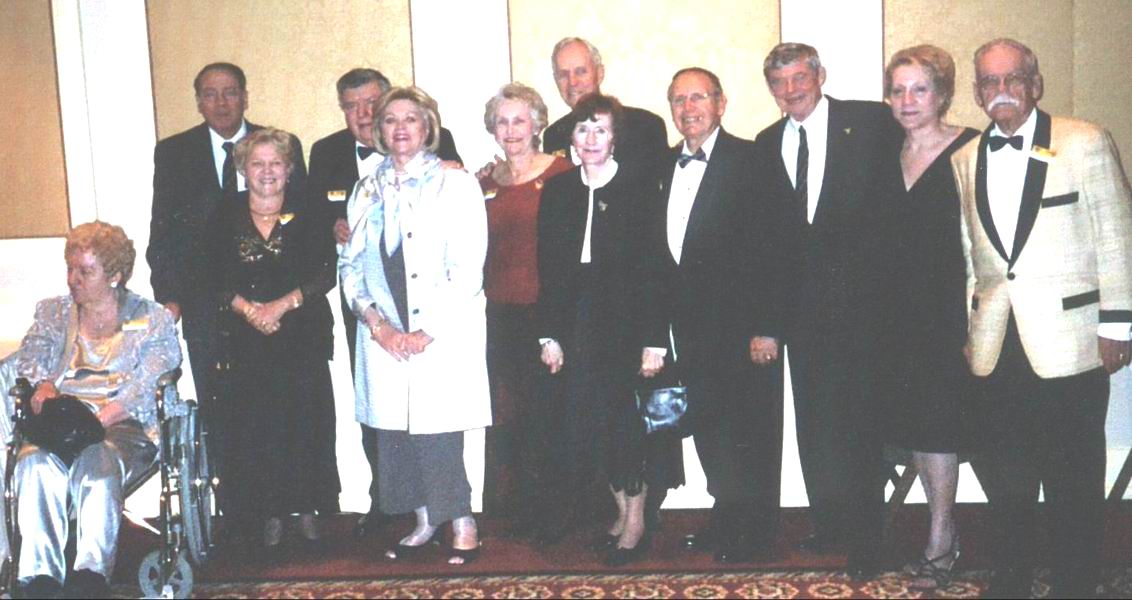
Jo Ann McNair - Bob and Pat Strati - Don and Carla Hilbert - Betty and Matt Schepps - Sandy and Dick Wargowsky - Ed Nidever - Elaine Black - Jack McAuslan x55 (missing from photo: Ted and Mary Carolyn Gay - Bob and Linda Newton - Jim and Nancy Cutchin - Jim Bergen - Carl McNair) [FDD - MAR 2005] |
* * * * * * * * * * * * * * * * * * * * * *
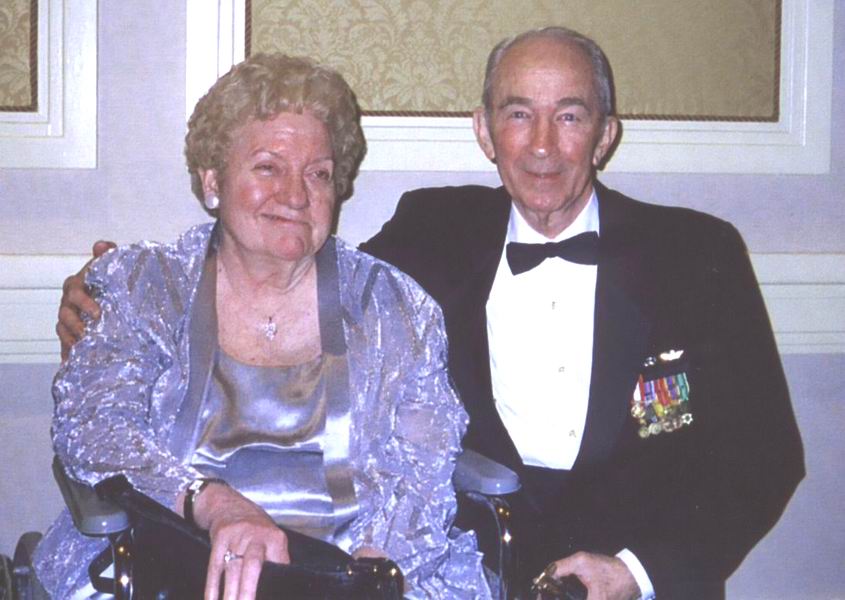
Jo Ann and Carl McNair
[MAR 2005 Founders Day]
* * * * * * * * * * * * * * * * * * * * * *
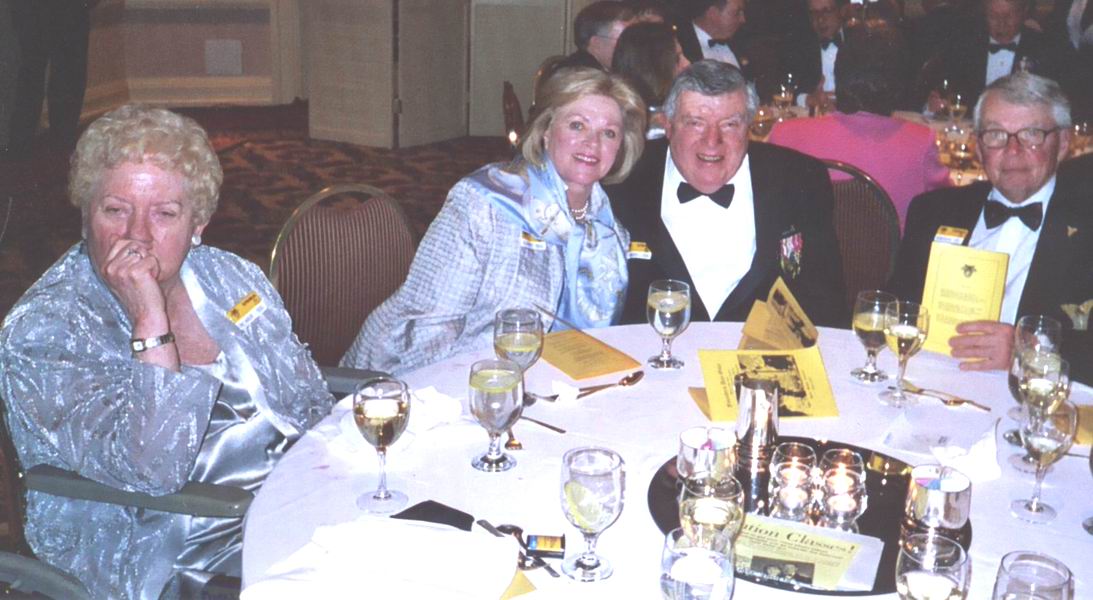
Jo Ann McNair - Carla and Don Hilbert -
Bob Newton [MAR 2005 Founders Day]
* * * * * * * * * * * * * * * * * * * * * *
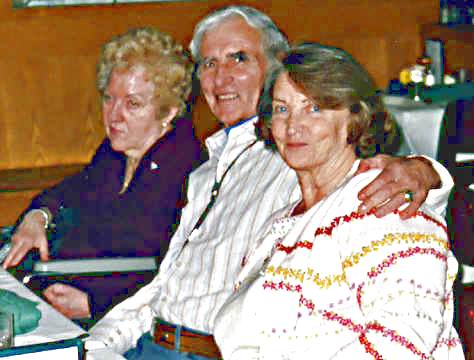
Jo Ann McNair and Blahuta's
[FEB 2005]
* * * * * * * * * * * * * * * * * * * * * *
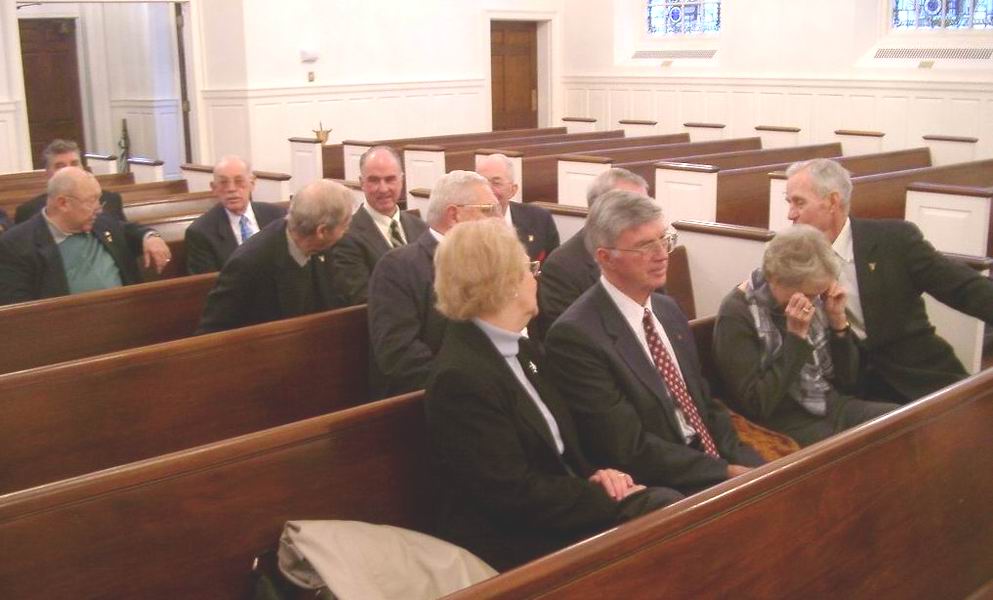
Pew 1: Nancy and Jim Cutchin - Betty and Matt Schepps - Pew 2: McNerney - Roades - Pew 3: Goldstein - Gay - McNair - Pew 4: Russell - McCulla - Pew 5: Bergen [John Hardy Funeral - JAN 2005] |
* * * * * * * * * * * * * * * * * * * * * *
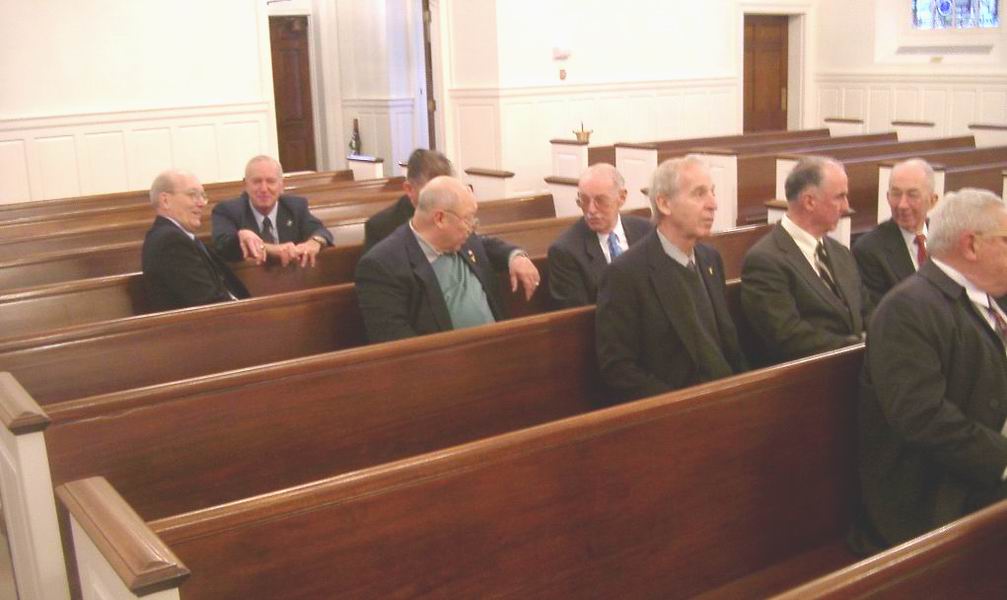
Pew 2: McNerney - Pew 3: Goldstein - Gay - McNair - Pew 4: Russell - McCulla - Pew 5: Ewing - Bergen - Pew6: Rich Miller [John Hardy Funeral - JAN 2005] |
* * * * * * * * * * * * * * * * * * * * * *
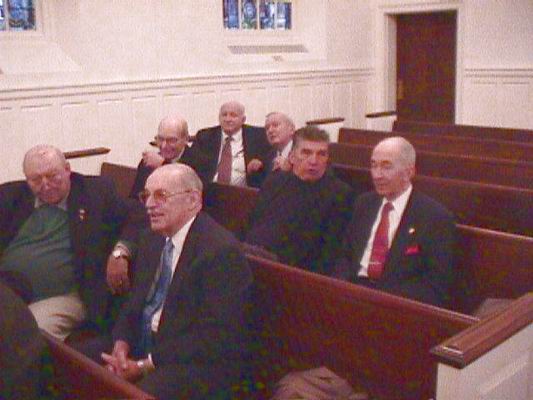
Russell - Ewing - McCulla- Sloan - Rich Miller - Bergen -
McNair [John Hardy Funeral - JAN 2005]
* * * * * * * * * * * * * * * * * * * * * *
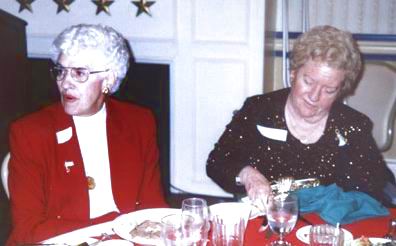
General Myrna Williamson and Jo Ann McNair
[DEC 2004]
* * * * * * * * * * * * * * * * * * * * * *
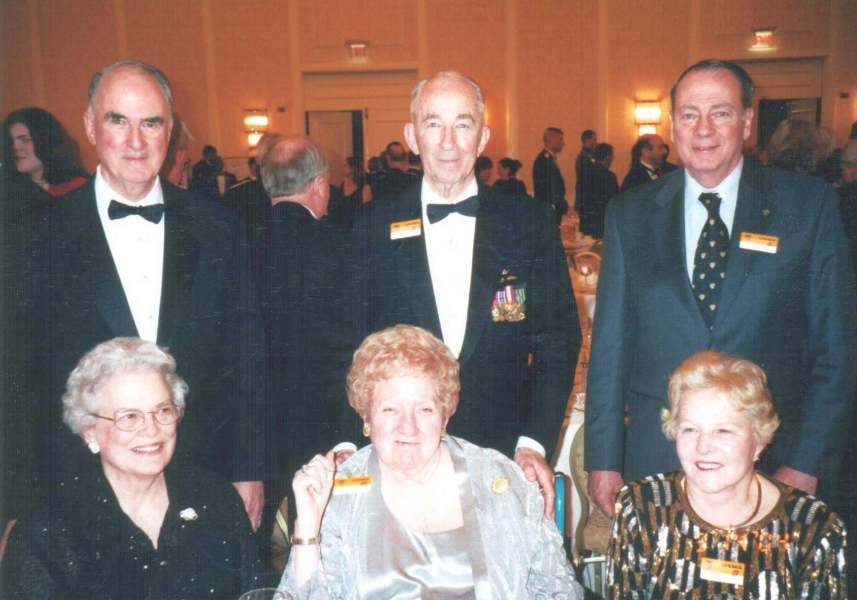
Gay's - McNair's - Strati's
[c2004]
* * * * * * * * * * * * * * * * * * * * * *
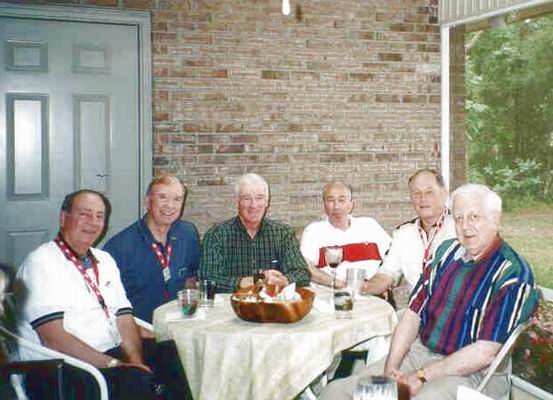
Strati - Dugan - Neubeck (USNA '55) - McNair - Nordlie -
Norm Smith [E-1 at Roland Nordlie's Home 2003]
* * * * * * * * * * * * * * * * * * * * * *
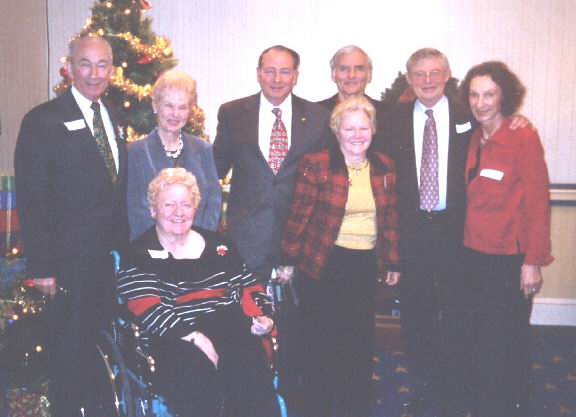
E1: Carl and Jo Ann McNair - Jane Merriman (guest) - Bob and Pat Strati - Norm Blahuta - Ed and Carol Nidever [DC Party - DEC 2003] |
* * * * * * * * * * * * * * * * * * * * * *
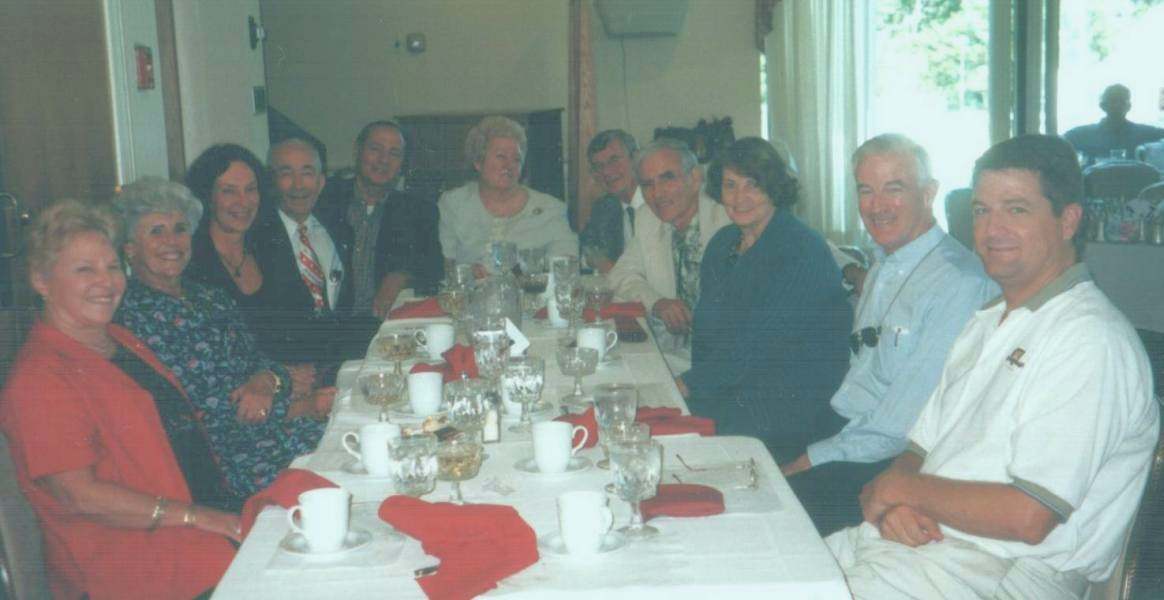
Strati's - Marcia Cathey - Nidever's - McNair's -
Blahuta's - Hinrichs - ? [c2003]
* * * * * * * * * * * * * * * * * * * * * *
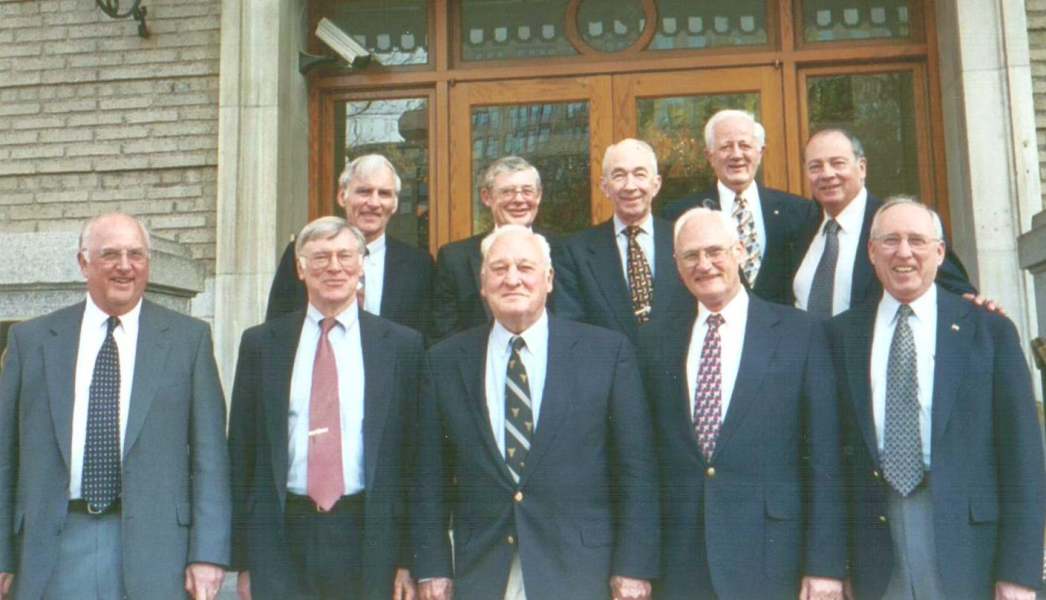
? - ? - Blahuta - Nidever - ? - McNair - ? -
Norm Smith - Strati - ? [c2003]
* * * * * * * * * * * * * * * * * * * * * *
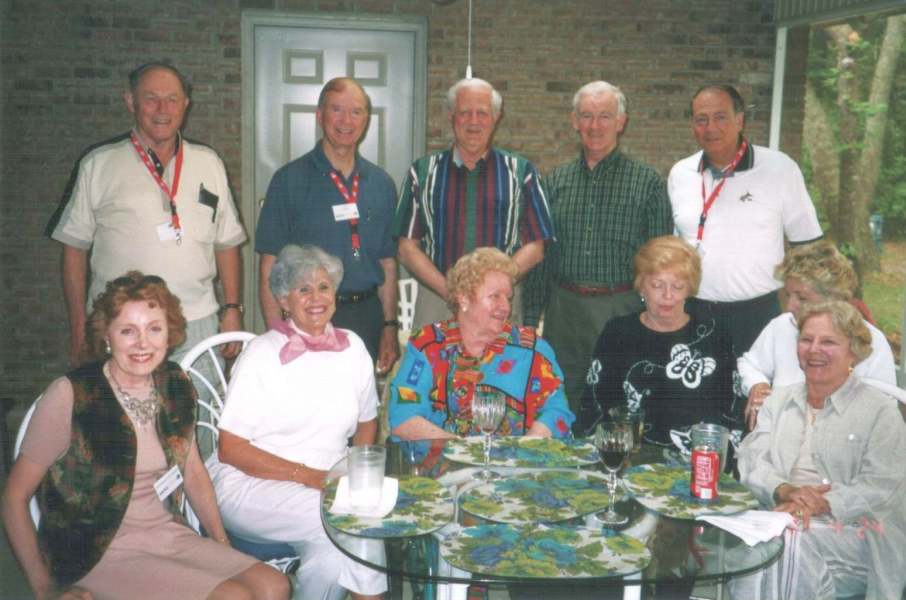
Dugan's - Nordlie - Marcia Cathey - Norm Smith -
Jo Ann McNair - Hinrichs' - Strati's [E-1 - c2003]
* * * * * * * * * * * * * * * * * * * * * *
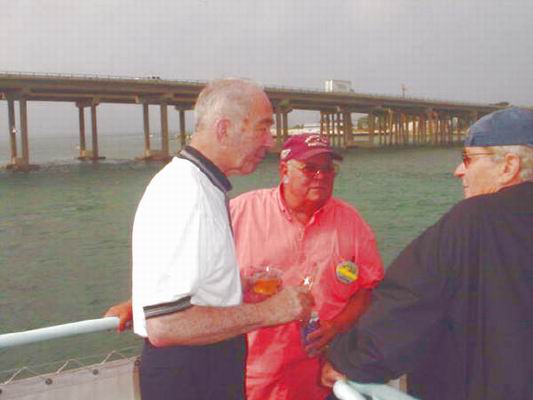
Carl McNair - Tommy West
[APR 2003 Florida Mini]
* * * * * * * * * * * * * * * * * * * * * *
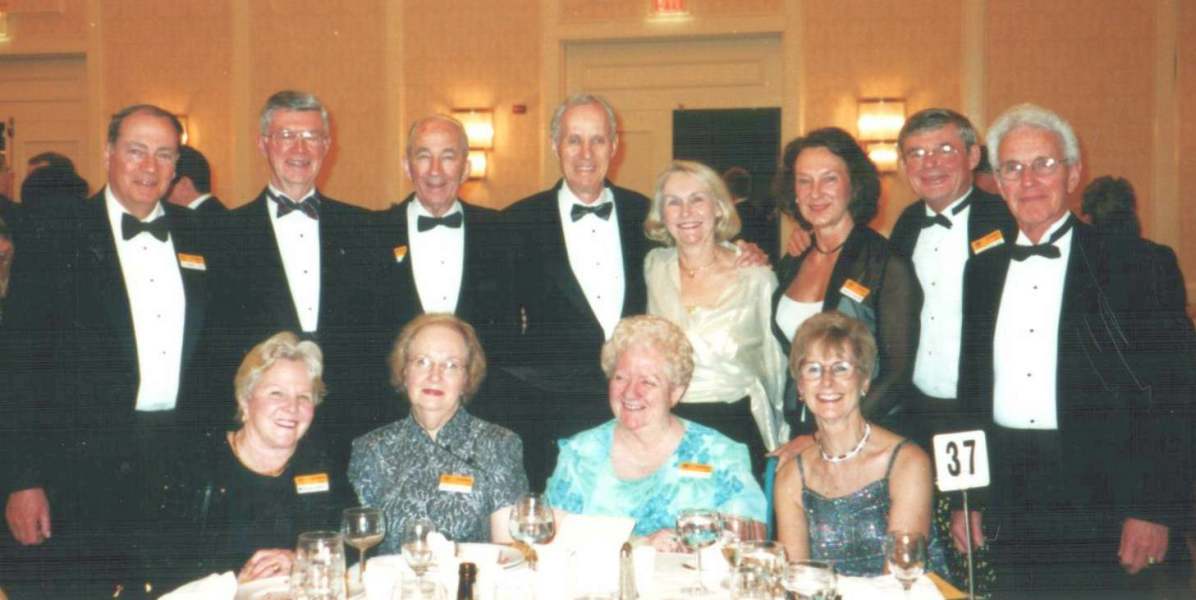
Strati's - Cutchin's - McNair's - Schepps' -
Nidever's - Baker's [c2002]
* * * * * * * * * * * * * * * * * * * * * *
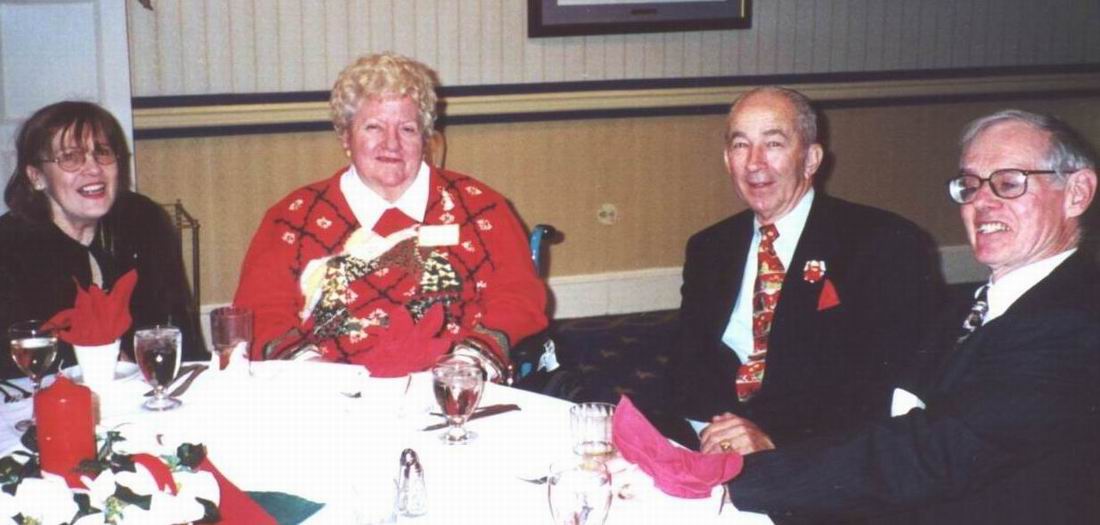
Singer's and McNair's
[DEC 2001]
* * * * * * * * * * * * * * * * * * * * * *

McNair's - Pirkey's - Joe Franklin -
Bergen [c2001]
* * * * * * * * * * * * * * * * * * * * * *
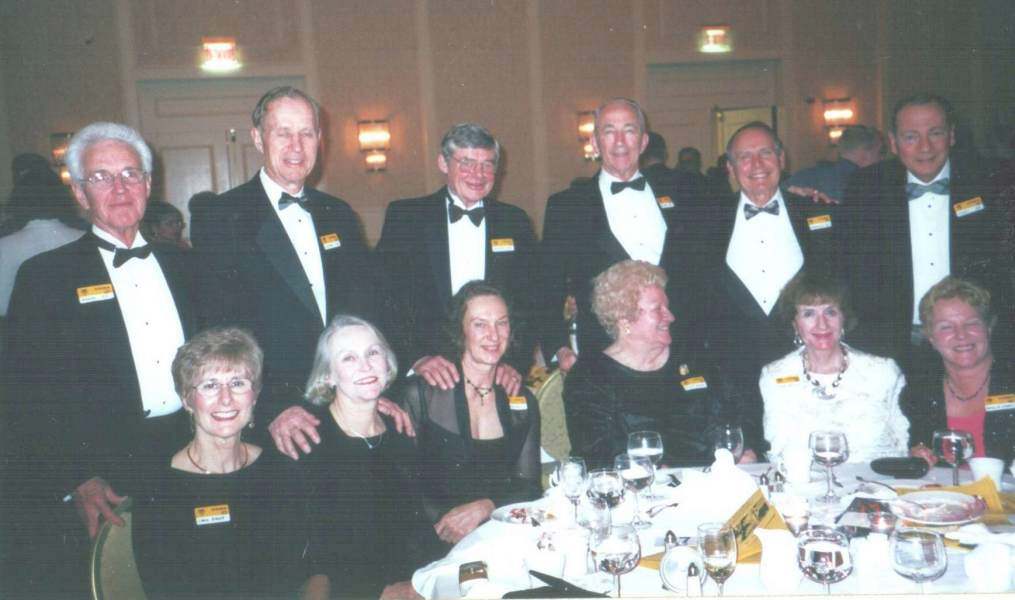
Baker's - Schepps' - Nidever's - McNair's -
Wargowsky's - Strati's [c2001]
* * * * * * * * * * * * * * * * * * * * * *
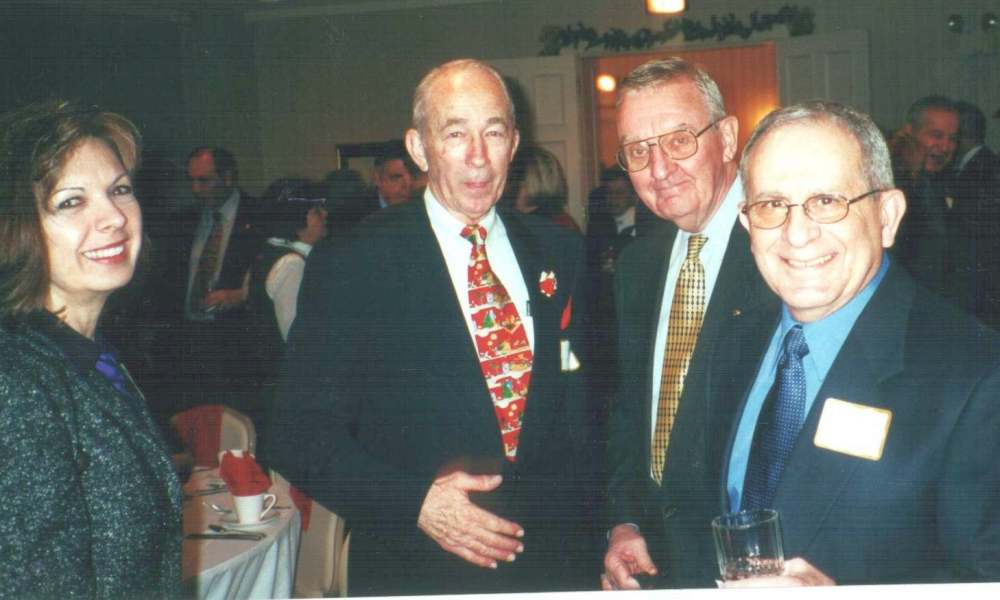
Vitori's - McNair - Roades
[c2001]
* * * * * * * * * * * * * * * * * * * * * *
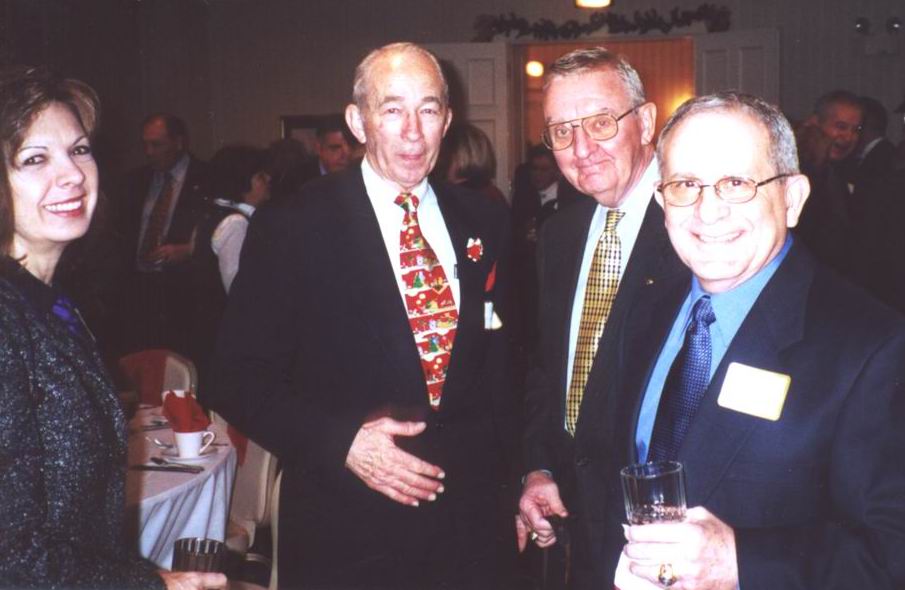
Starla Vitori - McNair - Roades - Vitori
[c2001]
* * * * * * * * * * * * * * * * * * * * * *
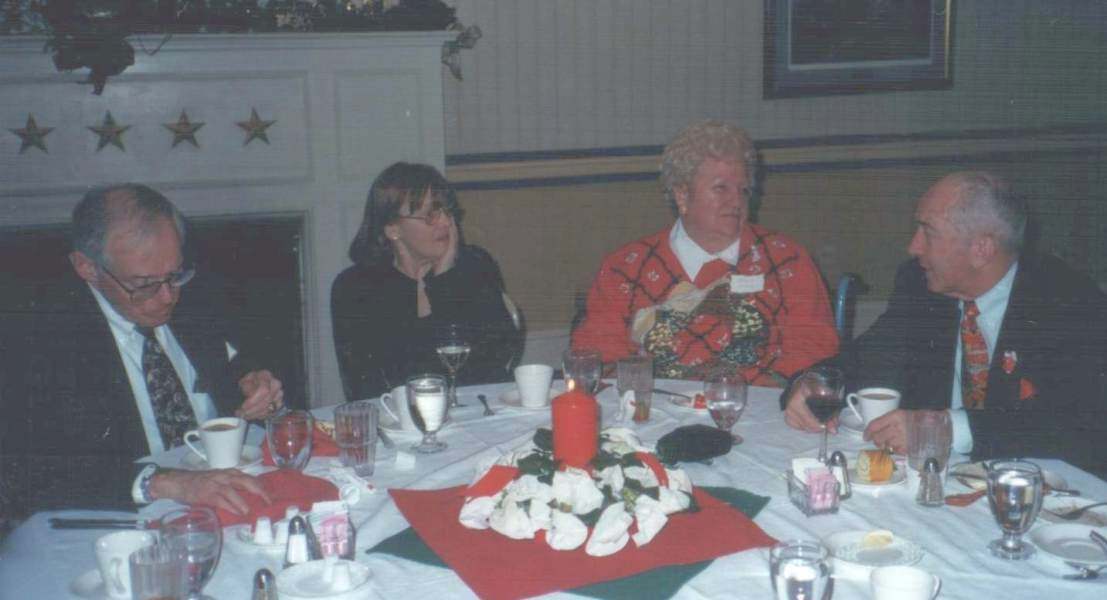
? and McNair's
[DC Holiday Lunch - cDEC 2000]
* * * * * * * * * * * * * * * * * * * * * *
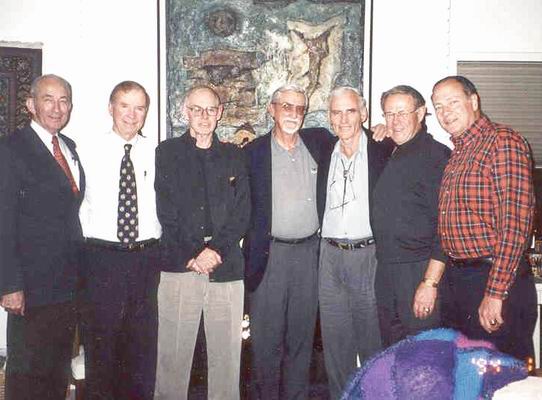
McNair - Dugan - Singer - Arthur - Blahuta -
Cathey - Strati [E-1: NOV 2000]
* * * * * * * * * * * * * * * * * * * * * *
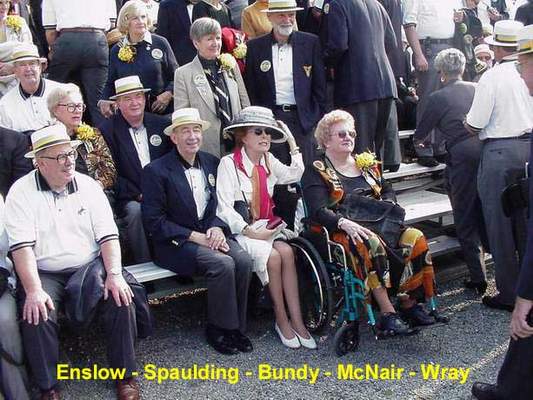
Enslow - Spaulding - Bundren - McNair - Wray
[45th Reunion - SEP 2000]
* * * * * * * * * * * * * * * * * * * * * *

Ludwig - Joe Franklin - McNair -
Newton - Karam [2000]
* * * * * * * * * * * * * * * * * * * * * *
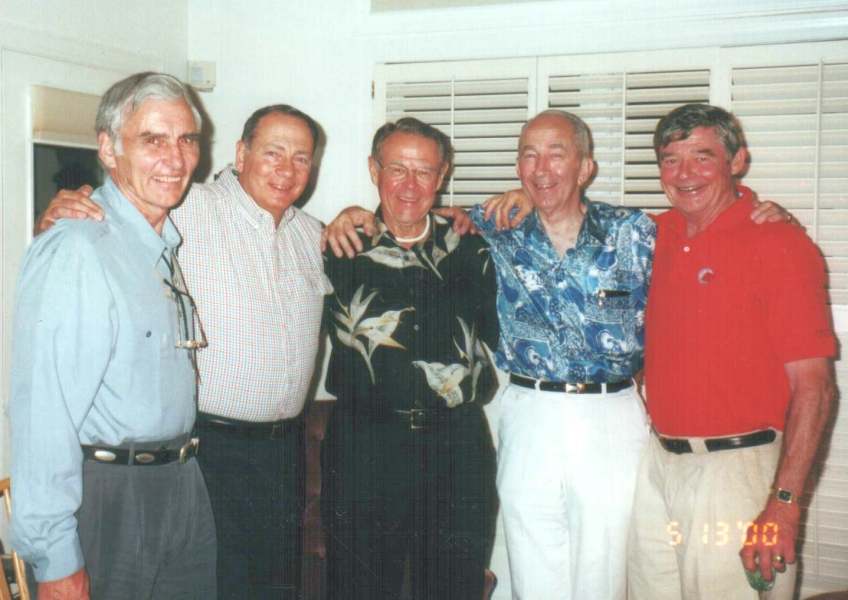
Blahuta - Strati - Cathey -
McNair - Nidever [c2000]
* * * * * * * * * * * * * * * * * * * * * *
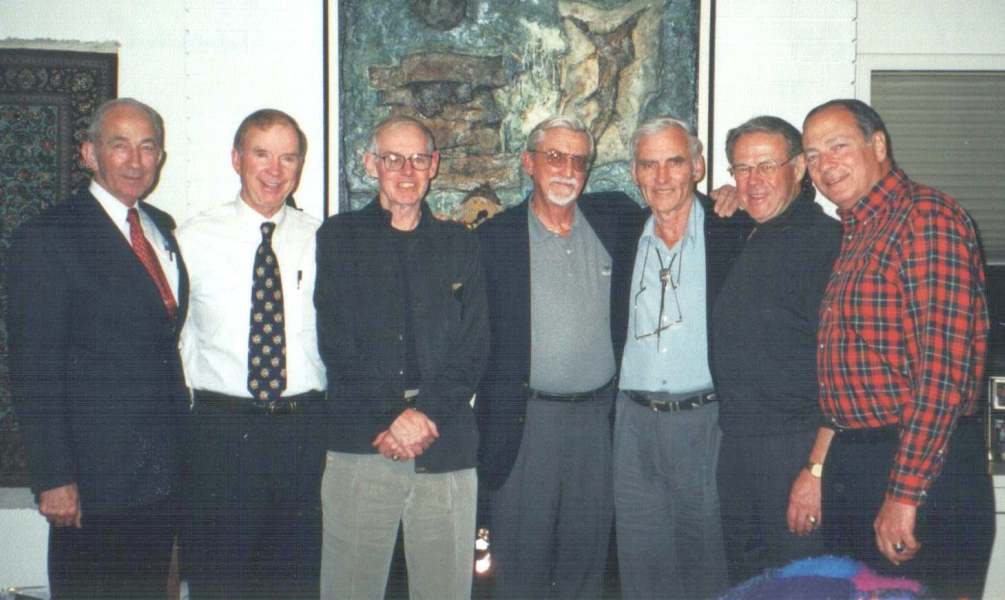
McNair - Dugan - Senger - Arthur -
Blahuta - Cathey - Strati [NOV 2000]
* * * * * * * * * * * * * * * * * * * * * *
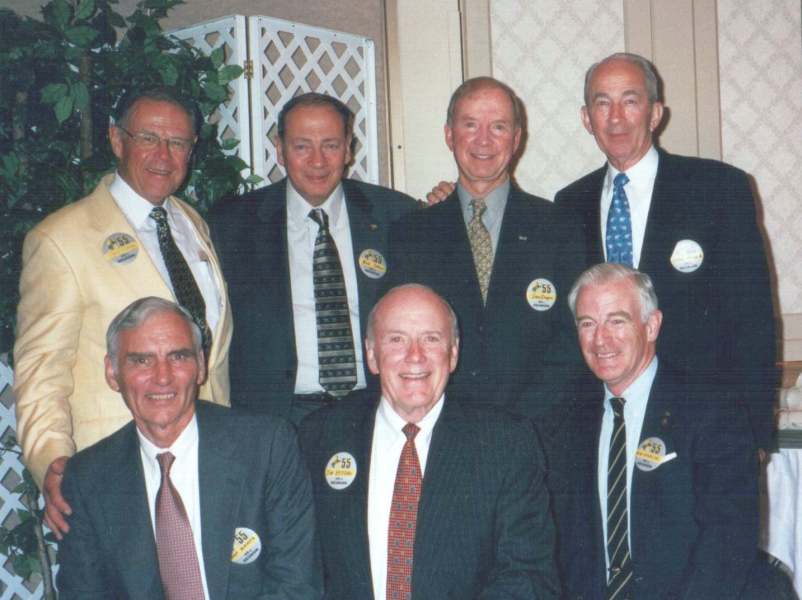
Cathey - Blahuta - Strati - Keegan -
Dugan - McNair - Hinrichs [c2000]
* * * * * * * * * * * * * * * * * * * * * *
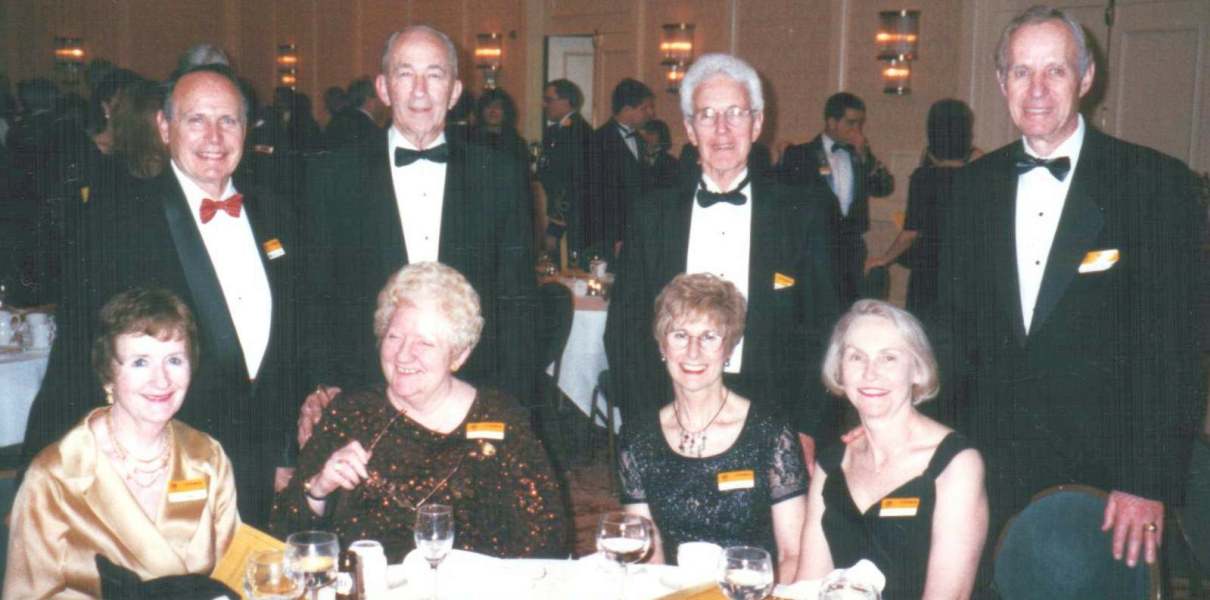
Wargowsky's - McNair's - Baker's - Schepps"
[c2000]
* * * * * * * * * * * * * * * * * * * * * *
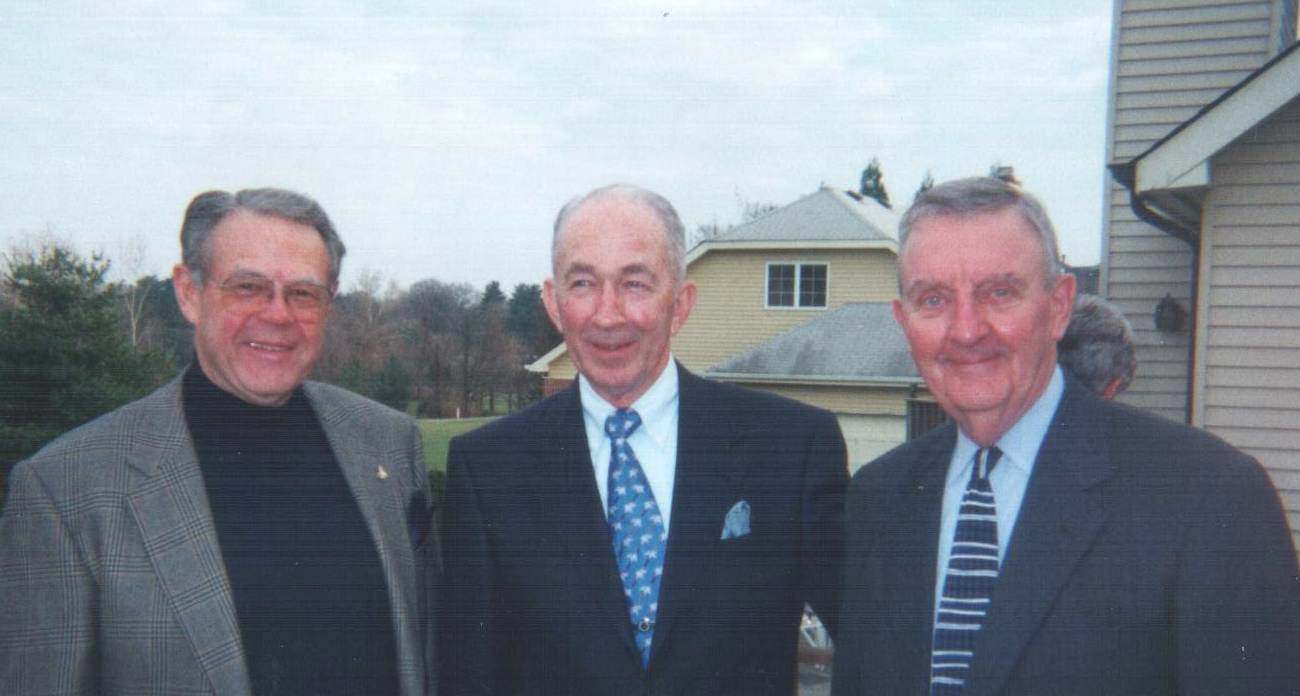
Cathey - McNair - Roades
[c1999]
* * * * * * * * * * * * * * * * * * * * * *
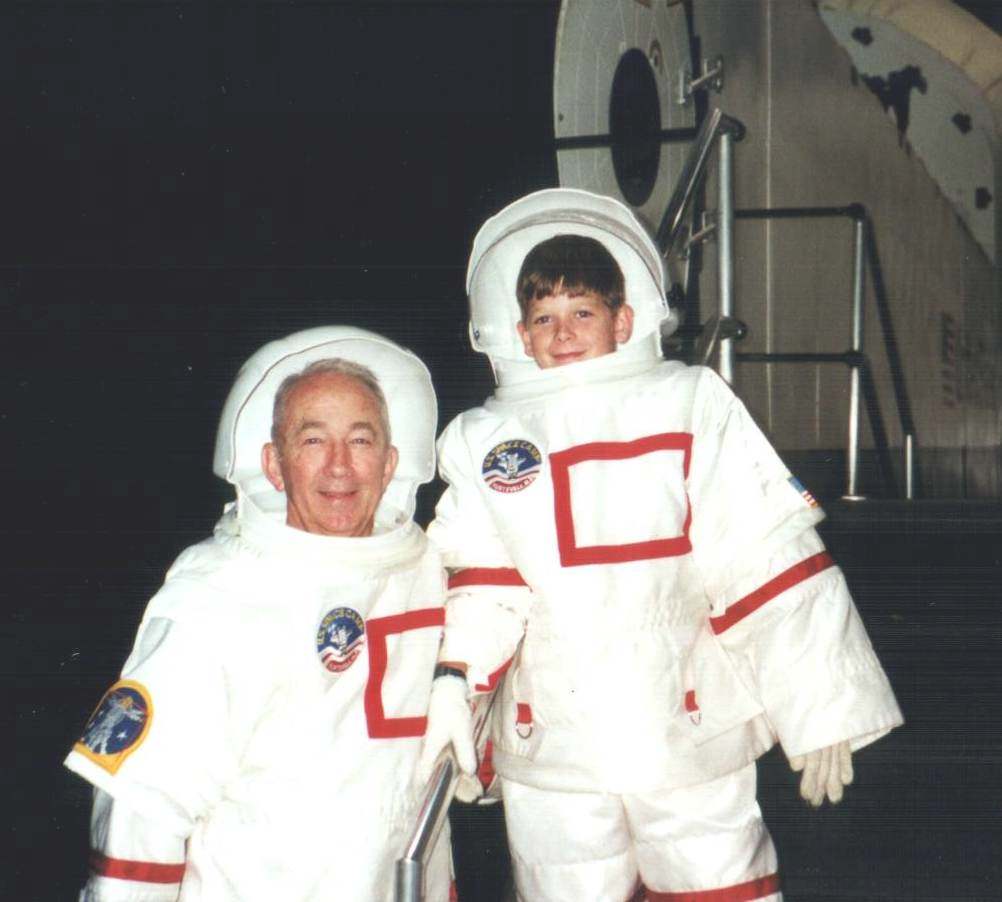
Carl McNair
[c1999]
* * * * * * * * * * * * * * * * * * * * * *
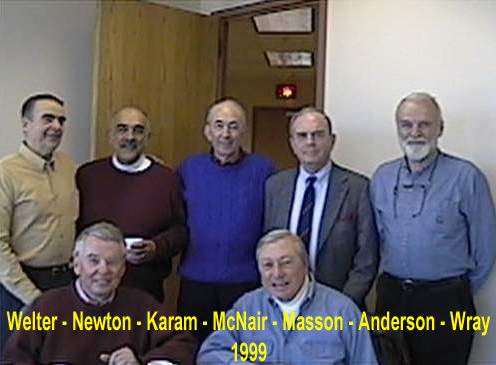
Welter - Newton - Karam - McNair -
Masson - Bill Anderson - Wray [1999]
* * * * * * * * * * * * * * * * * * * * * *
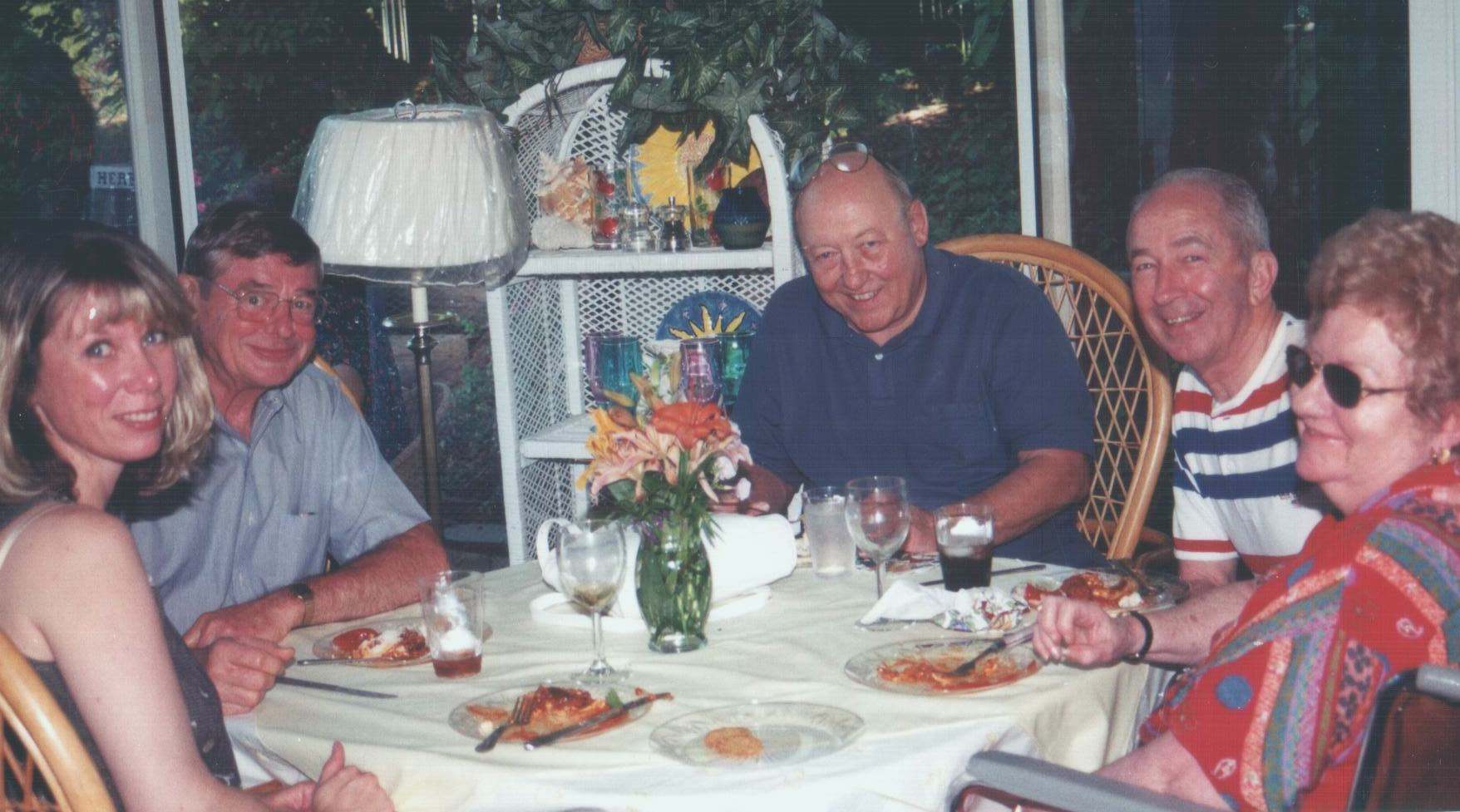
Katherine and Ed Nidever - Russell - McNair's
[c1999]
* * * * * * * * * * * * * * * * * * * * * *
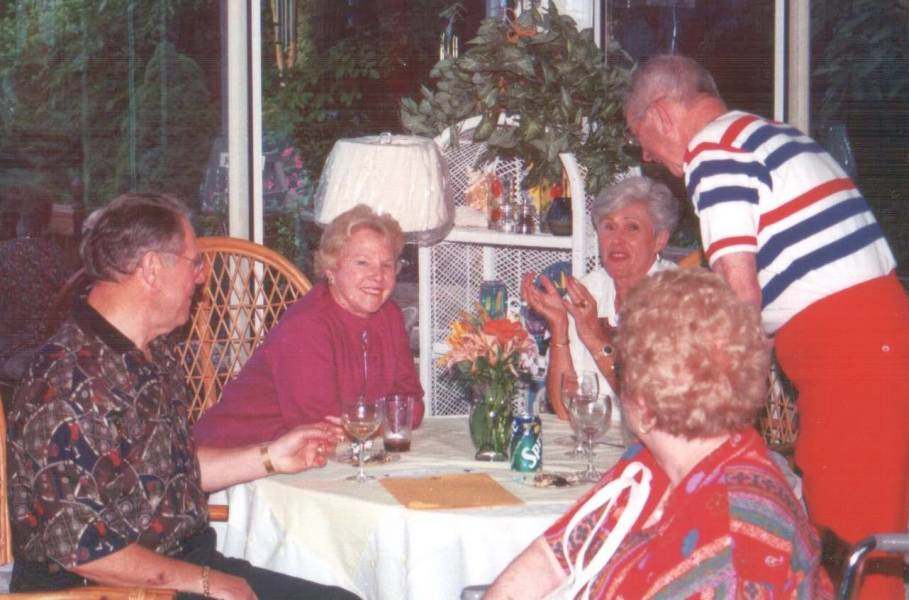
Dinwiddie - Pat Strati - Marcia Cathey -
McNair's [c1999]
* * * * * * * * * * * * * * * * * * * * * *
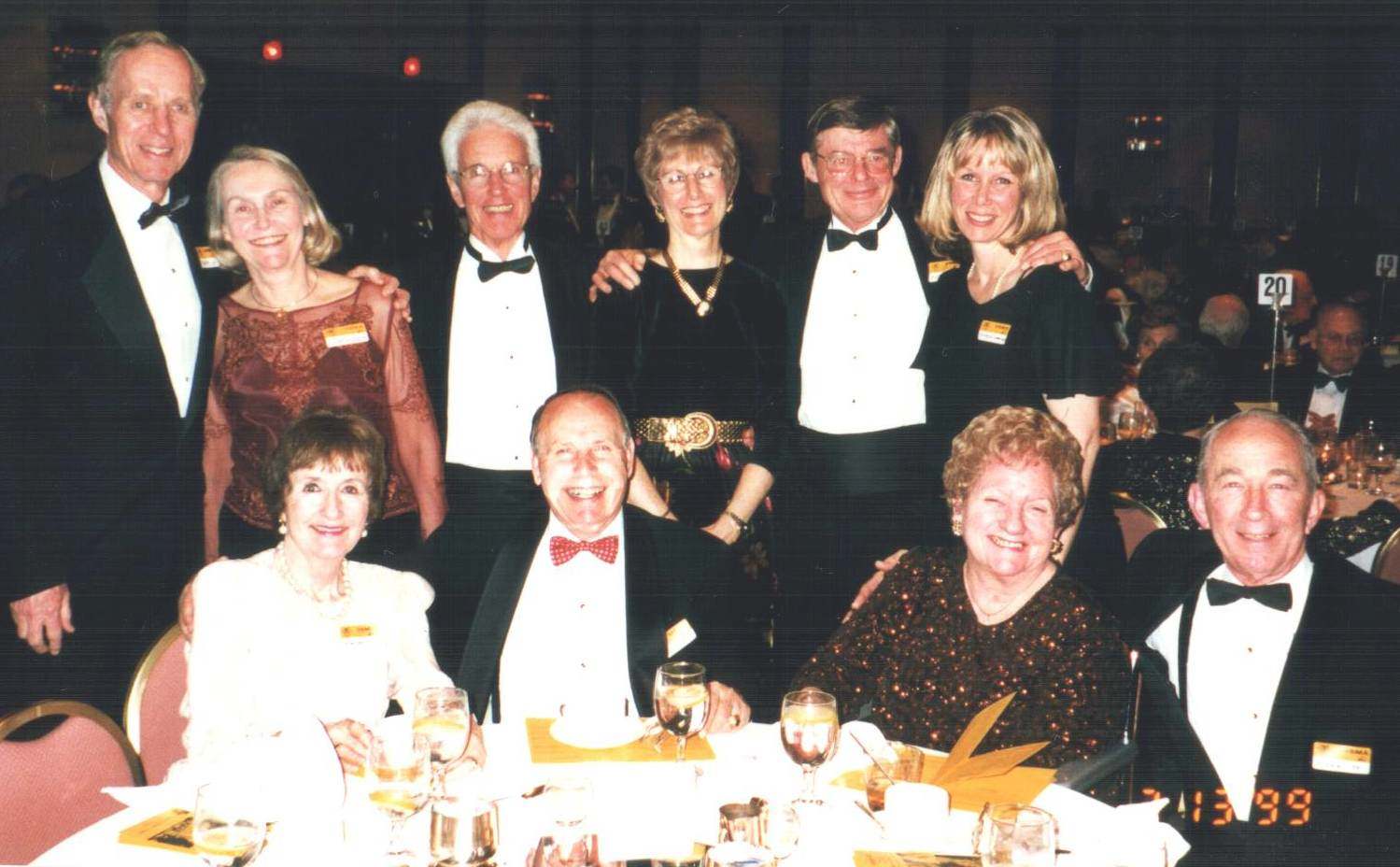
Schepps' - Wargowsky's - Baker's - Katherine
and Ed Nidever - McNair's [MAR 1999]
* * * * * * * * * * * * * * * * * * * * * *
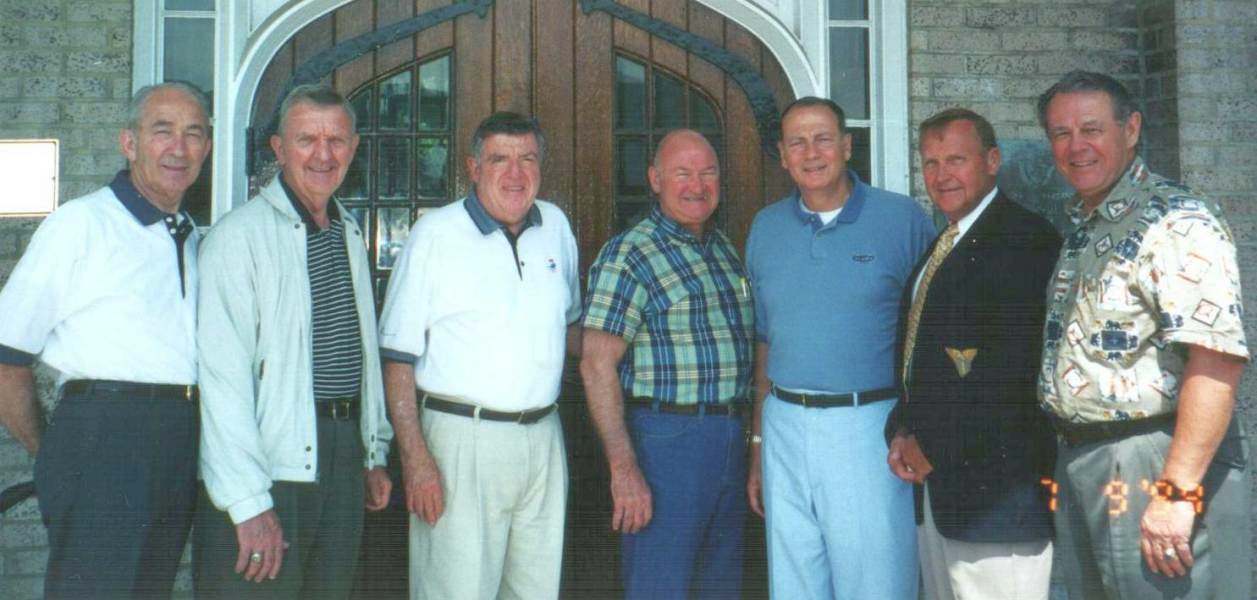
McNair - Roades - Hilbert - Trobaugh -
Strati - Ed Anderson - Calley [c1998]
* * * * * * * * * * * * * * * * * * * * * *
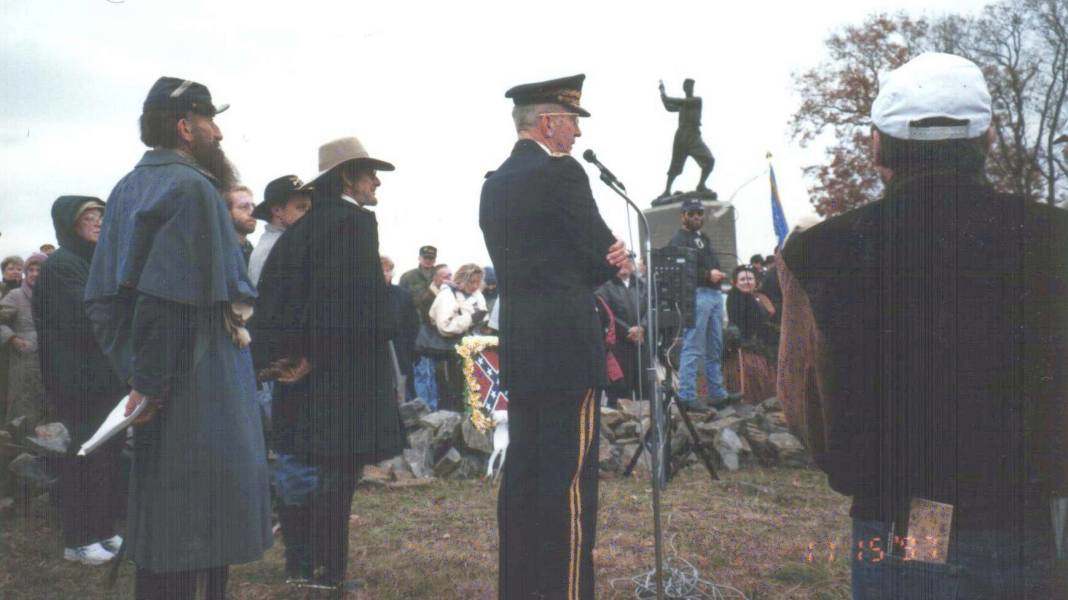
Carl McNair
[NOV 1997]
* * * * * * * * * * * * * * * * * * * * * *
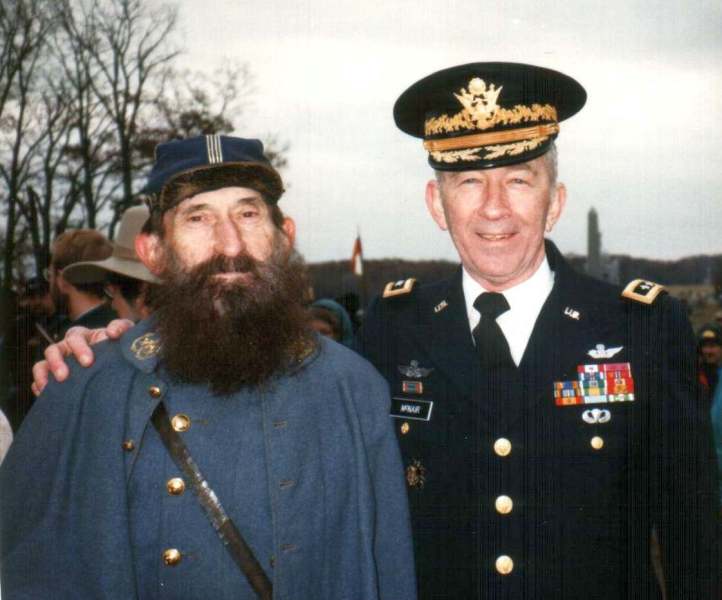
? and Carl McNair
[NOV 1997]
* * * * * * * * * * * * * * * * * * * * * *
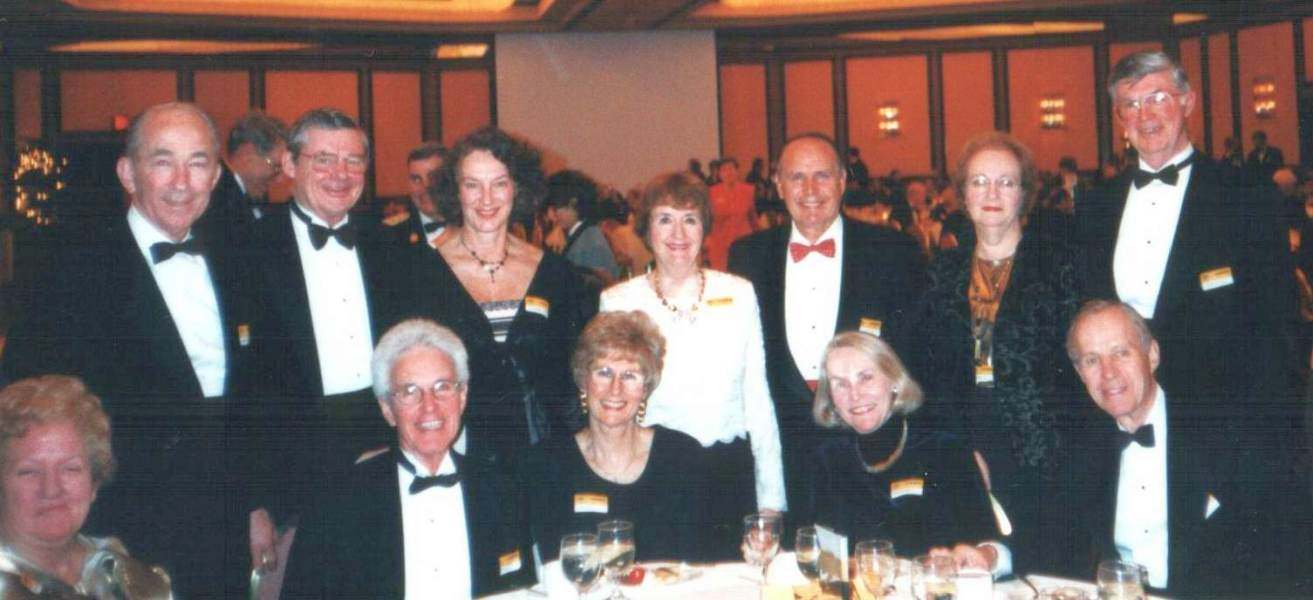
McNair's - Nidever's - Baker's - Wargowsky's -
Schepps' - Cutchin's [c1997]
* * * * * * * * * * * * * * * * * * * * * *
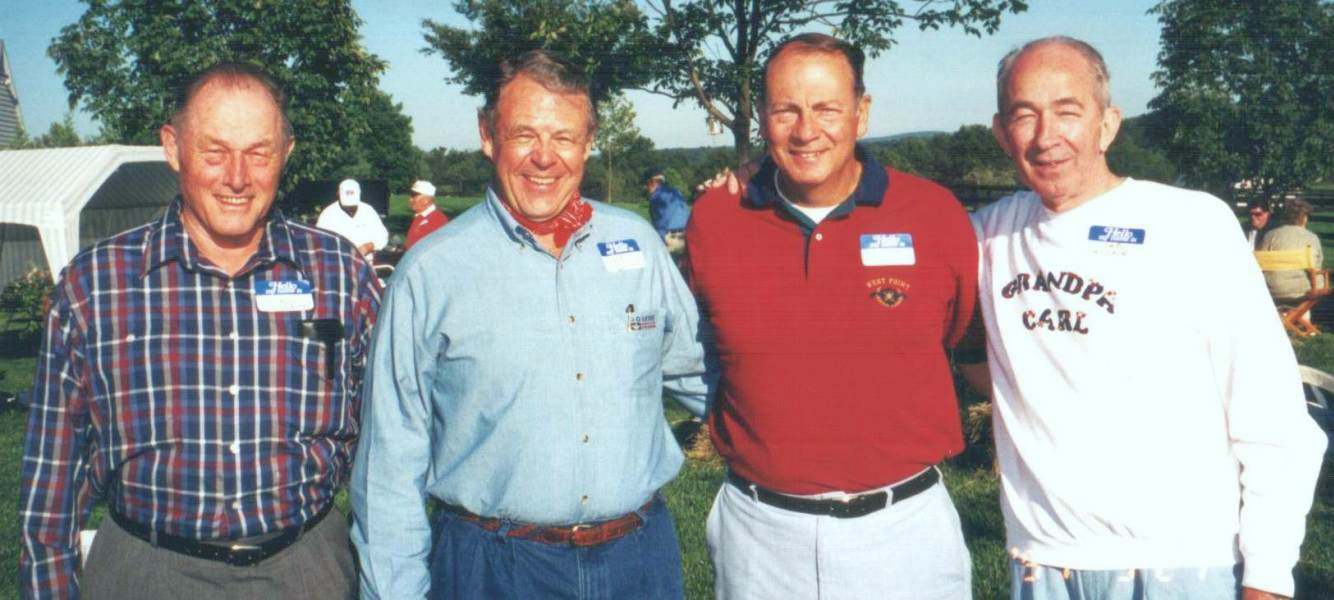
Nordlie - Cathey - Strati - McNair
[c1997]
* * * * * * * * * * * * * * * * * * * * * *
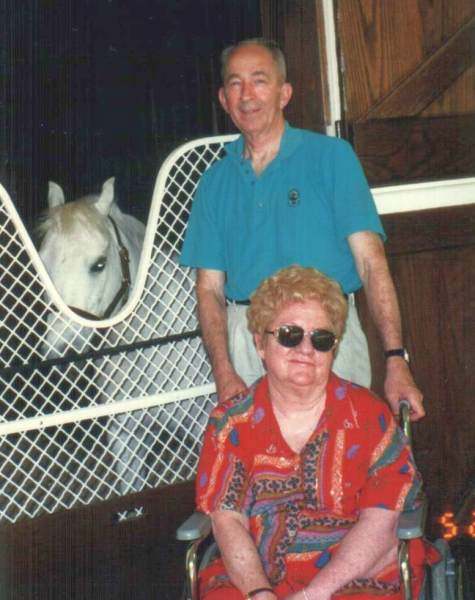
Carl and Jo Ann McNair
[c1997]
* * * * * * * * * * * * * * * * * * * * * *
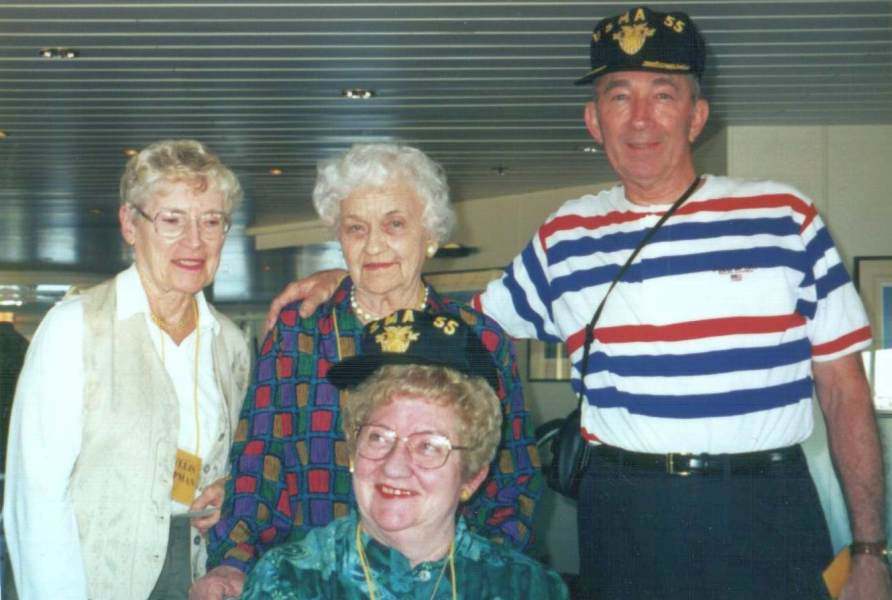
? - Phyllis Chapman - McNair's
[c1997]
* * * * * * * * * * * * * * * * * * * * * *
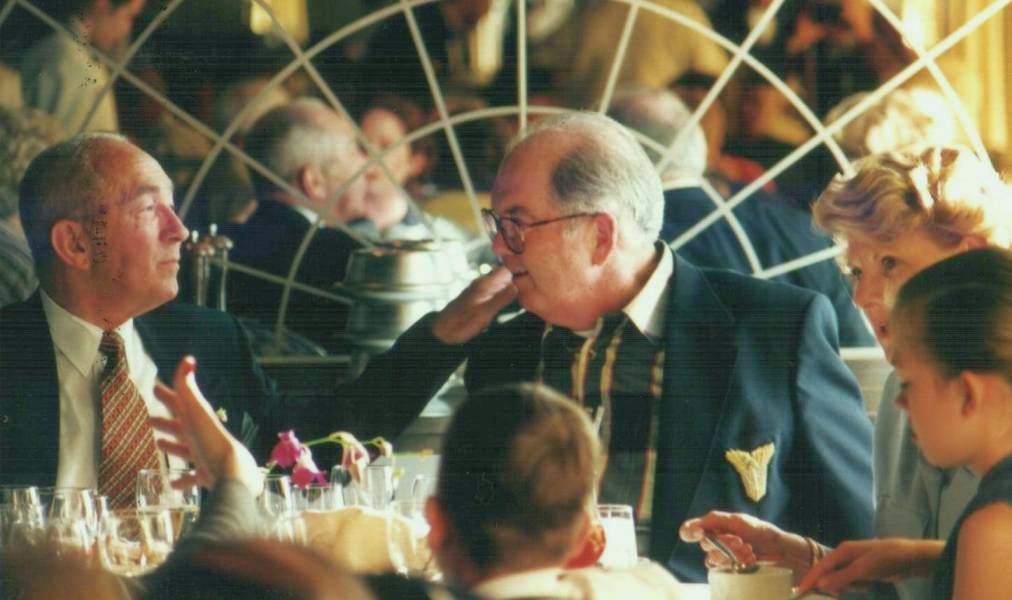
Carl McNair and Enslow's
[c1997]
* * * * * * * * * * * * * * * * * * * * * *
Jo Ann McNair and Linda Newton
[c1997]
* * * * * * * * * * * * * * * * * * * * * *
Bob Johnson - McNair's - Roades
[c1997]
* * * * * * * * * * * * * * * * * * * * * *
McNair - Vitty - Roades"
[c1997]
* * * * * * * * * * * * * * * * * * * * * *
Ruth Sloan - Carla Hilbert - Marcia Cathey - Vitty's -
Roades' - McNair's - Lo Dienst [c1997]
* * * * * * * * * * * * * * * * * * * * * *
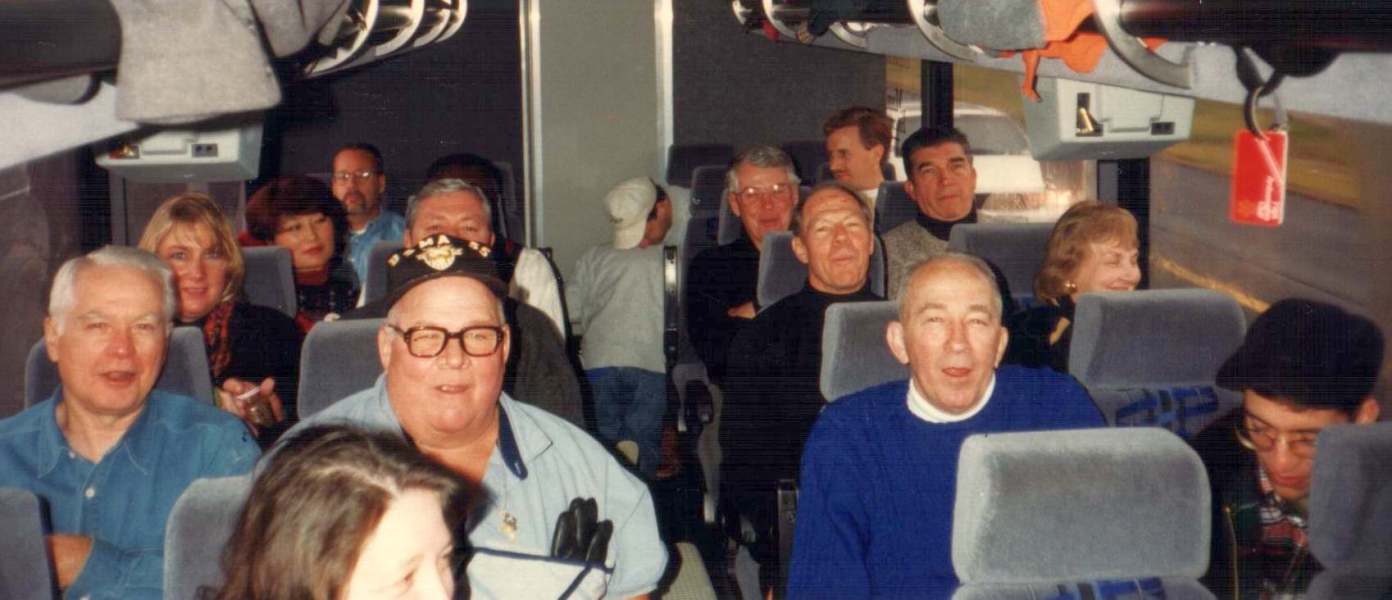
West - Carpenter - McNair
[1997]
* * * * * * * * * * * * * * * * * * * * * *
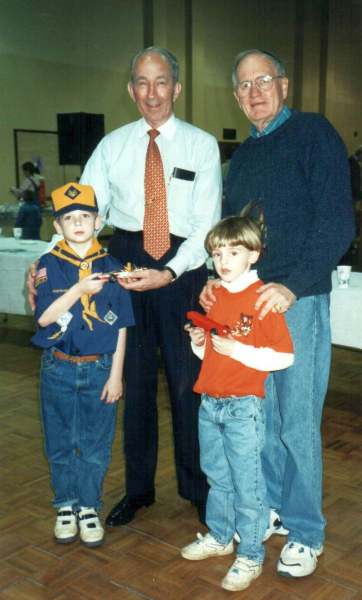
Carl McNair and Jack Jeter
[c1997]
* * * * * * * * * * * * * * * * * * * * * *
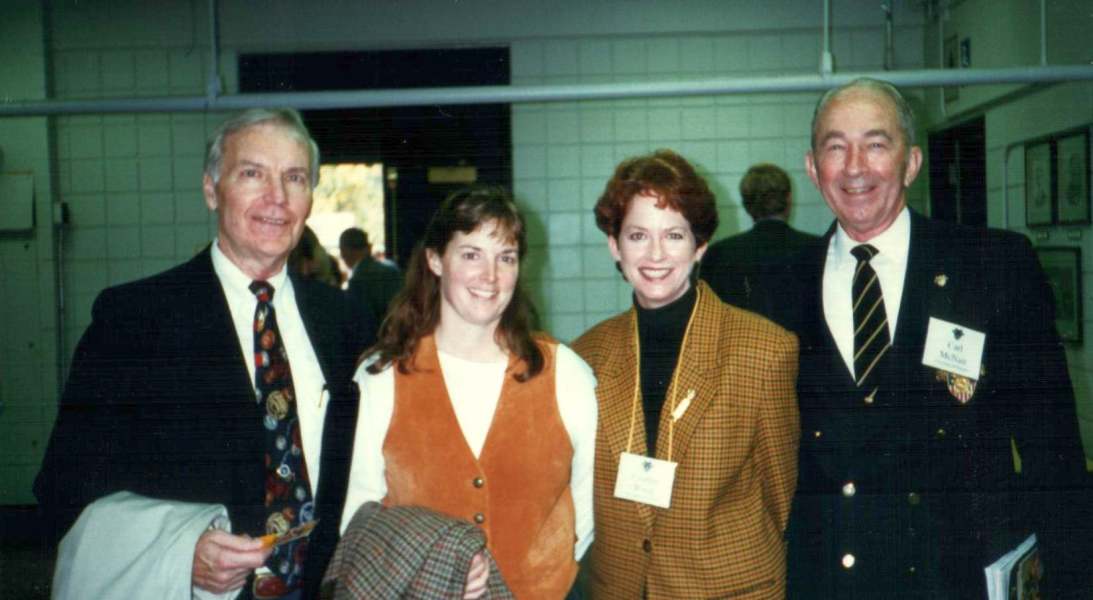
? and Carl McNair
[1995]
* * * * * * * * * * * * * * * * * * * * * *
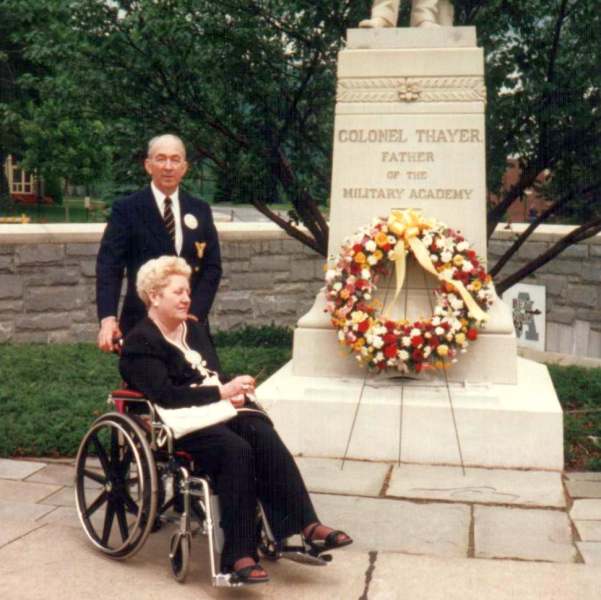
Carl and Jo Ann McNair
[1995]
* * * * * * * * * * * * * * * * * * * * * *
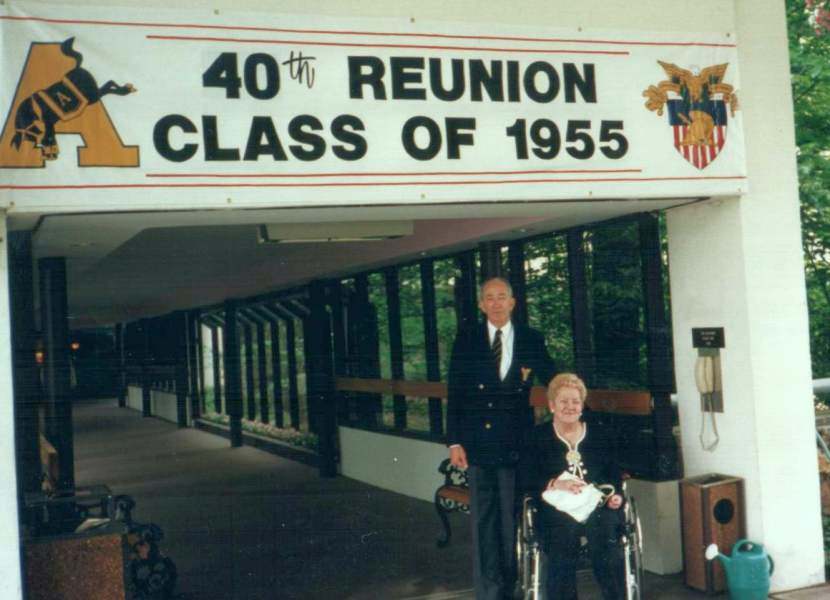
Carl and Jo Ann McNair
[1995]
* * * * * * * * * * * * * * * * * * * * * *
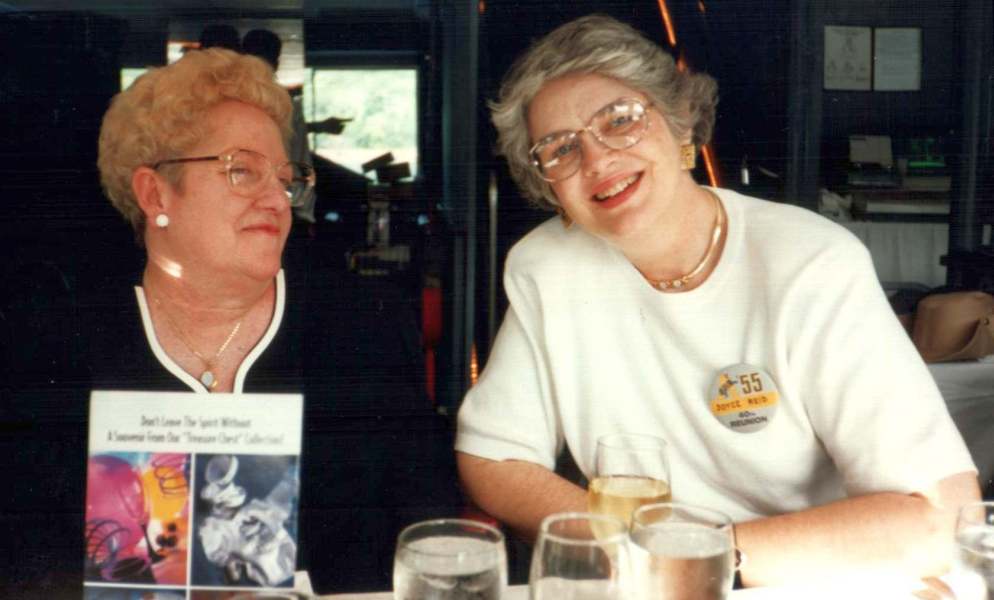
Jo Ann McNair and ?
[1995]
* * * * * * * * * * * * * * * * * * * * * *
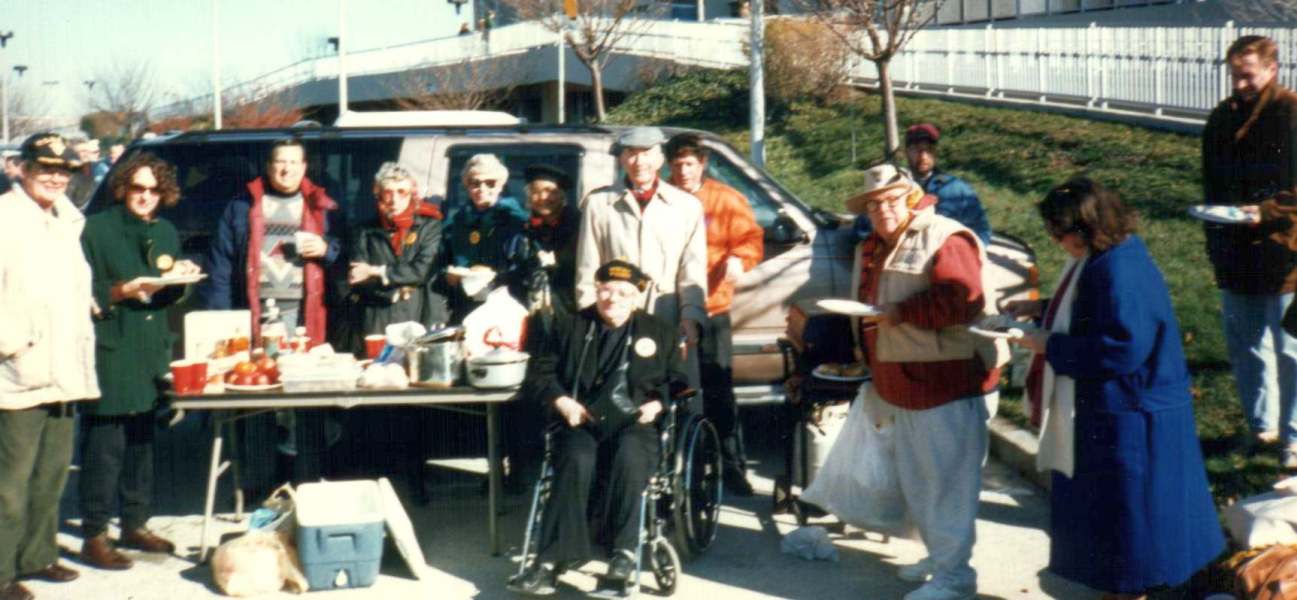
McNair's
[1995]
* * * * * * * * * * * * * * * * * * * * * *
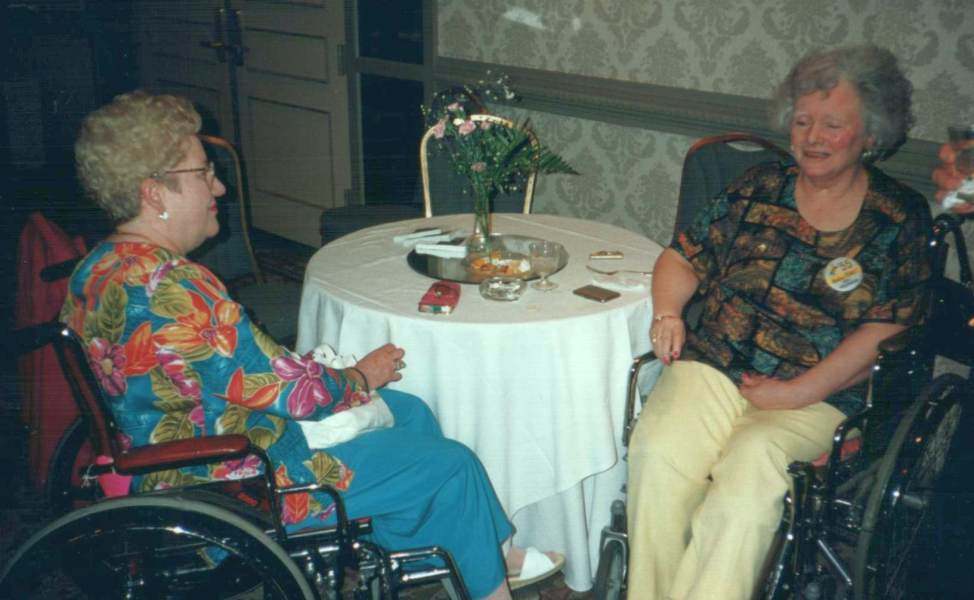
Jo Ann McNair and Bobbie Parks
[c1995]
* * * * * * * * * * * * * * * * * * * * * *
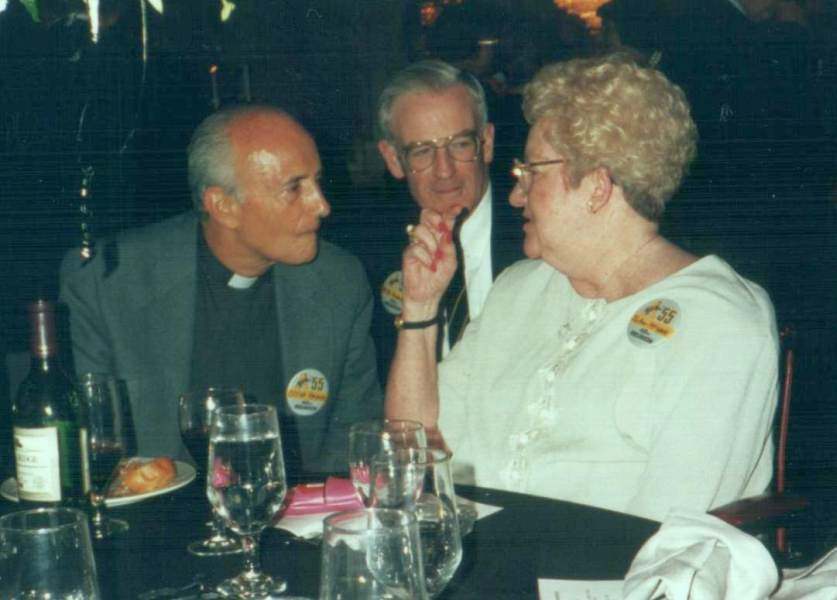
Father Oscar - ? - Jo Ann McNair
[1995]
* * * * * * * * * * * * * * * * * * * * * *
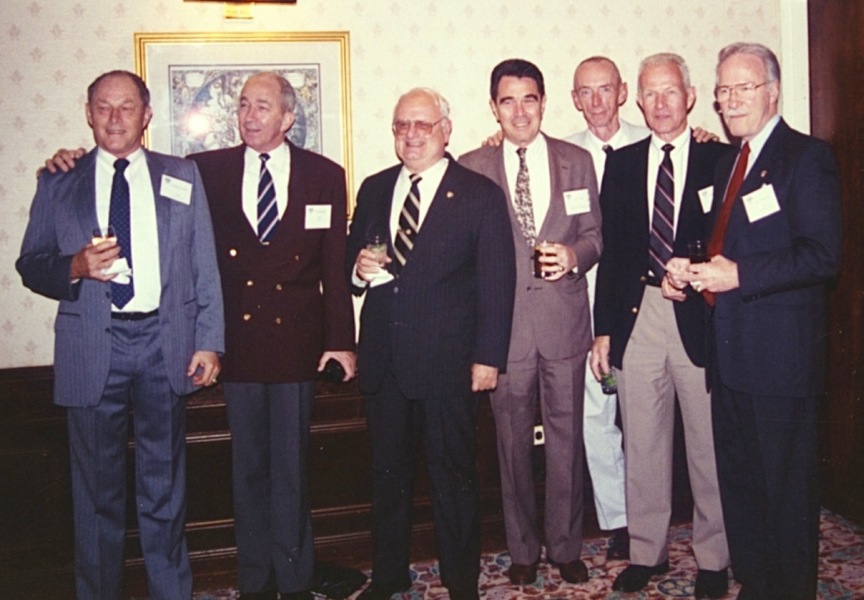
Rollie Nordlie - Carl McNair - ? - Jack Viney - Bob Johnson - Dave Maurer - John Hotchkiss ['55 West Point Society President's Conference - West Point - 1994] |
* * * * * * * * * * * * * * * * * * * * * *
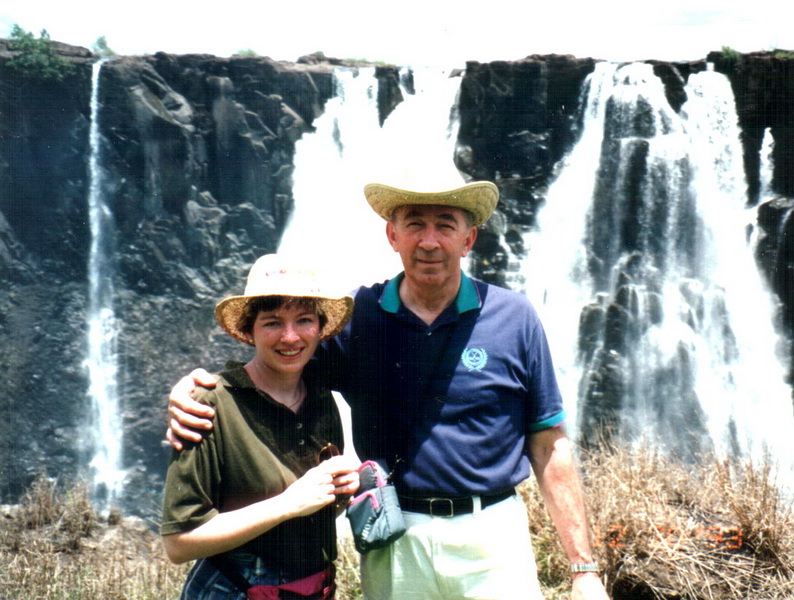
Courtney and Carl McNair
[Victoria Falls - c1994]
* * * * * * * * * * * * * * * * * * * * * *
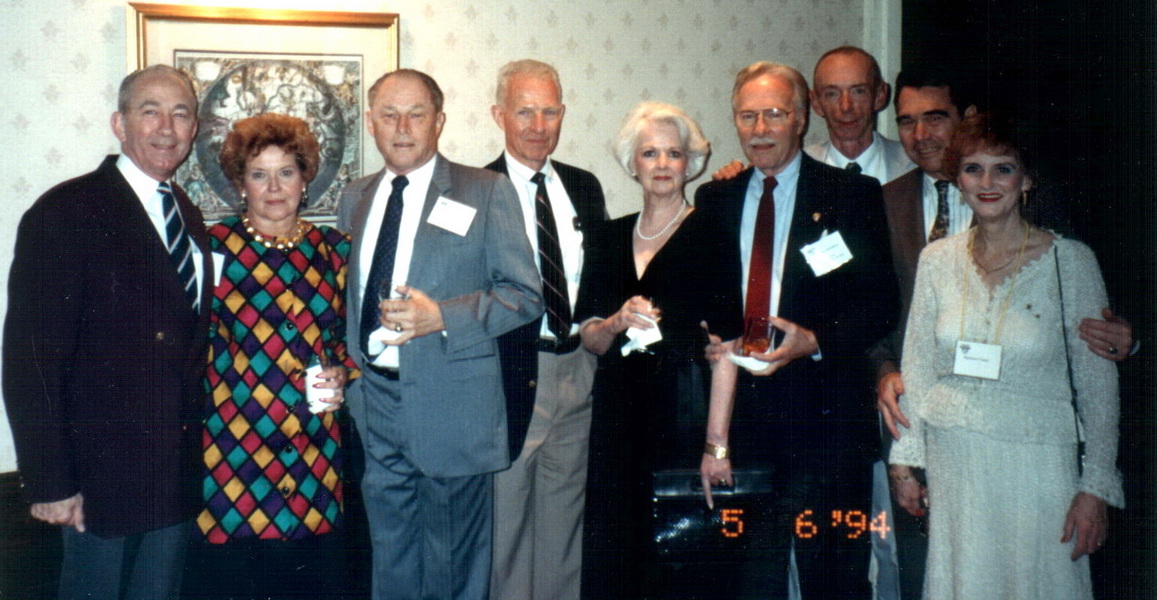
McNair - Jill Wiegand - Nordlie - Maurer - Hotchkiss' -
Bob Johnson - Viney's [MAY 1994]
* * * * * * * * * * * * * * * * * * * * * *
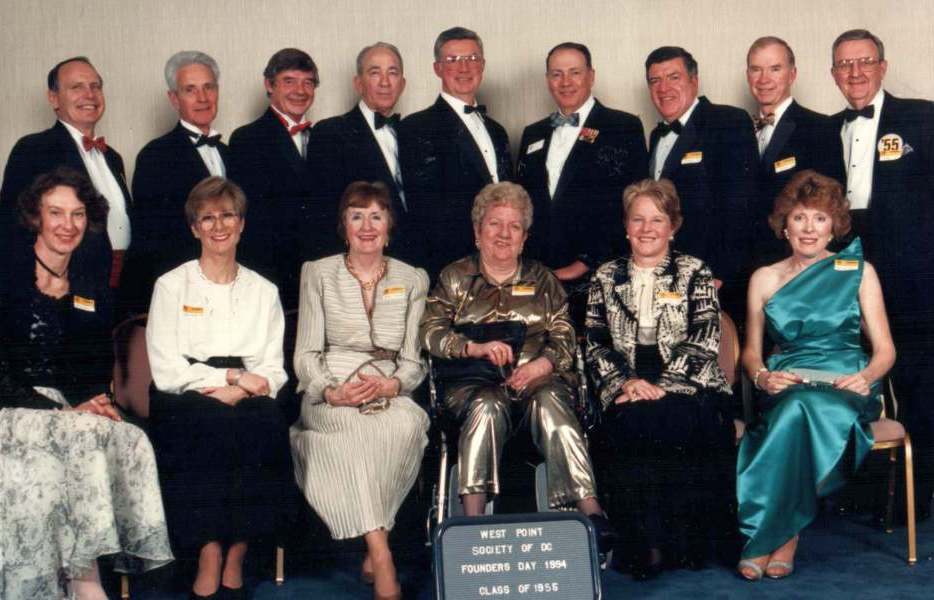
Wargowsky's - Baker's - Nidever - McNair's - Cutchin's -
Strati's - Hilbert - Dugan's - Roades [DC FD - 1994]
* * * * * * * * * * * * * * * * * * * * * *
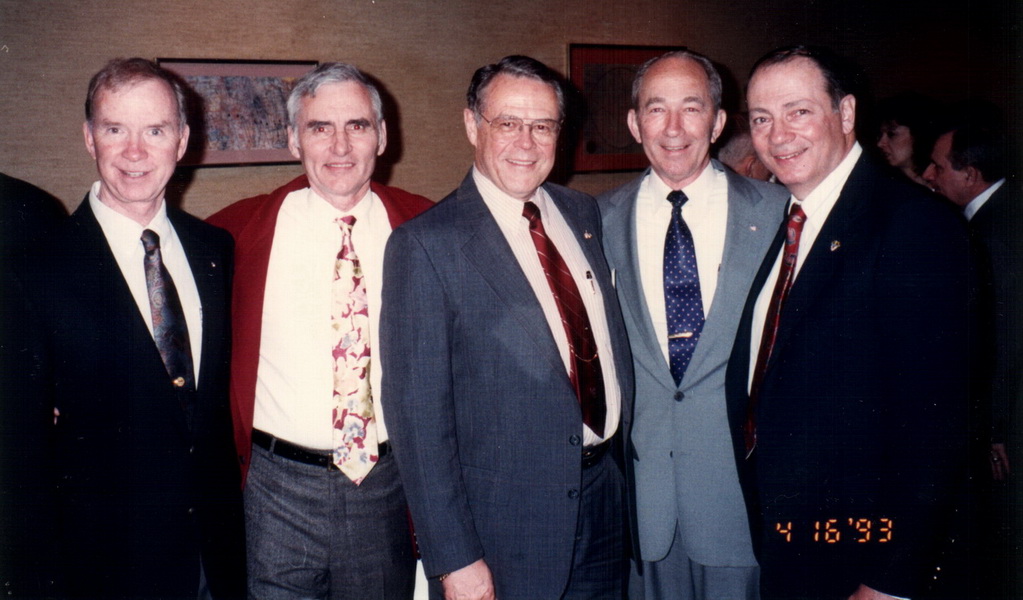
Dugan - Blahuta - Cathey - McNair - Strati
[APR 1993]
* * * * * * * * * * * * * * * * * * * * * *
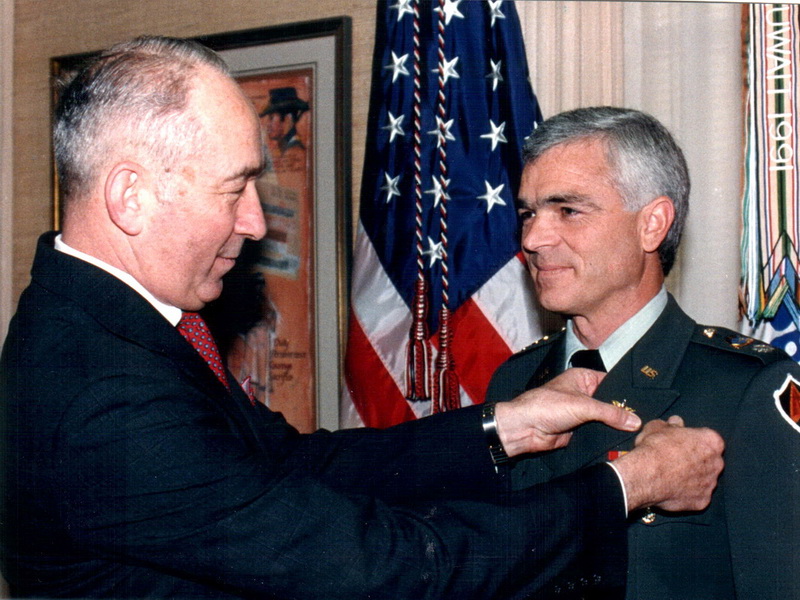
Carl McNair and ?
[c1993]
* * * * * * * * * * * * * * * * * * * * * *
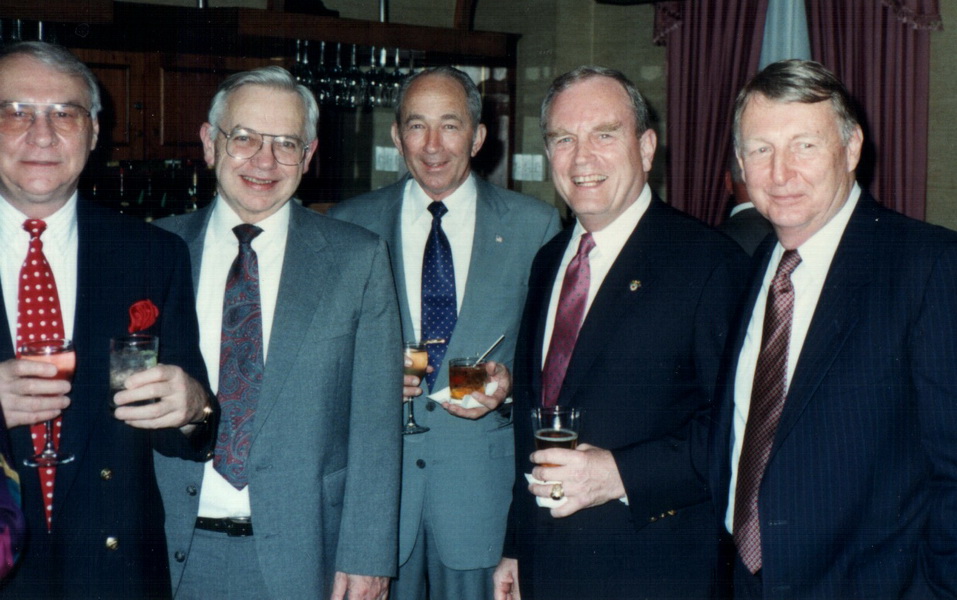
Giddings - Devereaux - McNair -
Bill Anderson - Wilson [c1993]
* * * * * * * * * * * * * * * * * * * * * *
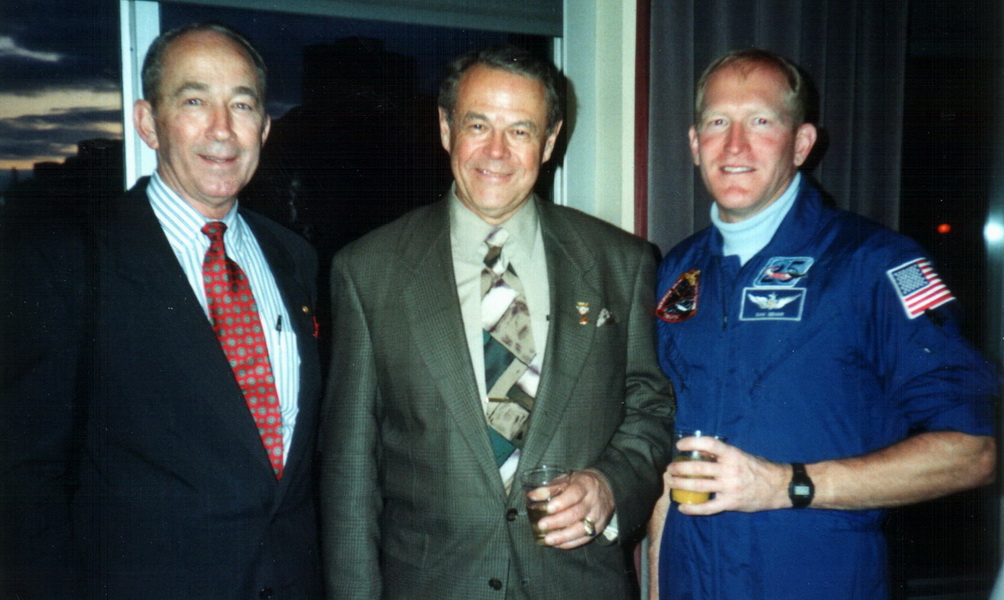
Carl McNair - Carl Cathey - Sam Gemar '79
[c1992]
* * * * * * * * * * * * * * * * * * * * * *
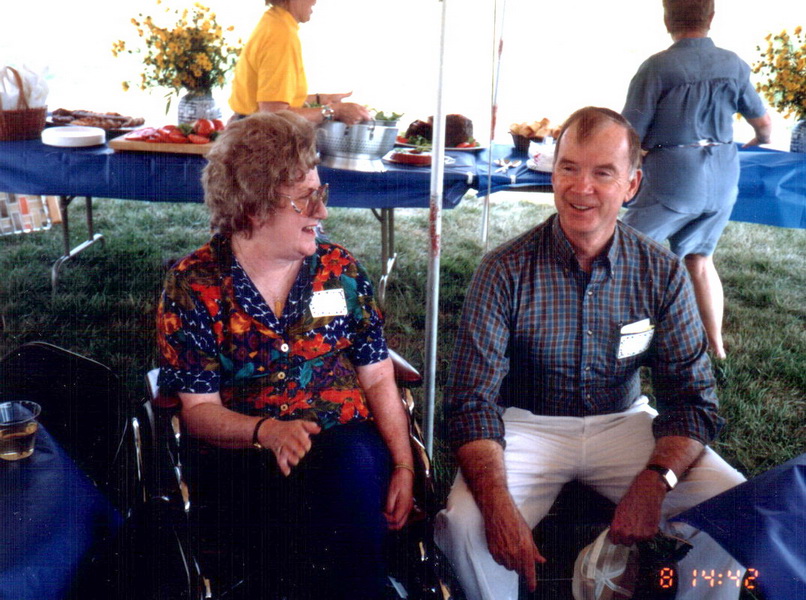
Jo Ann McNair and Dan Dugan
[c1992]
* * * * * * * * * * * * * * * * * * * * * *
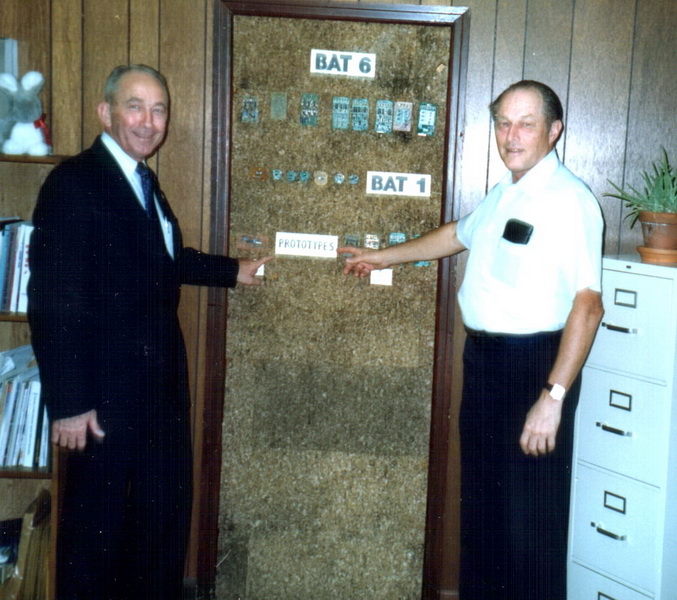
Carl McNair and Rollie Nordlie
[OCT 1991]
* * * * * * * * * * * * * * * * * * * * * *
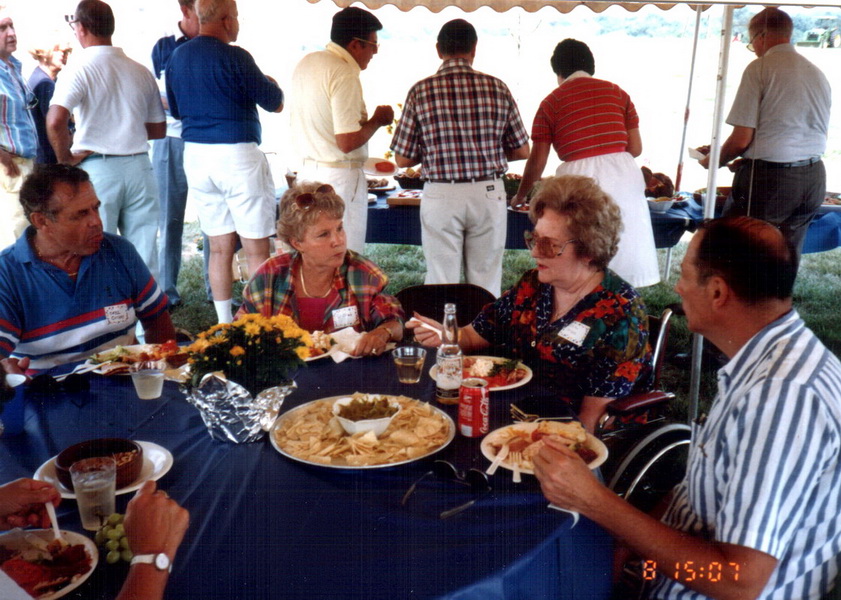
Carl Cathey - Strati's - Jo Ann McNair
[SEP 1991]
* * * * * * * * * * * * * * * * * * * * * *
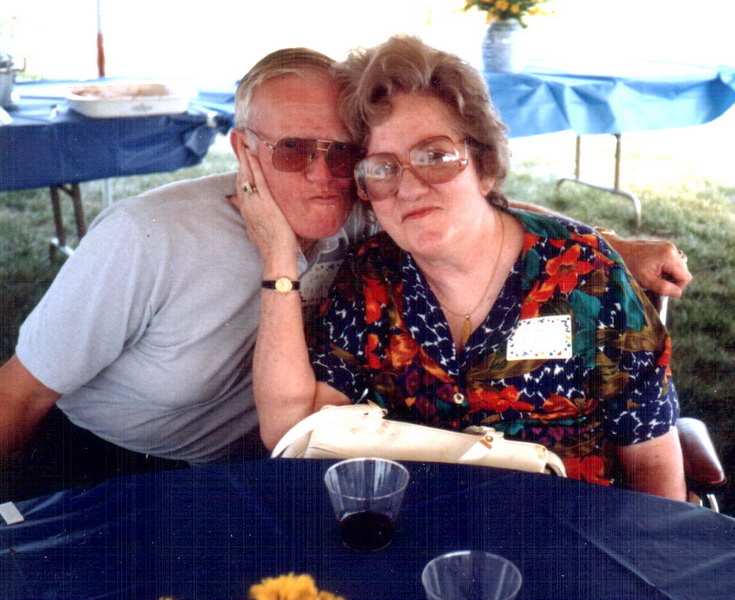
Dan Malone and Jo Ann McNair
[SEP 1991]
* * * * * * * * * * * * * * * * * * * * * *
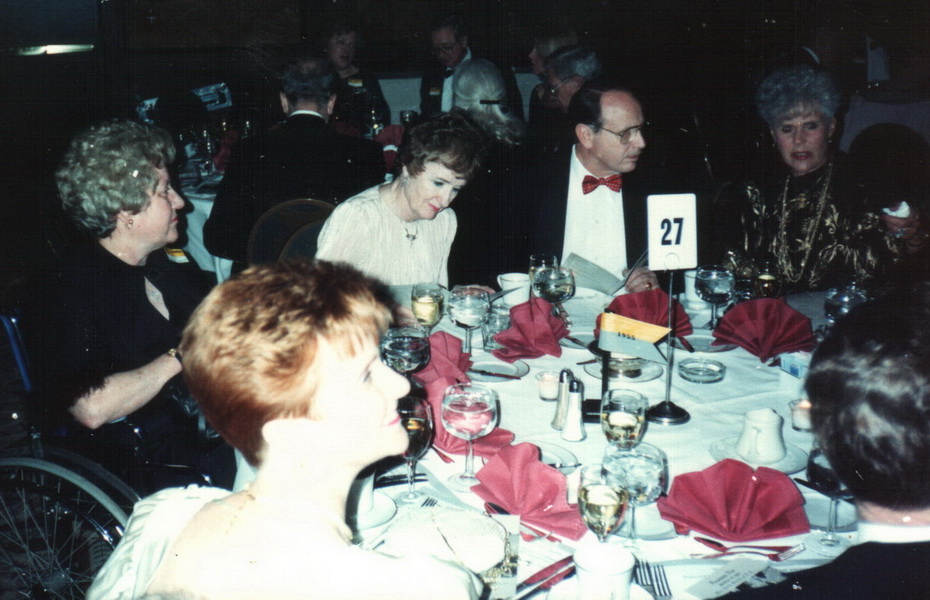
Jo Ann McNair - Wargowsky's - Marcia Cathey
[FDD MAR 1991]
* * * * * * * * * * * * * * * * * * * * * *
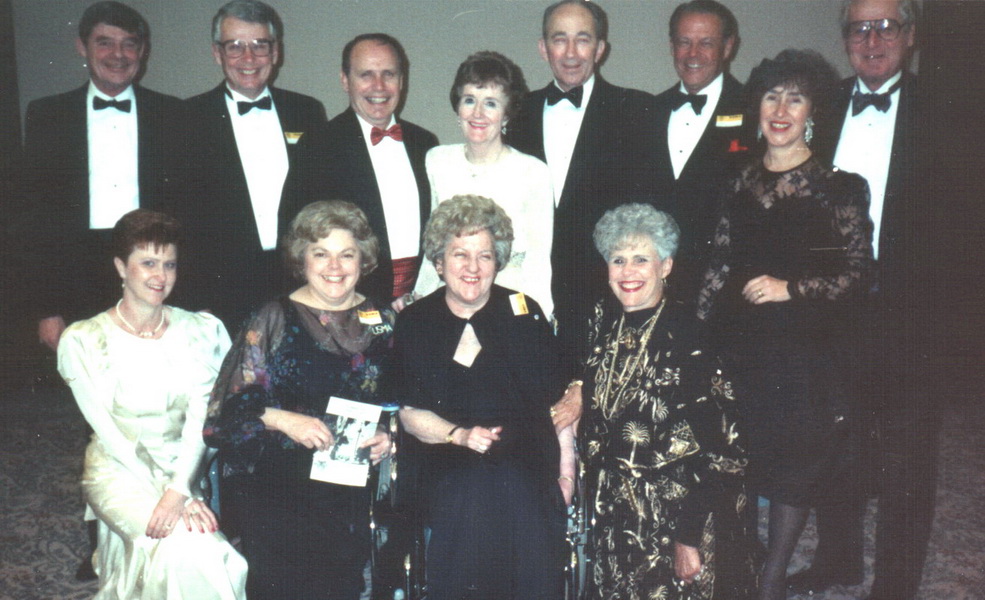
Nidever - Newton's - Wargowsky's - McNair's -
Cathey's - Goldstein's [FDD MAR 1991]
* * * * * * * * * * * * * * * * * * * * * *
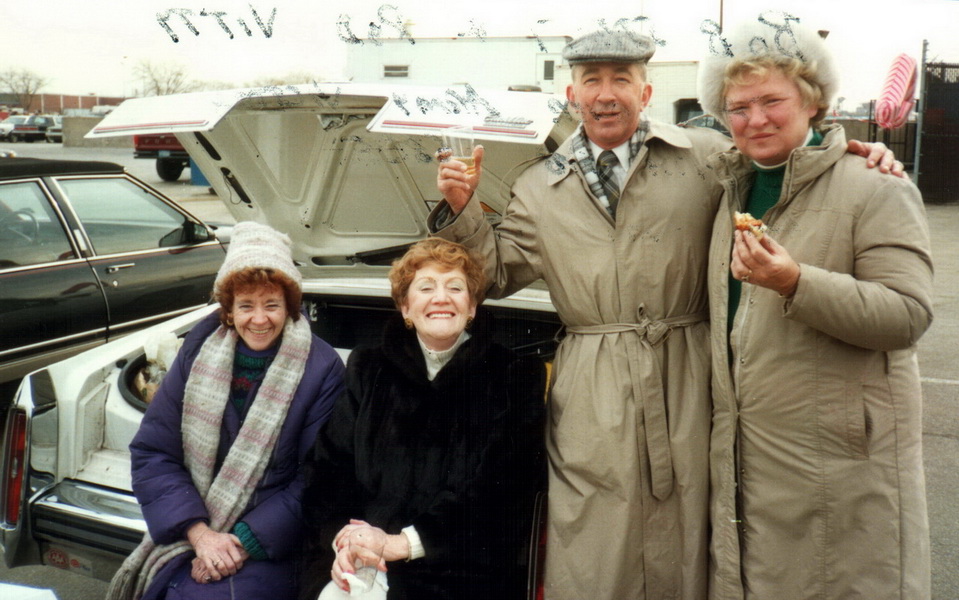
Navy friend - Lo Dienst - McNair - Lynn
Lang [Army - Navy: DEC 1990]
* * * * * * * * * * * * * * * * * * * * * *
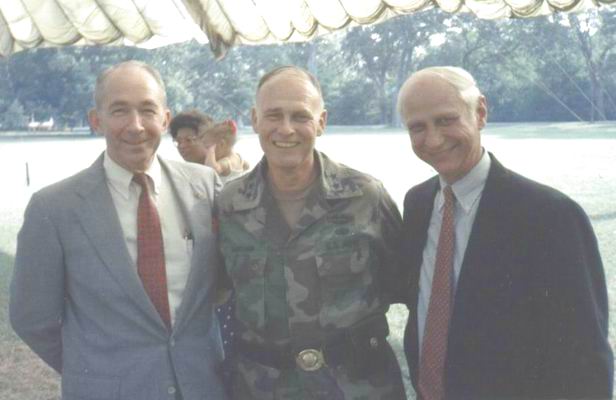
McNair - Wiegand - Dunaway
[1990]
* * * * * * * * * * * * * * * * * * * * * *
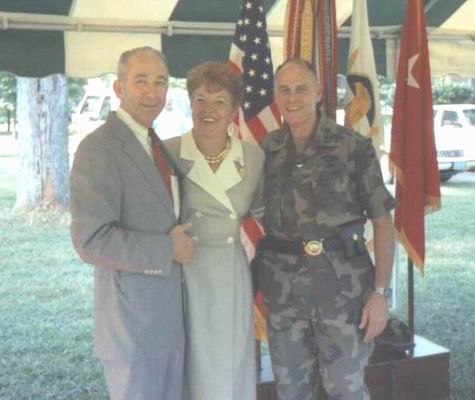
McNair - Jill and Bob Wiegand
[1990]
* * * * * * * * * * * * * * * * * * * * * *
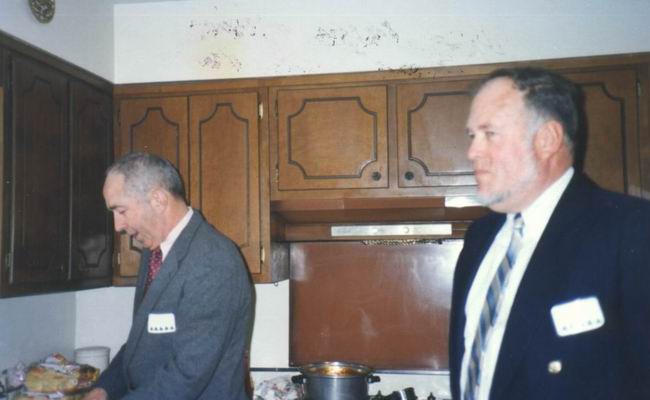
Carl McNair and George Page
[1989]
* * * * * * * * * * * * * * * * * * * * * *
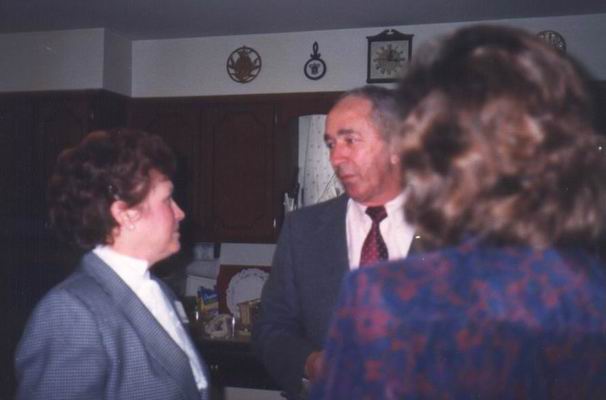
? - McNair
[1989]
* * * * * * * * * * * * * * * * * * * * * *
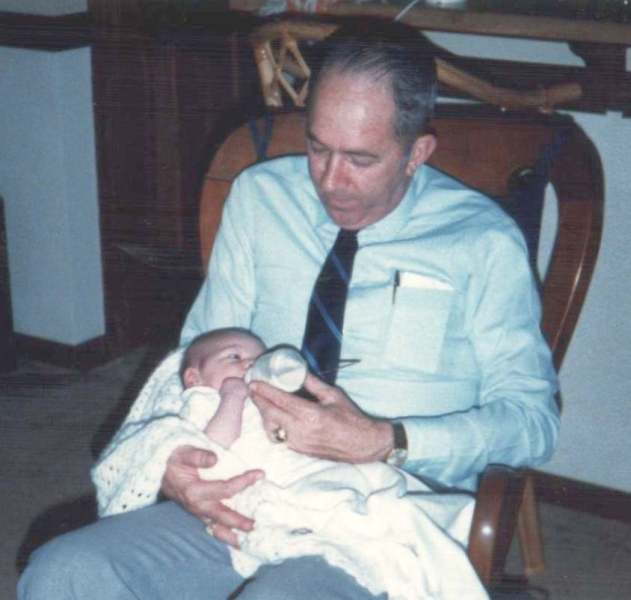
Carl McNair
[c1989]
* * * * * * * * * * * * * * * * * * * * * *
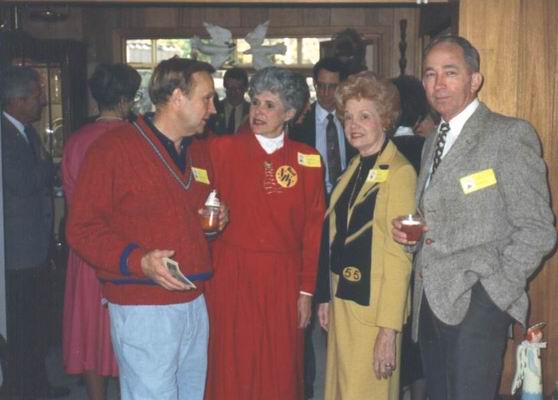
Ed Anderson - Marcia Cathey -
Vicki Roades - McNair [1989]
* * * * * * * * * * * * * * * * * * * * * *
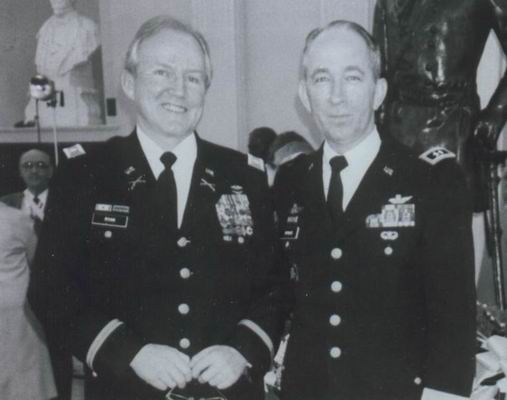
Jim Ryan and Carl McNair
[1988]
* * * * * * * * * * * * * * * * * * * * * *
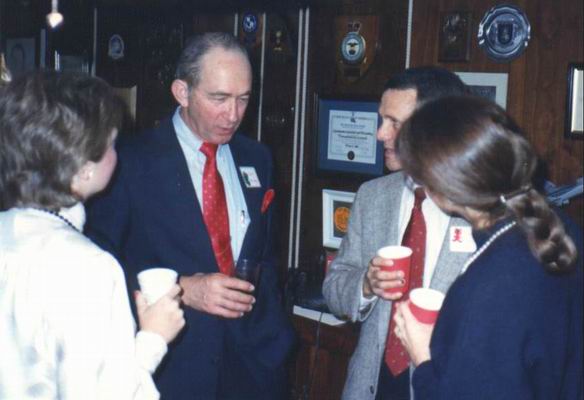
McNair - Don Smith and Date
[1988]
* * * * * * * * * * * * * * * * * * * * * *
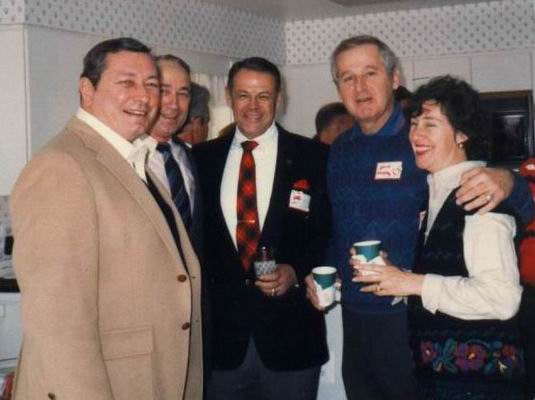
Dick Masson - Carl McNair - Carl Cathey -
Bud and Dotty Goldstein [1988]
* * * * * * * * * * * * * * * * * * * * * *
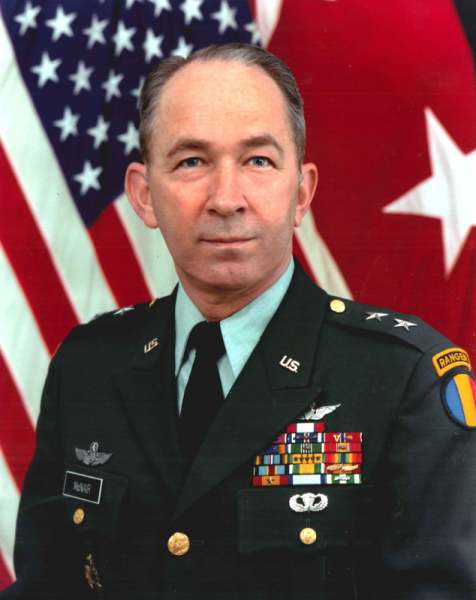
Carl McNair
[TRADOC - 1987]
* * * * * * * * * * * * * * * * * * * * * *
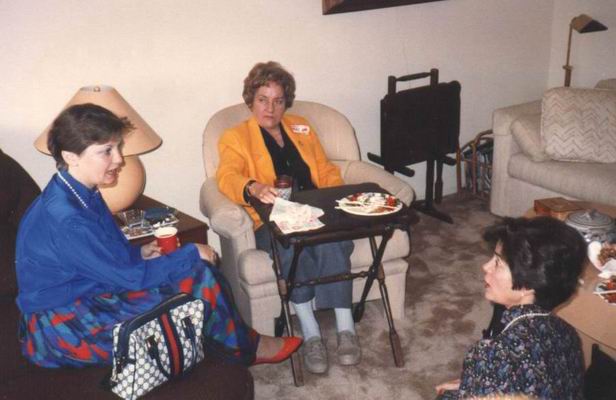
Marjorie Nidever - Jo Ann McNair - ?
[1986]
* * * * * * * * * * * * * * * * * * * * * *
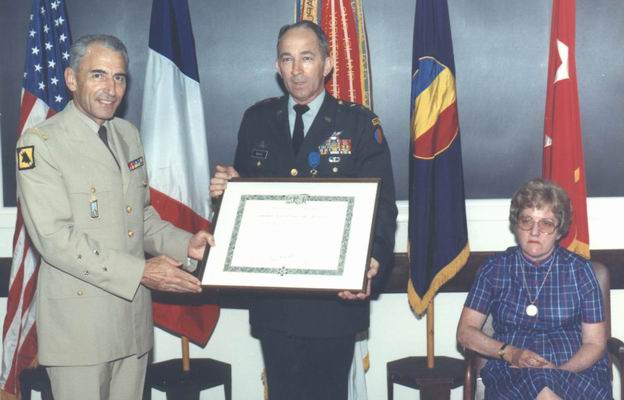
Carl and Jo Ann McNair
[Receiving the French National Order of Merit - 1986]
* * * * * * * * * * * * * * * * * * * * * *
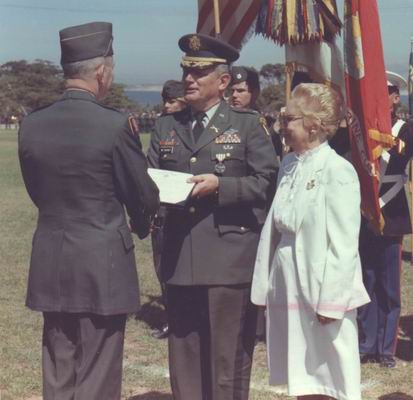
Carl McNair retires Dave McNerney
[1985]
* * * * * * * * * * * * * * * * * * * * * *
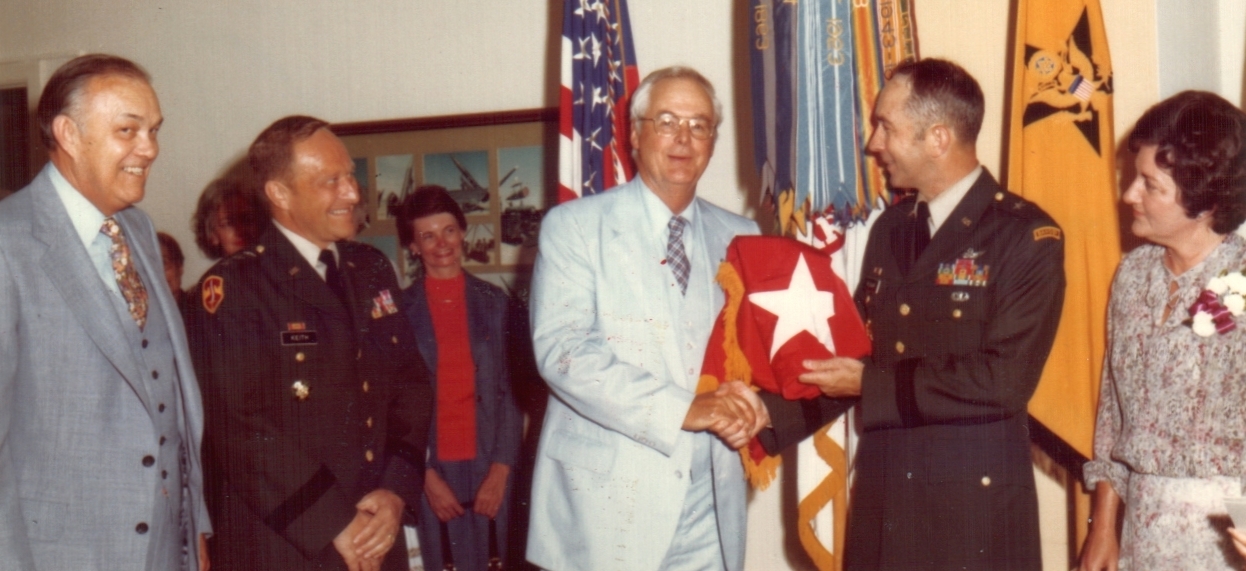
Carl McNair
[c1985]
* * * * * * * * * * * * * * * * * * * * * *
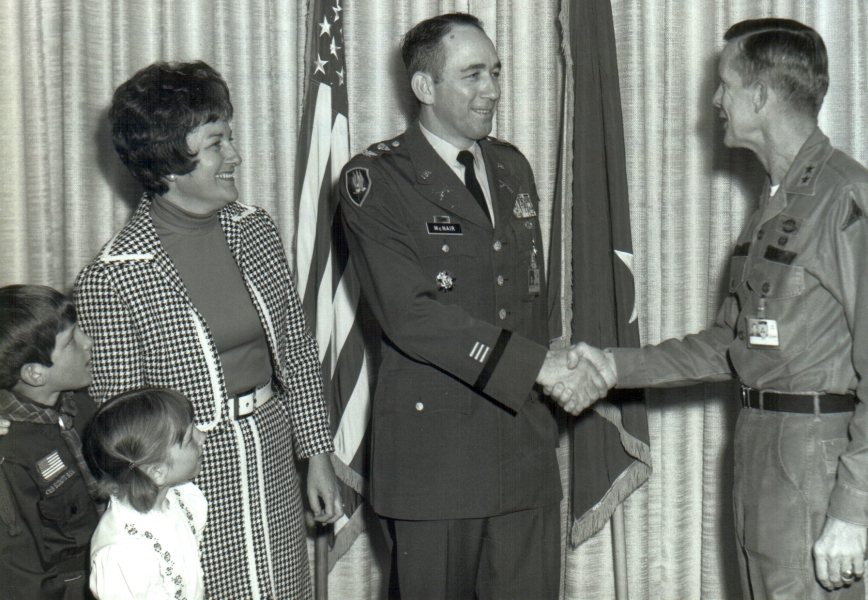
McNair's and MG McChrystal
[Col Promotion - c1984]
* * * * * * * * * * * * * * * * * * * * * *
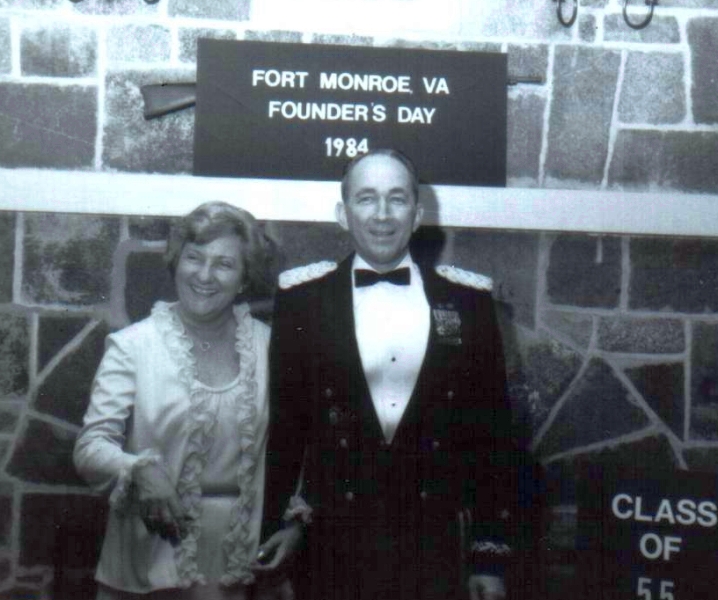
Jo Ann and Carl McNair
[Fort Monroe FD - 1984]
* * * * * * * * * * * * * * * * * * * * * *
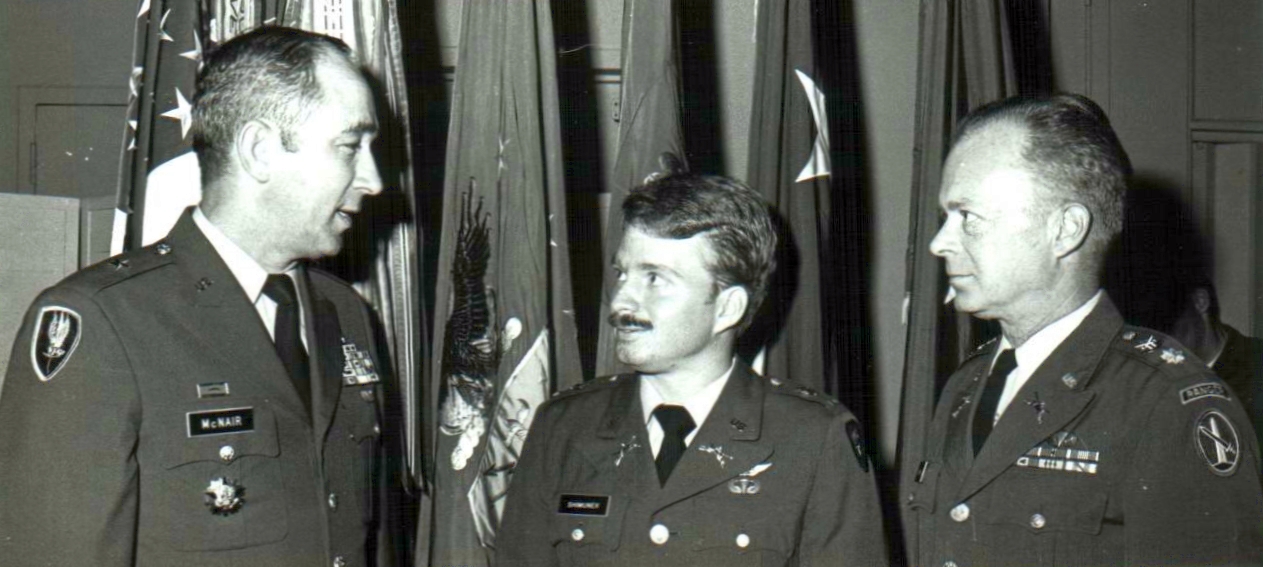
McNair - ? - Shimunek
[c1981]
* * * * * * * * * * * * * * * * * * * * * *

[15th Reunion - 1970] |
Larger Size
* * * * * * * * * * * * * * * * * * * * * *
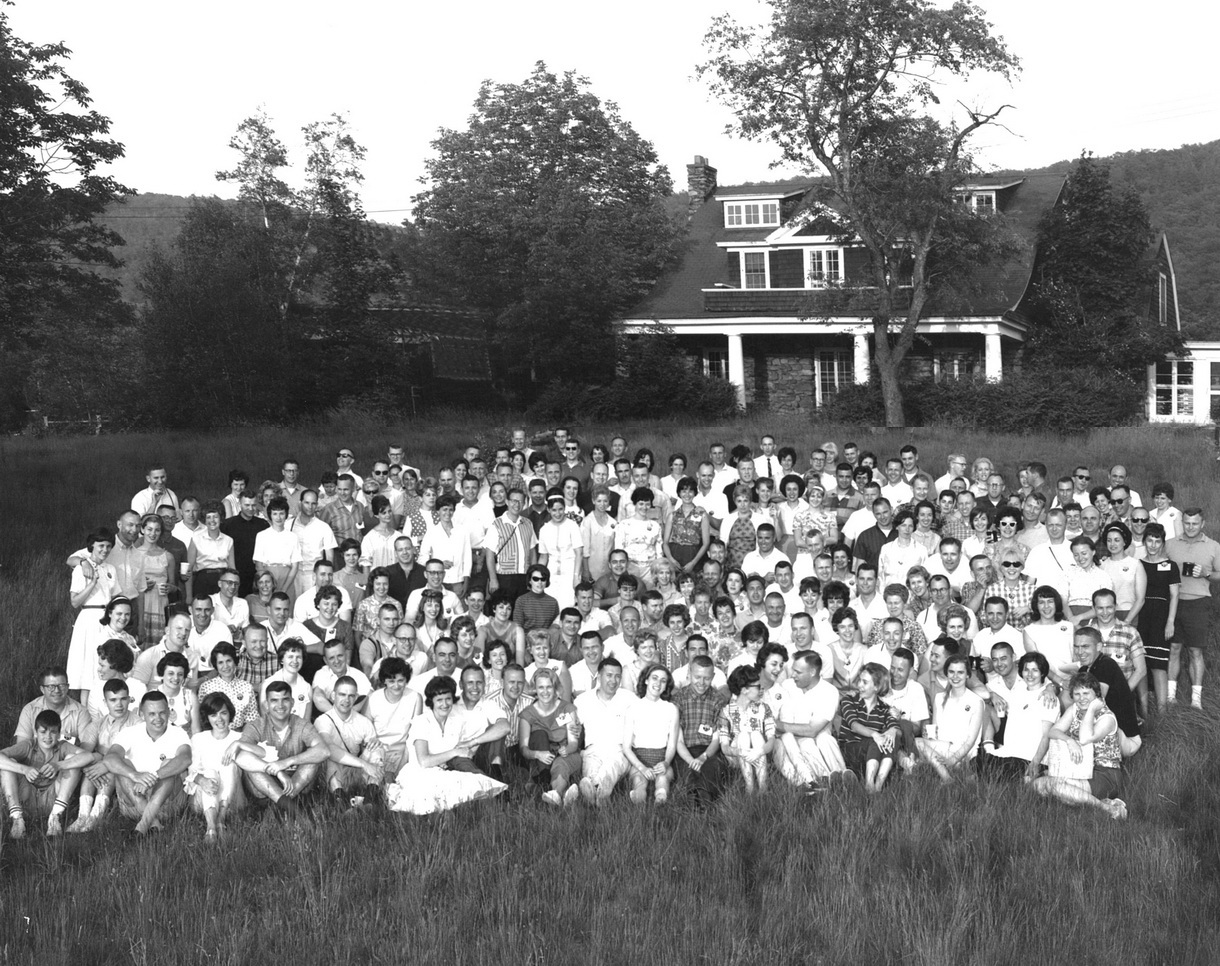
[10th Reunion - 1965] |
Larger Size
* * * * * * * * * * * * * * * * * * * * * *
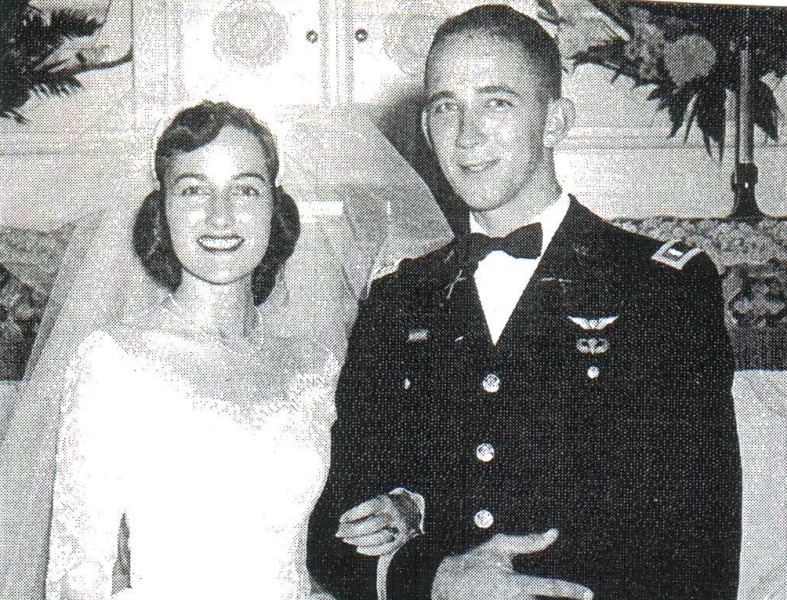
Jo Ann and Carl McNair
[Ft. Benning - 26 OCT 1957]
* * * * * * * * * * * * * * * * * * * * * *
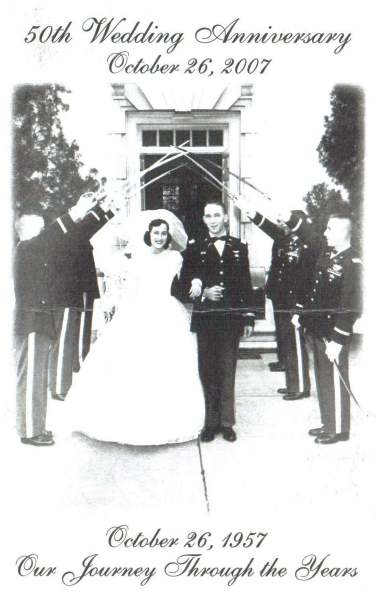
Jo Ann and Carl McNair
[Ft. Benning - 26 OCT 1957]
* * * * * * * * * * * * * * * * * * * * * *
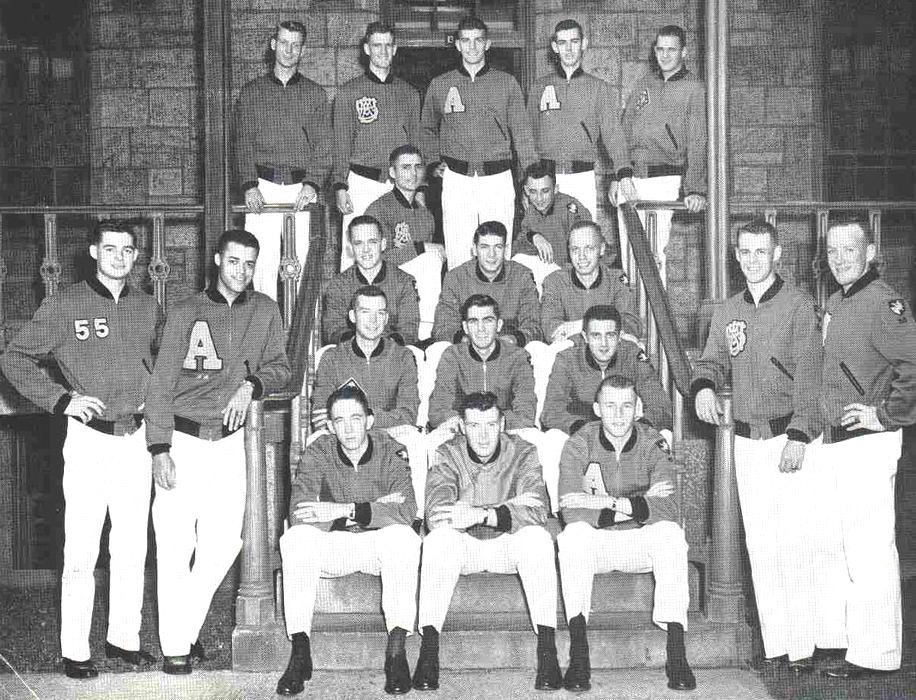
E-1 Firsties - 1st Row: Nidever - Olive - McNair - Lapham (CO) - Nordlie - Cathey - Keegan - 2nd Row: Dugan - Burrus - Norm Smith - 3rd Row: Daly - Strati - Muller - 4th Row: Blahuta - Arthur - 5th Row: Ralls - Hinrichs - Richie Johnson - Singer - Coleman |
* * * * * * * * * * * * * * * * * * * * * *
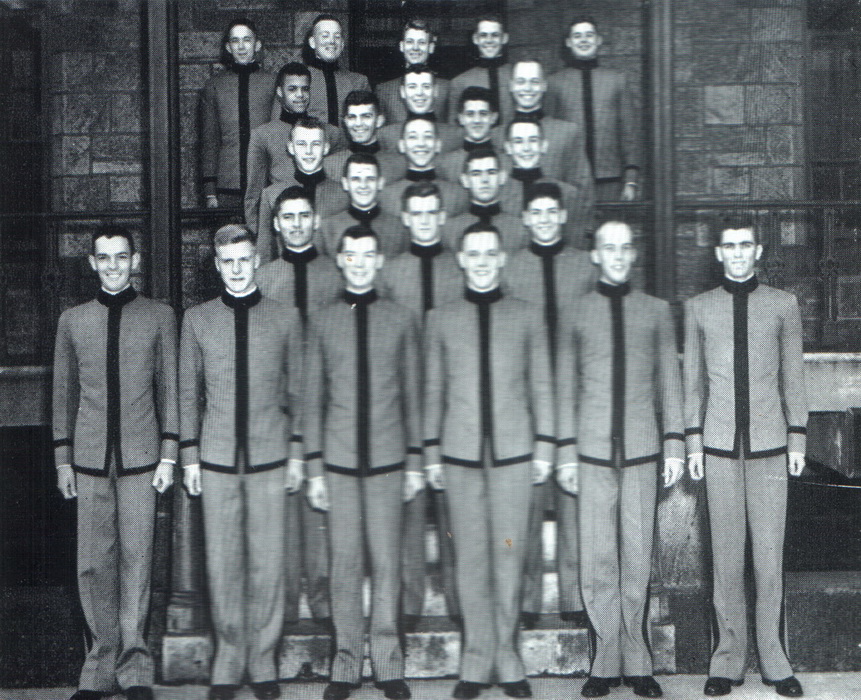
E-1 Plebes - 1st Row: D. Macdonald - Leaver - Dugan - Daly - Schriefer - Burrus - 2/3 Row: Blahuta - Coleman - Hinrichs - Singer - Strati - 4/5 Row: Nordlie - R. Johnson - Wuerz - N. Smith - Kirk - 6/7 Row: McNair - Olive - Keegan - Ralls - Lapham - Cathey - Muller - Nidever |
* * * * * * * * * * * * * * * * * * * * * *
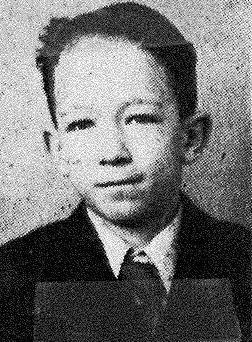
Carl McNair
[c1942]
(Updated JUL 2019) |
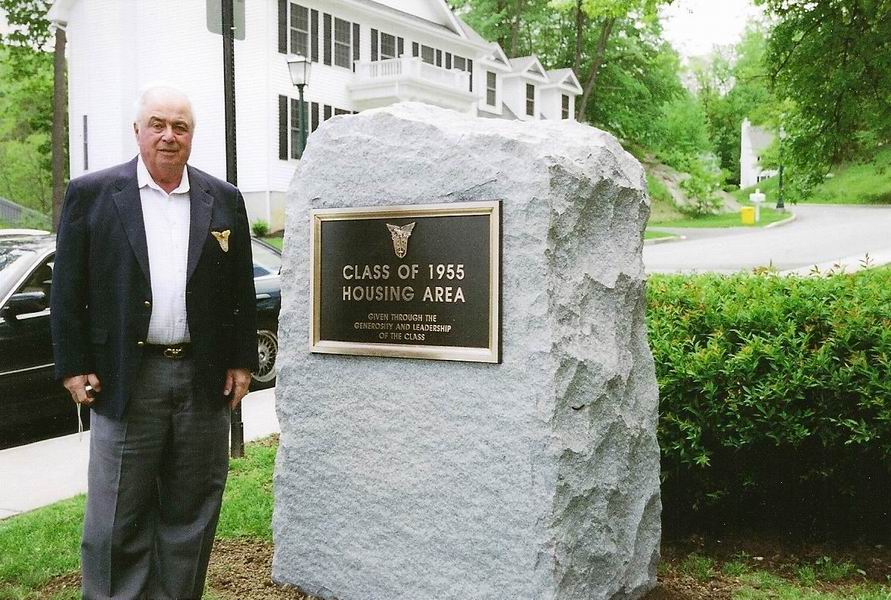
How I got my appointment to West Point |
* * * * * * * * * * * * * * * * * * * * * *
Living Legend of Aviation
John Travolta, the 'Official Ambassador of Aviation ®,' hosted the prestigious 'Living Legends of Aviation Awards,' at the Beverly Hilton ballroom on January 16, 2015. The 12th Annual Awards saluted Bob Hoover and his 93rd birthday, along with special guests attending to honor this Charter 'Living Legend of Aviation." |
Easter Seals Advocacy Award for Carl McNair
McNair Receives Lifetime Achievement Award
Easterseals Receives $1 Million Donation from Respected Community Leader Retired Major General Carl H. McNair
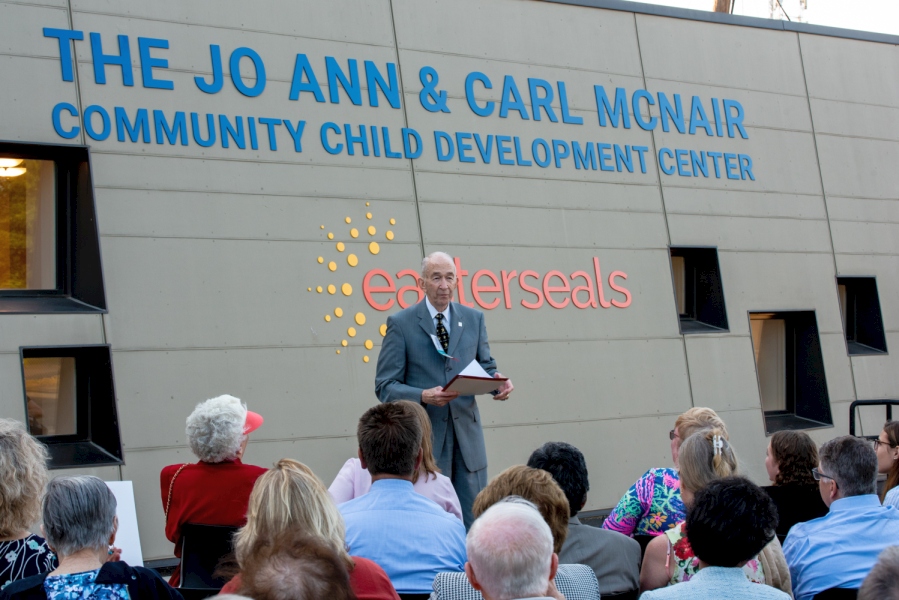
[Easterseals' dedication ceremony for the Jo Ann & Carl McNair
Community Child Development Center - JUN 2018]
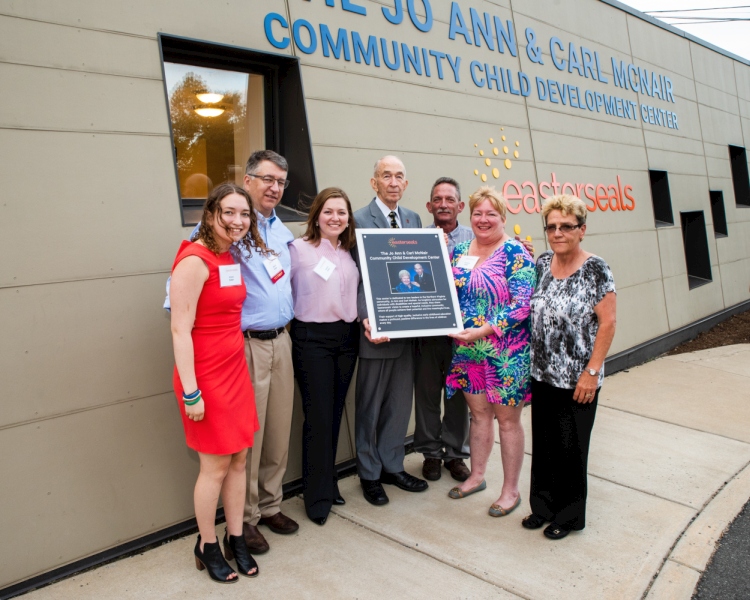
Emma Bulger - Patrick Bulger - Virginia Bulger - Carl McNair - Carl McNair III -
Courtney Bulger - Alana McNair [Easterseals' dedication ceremony for the
Jo Ann & Carl McNair Community Child Development Center [JUN 2018]
To honor the McNairs for their commitment to helping members of the community reach their greatest potential, Easterseals has named its child development center in Northern Virginia 'The Jo Ann and Carl McNair Community Child Development Center'. Easterseals hosted a special dedication ceremony on June 12 at the center to unveil the new name to the community. Jo Ann McNair Jo Ann Wilson (Brown) McNairJo Ann McNair Interment |