

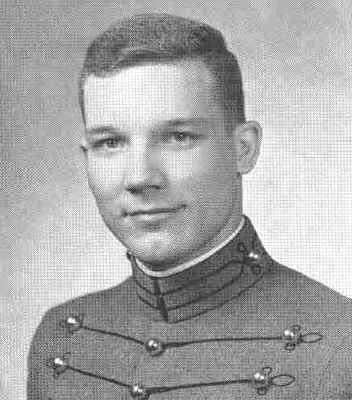
Chuck Ewing
[25 SEP 1929 - E2 - 20469]
Jack Rhymes
* * * * * * * * * * * * * * * * * * * * * *
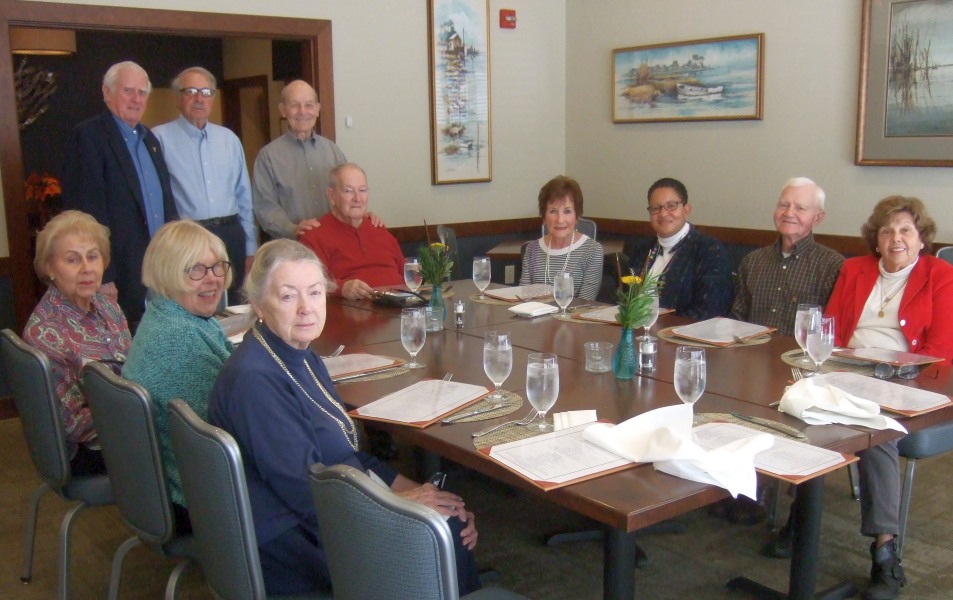
Barbara Ewing - Anne Malone - Carole Buchwald - Dan Malone - Doc Dorough - Chuck Ewing - Don Buchwald - Donna Ludwig - Jan Brown - Dan Ludwig - Sherry Welter [NOV 2016 SEVA Lunch] |
* * * * * * * * * * * * * * * * * * * * * *
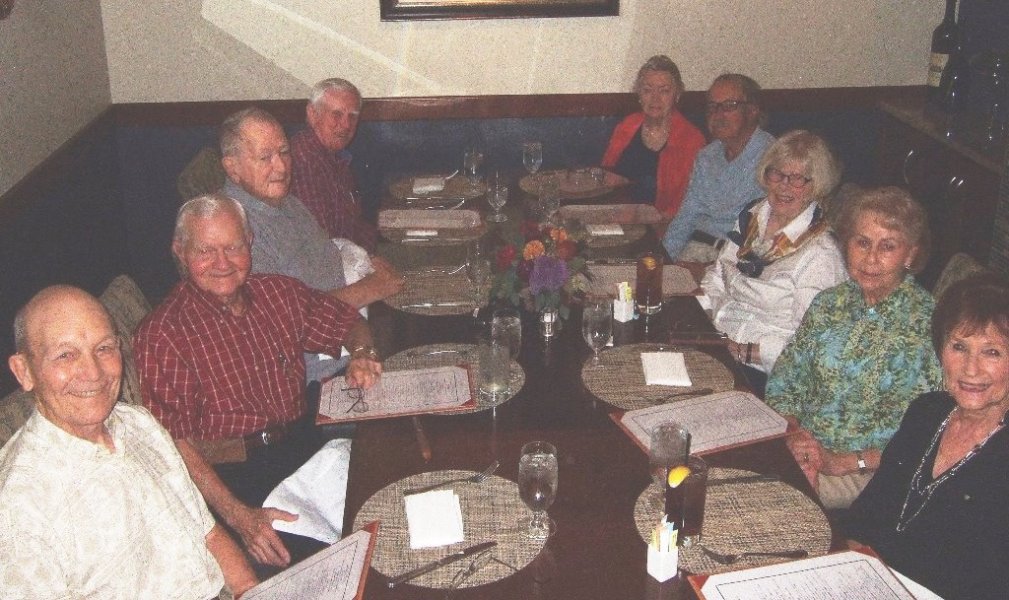
Chuck Ewing - Dan Ludwig - Don Buchwald - Dan Malone - Barbara Ewing - Doc
Dorough - Anne Malone - Carole Buchwald - Donna Ludwig [SEP 2016 SEVA Lunch]
* * * * * * * * * * * * * * * * * * * * * *
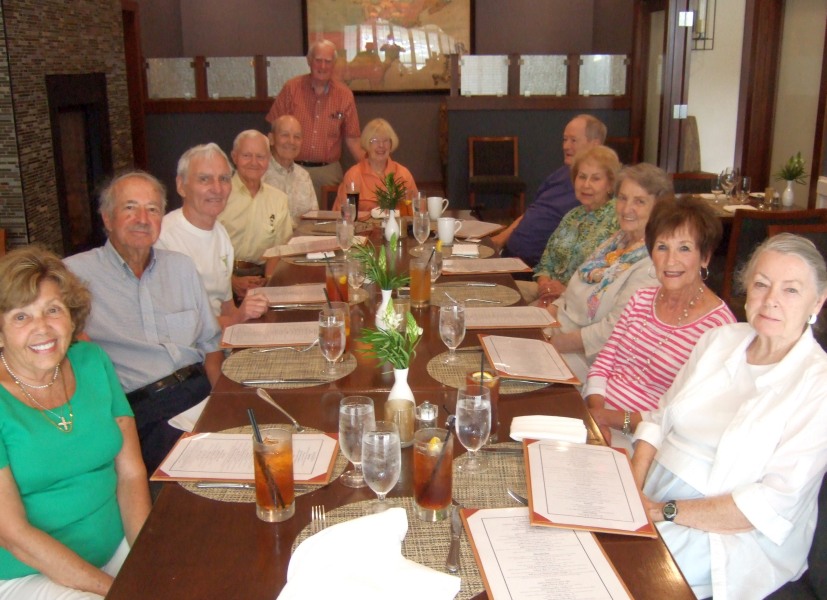
Sherry Welter - Doc Dorough - Norm Blahuta - Dan Ludwig - Chuck Ewing - Dan and Anne Malone - Don and Carole Buchwald - Barb Blahuta - Donna Ludwig - Barbara Ewing [AUG 2016 SEVA Lunch] |
* * * * * * * * * * * * * * * * * * * * * *
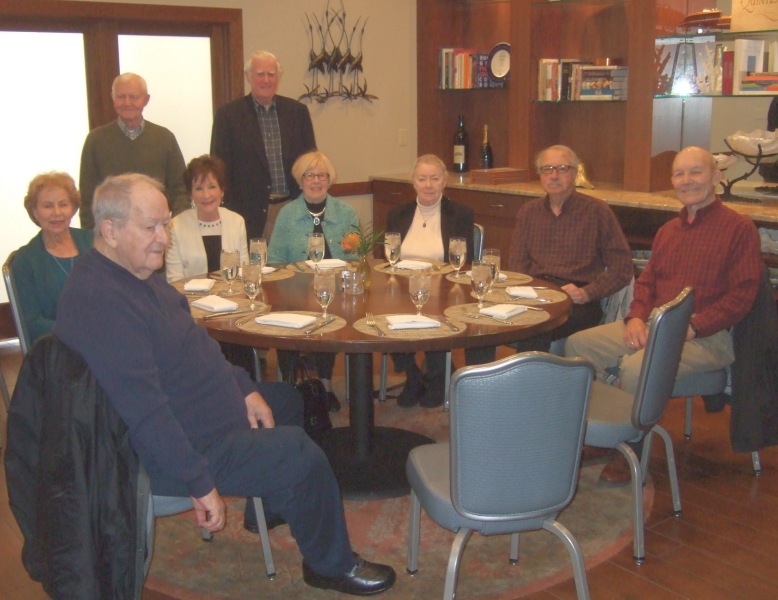
Don and Carole Buchwald - Dan and Donna Ludwig - Anne and Dan Malone -
Barbara Ewing - Doc Dorough - Chuck Ewing [SEVA Lunch - FEB 2016]
* * * * * * * * * * * * * * * * * * * * * *
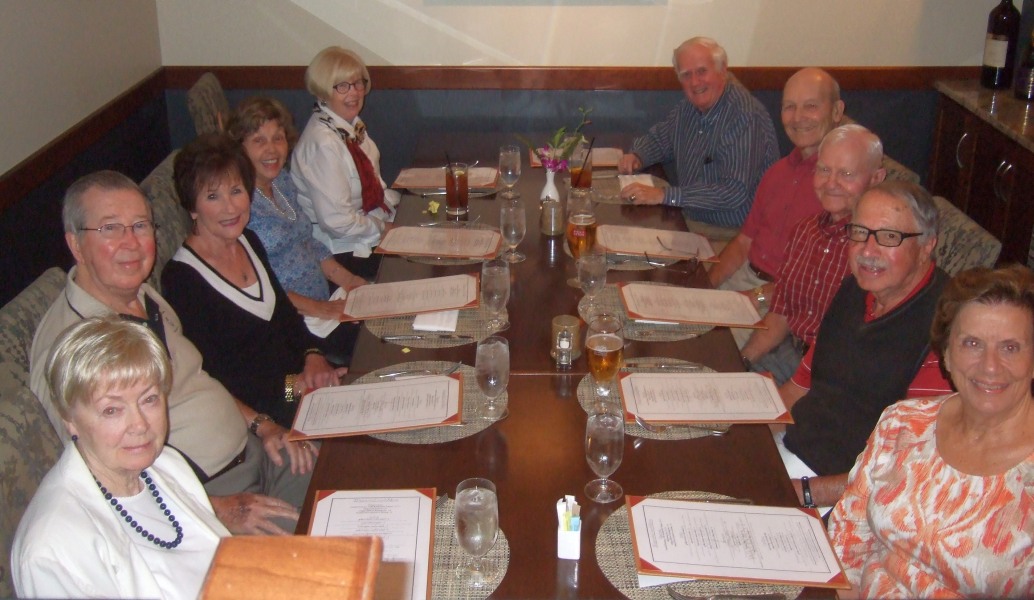
Barbara Ewing - Ted Livesay - Donna Ludwig - Sherry Welter - Anne and Dan Malone - Chuck Ewing - Dan Ludwig - Doc Dorough - Marie Livesay [SEVA Lunch - SEP 2015] |
* * * * * * * * * * * * * * * * * * * * * *
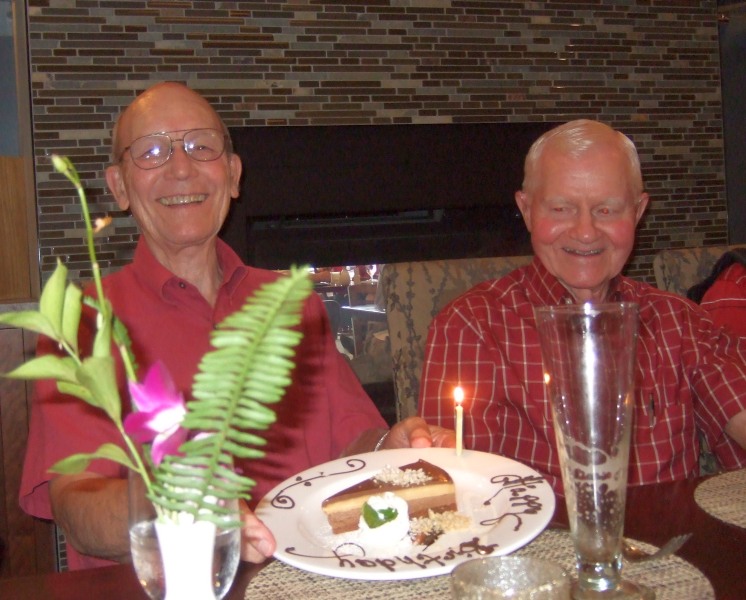
Chuck Ewing and Dan Ludwig
[Chuck's 86th birthday - SEP 2015]
* * * * * * * * * * * * * * * * * * * * * *
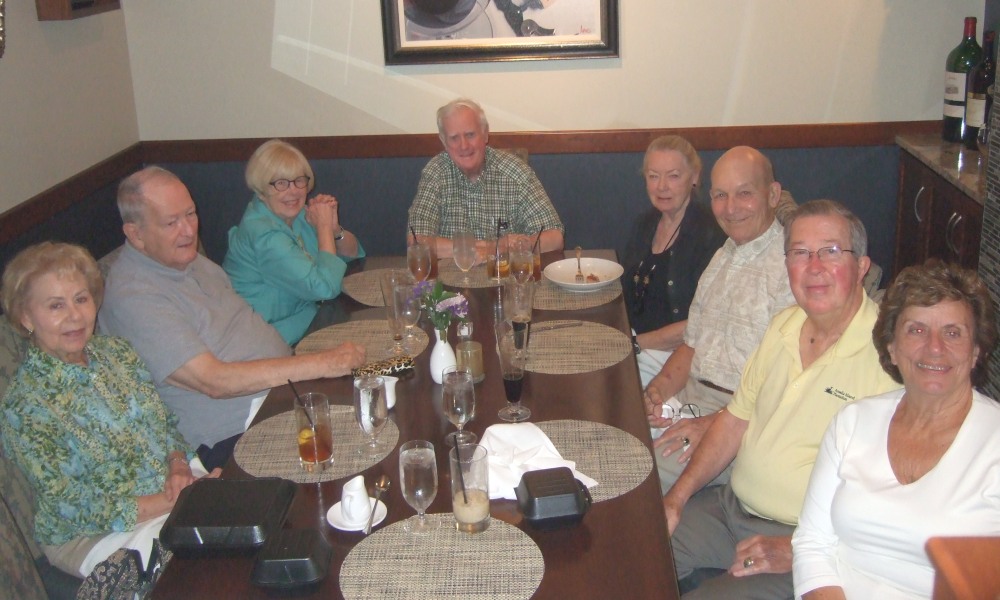
Carole and Don Buchwald - Anne and Dan Malone - Barbara and
Chuck Ewing - Ted and Marie Livesay [SEVA Lunch - AUG 2015]
* * * * * * * * * * * * * * * * * * * * * *
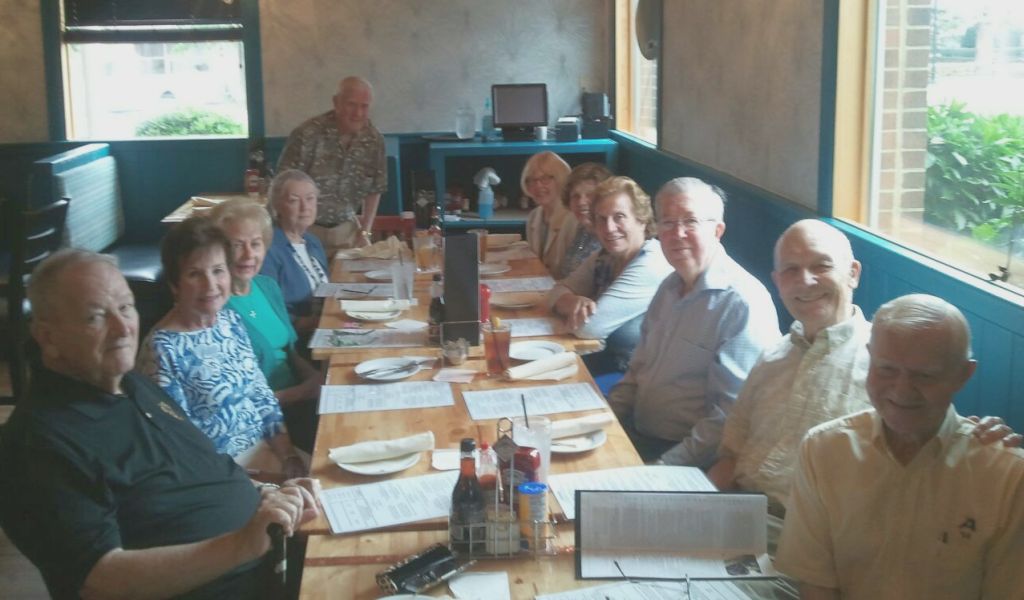
Don Buchwald - Donna Ludwig - Carole Buchwald - Barbara Ewing - Dan and Anne Malone - Sherry Welter - Marie and Ted Livesay - Chuck Ewing - Dan Ludwig [SEVA Lunch - JUN 2015] |
* * * * * * * * * * * * * * * * * * * * * *
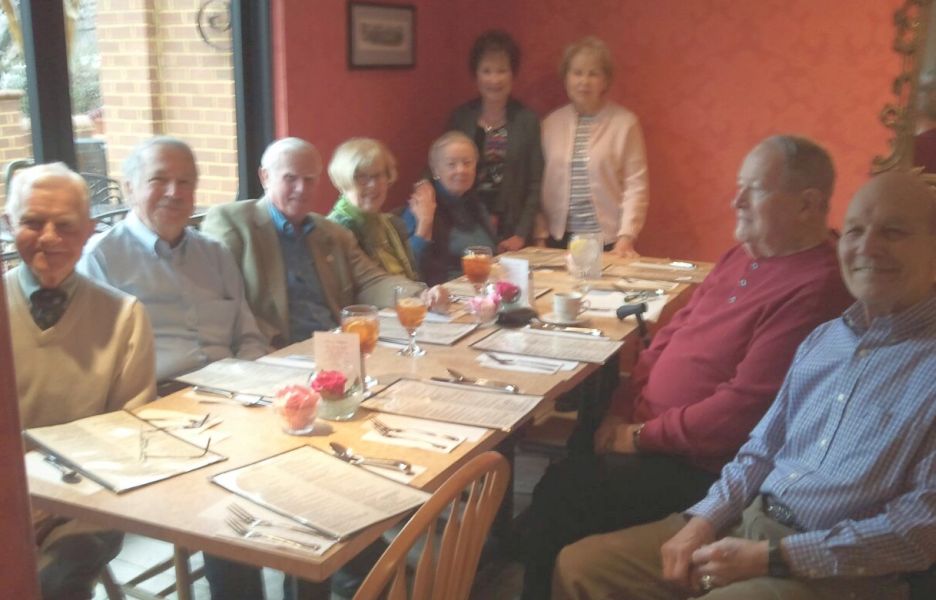
Dan Ludwig - Doc Dorough - Dan and Anne Malone - Barbara Ewing - Donna Ludwig - Carol and Don Buchwald - Chuck Ewing [SEVA Lunch - MAR 2015] |
* * * * * * * * * * * * * * * * * * * * * *
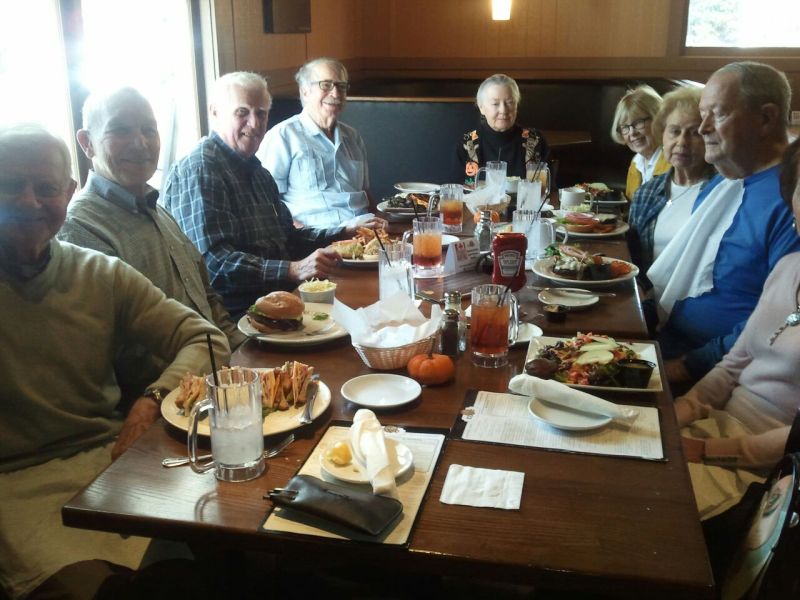
Dan Ludwig - Chuck Ewing - Dan Malone - Doc Dorough - Barbara Ewing - Anne Malone - Carole Buchwald - Don Buchwald - Donna Ludwig [SEVA Lunch - OCT 2014 |
* * * * * * * * * * * * * * * * * * * * * *
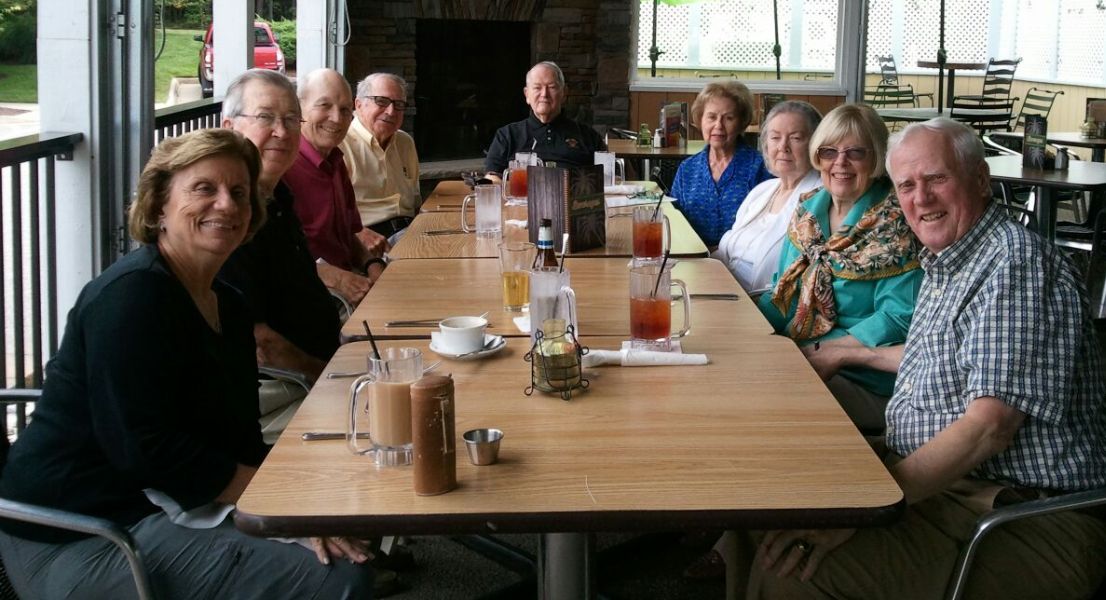
Marie and Ted Livesay - Chuck Ewing - Doc Dorough - Don and Carole Buchwald - Barbara Ewing - Anne and Dan Malone [SEVA Lunch - AUG 2014] |
* * * * * * * * * * * * * * * * * * * * * *
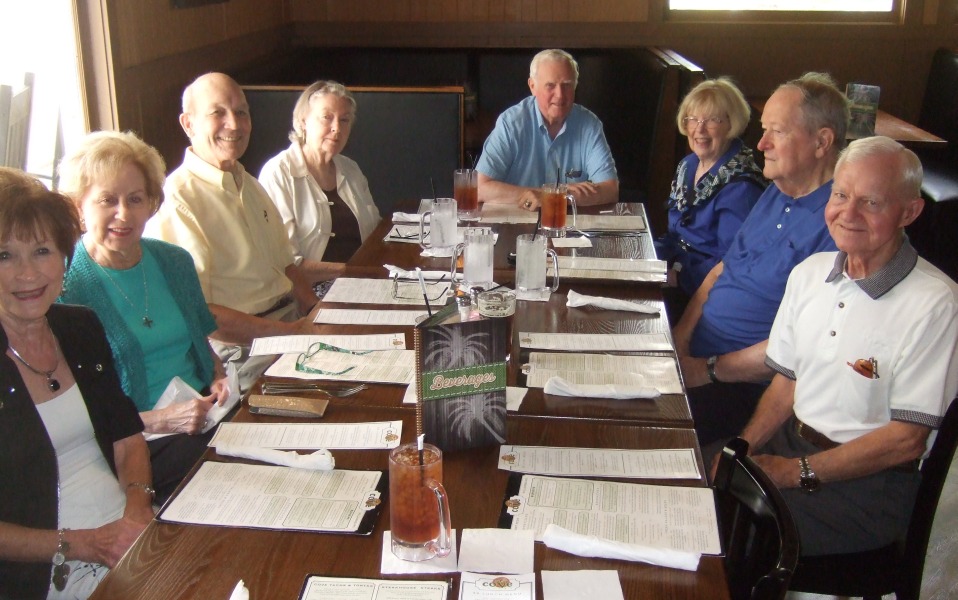
Donna Ludwig - Carole Buchwald - Chuck and Barbara Ewing - Dan and Anne Malone - Don Buchwald - Dan Ludwig [SEVA Lunch - JUL 2014] |
* * * * * * * * * * * * * * * * * * * * * *
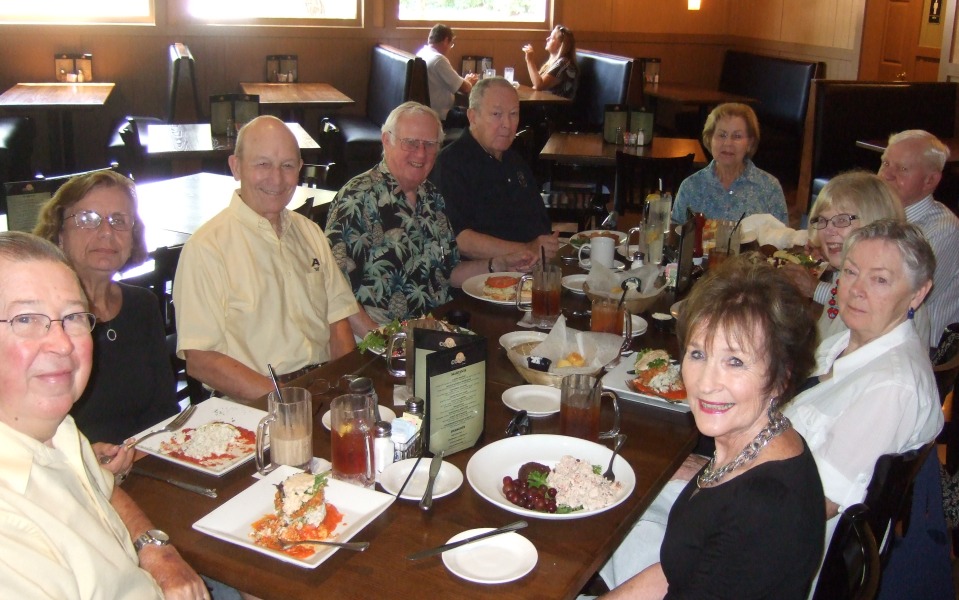
Ted and Marie Livesay - Chuck Ewing - Dan Malone - Don and Carole Buchwald - Dan Ludwig - Anne Malone - Barbara Ewing - Donna Ludwig [SEVA Lunch - AUG 2013] |
* * * * * * * * * * * * * * * * * * * * * *
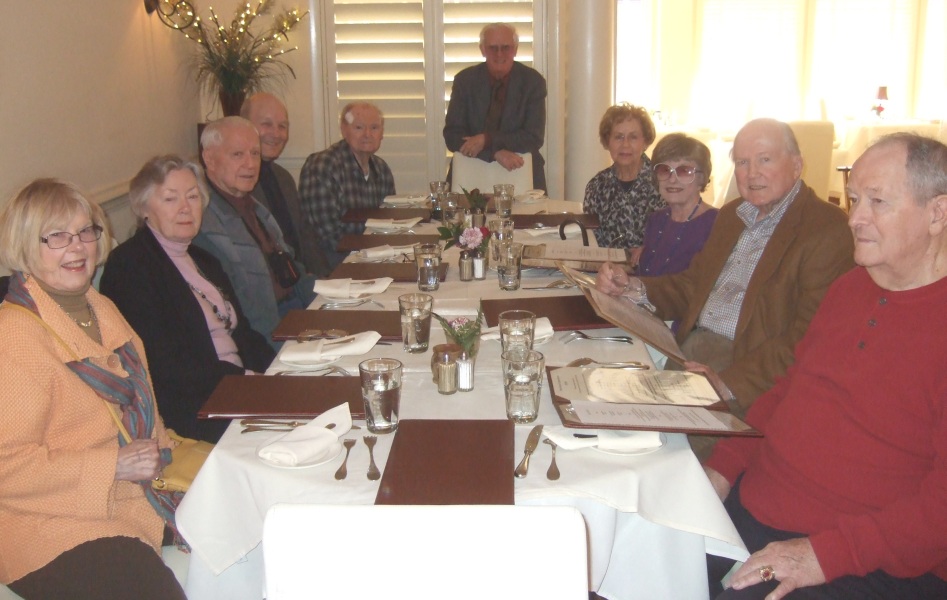
Anne Malone - Barbara Ewing - Dan Troyan - Chuck Ewing - Bob Deardorff - Dan Malone - Carole Buchwald - Pat and Jim Ryan - Don Buchwald [SEVA Lunch - FEB 2013] |
* * * * * * * * * * * * * * * * * * * * * *
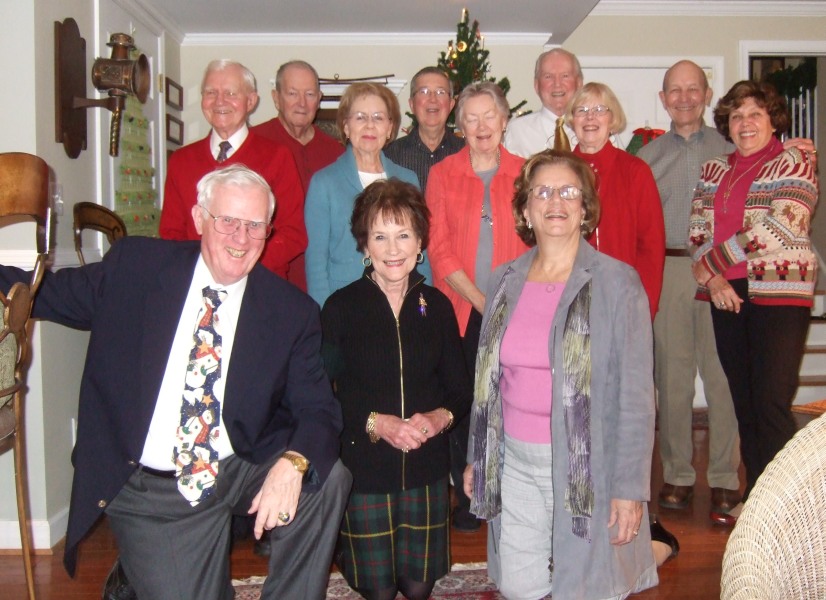
Front row: Dan Malone - Donna Ludwig - Marie Livesay - Middle row: Dan Ludwig - Carole Buchwald - Barbara Ewing - Anne Malone - Sherry Welter - Back Row: Don Buchwald - Ted Livesay - Jim Ryan - Chuck Ewing [SEVA Lunch - DEC 2012] |
* * * * * * * * * * * * * * * * * * * * * *
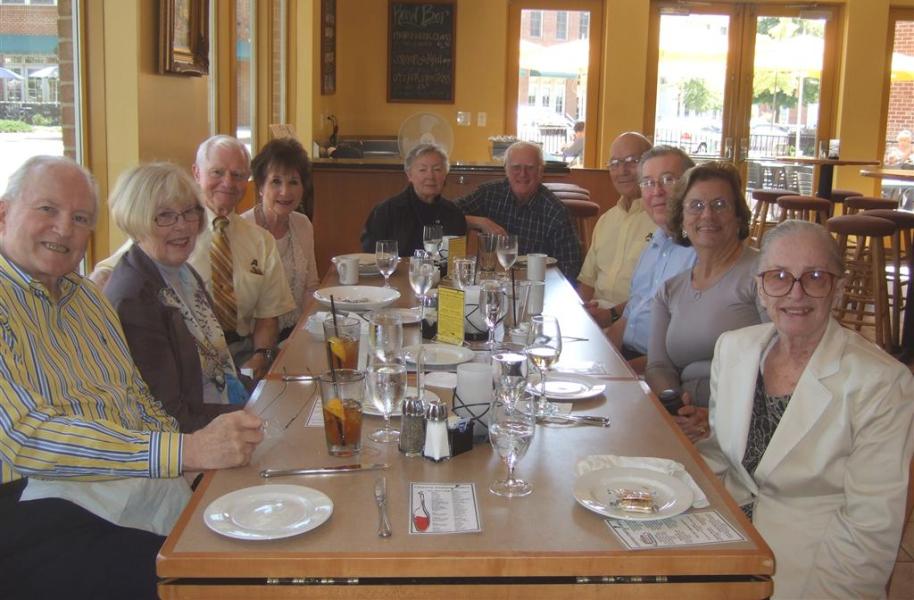
Jim Ryan - Anne Malone - Dan and Donna Ludwig - Barbara Ewing - Dan Malone - Chuck Ewing - Ted and Marie Livesay - Pat Ryan [SEVA Lunch - SEP 2012] |
* * * * * * * * * * * * * * * * * * * * * *
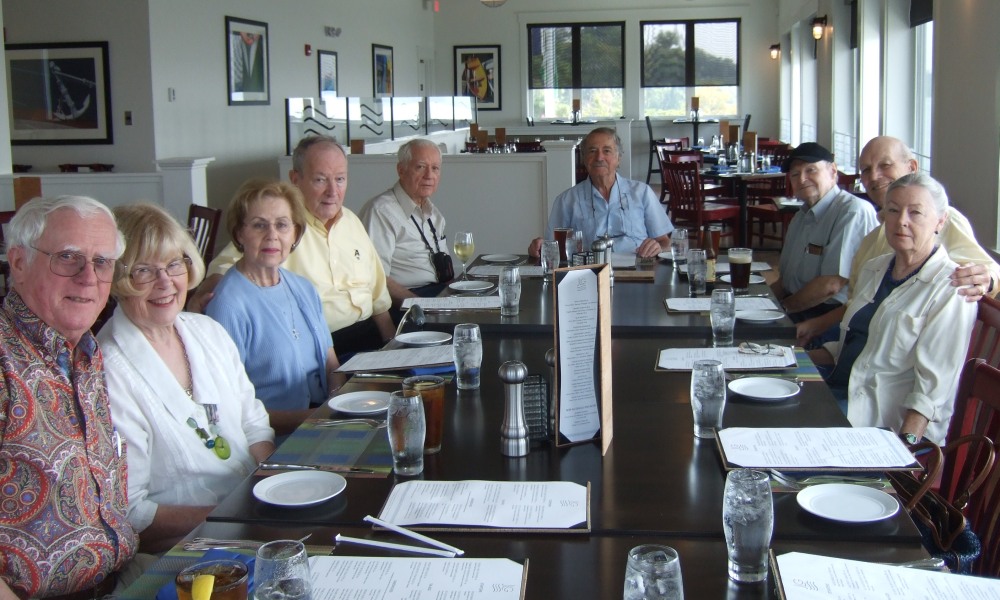
Dan and Anne Malone - Carole and Don Buchwald - Dan Troyan - Doc Dorough - Bob Deardorff - Chuck and Barbara Ewing [SEVA Lunch - AUG 2012] |
* * * * * * * * * * * * * * * * * * * * * *
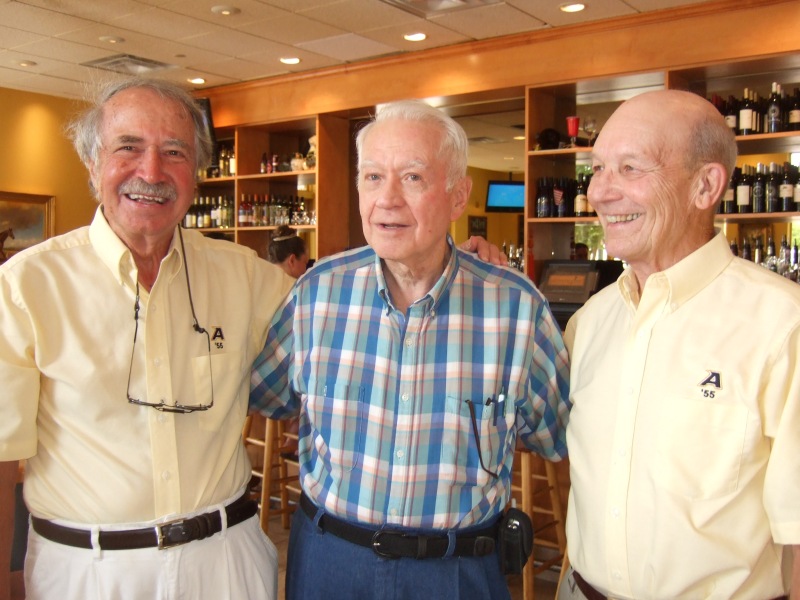
Doc Dorough - Dan Troyan - Chuck Ewing
[Beast Roommates - JUL 2012]
* * * * * * * * * * * * * * * * * * * * * *
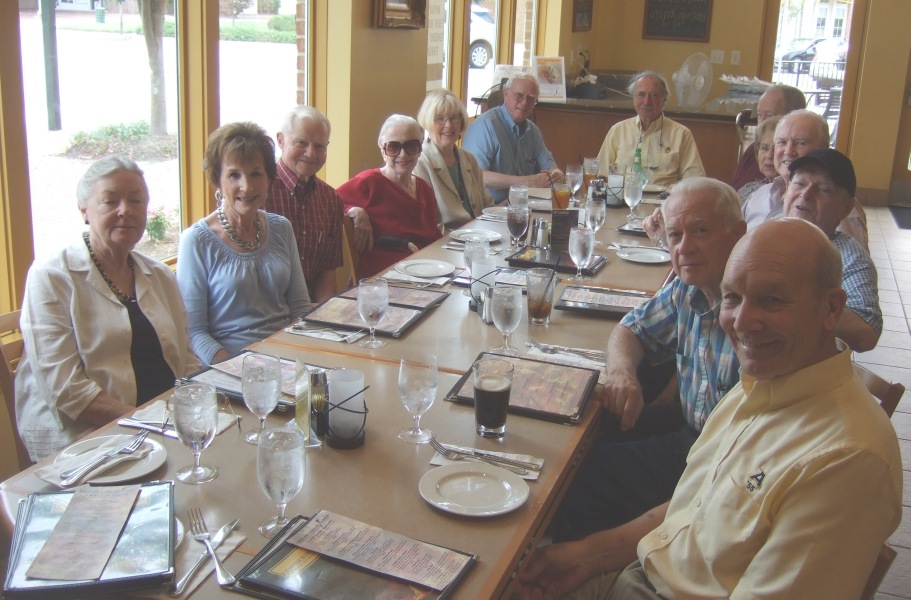
Barbara Ewing - Donna and Dan Ludwig - Pat Ryan - Anne and Dan Malone - Doc Dorough - Don and Carole Buchwald - Pat Ryan - Bob Deardorff - Dan Troyan - Chuck Ewing [SEVA Lunch - JUL 2012] |
* * * * * * * * * * * * * * * * * * * * * *
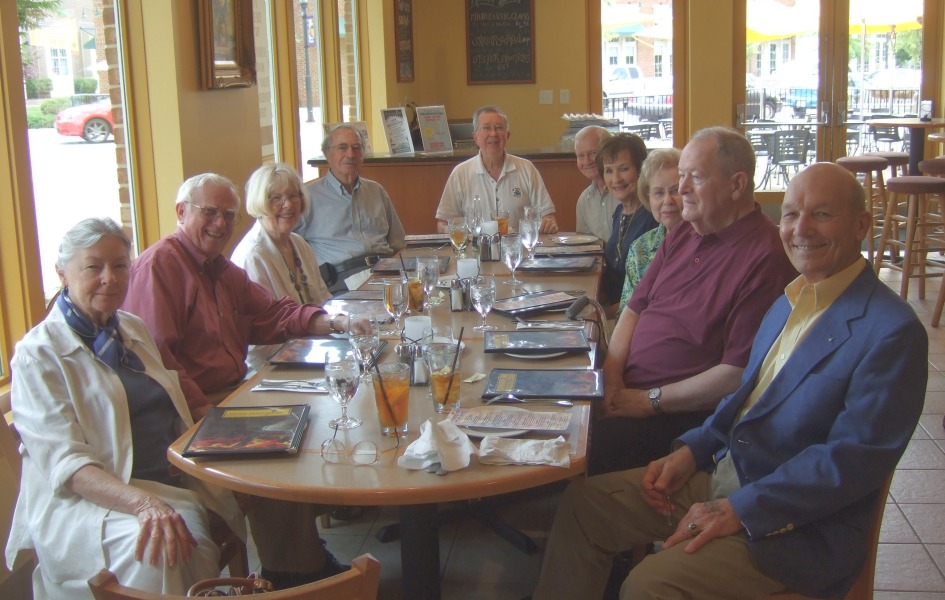
Barbara Ewing - Dan and Anne Malone - Doc Dorough - Ted Livesay - Dan and Donna Ludwig - Carole and Don Buchwald - Chuck Ewing [SEVA Lunch - MAY 2012] |
* * * * * * * * * * * * * * * * * * * * * *
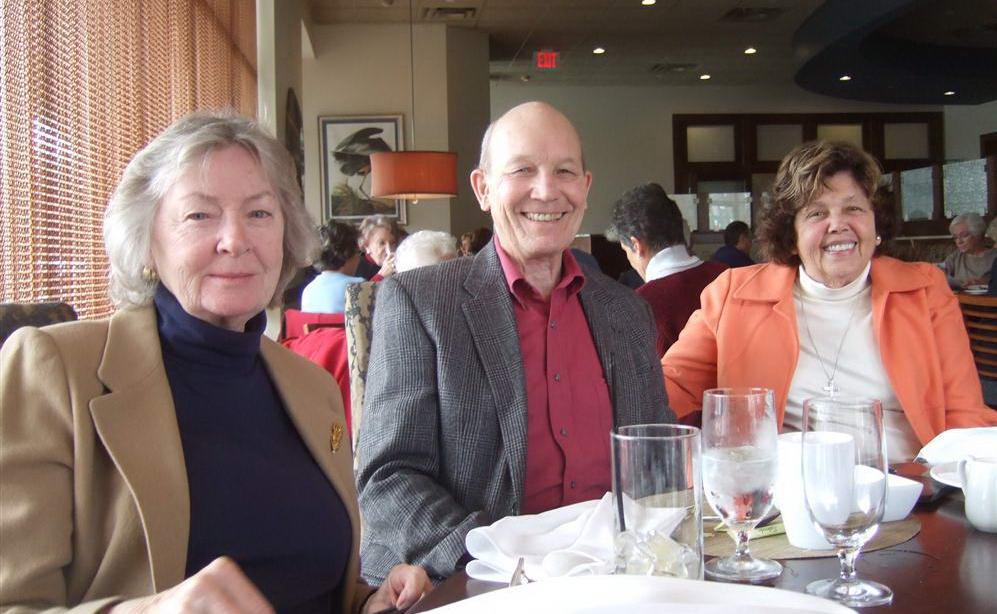
Barbara and Chuck Ewing - Sherry Welter
[SEVA Lunch - FEB 2012]
* * * * * * * * * * * * * * * * * * * * * *
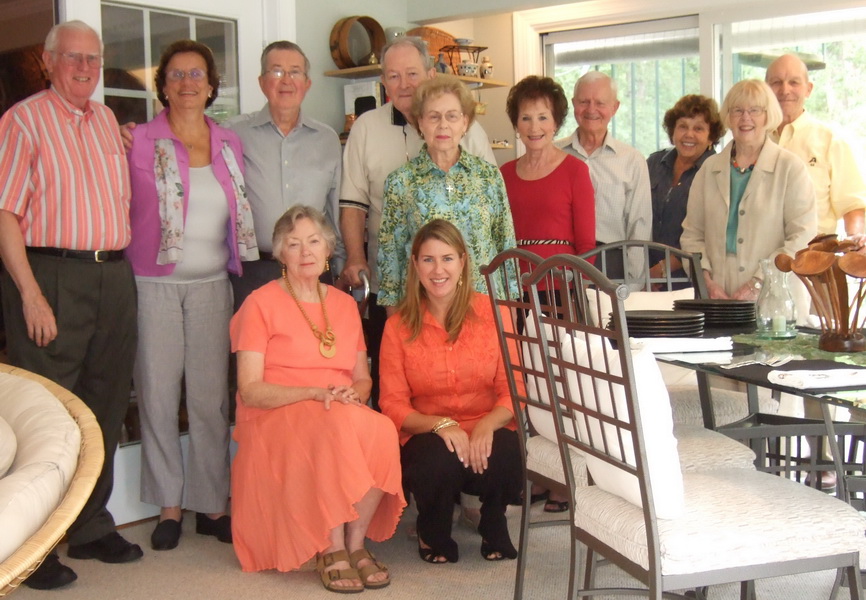
Dan Malone - Marie and Ted Livesay - Don and Carole Buchwald - Donna and Dan Ludwig - Sherry Welter - Anne Malone - Chuck Ewing - seated: Barbara Ewing and Susan Livesay (daughter) [SEP 2011 SEVA] |
* * * * * * * * * * * * * * * * * * * * * *
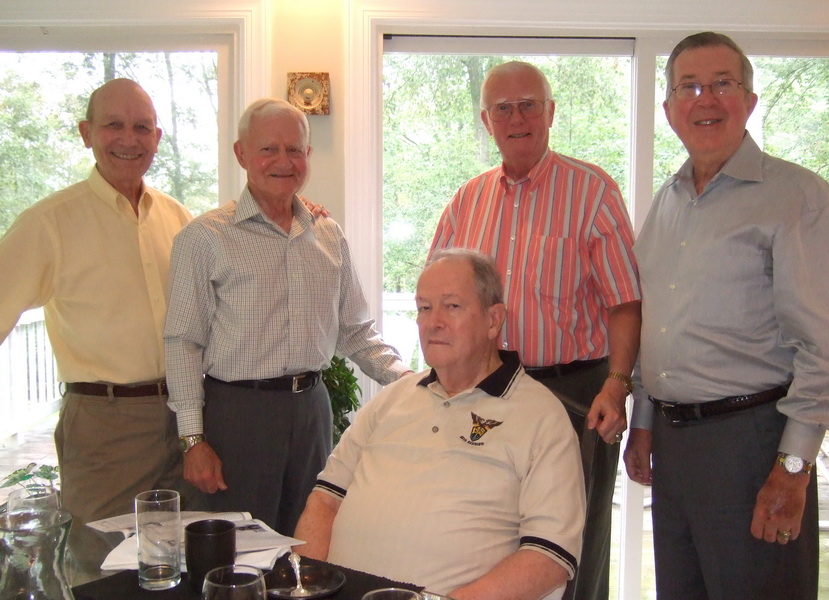
Chuck Ewing - Dan Ludwig - Don Buchwald -
Dan Malone - Ted Livesay [SEP 2011 SEVA]
* * * * * * * * * * * * * * * * * * * * * *
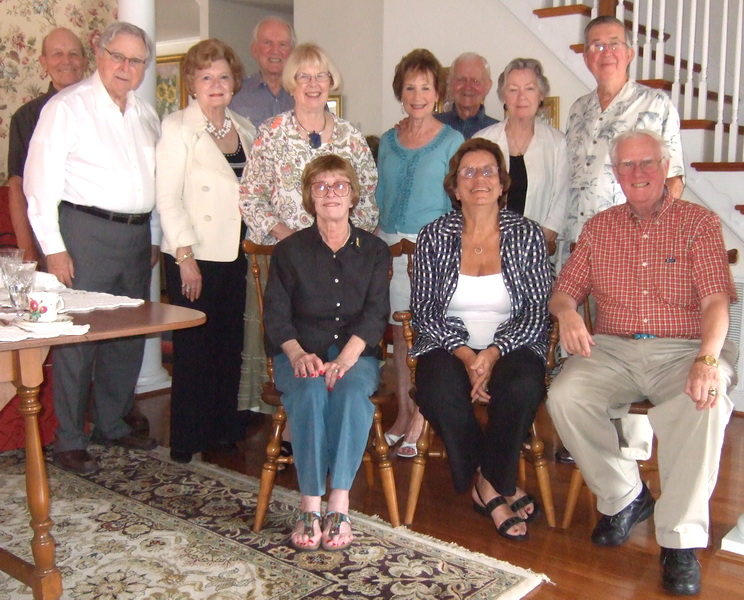
Standing: Chuck Ewing - Bill and Pat Lucas - Jim Ryan - Anne Malone - Donna and Dan Ludwig - Barbara Ewing - Ted Livesay - Seated: Pat Ryan - Marie Livesay - Dan Malone [SEVA Lunch - JUL 2011] |
* * * * * * * * * * * * * * * * * * * * * *
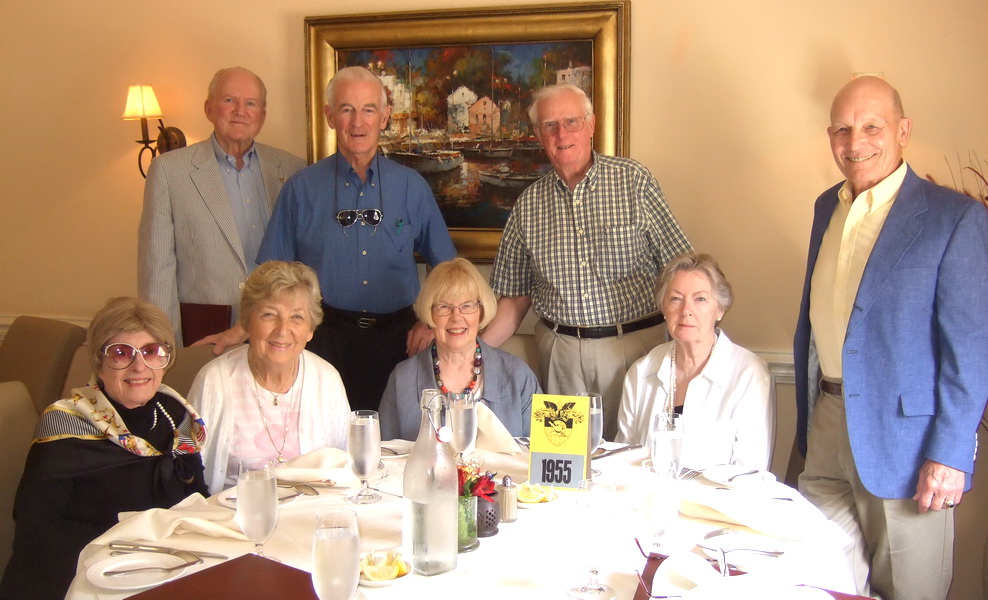
Pat and Jim Ryan - Helga and Bob Hinrichs - Anne and Dan
Malone - Barbara and Chuck Ewing [SEVA Lunch - JUN 2011]
* * * * * * * * * * * * * * * * * * * * * *
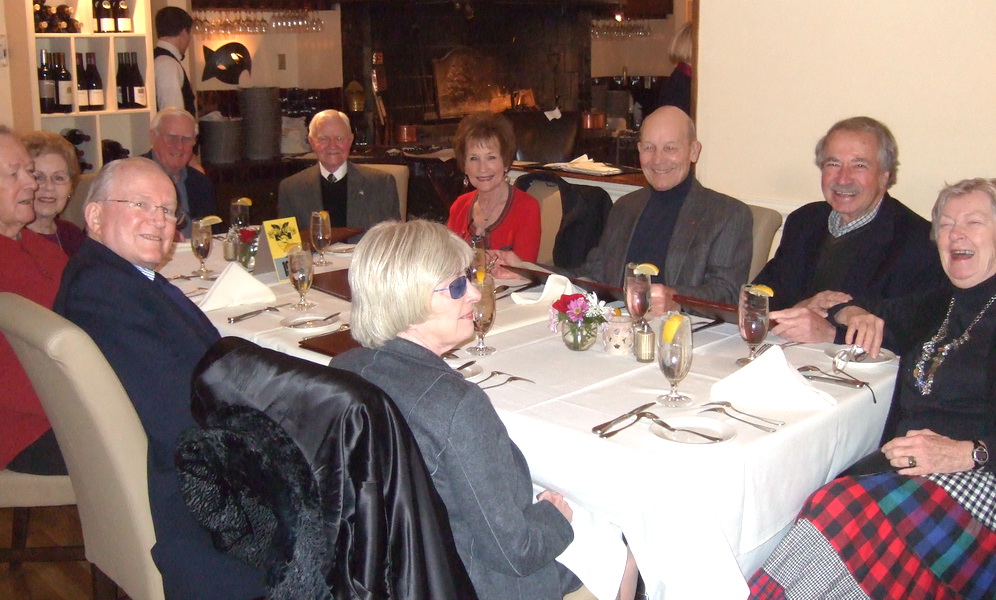
Pat and Jim Ryan - Don and Carole Buchwald - Dan Malone - Dan and Donna Ludwig - Chuck Ewing - Doc Dorough - Barbara Ewing [SEVA Lunch - JAN 2011] |
* * * * * * * * * * * * * * * * * * * * * *
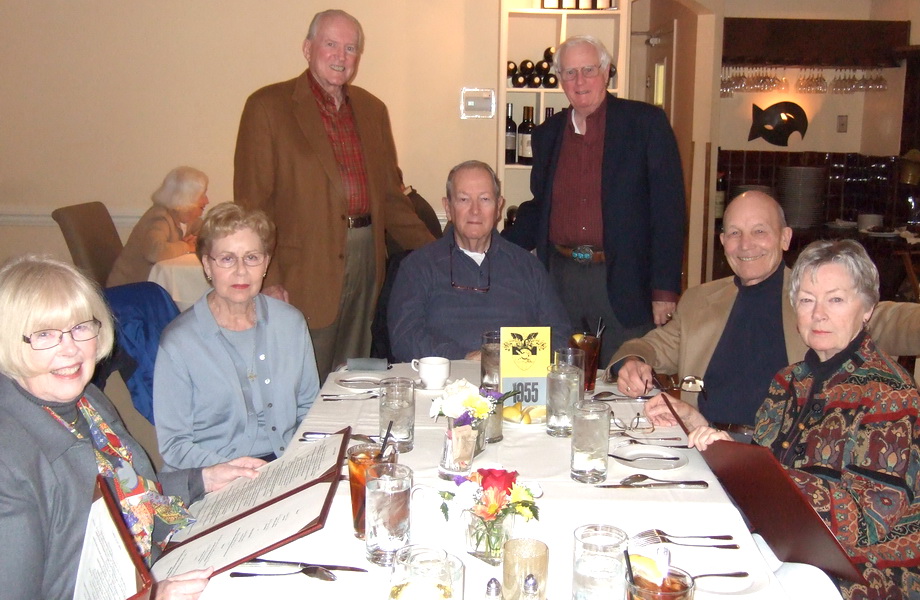
Pat Ryan (photog missed her) - Anne Malone - Carole Buchwald - Jim Ryan - Don Buchwald - Dan Malone - Chuck and Barbara Ewing [SEVA Lunch - NOV 2010] |
* * * * * * * * * * * * * * * * * * * * * *
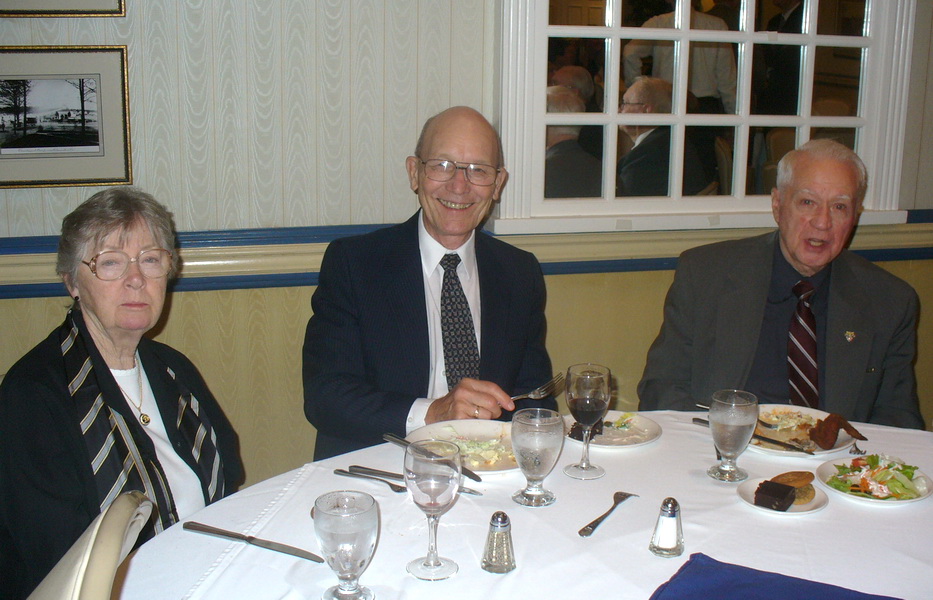
Barbara and Chuck Ewing - Dan Troyan
[Chuck Roades Funeral - AUG 2010]
* * * * * * * * * * * * * * * * * * * * * *
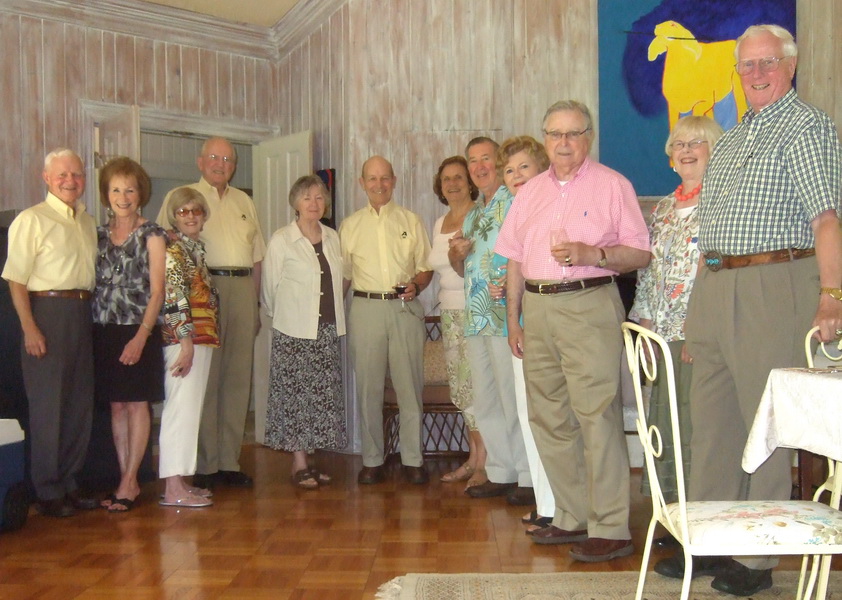
Dan and Donna Ludwig - Pat and Jim Ryan - Barbara and Chuck Ewing - Marie and Ted Livesay - Pat and Luke Lucas - Anne and Dan Malone [SEVA Lunch - JUN 2010] |
* * * * * * * * * * * * * * * * * * * * * *

Celia and Mike Gallup - Chuck and Barbara Ewing - Anna Axup - Brownie Pemberton - Bill Axup - Dave Pemberton - Jessie Chikalla - Dan and Yvette Troyan [E-2: 55th Reunion] |
* * * * * * * * * * * * * * * * * * * * * *
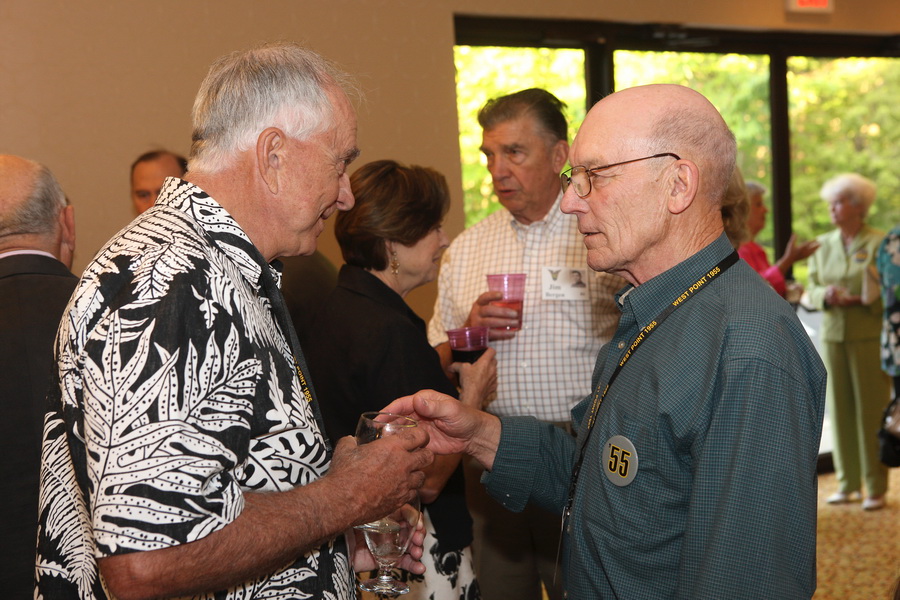
Fred Pirkey - Ute and Jim Bergen - Chuck Ewing
[55th Reunion - May 2010]
* * * * * * * * * * * * * * * * * * * * * *
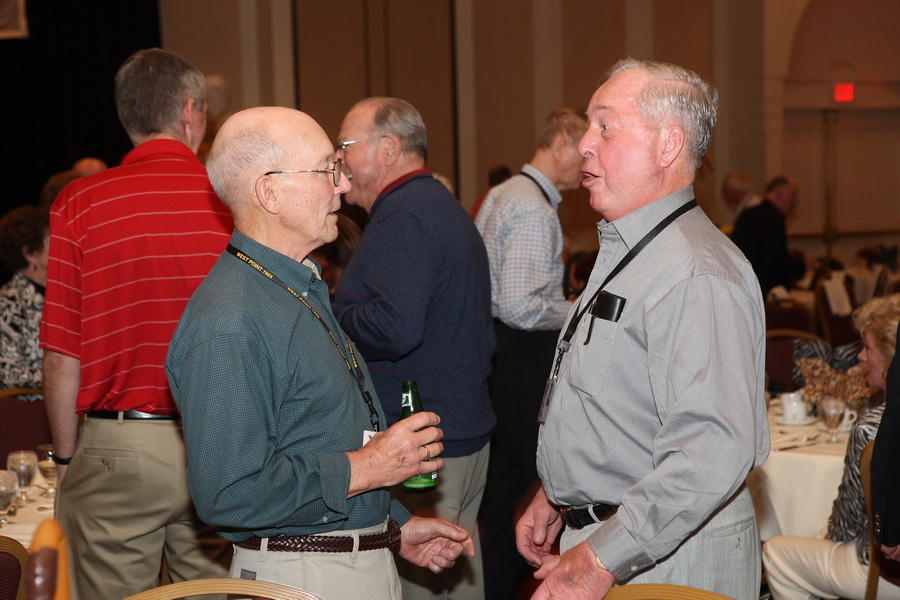
Chuck Ewing and Tom Phillips
[55th Reunion - May 2010]
* * * * * * * * * * * * * * * * * * * * * *
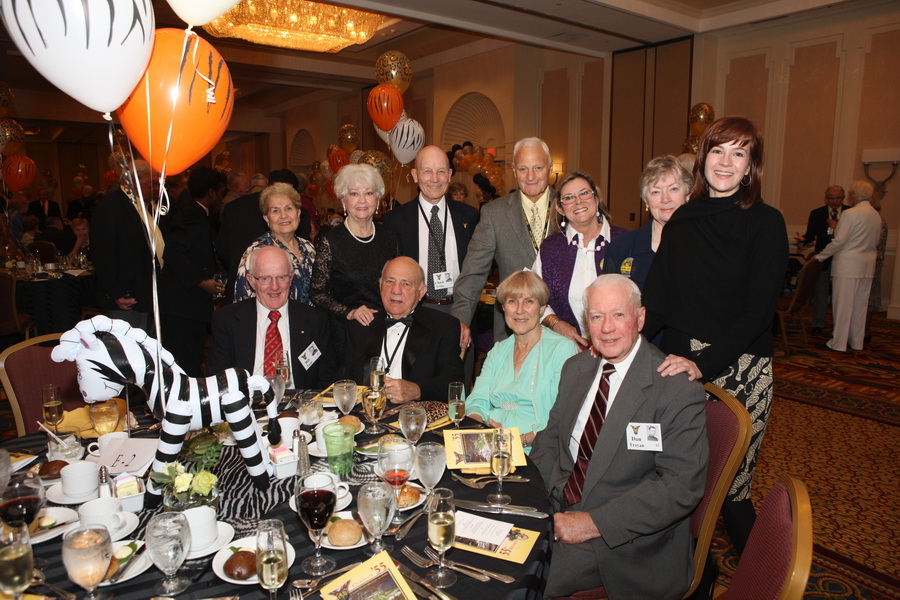
E-2: Axup's - Pemberton's - Ewing's - Gallup's - Jessie Chikalla -
Dan and Danielle Troyan [55th Reunion - May 2010]
* * * * * * * * * * * * * * * * * * * * * *
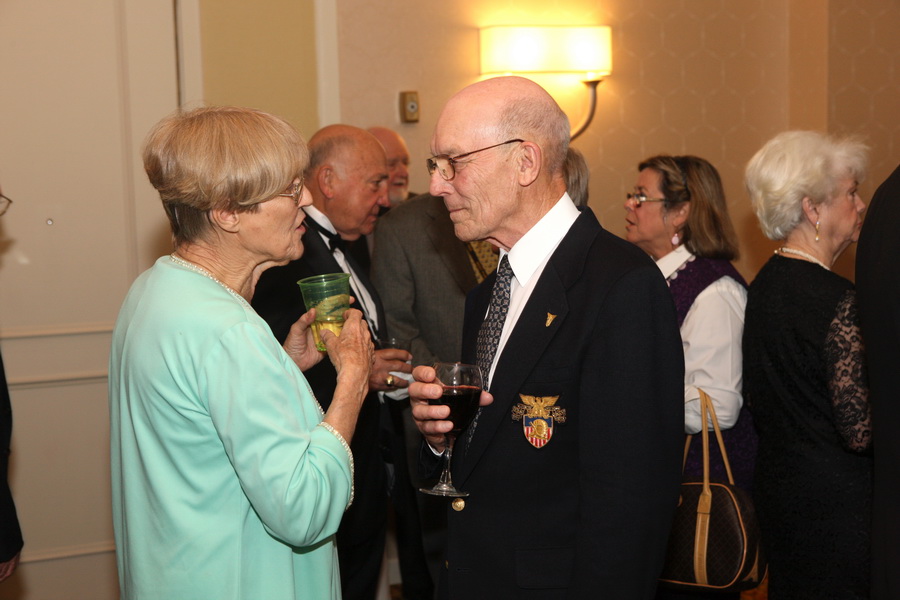
? and Chuck Ewing
[55th Reunion - May 2010]
* * * * * * * * * * * * * * * * * * * * * *
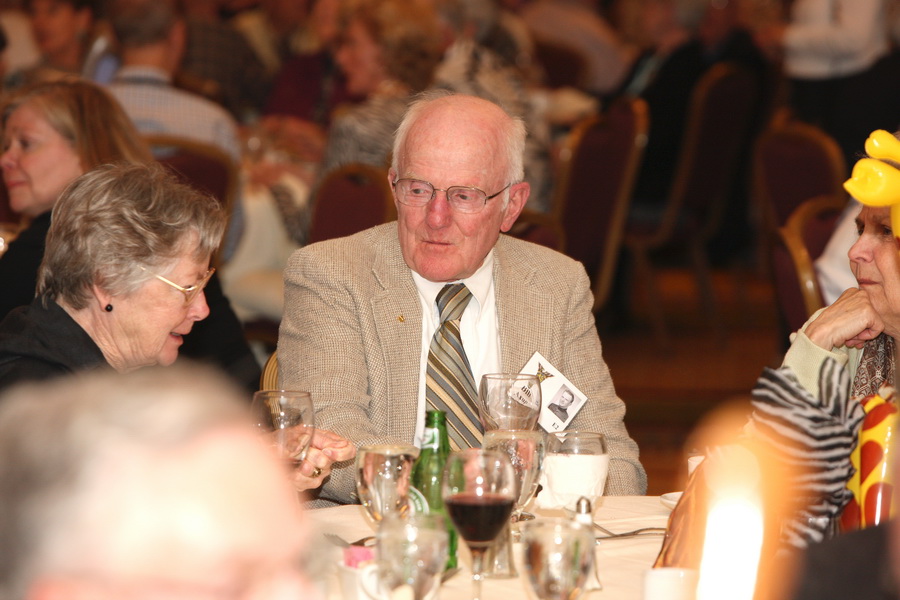
Barbara Ewing and Bill Axup
[55th Reunion - May 2010]
* * * * * * * * * * * * * * * * * * * * * *

Donna Ludwig - Anne Malone - Carole Buchwald - Dan Malone - Barbara Ewing - Dan Ludwig - Chuck Ewing - Don Buchwald - Jim and Pat Ryan [SEVA Lunch - MAR 2010] |
* * * * * * * * * * * * * * * * * * * * * *

Dan Ludwig - Chuck Ewing - Don Buchwald - Jim and Pat Ryan - Donna Ludwig - Anne Malone - Carole Buchwald - Dan Malone - Barbara Ewing [SEVA Lunch - MAR 2010] |
* * * * * * * * * * * * * * * * * * * * * *

Ted Livesay - Dan Ludwig - Doc Dorough - Anne Malone - Marie Livesay - Pat and Jim Ryan - Barbara Ewing - Carole Buchwald - Chuck Ewing (hiding) - Dan Malone - Don Buchwald [SEVA Lunch - OCT 2009] |
* * * * * * * * * * * * * * * * * * * * * *

Dan Malone - Don Buchwald - Jim Ryan - Ted Livesay -
Chuck Ewing [SEVA Lunch - SEP 2009]
* * * * * * * * * * * * * * * * * * * * * *
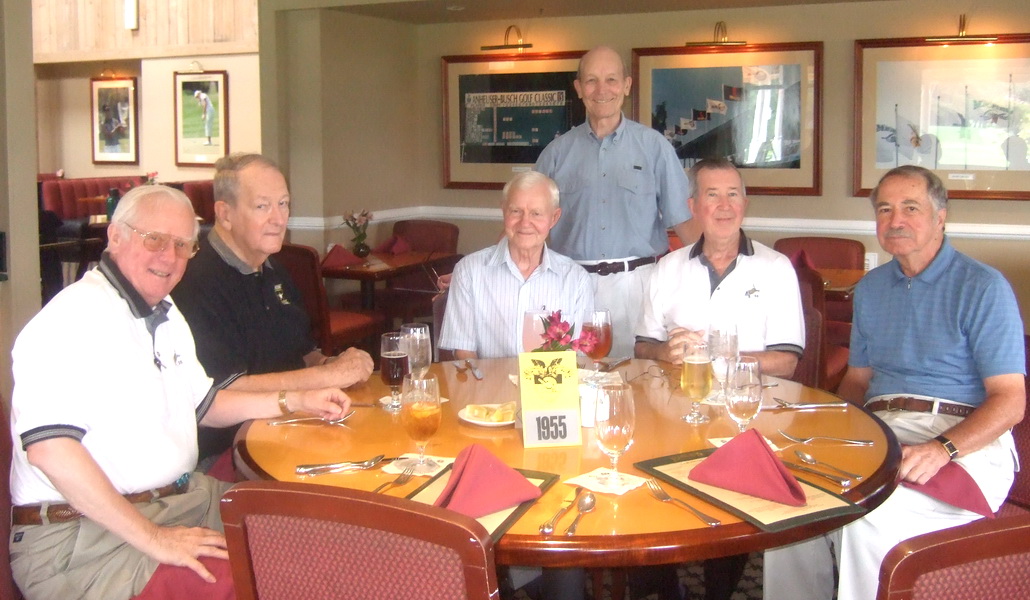
Dan Malone - Don Buchwald - Chuck Ewing - Dan Ludwig -
Ted Livesay - Doc Dorough [SEVA Lunch - AUG 2009]
* * * * * * * * * * * * * * * * * * * * * *
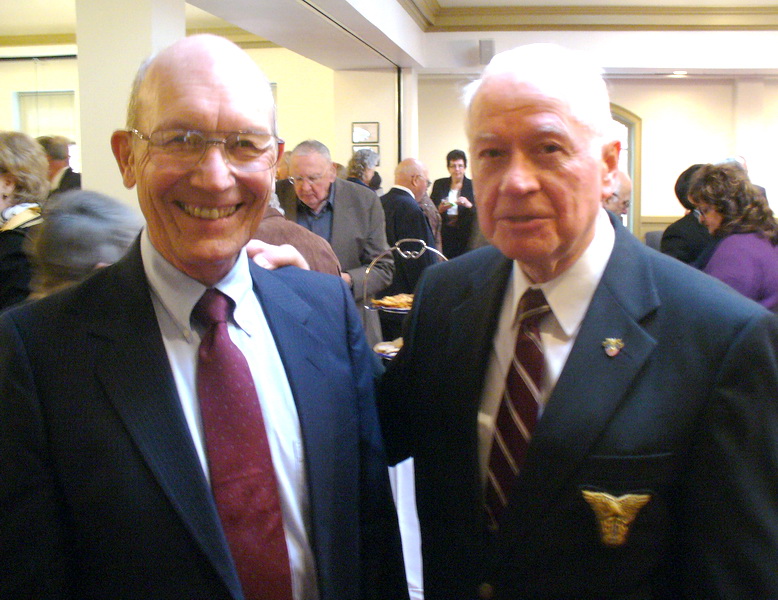
Chuck Ewing and Dan Troyan
[Bill Welter Funeral - MAR 2009]
* * * * * * * * * * * * * * * * * * * * * *
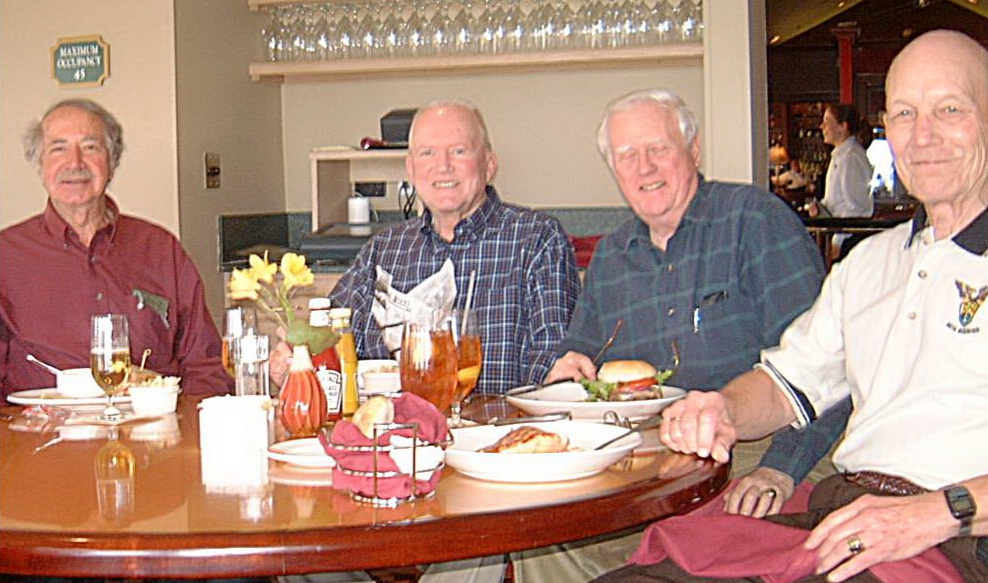
Dorough - Jim Ryan - Malone - Ewing
[SEVA Lunch - MAR 2009]
* * * * * * * * * * * * * * * * * * * * * *
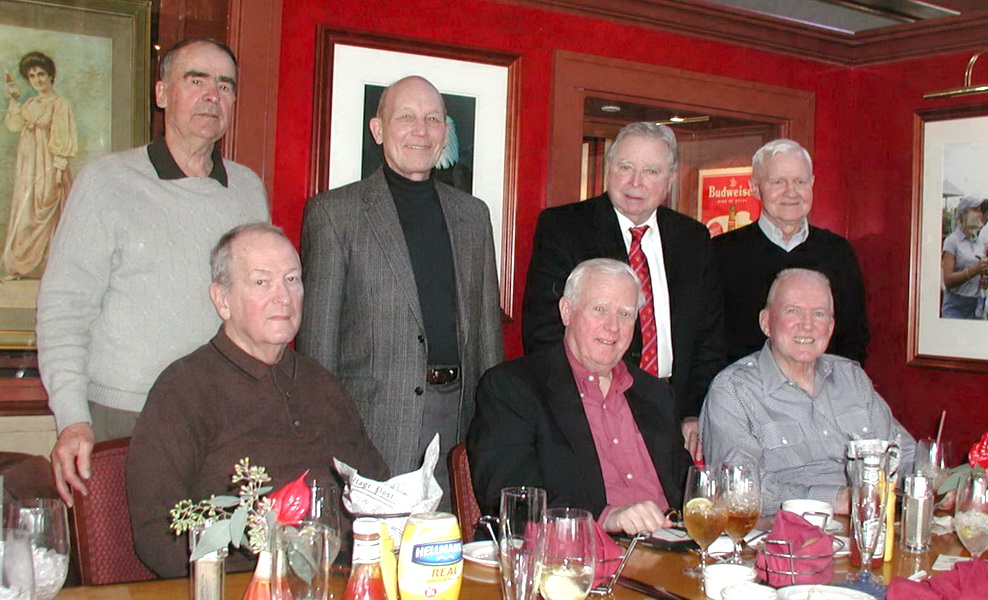
Welter - Buchwald - Ewing - Malone - Lucas - Jim Ryan -
Ludwig [SEVA Lunch - JAN 2009]
* * * * * * * * * * * * * * * * * * * * * *
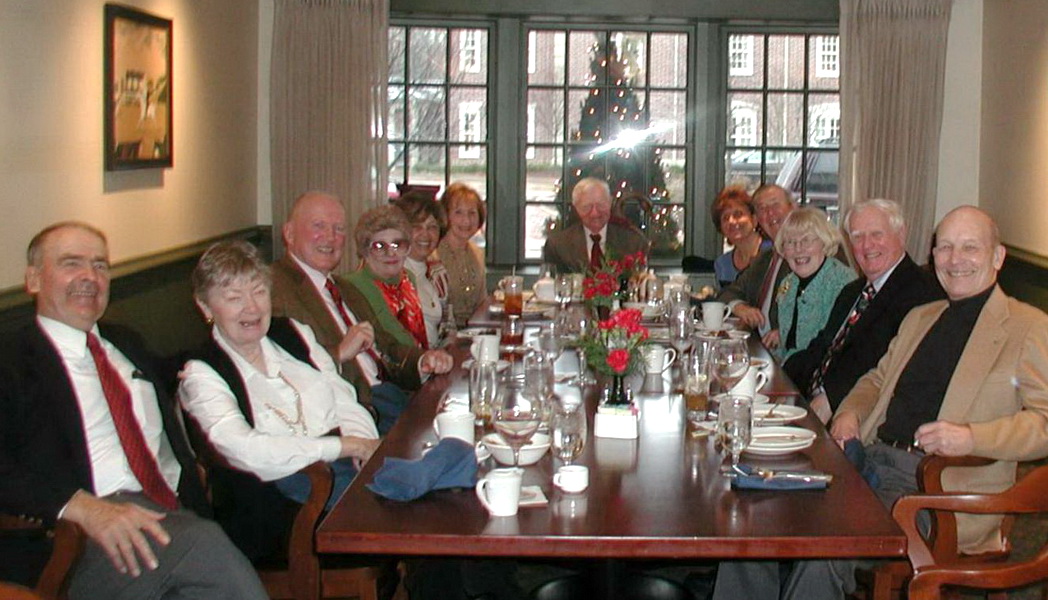
Welter - Barbara Ewing - Jim and Pat Ryan - Sherry Welter - Donna and Dan Ludwig - Marie and Ted Livesay - Anne and Dan Malone - Ewing [SEVA Lunch - DEC 2008] |
* * * * * * * * * * * * * * * * * * * * * *
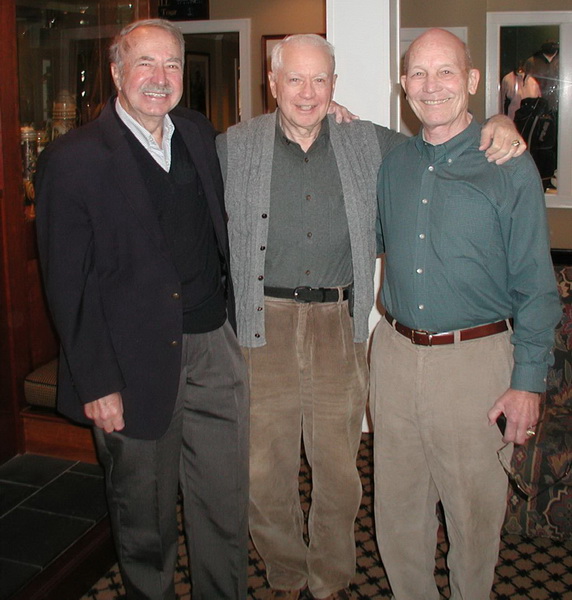
Dorough - Troyan - Ewing
[Beast Barracks Roommates - OCT 2008]
* * * * * * * * * * * * * * * * * * * * * *
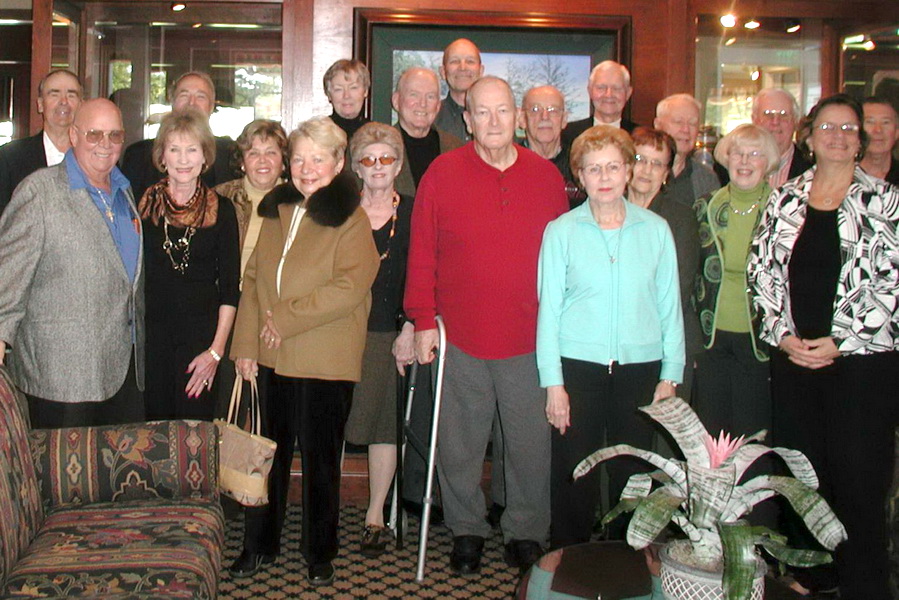
Welter - West - Donna Ludwig - Dorough - Sherry Welter - Elaine West - Barbara Ewing - Pat and Jim Ryan - Ewing - Buchwald - McCulla - Carole Buchwald - Ludwig - Joan McCulla - Troyan - Anne and Dan Malone - Marie and Ted Livesay (not shown: Bob Deardorff) [SEVA Lunch - OCT 2008] |
* * * * * * * * * * * * * * * * * * * * * *
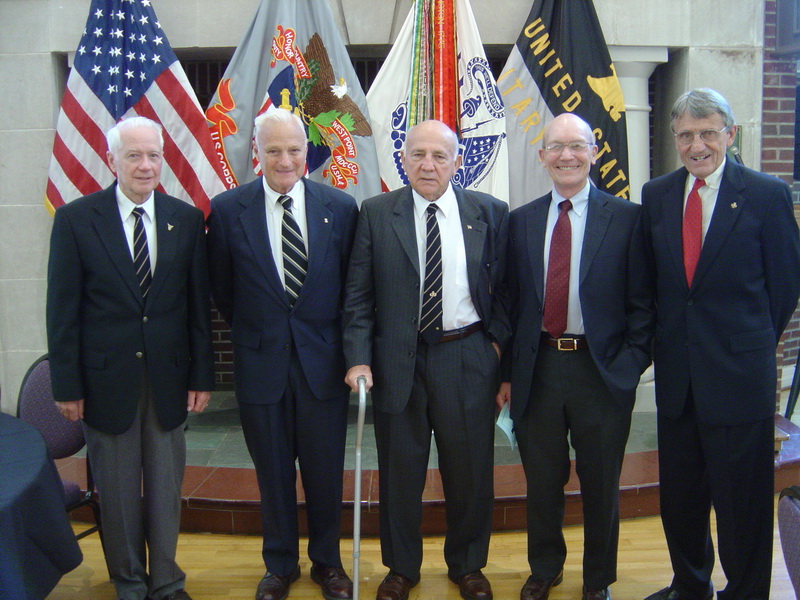
Troyan - Gallup - Pemberton - Ewing -
C. Johnson [West Point - AUG 2008]
* * * * * * * * * * * * * * * * * * * * * *
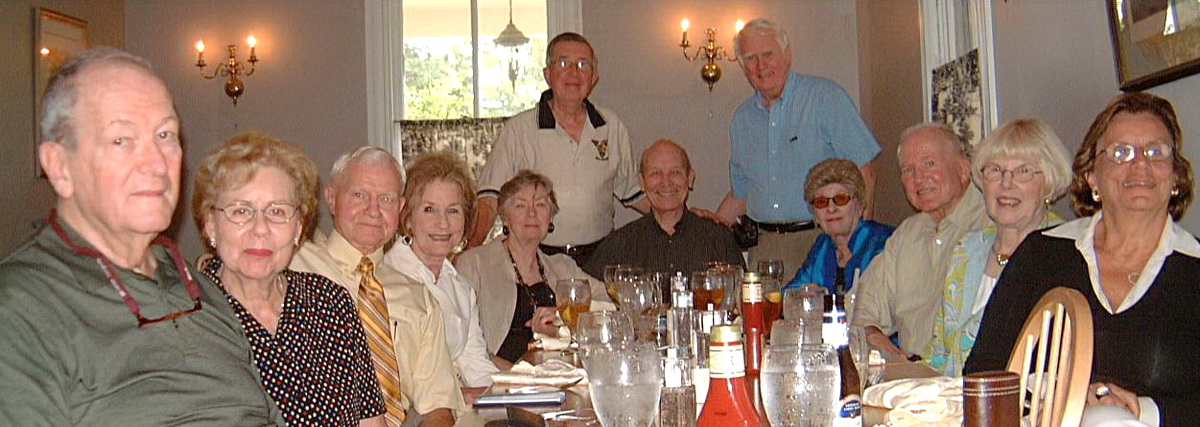
Don and Carole Buchwald - Dan and Donna Ludwig - Barbara Ewing - Ted Livesay - Chuck Ewing - Dan Malone - Pat and Jim Ryan - Anne Malone - Marie Livesay [SEVA Lunch - AUG 2008] |
* * * * * * * * * * * * * * * * * * * * * *
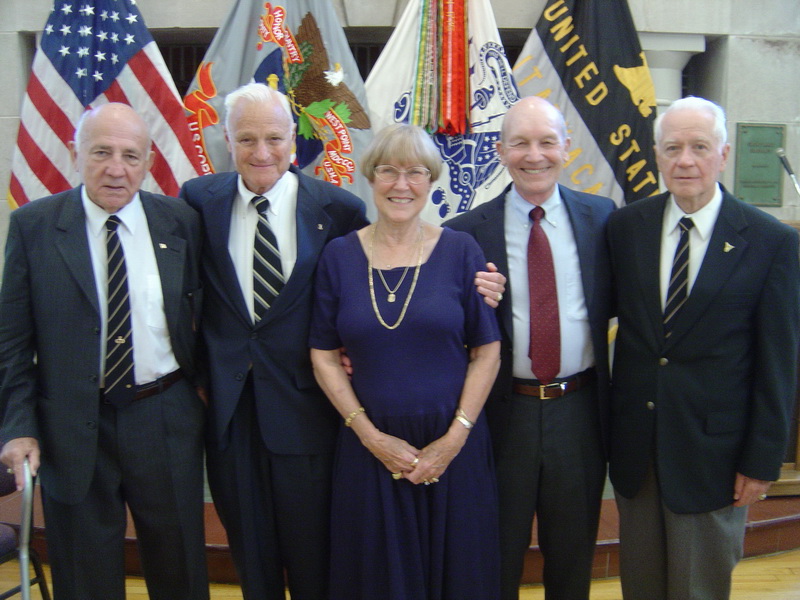
Pemberton - Gallup - Jessie Chikalla -
Ewing - Troyan [West Point - AUG 2008]
* * * * * * * * * * * * * * * * * * * * * *
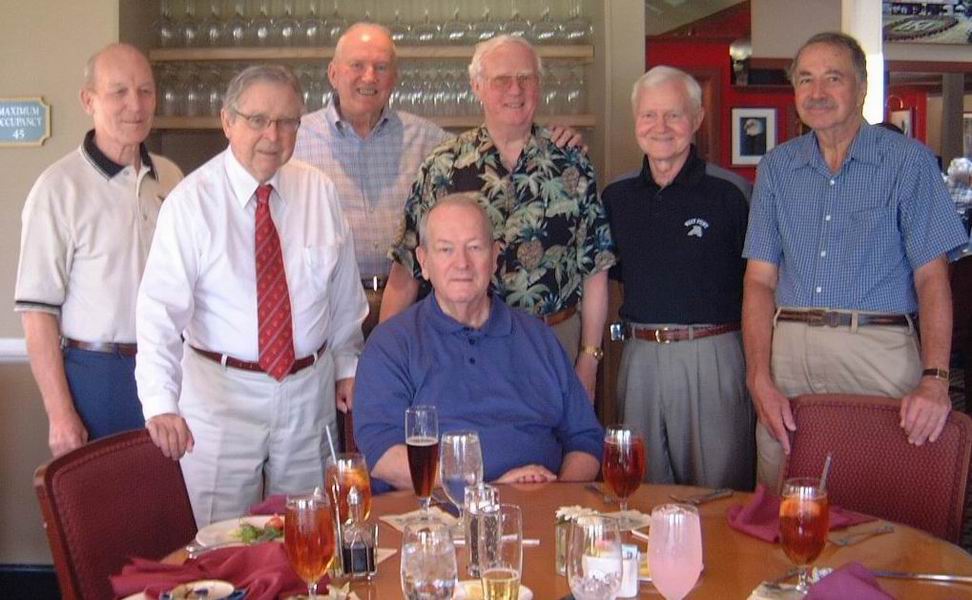
Ewing - Lucas - Jim Ryan - Buchwald - Malone -
Ludwig - Dorough [SEVA Lunch - JUL 2008]
* * * * * * * * * * * * * * * * * * * * * *
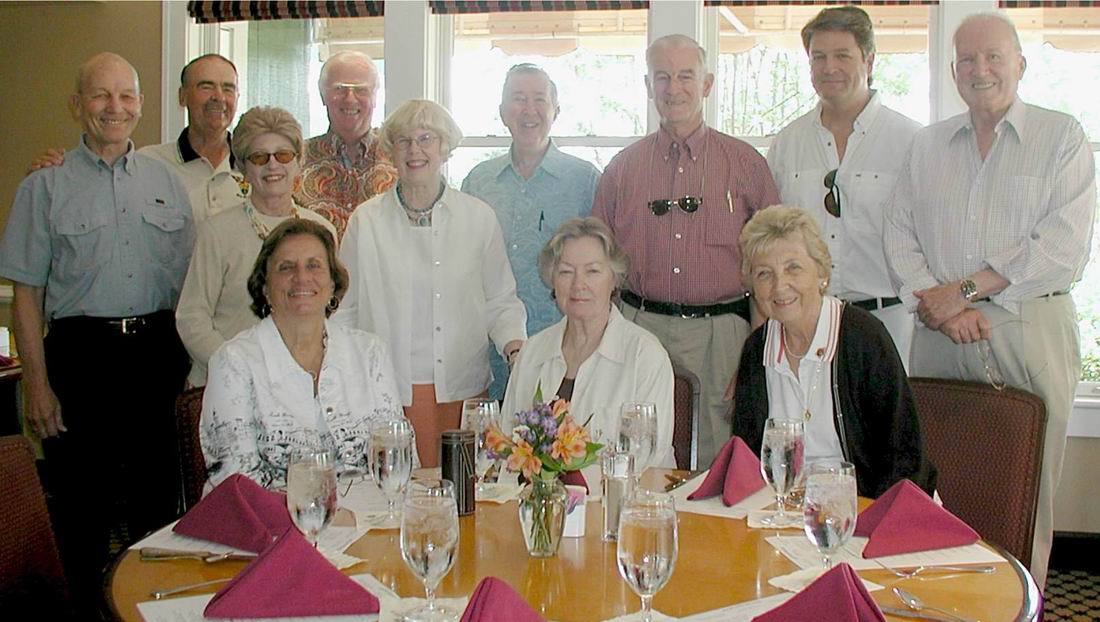
Ewing - Welter - Pat Ryan - Marie Livesay - Dan and Anne Malone - Livesay - Barbara Ewing - Bob and Helga Hinrichs - Mike Hinrichs - Ryan [SEVA Lunch - JUN 2008] |
* * * * * * * * * * * * * * * * * * * * * *
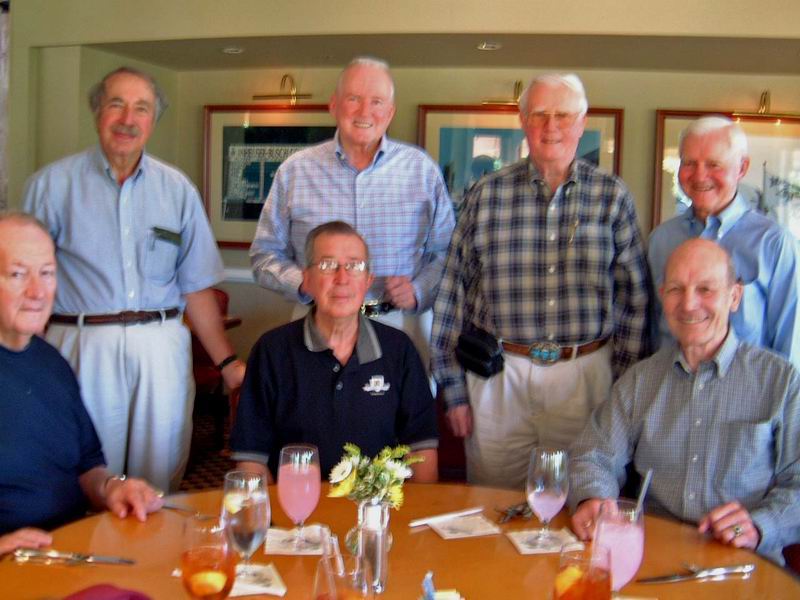
Dorough - Ryan - Malone - Ludwig - Buchwald -
Livesay - Ewing [SEVA Lunch - MAY 2008]
* * * * * * * * * * * * * * * * * * * * * *
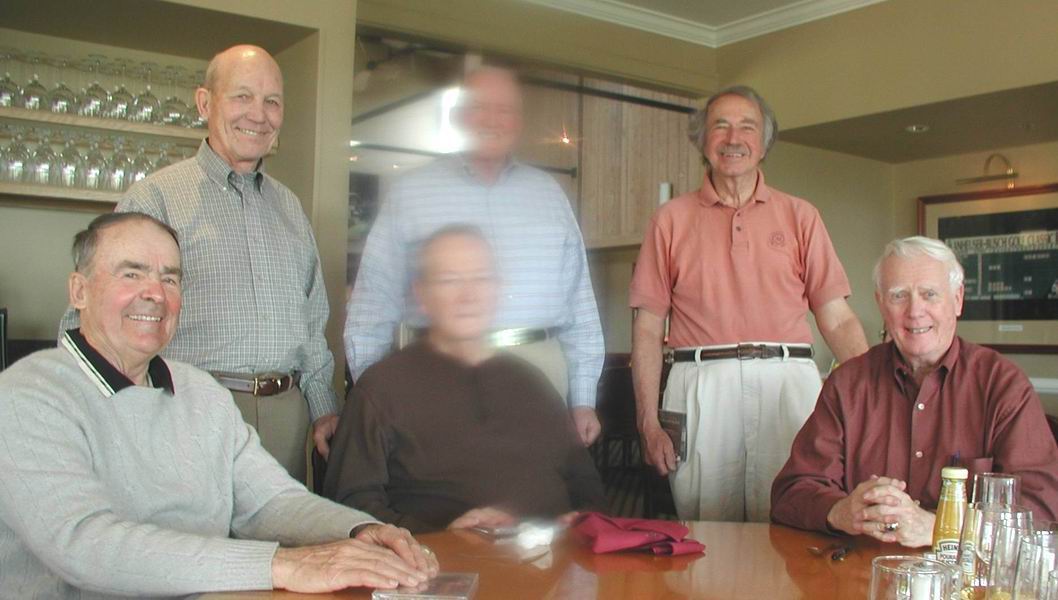
Welter - Ewing - Buchwald - Ryan - Dorough - Malone
[SEVA Lunch - MAR 2008]
* * * * * * * * * * * * * * * * * * * * * *
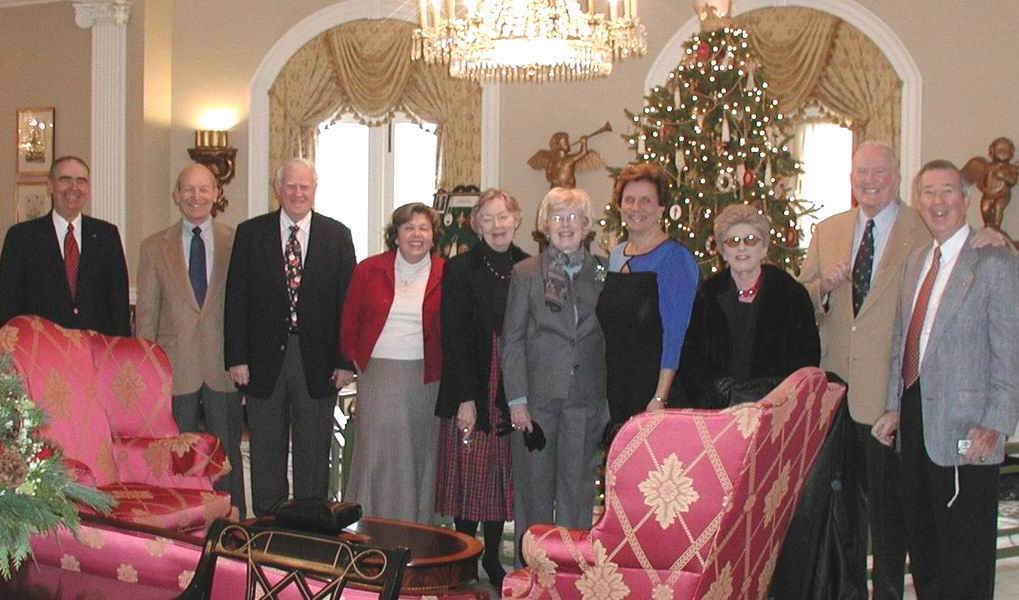
Welter - Ewing - Malone - Sherry Welter - Barbara Ewing - Anne Malone - Marie Livesay - Pat and Jim Ryan - Livesay [DEC 2007 SEVA Lunch] |
* * * * * * * * * * * * * * * * * * * * * *
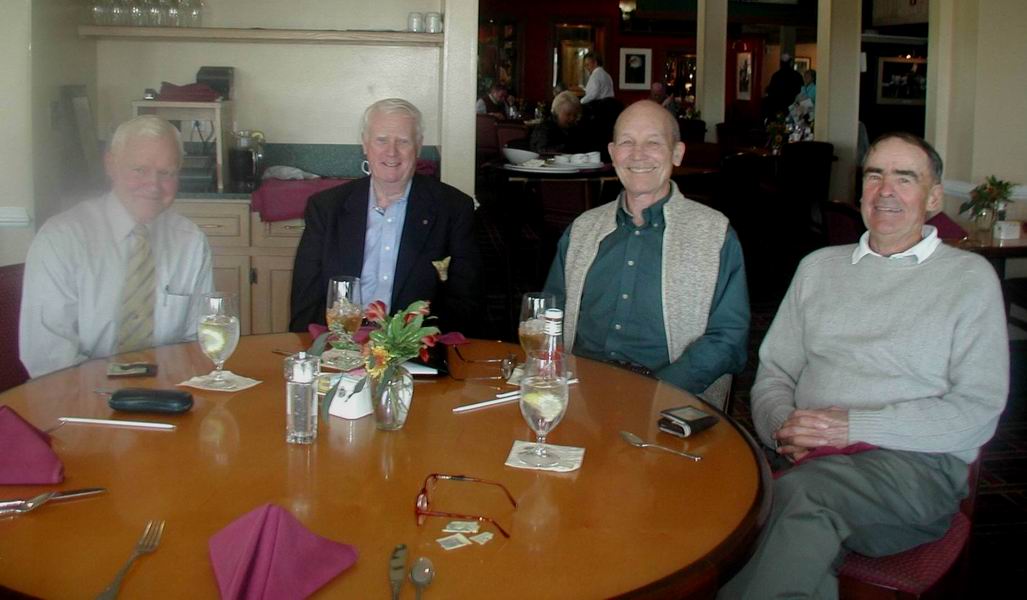
Dan Ludwig - Dan Malone - Chuck Ewing - Bill Welter
[NOV 2007 SEVA Lunch]
* * * * * * * * * * * * * * * * * * * * * *
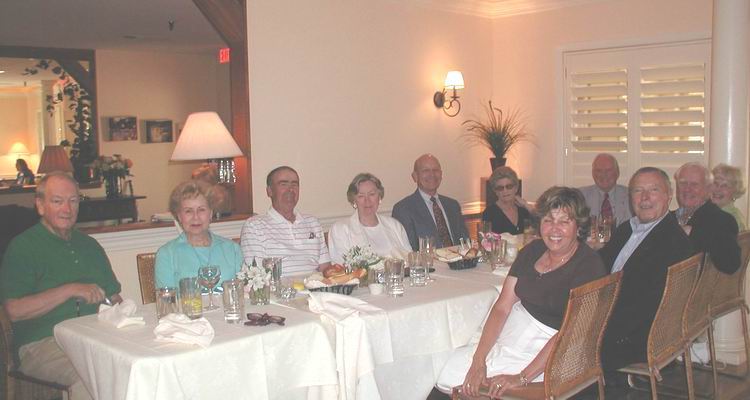
Don and Carole Buchwald - Bill Welter - Barbara and Chuck Ewing - Pat and Jim Ryan - Anne and Dan Malone - Pop Warner - Sherry Welter [JUN 2007 SEVA Lunch] |
* * * * * * * * * * * * * * * * * * * * * *
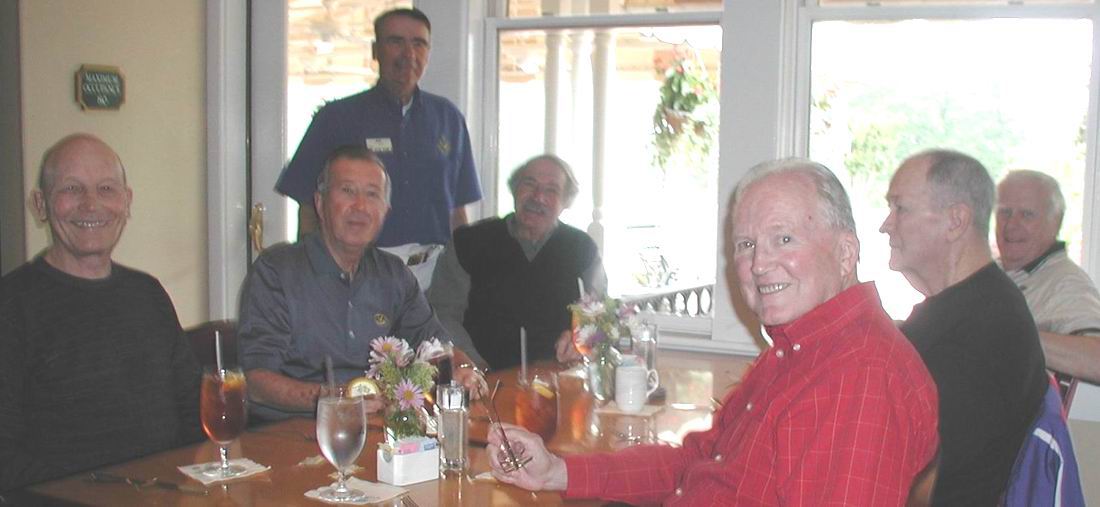
Ewing - Livesay - Welter - Dorough - Jim Ryan - Buchwald -
Malone [MAY 2007 SEVA Lunch]
* * * * * * * * * * * * * * * * * * * * * *
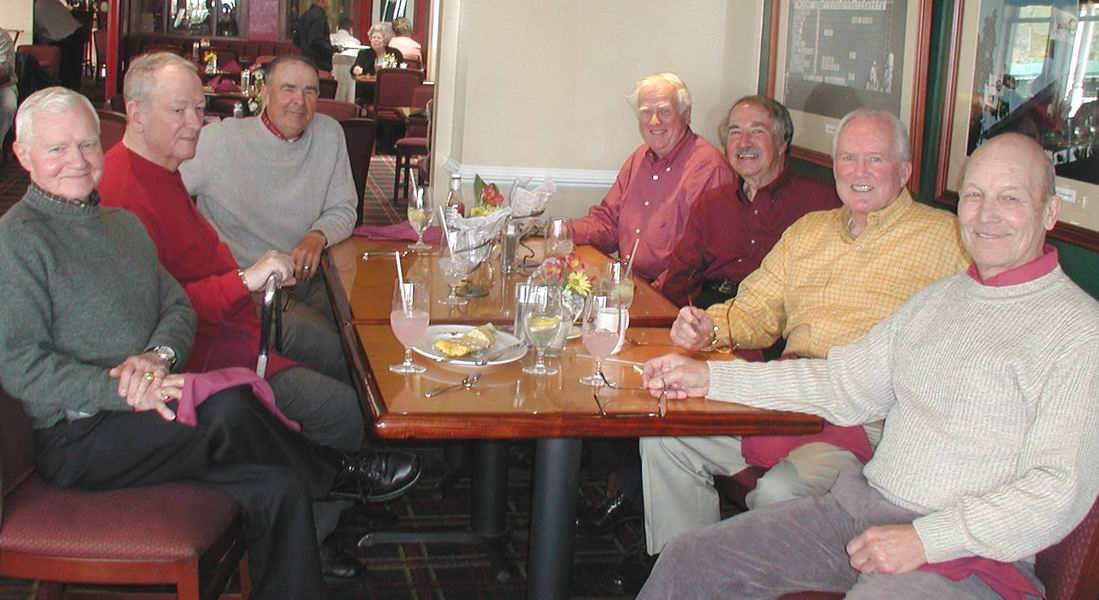
Ludwig - Buchwald - Welter - Malone - Dorough -
Jim Ryan - Ewing [APR 2007 SEVA Lunch]
* * * * * * * * * * * * * * * * * * * * * *
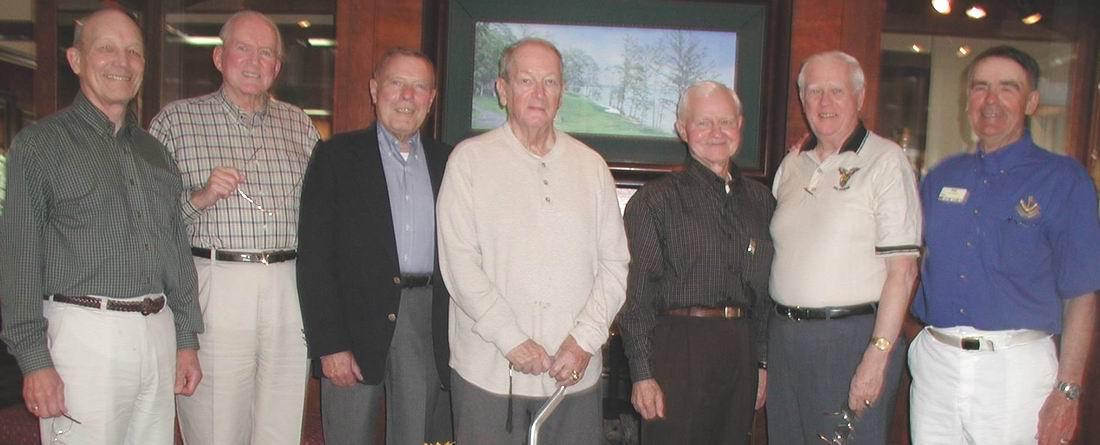
Ewing - Jim Ryan - Pop Warner - Buchwald - Ludwig -
Malone - Welter [MAR 2007 SEVA Lunch]
* * * * * * * * * * * * * * * * * * * * * *
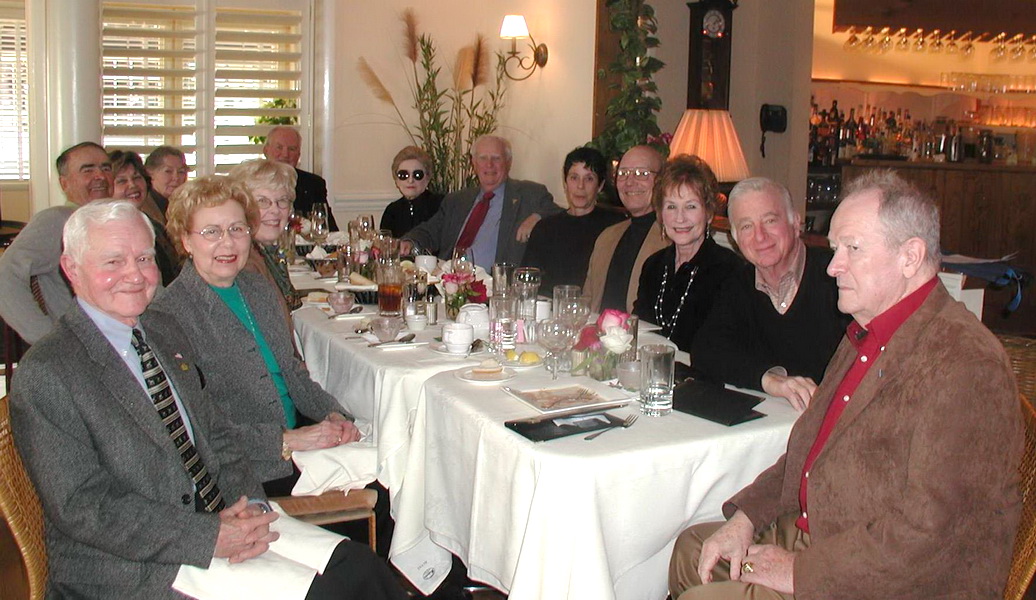
Ludwig - Carole Buchwald - Anne Malone - Bill and Sherry Welter - Barbara Ewing - Jim and Pat Ryan - Malone - Norma Auer - Ewing - Donna Ludwig - Auer - Buchwald [FEB 2007 SEVA Lunch] |
* * * * * * * * * * * * * * * * * * * * * *
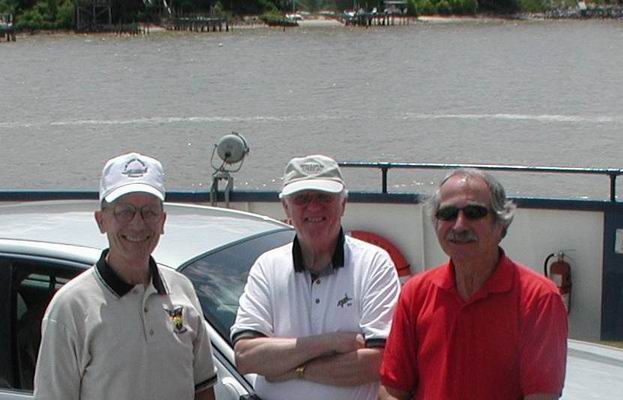
Ewing - Malone - Dorough
[JUL 2006]
* * * * * * * * * * * * * * * * * * * * * *
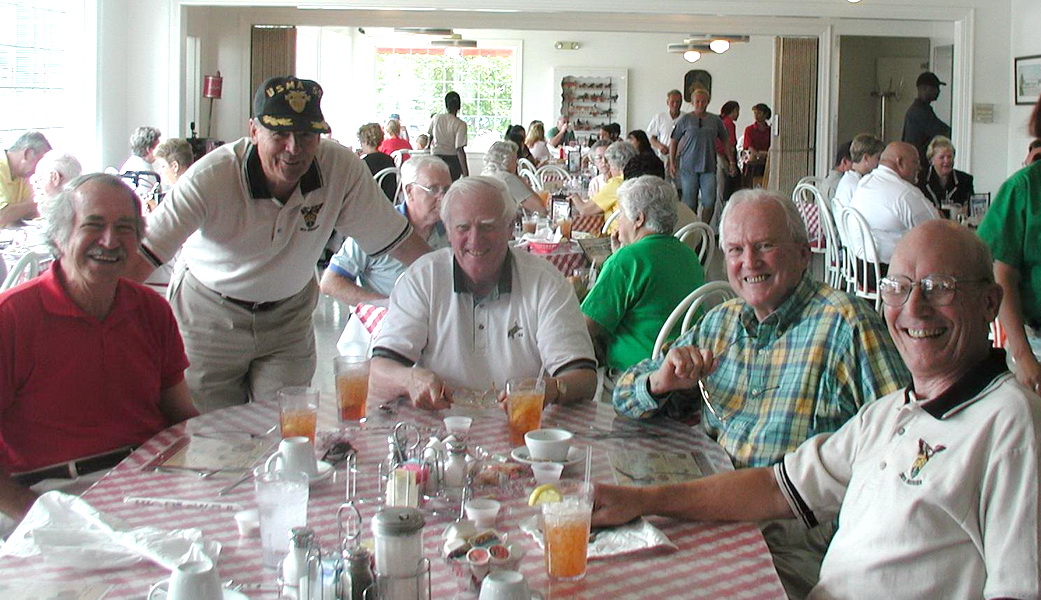
Dorough - Welter - Malone - Jim Ryan - Ewing
[MAY 2006]
* * * * * * * * * * * * * * * * * * * * * *
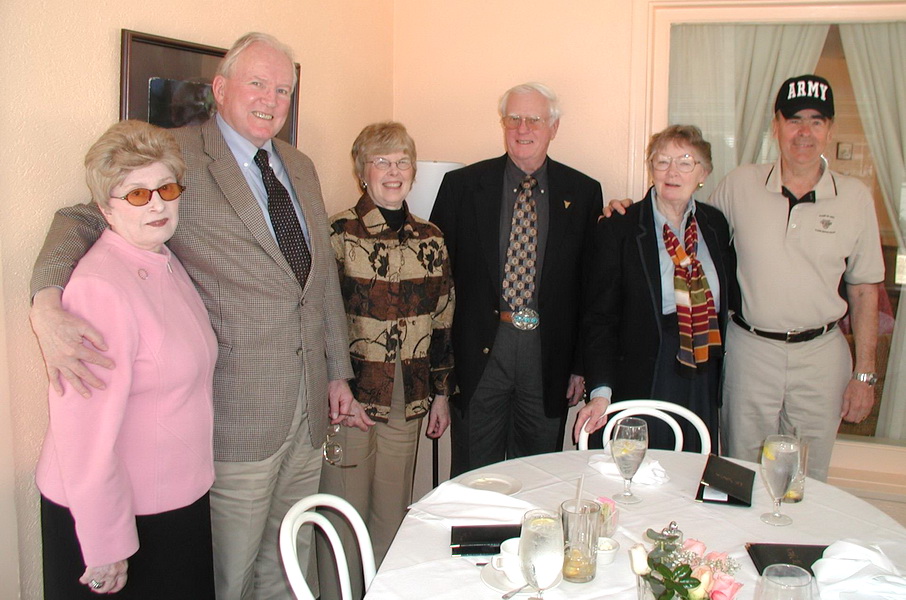
Pat and Jim Ryan - Anne and Dan Malone -
Barbara Ewing - Bill Welter [FEB 2006]
* * * * * * * * * * * * * * * * * * * * * *
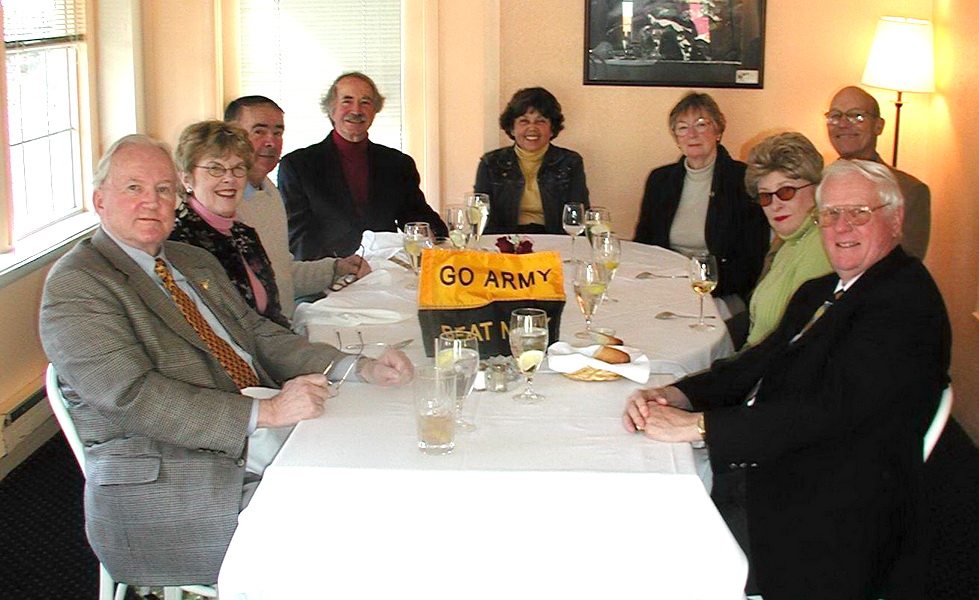
Jim Ryan - Anne M - Welter - Dorough - Sherry W -
Barbara E - Ewing - Pat R - Malone [DEC 2005]
* * * * * * * * * * * * * * * * * * * * * *
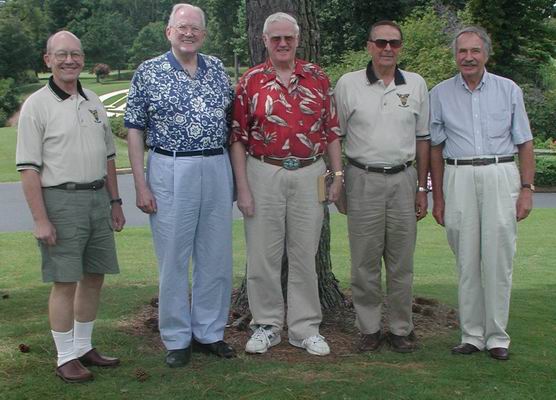
Ewing - Jim Ryan - Malone - Welter -
Dorough [AUG 2005]
* * * * * * * * * * * * * * * * * * * * * *
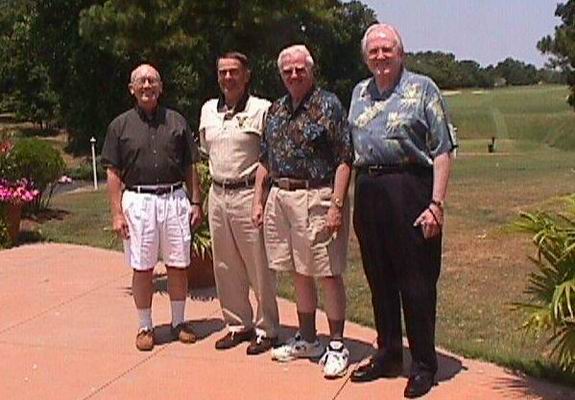
Ewing - Welter - Malone - Jim Ryan
[JUN 2005]
* * * * * * * * * * * * * * * * * * * * * *
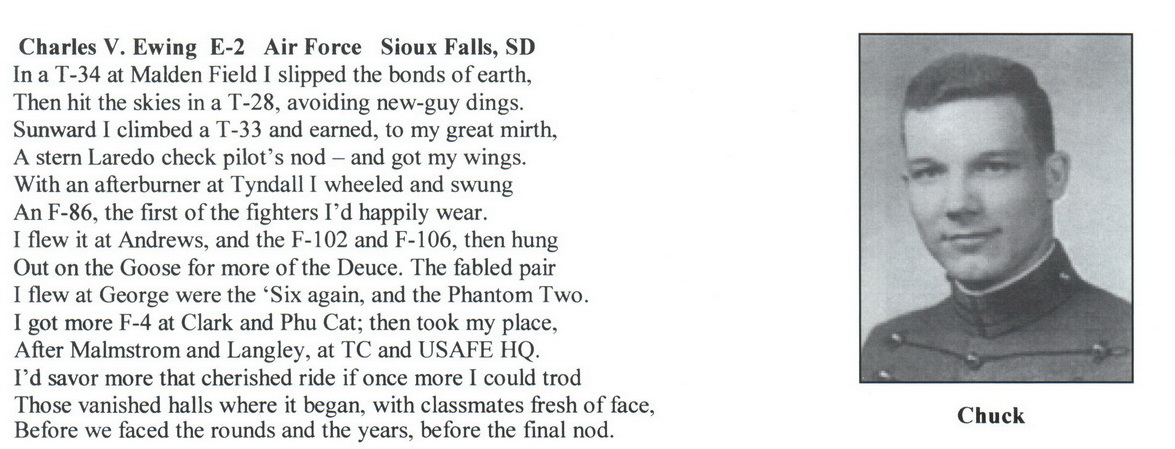
[50th Reunion Bio]
* * * * * * * * * * * * * * * * * * * * * *
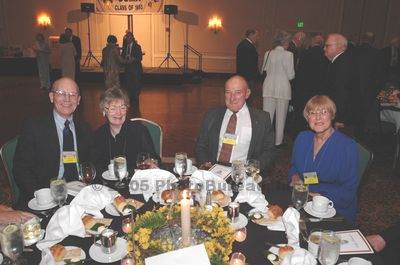
Chuck and Barbara Ewing - Chick
and Jessie Chikalla [50th Reunion]
* * * * * * * * * * * * * * * * * * * * * *
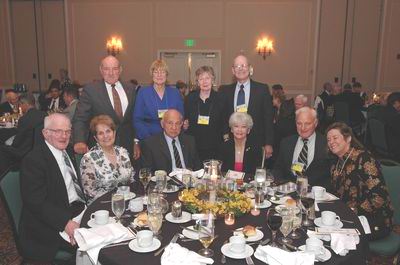
Sitting: Bill and Anna Axup - Dave and Brownie Pemberton - Mike and Celia Gallup - Standing: Chick and Jessie Chikalla - Barbara and Chuck Ewing [50th Reunion] |
* * * * * * * * * * * * * * * * * * * * * *
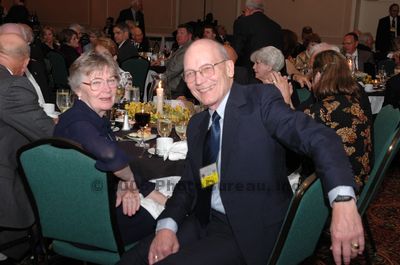
Barbara and Chuck Ewing
[50th Reunion]
* * * * * * * * * * * * * * * * * * * * * *
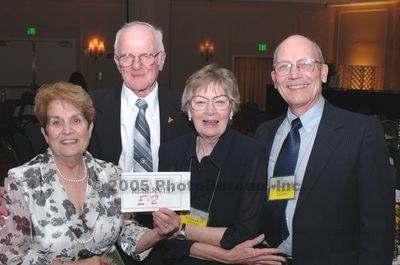
Anna and Bill Axup - Barbara and Chuck Ewing
[50th Reunion]
* * * * * * * * * * * * * * * * * * * * * *
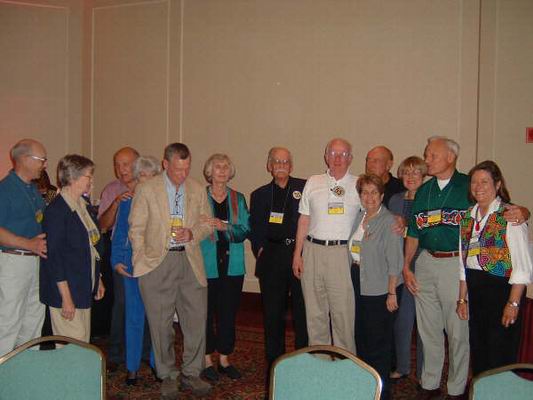
Chuck and Barbara Ewing - Bill and Corry May - Woody and Sharon Black - McAuslan x55 - Bill and Anna Axup - Chick and Jessie Chikalla - Mike and Celia Gallup [E-2: 50th Reunion] |
* * * * * * * * * * * * * * * * * * * * * *
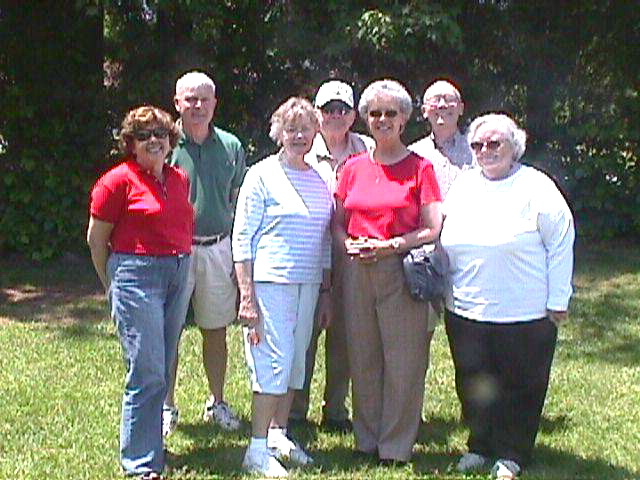
Sherry Welter - Wing - Barbara Ewing - Gersitz
Sheila Wing - Ewing - Sally Gersitz [MAY 2005]
* * * * * * * * * * * * * * * * * * * * * *
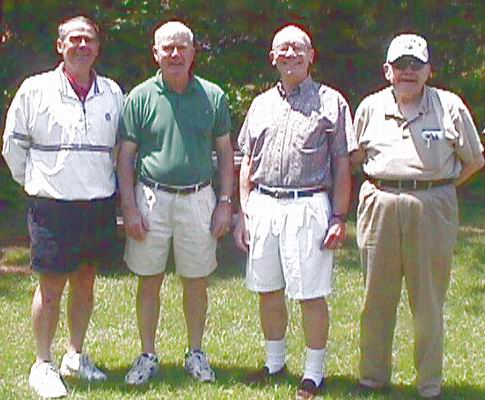
Welter - Wing - Ewing - Gersitz
[MAY 2005]
* * * * * * * * * * * * * * * * * * * * * *
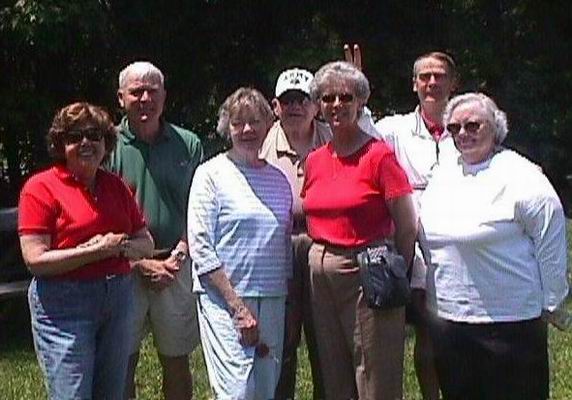
Sherry Welter - Wing - Barbara Ewing - Gersitz -
Sheila Wing - Welter - Sally Gersitz [MAY 2005]
* * * * * * * * * * * * * * * * * * * * * *
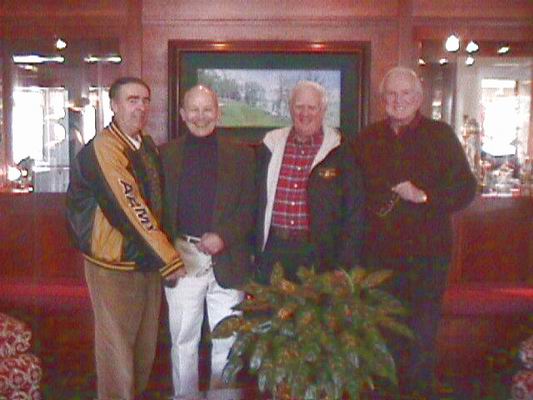
Welter - Ewing - Malone - Jim Ryan
[FEB 2005 SEVA Lunch]
* * * * * * * * * * * * * * * * * * * * * *
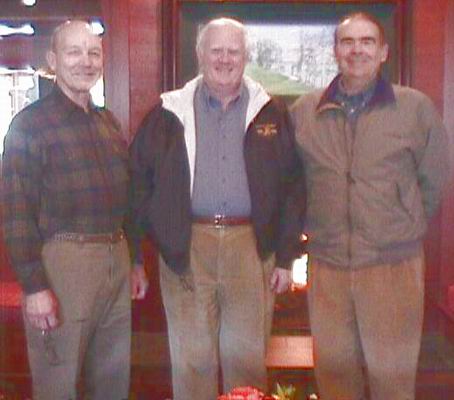
Ewing - Malone - Welter
[JAN 2005 SEVA Lunch]
* * * * * * * * * * * * * * * * * * * * * *
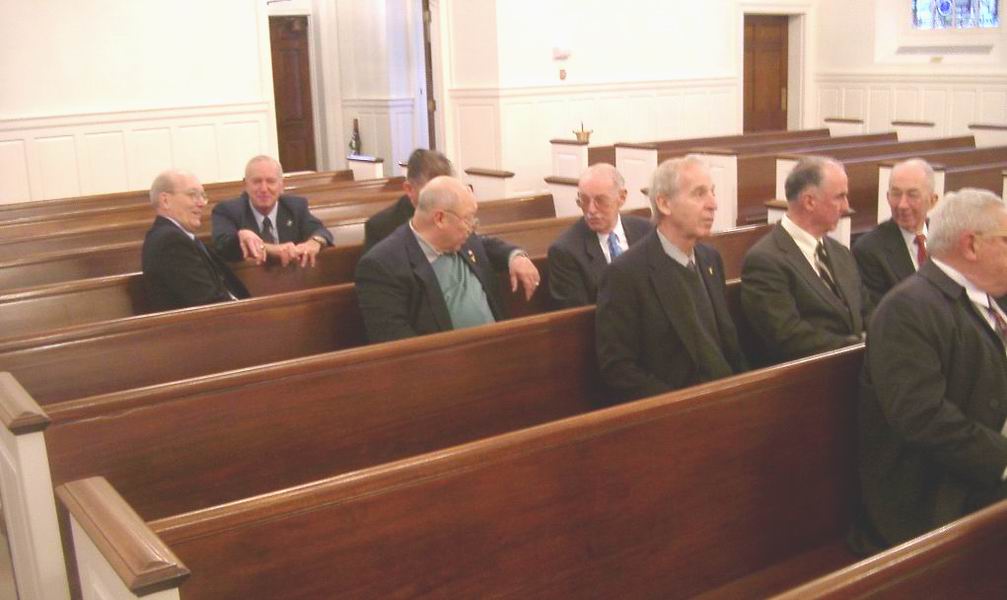
Pew 2: McNerney - Pew 3: Goldstein - Gay - McNair - Pew 4: Russell - McCulla - Pew 5: Ewing - Bergen - Pew6: Rich Miller [John Hardy Funeral - JAN 2005] |
* * * * * * * * * * * * * * * * * * * * * *
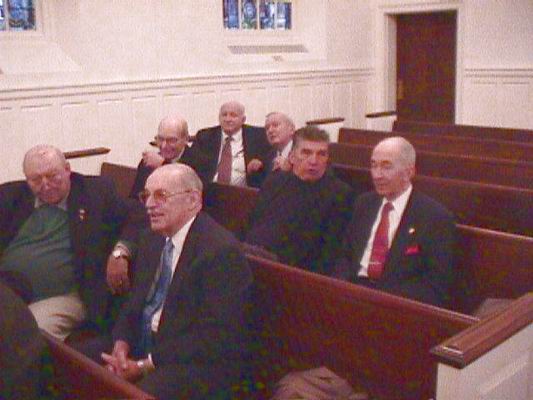
Russell - Ewing - McCulla - Sloan - Rich Miller -
Bergen - McNair [5 JAN 2005]
* * * * * * * * * * * * * * * * * * * * * *
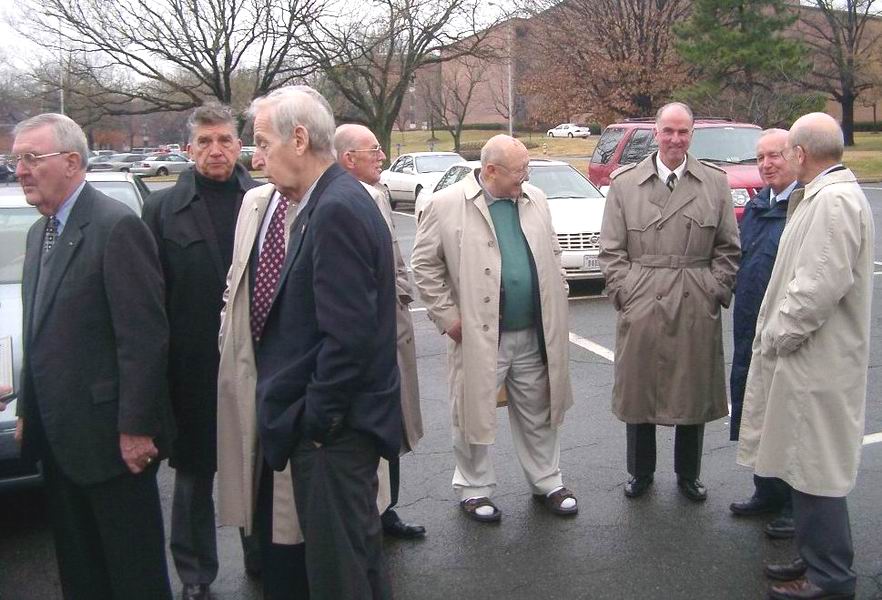
Roades - Bergen - Goldstein - McCulla - Russell - Gay -
Rich Miller - Ewing [John Hardy Funeral - JAN 2005]
* * * * * * * * * * * * * * * * * * * * * *
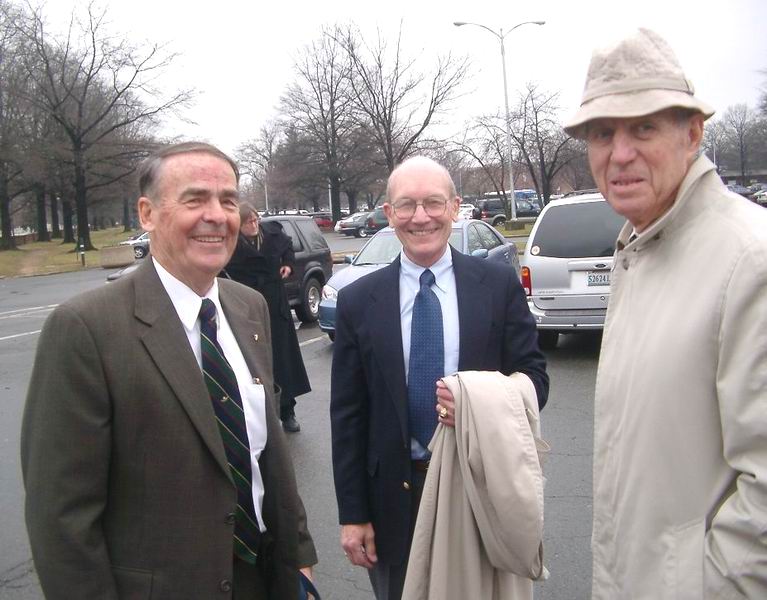
Welter - Ewing - Schepps
[John Hardy Funeral - JAN 2005]
* * * * * * * * * * * * * * * * * * * * * *
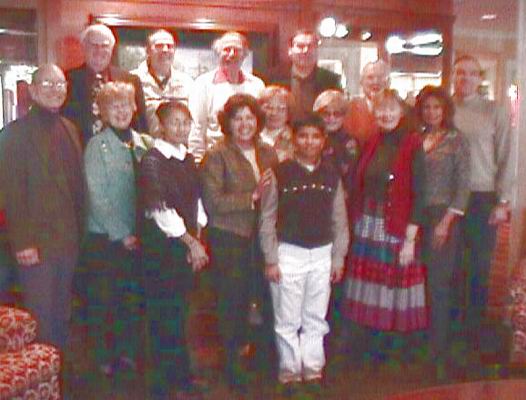
Front: Ewing - Anne Malone - Jovana Zaborowski - Sherry Welter - Jane Zaborowski - David Zaborowski - Pat Ryan - Jim Ryan - Barb Ewing - Liz Zaborowski - Mike Zaborowski - Back: Malone - Welter - Dorough - Zaborowski [DEC 2004] |
* * * * * * * * * * * * * * * * * * * * * *
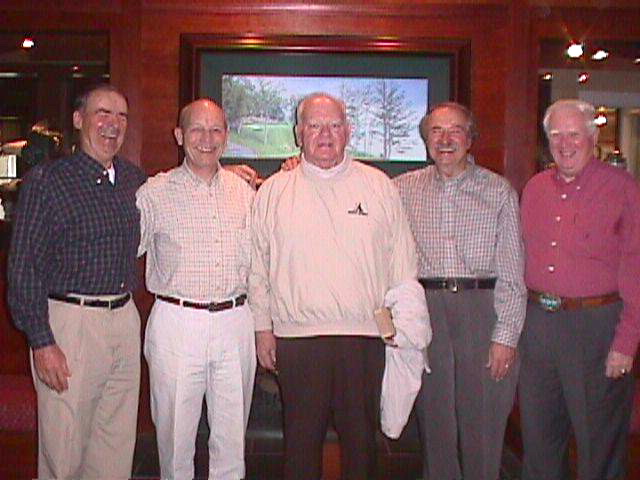
Welter - Ewing - Drummond - Dorough - Malone
[Bulldog's Bachelor Party - NOV 2004]
* * * * * * * * * * * * * * * * * * * * * *
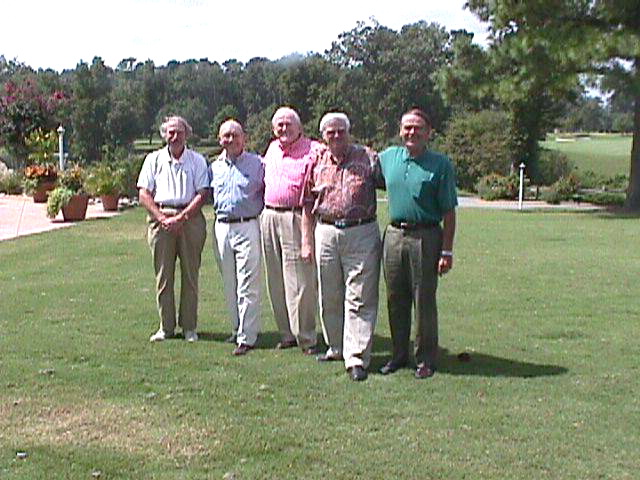
Dorough - Ewing - Jim Ryan - Malone - Welter
[SEP 2004]
* * * * * * * * * * * * * * * * * * * * * *
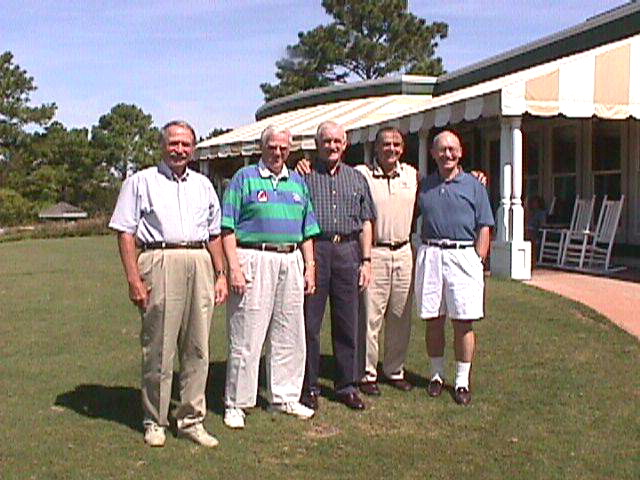
Dorough - Malone - Hinrichs -
Welter - Ewing [SEP 2004]
* * * * * * * * * * * * * * * * * * * * * *
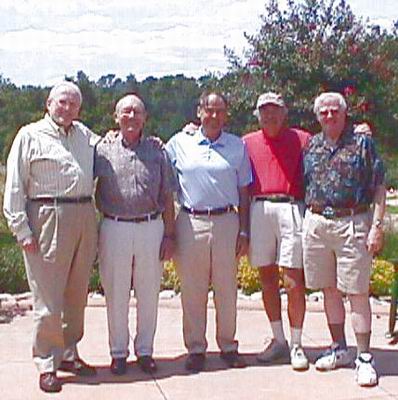
Jim Ryan - Ewing - Welter - Dorough - Malone
[AUG 2004]
* * * * * * * * * * * * * * * * * * * * * *
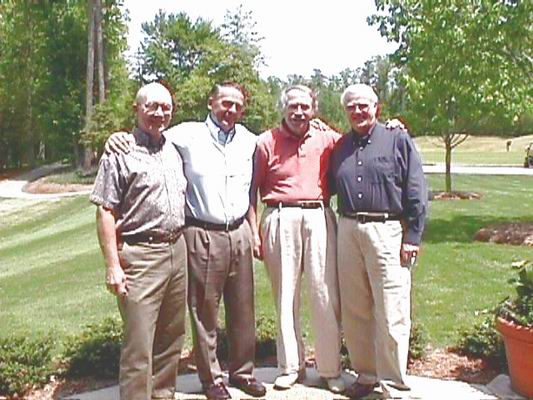
Ewing - Welter - Dorough - Malone
[APR 2003]
* * * * * * * * * * * * * * * * * * * * * *
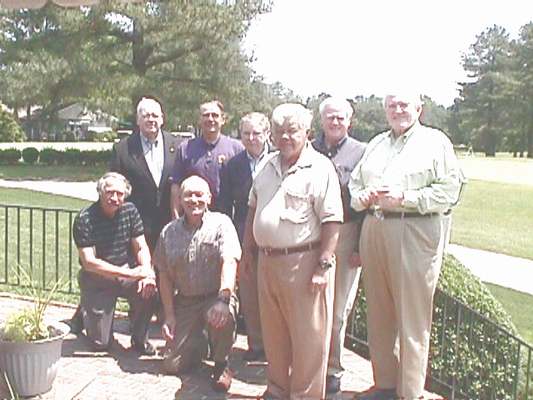
Dorough - Drummond - Ewing - Welter - Lucas -
Robertson - Malone - Jim Ryan [MAY 2003]
* * * * * * * * * * * * * * * * * * * * * *
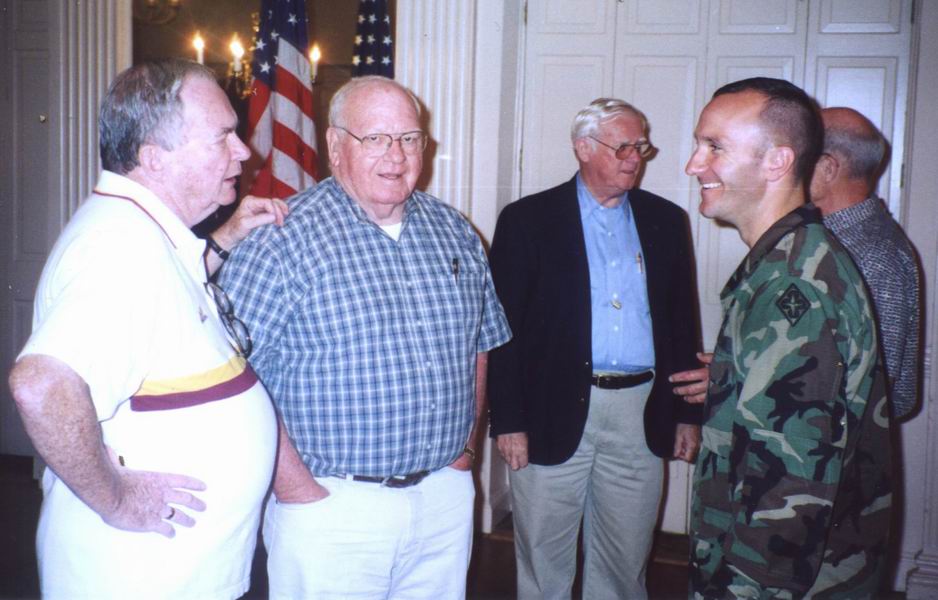
Bundren - Drummond - Sloan's son - Ewing
[JUL 2002]
* * * * * * * * * * * * * * * * * * * * * *
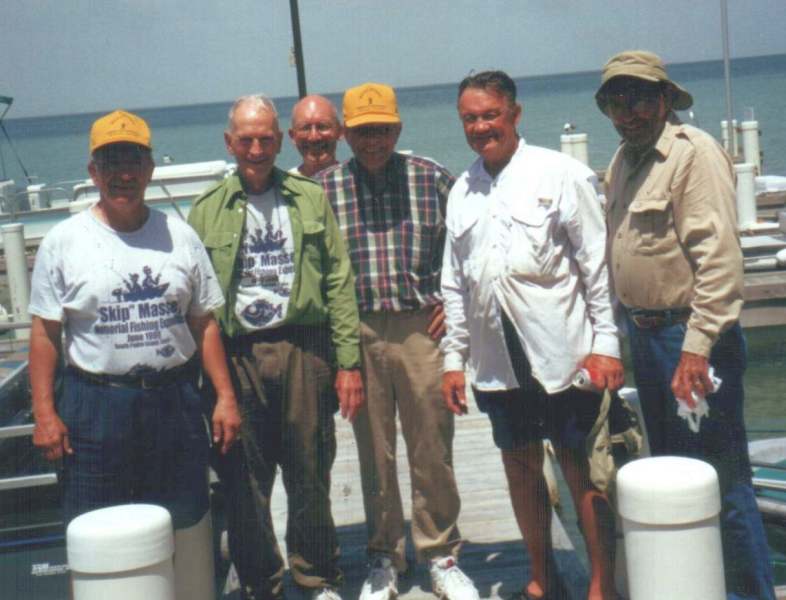
Fikaris - Geran - Ewing -
Blitch - Hansell [c2000]
* * * * * * * * * * * * * * * * * * * * * *
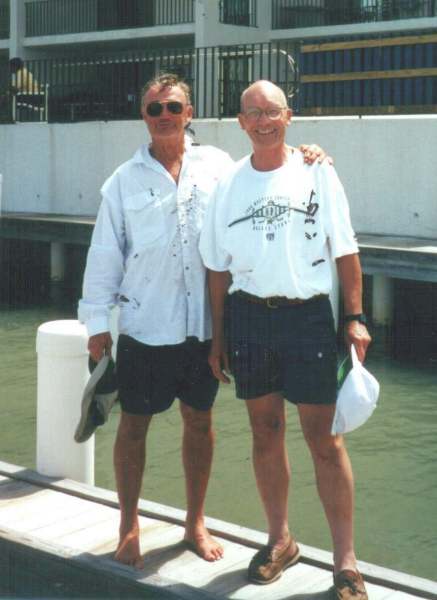
Tony Hansell and Chuck Ewing
[c2000]
* * * * * * * * * * * * * * * * * * * * * *
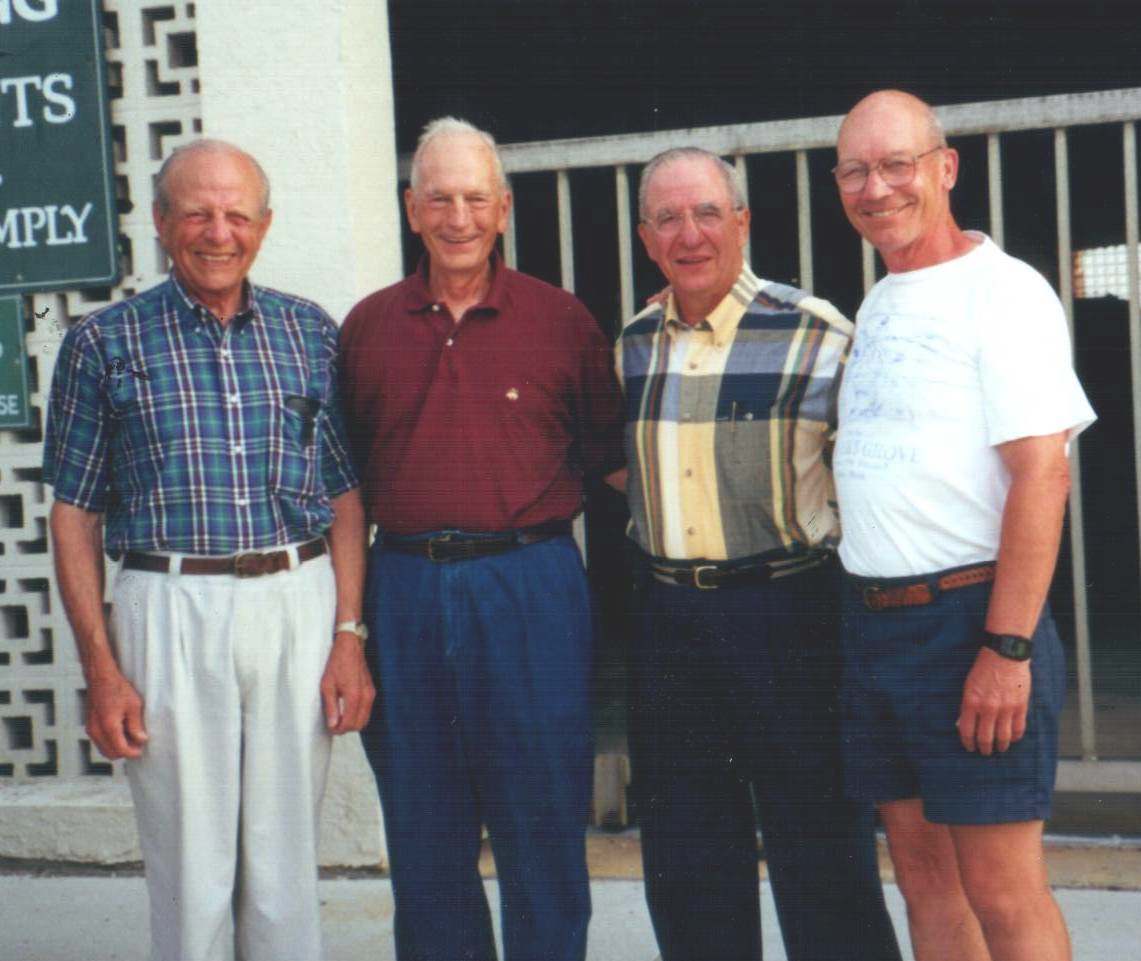
Blitch - Geran - Fikaris - Ewing
[c1999]
* * * * * * * * * * * * * * * * * * * * * *
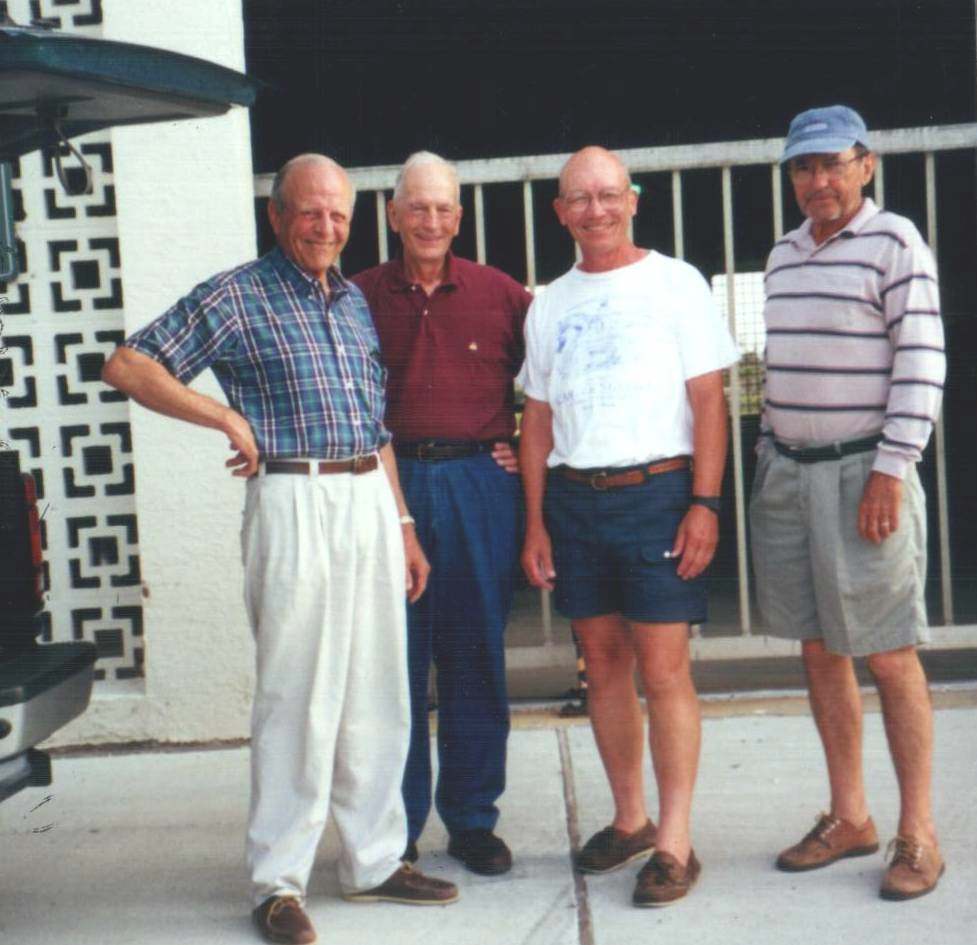
Blitch - Geran - Ewing - Price
[c1999]
* * * * * * * * * * * * * * * * * * * * * *
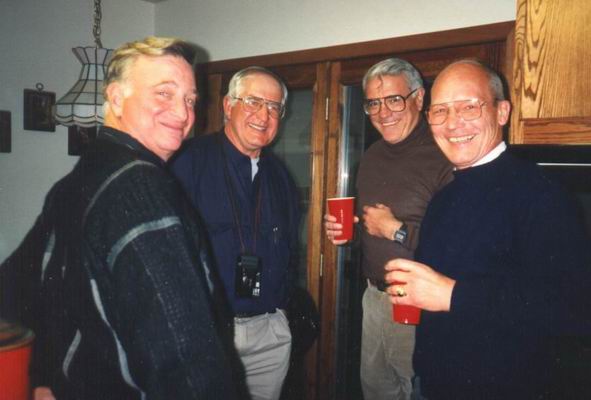
Auer - Bliss - Ordway - Ewing
[1991]
* * * * * * * * * * * * * * * * * * * * * *

|
* * * * * * * * * * * * * * * * * * * * * *
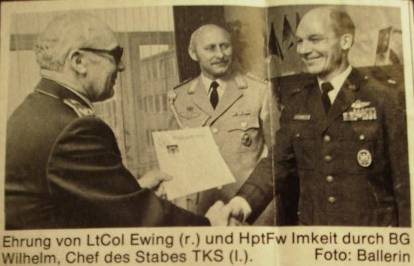
Chuck Ewing receives congratulations for winning the Bundeswehr
Military Sports Achievement Award [DEC 1978]
* * * * * * * * * * * * * * * * * * * * * *
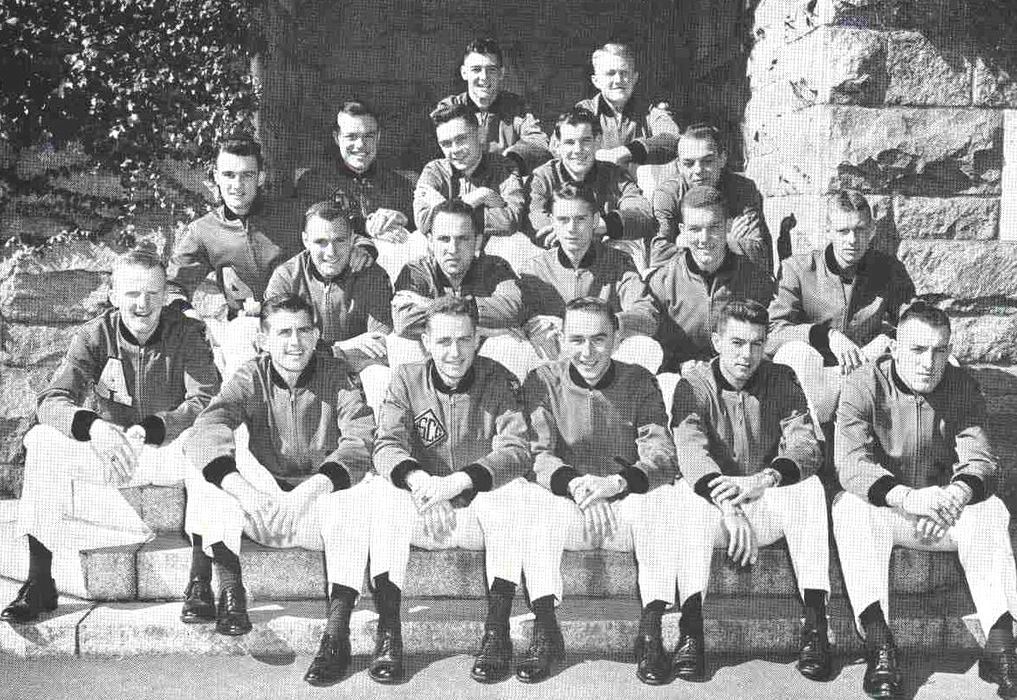
E-2 Firsties - 1st Row: Axup - Dorward - Lilly - Pheiff - Murray - Chikalla - 2nd Row: Hansell - Gallup - Pemberton - Troyan - Ewing - Black - 3rd Row: May - Hoeferkamp - Donaldson (CO) - Tebben - 4th Row: Seay - Shideler (Absent: York) |
* * * * * * * * * * * * * * * * * * * * * *
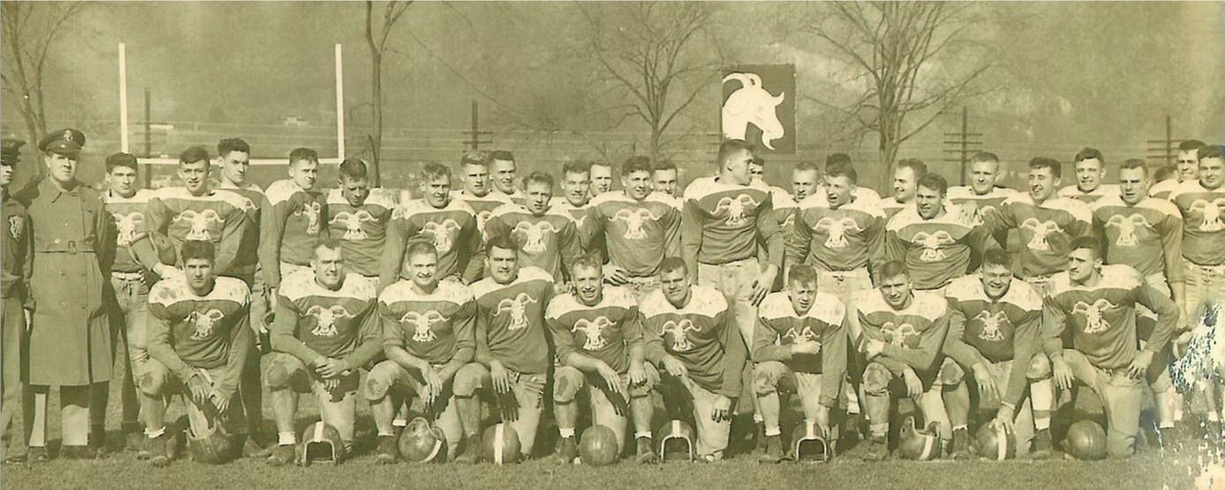
1953 Goat Team |
* * * * * * * * * * * * * * * * * * * * * *
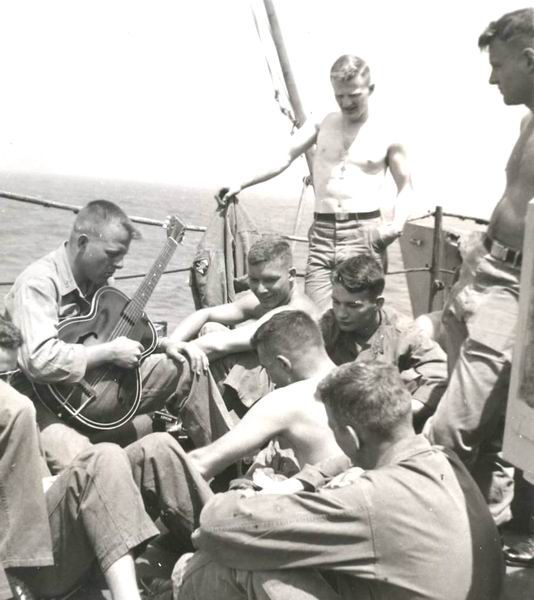
Standing: Bill Axup and Mike Gallup - Middle: Bob Blitch on guitar - Chuck Ewing and Tony Hansell - Foreground (backs to camera): Skip Massey and Danny Dienst [CAMID - JUN 1953] |
* * * * * * * * * * * * * * * * * * * * * *
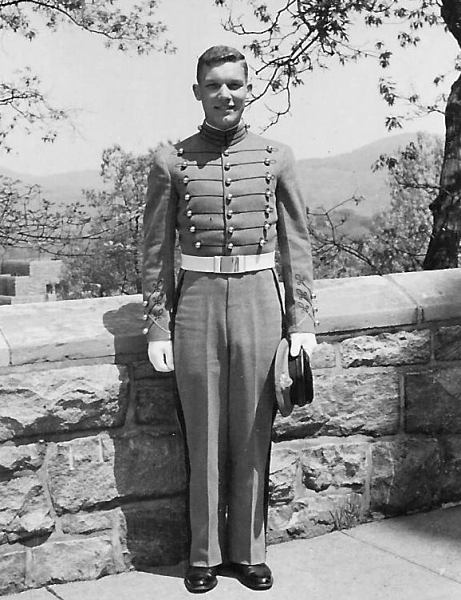
Chuck Ewing
[c1952]
(Updated JUL 2019) |
How I got my appointment to West Point |
Local Classmate Assistant (LCA) Information
Preferred Charity: American Legion, VFW, or any veteran's organization Suggested LCA: Dan Troyan |