Scrimmage for War Pictures
* * * * * * * * * * * * * * * * * * * * * *
Chapter 1
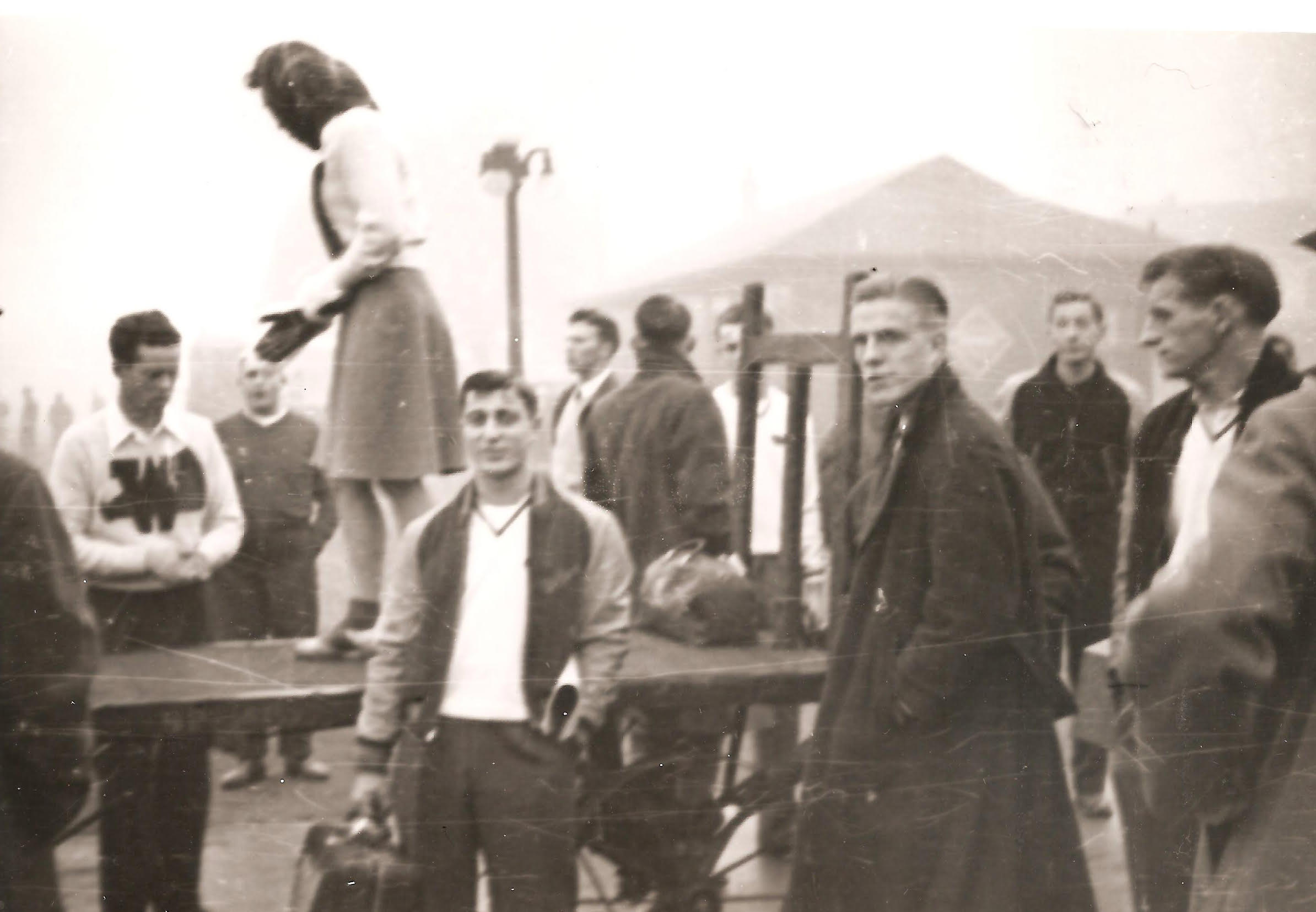
Chuck Furno, Ken Jacobson's 1940 Vancouver, Washington High School classmate and football teammate, ready for departure, standing in front of two Willamette cheerleaders the morning of 26 November. KJC |
* * * * * * * * * * * * * * * * * * * * * *
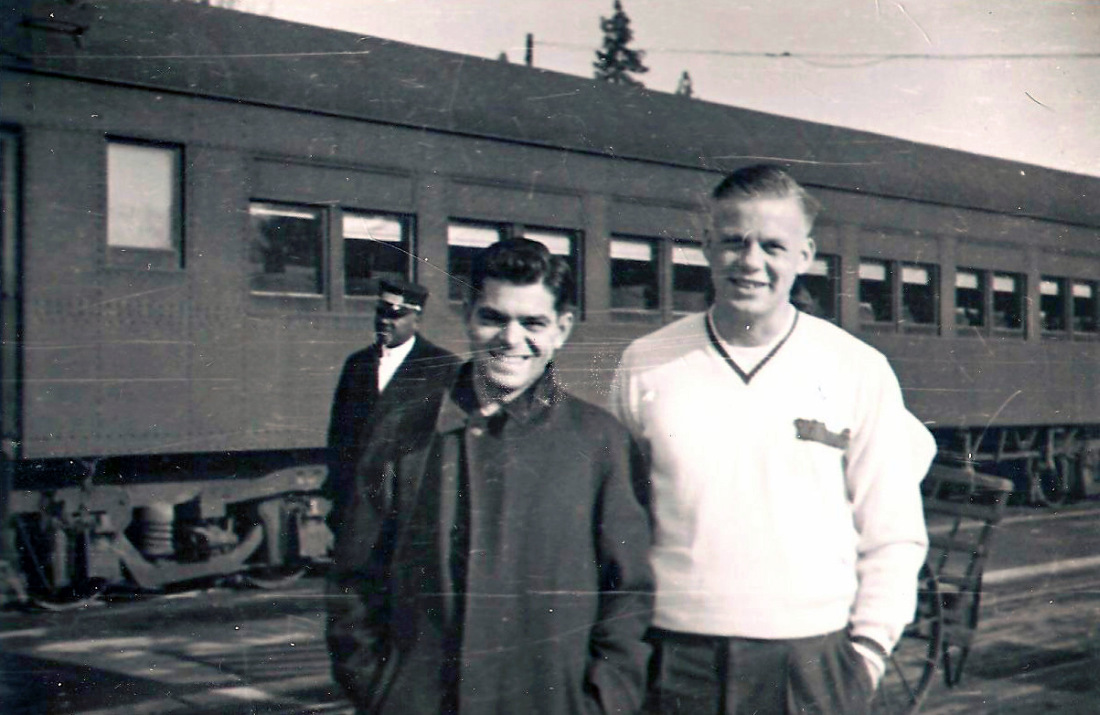
Buddy Reynolds and Ken Jacobson. KJC |
* * * * * * * * * * * * * * * * * * * * * *
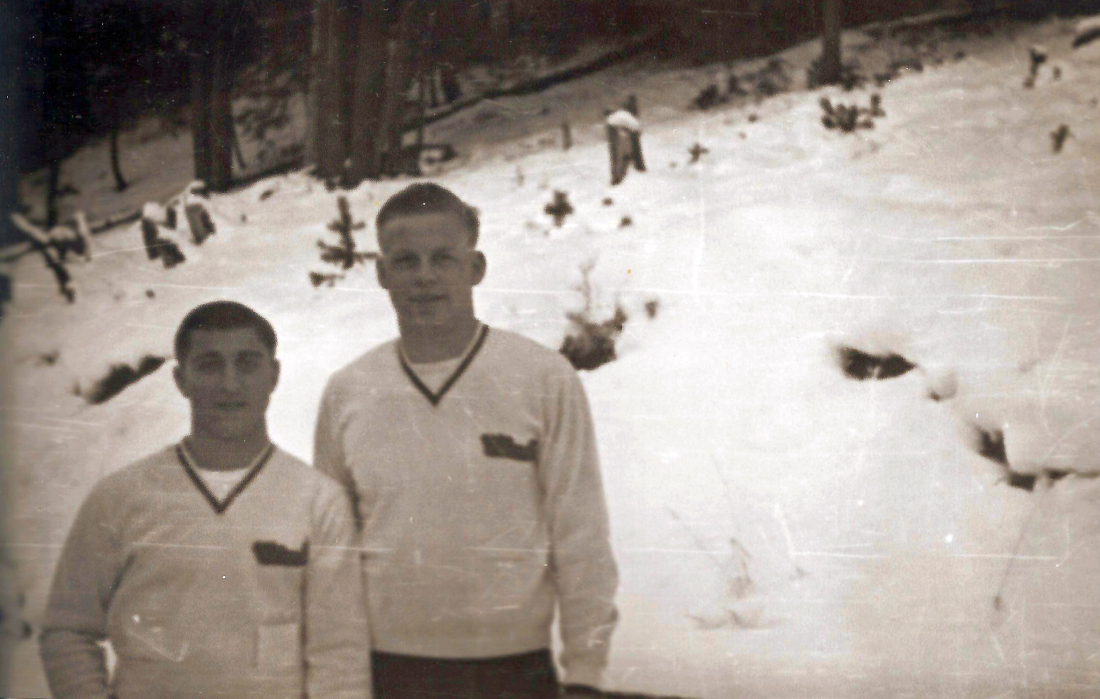
Chuck Furno and Ken Jacobson at a Klamath Falls, |
* * * * * * * * * * * * * * * * * * * * * *
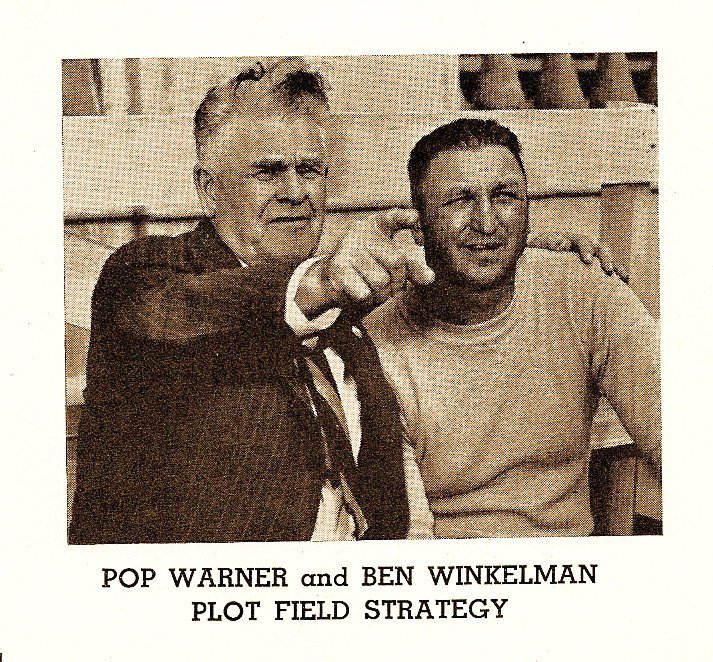
Glenn Scobey 'Pop' Warner, a football legend in his own lifetime, and Ben Winkelman, San Jose State College head football coach plot on-field strategy in 1940. SS |
* * * * * * * * * * * * * * * * * * * * * *
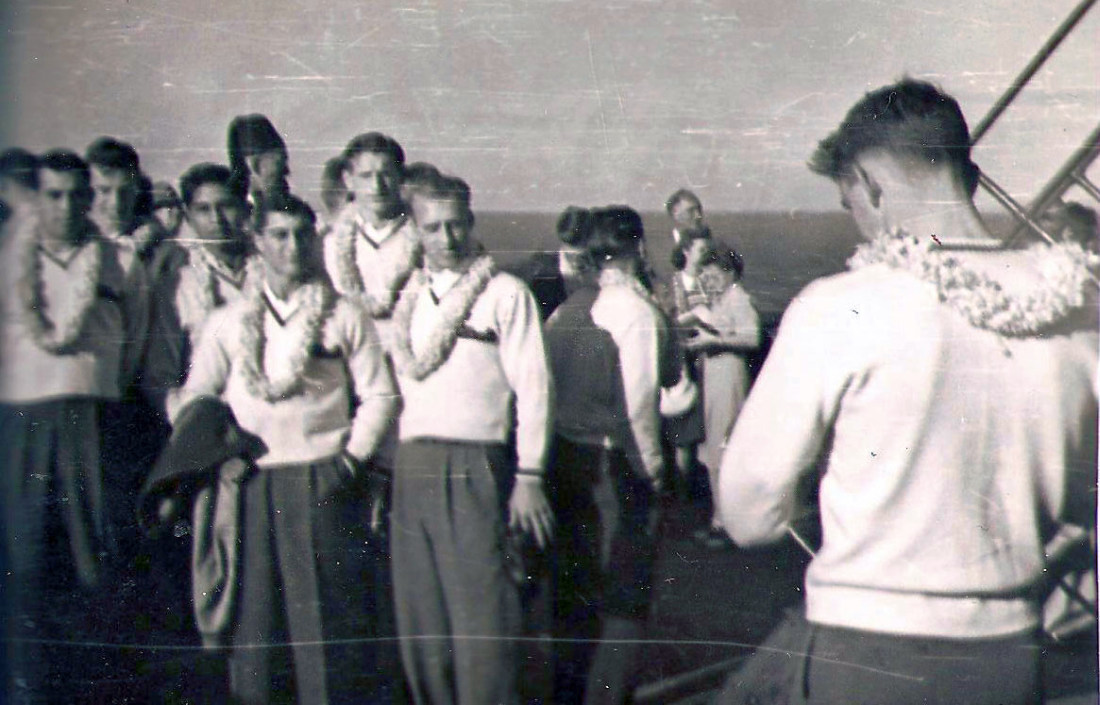
Willamette football team en route on the Lurline, in calmer waters. Posing for the camera from left to right, Jim Fitzgerald, Cecil Conner, Chuck Furno, Al Walden, and Irv Miller. KJC |
* * * * * * * * * * * * * * * * * * * * * *
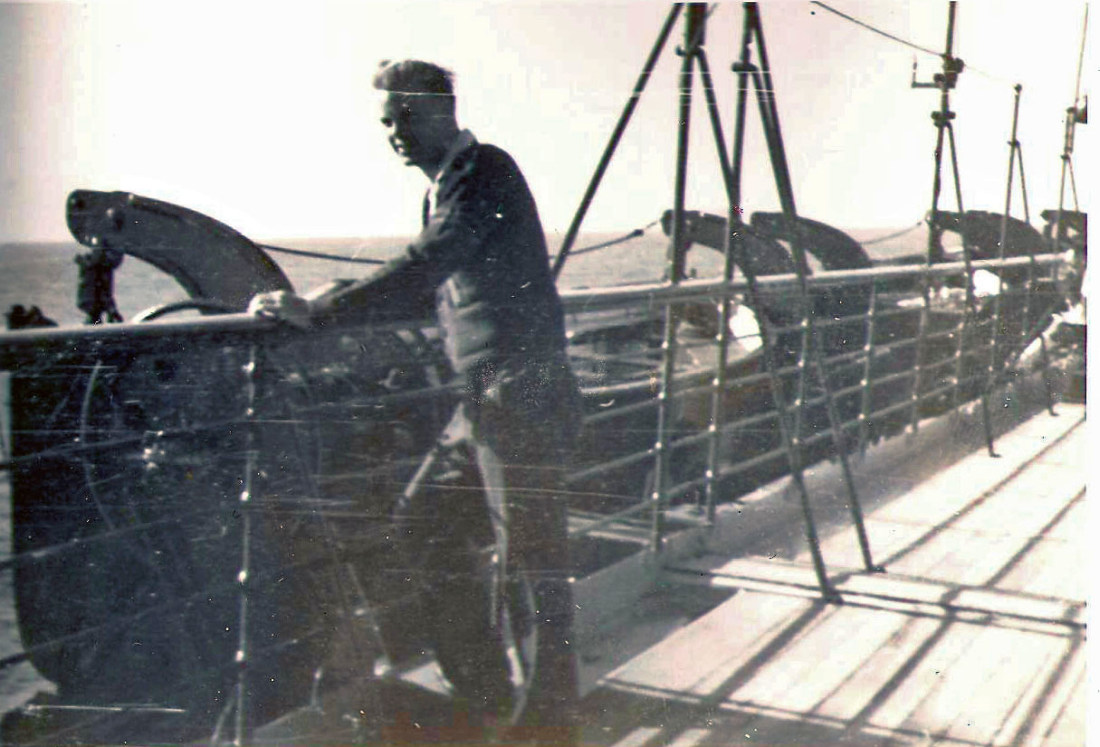
Ken Jacobson on Lurline's boat deck |
* * * * * * * * * * * * * * * * * * * * * *
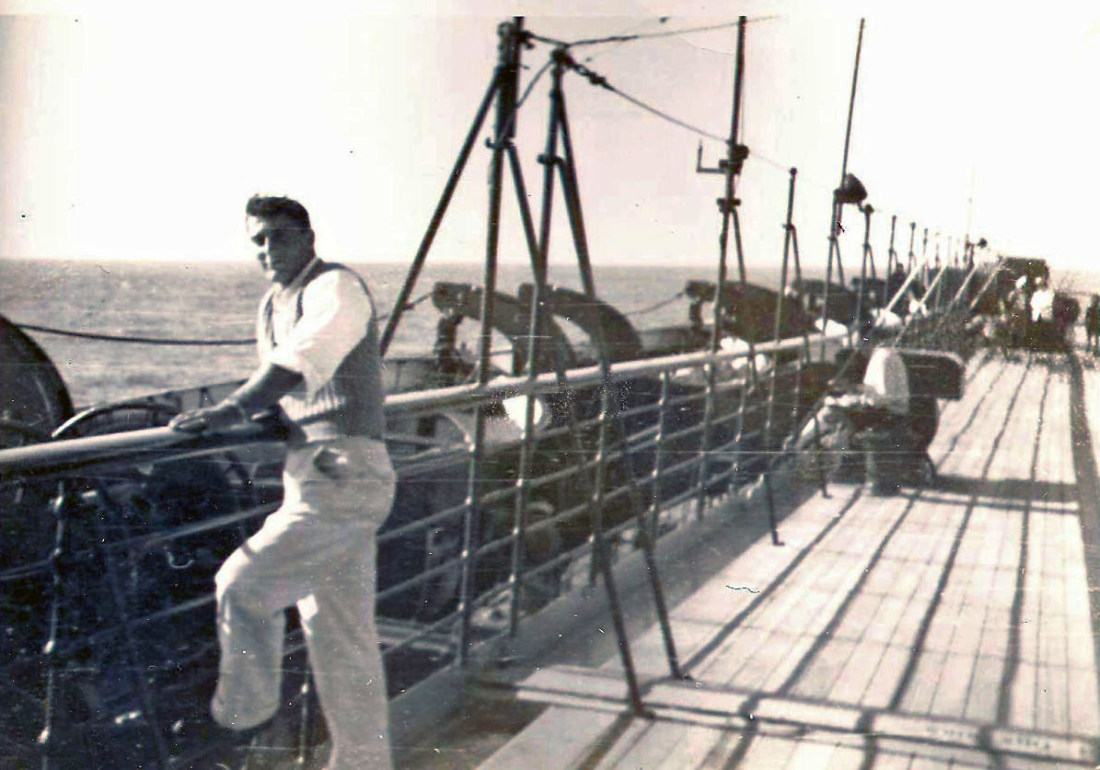
Chuck Furno on Lurline's boat deck. KJC |
* * * * * * * * * * * * * * * * * * * * * *
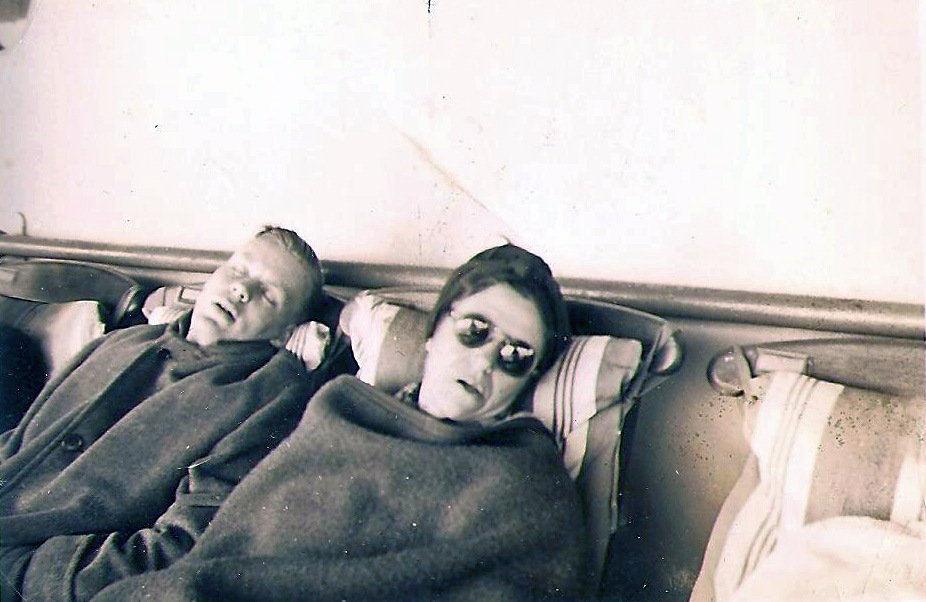
Ken Jacobson and Marie Keene, Coach Keene's wife, sea sick, trying to avert their eyes from the sea swells and the ship's rolling and pitching deck. KJC |
* * * * * * * * * * * * * * * * * * * * * *
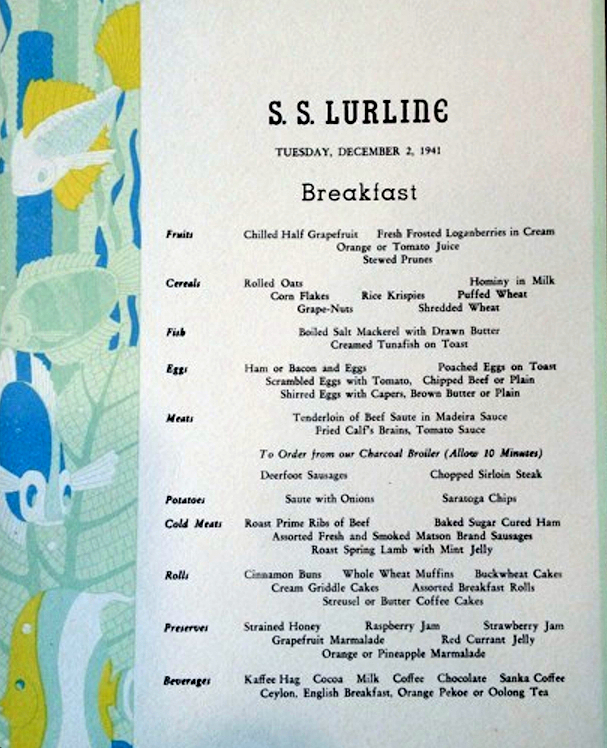
Lurline breakfast menu, |
* * * * * * * * * * * * * * * * * * * * * *
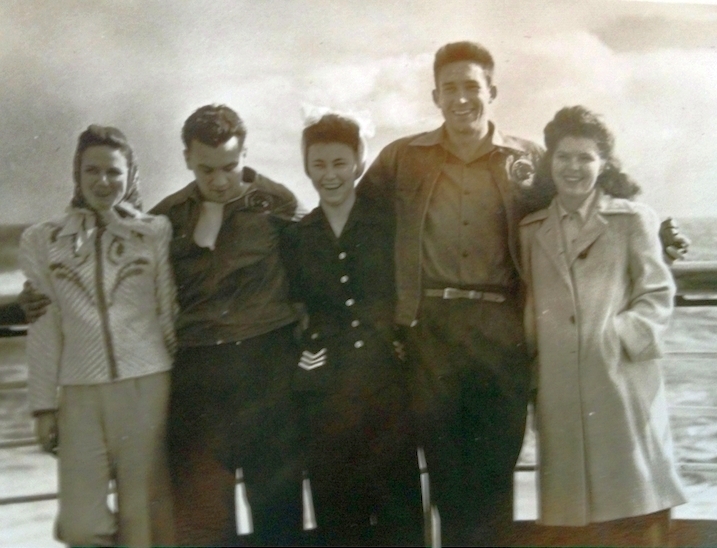
San Jose State College Spartan teammates Don Allen and |
* * * * * * * * * * * * * * * * * * * * * *
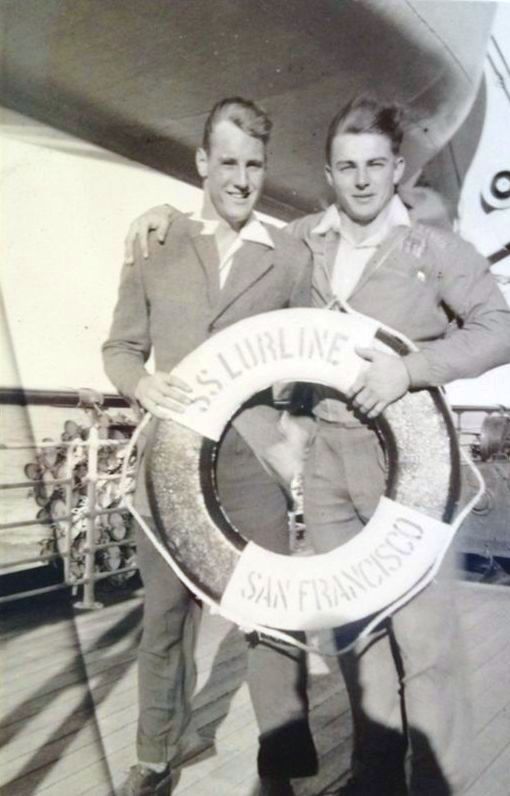
Bert Robinson and Bill Rhyne holding a lifebuoy |
* * * * * * * * * * * * * * * * * * * * * *
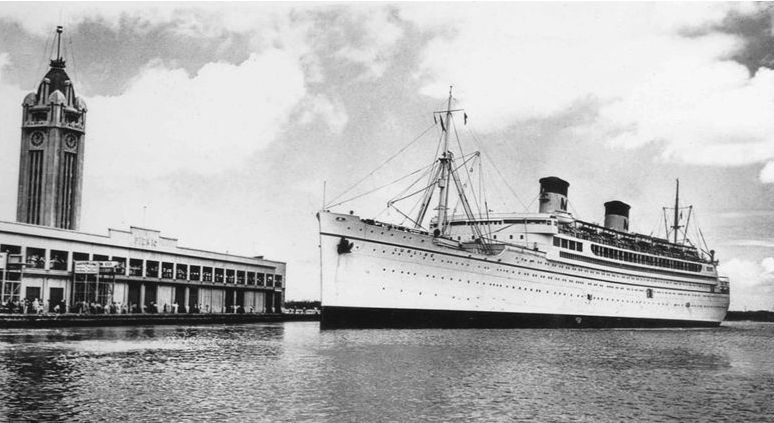
SS Lurline near Pier 10 in the Port of Honolulu, one of the piers frequented by Matson's passenger fleet in the 1930s. The famed Aloha Tower is in the background. MNC |
* * * * * * * * * * * * * * * * * * * * * *
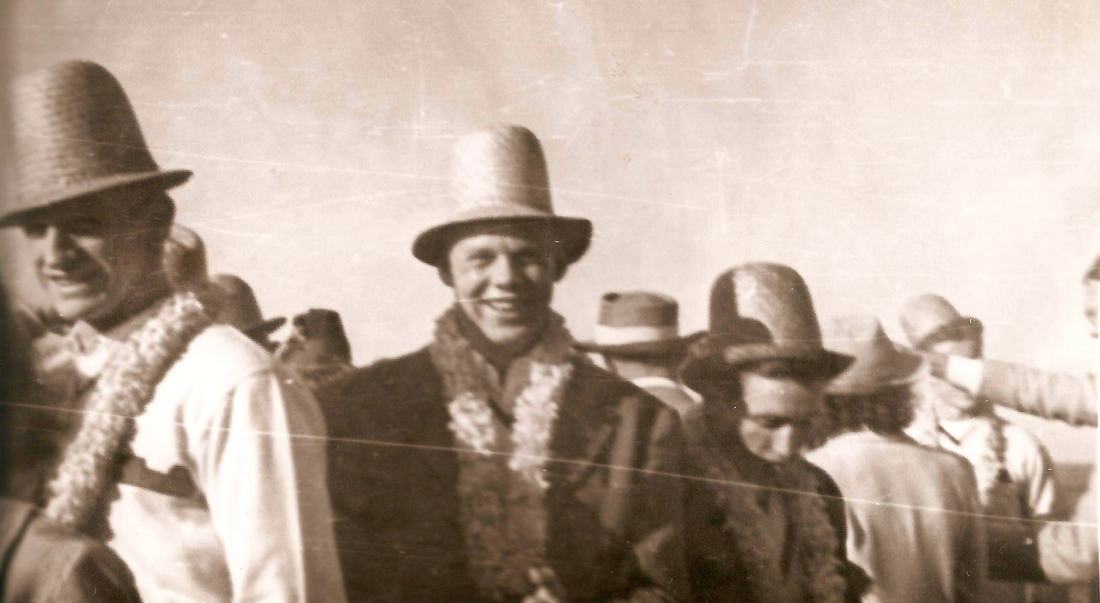
A happy Ken Jacobson arriving in the port of Honolulu. |
* * * * * * * * * * * * * * * * * * * * * *
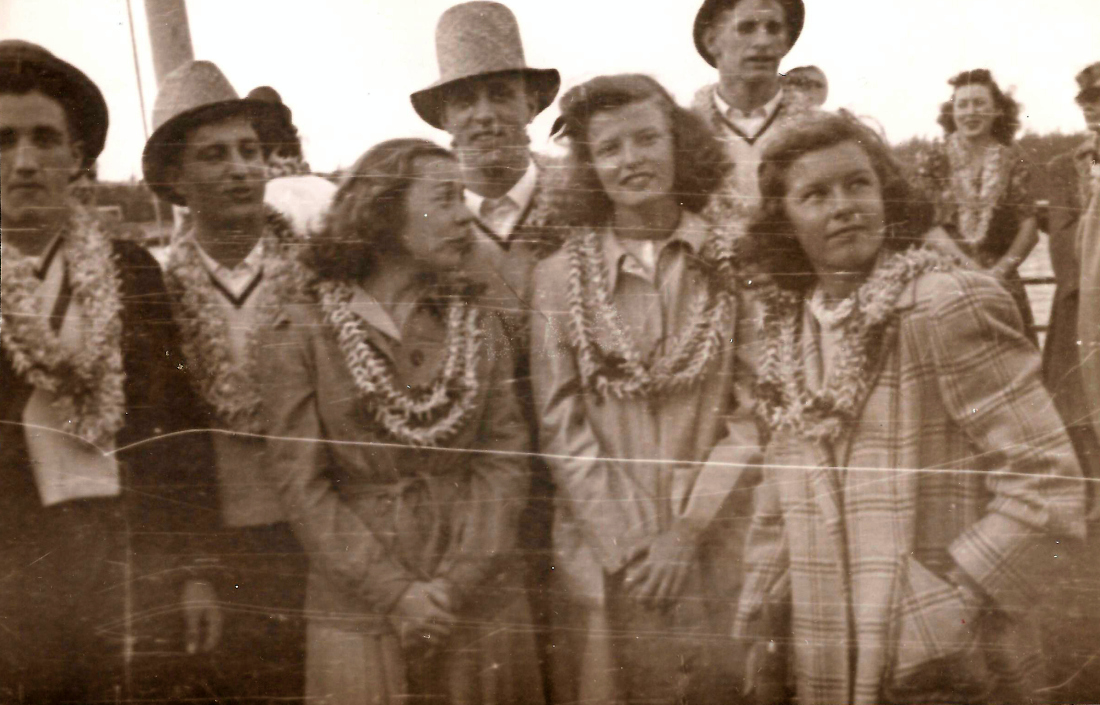
Mostly all smiles easing into port Honolulu. Left to right in the foreground, Ted Ogdahl, Chuck Furno, Miss Lorena Jack, Neil Morley, Shirley McKay, one unidentified young lady to the right of Shirley. KJC |
* * * * * * * * * * * * * * * * * * * * * *
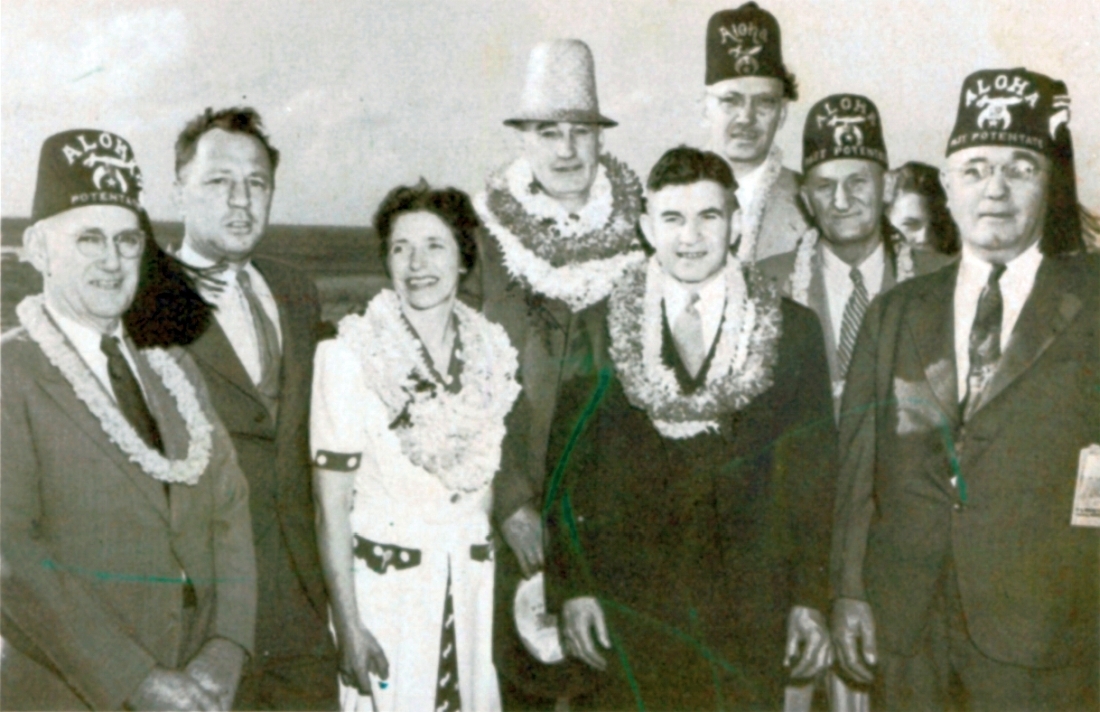
Shriners welcoming group in Honolulu, which included Luke Gill, 1923 Oregon State graduate, basketball coach and co-coach of Hawaii's football team, next to and welcoming Mrs. Marie Keene, Coach 'Spec' Keene, and Senator Douglas McKay. Shriners were sponsors of the Willamette-Hawaii game. MOHLAWU |
* * * * * * * * * * * * * * * * * * * * * *
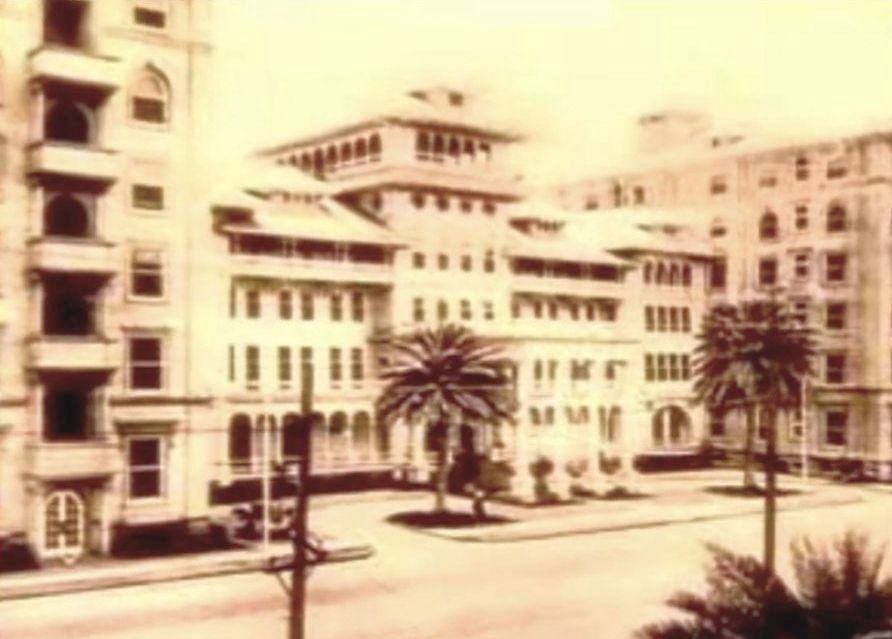
Front entrance to the Moana Hotel, Honolulu, The |
* * * * * * * * * * * * * * * * * * * * * *
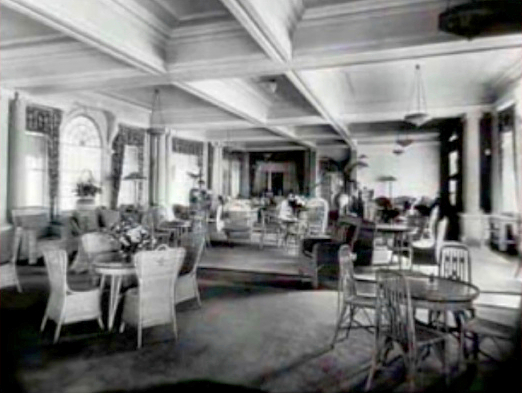
Moana Hotel interior, |
* * * * * * * * * * * * * * * * * * * * * *
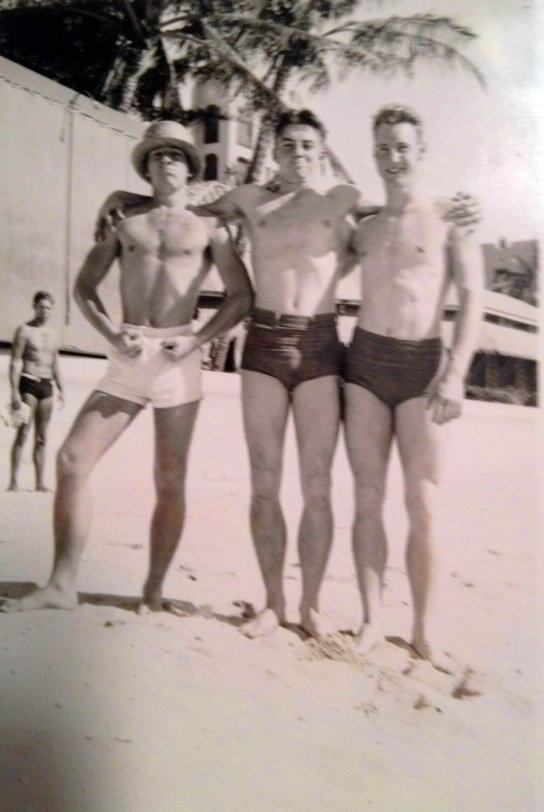
L-R, San Jose State yell leader Tom Taylor, and Spartan backfield members Bill Rhyne and Bert Robinson, friends having fun on Waikiki Beach, 4 or 5 December 1941, with the Moana Hotel in the background. KCC |
* * * * * * * * * * * * * * * * * * * * * *
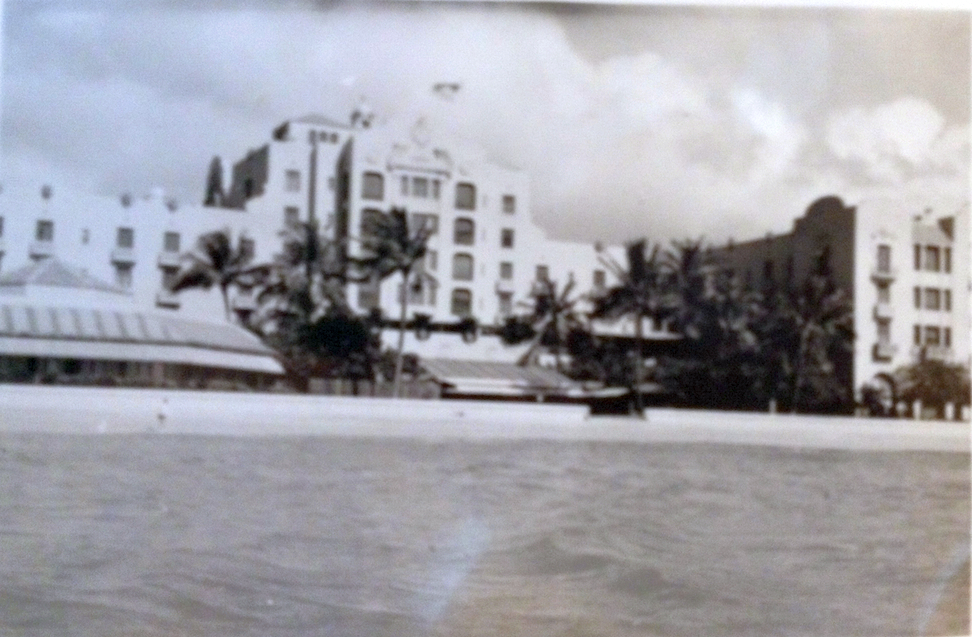
Moana Hotel from the Waters |
* * * * * * * * * * * * * * * * * * * * * *
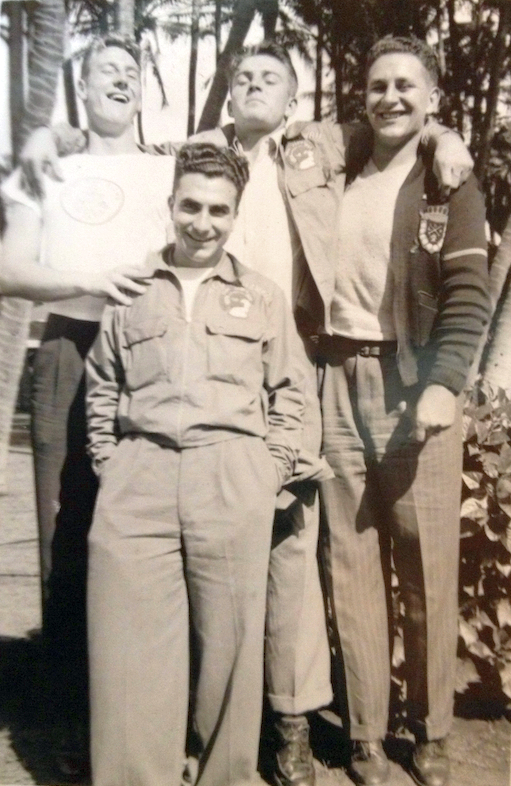
Bert, Bill Rhyne, Friend, Sebastian Squatritto. KCC |
* * * * * * * * * * * * * * * * * * * * * *
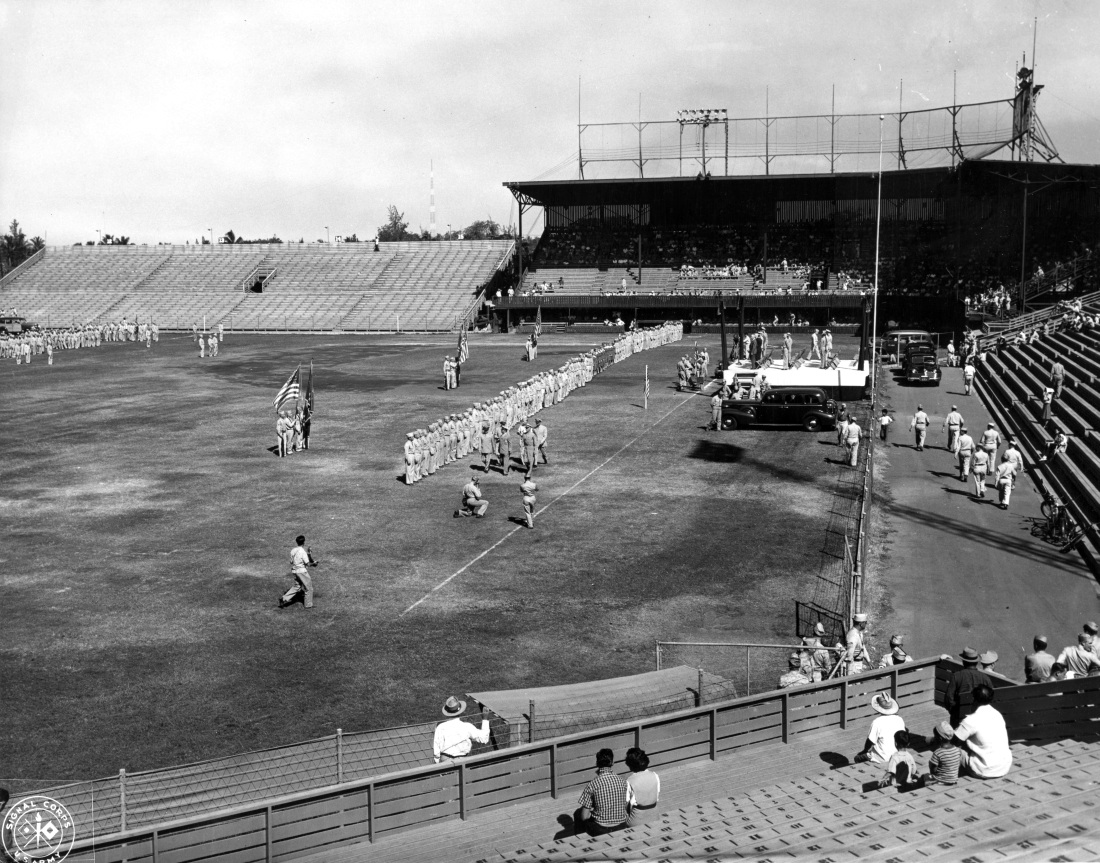
Honolulu Stadium and Moiiili Field, where Willamette University's football team practiced on Wednesday, Thursday and Friday, 3-5 December 1941 and the Shrine Bowl game was played on Saturday, 6 December. The photograph was taken in 1945, at a mustering out ceremony for Territorial Guard units, conducted after World War II ended. UHHL |
* * * * * * * * * * * * * * * * * * * * * *
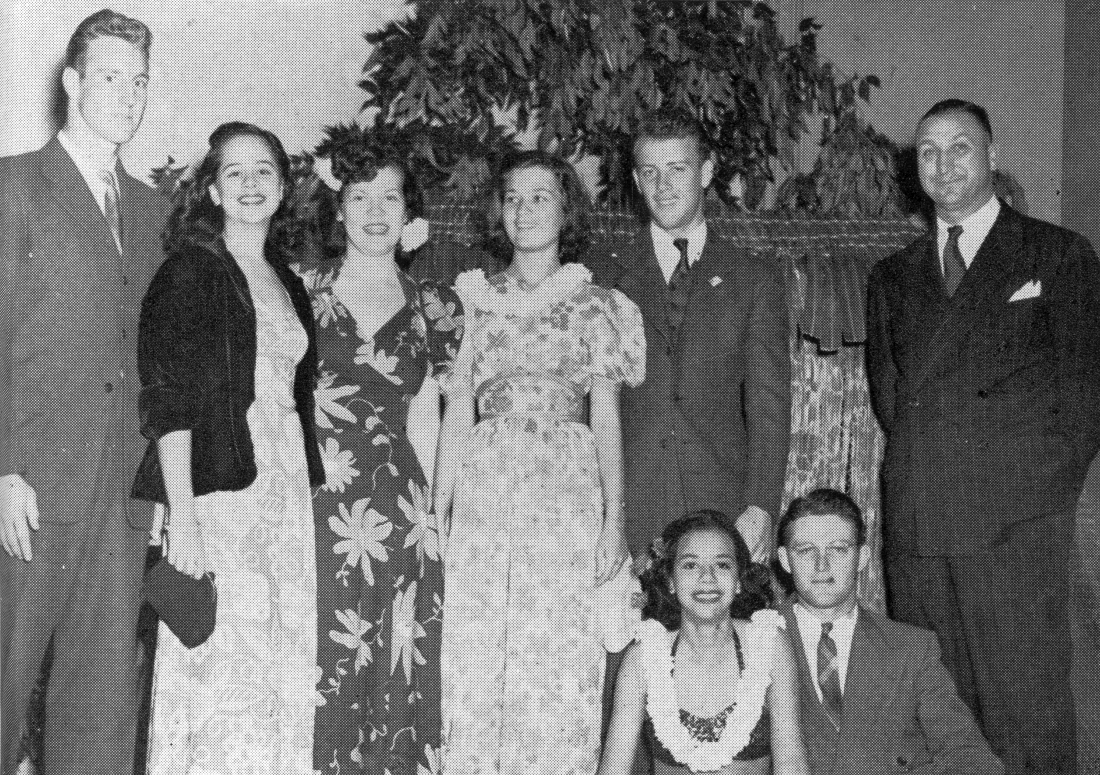
San Jose State College football players with University of Hawaii coeds and the boys' chaperone, Coach Ben Winkelman, at a formal dance at the University of Hawaii on Friday night, 5 December 1941. L-R, standing, Bert Robinson, Jack Galvin, Coach Winkelman. Sitting, Bill Rhyne. Photograph from the University's 1942 Kapalapala. UHH |
* * * * * * * * * * * * * * * * * * * * * *
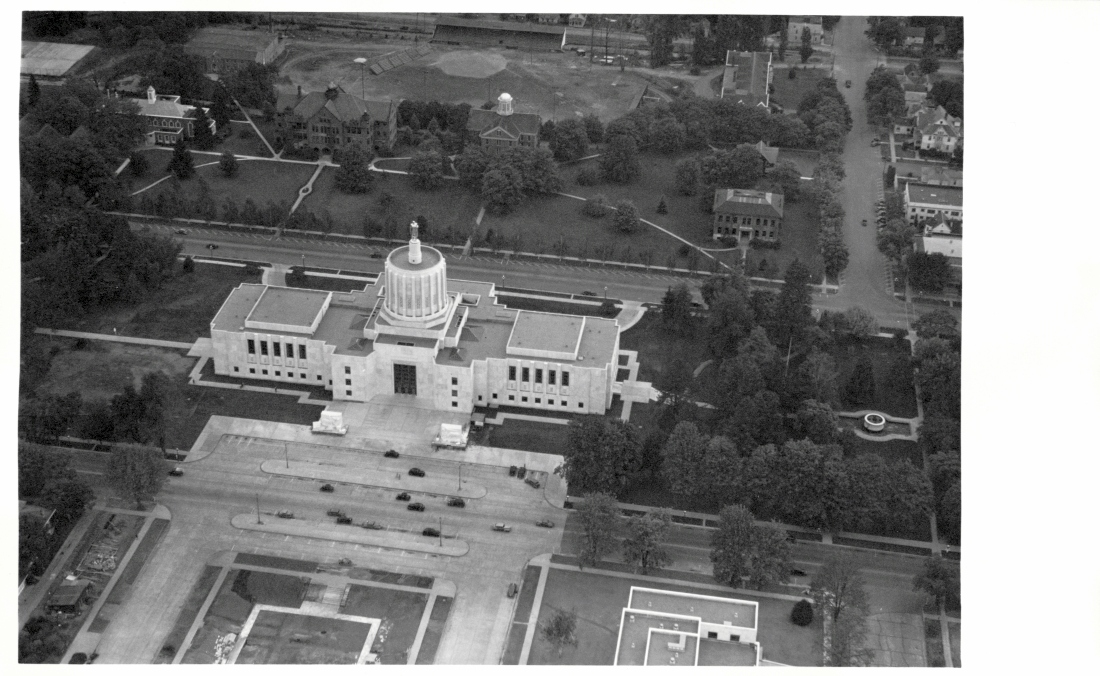
Willamette's Sweetland Field, circa 1941, where the Bearcats and Rainbows scrimmaged the afternoon of 18 September 1941. Sweetland Field, with its stadium, which seated approximately 5,000 fans, is in the upper center of the photograph with the all-purpose athletic field visible just below the stadium, and above the then-new Oregon state capitol building in the left-center of the photograph. SPLPC |
* * * * * * * * * * * * * * * * * * * * * *
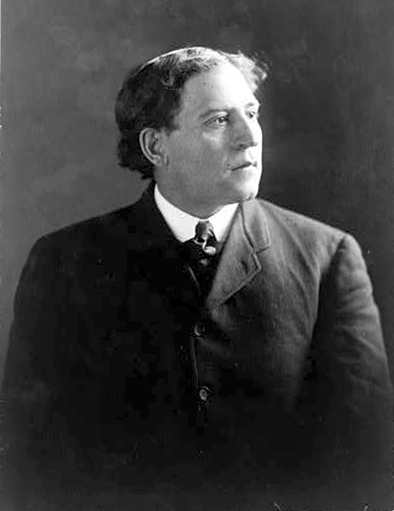
Amos Alonzo Stagg, a 1906 photograph |
* * * * * * * * * * * * * * * * * * * * * *
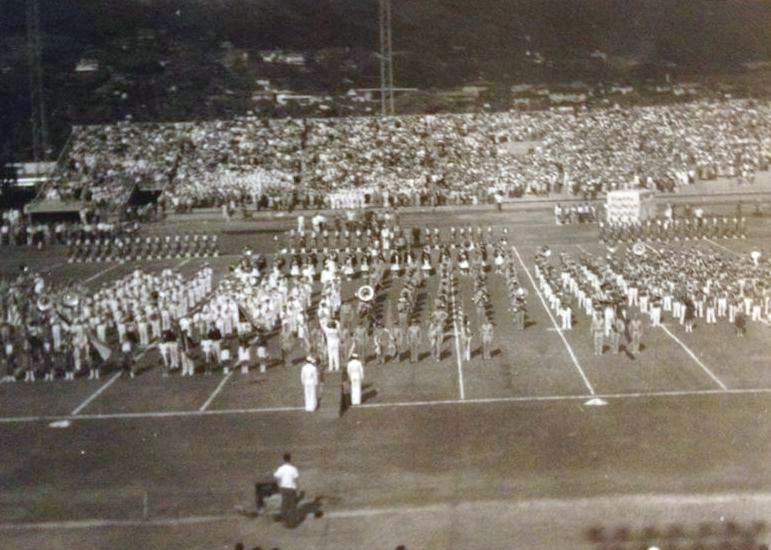
Pregame mass bands at 6 December 1941 Shrine Bowl Game, Honolulu Stadium. KCC |
* * * * * * * * * * * * * * * * * * * * * *
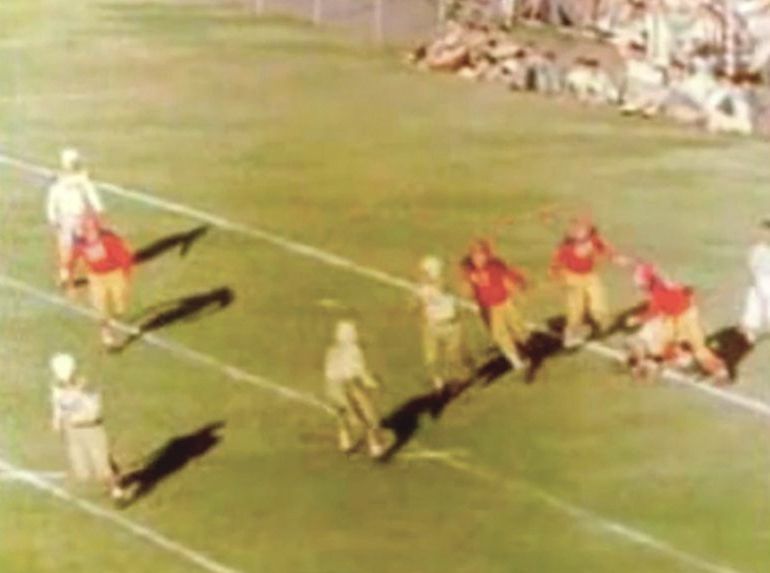
Shrine Bowl first quarter game action, 6 December 1941. Willamette Bearcat players in cardinal and gold uniforms, pursue a Rainbow receiver running back a punt from their own end zone. ESPNDF |
* * * * * * * * * * * * * * * * * * * * * *
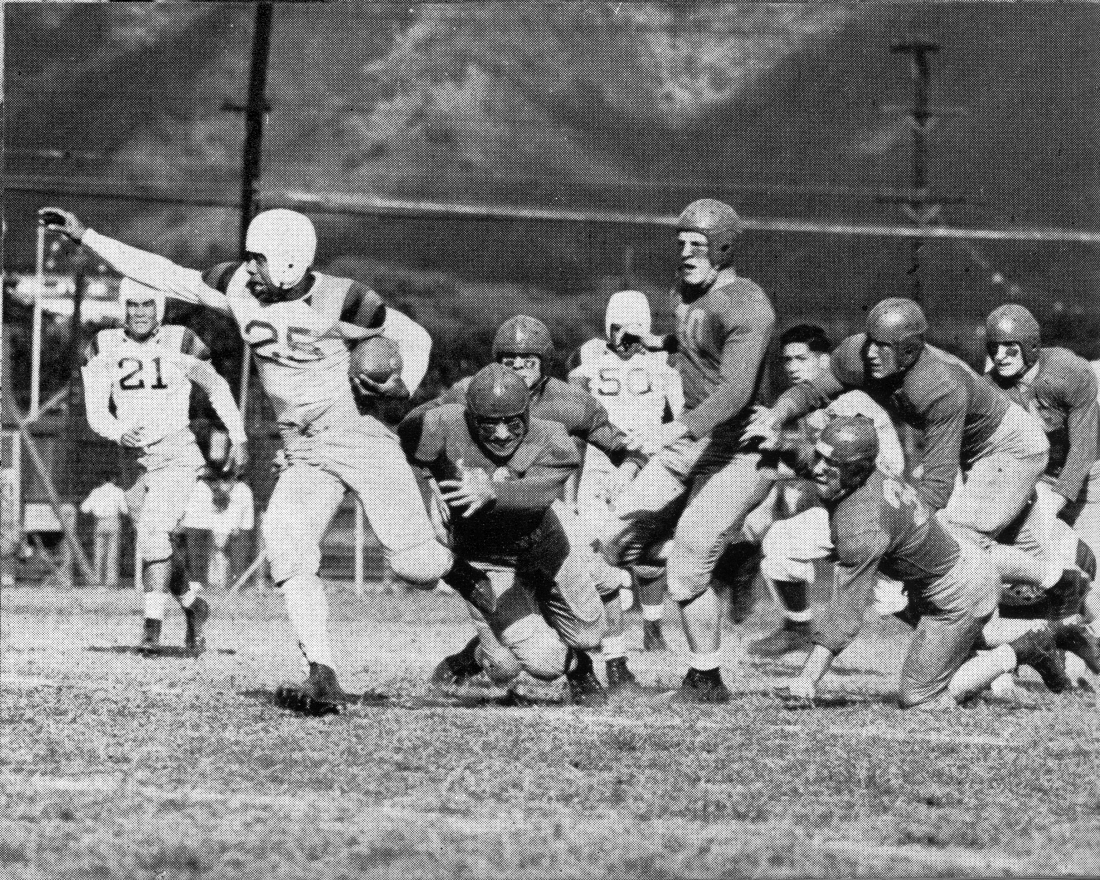
Hawaii's Little All-American fullback, Nolle Smith (25), breaks loose for a long gain in third quarter action at the 1941 Shrine Bowl game in Honolulu. Rainbows' center, Kai Bong Chung (21) and guard, Spencer Kamakana (50) coming to support Smith. Identifiable Bearcats giving chase are tackle, Martin Barstad (40) and guard, James Fitzgerald (33). UHHL |
* * * * * * * * * * * * * * * * * * * * * *
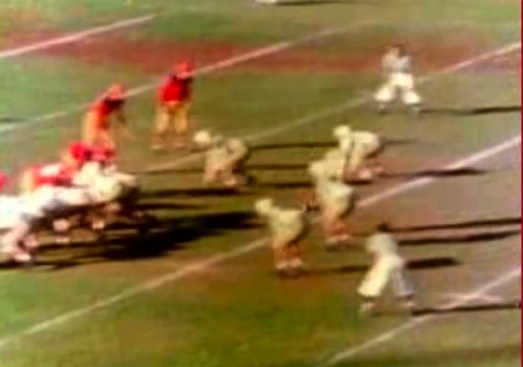
Game action photographs, with the Hawaii offense set in a single wing to the right, with the right end split wide right and the right halfback outside him further right. ESPNDF |
* * * * * * * * * * * * * * * * * * * * * *
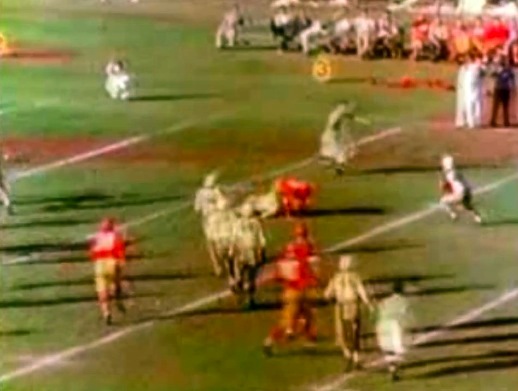
The right halfback goes in motion to the right, the left halfback or fullback takes the snap from center, turns and throws a quick pass to the halfback in the right flat as he cuts back toward the center of the field for a good gain. ESPNDF |
Chapter 2
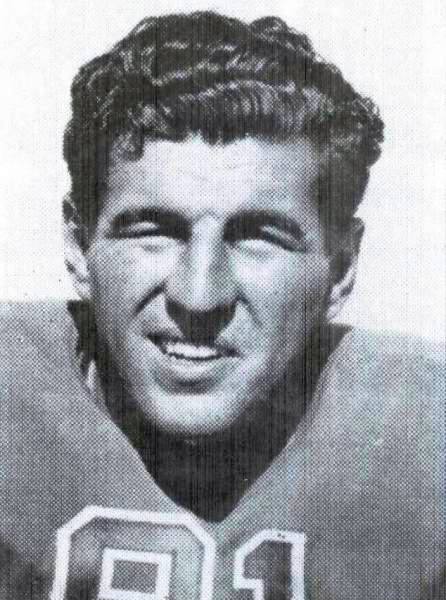
Jack Lecari, San Jose State football player, |
* * * * * * * * * * * * * * * * * * * * * *
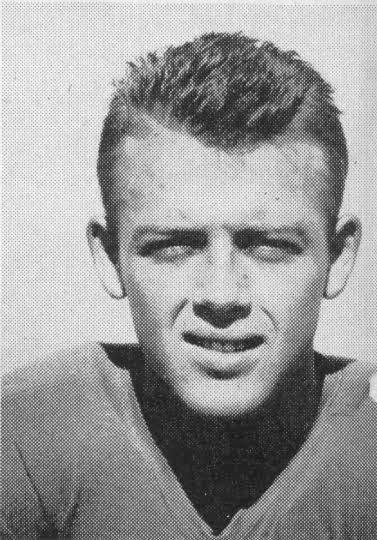
Jack Galvin, end on the San Jose State Spartans' team, |
* * * * * * * * * * * * * * * * * * * * * *
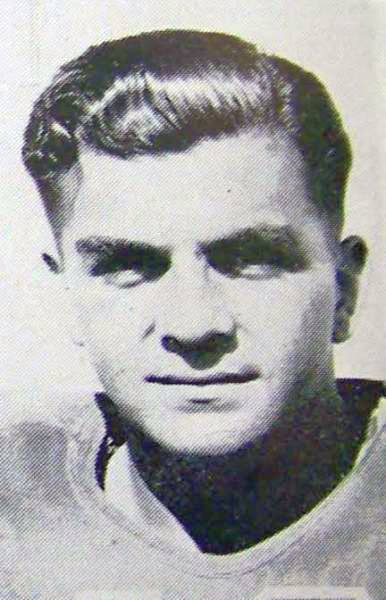
Hans Wiedenhoefer, San Jose State College Spartans, |
* * * * * * * * * * * * * * * * * * * * * *
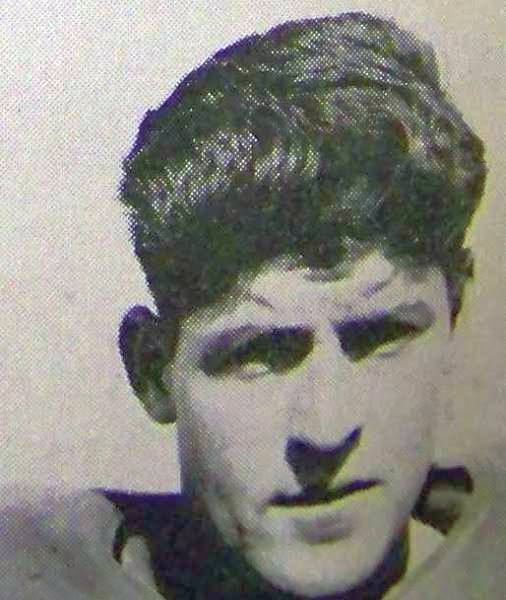
Wilbur Wool, San Jose State College Spartans, |
* * * * * * * * * * * * * * * * * * * * * *
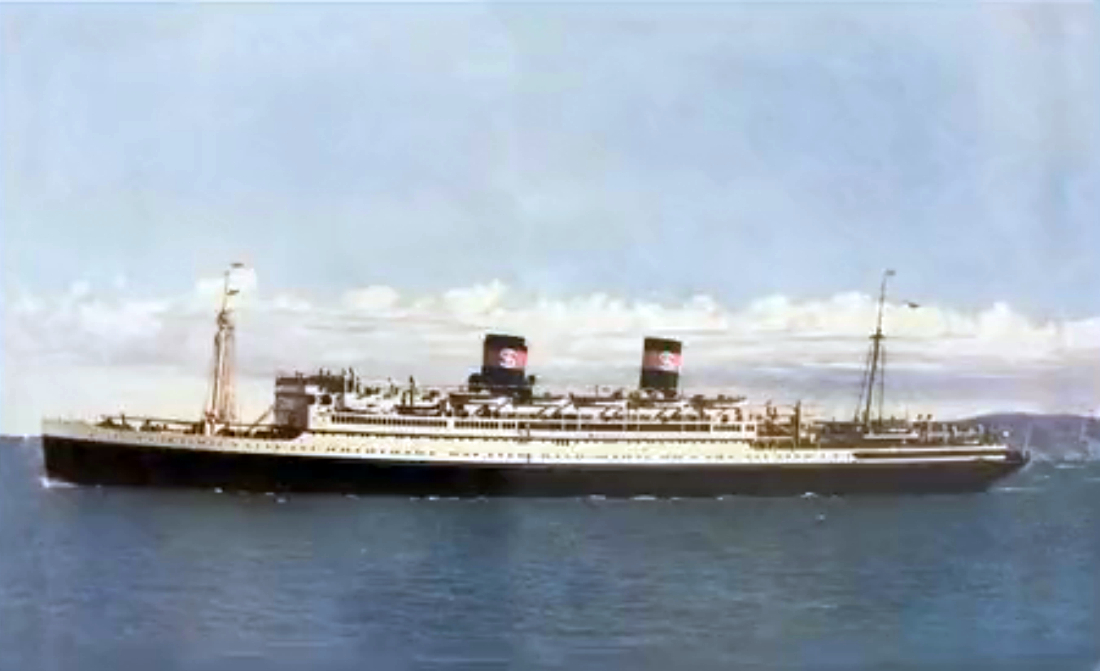
SS President Coolidge, underway in her glory days of the 1930s, when she was still owned and operated by the Dollar Lines. SFMNHPL |
* * * * * * * * * * * * * * * * * * * * * *
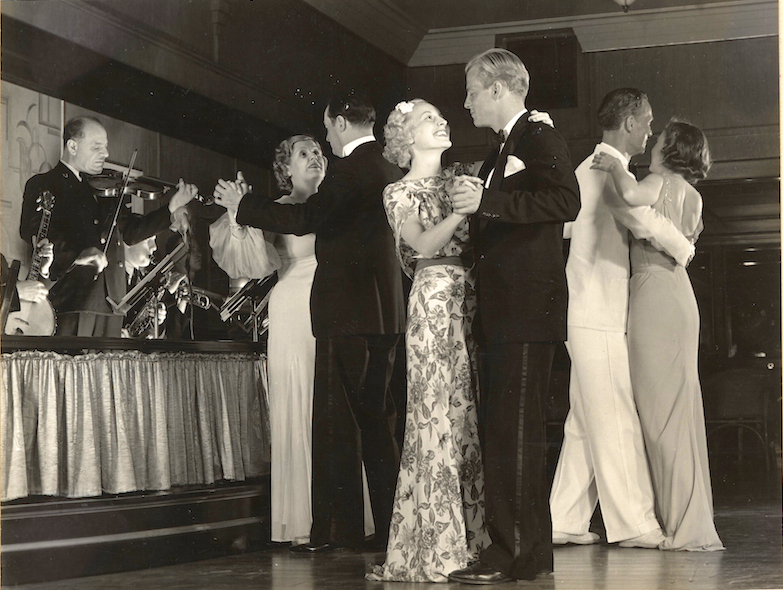
Couples Dancing on the President Coolidge, San Francisco, CA, |
* * * * * * * * * * * * * * * * * * * * * *
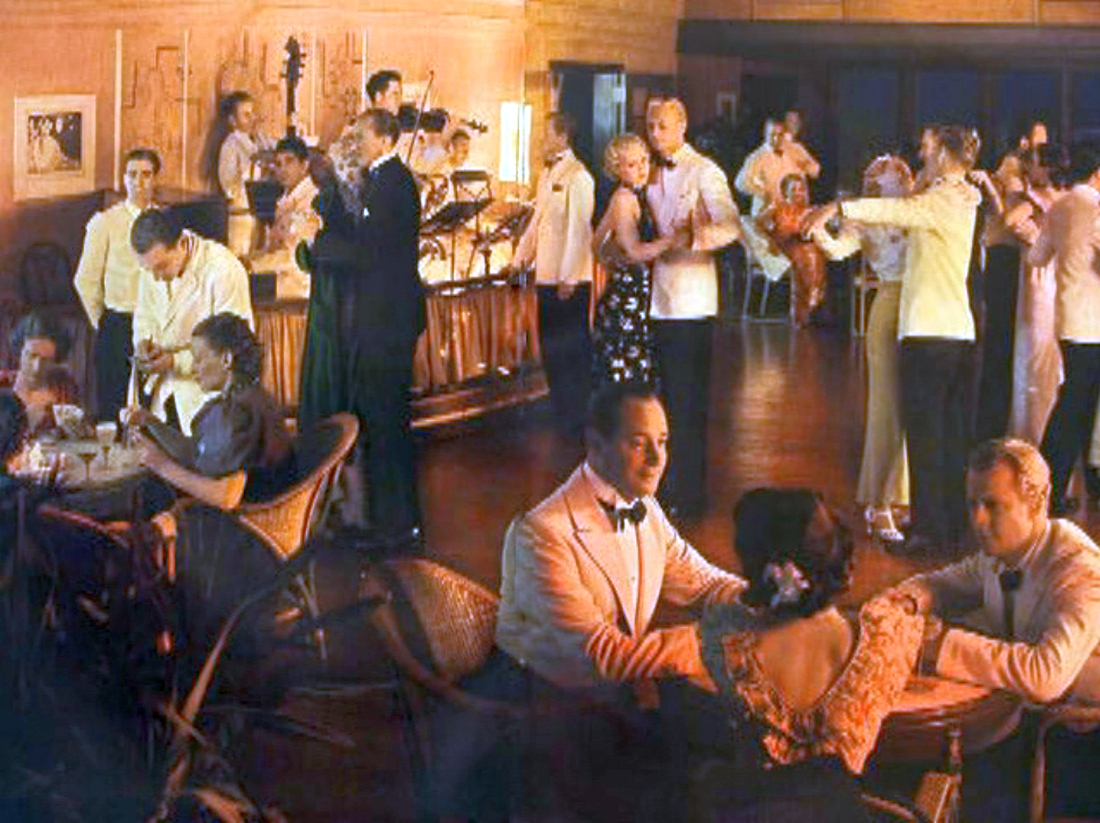
Enjoying life on board Coolidge in the 1930s. SFMNHPL |
* * * * * * * * * * * * * * * * * * * * * *
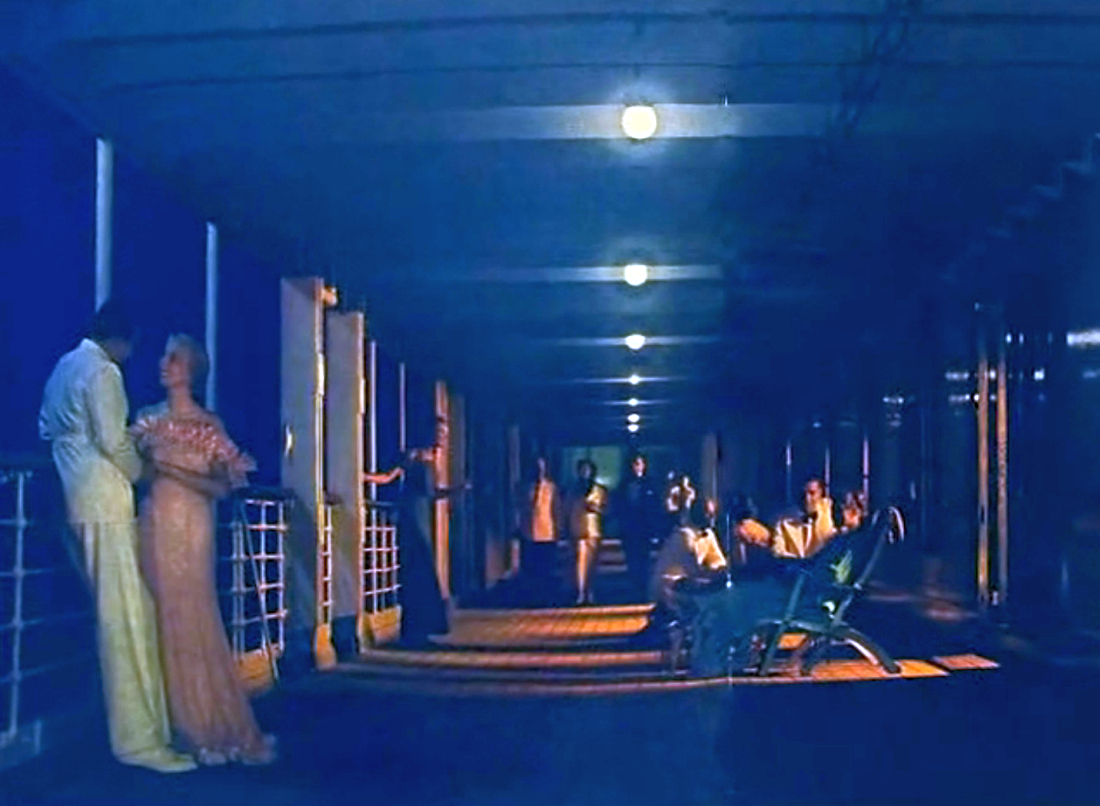
Walks and romance on the promenade deck |
Chapter 3
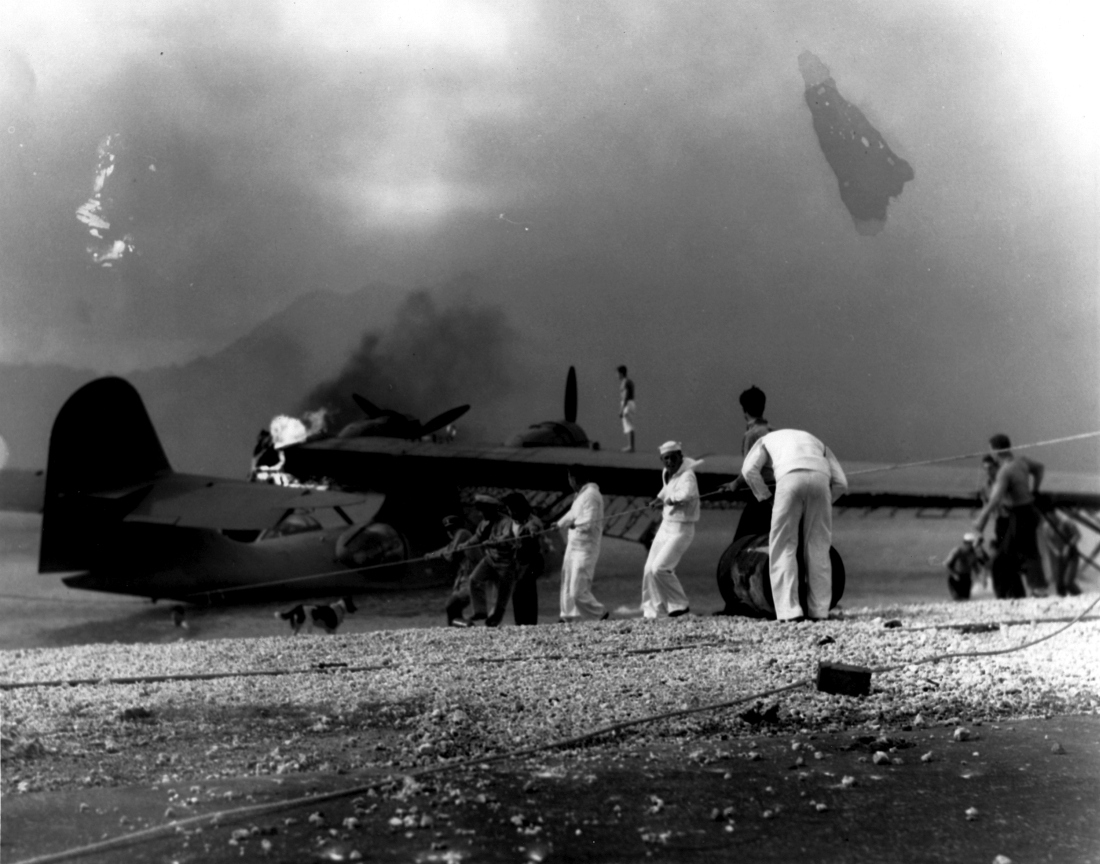
Sailors attempt to save a burning PBY at Naval Air Station, Kaneohe Bay, Oahu, during the Japanese air raid. This plane was set afire by strafing in the initial phase of the attack and was sunk in the second attack. Note the dog observing the work. NPSAM |
* * * * * * * * * * * * * * * * * * * * * *
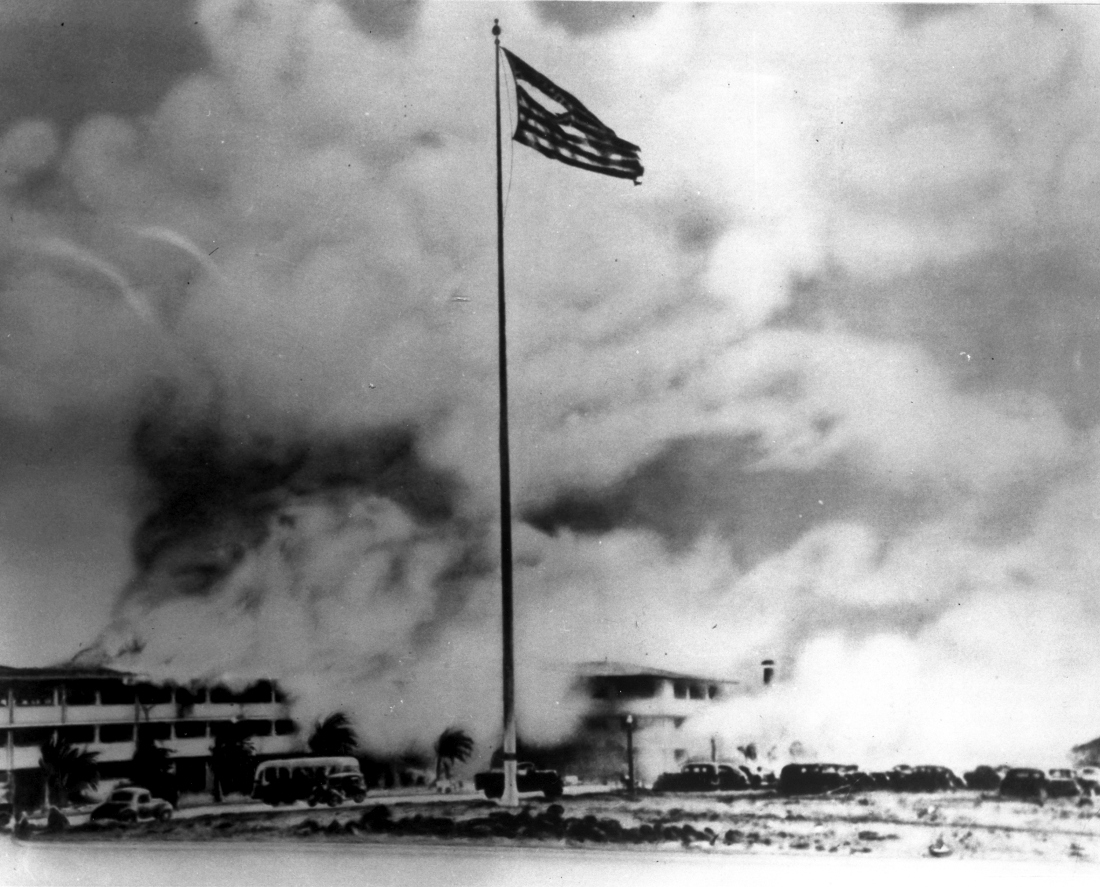
The US Flag flies over Hickam Field during the attack on Pearl Harbor and other major targets on Oahu. Note the burning consolidated barracks buildings in the background, struck during the second wave attacks. NPSAM |
* * * * * * * * * * * * * * * * * * * * * *
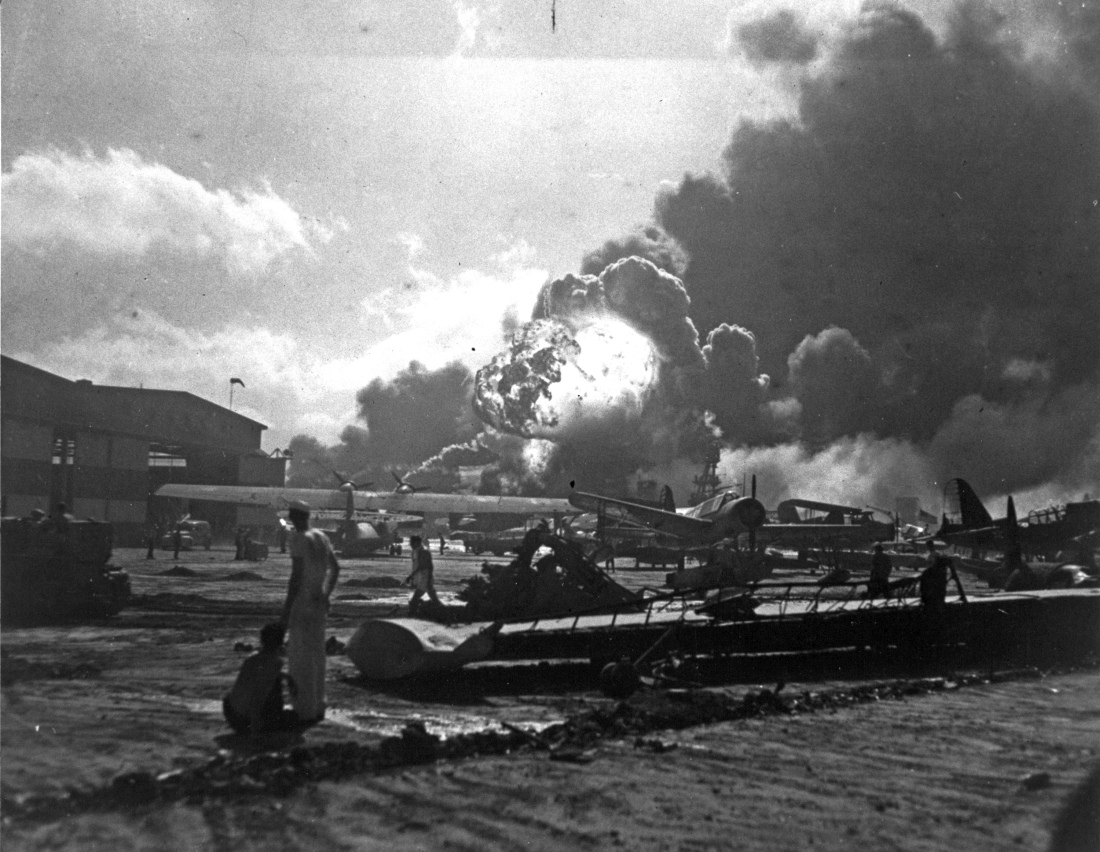
Sailors stand amid wrecked planes at the Ford Island seaplane base, watching as the destroyer Shaw (DD-373) explodes in the center background, 7 December 1941. The seaman in the foreground is Bob Barrigan, from Oklahoma City, Oklahoma, a crewmember on the seaplane tender TAngeer. Nevada (BB-36) is also visible in the middle background, with her bow angled toward the left and her colors visible to the right. Planes present include PBY, OS2U and SOC types. Wrecked wing in the foreground is from a PBY. NPSAM |
* * * * * * * * * * * * * * * * * * * * * *
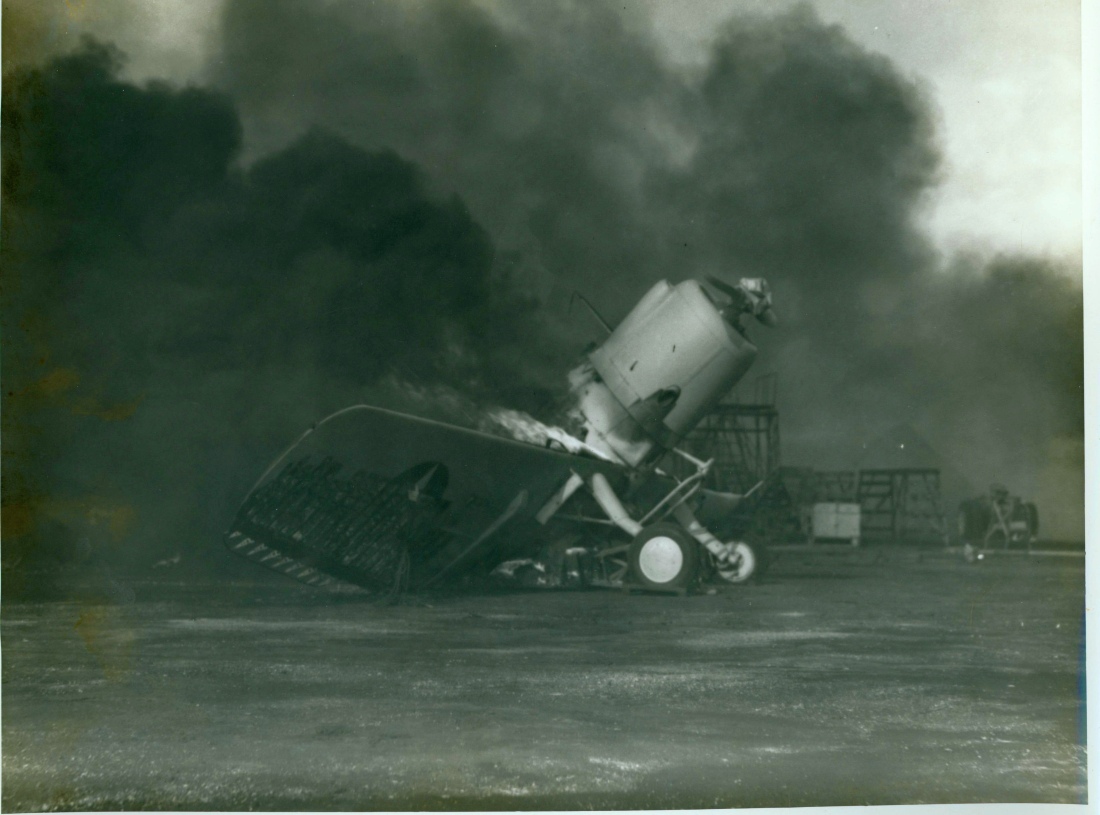
Burning aircraft on the ramp, Mooring Mast Field |
* * * * * * * * * * * * * * * * * * * * * *
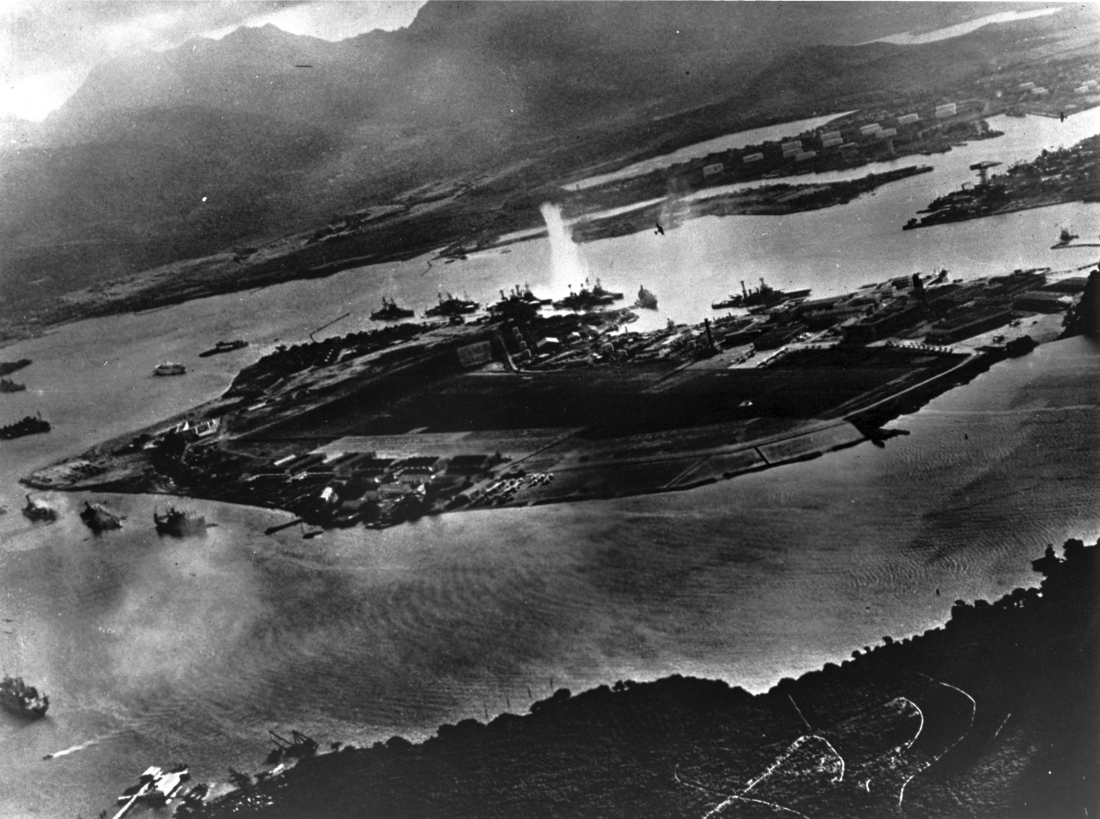
Photograph taken from a Japanese plane during the torpedo attack on ships moored on both sides of Ford Island in the first moments of the attack. View looks east, with the supply depot, submarine base and fuel tank farm in the right center distance. Note the absence of flak bursts, an indicator of complete tactical surprise, though ships' crews were manning battle stations and were en route to guns. A torpedo has just hit USS West Virginia on the far side of Ford Island (center). Other battleships moored nearby are (from left): Nevada, Arizona, Tennessee (inboard of West Virginia), Oklahoma (torpedoed and listing) alongside Maryland, and California. On the near side of Ford Island, to the left, are light cruisers Detroit and Raleigh, target and training ship Utah and seaplane tender TAngeer. Raleigh and Utah have been torpedoed, and Utah is listing sharply to port. In the lower left is the seaplane tender Curtiss. Japanese planes are visible in the right center (over Ford Island) and over the Navy Yard at right. Japanese writing in the lower right states that the photograph was reproduced by authorization of the Navy Ministry. NPSAM |
* * * * * * * * * * * * * * * * * * * * * *
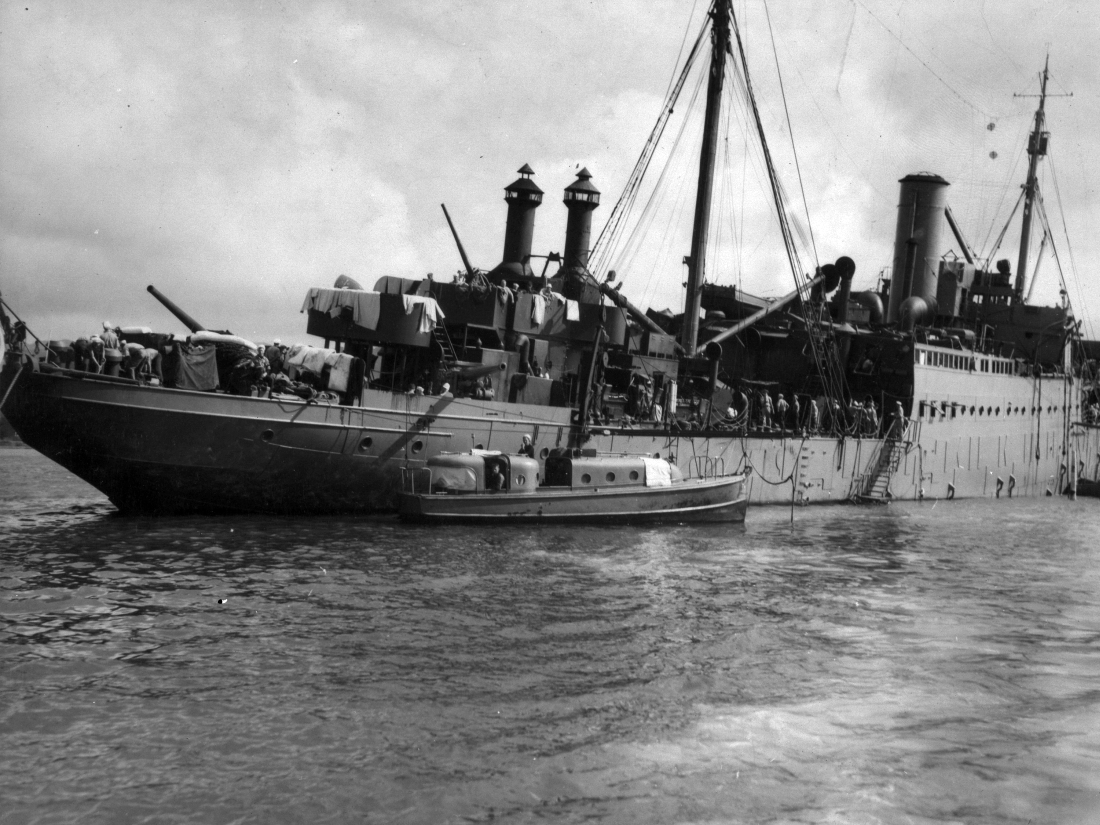
USS Vestal (AR-4) beached on Aiea shoal, Pearl Harbor, after the Japanese raid. She is listing from damage caused by two bombs that hit her during the attack. NA |
* * * * * * * * * * * * * * * * * * * * * *
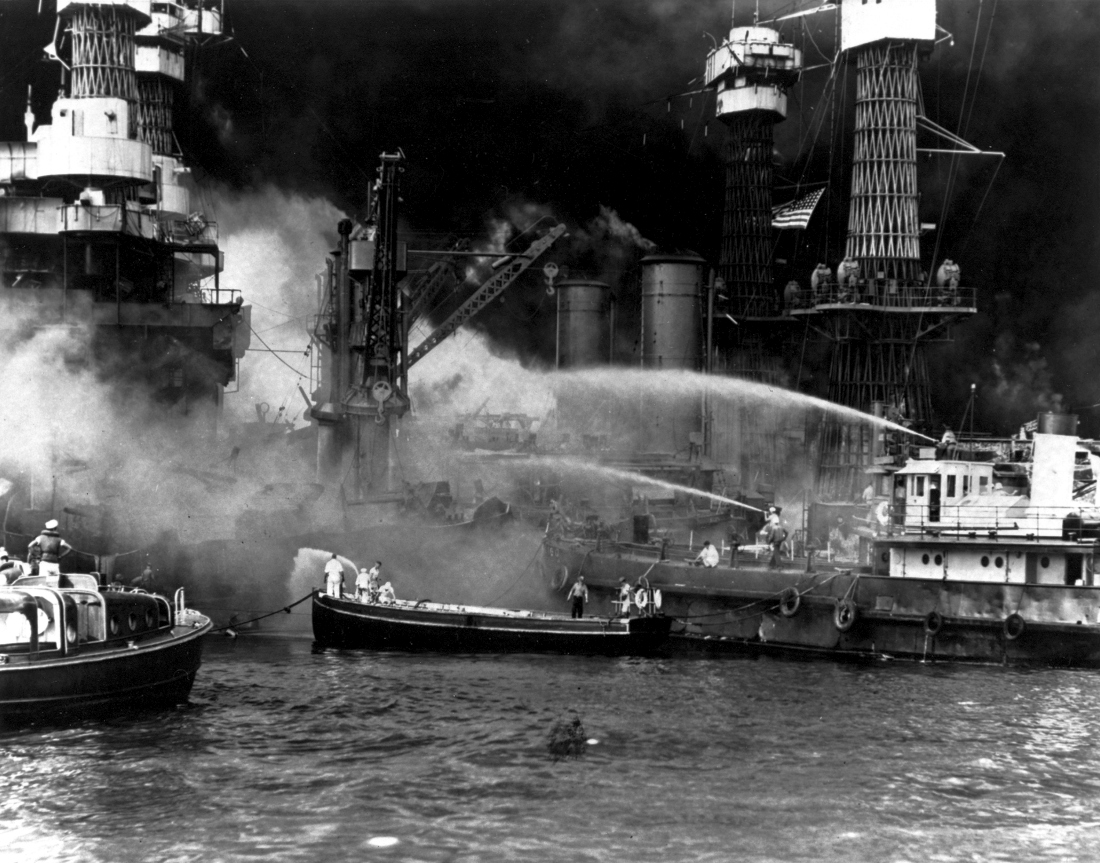
A fireboat pours water onto the burning, sinking battleship West Virginia (BB-48) following the attack by Japanese naval aircraft. The USS Tennessee in background. NPSAM |
* * * * * * * * * * * * * * * * * * * * * *
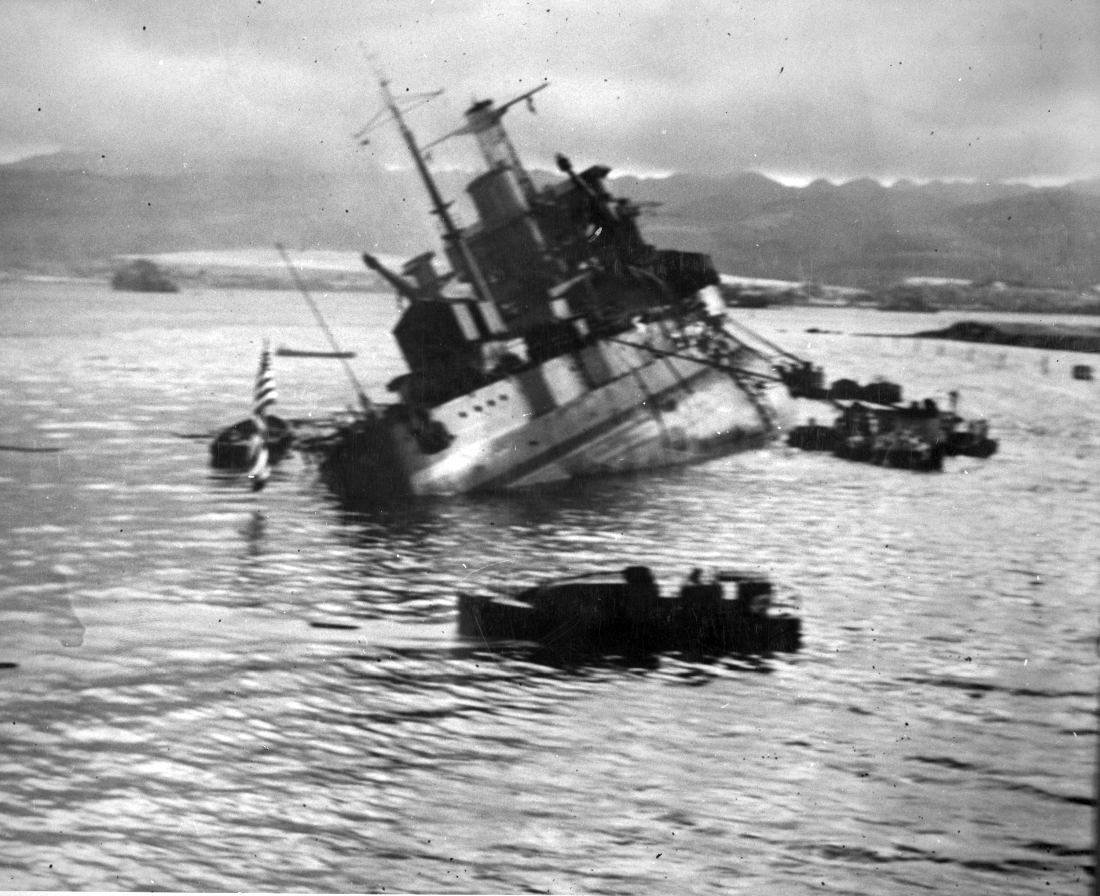
USS Utah (AG-16) torpedoed by Japanese aircraft, listing heavily to port, about to part her mooring lines and capsize off the west side of Ford Island, during the attack on Pearl Harbor, 7 December 1941. Photographed from seaplane tender TAngeer (AV-8), which was moored astern of Utah. Note colors half-raised over fantail, boats nearby, and sheds covering Utah's after guns. NA |
* * * * * * * * * * * * * * * * * * * * * *
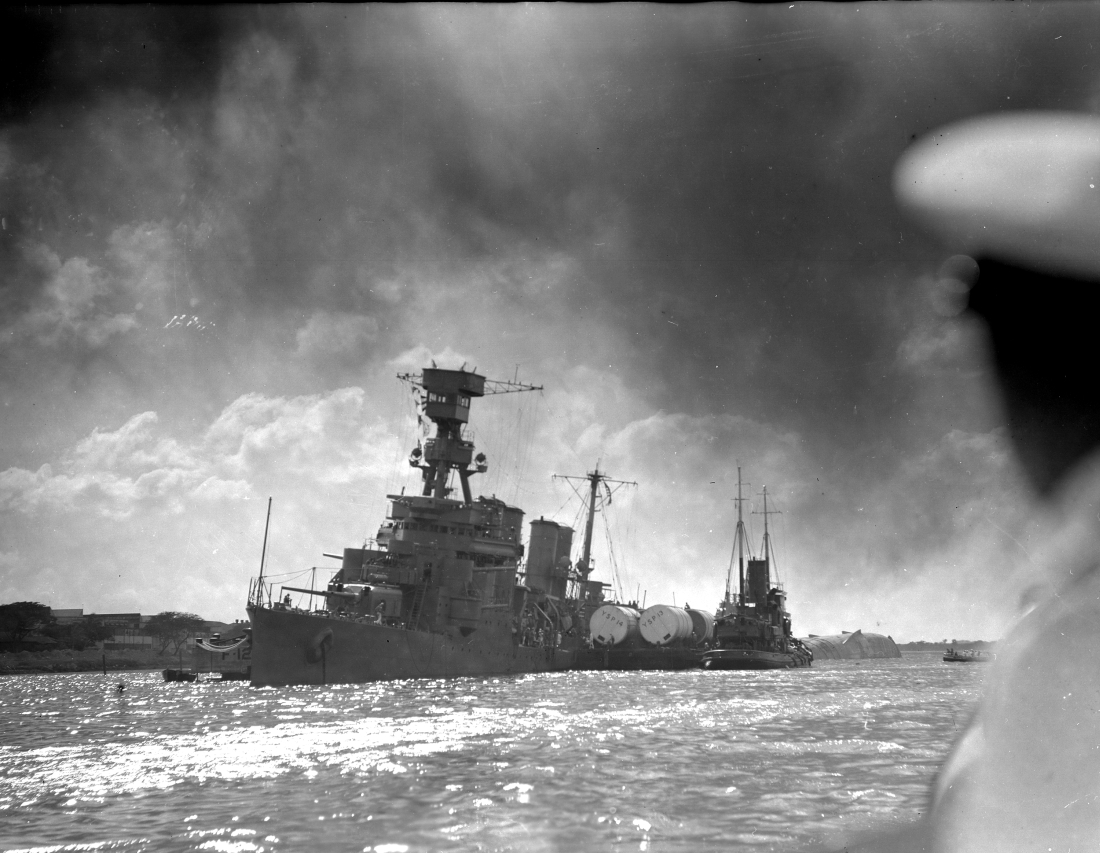
The light cruiser Raleigh (CL-7) is kept afloat by a barge lashed alongside, after she was damaged by a Japanese torpedo and a bomb, 7 December 1941. The barge has salvage pontoons YSP-14 and YSP-13 on board. The capsized hull of Utah (AG-16) is visible astern of Raleigh. NA |
* * * * * * * * * * * * * * * * * * * * * *
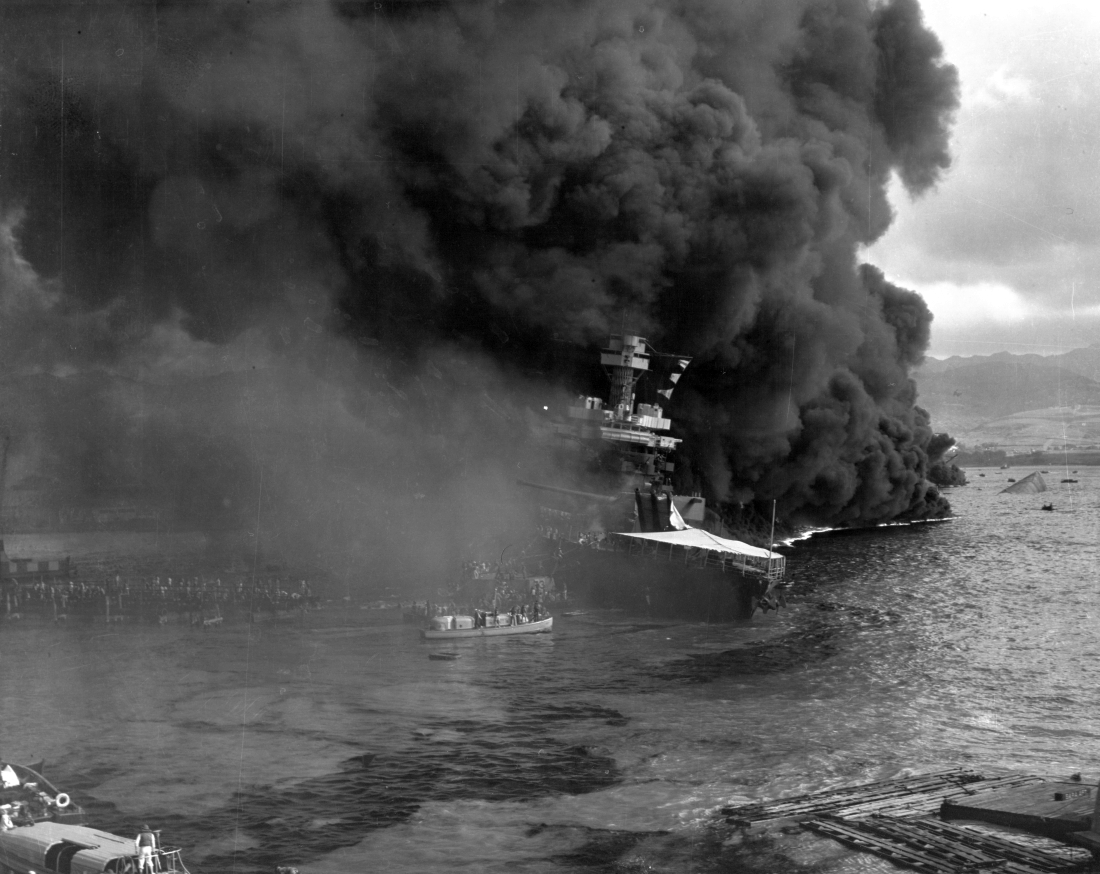
Crew abandoning the damaged, sinking California (BB-44) shortly after the end of the Japanese raid, as burning oil drifts down on the ship, at about 1000 hours on the morning of 7 December 1941. The capsized hull of Oklahoma (BB-37) is visible at the right. NHHC |
* * * * * * * * * * * * * * * * * * * * * *
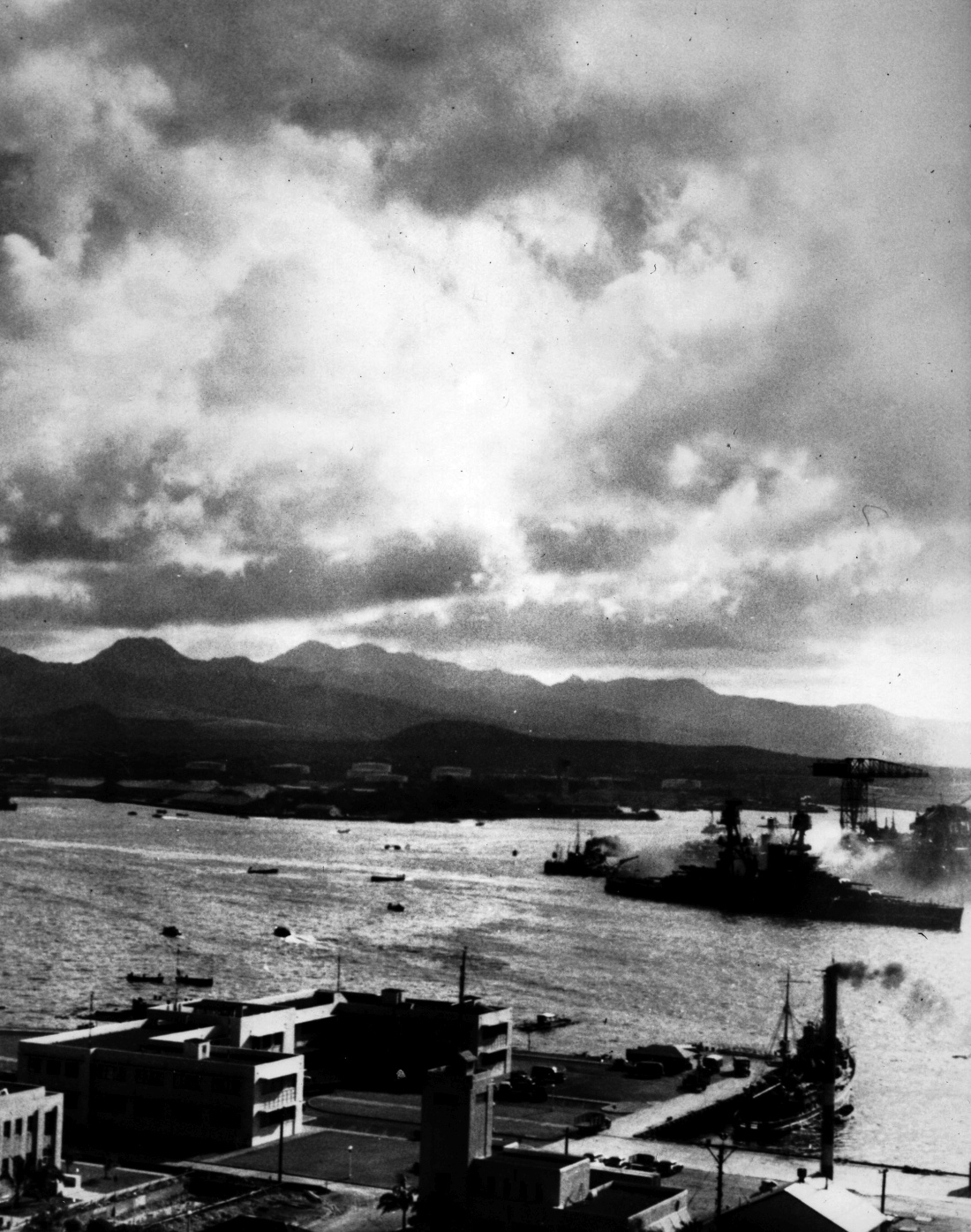
USS Nevada (BB-36) headed down channel past the Navy Yard's 1010 Dock, under Japanese air attack during her sortie from Battleship Row. Photographed from Ford Island. Small ship in the lower right is the seaplane tender Avocet (AVP-4). Note fuel tank 'farm' in the left center distance, beyond the Submarine Base. NHHC |
* * * * * * * * * * * * * * * * * * * * * *
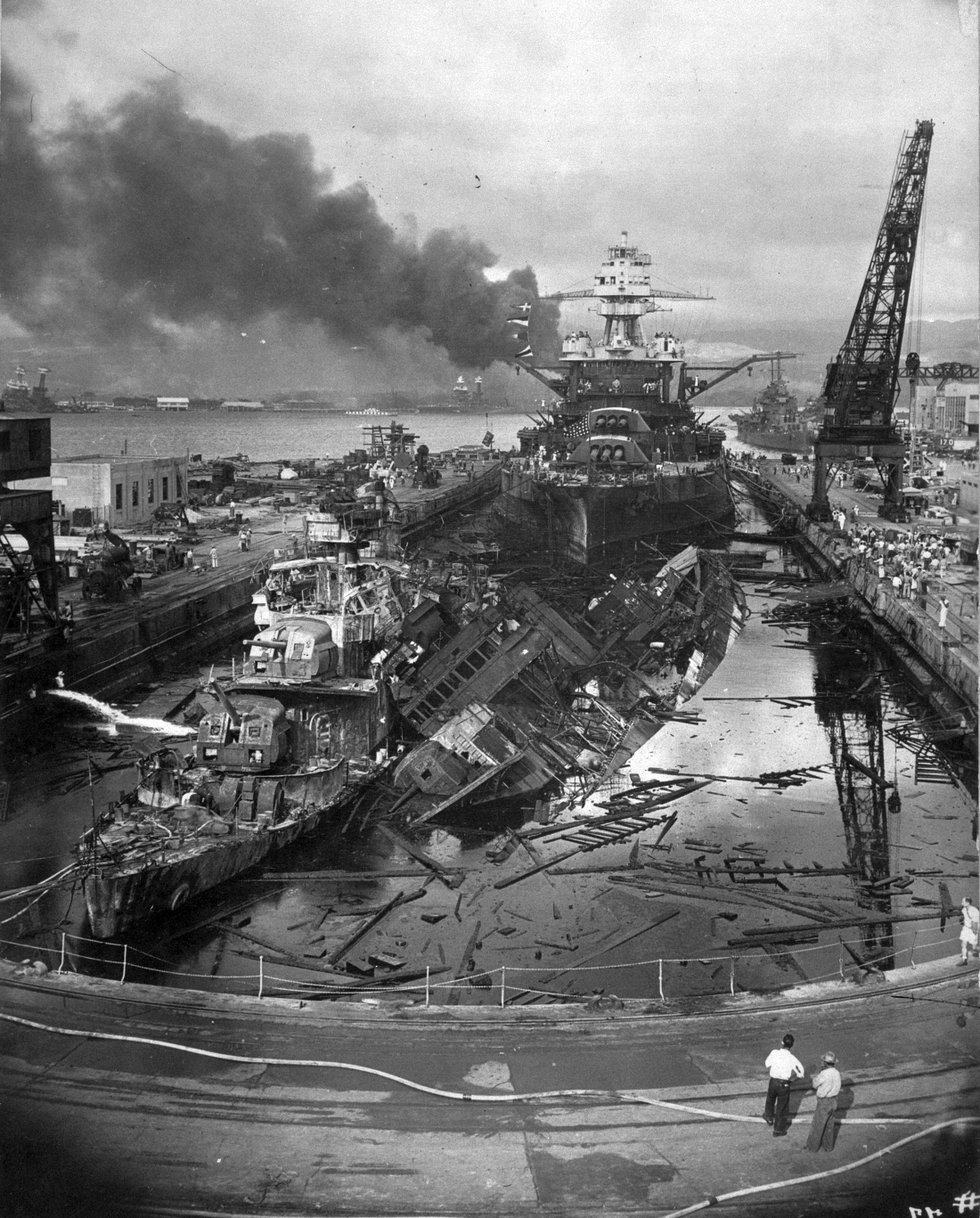
The wrecked destroyers Downes (DD-375) and Cassin (DD-372) in Dry Dock One at the Pearl Harbor Navy Yard, soon after the end of the Japanese air attack. Cassin has capsized against Downes. Pennsylvania (BB-38) is astern, occupying the rest of the drydock. The torpedo-damaged cruiser Helena (CL-50) is in the right distance, beyond the crane. Visible in the center distance is the capsized Oklahoma (BB-37), with Maryland (BB-46) alongside. Smoke is from the sunken and burning Arizona (BB-39), out of view behind Pennsylvania. California (BB-44) is partially visible at the extreme left. NA |
* * * * * * * * * * * * * * * * * * * * * *
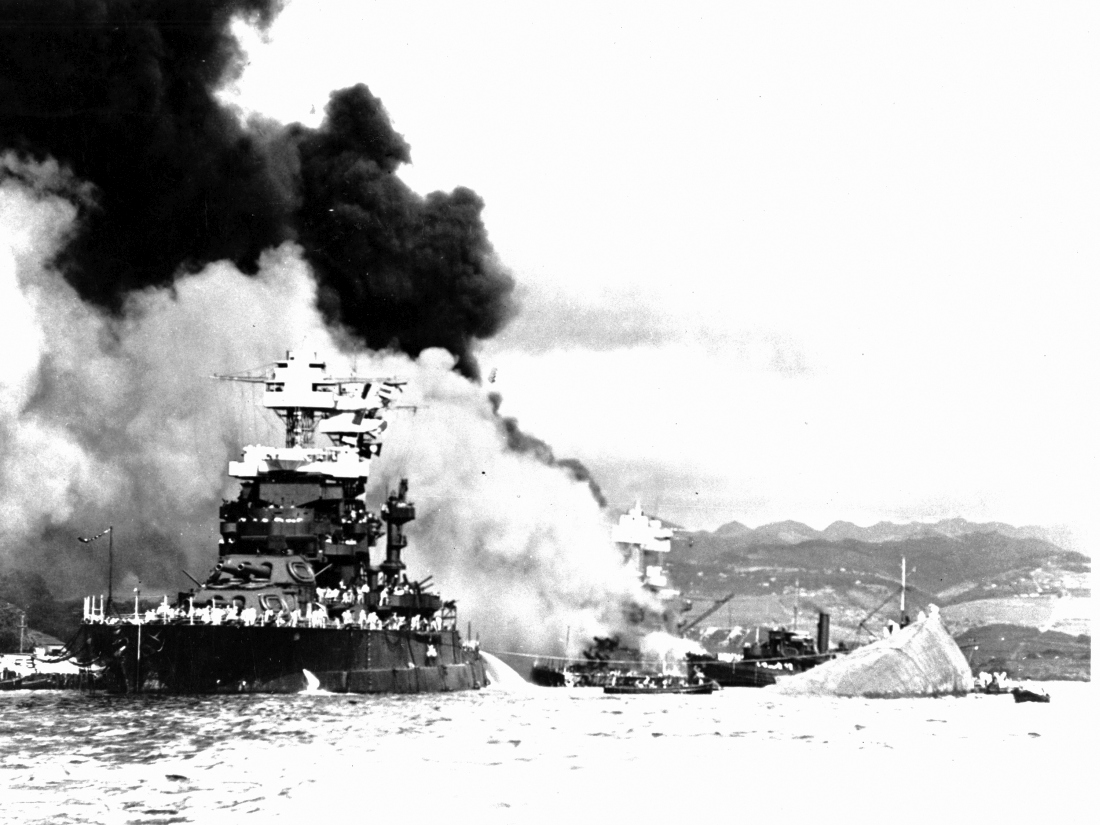
The overturned Oklahoma (right) and Maryland (BB-46) (left) In the background white smoke rises from West Virginia as her fires are brought under control after the attack. Arizona burns fiercely in the background. Note that rescue operations are underway on the upturned hull of Oklahoma and the main deck of Maryland. NPSAM |
* * * * * * * * * * * * * * * * * * * * * *
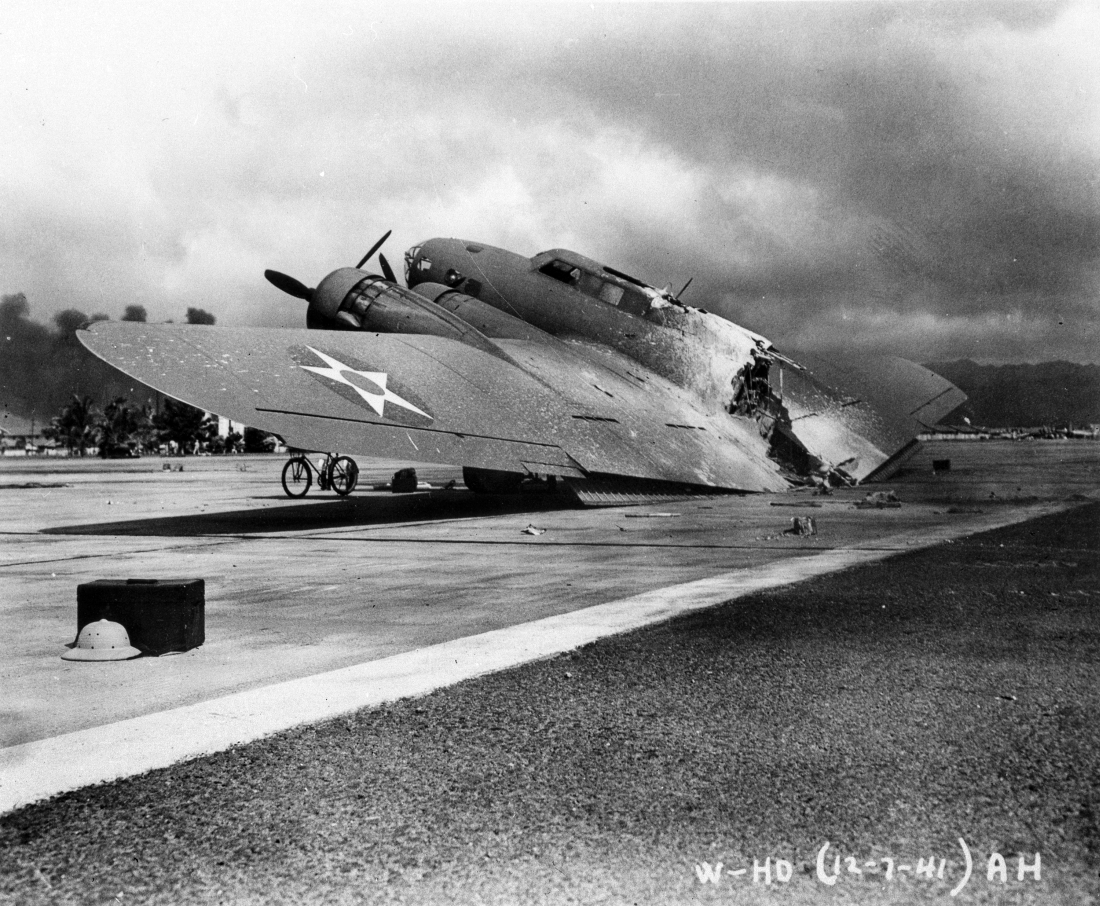
The wreckage of Captain Raymond T. Swenson's B-17C, Serial No. 40-2074, which burned in two after landing, following a Japanese fighter's airborne machine gun attack that hit its flare storage box. Flight surgeon, Lieutenant William R. Schick was aboard Swenson's aircraft, and with the crew members, escaped, was running to take cover, only to be fatally wounded by a ricocheting machine gun bullet from a strafing Japanese fighter. NA |
* * * * * * * * * * * * * * * * * * * * * *
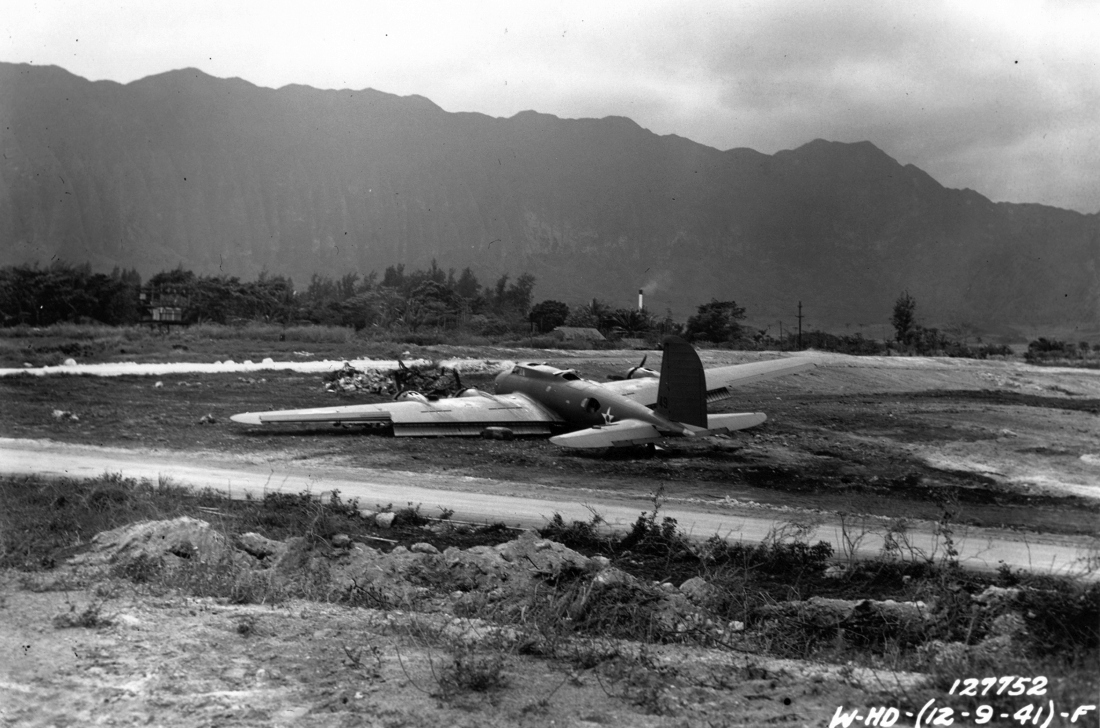
The crippled, crash-landed B-17C, which diverted from Hickam to avoid repeated attacks by the Japanese raiders. The pilot made an emergency, downwind landing at Bellows Field and retracted the landing gear during roll-out. The crew counted 73 bullet holes in the bomber after the airborne attacks while attempting to land at Hickam, followed by attacks at Bellows Field by nine Japanese fighters. NPSAM |
* * * * * * * * * * * * * * * * * * * * * *
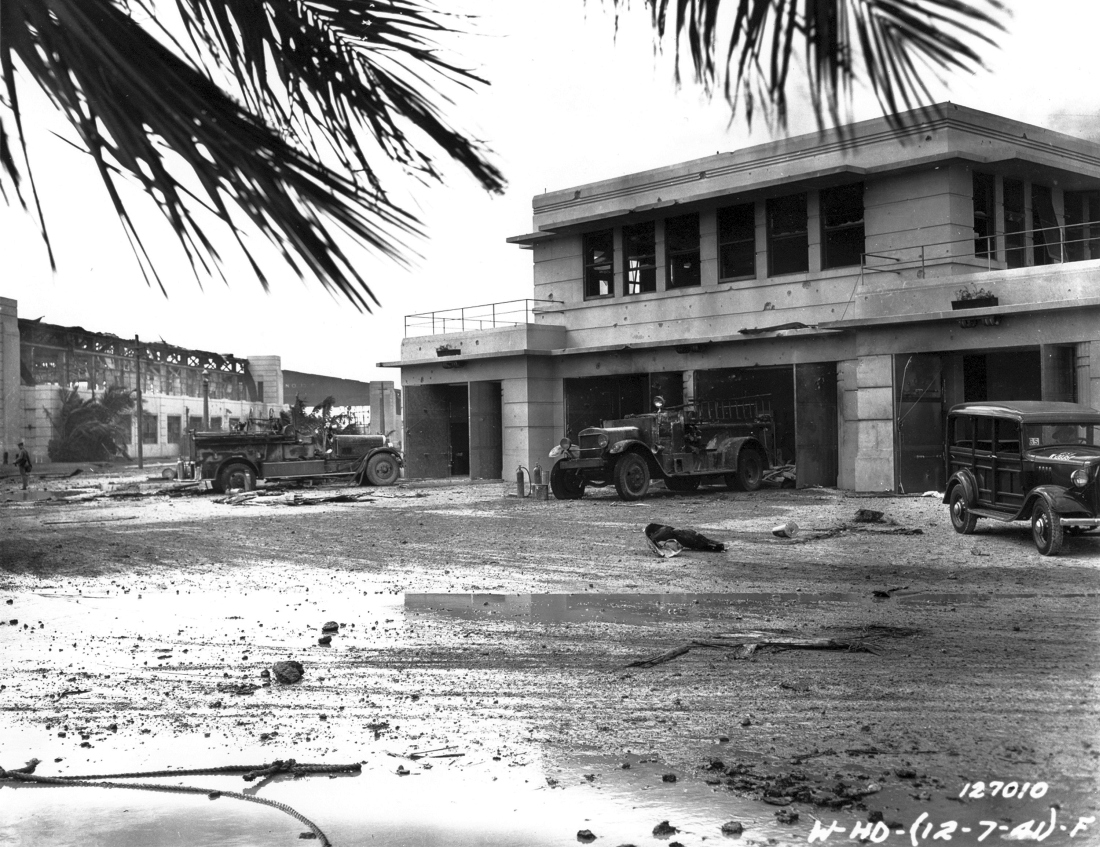
Strafed Fire House on Hickam Air Field with two fire trucks outside and debris from the attack This vivid photo shows the damage to Hickam Field's fire station. Note pockmarks of machine gun fire on the side of the building. NPSAM |
* * * * * * * * * * * * * * * * * * * * * *
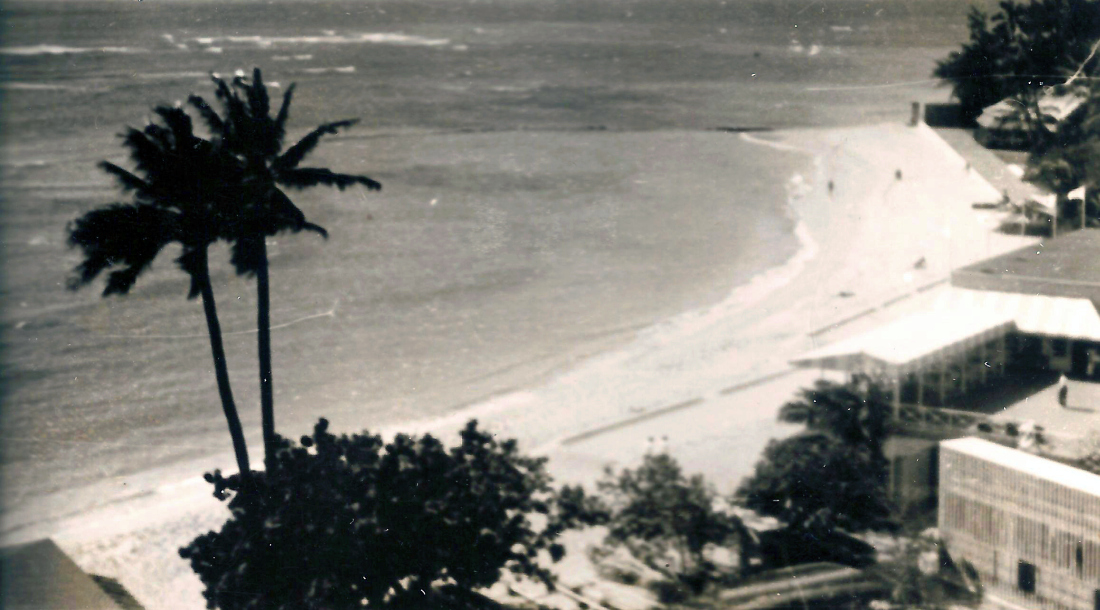
Waikiki Beach, 4 December 1941, as seen from Ken Jacobson's hotel room window. Late afternoon on 7 December, Willamette football players were helping Marines dig trenches and firing positions, lay barbed wire, and that night manned defensive positions with the Marines because of fears the Japanese would land troops. KJC |
* * * * * * * * * * * * * * * * * * * * * *
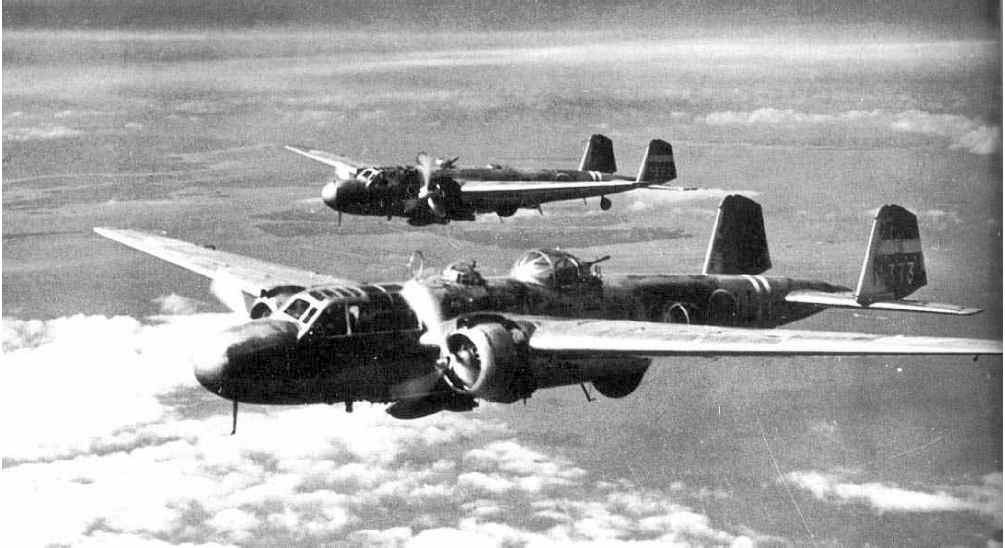
While the attack on Pearl Harbor was in progress thirty-four Japanese Mitsubishi G3M Type 96 'Nell' land attack planes of the Chitose Air Group lifted off from the airstrip at Roi, in the Marshall Islands. Shortly before noon they came in on Wake Island defenders at 13,000 feet. Clouds cloaked their approach and the pounding of the surf drowned out the noise of their engines as they dropped down to 1,500 feet and roared in from the sea and completed a shattering surprise attack on the Island's defenders, and damaged Pan American Airways' Philippine Clipper - which had turned back to Pan American's Wake Island base when the Clipper's captain received word of the Japanese attack on Pearl Harbor. |
* * * * * * * * * * * * * * * * * * * * * *
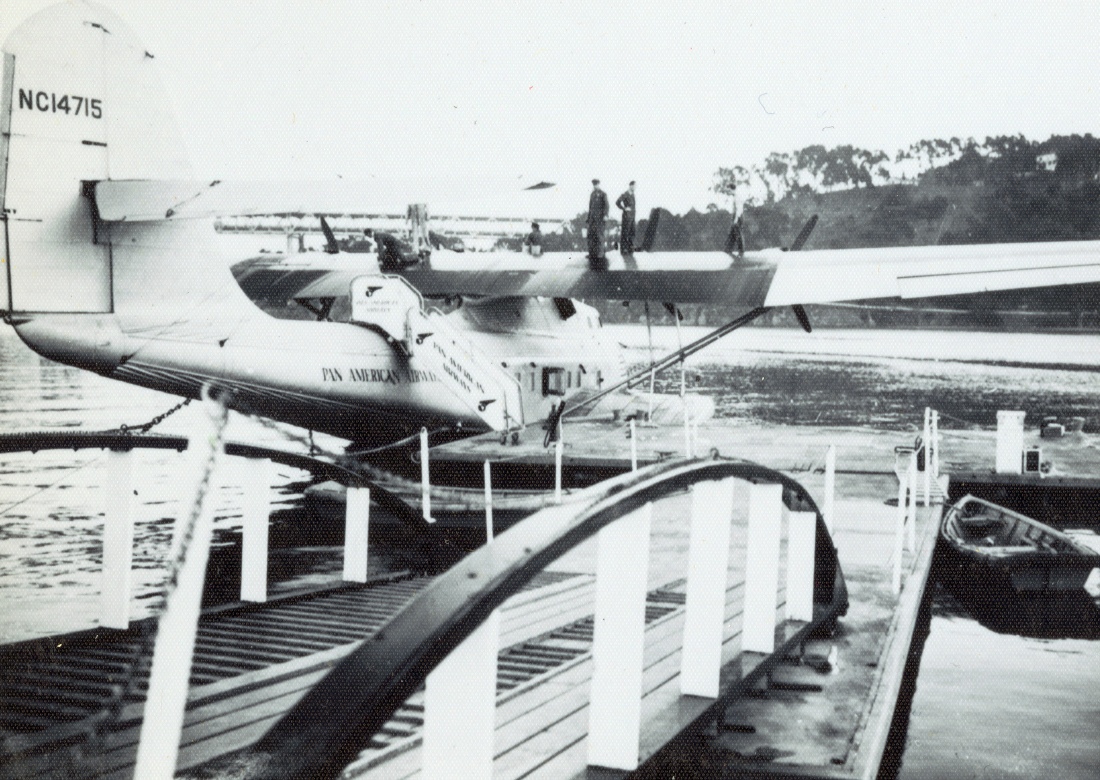
The Philippine Clipper, after landing at Pan Am's Treasure Island terminal in San Francisco harbor, 10 December 1941. The aircraft landed in San Francisco still carrying the 16 bullet holes from the Japanese attack at Wake Island. PAAR/UMLSCF |